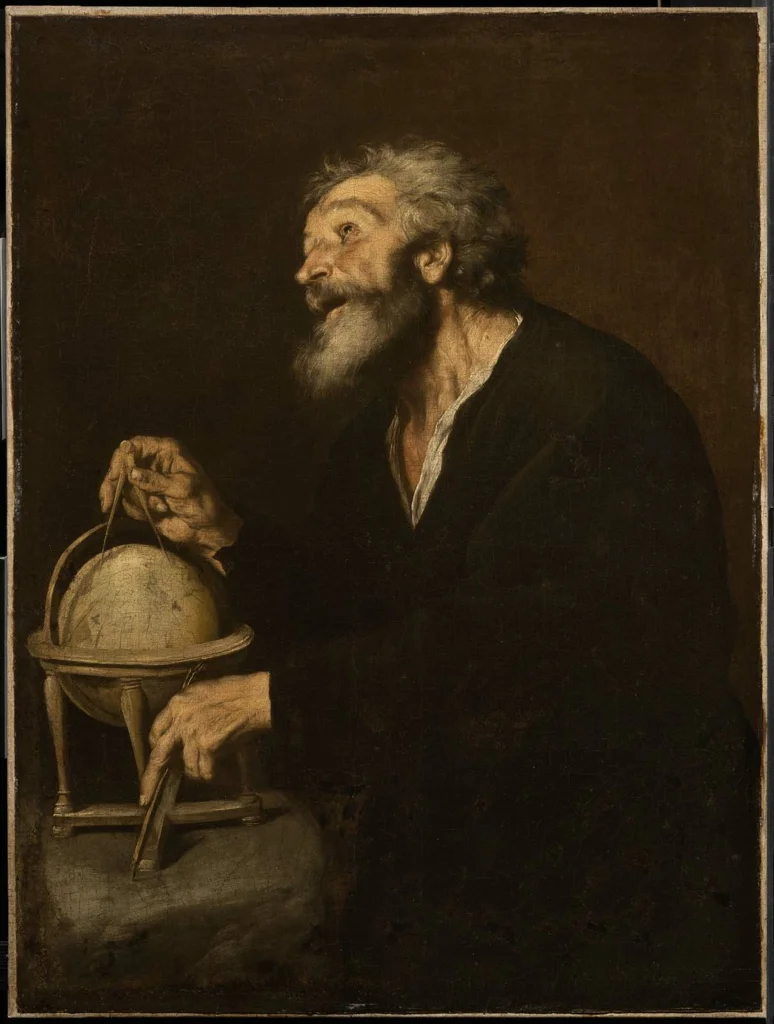
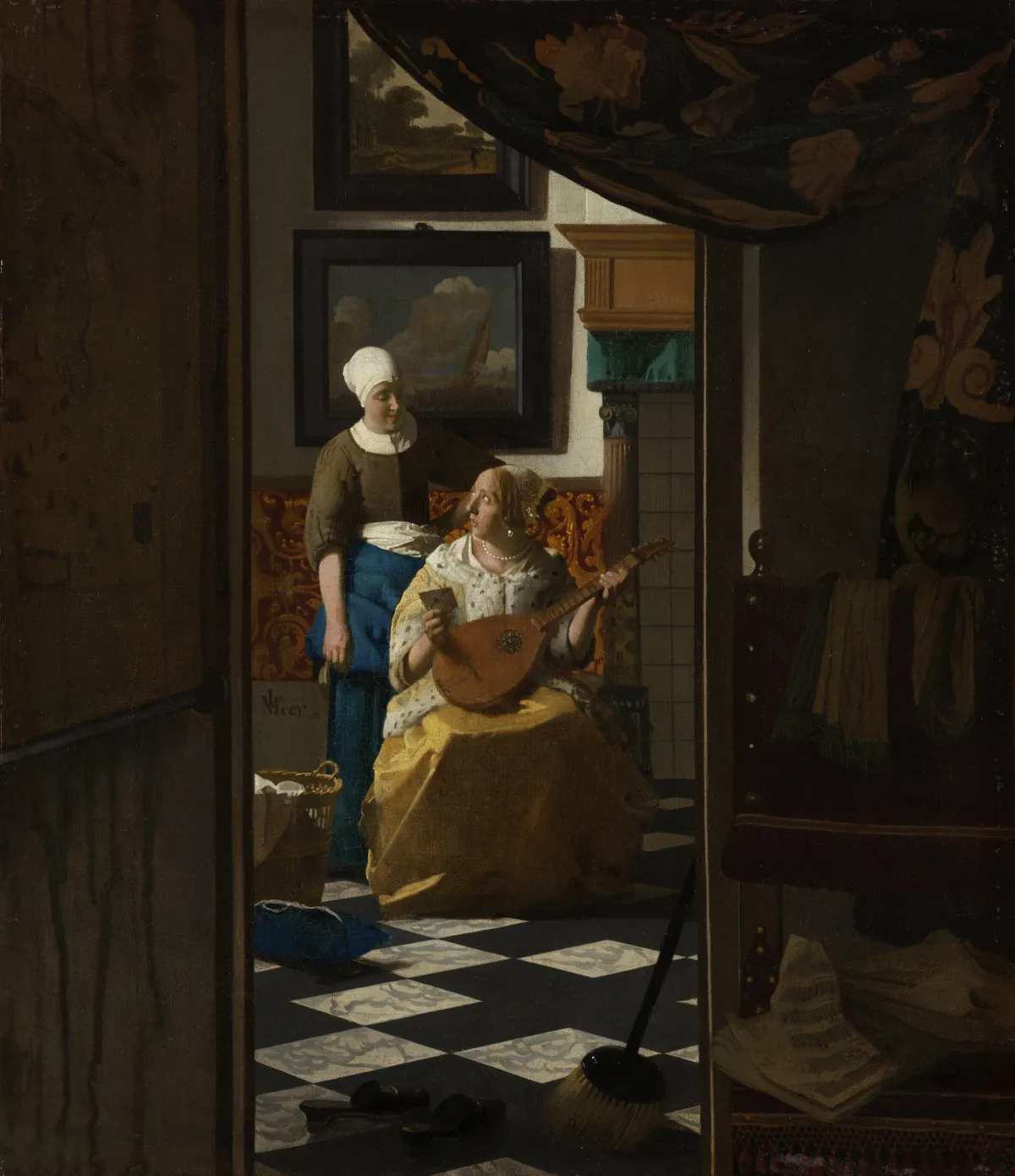
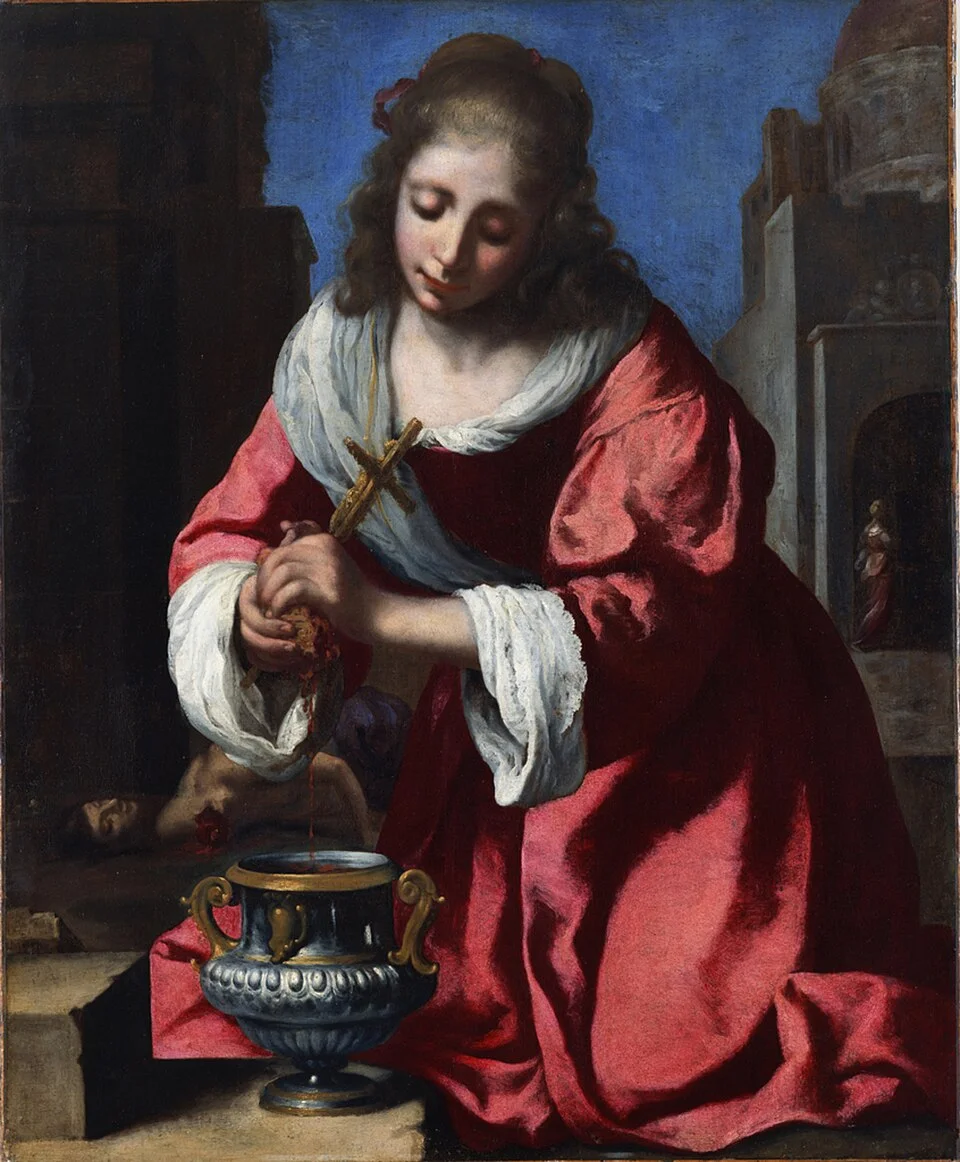
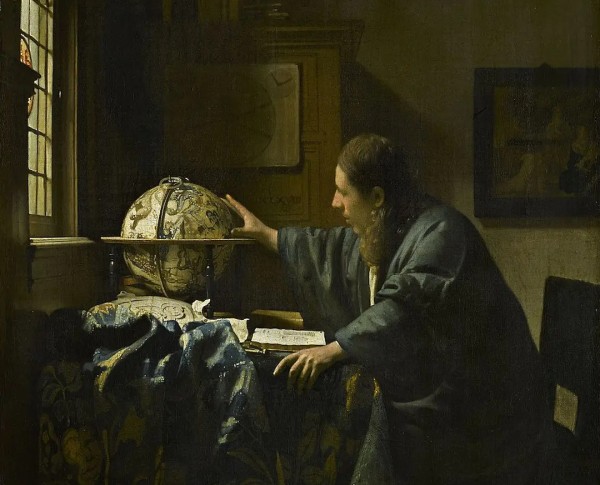
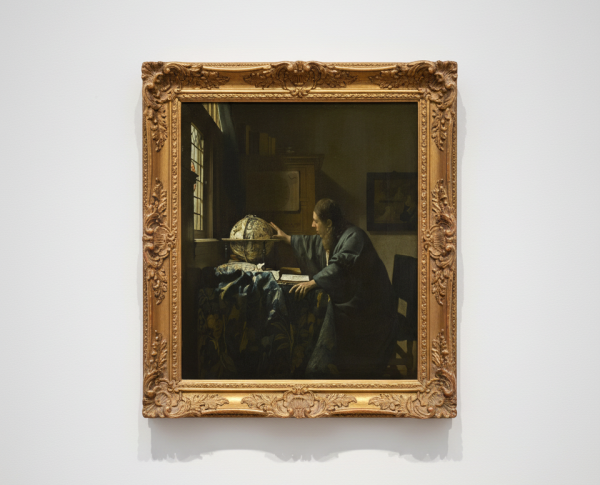
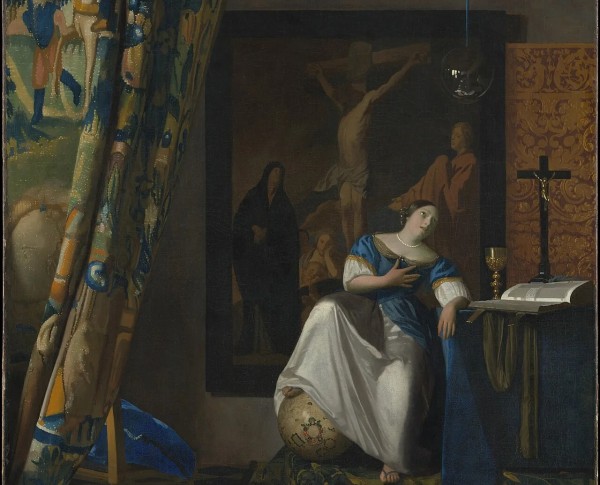
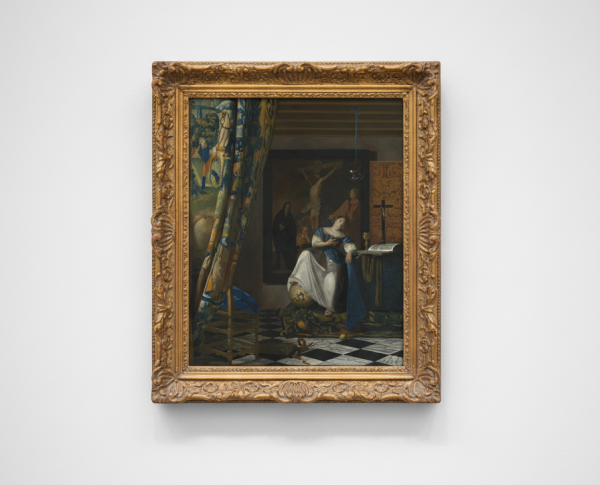
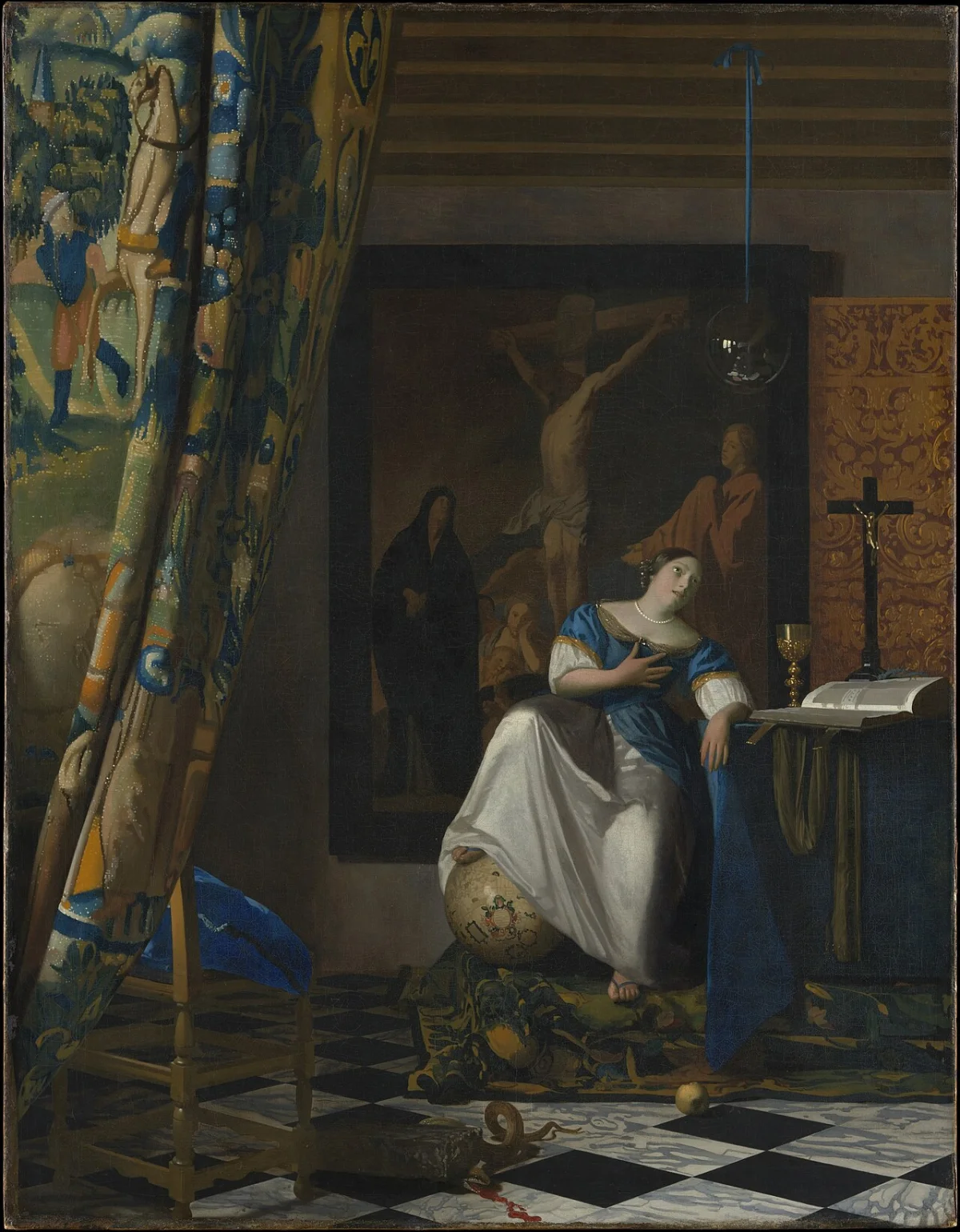
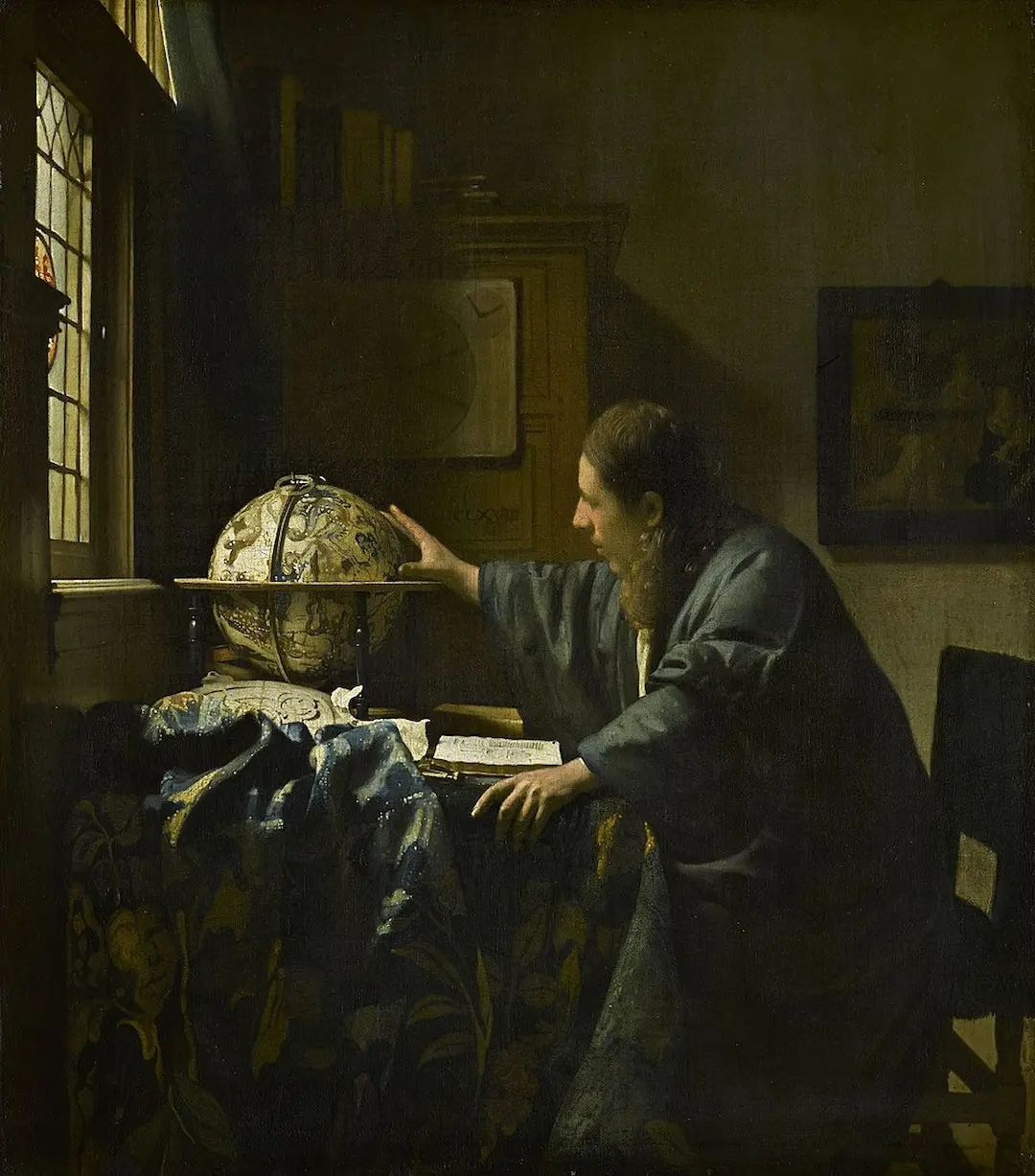
Vermeer’s exceptional attention to light and detail is evident in every inch of this oil on canvas. The painting’s intricate brushwork and vibrant colors highlight the artist’s technical prowess, making it a prime example of Dutch Golden Age artistry. For those seeking a true masterpiece, "Allegory of the Catholic Faith" and other works like "The Astronomer c. 1668" represent the pinnacle of oil on canvas techniques from this celebrated period.
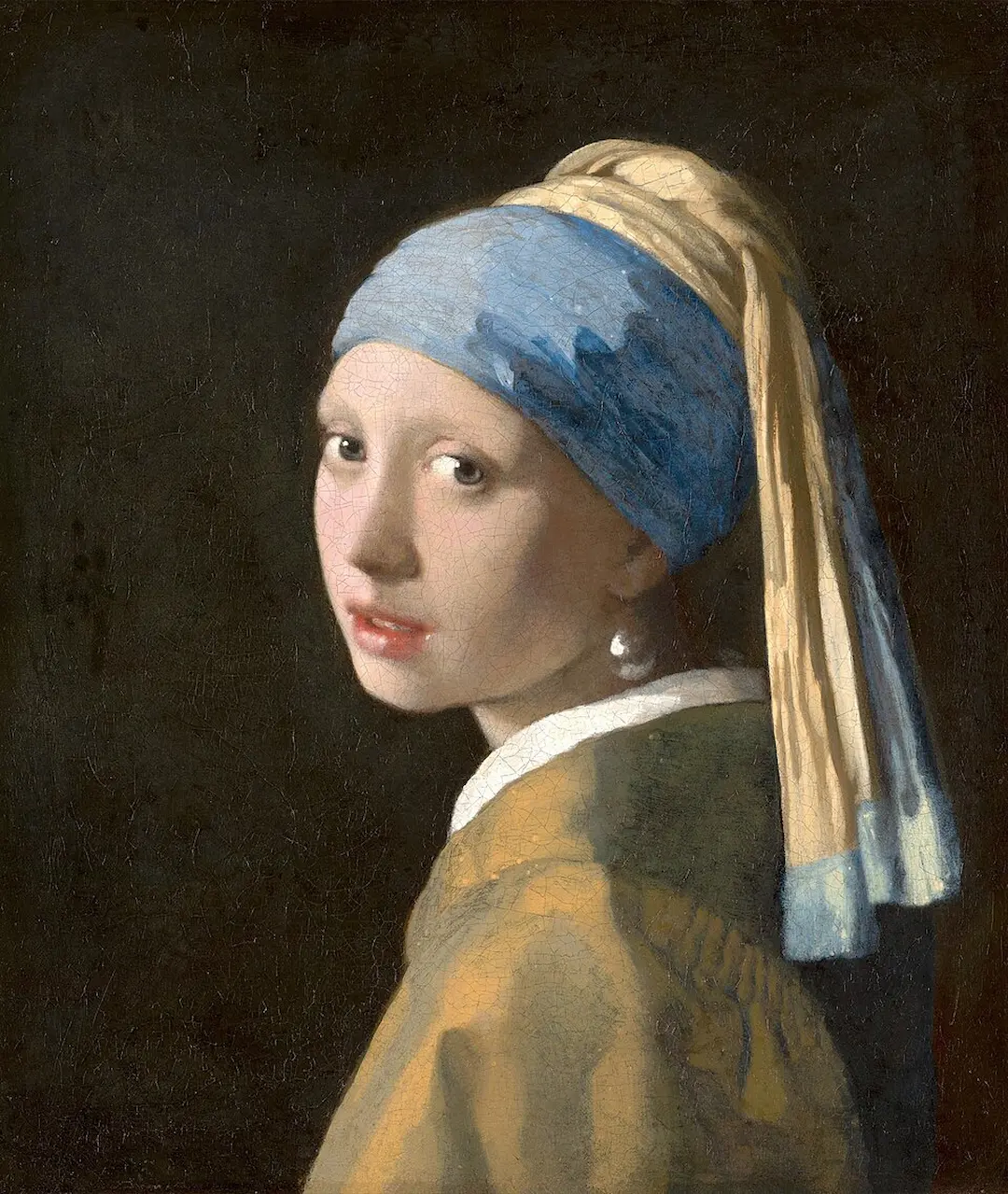
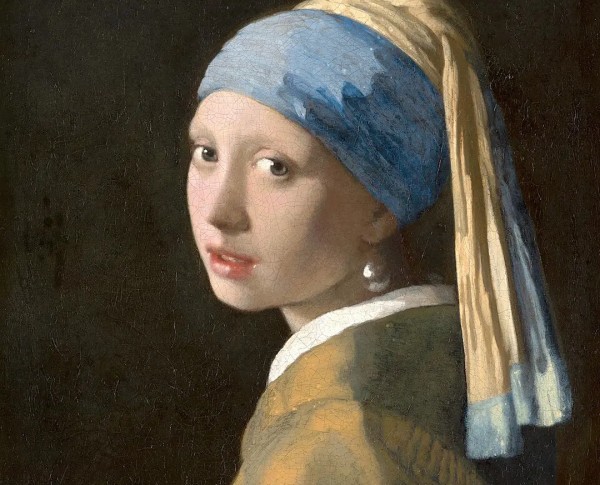
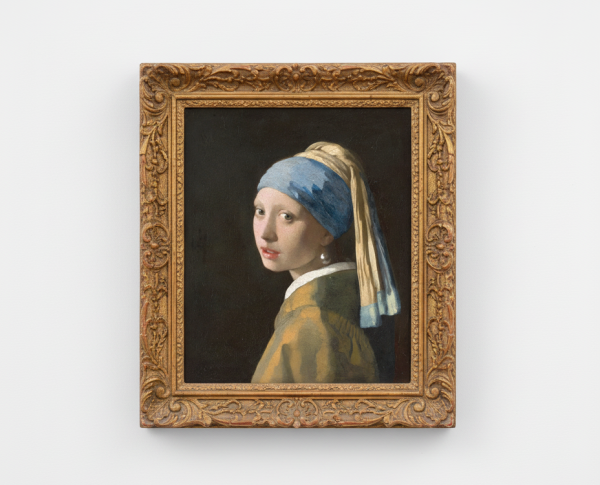
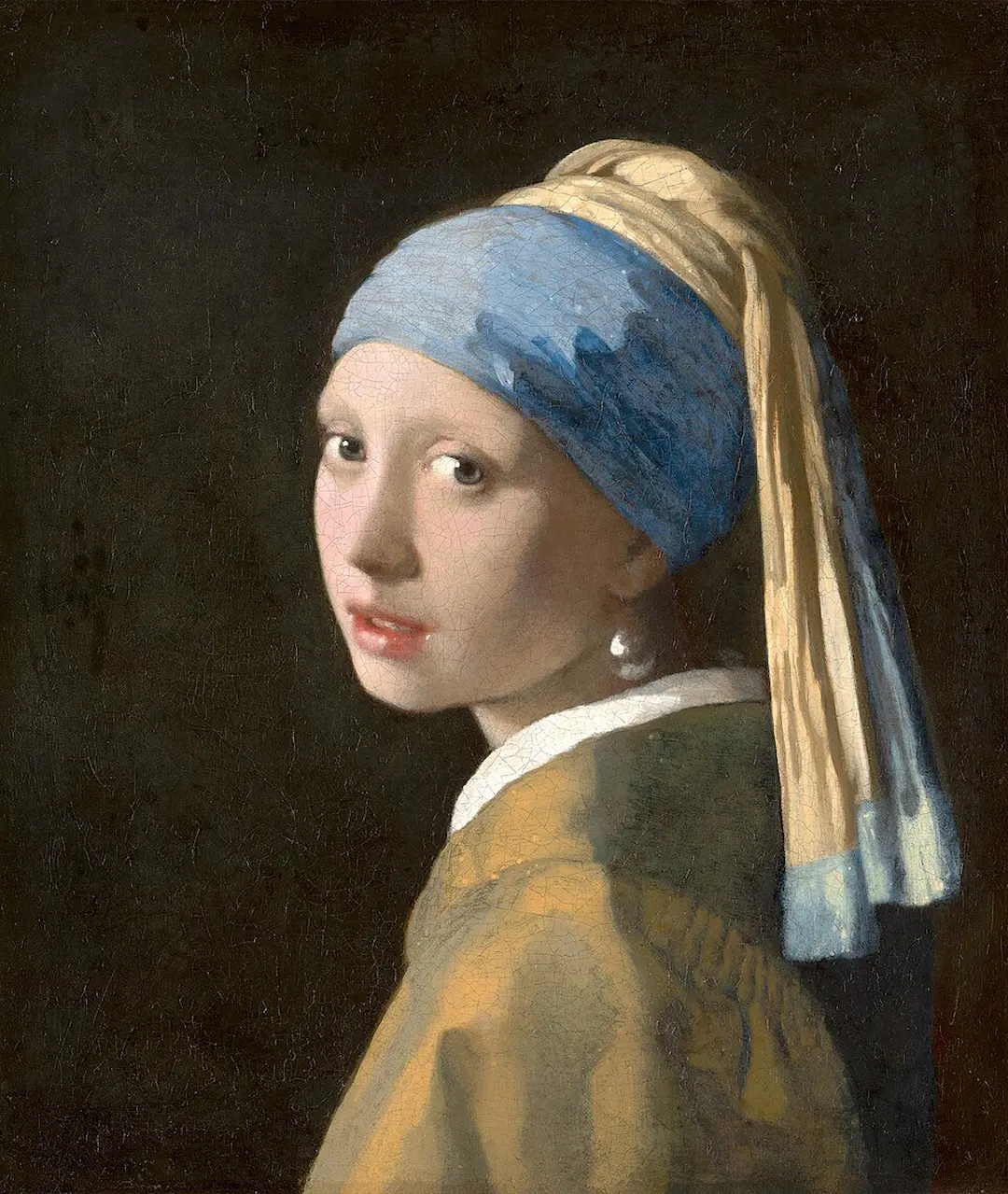
"Allegory of the Catholic Faith" is more than just a fine art painting for sale; it is a tapestry of symbolism and narrative. Vermeer weaves religious iconography throughout the scene, inviting viewers to explore deeper meanings. Collectors of Dutch Golden Age art will also find similar storytelling in related products such as "Girl with a Pearl Earring c. 1665" and "The Astronomer c. 1668," each offering their own layers of interpretation.
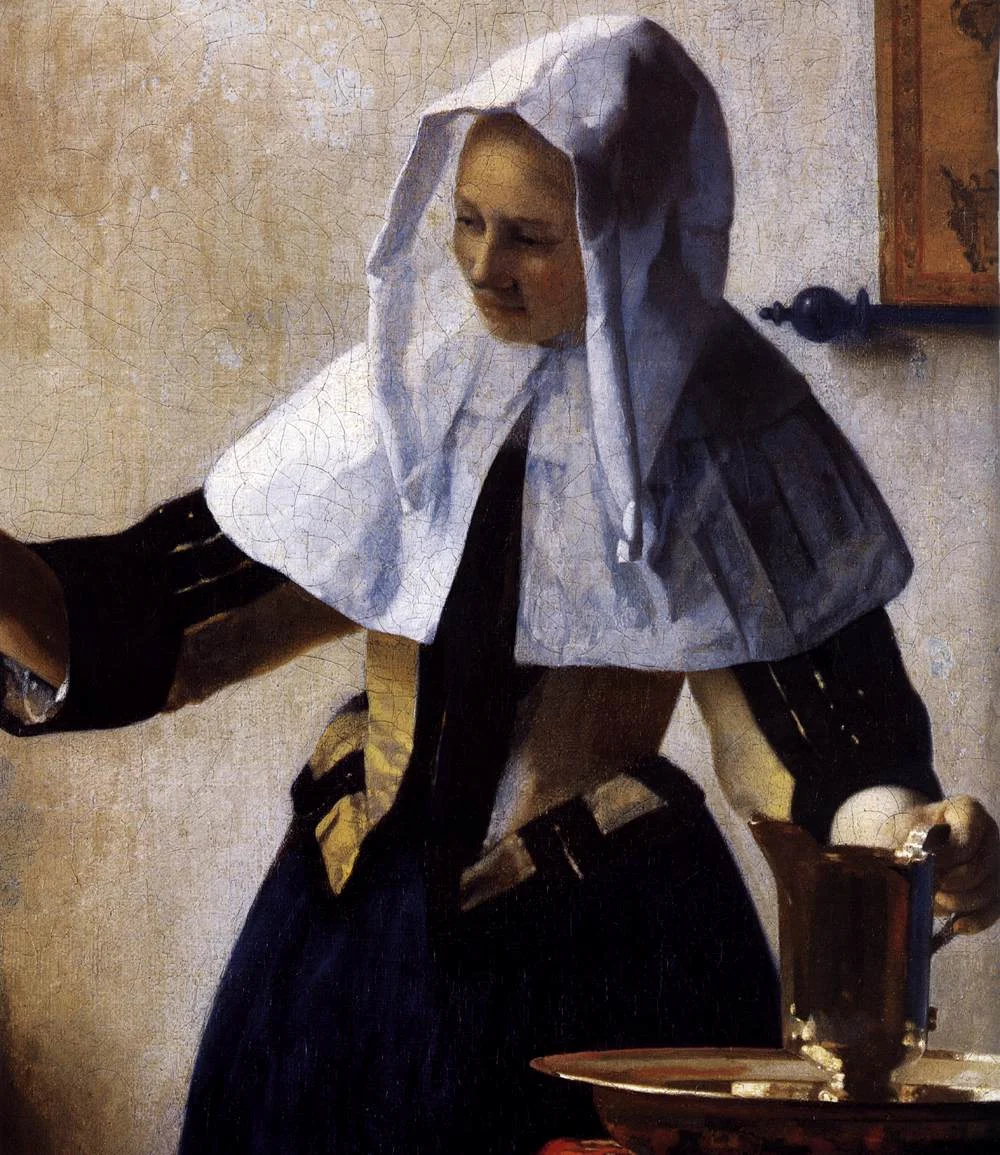
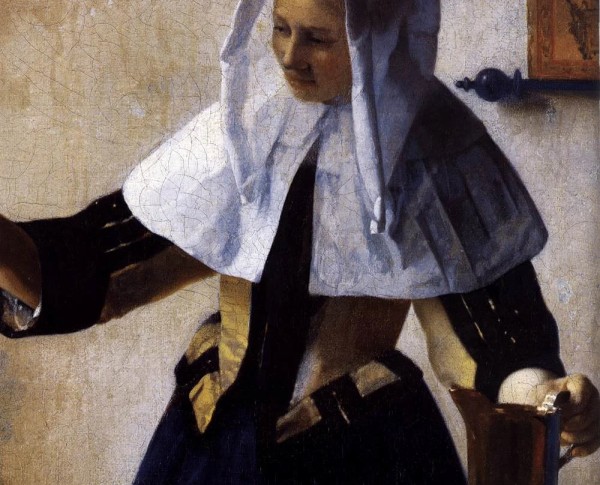
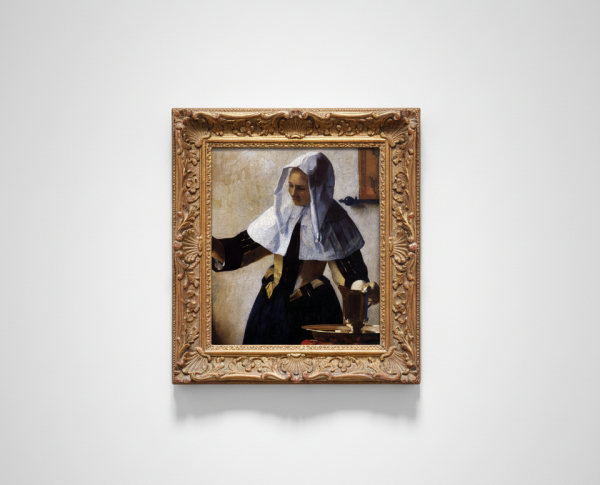
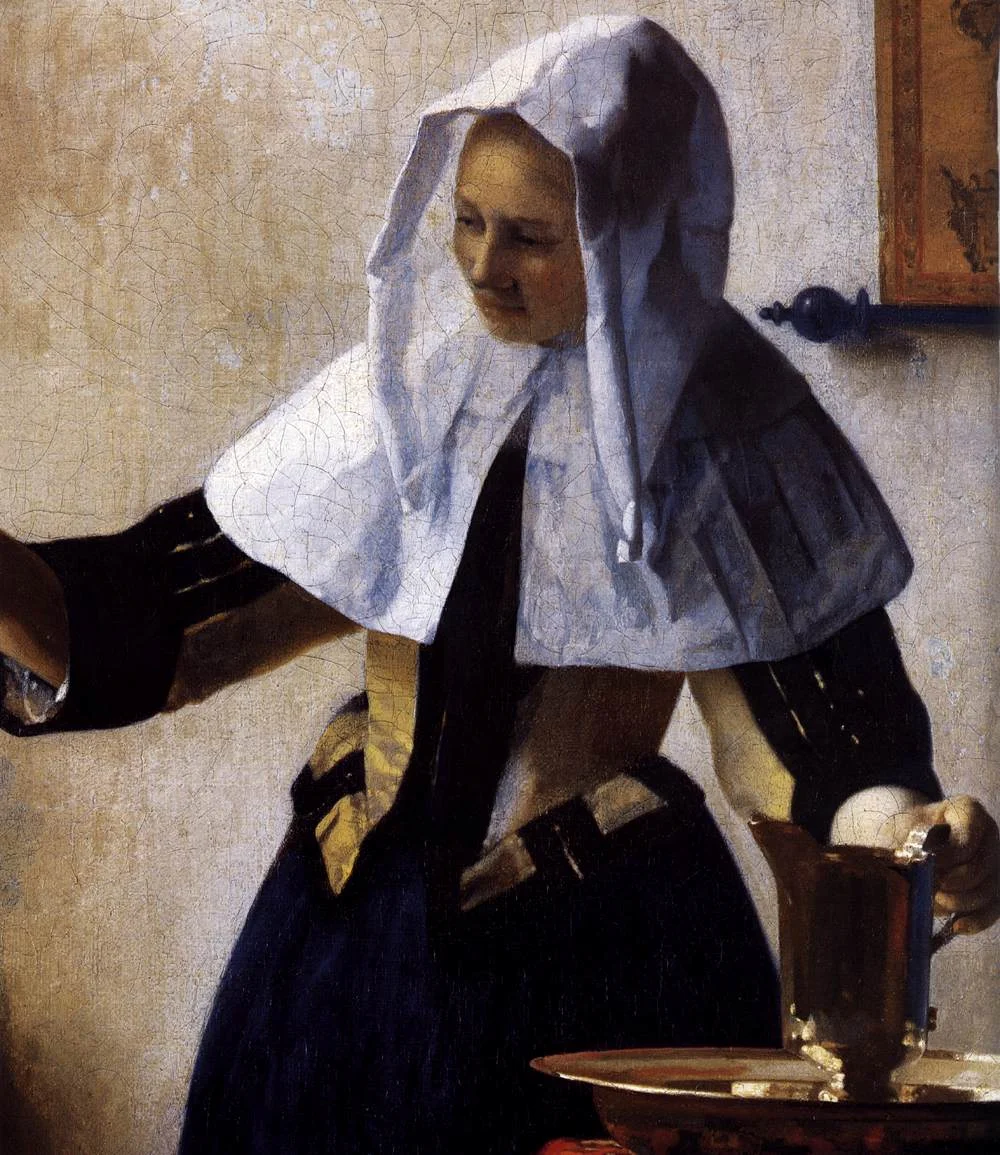
Owning a piece like "Allegory of the Catholic Faith" is a rare opportunity for those passionate about hand-painted oil painting masterpieces from the Dutch Golden Age. Jan Vermeer Van Delft’s works, including "Woman with a Water Jug" and "The Astronomer c. 1668," are highly sought after by collectors worldwide. Each fine art painting for sale from this era represents a timeless investment and a window into the rich history of European art.
When Art Meets History
Jan Vermeer Van Delft’s "Allegory of the Catholic Faith" stands as a testament to the Dutch Golden Age, a period marked by extraordinary creativity and religious reflection. This hand-painted oil painting explores the intersection of faith and culture in seventeenth-century Holland. Like related masterpieces such as "Philosopher in Meditation 1632" and "The Return of the Prodigal Son c. 1669," Vermeer’s work captures a moment where art and history blend seamlessly, offering a window into the spiritual concerns of the era.
Techniques That Speak
Vermeer’s mastery in "Allegory of the Catholic Faith" is evident through his delicate use of oil on canvas, creating luminous effects and intricate details. His soft brushwork and controlled lighting techniques echo the technical brilliance seen in "The Night Watch" and "Man in a Golden Helmet c. 1650." This Dutch Golden Age painting demonstrates how Vermeer elevated the medium, making each element resonate with symbolic meaning and inviting viewers to appreciate the depth of his artistic process.
Emotions on Display
The "Allegory of the Catholic Faith" by Jan Vermeer Van Delft teems with emotional intensity, capturing the viewer’s imagination. The composition radiates serenity and devotion, much like "Christ In The Storm On The Sea Of Galilee." This fine art painting for sale is celebrated for its evocative portrayal of spiritual themes, reflecting the inner world of faith during the Dutch Golden Age. Vermeer’s subtle expressions and careful symbolism make this work deeply moving and universally relatable.
Coveted by Collectors
Collectors worldwide seek "Allegory of the Catholic Faith" for its historical significance and exquisite artistry. As a hand-painted oil painting from the Dutch Golden Age, it stands alongside treasures like "Philosopher in Meditation 1632" and "The Night Watch." Jan Vermeer Van Delft’s pieces are highly valued in the art market, and this particular painting is a prime example of a fine art painting for sale that continues to captivate connoisseurs and enthusiasts alike.
Related Dutch Golden Age Hand-Painted Oil Paintings by Other Artists
Other Famous Dutch Golden Age Artists:
Frequently Asked Questions About Allegory of the Catholic Faith
What is the historical context of "Allegory of the Catholic Faith"?
"Allegory of the Catholic Faith" was painted during the height of the Baroque period, a time characterized by dramatic expression and grandeur. This period was marked by religious conflict in Europe, particularly between Catholicism and Protestantism, which influenced the themes and subjects of many artworks, including Vermeer’s.
What are the key symbols depicted in the painting?
The painting features several key symbols, including the chalice, which represents the Eucharist, and the cross, symbolizing Christ's sacrifice. The presence of the globe signifies the universality of the Catholic Church, while the figure of Faith is often depicted with a crown, indicating her divine authority.
Who commissioned "Allegory of the Catholic Faith" and why?
The painting was likely commissioned by the Catholic Church or a wealthy patron who sought to promote the Catholic faith during a time of religious turmoil. Such commissions were common as artworks served both devotional and propagandistic purposes.
How does Vermeer’s technique contribute to the painting's impact?
Vermeer is renowned for his masterful use of light and color, which creates a sense of depth and realism. In "Allegory of the Catholic Faith," his technique enhances the spiritual atmosphere, drawing the viewer’s eye to the central figure and the intricate details of the surrounding symbols.
What role does the figure of Faith play in the painting?
The figure of Faith is central to the composition, embodying the Catholic doctrine. She is often depicted holding a cross and a chalice, symbolizing the core beliefs of the faith. Her posture and expression convey both strength and serenity, inviting contemplation of the spiritual message.
In what ways does "Allegory of the Catholic Faith" reflect Baroque artistic principles?
The painting exemplifies Baroque principles through its dramatic use of light and shadow, emotional intensity, and intricate detail. Vermeer’s ability to create a narrative through visual elements aligns with the Baroque focus on storytelling and the viewer's emotional engagement.
What is the significance of the color palette used in the painting?
The color palette features rich, deep hues that evoke a sense of reverence and solemnity. The use of gold and deep reds not only highlights the sacred themes but also reflects the opulence associated with the Catholic Church during the Baroque period.
How does "Allegory of the Catholic Faith" compare to other works by Vermeer?
While Vermeer is best known for his domestic scenes, "Allegory of the Catholic Faith" stands out due to its religious themes and allegorical content. This painting showcases his versatility as an artist, blending his signature style with profound theological concepts.
What influence did "Allegory of the Catholic Faith" have on later artists?
The painting has influenced numerous artists by demonstrating how to incorporate allegorical themes with technical skill. Its rich symbolism and emotional depth have inspired subsequent generations to explore similar themes within their own works.
Where can I view "Allegory of the Catholic Faith" today?
"Allegory of the Catholic Faith" is housed in a prominent art collection, where it can be viewed as part of exhibitions focusing on Baroque art and religious iconography. Please check the gallery’s current exhibition schedule for viewing opportunities.






















_GFM_Painting_(1).webp)


 100% Hand-Painted: Finished in 3-6 Weeks

.png)















_(1).webp)