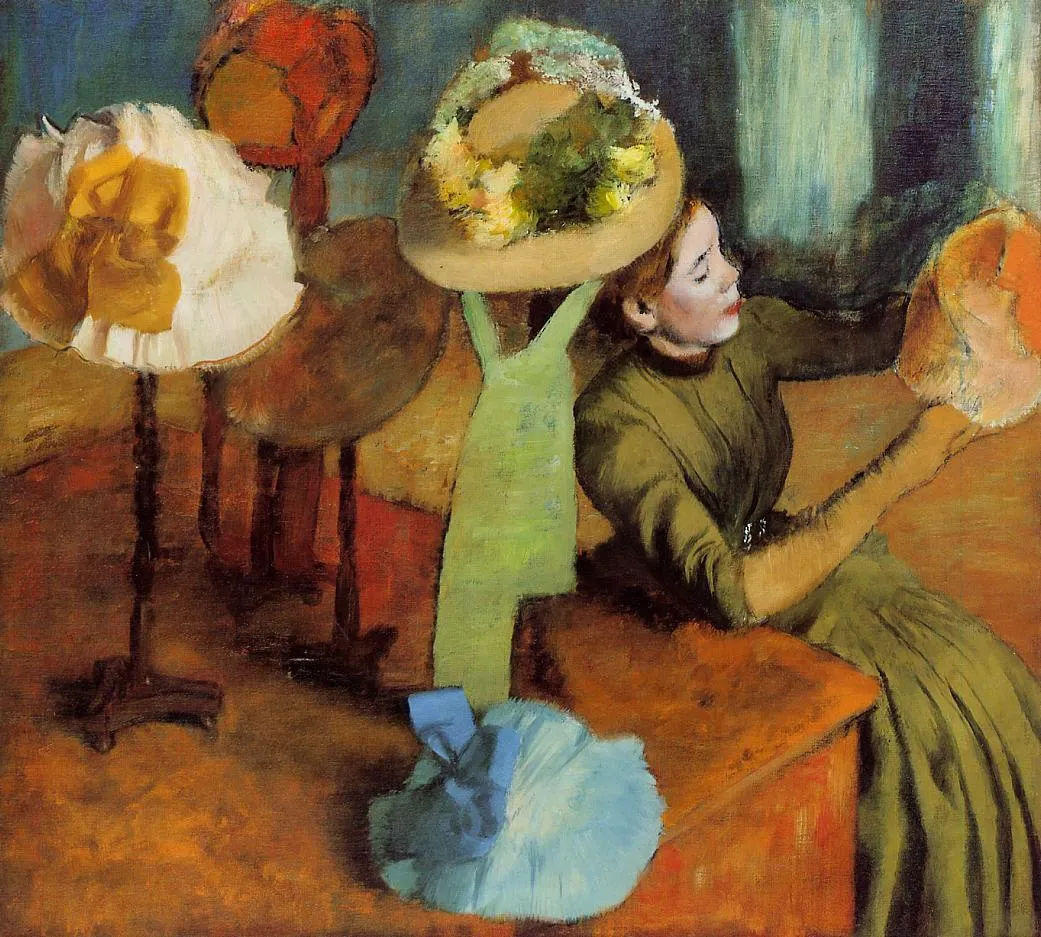
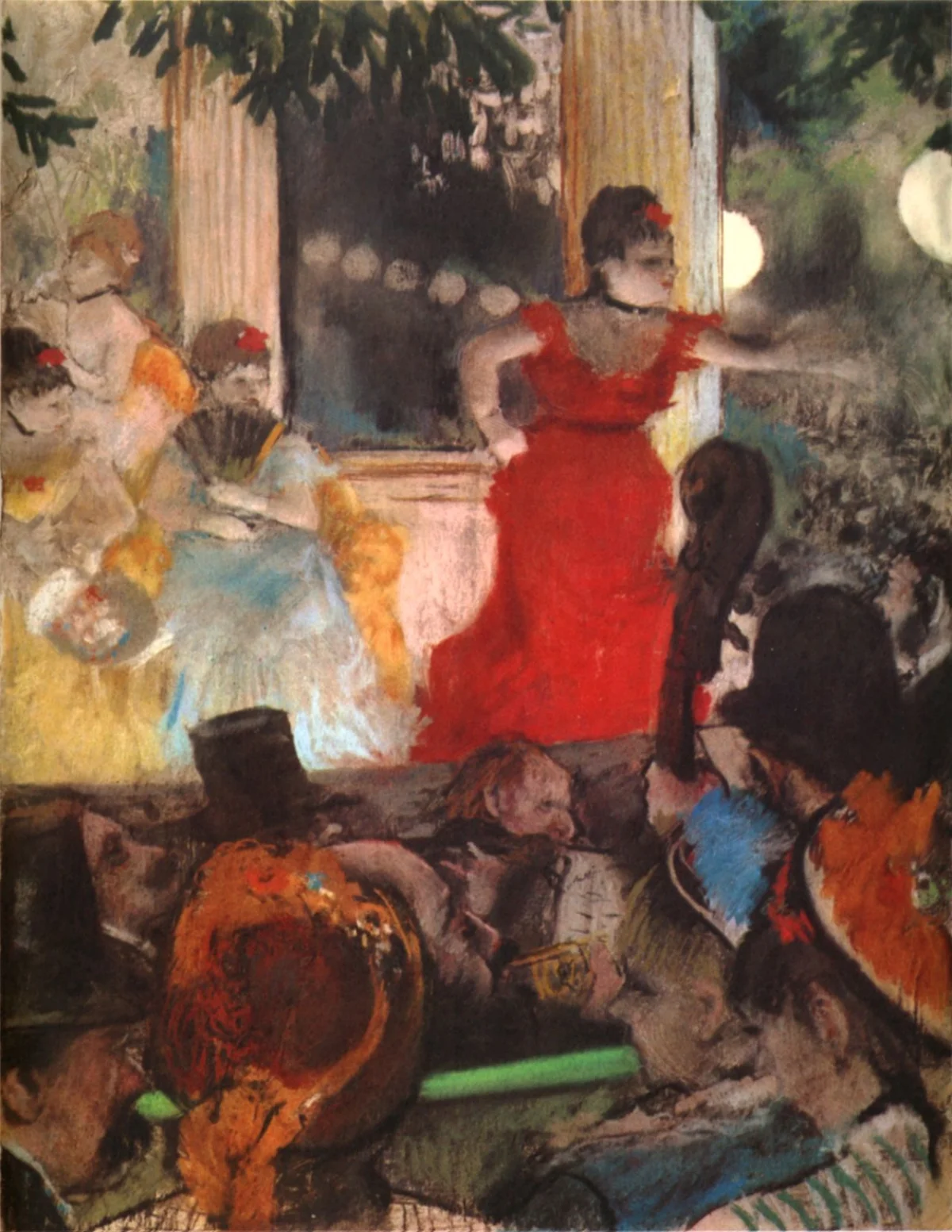
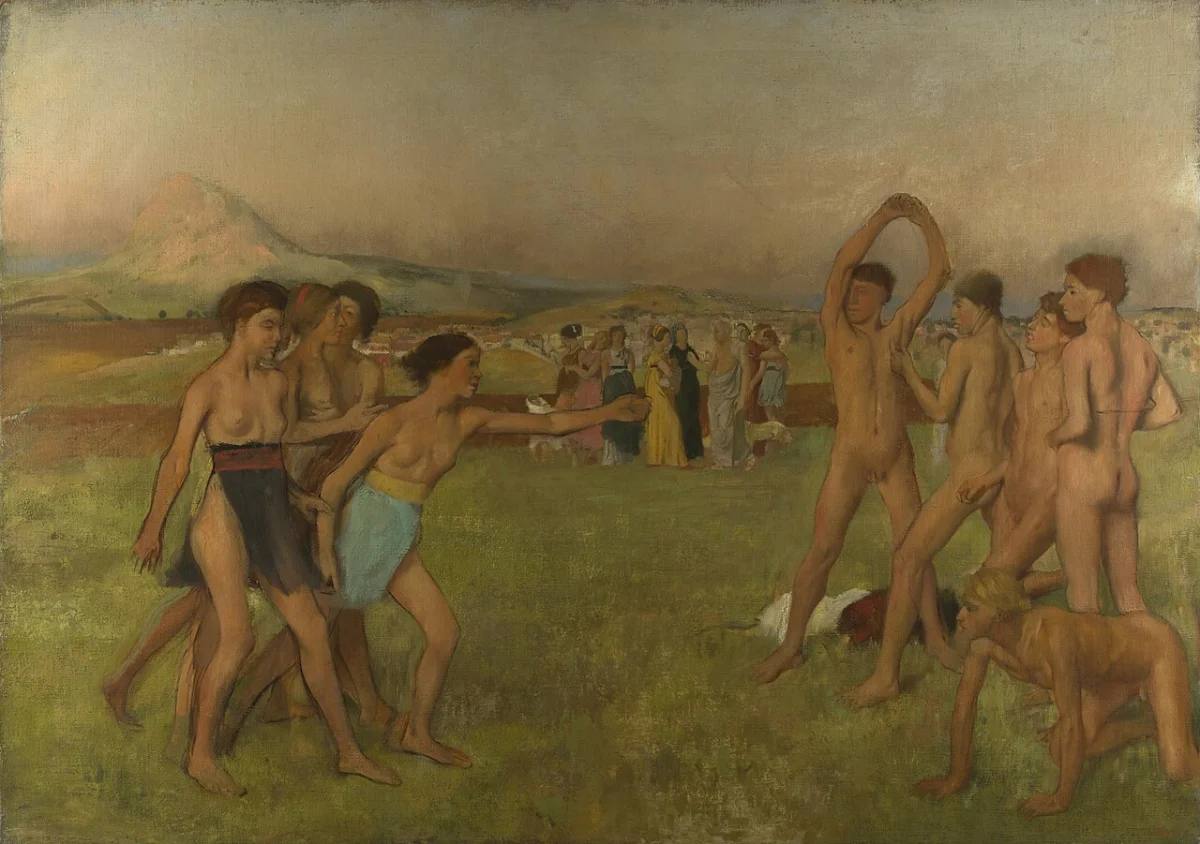
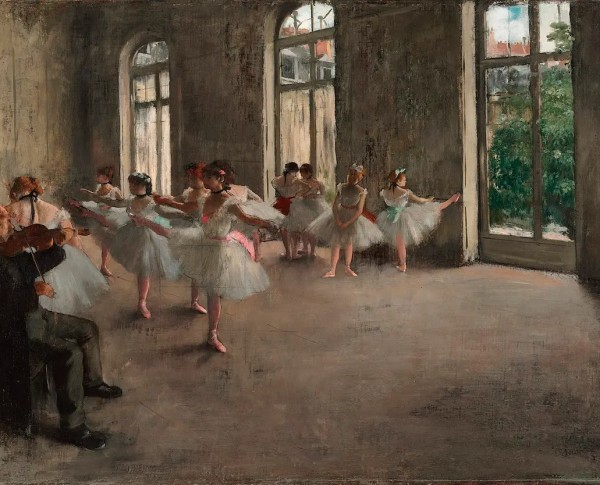
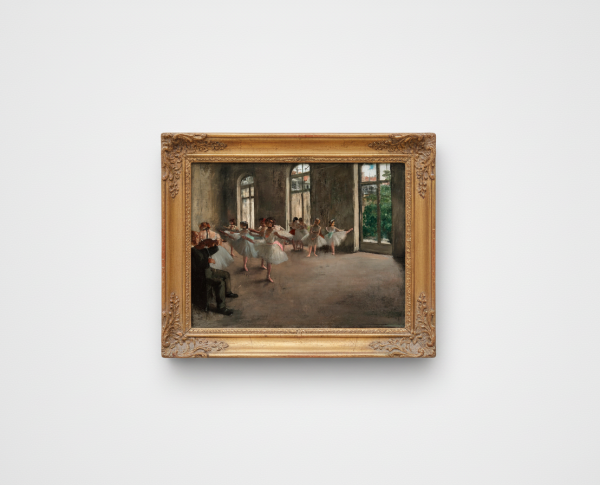
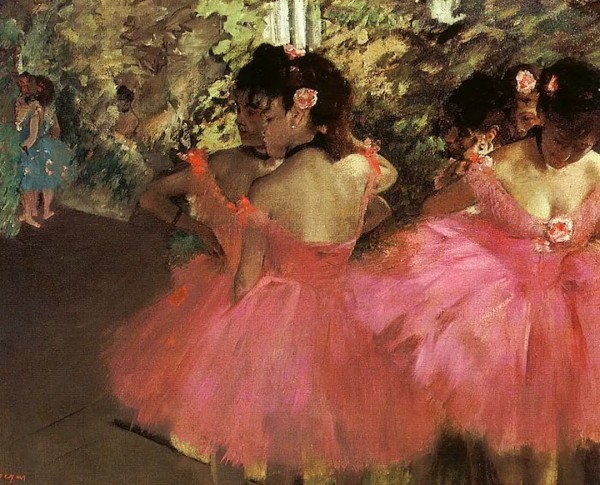
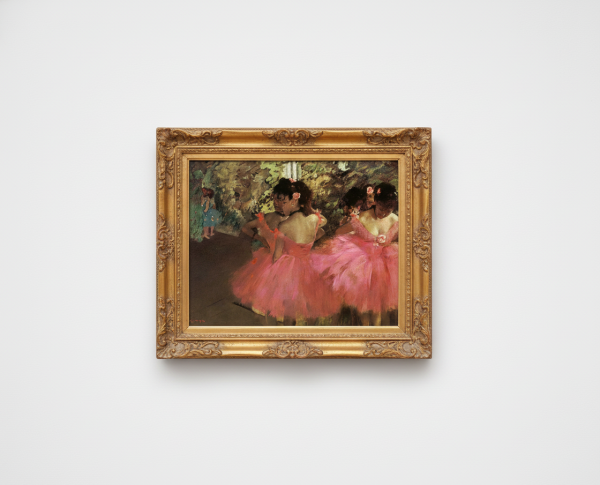
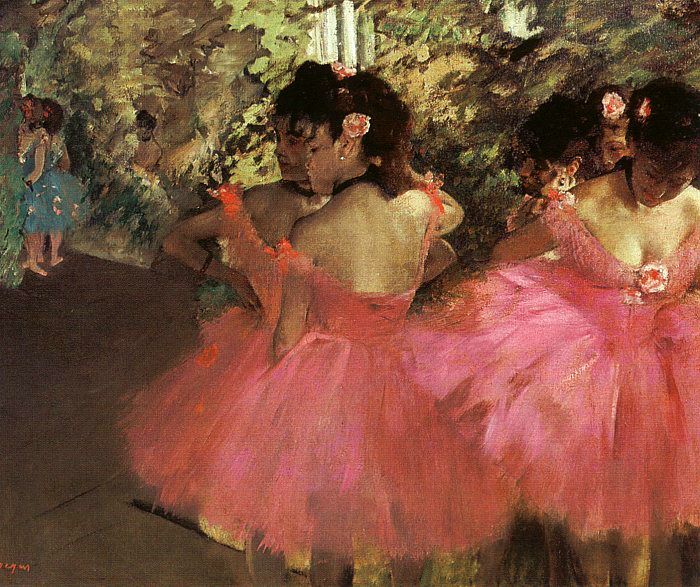
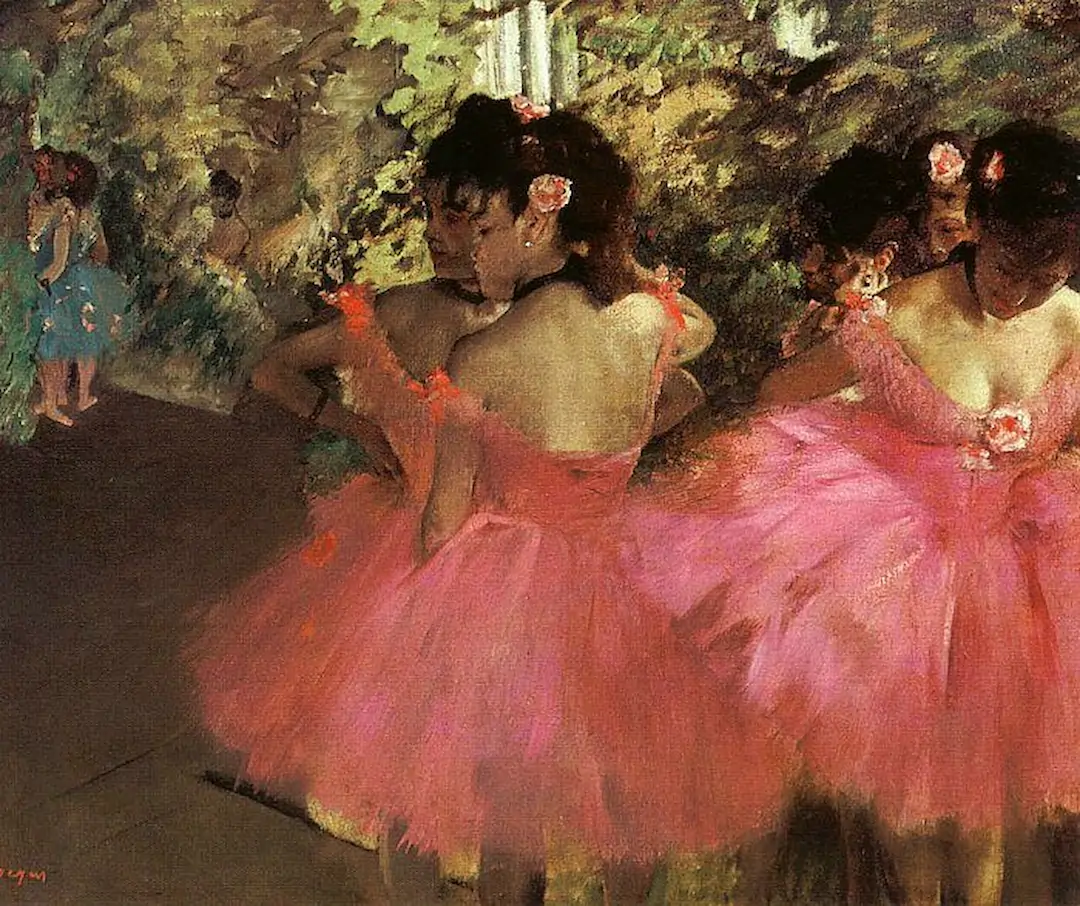
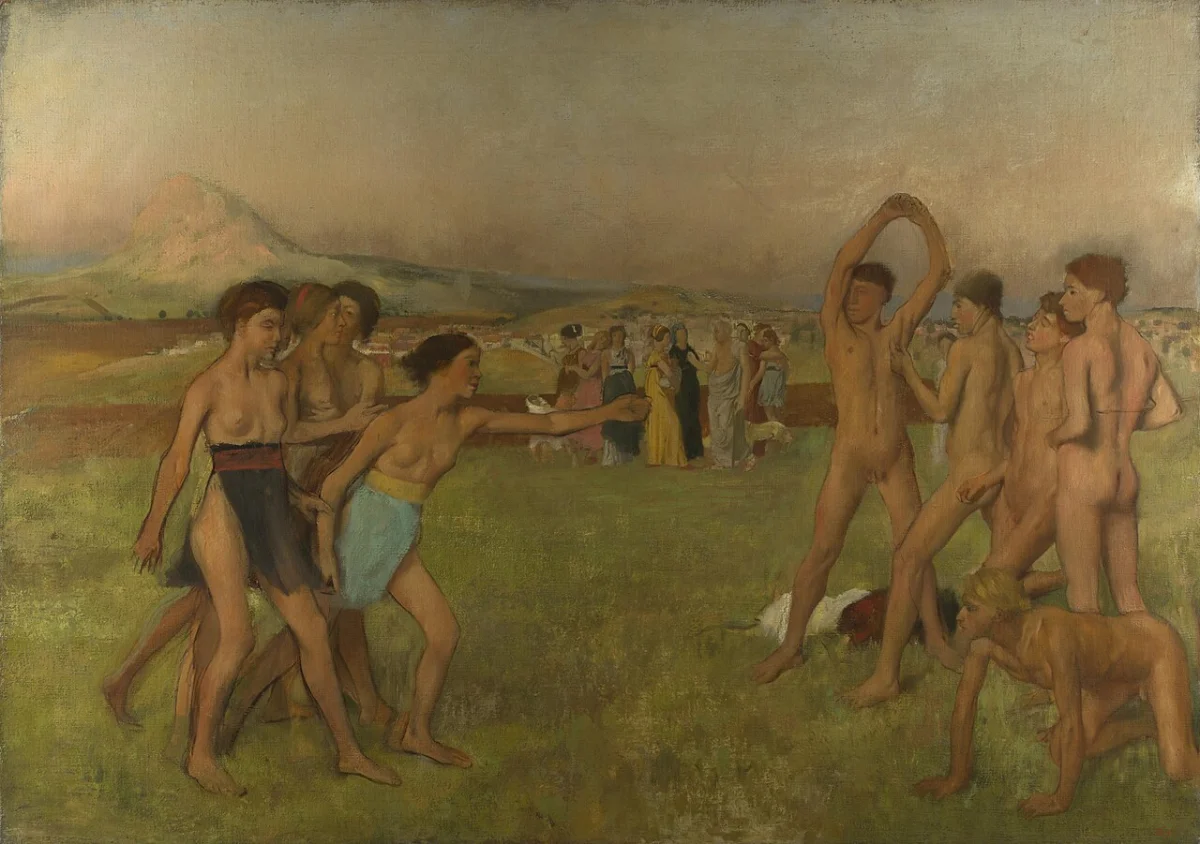
Degas’ technique in "Dancers In Pink" reveals his exceptional skill with oil on canvas. The artist's delicate brushwork and keen eye for detail bring the dancers to life, embodying the essence of Impressionism. Each figure is rendered with fluidity and subtle shading, reminiscent of his approach in works like "Young Spartans Exercising" and "At the Races in the Countryside." The interplay of light and color demonstrates why Degas remains a master of this enduring movement.
Within "Dancers In Pink," Edgar Degas weaves narratives of discipline, beauty, and fleeting moments. The painting’s composition hints at stories behind the scenes, much like his "Woman wiping her left foot" or "Le champ de courses. Jockeys amateurs près d'une voiture." Through the soft hues and expressive poses, viewers are invited to interpret the emotional undertones and symbolic gestures, making this fine art painting for sale a captivating addition to any collection.
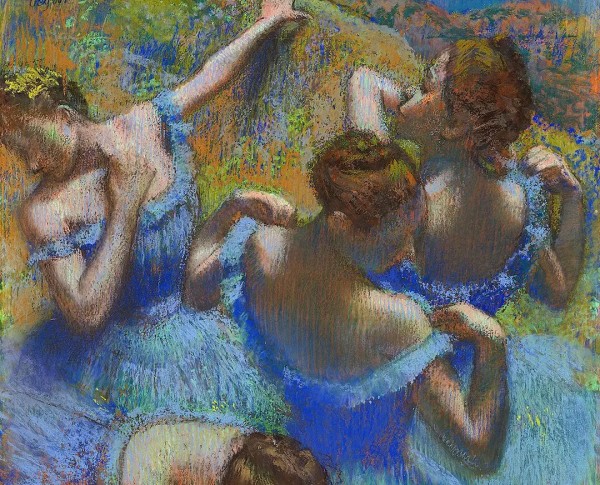
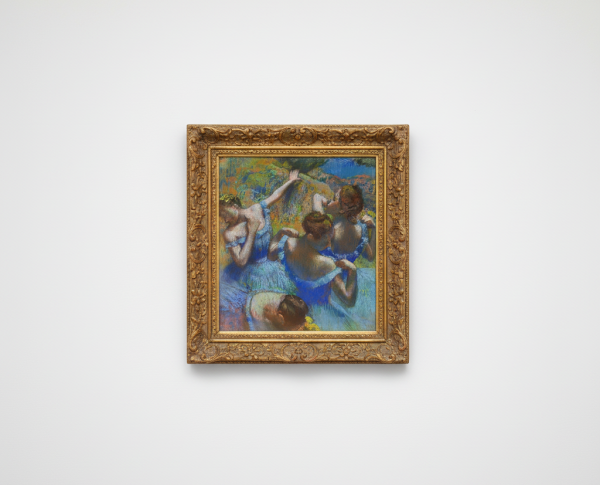
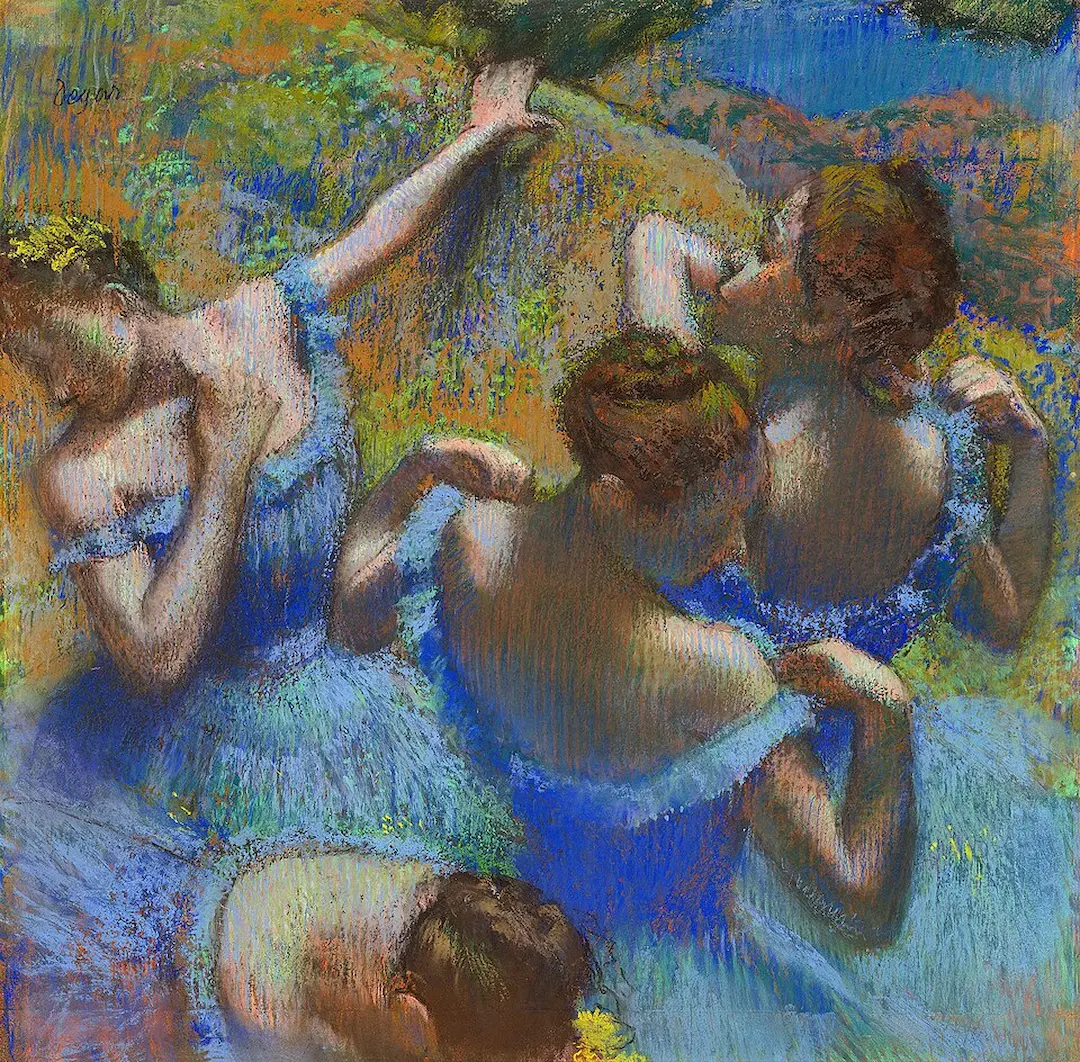
Owning "Dancers In Pink" is a unique opportunity to possess a piece of Impressionist history. As a fine art painting for sale, it appeals to collectors who value both artistic innovation and timeless elegance. This masterpiece by Edgar Degas, alongside related works such as "Blue Dancers, c.1899," brings the allure of ballet and the vibrancy of the Impressionism movement into your home, enriching any space with its beauty and cultural significance.
When Art Meets History
"Dancers In Pink" by Edgar Degas stands as an iconic piece within the Impressionism movement, capturing a moment in time when art began embracing everyday life. Painted in the late 19th century, this hand-painted oil painting reflects the Parisian ballet culture that fascinated Degas. His works, including "Autoportrait" and "The Floor Scrapers 1875," document the era’s vibrancy. Impressionism’s focus on light and movement is evident, making this masterpiece a significant chapter in art history.
Techniques That Speak
Degas employed masterful techniques in "Dancers In Pink," utilizing oil on canvas to create a sense of immediacy and motion. His loose, expressive brushwork and innovative use of color give the painting its signature Impressionist feel. Similar to Monet’s "The Luncheon (Monet's Garden At Argenteuil)" and "The Walk Woman With A Parasol," Degas’s approach captures fleeting moments. This oil on canvas exemplifies how Impressionist artists broke traditional boundaries to depict life’s spontaneity.
Emotions on Display
"Dancers In Pink" evokes a range of emotions through its depiction of ballerinas preparing backstage. Degas, a master of fine art painting for sale, uses posture and gesture to convey anticipation and grace. The painting resonates with the same emotional depth found in Impressionist works like "Hôtel des Roches Noires." The viewer is invited into an intimate scene, feeling the excitement and tension that defines the world of dance and performance.
Coveted by Collectors
As a celebrated fine art painting for sale, "Dancers In Pink" remains highly sought after by collectors worldwide. Edgar Degas’s reputation, alongside masterpieces like "Autoportrait" and "The Floor Scrapers 1875," ensures enduring interest in his works. The Impressionism movement’s popularity and the painting’s exquisite detail make it a prized possession. Collectors value its historical significance and the unique glimpse it offers into the Parisian ballet, securing its place in prominent art collections.
Related Impressionism Hand-Painted Oil Paintings by Other Artists
Other Famous Impressionism Artists:
Frequently Asked Questions About Dancers In Pink
What is the historical context of Dancers In Pink?
Dancers In Pink was created during the late 19th century, a period marked by the rise of Impressionism in France. This painting reflects the cultural fascination with ballet and the performing arts during this time, as well as the changing dynamics of society and the role of women.
Who is the artist behind Dancers In Pink?
The painting was created by Edgar Degas, a prominent French artist known for his depictions of ballet dancers and his innovative approach to composition and movement.
What artistic techniques did Degas employ in Dancers In Pink?
Degas utilized a combination of pastels and oil paints to create Dancers In Pink, employing soft brush strokes and vibrant colors to capture the fluidity and grace of the dancers. His use of unusual angles and cropping adds a dynamic quality to the composition.
What themes are explored in Dancers In Pink?
The painting explores themes of movement, grace, and the ephemeral nature of performance. It also highlights the dedication and discipline of the dancers, juxtaposed with the fleeting beauty of their art.
What is the significance of the color pink in the painting?
The color pink is significant as it symbolizes femininity, grace, and youth. It also serves to enhance the visual impact of the dancers against the more muted background, drawing the viewer's attention to their movements and expressions.
How does Dancers In Pink reflect Impressionist principles?
Dancers In Pink embodies Impressionist principles through its focus on light, color, and movement rather than precise detail. Degas captures the essence of the dancers' performance, emphasizing their physicality and the atmosphere of the ballet studio.
What is the composition style of Dancers In Pink?
The composition features a unique perspective, with the dancers positioned off-center, creating a sense of spontaneity and immediacy. This approach invites viewers to engage with the scene as if they are part of the audience watching the performance.
How does Dancers In Pink compare to Degas's other works?
While Degas often focused on ballet dancers, Dancers In Pink stands out for its vibrant color palette and the emotional expressiveness of the figures. It showcases his evolution as an artist and his ability to capture the essence of movement in a way that is both intimate and grand.
What impact did Dancers In Pink have on the art world?
Dancers In Pink contributed to the broader acceptance of Impressionism and helped to redefine the portrayal of women in art. It influenced future generations of artists to explore themes of movement and the human form in new and innovative ways.
Where is Dancers In Pink currently housed?
Dancers In Pink is part of the collection at the Musée d'Orsay in Paris, France, where it continues to be celebrated as a masterpiece of Impressionist art.






















_GFM_Painting_(1).webp)


 100% Hand-Painted: Finished in 3-6 Weeks

.png)















_(1).webp)