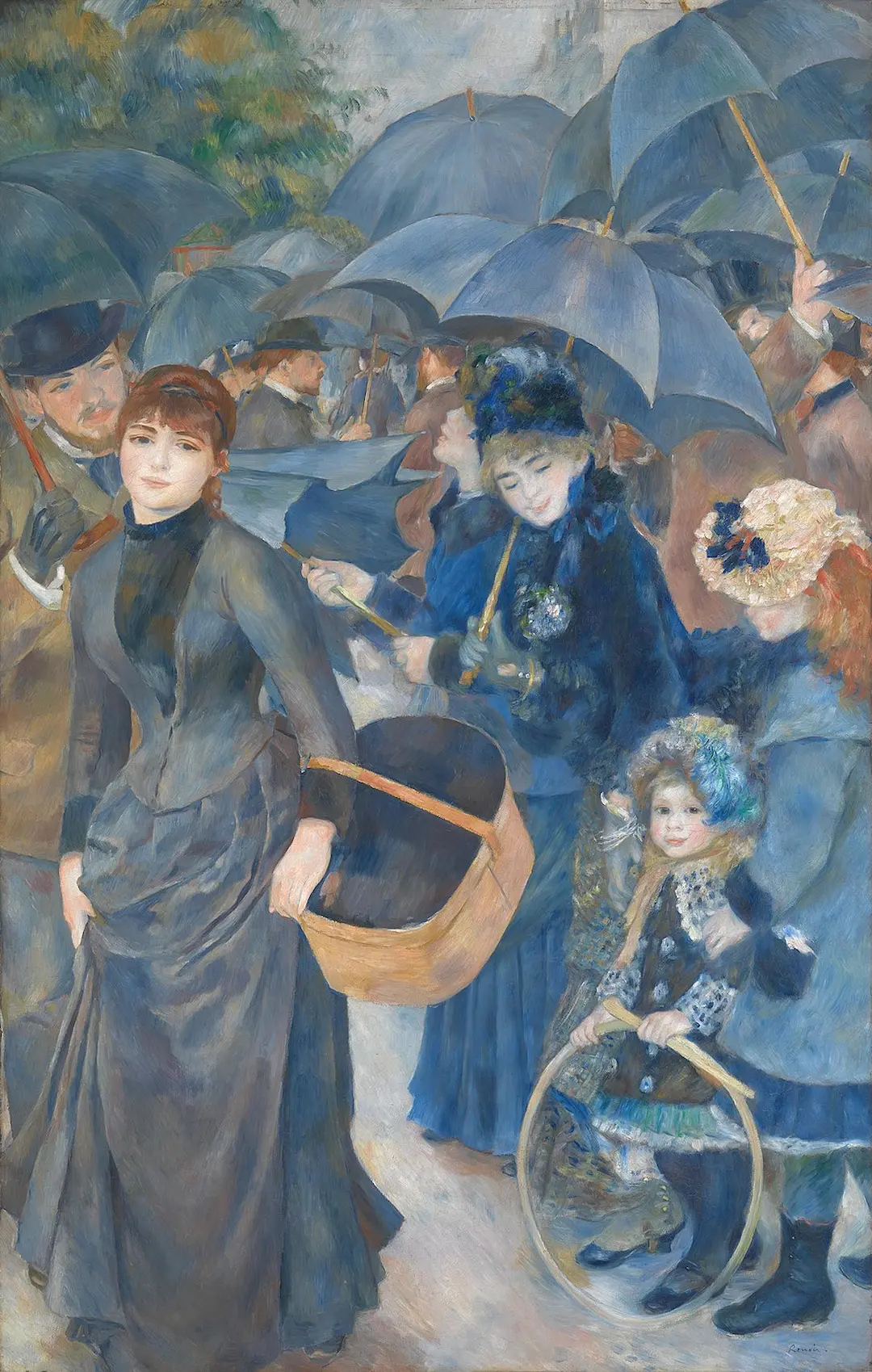
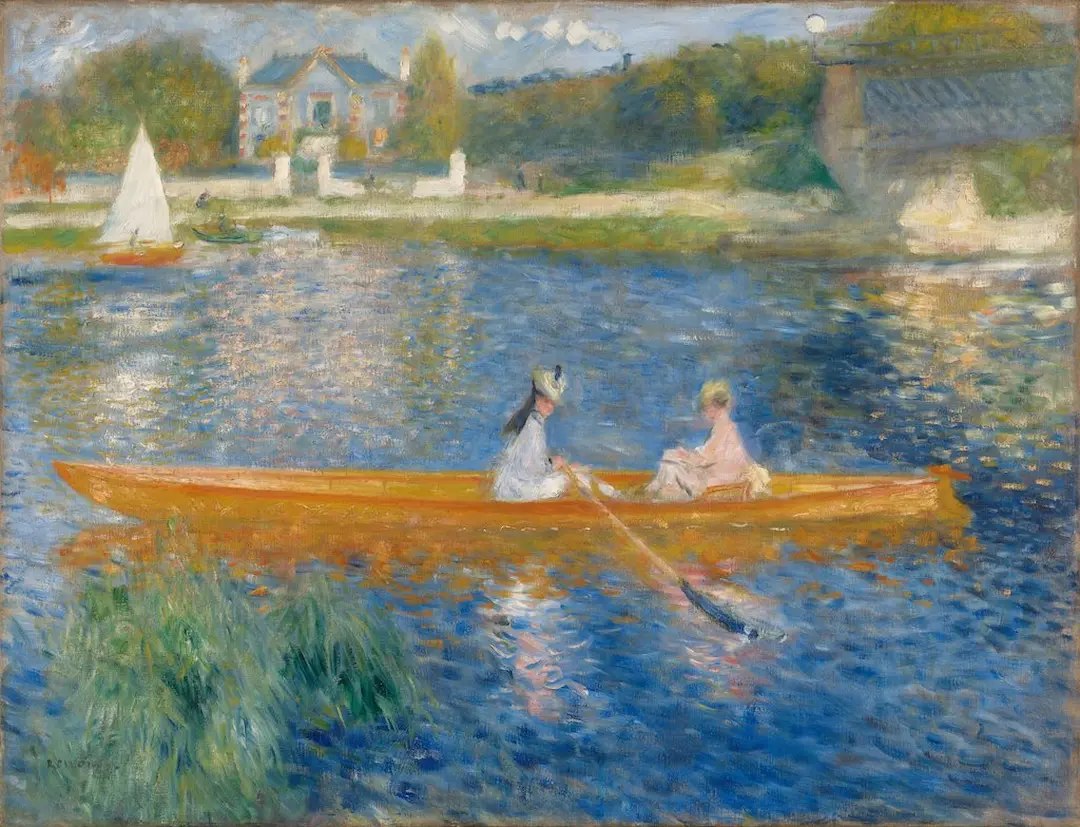
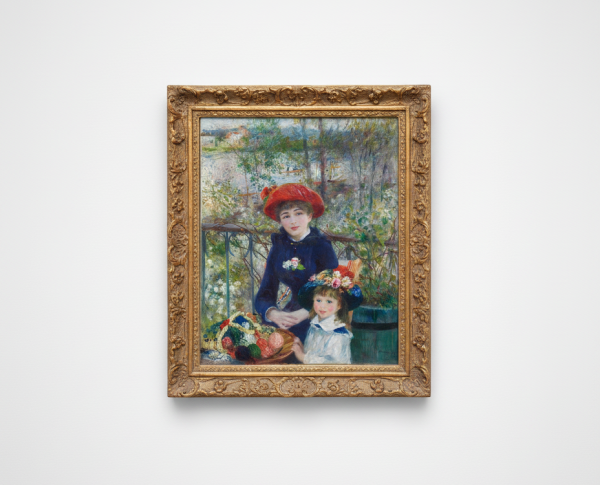
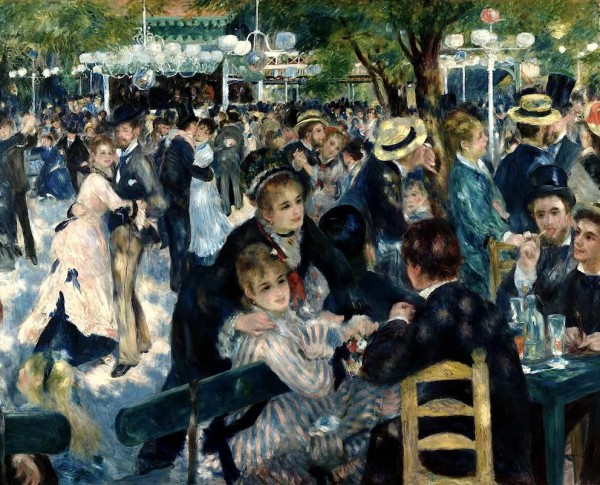
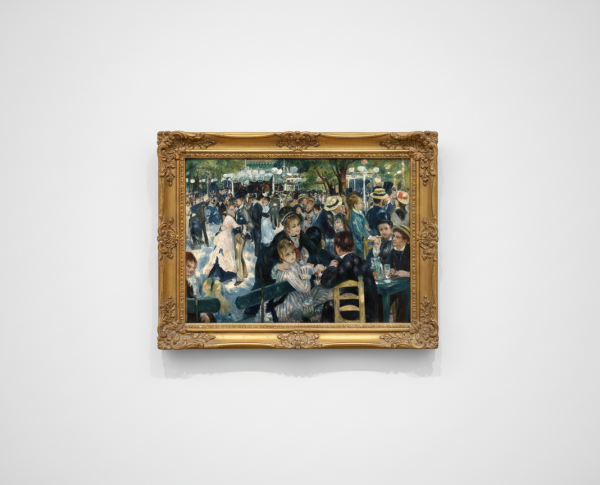
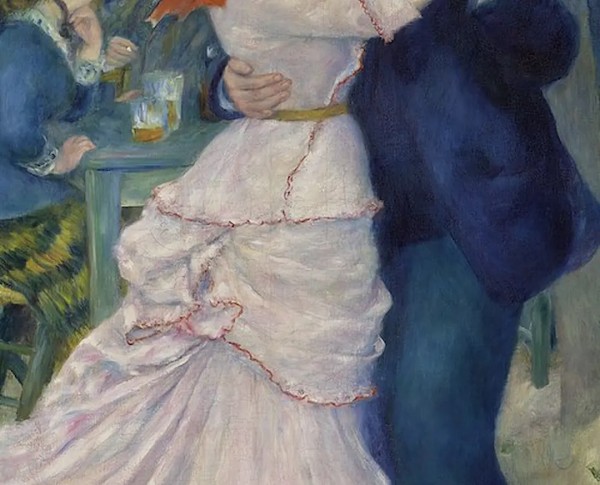
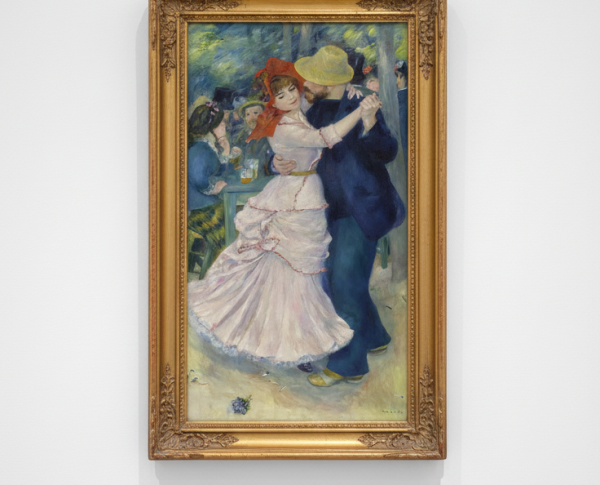
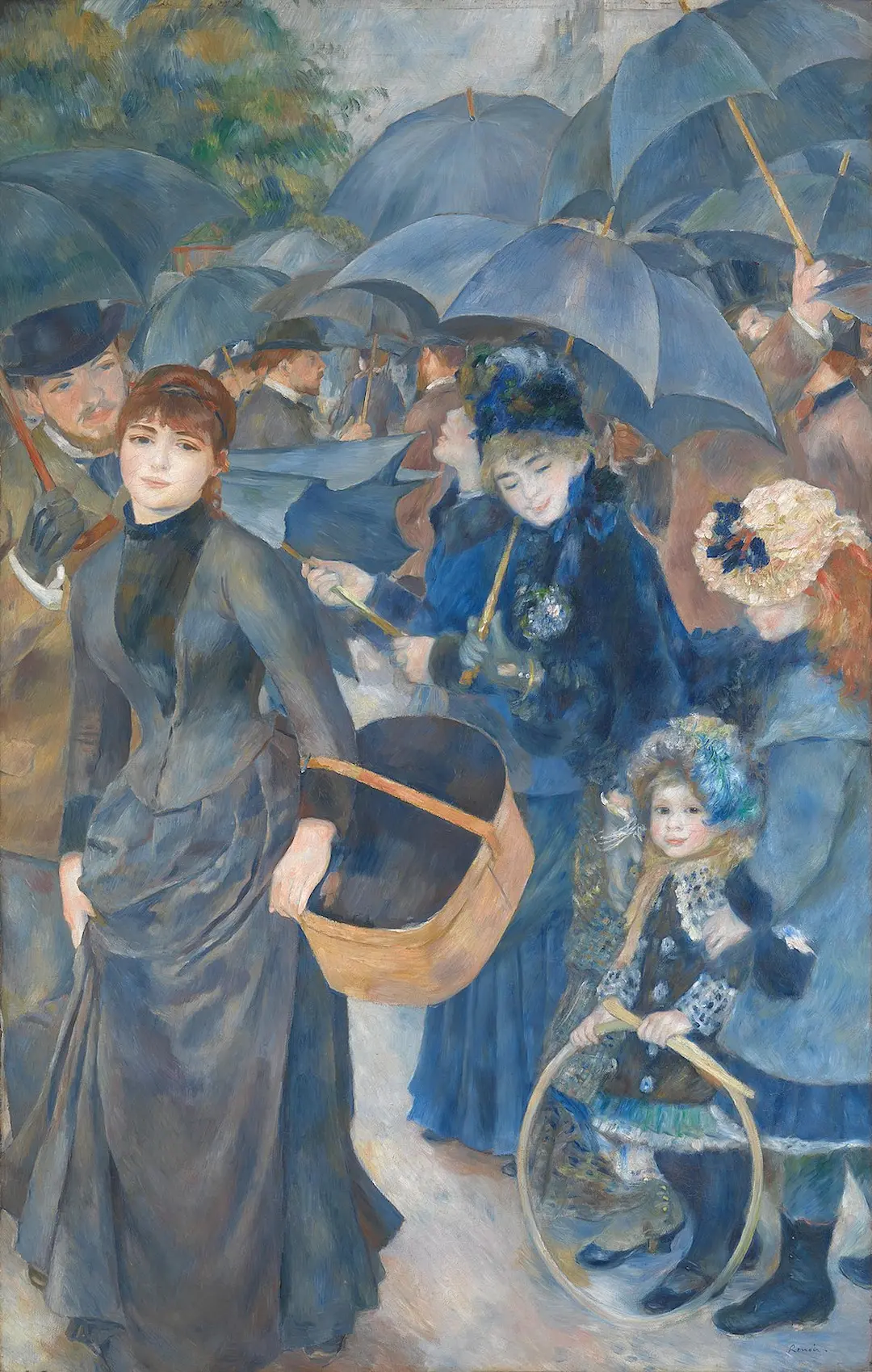
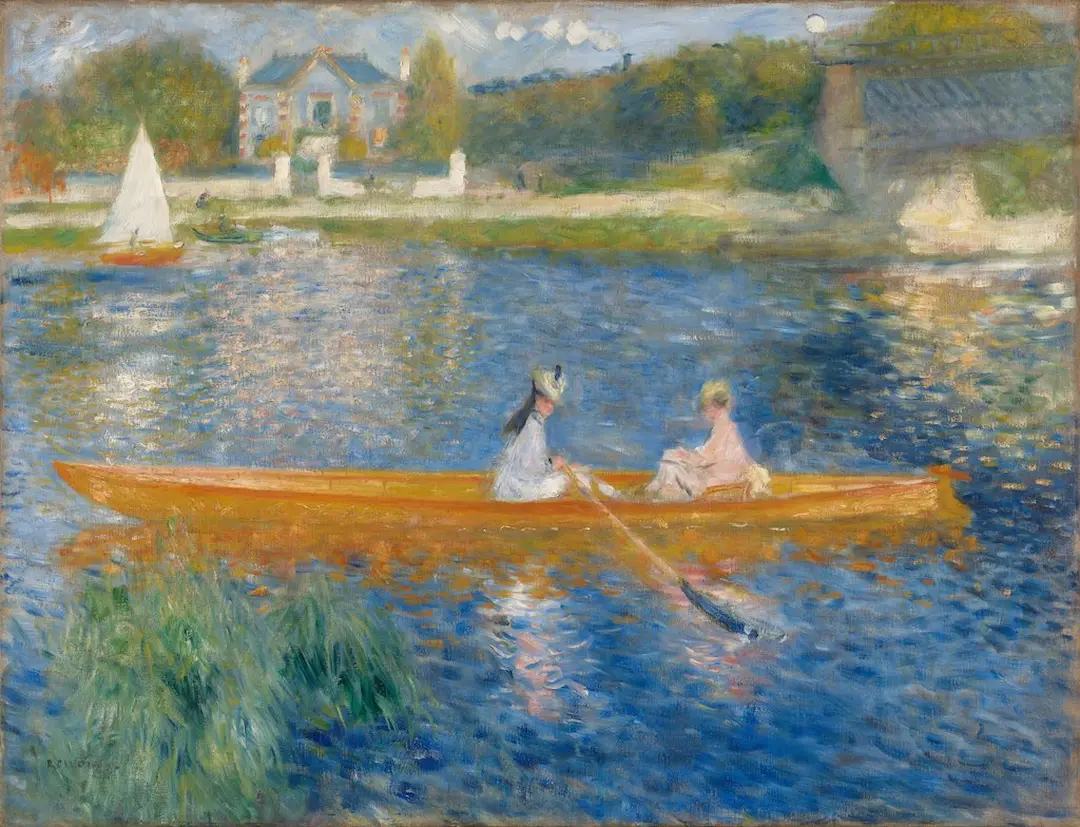
Renoir’s "Umbrellas" exemplifies the artist’s masterful use of oil on canvas to achieve subtle gradations of light and color. Each brushstroke contributes to the lively atmosphere and intricate detail, hallmarks of Impressionism. The painting’s technical brilliance is echoed in Renoir’s other pieces such as "Dance At Bougival" and "The Seine At Asnieres Aka The Skiff", making them sought-after choices for anyone appreciating a hand-painted oil painting.
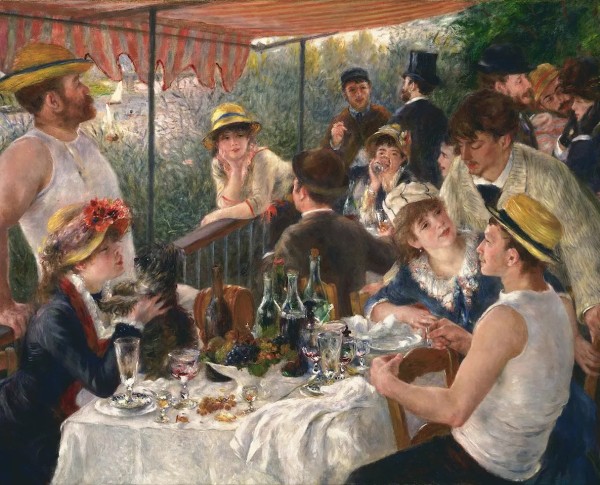
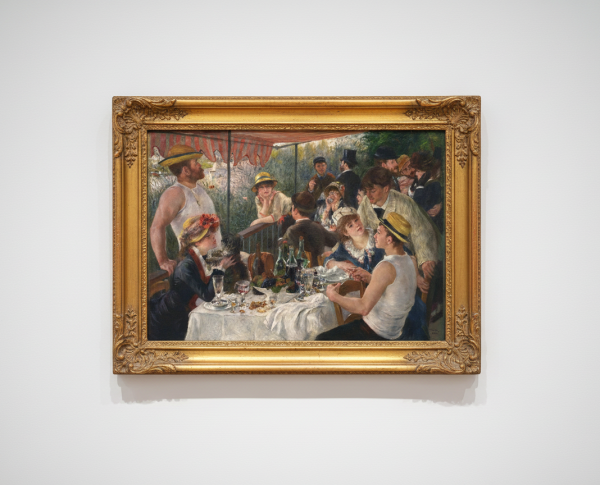
In "Umbrellas", Renoir weaves stories through expressive faces and symbolic elements. The clustered umbrellas suggest protection and unity amidst urban bustle, while the figures hint at personal tales and social dynamics. As an Impressionist masterpiece, this oil on canvas invites viewers to interpret its narrative layers. Fans of Renoir’s storytelling should also explore "A Girl with a Watering Can" and "Luncheon Of The Boating Party" for more fine art painting for sale options.
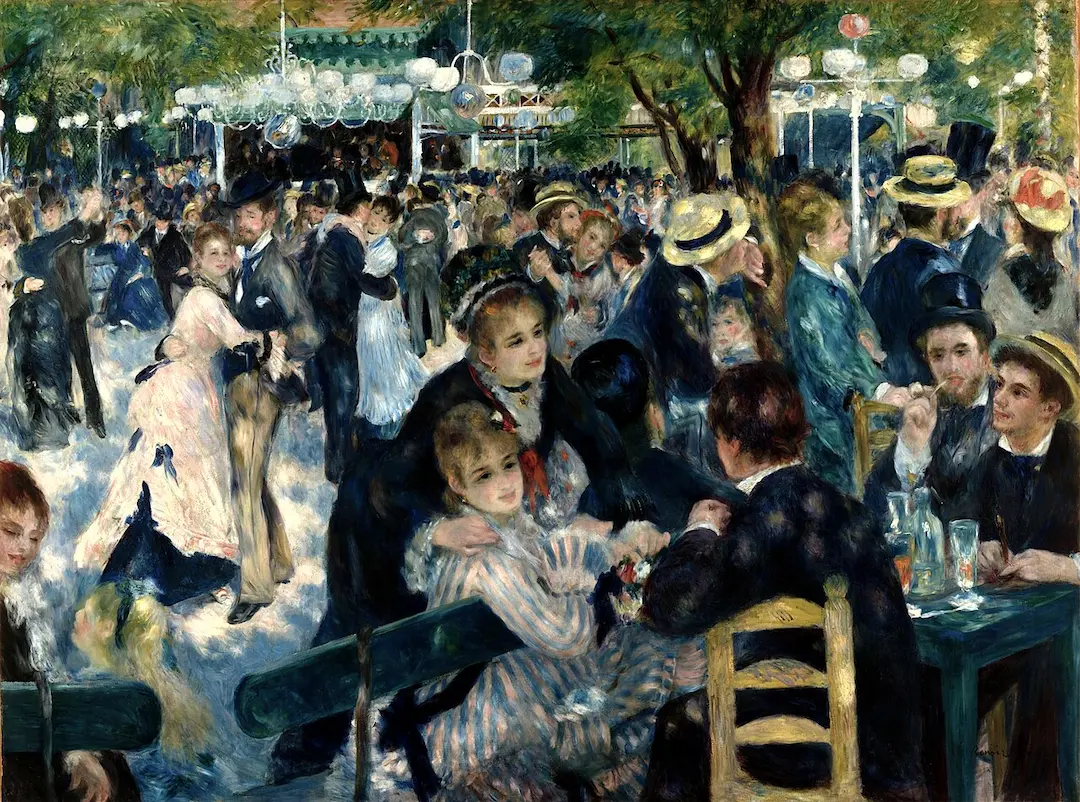
Owning "Umbrellas" by Pierre Auguste Renoir means possessing a pivotal piece of Impressionism’s history. This hand-painted oil painting is more than décor; it’s an investment in artistic heritage. Collectors often seek works like "Dance At The Moulin De La Galette" or "Spring Bouquet" to complement their collections. For those passionate about fine art painting for sale, Renoir’s masterpieces offer timeless beauty and enduring value in the world of art.
When Art Meets History
"Umbrellas" by Pierre Auguste Renoir, a masterwork of the Impressionism movement, captures a pivotal moment in late 19th-century Paris. This hand-painted oil painting not only reflects the bustling city life but also showcases Renoir’s evolution as an artist. Alongside related paintings such as "Fishermen in Poissy" and "Impression, Sunrise," "Umbrellas" transports viewers to a time when art intersected with history, offering a vivid window into the daily experiences of Parisians.
Techniques That Speak
Renoir’s "Umbrellas" exemplifies the innovative use of oil on canvas, a technique that defines Impressionist masterpieces. The artist’s fluid brushwork and subtle color transitions bring the rainy Parisian street scene to life. Similar to his works like "Le champ de courses. Jockeys amateurs près d'une voiture," Renoir’s skillful layering and attention to light make each figure and umbrella vibrate with energy. This oil on canvas technique set a new standard for capturing fleeting moments in art.
Emotions on Display
In "Umbrellas," Pierre Auguste Renoir masterfully conveys a range of emotions, from the hurried anxiety of the crowd to the quiet introspection of individuals beneath their umbrellas. This fine art painting for sale invites viewers to feel the palpable mood of a rainy day, much like in "Autoportrait" and "The Railway Bridge at Argenteuil." The Impressionism movement’s hallmark—expressing emotion through color and light—is beautifully realized in this evocative scene.
Coveted by Collectors
"Umbrellas" remains a highly sought-after masterpiece among art enthusiasts and collectors. As a prime example of Impressionism and one of Renoir’s most iconic works, it stands alongside "Fishermen in Poissy" and "Impression, Sunrise" in value and prestige. The demand for this hand-painted oil painting continues to grow, with collectors appreciating its rich history, technical brilliance, and emotional depth, making it a truly remarkable fine art painting for sale.
Related Impressionism Hand-Painted Oil Paintings by Other Artists
Other Famous Impressionism Artists:
Frequently Asked Questions About Umbrellas
What is the historical context of Renoir's "Umbrellas"?
"Umbrellas," painted in 1881-1886, reflects the Impressionist movement's focus on capturing contemporary life and leisure. This period saw a shift towards depicting everyday scenes, and Renoir's work exemplifies this trend within the vibrant Parisian culture of the late 19th century.
What artistic techniques did Renoir use in "Umbrellas"?
Renoir employed loose brushwork and a vibrant color palette to convey light and movement. His use of dappled sunlight filtering through the umbrellas creates a dynamic interplay of light and shadow, characteristic of Impressionist art.
What themes are explored in "Umbrellas"?
The painting explores themes of leisure, social interaction, and the joy of urban life. The figures under the umbrellas suggest a moment of respite and enjoyment amidst the bustling Parisian atmosphere.
How does "Umbrellas" reflect Renoir's style?
This work embodies Renoir's signature style, characterized by a focus on human figures, vibrant colors, and an emphasis on capturing the effects of light. His ability to portray the warmth of human relationships is evident in the interactions between the figures.
What is the significance of the umbrellas in the painting?
The umbrellas serve as both a practical element for shade and a symbolic representation of protection and comfort. They also enhance the composition by adding layers and depth, contributing to the overall atmosphere of leisure.
Who are the figures depicted in "Umbrellas"?
The figures in "Umbrellas" are believed to represent a cross-section of Parisian society, showcasing both men and women engaged in leisure activities. Their attire reflects the fashion of the time, emphasizing the social dynamics of the era.
How did "Umbrellas" influence later artists?
"Umbrellas" has had a lasting impact on subsequent generations of artists, particularly those in the Post-Impressionist and modern movements. Its innovative approach to color and form has inspired many to explore similar themes of everyday life and social interaction.
What is the composition of "Umbrellas" like?
The composition is characterized by a dynamic arrangement of figures and umbrellas, creating a sense of movement and interaction. The placement of the figures leads the viewer's eye throughout the painting, inviting them to explore the scene.
Where can I view "Umbrellas" today?
"Umbrellas" is part of the collection at the National Gallery of Art in Washington, D.C. Visitors can experience the painting in person, allowing for a deeper appreciation of Renoir's technique and thematic exploration.
What techniques did Renoir use to depict light in "Umbrellas"?
Renoir utilized broken color and rapid brushstrokes to capture the effects of light. His technique allows for a shimmering quality, particularly in the way sunlight interacts with the umbrellas and figures, enhancing the painting's vibrancy.






















_GFM_Painting_(1).webp)


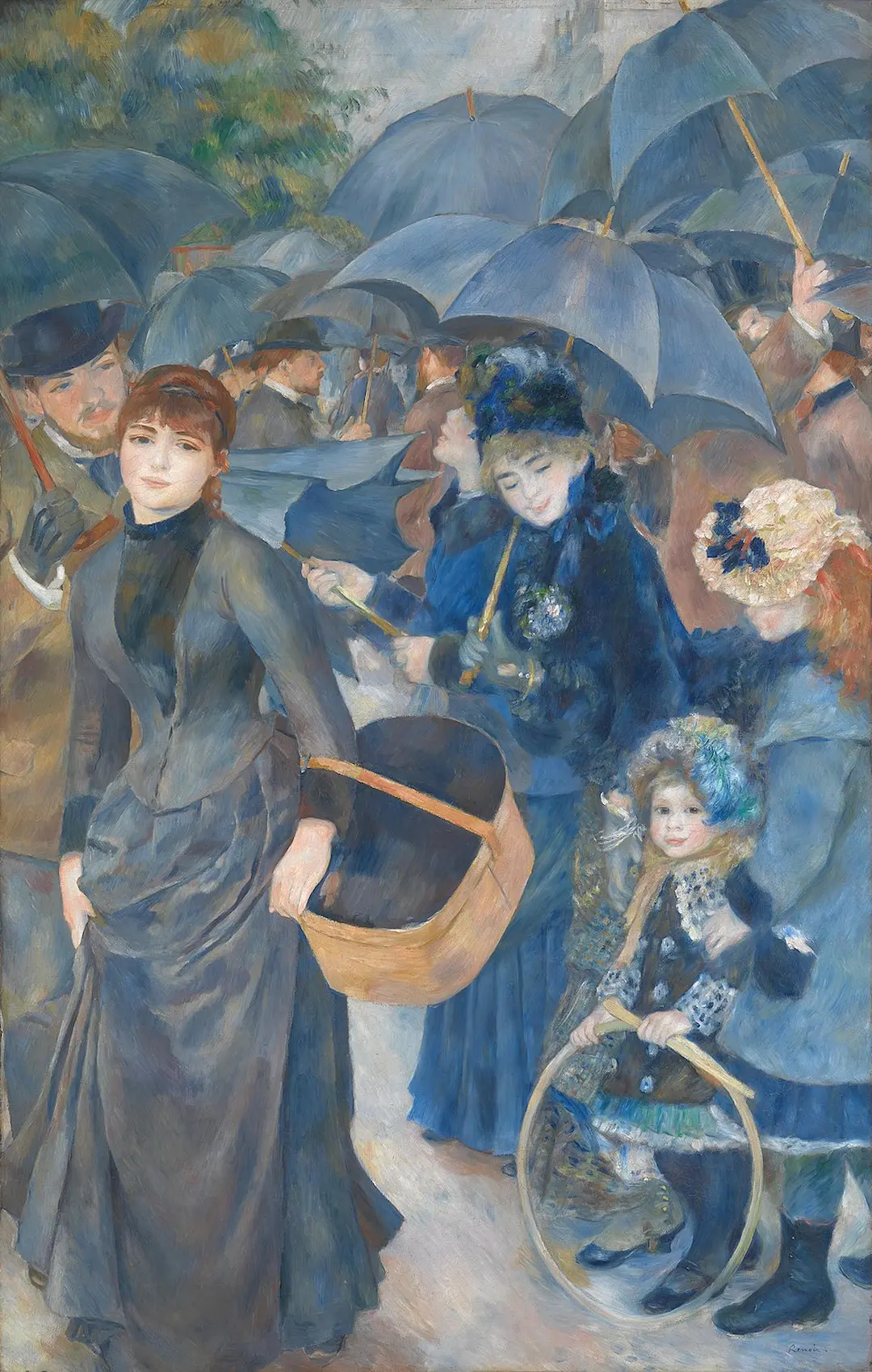
 100% Hand-Painted: Finished in 3-6 Weeks

.png)

















_(1).webp)