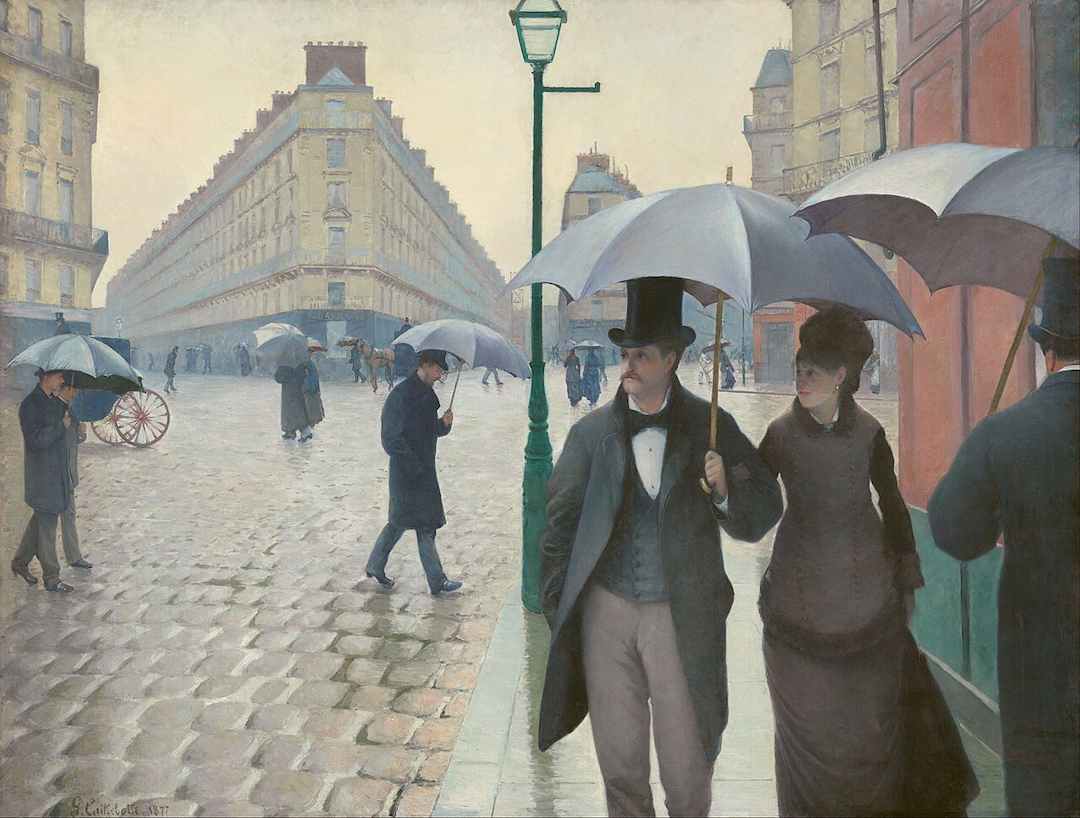
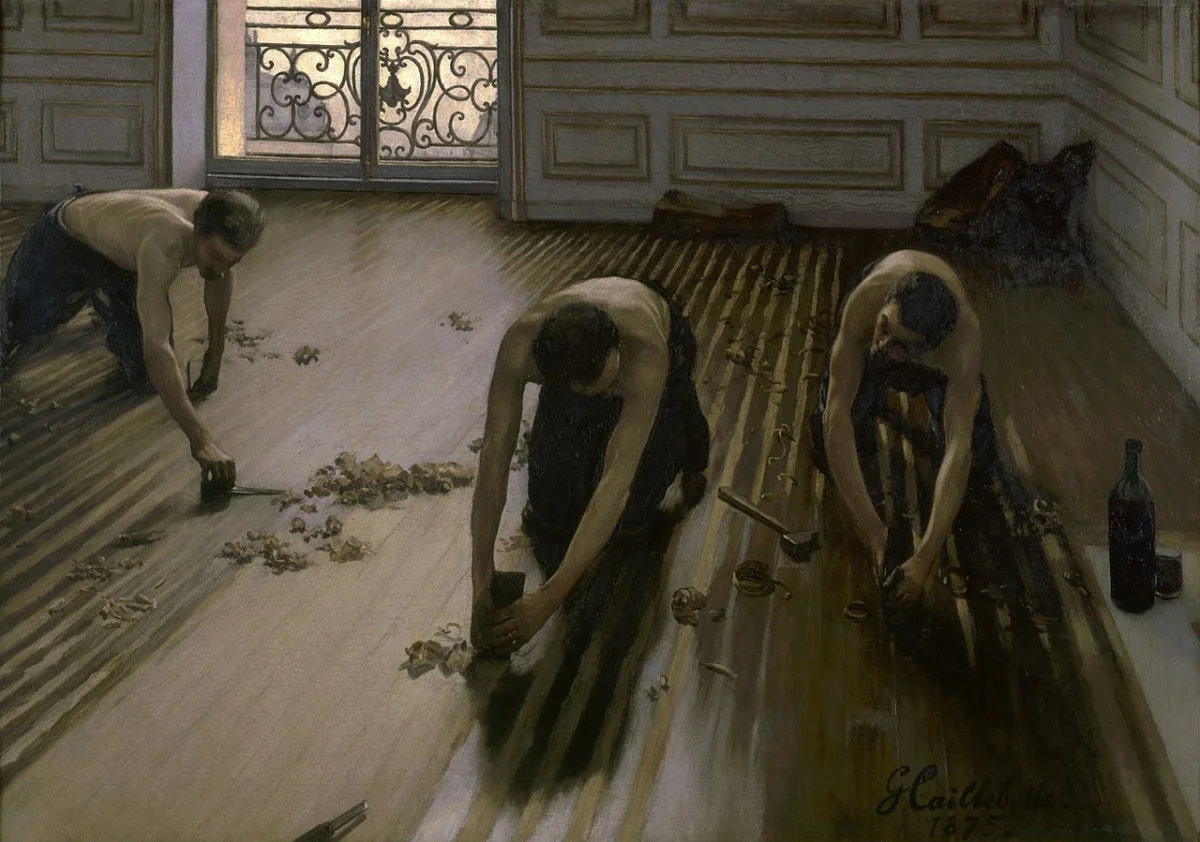
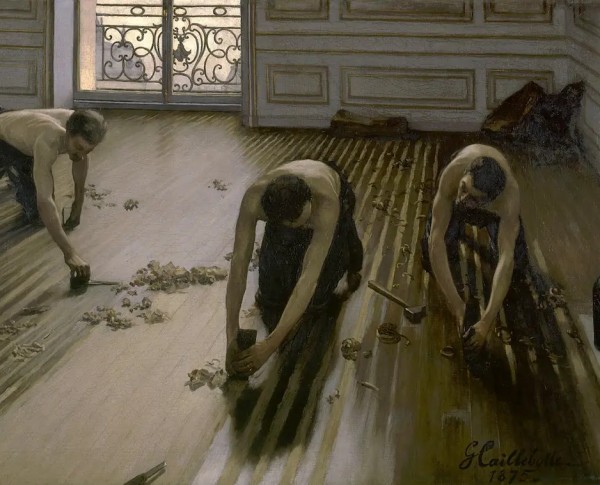
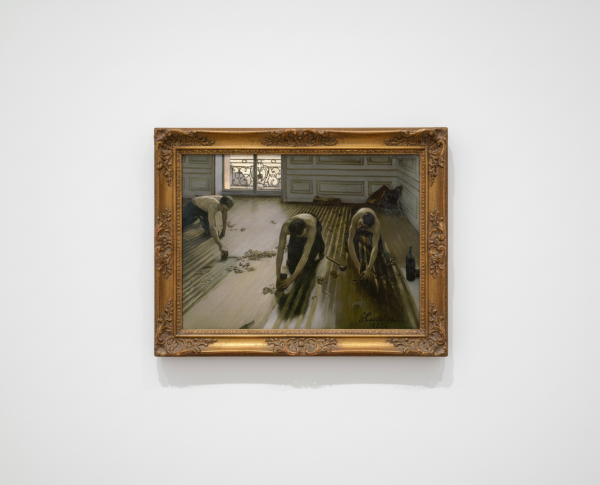
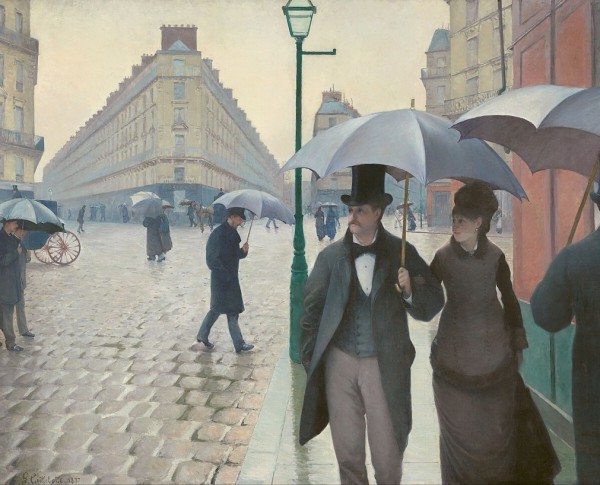
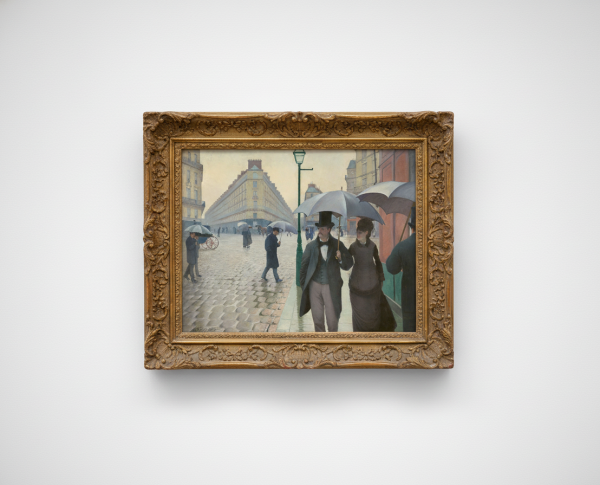
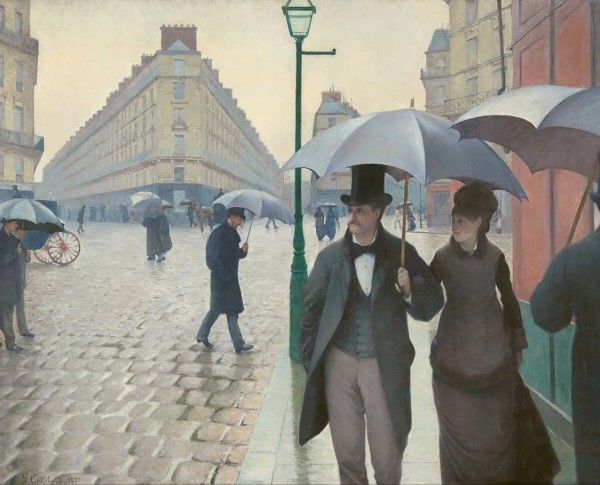
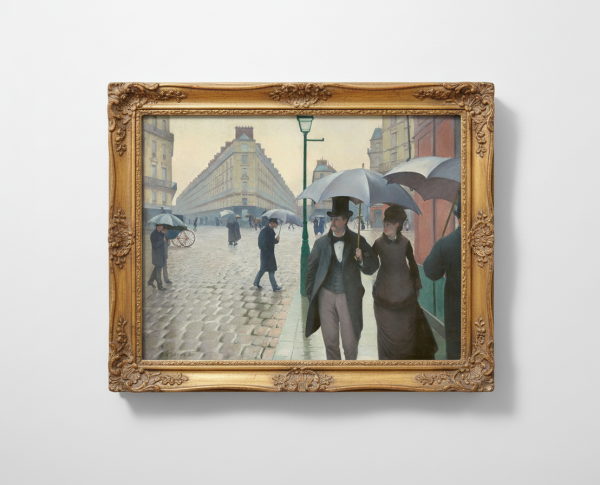
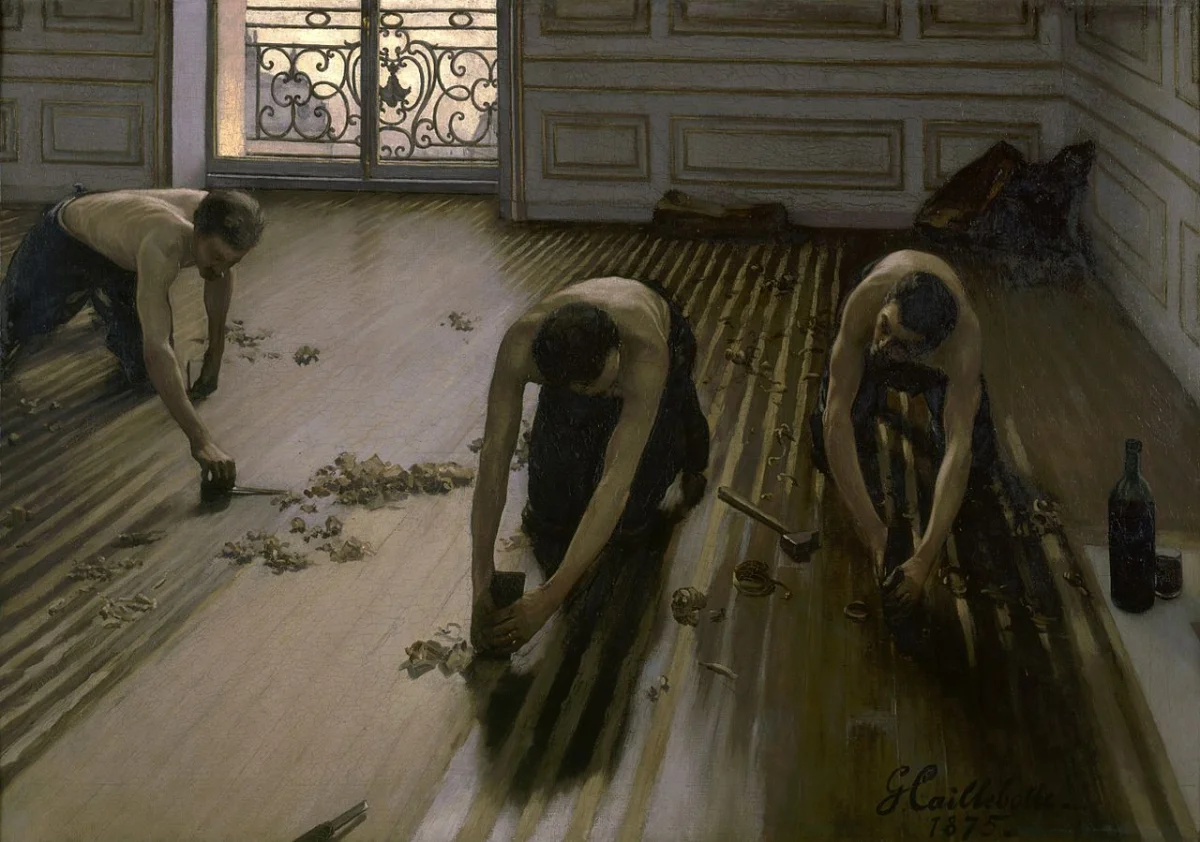
Caillebotte’s meticulous attention to perspective and light in this oil on canvas work elevates "Paris Street - Rainy Weather 1877" among Impressionist masterpieces. The artist’s brushwork breathes life into the rainy Parisian streets, showcasing his command of realism and atmosphere. Those interested in acquiring a hand-painted oil painting should consider this remarkable piece, along with related works such as "The Floor Scrapers 1875," to enrich their collection.
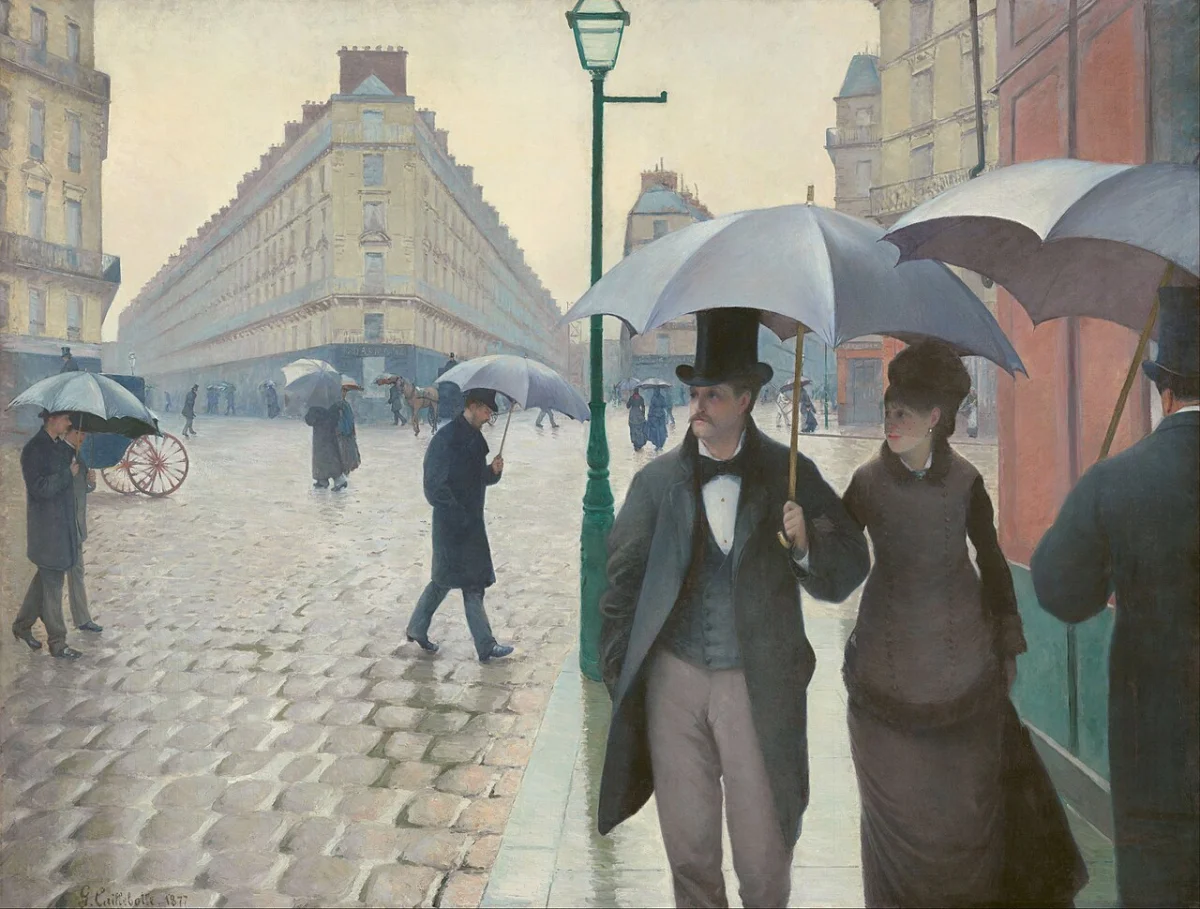
"Paris Street - Rainy Weather 1877" by Gustave Caillebotte is more than just an oil on canvas; it’s a narrative of urban transformation and fleeting moments. The painting’s detailed depiction of city dwellers, umbrellas, and wet cobblestones symbolizes modernity in late 19th-century Paris. Art enthusiasts searching for a fine art painting for sale will find its evocative storytelling resonates deeply, much like Caillebotte’s "The Floor Scrapers 1875."
For collectors, "Paris Street - Rainy Weather 1877" by Gustave Caillebotte is a prized hand-painted oil painting from the Impressionism movement. Its sophisticated composition and timeless charm make it a centerpiece in any art collection. When displayed alongside related products like "The Floor Scrapers 1875," this masterpiece exemplifies the allure of authentic fine art painting for sale, appealing to connoisseurs of both history and beauty.
When Art Meets History
Gustave Caillebotte’s "Paris Street - Rainy Weather 1877" stands as a testament to the Impressionism movement, capturing the transformation of Paris during the late 19th century. This hand-painted oil painting reveals the city’s evolving urban landscape and the daily life of its inhabitants. Like Monet’s "The Walk Woman With A Parasol" or "Wild Poppies, Near Argenteuil," Caillebotte’s masterpiece preserves a moment in time, inviting viewers to experience the ambiance and historical context through fine brushwork and composition.
Techniques That Speak
This remarkable oil on canvas showcases Caillebotte’s mastery of perspective and light. Every detail, from the glistening cobblestones to the reflective umbrellas, demonstrates the artist’s innovative approach within Impressionism. Drawing comparisons to Monet’s "The Water Lily Pond Aka Japanese Bridge," Caillebotte’s precision and subtle color palette elevate the painting to a new level. His technique bridges traditional realism and impressionistic flair, making this work a significant piece among the era’s most influential fine art painting for sale.
Emotions on Display
"Paris Street - Rainy Weather 1877" evokes a sense of quiet introspection, with figures moving through a misty cityscape under looming clouds. Gustave Caillebotte’s hand-painted oil painting conveys the mood of a rainy day in Paris, much like Monet’s evocative "The Luncheon (Monet’s Garden At Argenteuil)." The subtle play of light and shadow immerses viewers in the serene yet bustling atmosphere, reflecting the emotional depth that defines Impressionism’s most cherished masterpieces.
Coveted by Collectors
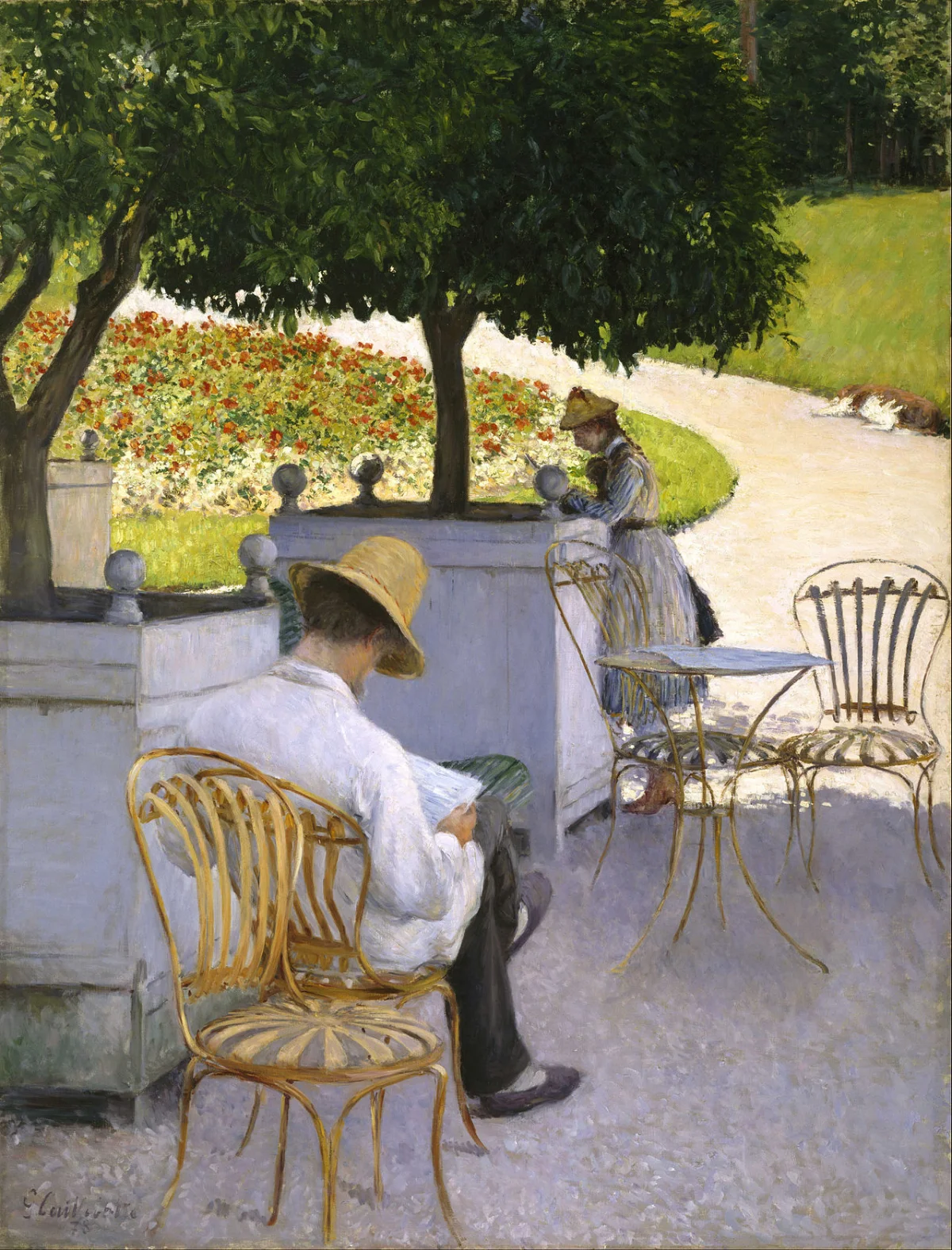
As a cornerstone of the Impressionism movement, this oil on canvas by Gustave Caillebotte is highly sought after by art enthusiasts and collectors alike. Its historical significance and innovative technique place it alongside related masterpieces such as "A Girl with a Watering Can." For those seeking a fine art painting for sale, "Paris Street - Rainy Weather 1877" not only represents a pivotal moment in art history but also embodies the enduring allure of Impressionist painting.
Related Impressionism Hand-Painted Oil Paintings by Other Artists
Other Famous Impressionism Artists:
Frequently Asked Questions About Paris Street - Rainy Weather 1877
What is the historical context of "Paris Street - Rainy Weather"?
"Paris Street - Rainy Weather" was painted during the Impressionist movement in France, a period characterized by a focus on capturing light and everyday scenes. Created in 1877, it reflects the rapid urbanization of Paris during the late 19th century.
What techniques did Gustave Caillebotte use in this painting?
Caillebotte employed a technique known as "plein air" painting, which involved working outdoors to capture the effects of light and atmosphere. He also utilized a unique perspective and composition, with a strong emphasis on geometric shapes and lines.
What is the significance of the rainy weather depicted in the painting?
The rainy weather serves as a metaphor for the transient nature of life and urban existence. It also enhances the mood of the painting, allowing for reflections on the wet pavement that create a dynamic interplay of light and shadow.
How does Caillebotte's work differ from other Impressionists?
While many Impressionists focused on light and color, Caillebotte's work is distinguished by its attention to detail and perspective. His compositions often include architectural elements and a more structured approach, setting him apart from his contemporaries.
What themes are explored in "Paris Street - Rainy Weather"?
The painting explores themes of modernity, urban life, and social interaction. It captures the essence of Parisian life during a time of change, highlighting both the beauty and challenges of city living.
Who are the figures in the painting, and what do they represent?
The figures in the painting represent the diverse social classes of Parisian society. Their interactions and positioning within the urban landscape reflect the complexities of social dynamics during this period.
What role did Caillebotte play in the Impressionist movement?
Caillebotte was not only a prominent painter but also a key supporter of the Impressionist movement. He organized exhibitions and provided financial backing to fellow artists, helping to establish the movement's presence in the art world.
How does the composition of the painting enhance its meaning?
The composition features a strong diagonal line created by the street, drawing the viewer's eye into the scene. This perspective invites contemplation of the urban environment and the relationship between the figures and their surroundings.
What is the significance of the architectural elements in the painting?
The architectural elements in "Paris Street - Rainy Weather" symbolize the modernization of Paris. They reflect the Haussmannization of the city, which transformed its layout and aesthetics, emphasizing the blend of nature and urban development.
How has "Paris Street - Rainy Weather" influenced contemporary art?
The painting has influenced contemporary art by inspiring artists to explore urban themes and the interplay of light and atmosphere. Its innovative composition and perspective continue to resonate with modern interpretations of city life.






















_GFM_Painting_(1).webp)



 100% Hand-Painted: Finished in 3-6 Weeks


.png)















_(1).webp)