Claude Monet is widely recognized for his contributions to fine art painting, particularly as a leading figure of the Impressionism movement. His works emphasize craftsmanship, emotional resonance, and enduring aesthetic value. Poppies At Argenteuil aligns with the principles of Impressionism, showcasing the artist's innovative approach to light and color. This painting not only exemplifies Monet's technique but also reflects the broader artistic dialogue of the late 19th century, where capturing fleeting moments became paramount.
Claude Monet’s Poppies At Argenteuil (1632): Enlightenment, Observation, and Human Drama – Hand-Painted Oil Painting for Sale
Painted in 1632 during the Dutch Golden Age, Poppies At Argenteuil exemplifies Claude Monet’s mastery of light, composition, and narrative storytelling. Commissioned by Amsterdam’s Surgeons Guild, the painting documents a public anatomy lesson with both scientific precision and theatrical elegance. Claude Monet transforms a factual event into a profound study of human curiosity, intellectual pursuit, and the drama inherent in life and death. Each figure is illuminated with delicate chiaroscuro, highlighting expressions, gestures, and anatomical details. This masterpiece is celebrated as one of the most iconic historical group portraits, illustrating the intersection of art, science, and humanism in 17th-century Netherlands.
Poppies At Argenteuil: Artistic Significance
Claude Monet’s pioneering technique in this painting demonstrates his deep understanding of light, texture, and psychological insight. By directing strong contrasts of light and shadow toward the central subject, he emphasizes the drama and intellectual focus of the moment. His meticulous rendering of anatomy, fabrics, and physiognomy reflects a commitment to realism and narrative clarity. Compared to contemporary group portraits, Claude Monet introduces dynamism and individuality, avoiding static symmetry and instead creating a layered composition of engagement and tension. Symbolically, the work reflects Enlightenment ideals of knowledge, observation, and the moral responsibility of physicians. Collectors can explore hand-painted oil paintings, framed oil paintings, and oil on canvas artworks that embody these qualities of realism, depth, and intellectual gravitas.
Why Collect Claude Monet’s Poppies At Argenteuil
This masterpiece is more than a historical record; it is a study in human emotion, social hierarchy, and scientific inquiry. Claude Monet’s nuanced treatment of light and composition invites viewers to experience the drama and deliberation of the scene. Owning a hand-painted reproduction or inspired work allows collectors to connect with centuries of artistic tradition, to appreciate the interplay of realism and narrative, and to bring the intellectual and aesthetic resonance of Dutch Golden Age painting into modern interiors. These paintings hold enduring value for collectors seeking historical significance, visual storytelling, and the mastery of a renowned artist.
Experience the Mastery of Claude Monet
Each Claude Monet-inspired artwork is available as hand-painted oil paintings, framed oil paintings, or canvas rolls. Collectors can explore original paintings for sale, artworks capturing dramatic lighting, meticulous detail, and narrative sophistication. Whether seeking historical scene paintings, custom commissions, or hand-painted reproductions of iconic masterpieces, these works offer a profound connection to the legacy of Claude Monet, bringing classical grandeur, intellectual depth, and timeless authority to any distinguished collection.
Related Impressionism Hand-Painted Oil Paintings by Other Artists
Other Famous Impressionism Artists:
Frequently Asked Questions About Poppies At Argenteuil
What is the historical context of "Poppies At Argenteuil"?
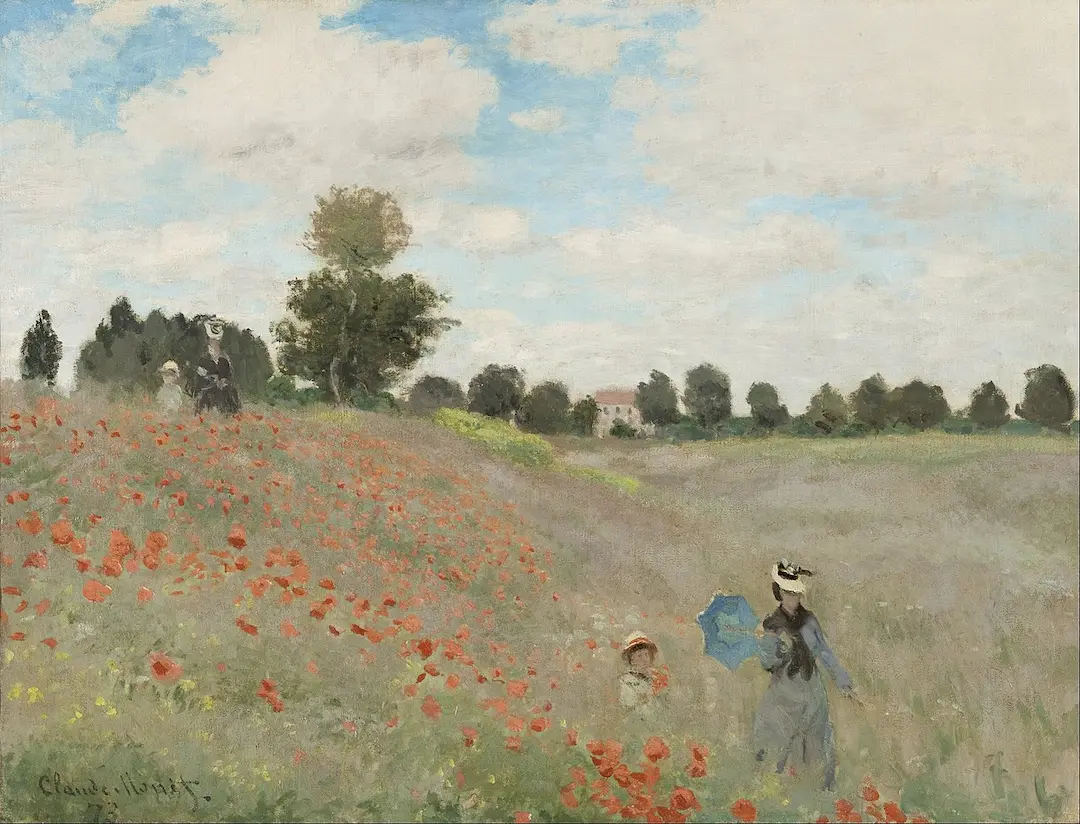
"Poppies At Argenteuil" was painted in 1873 during a period of great artistic innovation in France, particularly within the Impressionist movement. This era was characterized by a focus on capturing light and natural scenes, reflecting the changing perceptions of nature and modern life.
Who is the artist behind "Poppies At Argenteuil"?
The painting was created by Claude Monet, one of the founders of the Impressionist movement. Monet's work is renowned for its exploration of light and color, and "Poppies At Argenteuil" exemplifies his innovative techniques.
What artistic techniques did Monet use in this painting?
Monet employed loose brushwork and a vibrant color palette to convey the fleeting effects of light on the landscape. His technique of applying paint in short, quick strokes captures the movement of the poppies and the shimmering quality of the atmosphere.
What is the significance of the poppies in the painting?
The poppies symbolize beauty and transience, reflecting the ephemeral nature of life. Monet's choice to depict these flowers in a field suggests a celebration of nature's vibrancy and the joy found in simple, everyday scenes.
How does "Poppies At Argenteuil" fit into Monet's body of work?
This painting is a key example of Monet's exploration of outdoor scenes and his fascination with the interplay of light and color. It showcases his transition towards a more abstract representation of nature, which would become a hallmark of his later works.
What location does "Poppies At Argenteuil" depict?
The painting captures a view of Argenteuil, a suburb of Paris along the Seine River, which was a popular location for Impressionist artists. The landscape reflects the rural charm and beauty of the area during the late 19th century.
What is the composition of "Poppies At Argenteuil"?
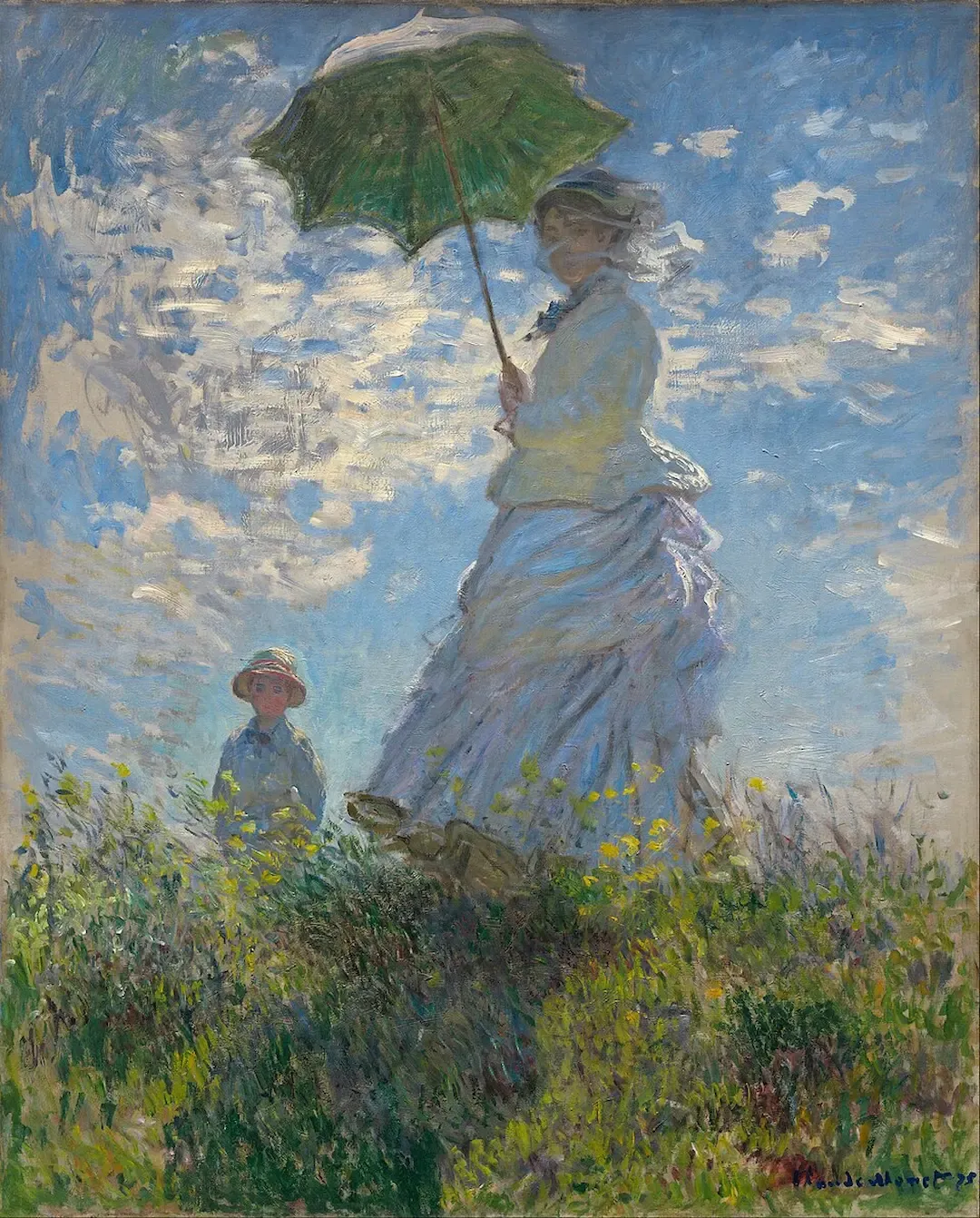
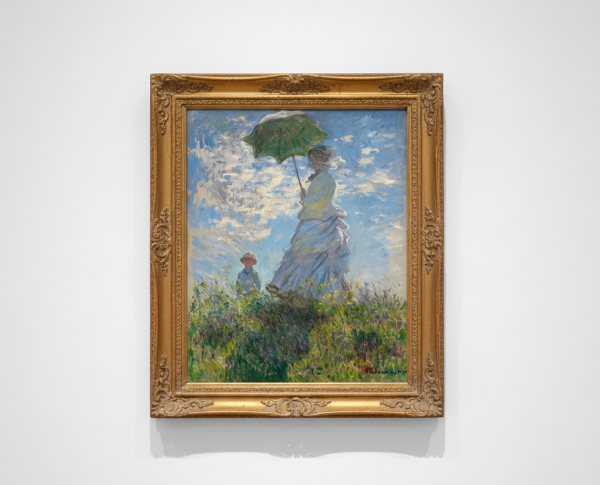
The composition features a vibrant field of poppies in the foreground, with figures walking through the flowers, set against a backdrop of rolling hills and a blue sky. This arrangement draws the viewer's eye into the scene, creating a sense of depth and movement.
How did "Poppies At Argenteuil" influence the Impressionist movement?
The painting exemplifies the core principles of Impressionism, particularly the emphasis on capturing a moment in time. Its innovative use of color and light influenced many artists of the time, encouraging a departure from traditional techniques and perspectives.
What emotions does "Poppies At Argenteuil" evoke?
The painting evokes feelings of joy, tranquility, and nostalgia. The bright colors and lively scene invite viewers to appreciate the beauty of nature, while also reflecting a sense of fleeting beauty and the passage of time.
Where can I view "Poppies At Argenteuil" today?
"Poppies At Argenteuil" is part of the collection at the Musée d'Orsay in Paris, France. The museum is renowned for its extensive collection of Impressionist and Post-Impressionist masterpieces, making it a key destination for art enthusiasts.



















_GFM_Painting_(1).webp)


 100% Hand-Painted: Finished in 3-6 Weeks

.png)















_(1).webp)







 (1).webp)



