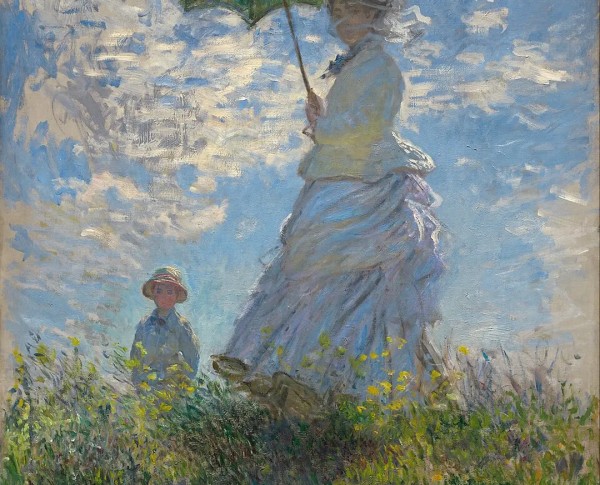
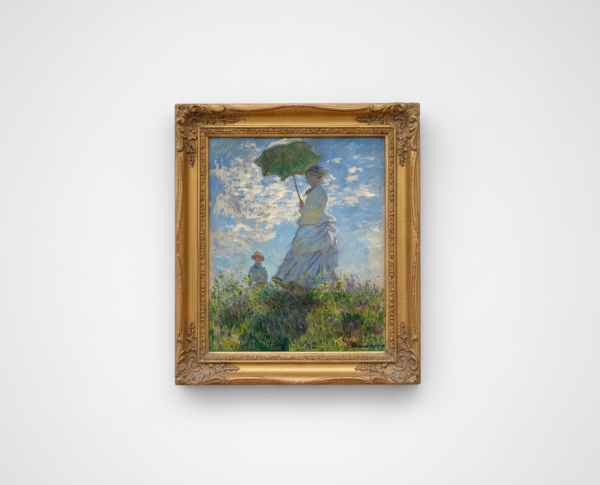
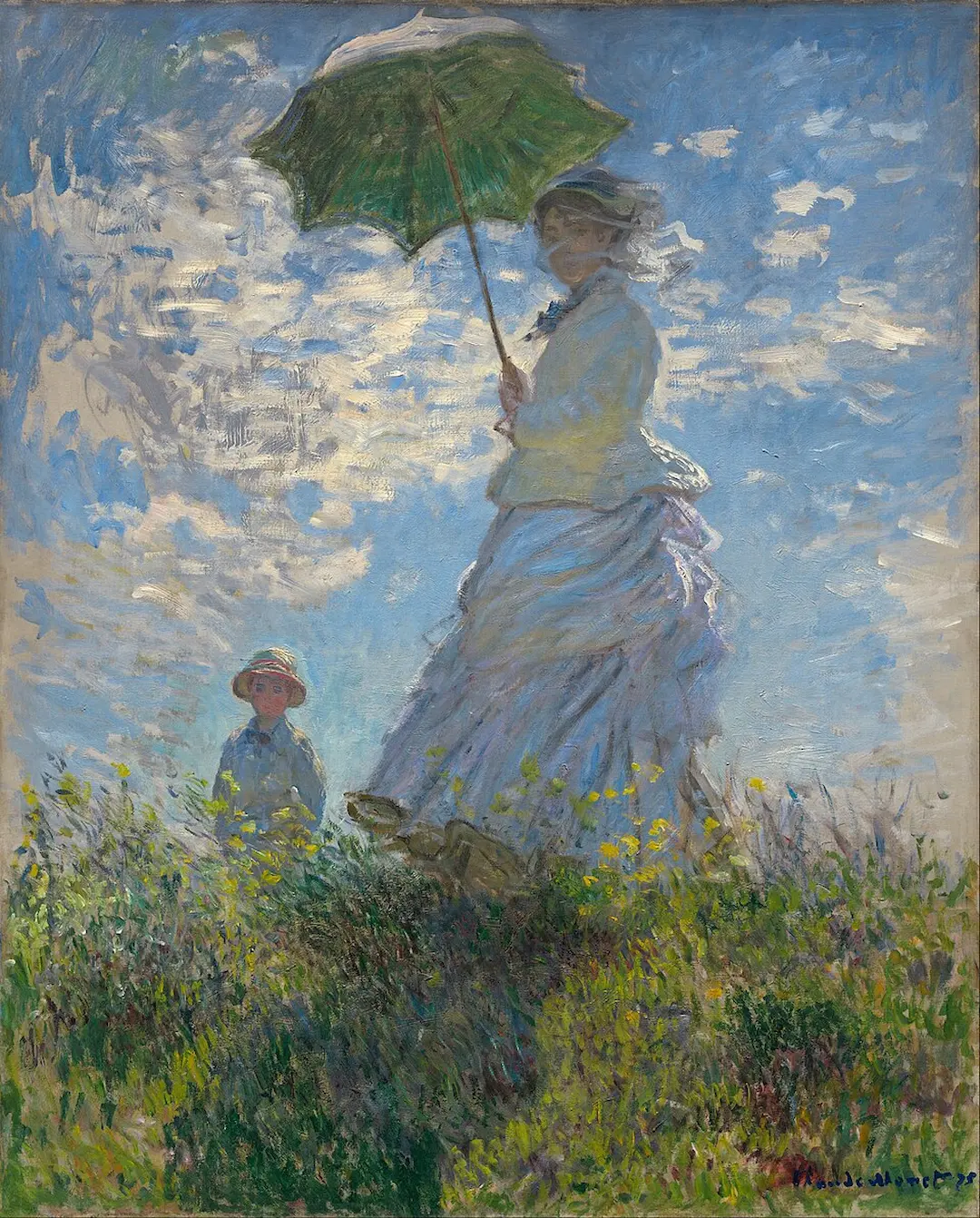
Monet’s mastery is evident in every stroke of "The Walk Woman With A Parasol," an exquisite oil on canvas. The artist’s technique reflects the spontaneity and freshness that define Impressionism. The swift, visible brushwork creates a sense of movement and atmosphere, inviting viewers into a sunlit, breezy day. For those inspired by Monet’s technique, related works like "Hôtel des Roches Noires" and "Poppy Field near Vétheuil" further exemplify his command of light and color.
"The Walk Woman With A Parasol" tells a story beyond its visual beauty, symbolizing leisure and the fleeting nature of life. Monet’s depiction of his subject, likely his wife Camille, resonates with the Impressionism movement’s focus on personal moments. This fine art painting for sale appeals to those who find meaning in everyday scenes, and pairs beautifully with companion pieces such as "Waterloo Bridge. Effect of Fog" and "Impression, Sunrise" for a deeper narrative.
Owning "The Walk Woman With A Parasol" by Claude Monet is a dream for collectors of Impressionism. As a hand-painted oil painting, it embodies the elegance and innovation of Monet’s era. This masterpiece, along with related products like "Woman in the Garden" and "Lilac in the Sun," enhances any collection with its radiant hues and historical value. Seekers of iconic oil on canvas works will find this painting a timeless investment and a centerpiece of fine art.
When Art Meets History
"The Walk Woman With A Parasol" by Claude Monet stands as a luminous example of the Impressionism movement. Painted in 1875, this oil on canvas masterpiece captures a fleeting moment in time, showcasing Monet’s wife and son in a breezy landscape. The artwork reflects the era's fascination with light and atmosphere, much like related paintings such as "Two Sisters Aka On The Terrace" and "Girls At The Piano2." This fine art painting for sale continues to enchant art lovers worldwide.
Techniques That Speak
Claude Monet’s technique in "The Walk Woman With A Parasol" demonstrates his mastery of hand-painted oil painting. With loose brushstrokes and vibrant colors, Monet creates the sensation of movement and sunlight, hallmarks of Impressionism. The artist’s approach is evident across other works like "Woman in her Bath Sponging her Leg" and "Dancers In Pink." Each stroke in this oil on canvas piece tells a story, inviting viewers to experience the scene’s gentle breeze and radiant light.
Emotions on Display
Monet's "The Walk Woman With A Parasol" is more than just a fine art painting for sale; it is an emotional journey. The gentle posture of Monet's wife, the playful movement of her dress, and the soft, swirling clouds evoke feelings of serenity and joy. Like the mood found in "Houses at the seaside," the painting encapsulates the fleeting beauty of everyday moments, a signature of the Impressionism movement and a testament to Claude Monet's sensitivity as an artist.
Coveted by Collectors
As an iconic oil on canvas from the Impressionism era, "The Walk Woman With A Parasol" remains highly sought after by collectors. Claude Monet’s ability to capture natural light and movement makes this hand-painted oil painting a prized possession, much like his other celebrated works. Collectors searching for a fine art painting for sale often gravitate toward Monet's masterpieces, including related paintings such as "Girls At The Piano2" and "Dancers In Pink," for their timeless appeal and historical significance.
Related Impressionism Hand-Painted Oil Paintings by Other Artists
Other Famous Impressionism Artists:
Frequently Asked Questions About The Walk Woman With A Parasol
What is the historical context of "The Walk Woman With A Parasol"?
"The Walk Woman With A Parasol" was painted in 1875, during a period of significant change in France, marked by the rise of Impressionism. This movement sought to capture the fleeting effects of light and atmosphere, diverging from traditional artistic conventions.
Who is the subject of the painting?
The subject of the painting is Camille Monet, Claude Monet's wife, who is depicted walking in a field with their son. This personal connection adds an intimate quality to the artwork, showcasing both the artist's affection and the beauty of everyday life.
What artistic techniques did Monet employ in this painting?
Monet utilized loose brushwork and a vibrant color palette to convey movement and light. The dappled sunlight filtering through the parasol and the surrounding nature exemplifies his innovative approach to capturing the essence of a moment.
How does "The Walk Woman With A Parasol" reflect Impressionist ideals?
The painting embodies Impressionist ideals through its emphasis on light, color, and the portrayal of modern life. Monet's focus on a spontaneous moment in nature, rather than a staged composition, aligns with the movement's goal of depicting the transient beauty of the world.
What symbolism can be found in the painting?
The parasol symbolizes protection and femininity, while the act of walking suggests freedom and leisure. The contrasting elements of light and shadow further enhance the theme of transience, reflecting the ephemeral nature of life itself.
What is the significance of the color palette used in this artwork?
Monet's use of a bright and varied color palette enhances the sense of vibrancy and liveliness in the scene. The juxtaposition of greens, blues, and whites captures the essence of a sunny day, inviting viewers to experience the atmosphere of the moment.
How does the composition of the painting contribute to its overall impact?
The composition features a dynamic diagonal line created by the figure of the woman and the direction of her gaze, drawing the viewer's eye across the canvas. This movement, combined with the open space surrounding her, evokes a sense of freedom and spontaneity.
In what ways did Monet's personal life influence this painting?
Monet's personal life, particularly his relationship with Camille and their family, profoundly influenced his work. "The Walk Woman With A Parasol" captures a moment of joy and intimacy, reflecting the artist's desire to portray the beauty of his domestic life.
What was the initial reception of "The Walk Woman With A Parasol"?
Upon its exhibition, the painting received mixed reviews, typical of Impressionist works at the time. While some critics appreciated its innovative style, others dismissed it as unfinished. Over time, however, it has come to be celebrated as one of Monet's masterpieces.
How does this painting fit within Monet's broader body of work?
"The Walk Woman With A Parasol" is a pivotal work within Monet's oeuvre, showcasing his evolving style and commitment to capturing light and atmosphere. It represents a transitional phase in his career, bridging early Impressionist techniques with his later, more abstract explorations.






















_GFM_Painting_(1).webp)


 100% Hand-Painted: Finished in 3-6 Weeks

.png)















_(1).webp)