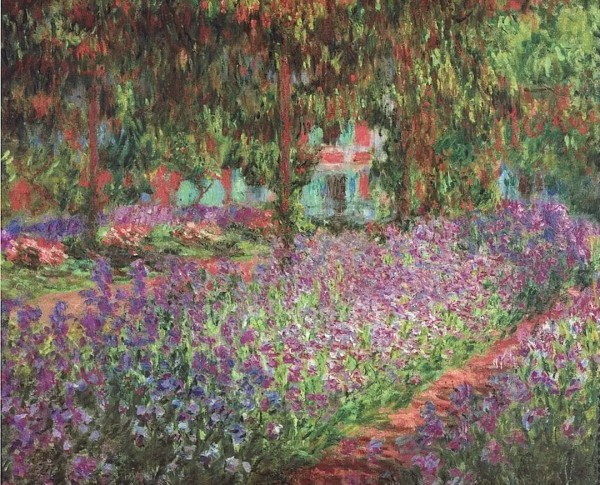
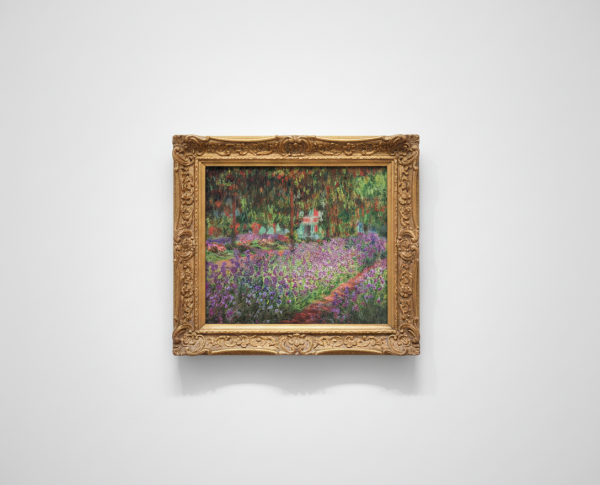
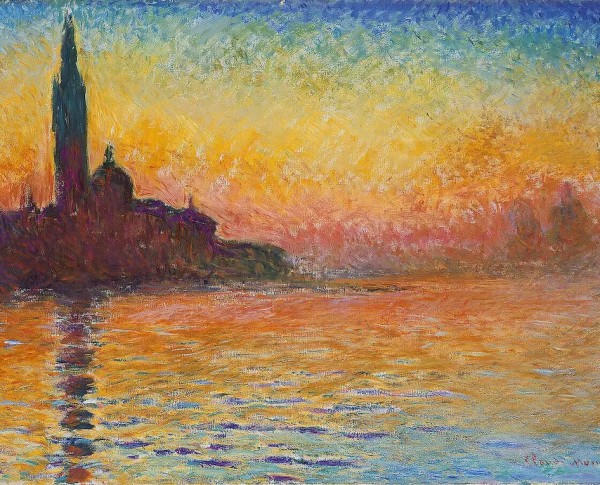
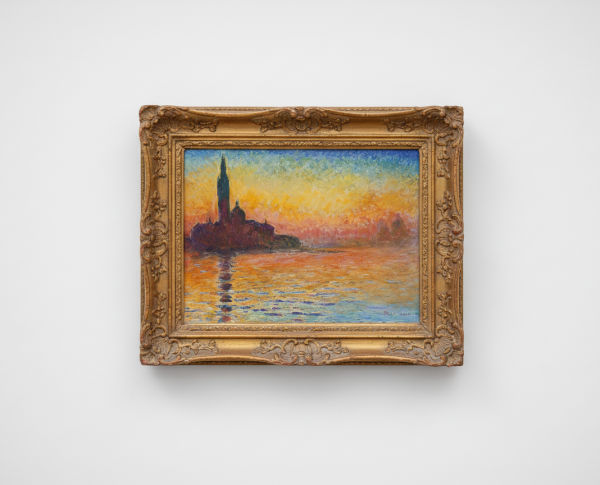
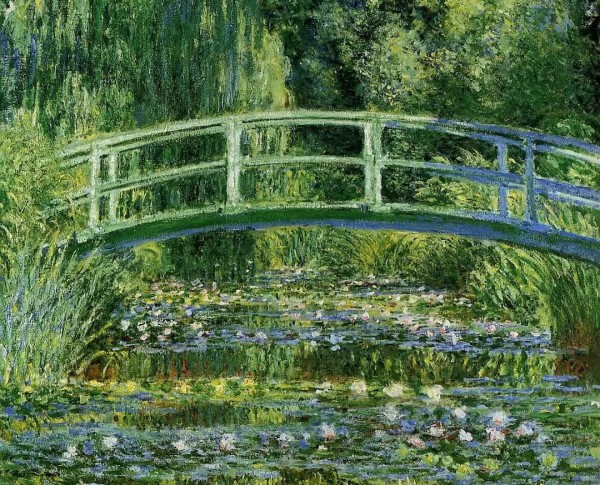
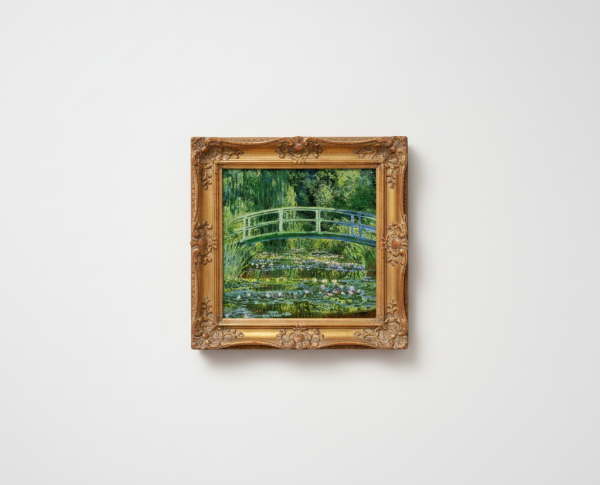
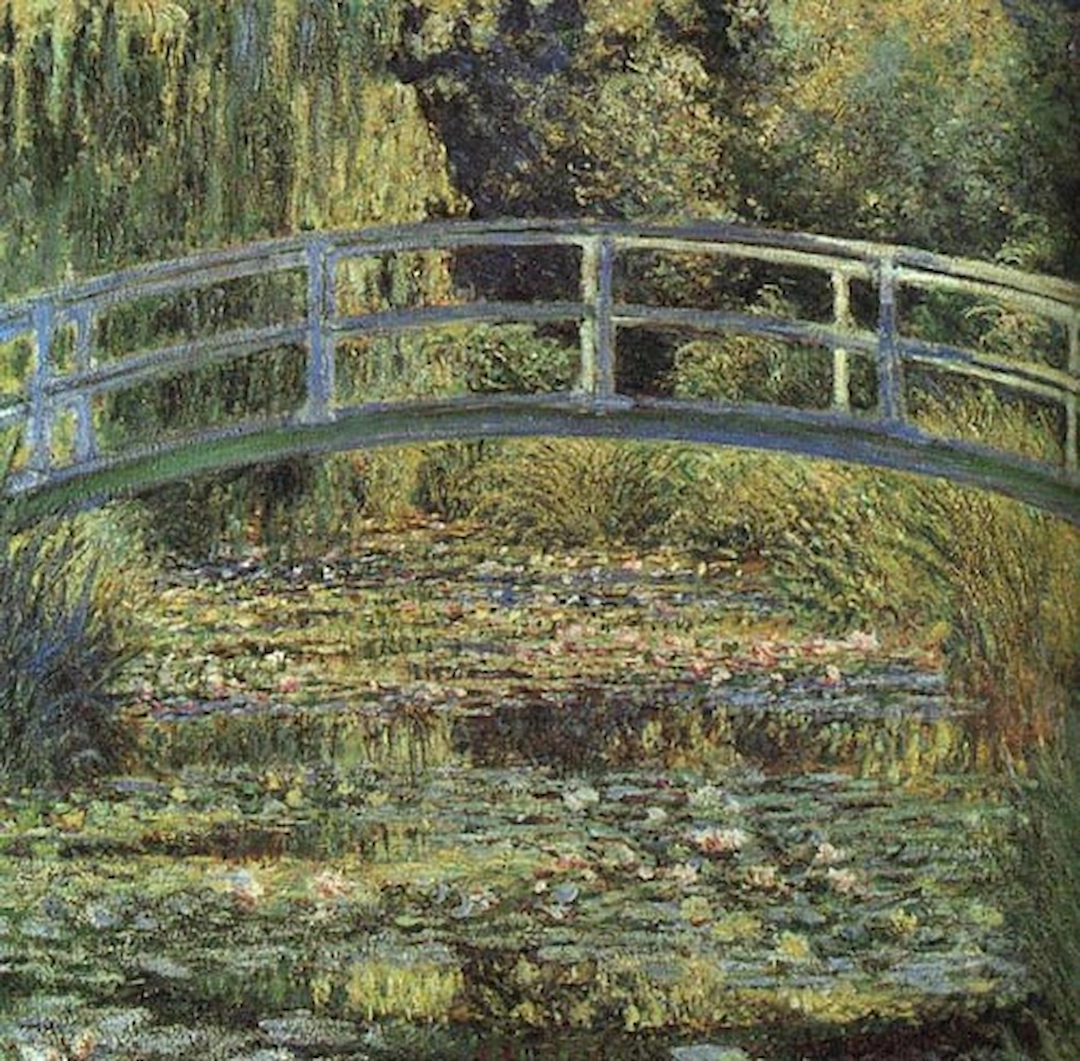
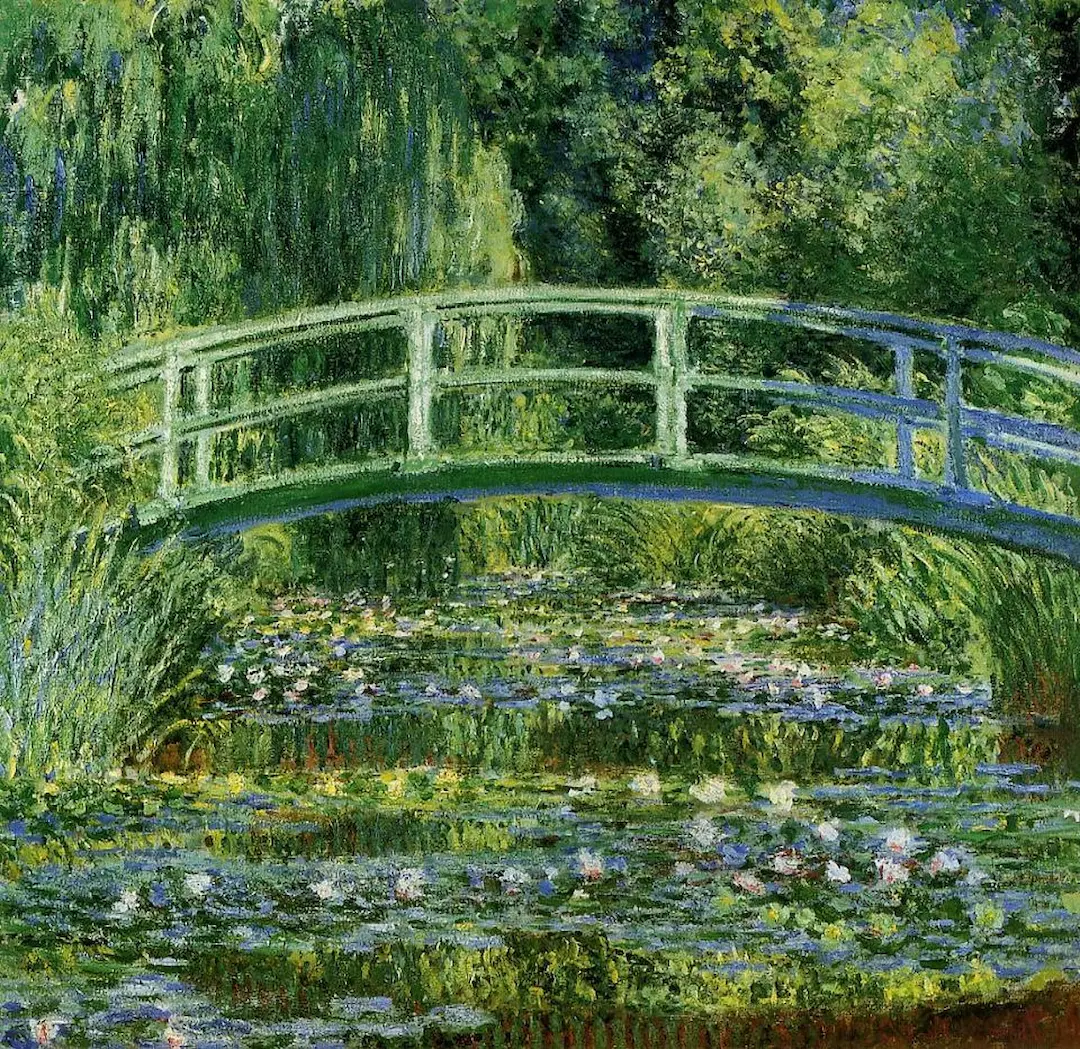
Monet’s expertise is showcased in every brushstroke of "Water Lily Pond," where his use of oil on canvas brings life to tranquil waters and lush greenery. The delicate interplay of colors and textures highlights the artist’s innovative Impressionist techniques. Admirers of Monet’s style may also explore related products such as "Autoportrait" or "Rouen Cathedral" to witness the same level of mastery and artistic vision present in each fine art painting for sale.
"Water Lily Pond" is more than a beautiful scene; it is a window into Monet’s personal world and the broader Impressionism movement. The painting symbolizes peace and reflection, drawing viewers into its dreamlike landscape. As with other hand-painted oil paintings by Monet, such as "End of the Day" and "Poppy Field near Vétheuil," this work invites collectors and art enthusiasts to discover the hidden stories and emotional depth behind each brushstroke.
For collectors, owning "Water Lily Pond" or a similar fine art painting for sale is an opportunity to hold a piece of art history. Monet’s oil on canvas creations, including "Les Tilleuls à Poissy," are highly sought after for their beauty and significance within the Impressionism movement. Whether displayed in a private collection or a public gallery, these masterpieces continue to inspire and enchant admirers around the world.
When Art Meets History
Claude Monet’s "Water Lily Pond" is a masterful example of Impressionism, capturing a tranquil scene that changed the course of art history. Painted in oil on canvas, this work stands alongside other Monet masterpieces like "Spring Bouquet" and "The Seine At Asnieres Aka The Skiff." Monet’s exploration of light and reflection in the garden at Giverny made this hand-painted oil painting a symbol of late 19th-century innovation in the fine art world.
Techniques That Speak
Monet’s "Water Lily Pond" showcases his signature brushwork and innovative use of color typical of the Impressionism movement. The painting’s textured surface, created with layered oil on canvas, gives depth and vibrancy to the water and foliage. Techniques seen here influenced not only Monet’s own "Dance At Bougival" but also inspired contemporaries. Collectors and art lovers prize such hand-painted oil paintings for their luminous quality and revolutionary approach to capturing fleeting moments.
Emotions on Display
"Water Lily Pond" evokes a sense of peace and contemplation, reflecting Monet’s fascination with nature’s serene beauty. The gentle interplay of light and shadow in this hand-painted oil painting invites viewers to pause, much like in "Children in the Sea, 1909." Through Impressionism, Monet conveys emotion with every brushstroke, making the pond’s tranquility almost tangible. This fine art painting for sale continues to resonate with those seeking solace and beauty in art.
Coveted by Collectors
As a cornerstone of Impressionism, Monet’s "Water Lily Pond" remains highly sought after by collectors worldwide. Its status as a fine art painting for sale enhances its allure, as does its connection to related works like "Young Spartans Exercising." The enduring demand for Monet’s oil on canvas masterpieces reflects their timeless charm and historical significance. Owning such a piece means possessing a vibrant fragment of art history, cherished by generations of admirers.
Related Impressionism Hand-Painted Oil Paintings by Other Artists
Other Famous Impressionism Artists:
Frequently Asked Questions About Water Lily Pond
What is the historical significance of Water Lily Pond?
Water Lily Pond, painted by Claude Monet in 1899, is a pivotal work in the Impressionist movement, showcasing Monet's innovative approach to capturing light and color in nature. It reflects the artist's deep connection to his garden in Giverny, which became a central subject in his later works.
What artistic techniques did Monet use in Water Lily Pond?
Monet employed loose brushwork and a vibrant color palette to depict the reflections and interplay of light on the water's surface. His technique of layering colors and using broken brushstrokes enhances the sense of movement and fluidity within the composition.
How does Water Lily Pond exemplify Impressionism?
This painting exemplifies Impressionism through its focus on capturing a moment in time, the effects of natural light, and the emphasis on the artist's perception rather than a detailed representation of reality. The loose brushwork and vibrant colors are hallmarks of the style.
What symbolism is present in Water Lily Pond?
The water lilies in the painting symbolize purity and tranquility, while the pond itself represents a serene escape from the chaos of modern life. Monet's depiction of nature reflects his desire to convey a sense of peace and harmony.
What was the inspiration behind Water Lily Pond?
Monet was inspired by the Japanese bridge and the water lilies in his garden at Giverny. The garden was a personal sanctuary for the artist, and he sought to capture its beauty and tranquility through his art, making it a recurring theme in his later works.
How did Water Lily Pond influence future artists?
Water Lily Pond has had a profound impact on subsequent generations of artists, particularly in the realms of abstraction and color theory. Monet's exploration of light and color paved the way for modern art movements, encouraging artists to experiment with perception and form.
What role does color play in Water Lily Pond?
Color plays a crucial role in Water Lily Pond, as Monet uses a diverse palette to evoke mood and atmosphere. The interplay of greens, blues, and pinks creates a harmonious balance, drawing the viewer into the tranquil scene and highlighting the beauty of nature.
Why is Water Lily Pond considered a masterpiece?
Water Lily Pond is considered a masterpiece due to its innovative approach to color, light, and composition. Monet's ability to convey emotion and atmosphere through his brushwork and choice of subject matter marks it as a significant achievement in the history of art.
In what ways did Monet's personal life influence Water Lily Pond?
Monet's personal life greatly influenced Water Lily Pond, as it was painted during a period of personal reflection and tranquility in his garden. His emotional connection to the landscape is evident in the painting, which serves as a visual representation of his inner peace.
What is the significance of the water reflections in Water Lily Pond?
The reflections in Water Lily Pond are significant as they demonstrate Monet's fascination with the effects of light on water. They create a sense of depth and movement, inviting the viewer to contemplate the transient nature of beauty and the passage of time.






















_GFM_Painting_(1).webp)


 100% Hand-Painted: Finished in 3-6 Weeks

.png)















_(1).webp)