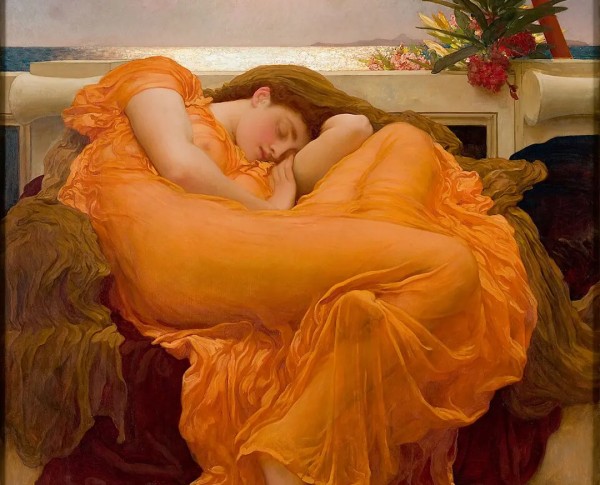
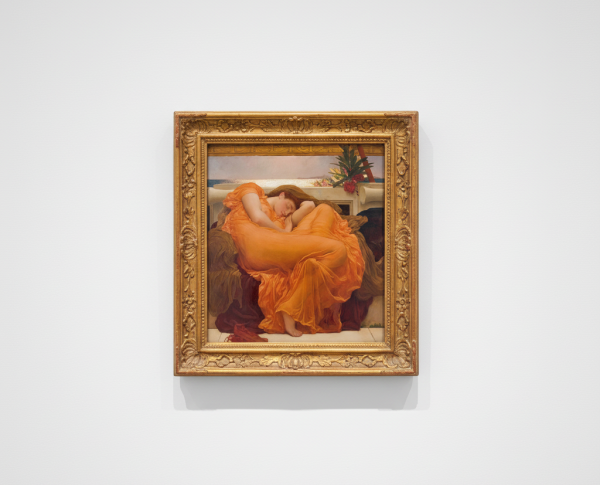
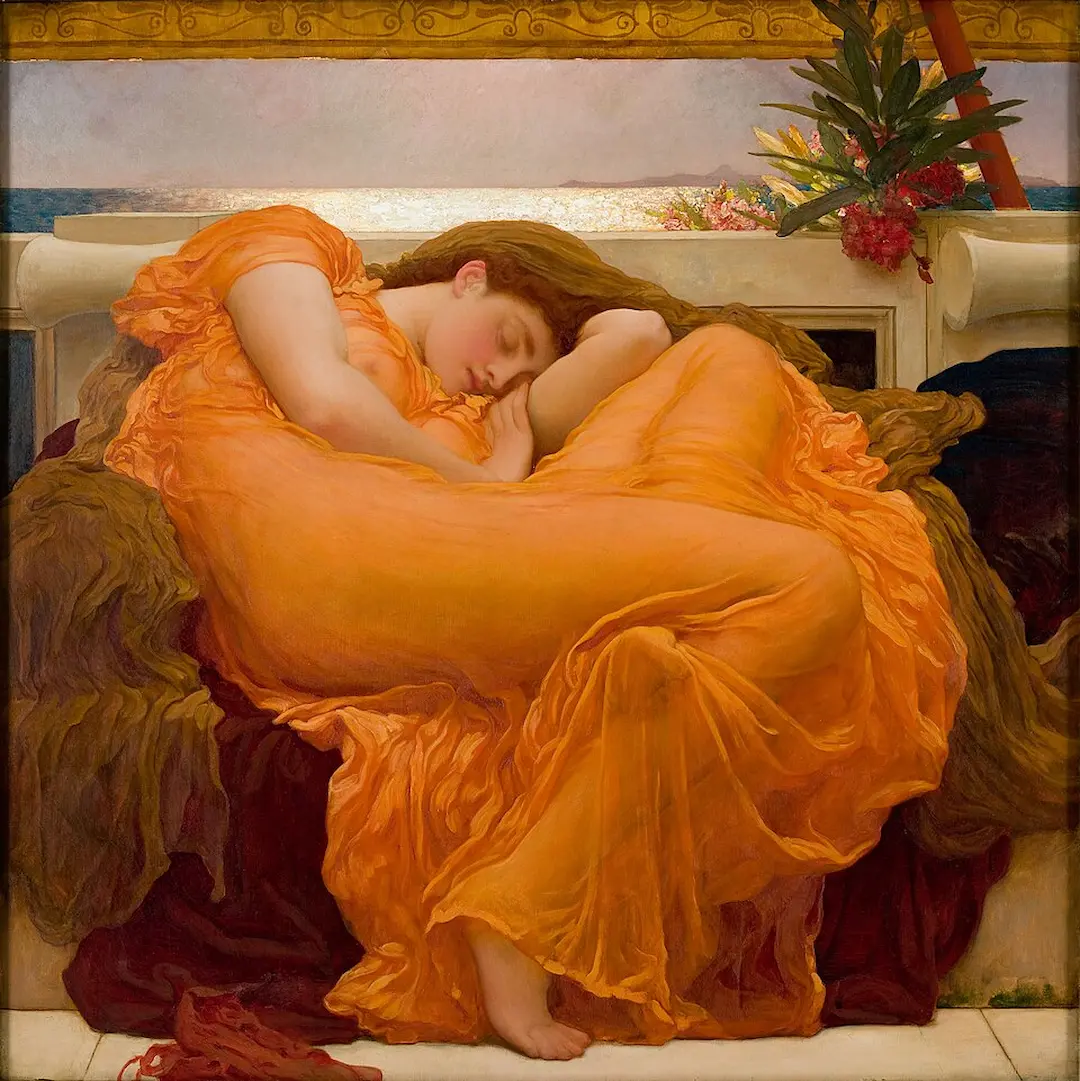
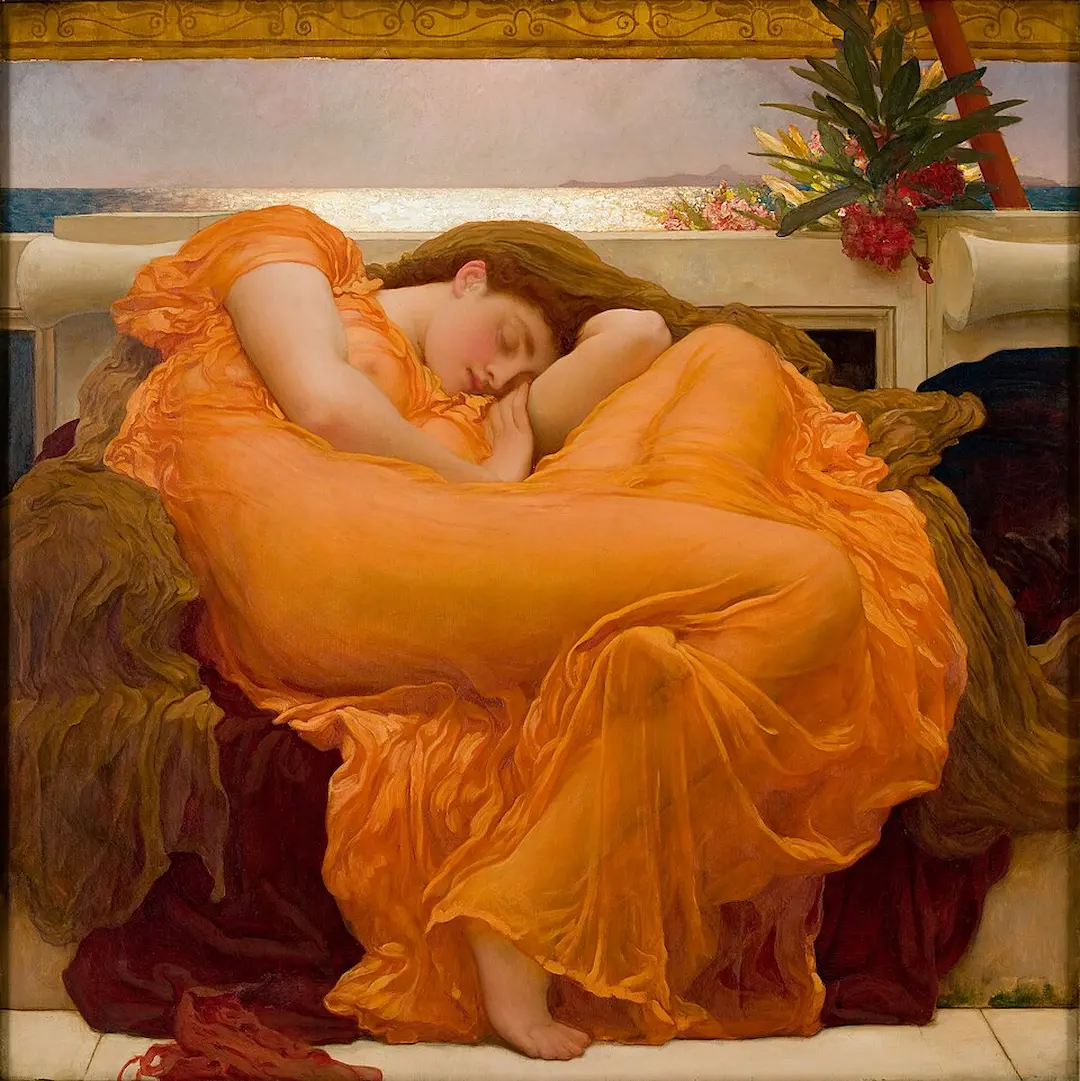
Lord Frederick Leighton’s "Flaming June" is renowned for its exquisite attention to detail and vibrant use of color, hallmarks of the oil on canvas technique. The luminous orange drapery and the serene pose of the subject highlight Leighton’s technical prowess within the Academic Classicism movement. Each brushstroke in this remarkable painting demonstrates the artist’s dedication to realism and beauty, making it a prized example for those searching for exceptional oil on canvas masterpieces by renowned artists.
"Flaming June" by Lord Frederick Leighton is more than just a fine art painting for sale; it is a visual narrative steeped in symbolism and emotion. The painting’s sleeping figure, enveloped in flowing fabric, evokes themes of tranquility and classical beauty central to the Academic Classicism movement. Collectors and admirers are drawn to the subtle storytelling embedded in Leighton’s composition, where every element—from the pose to the setting—contributes to the work’s enduring mystique and allure.
Owning a hand-painted oil painting like "Flaming June" by Lord Frederick Leighton is a true privilege for connoisseurs of Academic Classicism. Its radiant colors and masterful execution make it a centerpiece in any art collection. As one of the most recognizable works from the movement, "Flaming June" continues to captivate audiences and remains a highly desirable fine art painting for sale, appealing to collectors who appreciate the enduring value of historical masterpieces.
When Art Meets History
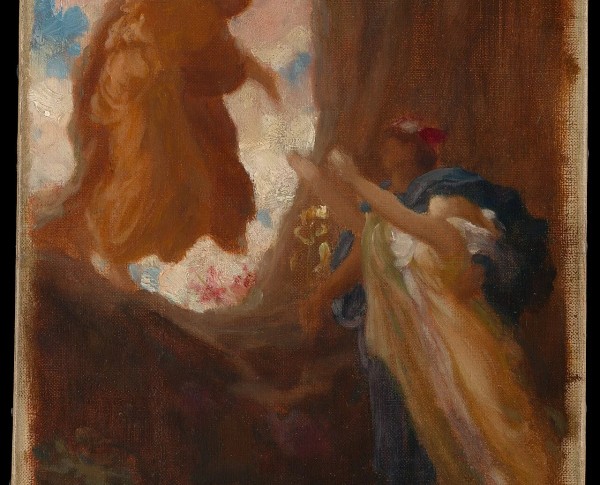
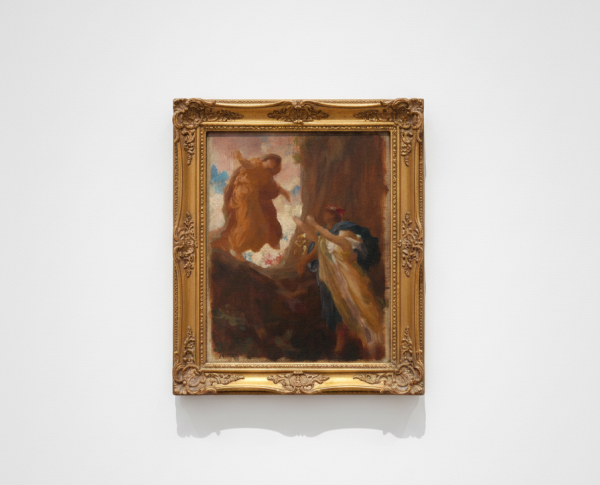
"Flaming June" by Lord Frederick Leighton stands as a hallmark of the Academic Classicism movement, capturing a pivotal moment in art history. Painted in 1895, this hand-painted oil painting echoes the era’s fascination with classical beauty and refined technique. Leighton, also known for masterpieces like "Venus Rising" and "Dante et Virgile au Enfers (Dante and Virgil in Hell)," crafted "Flaming June" to embody both timeless elegance and the academic ideals cherished by his contemporaries.
Techniques That Speak
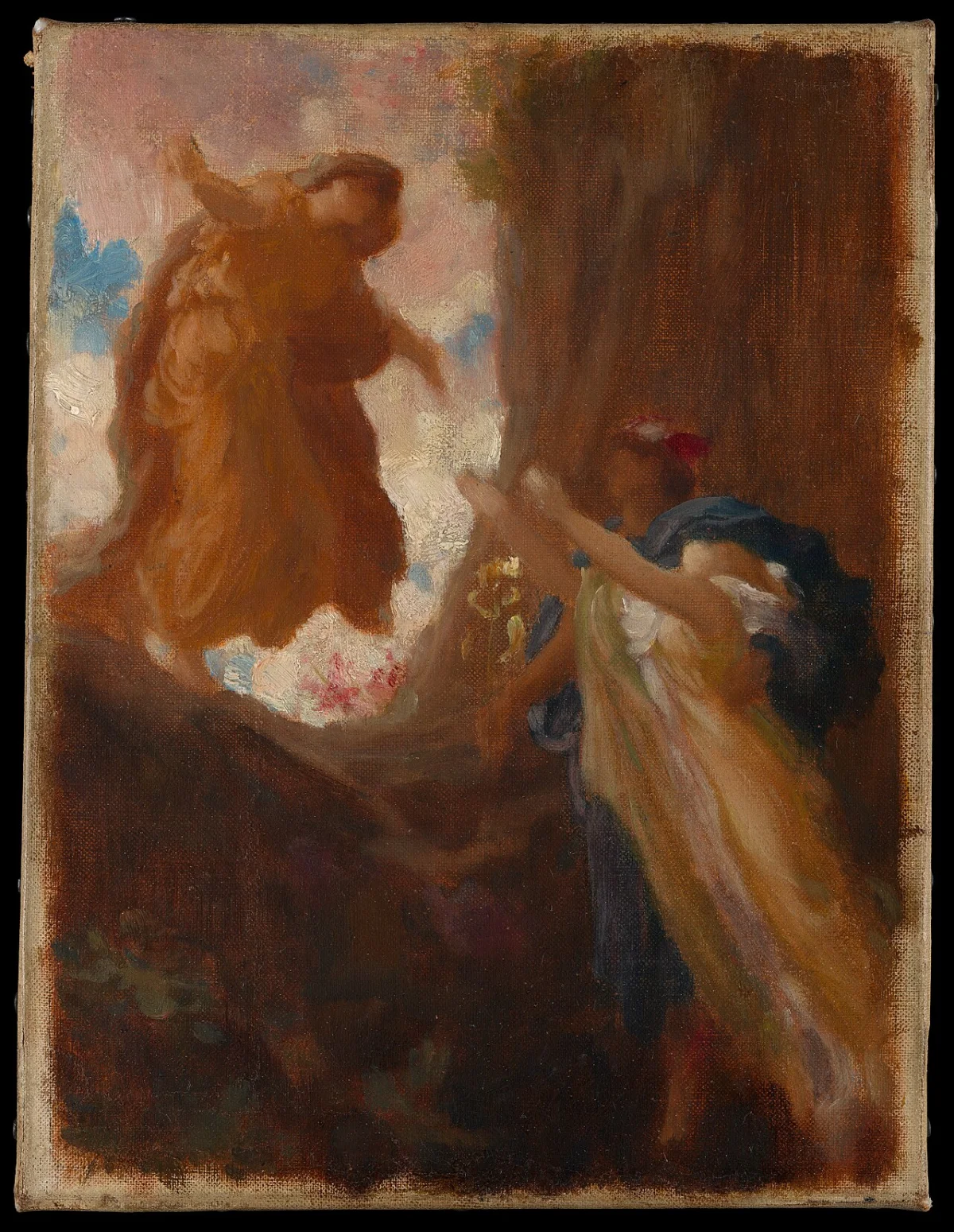
Leighton’s mastery shines through in "Flaming June," where oil on canvas becomes a medium of luminous color and delicate textures. The artist’s meticulous layering and blending techniques give the sleeping figure a lifelike presence, reminiscent of his work in "La Vierge au Lys (The Virgin of the Lilies)." This oil on canvas not only highlights the technical prowess of Academic Classicism but also serves as a testament to Leighton’s dedication to the highest standards of fine art.
Emotions on Display
"Flaming June" radiates a serene warmth, inviting viewers to experience the tranquility and introspection of its subject. The peaceful repose and sun-drenched hues evoke a sense of calm, a signature of Leighton’s emotional depth seen in related paintings like "L'innocence (Innocence)" and "The Storm." This fine art painting for sale continues to captivate collectors and art lovers alike with its evocative portrayal of beauty and serenity within the Academic Classicism movement.
Coveted by Collectors
Regarded as one of the most sought-after works in the Academic Classicism movement, "Flaming June" has become a prized possession among art enthusiasts. Its enduring appeal has positioned it alongside other significant works by Lord Frederick Leighton, such as "Venus Rising." As a hand-painted oil painting, "Flaming June" offers a unique blend of historical significance and aesthetic allure, making it a coveted addition to any collection of fine art painting for sale.
Related Academic Classicism Hand-Painted Oil Paintings by Other Artists
Other Famous Academic Classicism Artists:
Frequently Asked Questions About Flaming June
What is the historical context of Flaming June?
Flaming June was painted in 1895 during the height of the Aesthetic Movement, which emphasized beauty and sensory experience in art. This period was marked by a reaction against the industrialization of society and a focus on the idealized human form.
Who was Lord Frederick Leighton?
Lord Frederick Leighton was a prominent British painter and sculptor, known for his classical themes and mastery of color and light. He served as the president of the Royal Academy and was a key figure in the Aesthetic Movement.
What are the main themes depicted in Flaming June?
The painting explores themes of beauty, tranquility, and the fleeting nature of life. The figure of the woman in repose symbolizes both the serenity of sleep and the ephemeral quality of youth and beauty.
What artistic techniques did Leighton use in Flaming June?
Leighton employed a vibrant color palette and dynamic composition to create a sense of movement and emotion. His use of light and shadow enhances the three-dimensionality of the figure and the surrounding drapery.
What is the significance of the color orange in Flaming June?
The dominant orange hue in Flaming June symbolizes warmth, vitality, and passion. It contrasts with the cooler tones in the background, drawing attention to the central figure and enhancing the emotional impact of the painting.
How does Flaming June reflect the ideals of the Aesthetic Movement?
Flaming June embodies the Aesthetic Movement's focus on beauty for beauty's sake. The painting prioritizes aesthetic pleasure over narrative or moral content, showcasing Leighton's skill in creating a visually stunning work.
What is the symbolism of the reclining figure in Flaming June?
The reclining figure represents an idealized vision of femininity and beauty. Her pose suggests vulnerability and tranquility, inviting viewers to contemplate themes of rest, dreams, and the passage of time.
In what ways has Flaming June influenced modern art?
Flaming June has influenced modern art by demonstrating the power of color and form to evoke emotion. Its emphasis on beauty and the human figure has inspired contemporary artists to explore similar themes in their work.
Where is Flaming June currently displayed?
Flaming June is part of the collection at the Museo de Arte de Ponce in Puerto Rico, where it has been a significant attraction for visitors interested in 19th-century art and the Aesthetic Movement.
What impact did Flaming June have on Leighton's career?
Flaming June is considered one of Leighton's masterpieces and solidified his reputation as a leading artist of his time. The painting showcased his technical prowess and ability to convey deep emotion through visual art.






















_GFM_Painting_(1).webp)


 100% Hand-Painted: Finished in 3-6 Weeks

.png)















_(1).webp)