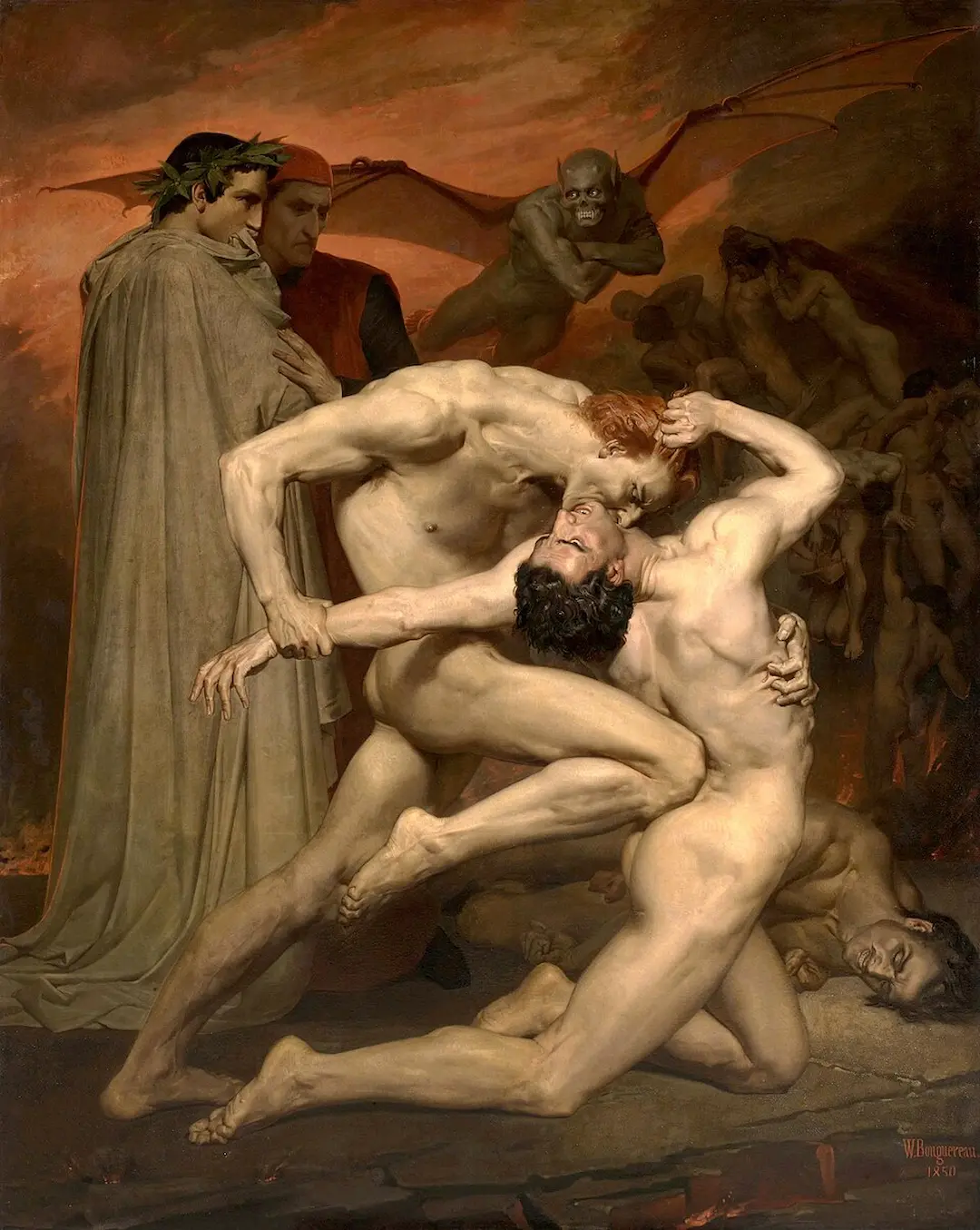
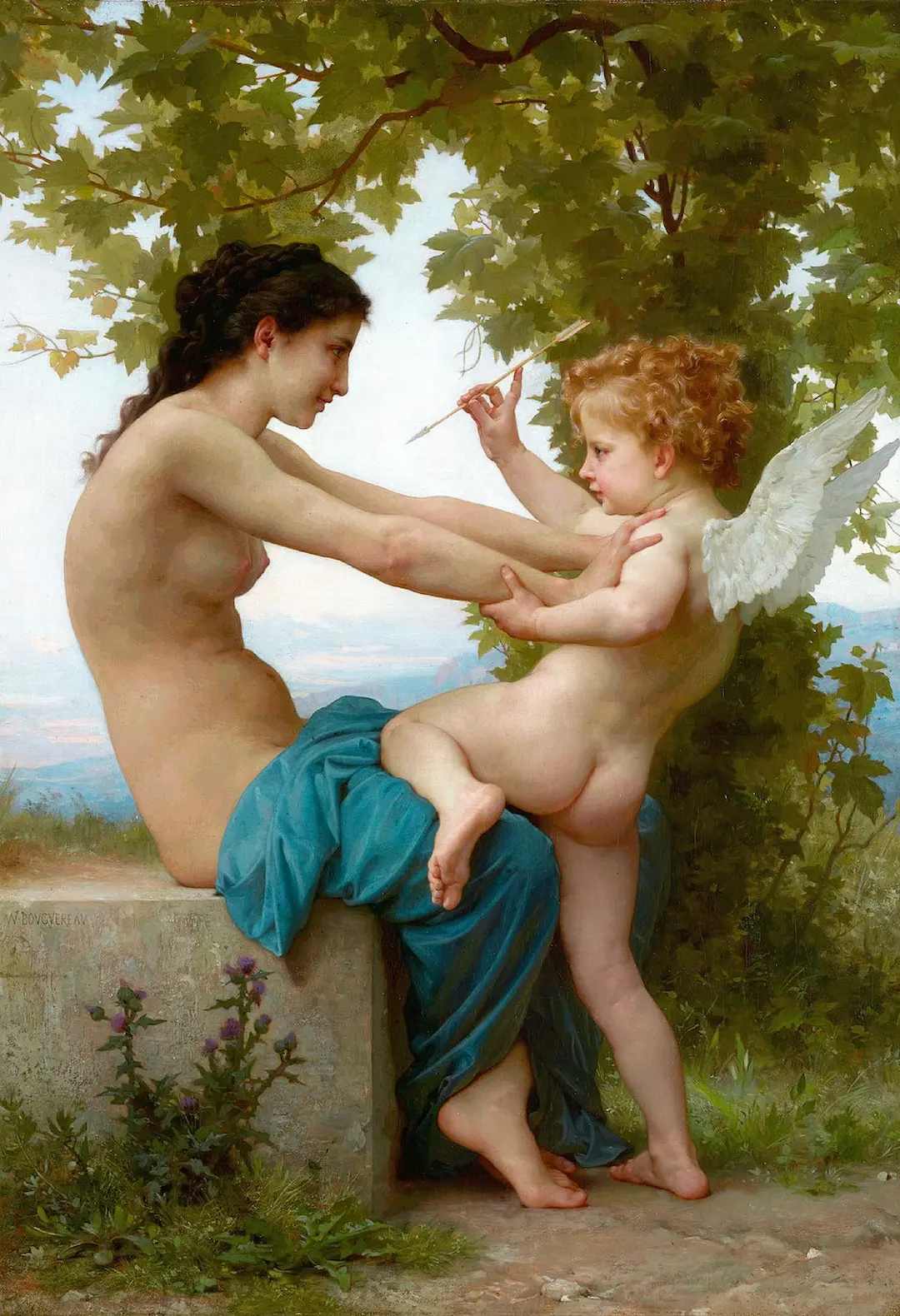
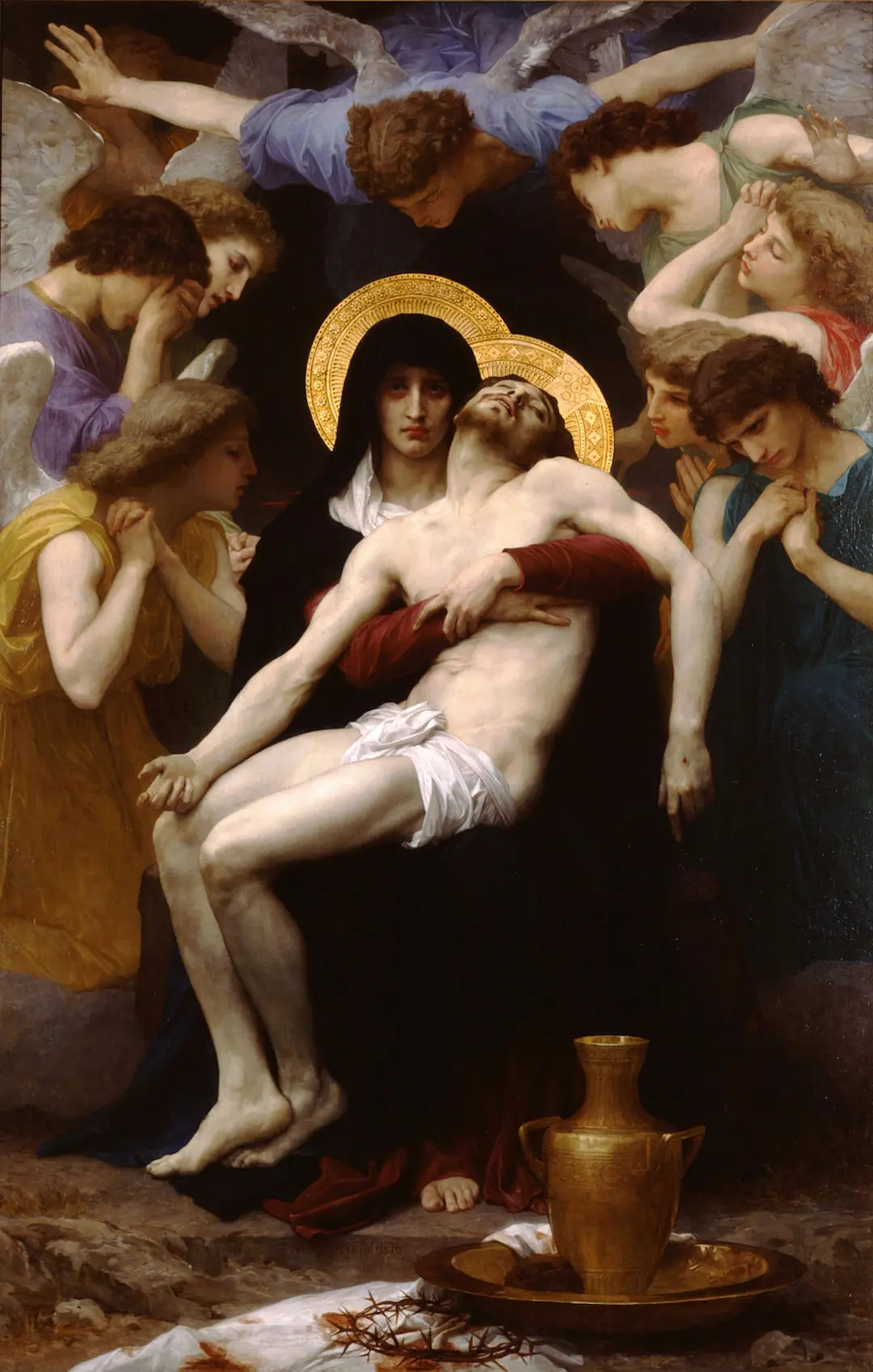
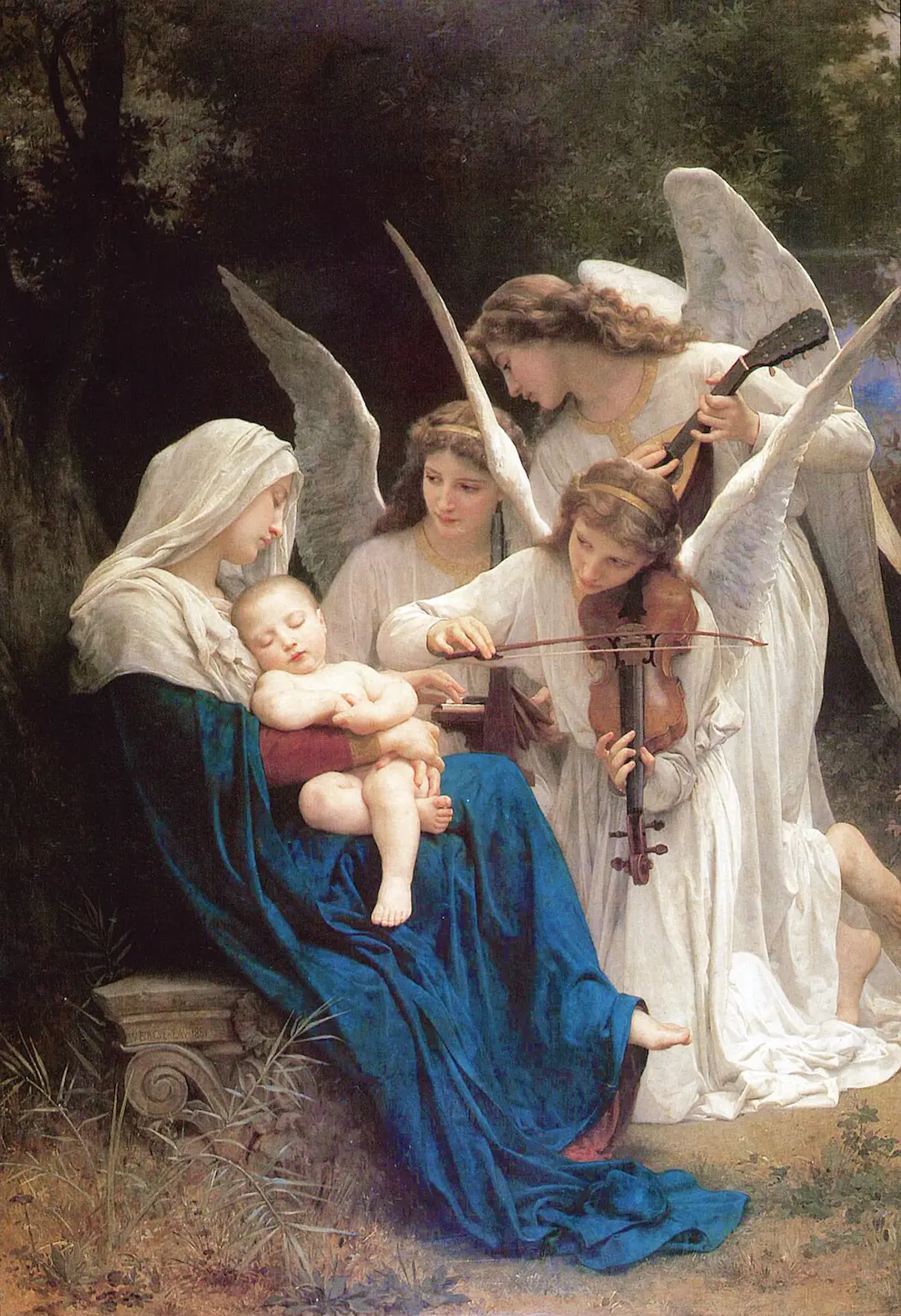
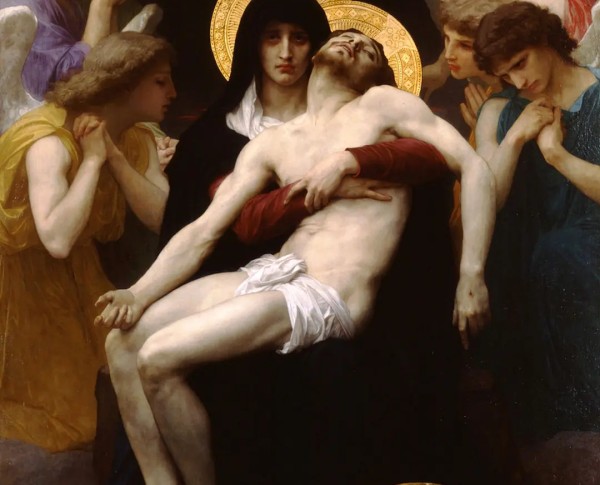
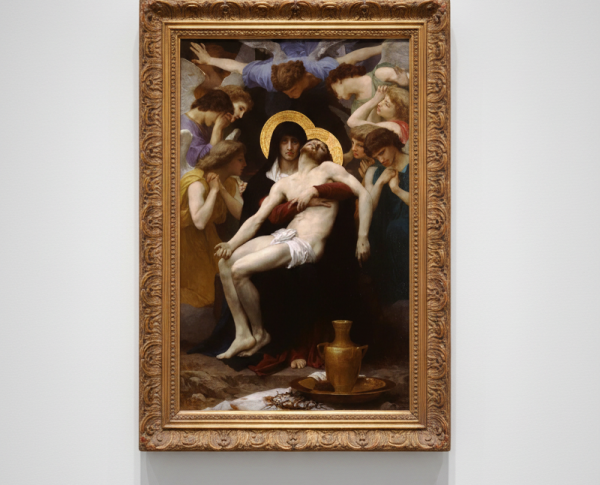
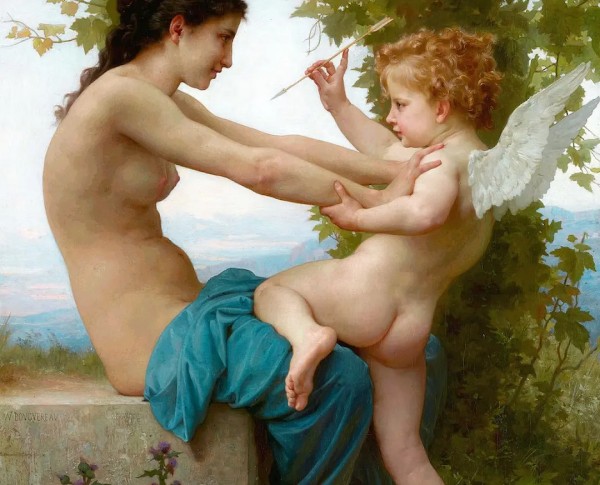
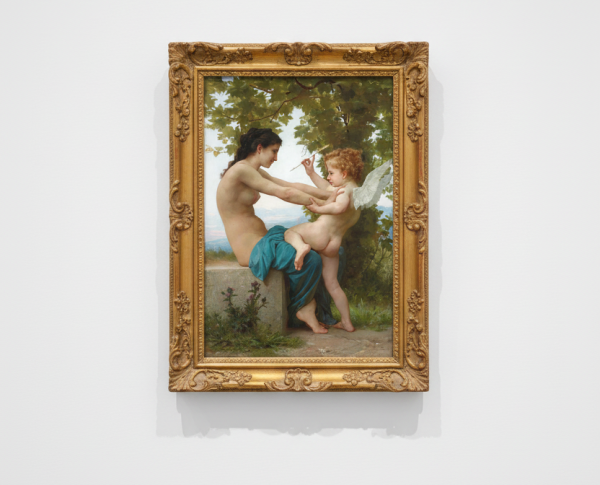
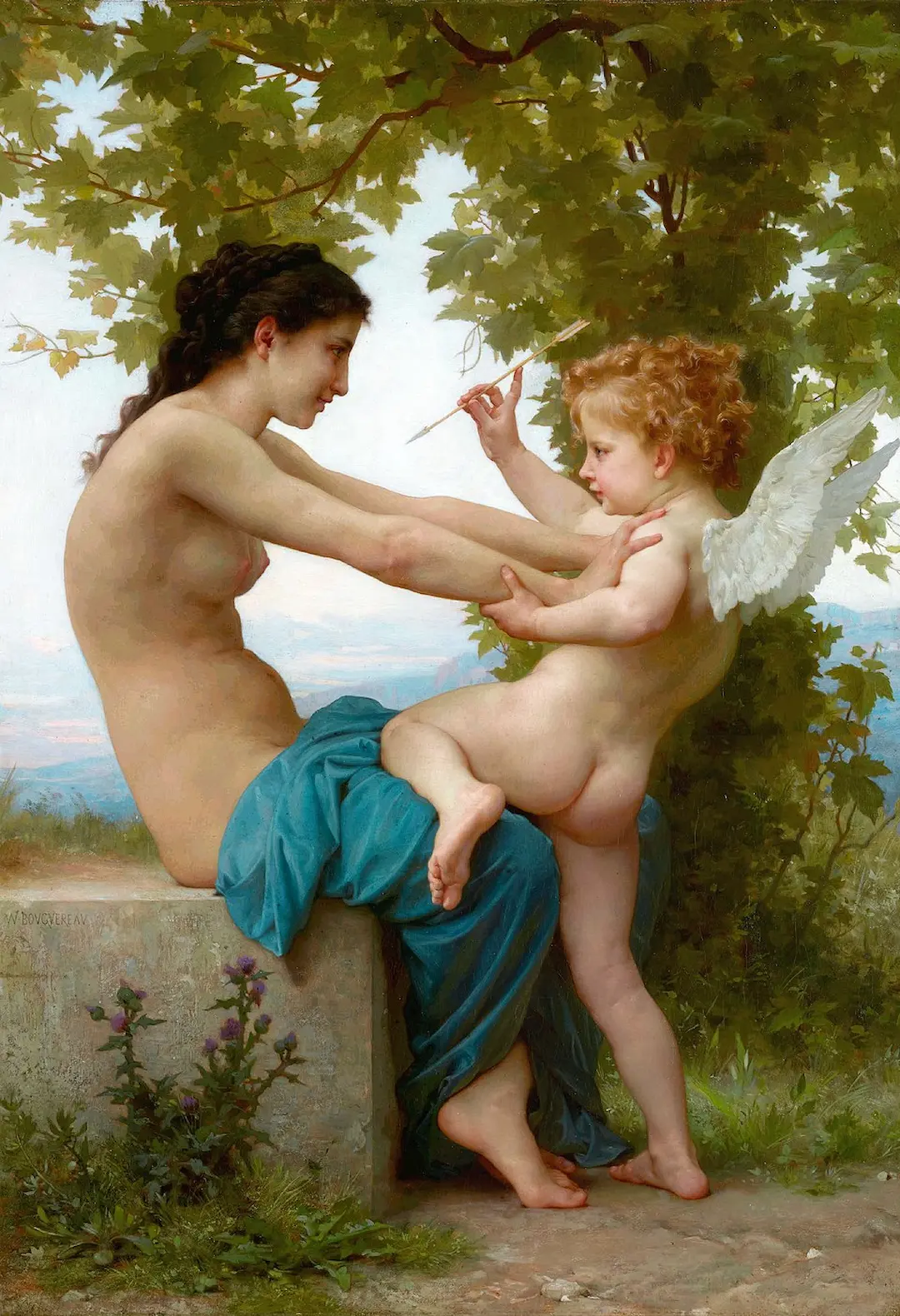
Bouguereau’s "Calinerie (A Little Coaxing)" exemplifies the meticulous technique and refined skill characteristic of oil on canvas masterpieces. Every brushstroke reveals the artist’s devotion to anatomical precision and soft, glowing light. This approach links the painting to other celebrated works like "Pieta" and "L’innocence (Innocence)", showcasing the enduring appeal of Academic Classicism. Collectors value the subtlety and grace that define Bouguereau’s oil on canvas creations.
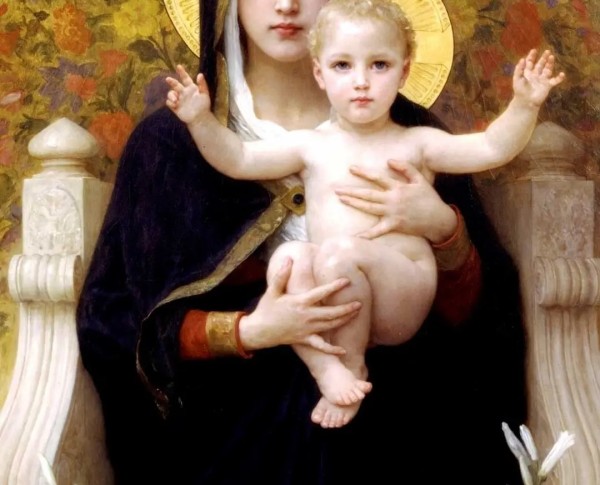
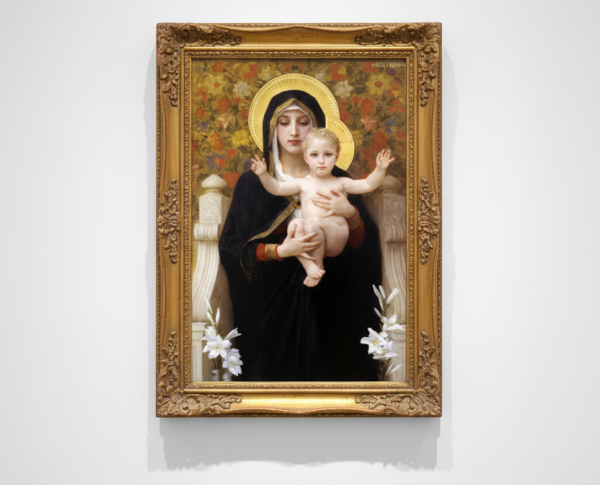
Within "Calinerie (A Little Coaxing)", Bouguereau weaves a narrative of innocence and gentle persuasion, inviting viewers to explore the emotional layers beneath the surface. Like "Nymphes et Satyre (Nymphs and Satyr)" and "La Vierge au Lys (The Virgin of the Lilies)", this fine art painting for sale is rich with allegory and symbolism, making it a conversation piece for any collection. The scene’s tender interaction captures universal themes of love and childhood.
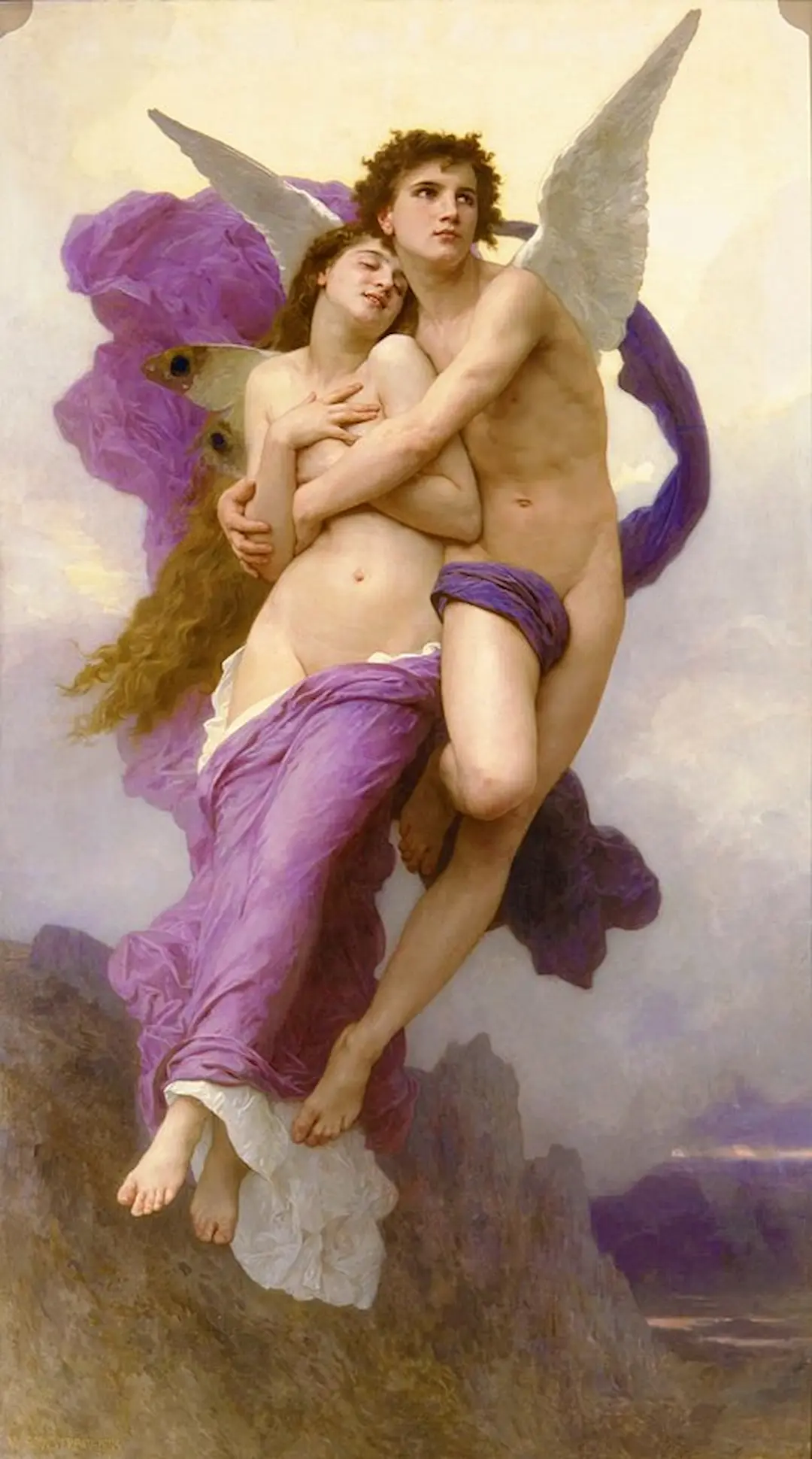
For art enthusiasts and collectors, owning "Calinerie (A Little Coaxing)" by William-Adolphe Bouguereau is a rare opportunity to acquire a hand-painted oil painting that embodies the spirit of Academic Classicism. Its connection to related masterpieces such as "Le Ravissement de Psyche (The Rapture of Psyche)" and "L’innocence (Innocence)" enhances its desirability. This fine art painting for sale promises to elevate any space with its timeless elegance and masterful artistry.
When Art Meets History
"Calinerie (A Little Coaxing)" by William-Adolphe Bouguereau stands as a testament to the enduring legacy of the Academic Classicism movement. Painted in the late 19th century, this hand-painted oil painting reflects Bouguereau’s commitment to classical ideals and meticulous technique. Alongside masterpieces like "Springtime" and "Venus Rising," "Calinerie" embodies the era’s fascination with beauty and emotional depth, capturing a moment in time where art and history intertwine seamlessly.
Techniques That Speak
Bouguereau’s mastery shines through in "Calinerie (A Little Coaxing)" with his delicate use of oil on canvas, rendering lifelike textures and radiant skin tones. The artist’s attention to detail and soft brushwork evoke the same technical brilliance found in related works such as "The Storm" and "Flaming June." Through expertly layered glazes and luminous color palettes, Bouguereau elevates Academic Classicism, demonstrating why his paintings remain highly regarded for their technical virtuosity and emotional resonance.
Emotions on Display
"Calinerie (A Little Coaxing)" captures a tender interaction, showcasing Bouguereau’s ability to convey subtle emotions through gesture and expression. The fine art painting for sale draws viewers into a private moment, echoing the emotional depth of works like "Springtime" and "Venus Rising." Bouguereau’s sensitive portrayal of innocence and affection is a hallmark of Academic Classicism, inviting us to connect with the universal themes of love, comfort, and human connection.
Coveted by Collectors
Collectors and art enthusiasts alike seek out "Calinerie (A Little Coaxing)" for its timeless beauty and historical significance within Academic Classicism. As a hand-painted oil painting by William-Adolphe Bouguereau, it holds a special place alongside renowned pieces such as "The Storm" and "Flaming June." Its exquisite craftsmanship and evocative subject matter make it a prized addition to any collection, ensuring its status as a highly desirable fine art painting for sale.
Related Academic Classicism Hand-Painted Oil Paintings by Other Artists
Other Famous Academic Classicism Artists:
Frequently Asked Questions About Calinerie (A Little Coaxing)
What is the historical context of "Calinerie (A Little Coaxing)"?
"Calinerie" was painted by William-Adolphe Bouguereau in 1895, during a period when academic art was dominant in France. This era was characterized by a focus on realism and the human form, reflecting the cultural and social values of the time.
What artistic techniques did Bouguereau employ in this painting?
Bouguereau is renowned for his mastery of oil painting techniques, particularly his ability to render skin tones and textures with remarkable realism. In "Calinerie," he employs soft brushwork and a careful layering technique to achieve a lifelike quality in the figures.
What themes are explored in "Calinerie (A Little Coaxing)"?
The painting explores themes of innocence, tenderness, and the bond between mother and child. The intimate moment captured in the artwork highlights the nurturing aspect of femininity and the gentle coaxing of a child, symbolizing love and care.
How does Bouguereau's style reflect the academic art movement?
Bouguereau's style is emblematic of the academic art movement, characterized by its adherence to classical techniques and subjects. His focus on idealized beauty, precise anatomy, and emotional expression aligns with the principles upheld by the Académie des Beaux-Arts in France.
What is the significance of the title "Calinerie"?
The title "Calinerie," which translates to "A Little Coaxing," suggests a gentle and affectionate interaction. This title encapsulates the essence of the painting, emphasizing the nurturing relationship depicted between the figures.
What symbolism can be found in the figures and their poses?
The figures in "Calinerie" are positioned in a way that conveys intimacy and connection. The mother's protective embrace and the child's trusting posture symbolize the themes of safety, love, and the innocence of childhood.
How does "Calinerie" compare to Bouguereau's other works?
What role did Bouguereau play in the art community of his time?
Bouguereau was a prominent figure in the art community, serving as a professor at the Académie Julian and later as a member of the Académie des Beaux-Arts. His influence extended beyond his paintings, as he was instrumental in shaping the education of many aspiring artists.
What is the current status of "Calinerie" in the art world?
"Calinerie" is regarded as a significant work within Bouguereau's portfolio and is celebrated for its emotional depth and technical prowess. It continues to be exhibited in prominent galleries and is appreciated by both art critics and the public for its timeless portrayal of maternal love.






















_GFM_Painting_(1).webp)

.webp)

 100% Hand-Painted: Finished in 3-6 Weeks
.webp)

.png)












.webp)
.webp)
.webp)



_(1).webp)