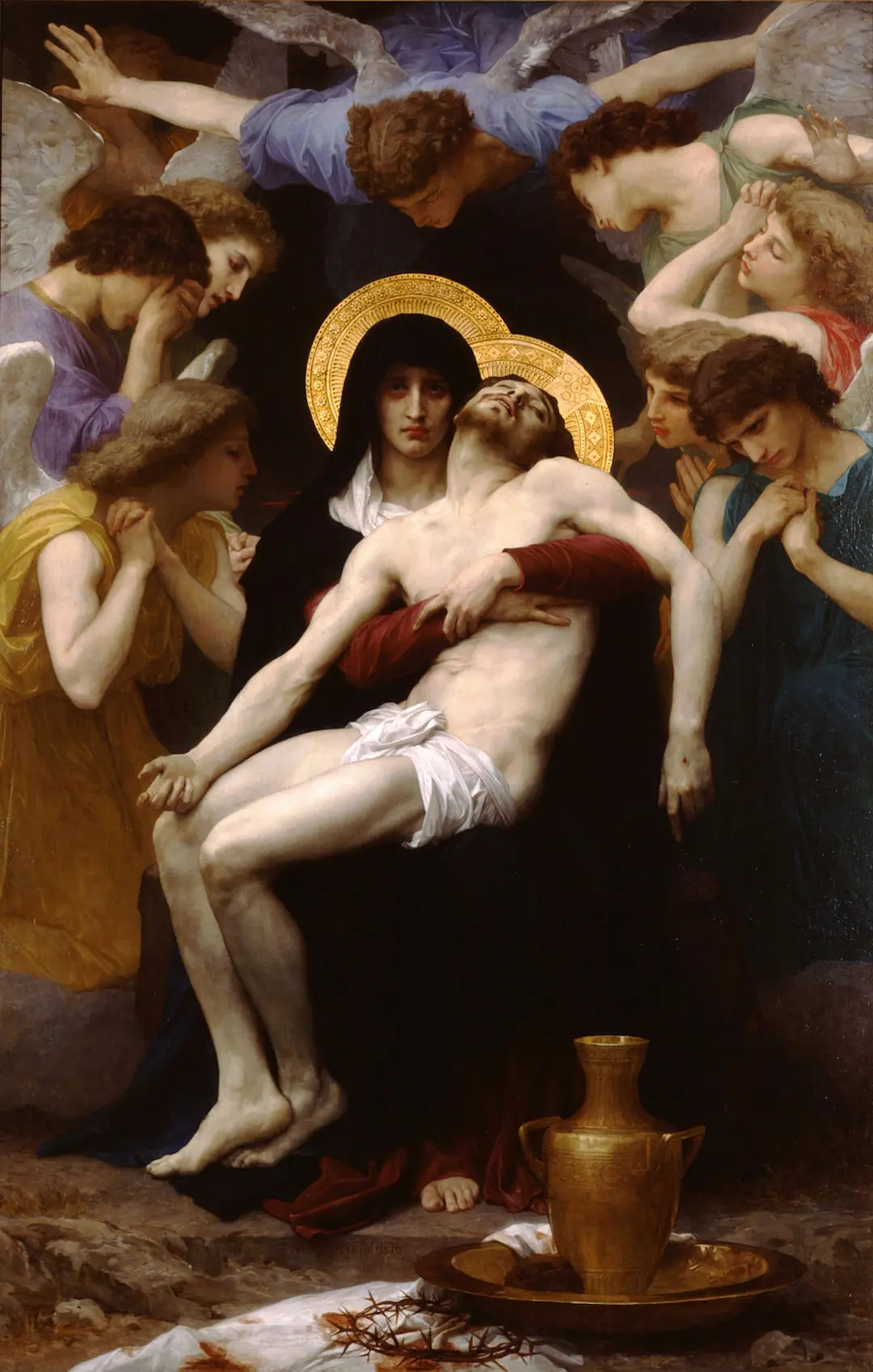
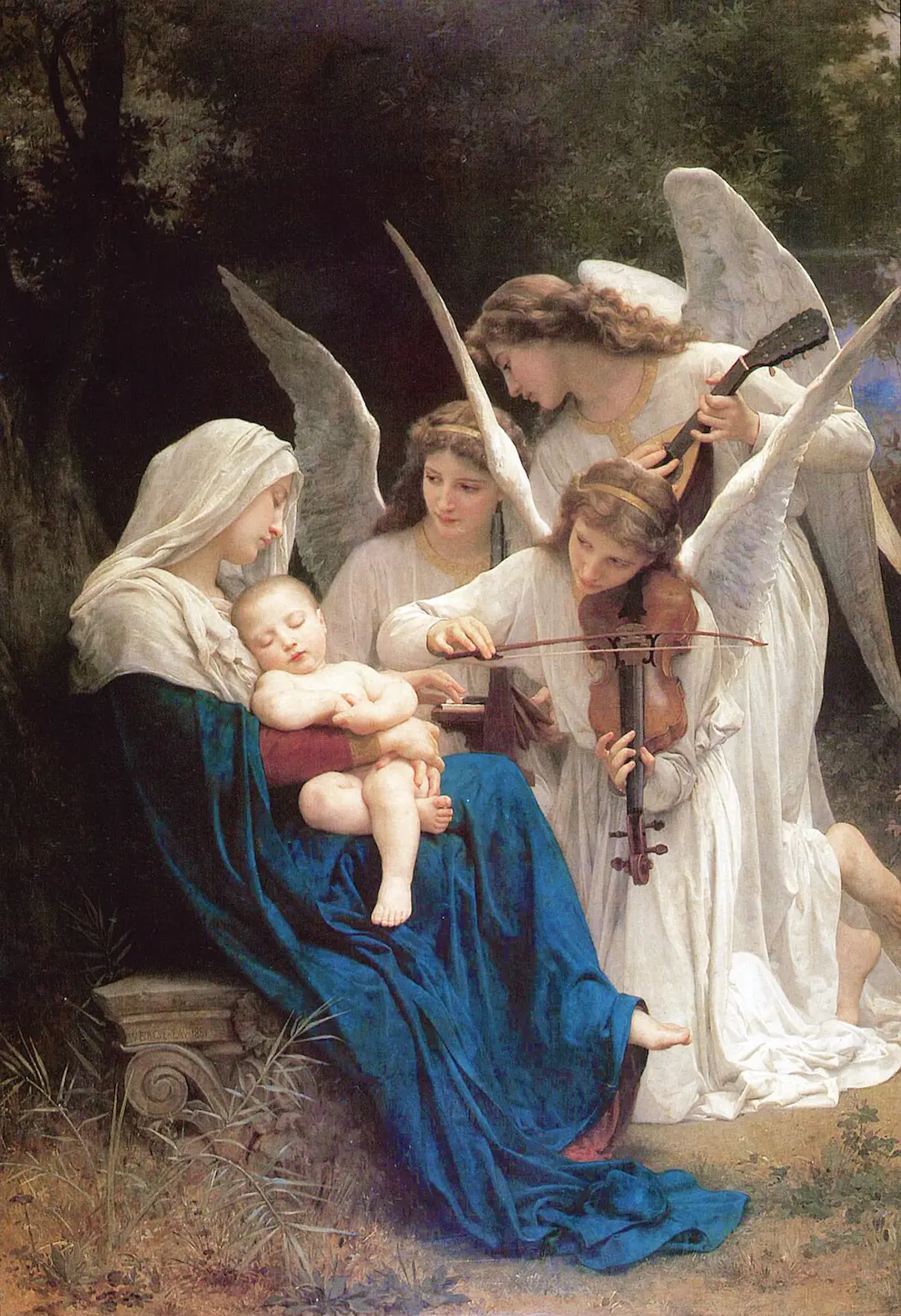
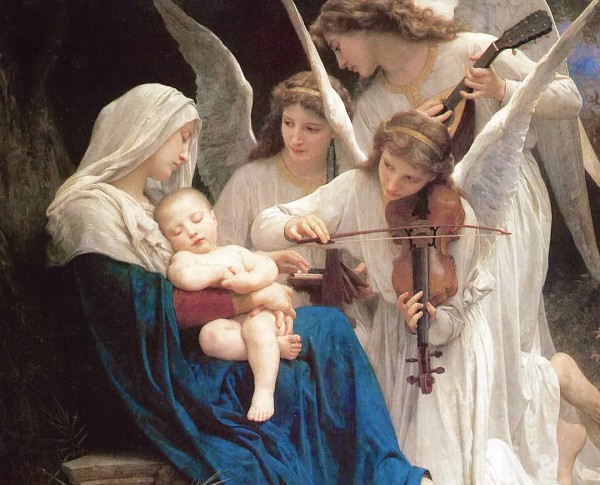
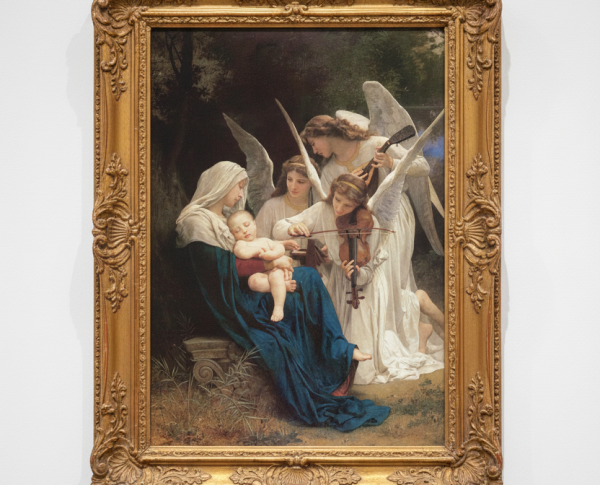
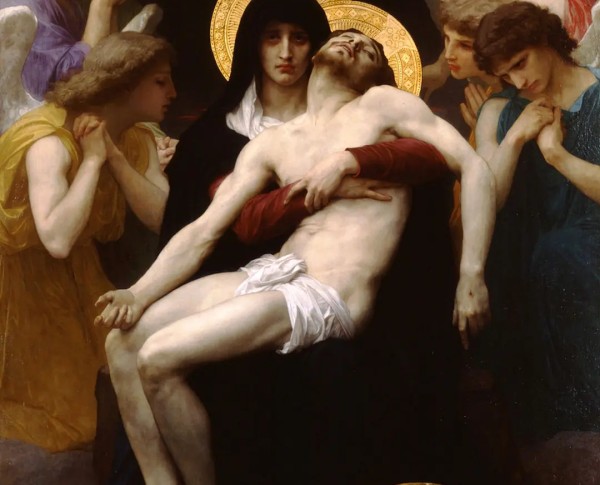
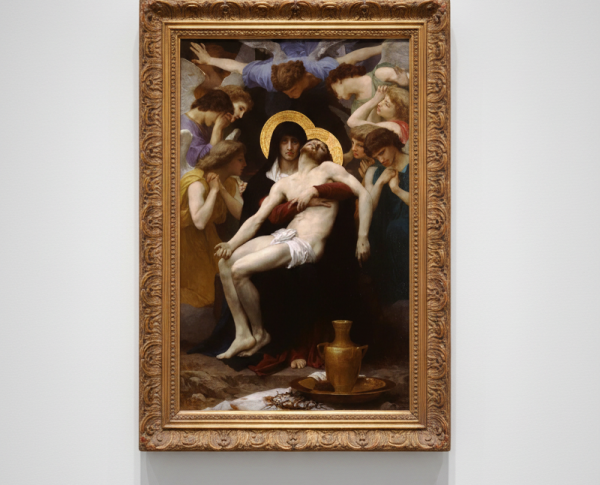
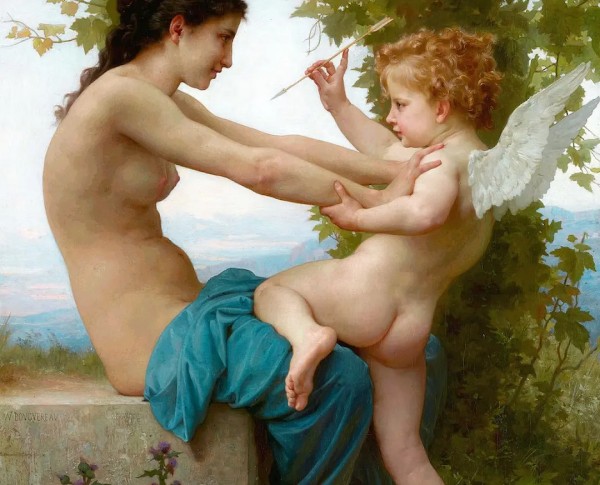
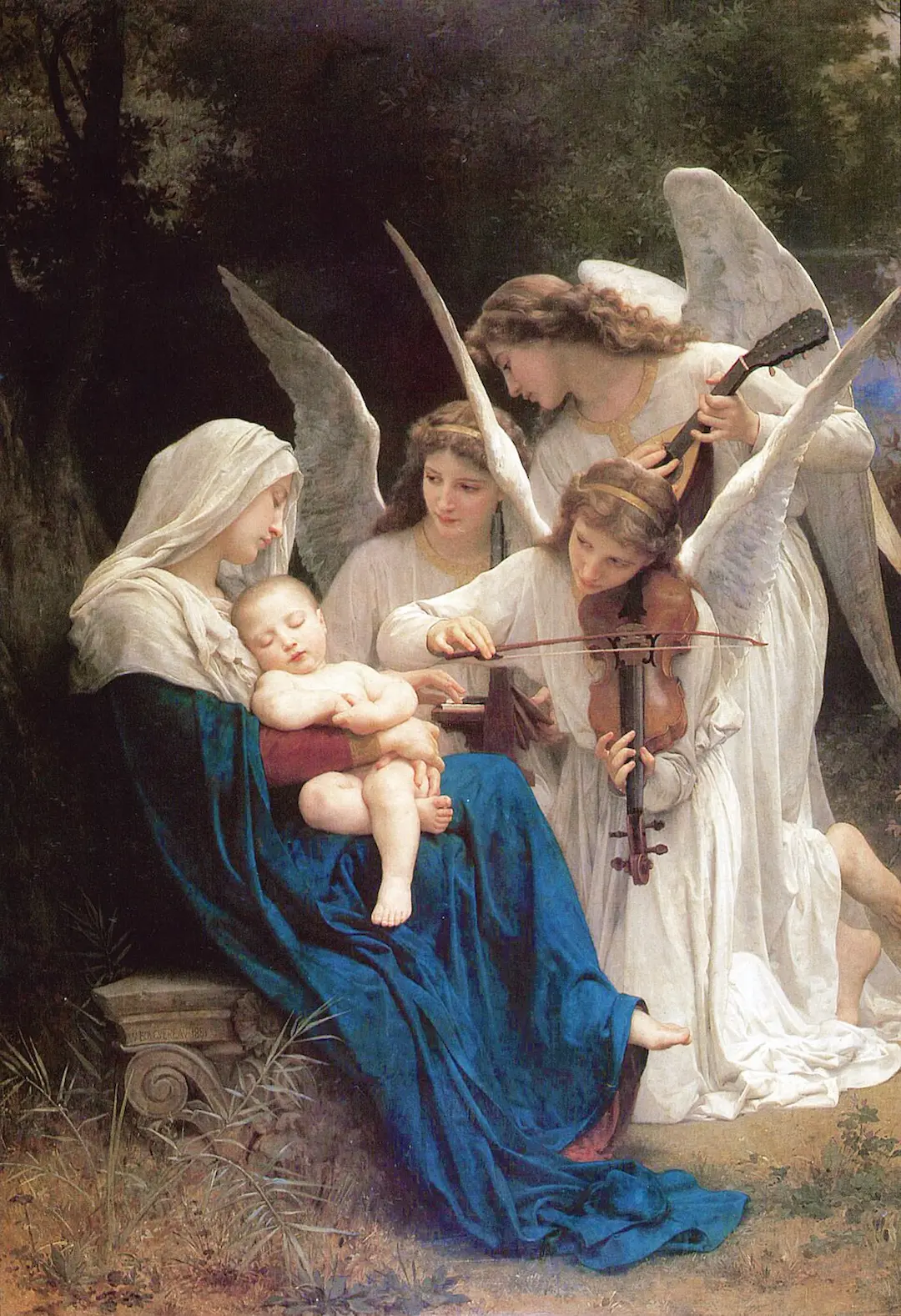
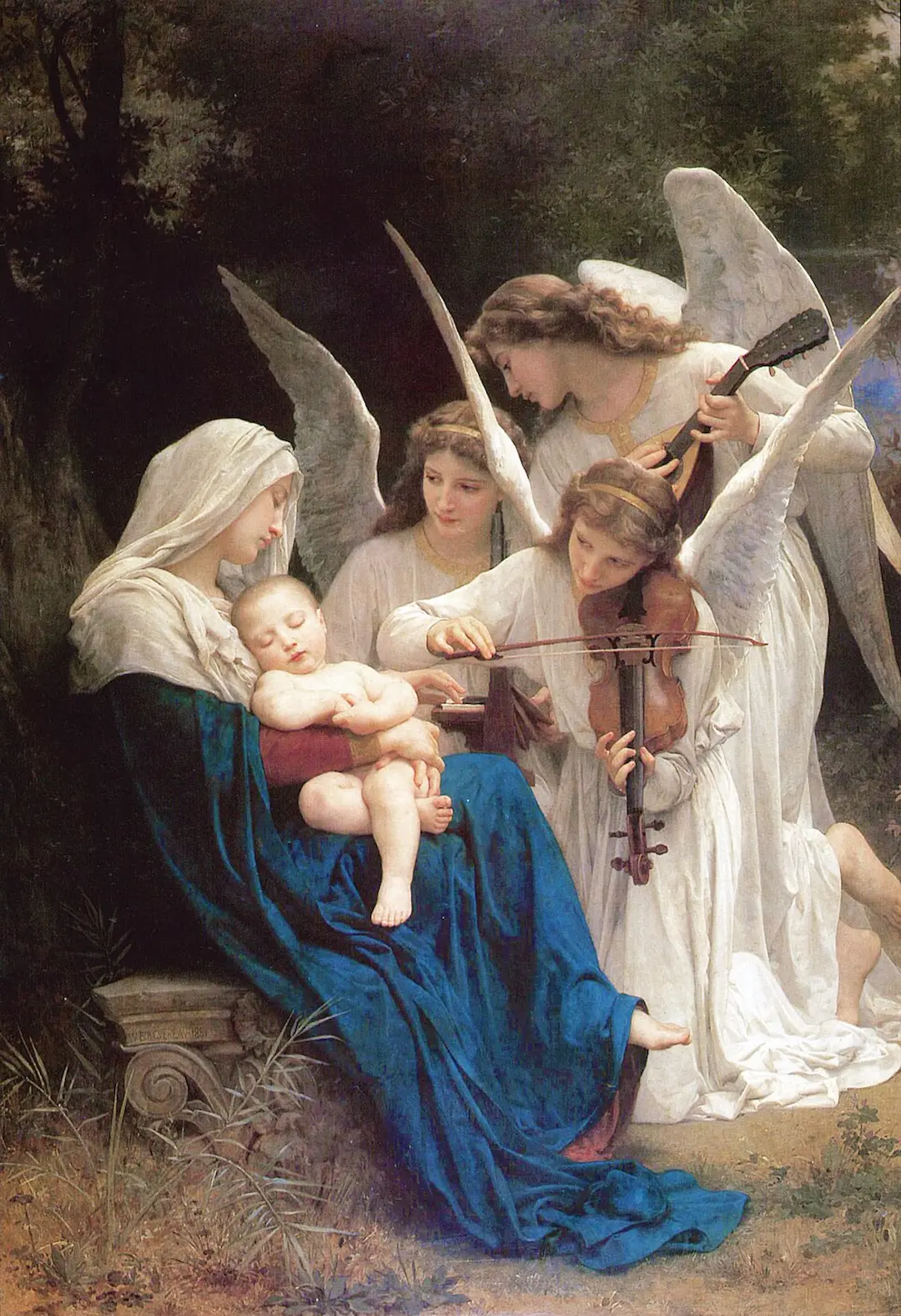
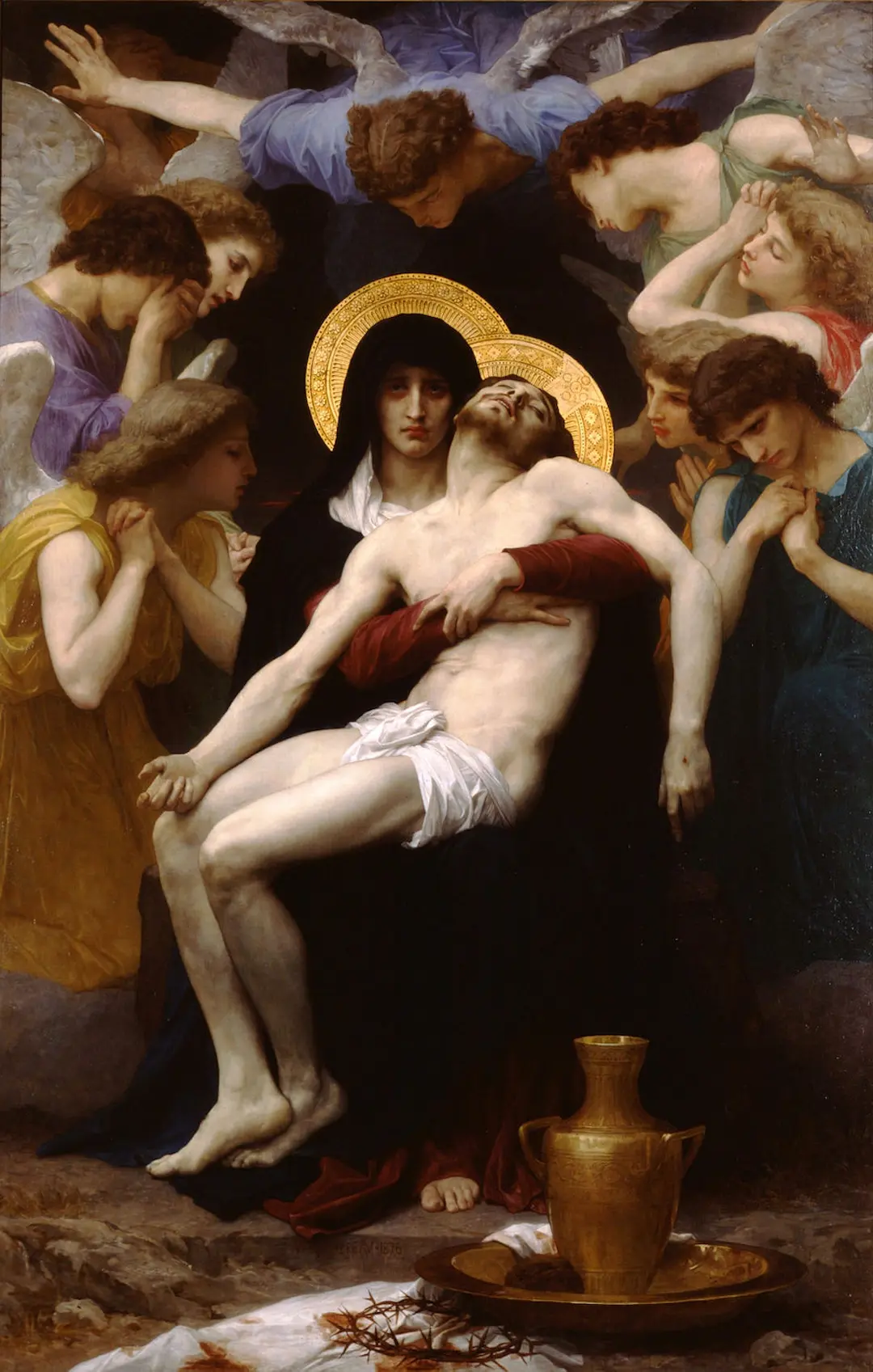
Bouguereau’s "Song of the Angels" showcases his exceptional skill with oil on canvas, rendering ethereal figures and delicate details with unparalleled realism. Each stroke reveals his mastery of light and texture, hallmarks of Academic Classicism. This painting and related treasures such as "Pieta" and "L'innocence (Innocence)" exemplify the technical brilliance that defines Bouguereau’s legacy, making his works highly sought-after by collectors and museums worldwide.
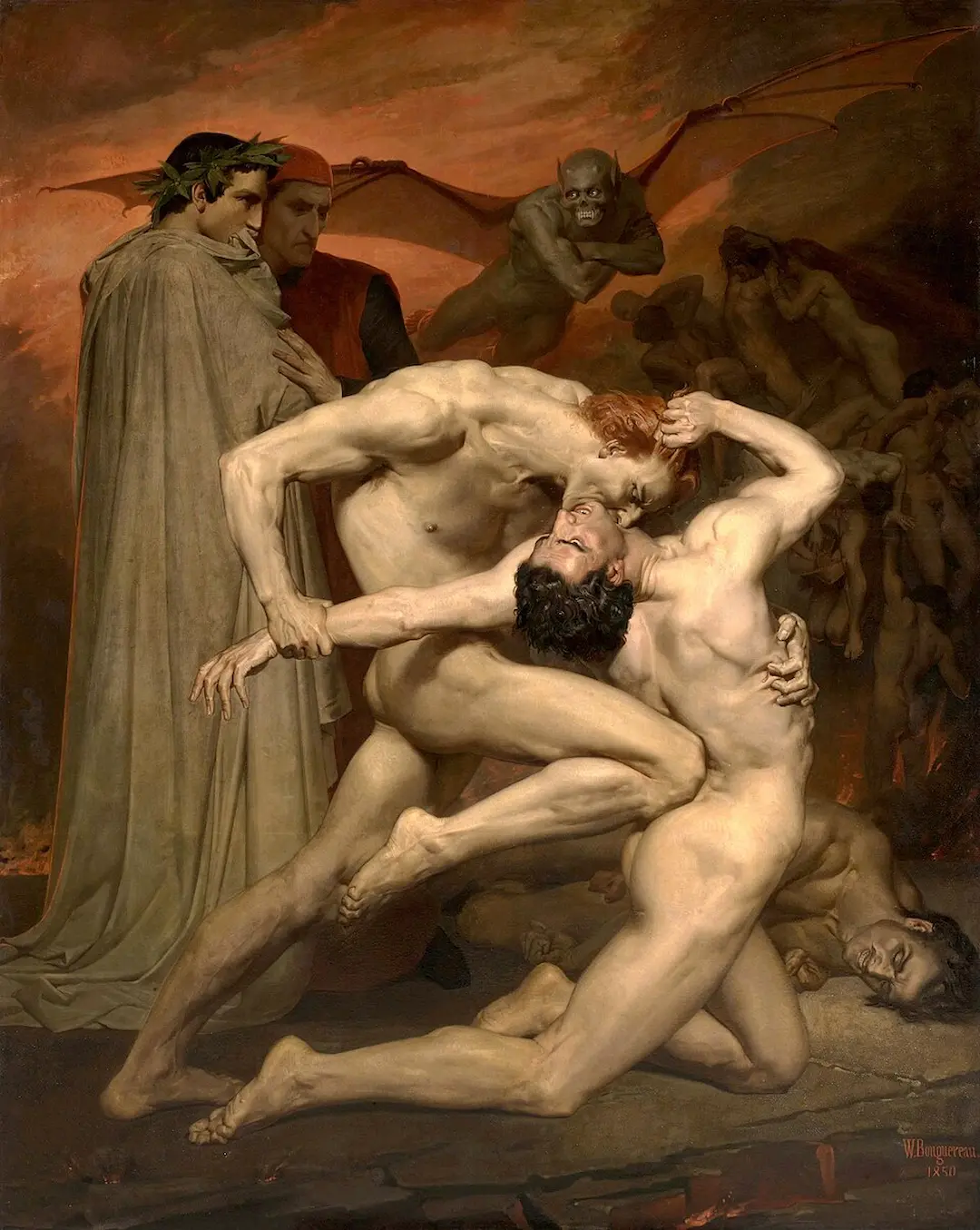
In "Song of the Angels," Bouguereau weaves a narrative rich in symbolism, blending divine themes with human tenderness. The serene angels and the gentle Madonna evoke spiritual solace, a hallmark of fine art painting for sale from the Academic Classicism era. Collectors drawn to stories behind the canvas often seek related works like "The Abduction of Psyche 1895" and "Dante et Virgile au Enfers (Dante and Virgil in Hell)" for their evocative storytelling and emotional depth.
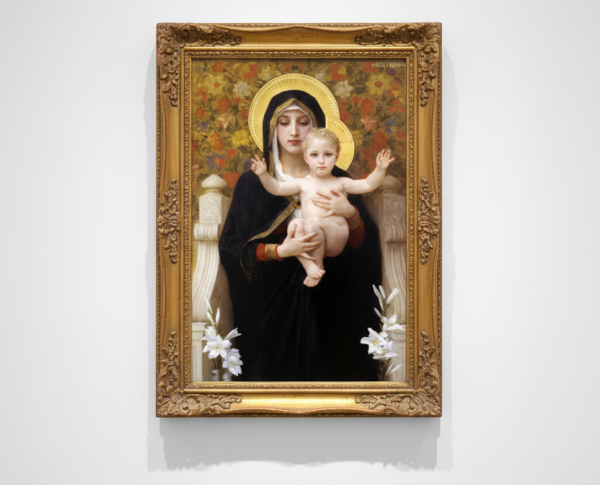
Owning "Song of the Angels" by William-Adolphe Bouguereau means possessing a piece of art history, crafted in the spirit of Academic Classicism. This hand-painted oil painting, alongside masterpieces such as "La Vierge au Lys (The Virgin of the Lilies)" and "Nymphes et Satyre (Nymphs and Satyr)", represents the pinnacle of 19th-century artistry. For discerning collectors, these pieces are more than decor—they are investments in cultural legacy and timeless beauty.
When Art Meets History
"Song of the Angels" by William-Adolphe Bouguereau stands as a shining example of the Academic Classicism movement. Created in 1881, this hand-painted oil painting beautifully captures the era’s reverence for classical beauty and technical mastery. Bouguereau, renowned for works like "Venus Rising," "Springtime," and "The Storm," skillfully bridges the gap between tradition and innovation, ensuring that "Song of the Angels" continues to captivate art lovers and historians alike with its timeless appeal.
Techniques That Speak
Bouguereau’s "Song of the Angels" showcases exquisite attention to detail, masterful brushwork, and delicate use of light, all hallmarks of the Academic Classicism movement. Executed in oil on canvas, the painting’s realistic textures and lifelike figures highlight Bouguereau’s exceptional skill. His technique, also evident in related works like "Flaming June" and "Springtime," invites viewers to appreciate the harmony and precision that define this period’s masterpieces.
Emotions on Display
The serene and tender atmosphere of "Song of the Angels" evokes a profound sense of peace and reverence. Bouguereau’s ability to convey emotion through the soft expressions and gentle gestures of his figures distinguishes this fine art painting for sale. Like in "The Storm" and "Venus Rising," the artist’s mastery of Academic Classicism brings a touching humanity to his subjects, making each viewing a moving and memorable experience for collectors and admirers.
Coveted by Collectors
"Song of the Angels" remains highly sought-after among art enthusiasts and collectors, thanks to its impeccable craftsmanship and enduring beauty. As a hand-painted oil painting by William-Adolphe Bouguereau, it exemplifies the very best of Academic Classicism. Alongside celebrated works such as "Springtime" and "Flaming June," this masterpiece continues to attract those searching for a fine art painting for sale that embodies the elegance and sophistication of a bygone era.
Related Academic Classicism Hand-Painted Oil Paintings by Other Artists
Other Famous Academic Classicism Artists:
Frequently Asked Questions About "Song of the Angels"
What is the historical context of "Song of the Angels"?
"Song of the Angels" was painted by William-Adolphe Bouguereau in 1881, during a period marked by the rise of academic art in France. This era emphasized realism and classical themes, reflecting the societal values of the time.
What artistic techniques did Bouguereau employ in this painting?
Bouguereau is renowned for his mastery of realism and the use of soft, naturalistic lighting. In "Song of the Angels," he employs meticulous attention to detail, smooth brushwork, and a harmonious color palette to create a serene and ethereal atmosphere.
What are the main themes represented in "Song of the Angels"?
The painting explores themes of innocence, spirituality, and the divine. It depicts angelic figures singing, symbolizing the connection between heaven and earth, and the purity of childhood.
How does "Song of the Angels" reflect Bouguereau's artistic philosophy?
Bouguereau believed in the importance of beauty and emotional resonance in art. "Song of the Angels" exemplifies his philosophy by portraying idealized figures that evoke feelings of peace and reverence.
What symbolism is present in the depiction of angels in this work?
The angels in "Song of the Angels" symbolize purity, guidance, and the celestial realm. Their serene expressions and harmonious poses convey a sense of divine protection and the beauty of spiritual existence.
What influence did Bouguereau have on future generations of artists?
Bouguereau's emphasis on realism and technical skill influenced many artists in the late 19th and early 20th centuries. His work, including "Song of the Angels," has inspired countless artists to pursue similar ideals of beauty and craftsmanship.
How does "Song of the Angels" compare to other works by Bouguereau?
What role does light play in "Song of the Angels"?
Light in "Song of the Angels" serves to enhance the ethereal quality of the scene. Bouguereau uses soft, diffused lighting to create a dreamlike ambiance, highlighting the figures and their expressions while adding depth to the composition.
What was the public reception of "Song of the Angels" upon its completion?
Upon its unveiling, "Song of the Angels" was well-received by critics and the public alike, praised for its technical excellence and emotional impact. Bouguereau's reputation as a leading academic painter was further solidified by this work.
In what ways does "Song of the Angels" embody the characteristics of academic art?
"Song of the Angels" embodies academic art through its adherence to classical themes, realistic portrayal of figures, and technical precision. Bouguereau's focus on beauty and idealism aligns with the principles upheld by the academic art institutions of his time.






















_GFM_Painting_(1).webp)


 100% Hand-Painted: Finished in 3-6 Weeks

.png)












.webp)
.webp)
.webp)



_(1).webp)