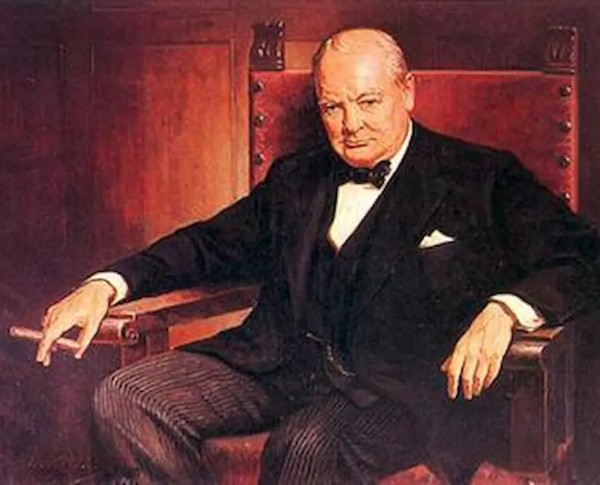
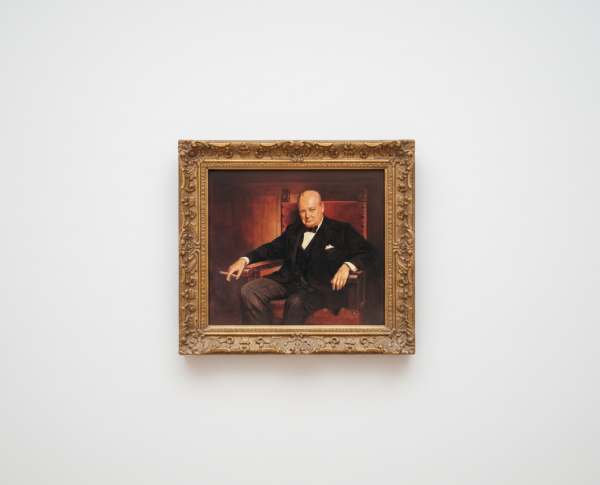
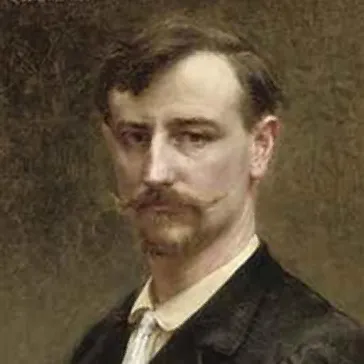
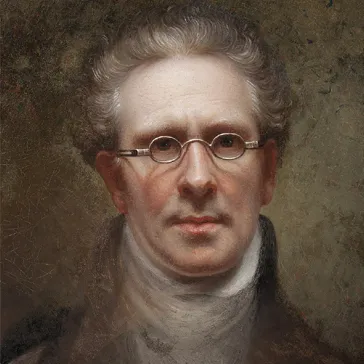
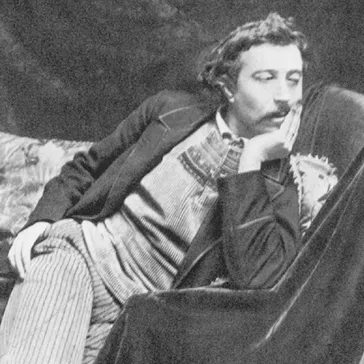
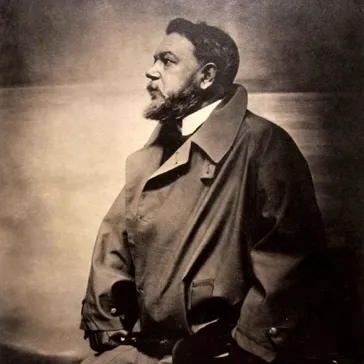
"Jan Christian Smuts (1870–1950), Chancellor of the University (1948–1950), General of Boer Forces in Cape Colony, Prime Minister of South Africa (1919–1924 & 1939–1948)" by Arthur Pan captures the enduring influence of a pivotal historical figure. As a hand-painted oil painting in the Classical Realism movement, it immortalizes Smuts’ significant contributions. Art enthusiasts searching for a fine art painting for sale can also explore related works like "Sir Winston Churchill" and "Claude Grahame-White (1879–1959)" for a complete collection.
Arthur Pan’s technique is evident in this remarkable oil on canvas, showcasing the disciplined artistry of Classical Realism. Each brushstroke in the painting reveals the artist's dedication to lifelike representation and historical accuracy. This oil on canvas stands as a testament to Pan’s skill, paralleling his other works such as "Sir Winston Churchill (1874–1965), KG, OM, CH, TD, PC, Honorary Member (1946)." Collectors appreciate the meticulous detail present in every fine art painting for sale.
Within Arthur Pan’s hand-painted oil painting, subtle symbols narrate Jan Christian Smuts’ multifaceted leadership—his military command, academic influence, and political legacy. The composition, true to the Classical Realism movement, invites viewers to explore the deeper stories behind Smuts’ life. This piece pairs well with related products like "Winston Churchill (1874–1965)" and "Claude Grahame-White (1879–1959)," enriching any collection of historical fine art painting for sale.
This distinguished oil on canvas by Arthur Pan is more than a portrait; it is a collector’s treasure within the realm of Classical Realism. Owning "Jan Christian Smuts (1870–1950)" signifies an appreciation for history, artistry, and the hand-painted oil painting tradition. Collectors seeking a fine art painting for sale may also be interested in Pan’s other portraits, such as "Sir Winston Churchill" and "Claude Grahame-White (1879–1959)," to enhance their curated galleries.
When Art Meets History
Arthur Pan’s hand-painted oil painting, "Jan Christian Smuts (1870–1950), Chancellor of the University (1948–1950), General of Boer Forces in Cape Colony, Prime Minister of South Africa (1919–1924 & 1939–1948)", is a powerful intersection of art and history. As a leading figure in the Classical Realism movement, Pan masterfully encapsulates the gravitas of Smuts’ political legacy. This portrait, like other Classical Realism works, immortalizes historical figures with precision and reverence, making it a standout among fine art painting for sale.
Techniques That Speak
Arthur Pan’s technique in this oil on canvas exemplifies the hallmarks of Classical Realism—attention to anatomical accuracy, subtle gradations of tone, and a lifelike presence. The artist’s meticulous brushwork brings out the textures of Smuts’ attire and the dignified expression on his face. Through oil on canvas, Pan achieves depth and luminosity, echoing the traditions of old masters. The painting’s technical prowess aligns it with other esteemed works in the Classical Realism movement.
Emotions on Display
In this hand-painted oil painting, Arthur Pan conveys more than just a likeness of Jan Christian Smuts; he captures the emotional weight of leadership. The subject’s contemplative gaze and poised demeanor reflect both strength and vulnerability, hallmarks of Pan’s approach to portraiture. This fine art painting for sale resonates with viewers, offering a window into the inner world of a historic leader through the evocative lens of Classical Realism and Pan’s sensitive artistry.
Coveted by Collectors
This exquisite oil on canvas by Arthur Pan is highly sought after by collectors who appreciate Classical Realism and historical portraiture. "Jan Christian Smuts (1870–1950)" stands as a testament to Pan’s mastery and the enduring appeal of oil on canvas techniques. With its rich historical context and artistic excellence, this painting, like other renowned fine art paintings for sale, remains a prized addition to any collection dedicated to preserving art and history.
Frequently Asked Questions About Jan Christian Smuts (1870–1950), Chancellor of the University (1948–1950), General of Boer Forces in Cape Colony, Prime Minister of South Africa (1919–1924 & 1939–1948)
What historical significance does Jan Christian Smuts hold in South Africa?
Jan Christian Smuts was a prominent political and military leader in South Africa, serving as Prime Minister during two critical periods. His role in the Boer War and subsequent political developments significantly shaped the nation's history.
Who is the artist of this painting and what is known about Arthur Pan?
Arthur Pan is the artist who created this portrait of Jan Christian Smuts. He is recognized for his ability to capture the essence of his subjects through expressive brushwork and a keen understanding of their historical context.
What artistic techniques are employed in this painting?
The painting utilizes a combination of realism and impressionism, showcasing detailed facial expressions while employing softer backgrounds to emphasize the subject's prominence and character.
What symbols are present in the painting, and what do they represent?
Elements such as the academic regalia symbolize Smuts’ role as Chancellor of the University, while military insignia reflect his leadership during the Boer War, representing his multifaceted contributions to South African society.
How does the color palette of the painting contribute to its overall impact?
The color palette is predominantly earthy and muted, which evokes a sense of gravitas and seriousness, reflecting Smuts' significant role in South African history and his contemplative nature as a leader.
In what ways does this painting reflect the political climate of Smuts' time?
The painting captures the duality of Smuts' legacy, illustrating his contributions to both the Boer cause and his later efforts in promoting unity and reconciliation in post-war South Africa, reflecting the complexities of the political climate of his era.
What is the significance of the year 1948 in relation to this painting?
The year 1948 marks the end of Smuts' term as Chancellor of the University and coincides with a pivotal moment in South African history, as it was also the year apartheid was officially instituted, contrasting Smuts' vision for a united nation.
How does this painting compare to other portraits of historical figures from the same period?
This painting stands out due to its intimate portrayal of Smuts, focusing on his character and intellect rather than merely his political status, which is a common theme in portraits of his contemporaries.
What influence did Jan Christian Smuts have on the arts and culture in South Africa?
Smuts was an advocate for education and the arts, believing in their importance for national identity and development. His support for cultural institutions helped foster a rich artistic environment in South Africa.
What can visitors learn about leadership and legacy through this painting?
This painting serves as a reflection on the complexities of leadership, illustrating how Smuts' multifaceted legacy continues to influence discussions on governance, reconciliation, and national identity in South Africa.
















_GFM_Painting_(1).webp)



 100% Hand-Painted: Finished in 3-6 Weeks

.png)















_(1).webp)