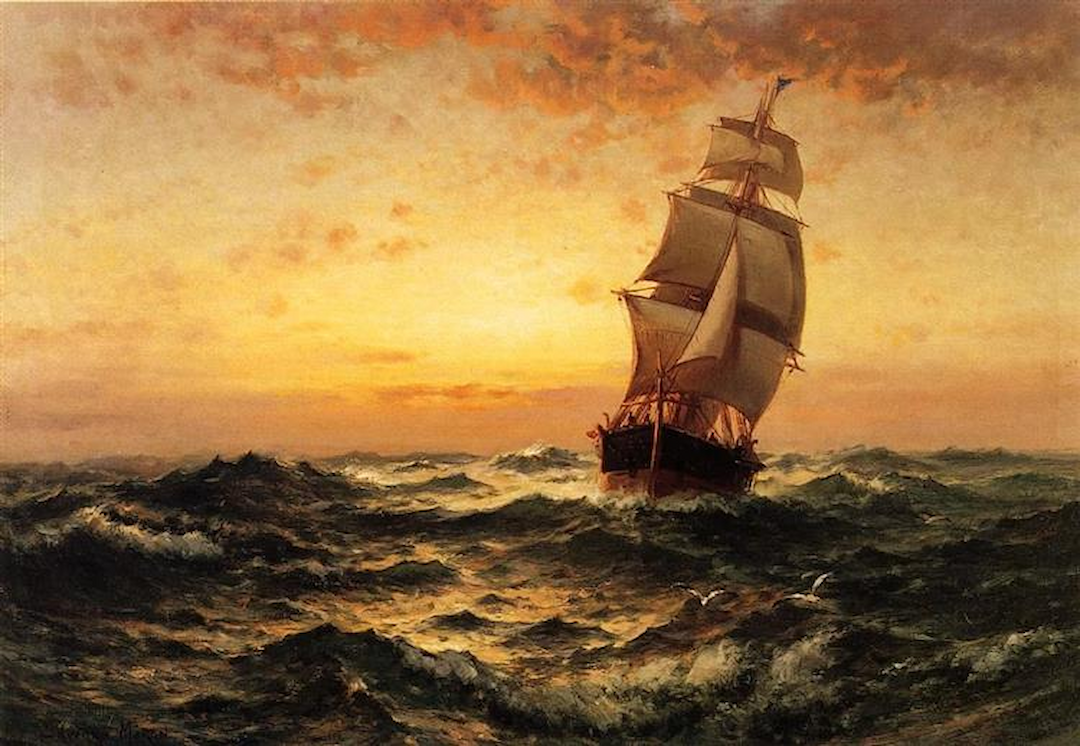
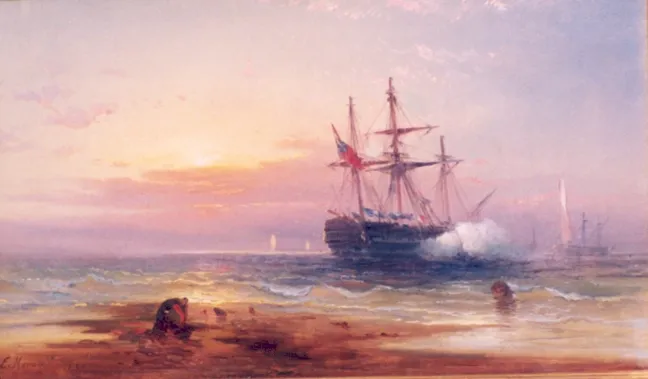
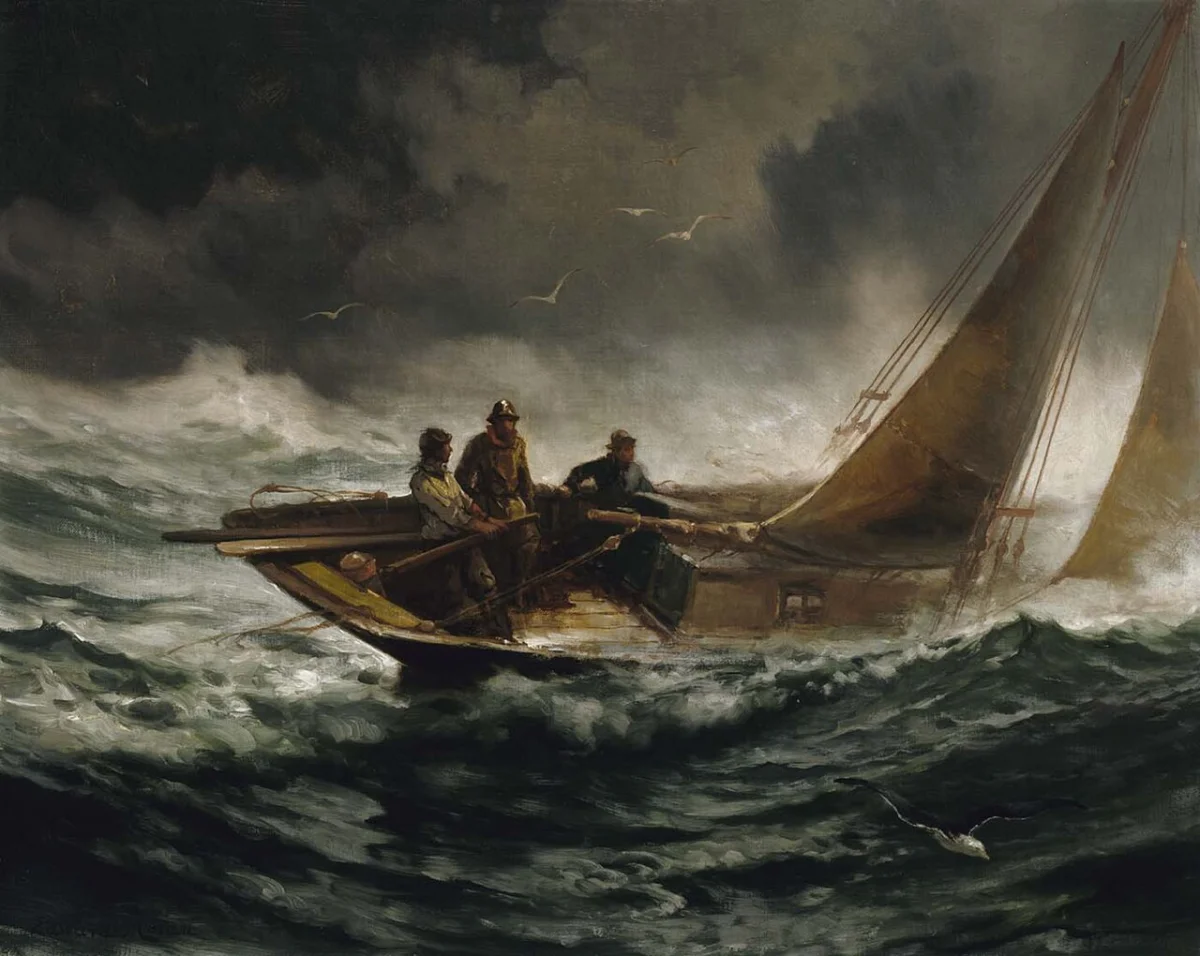
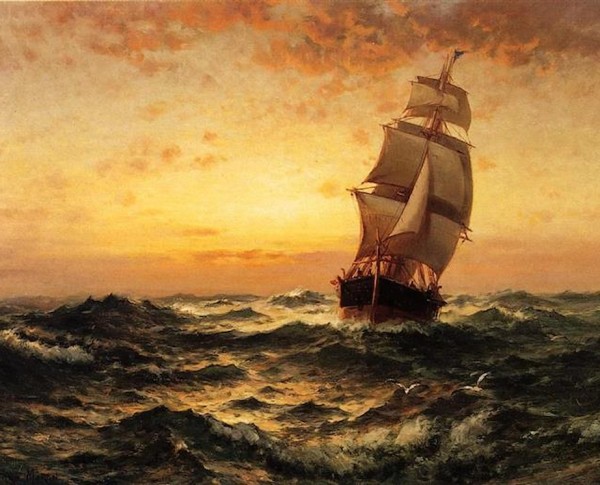
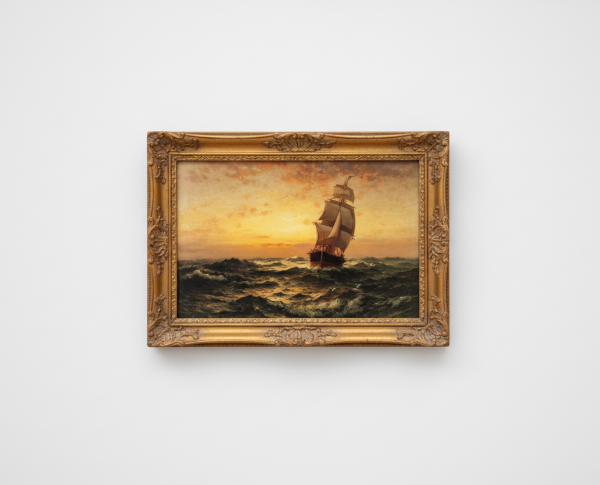
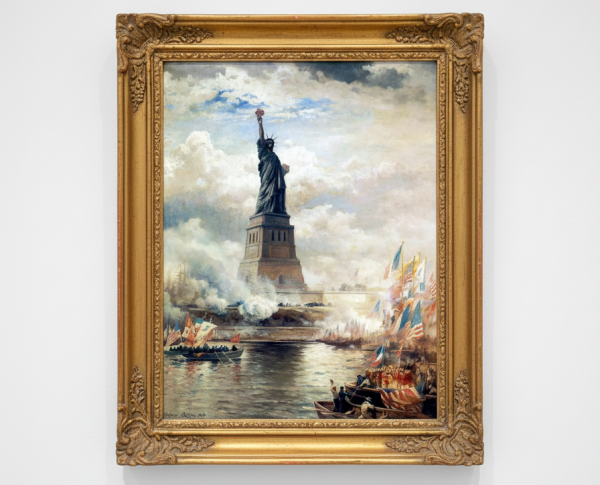
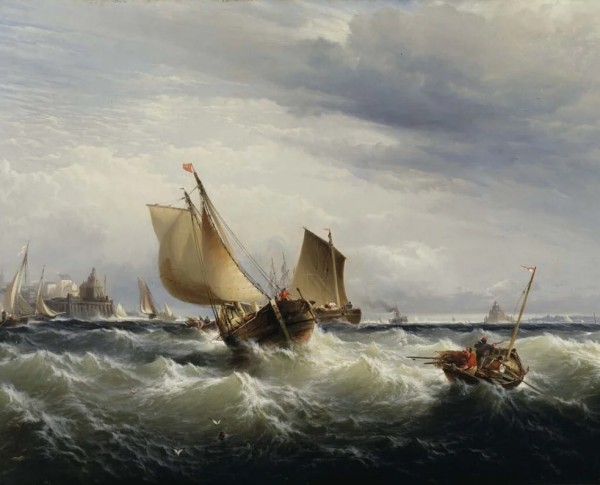
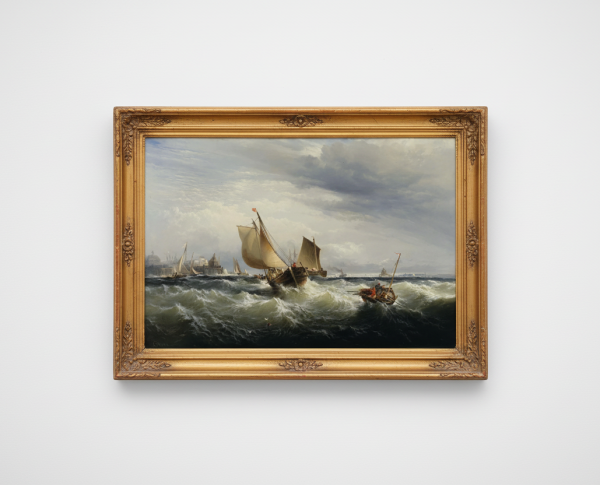
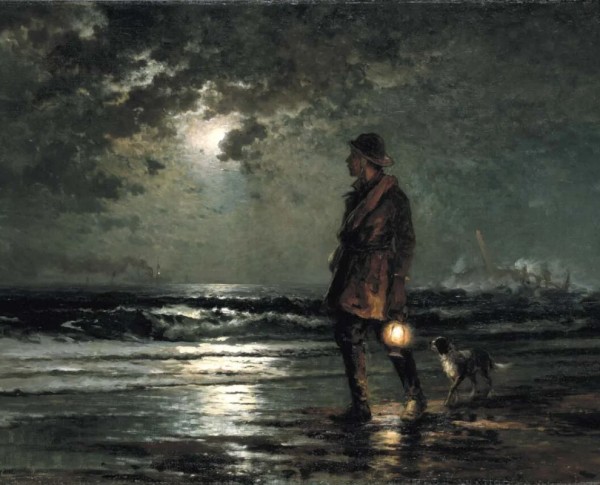
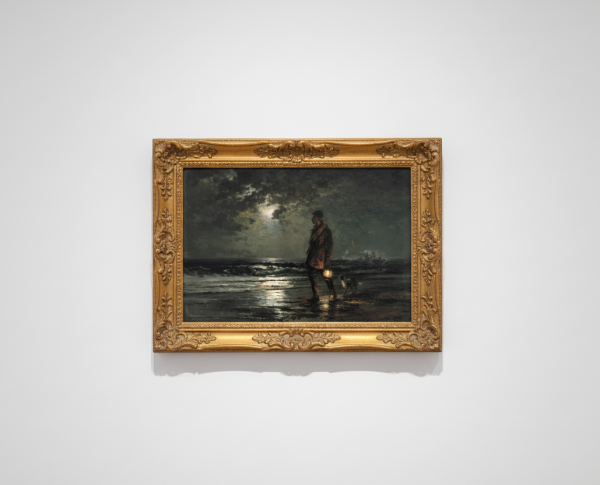
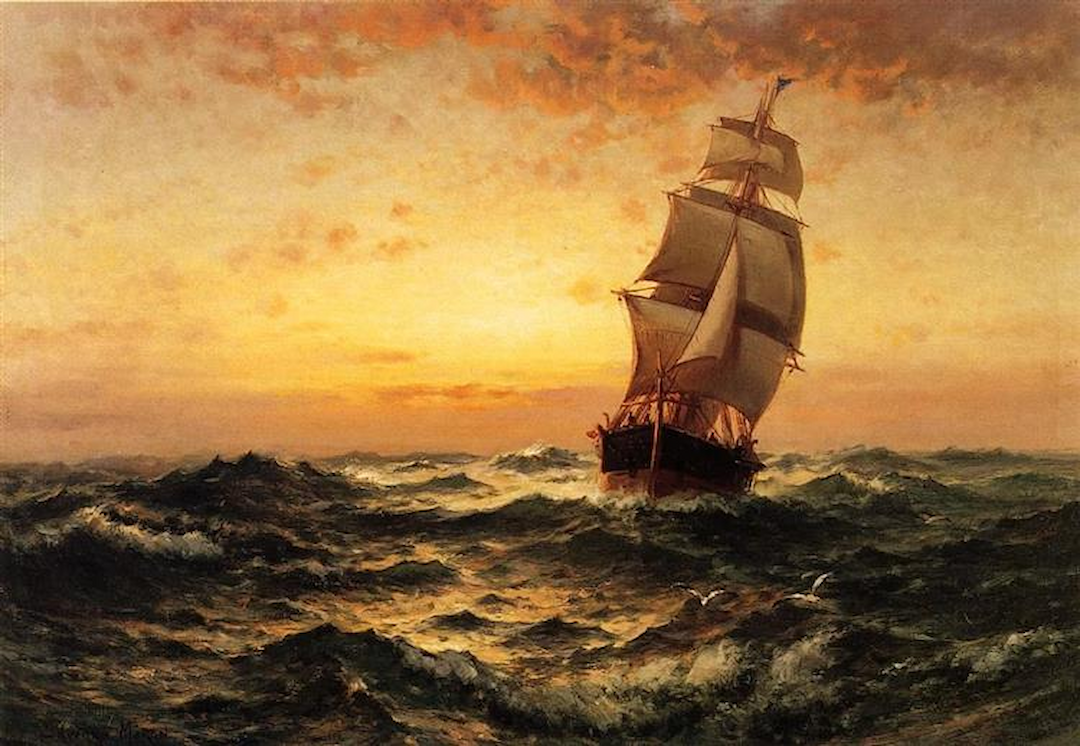
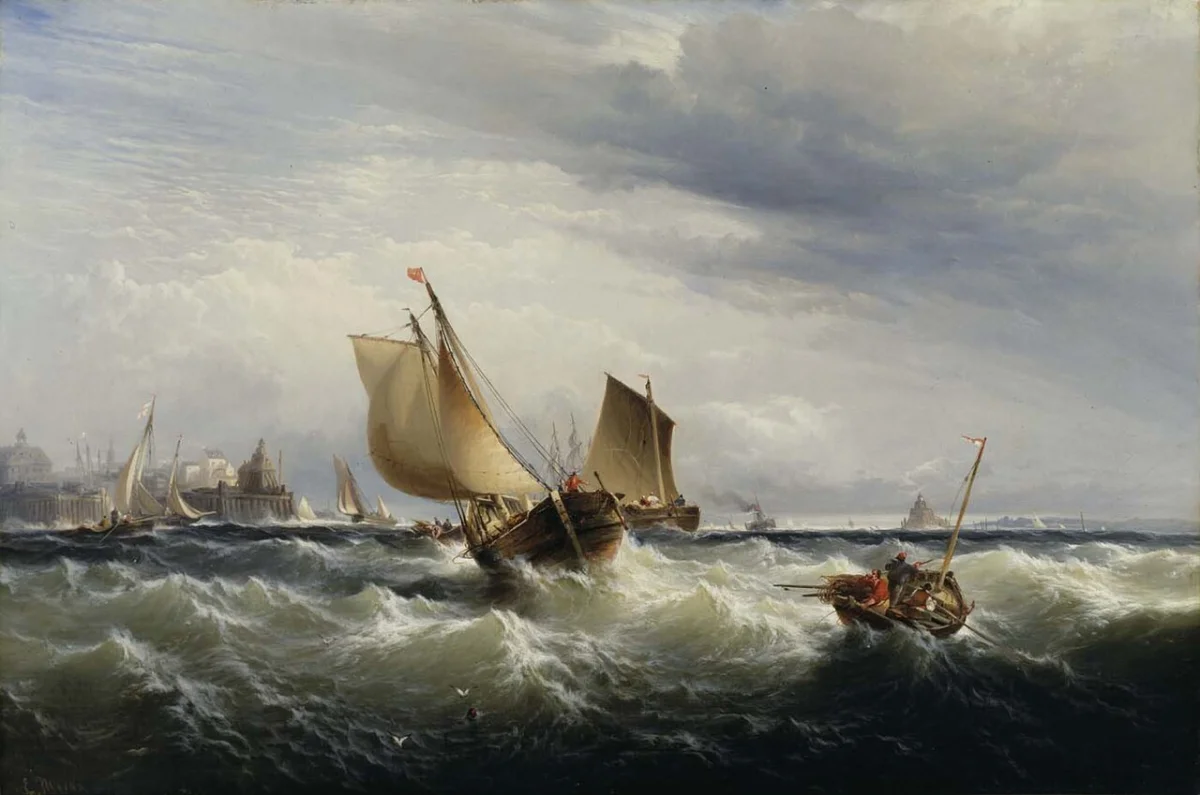
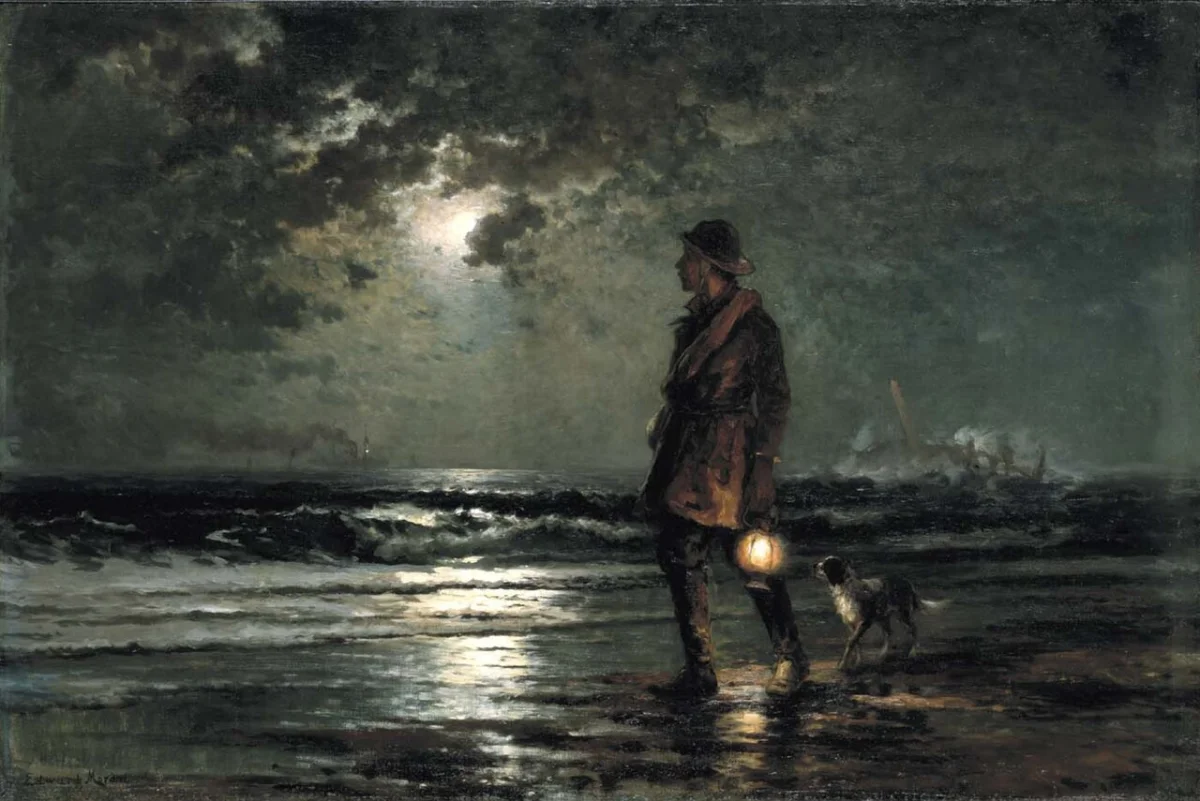
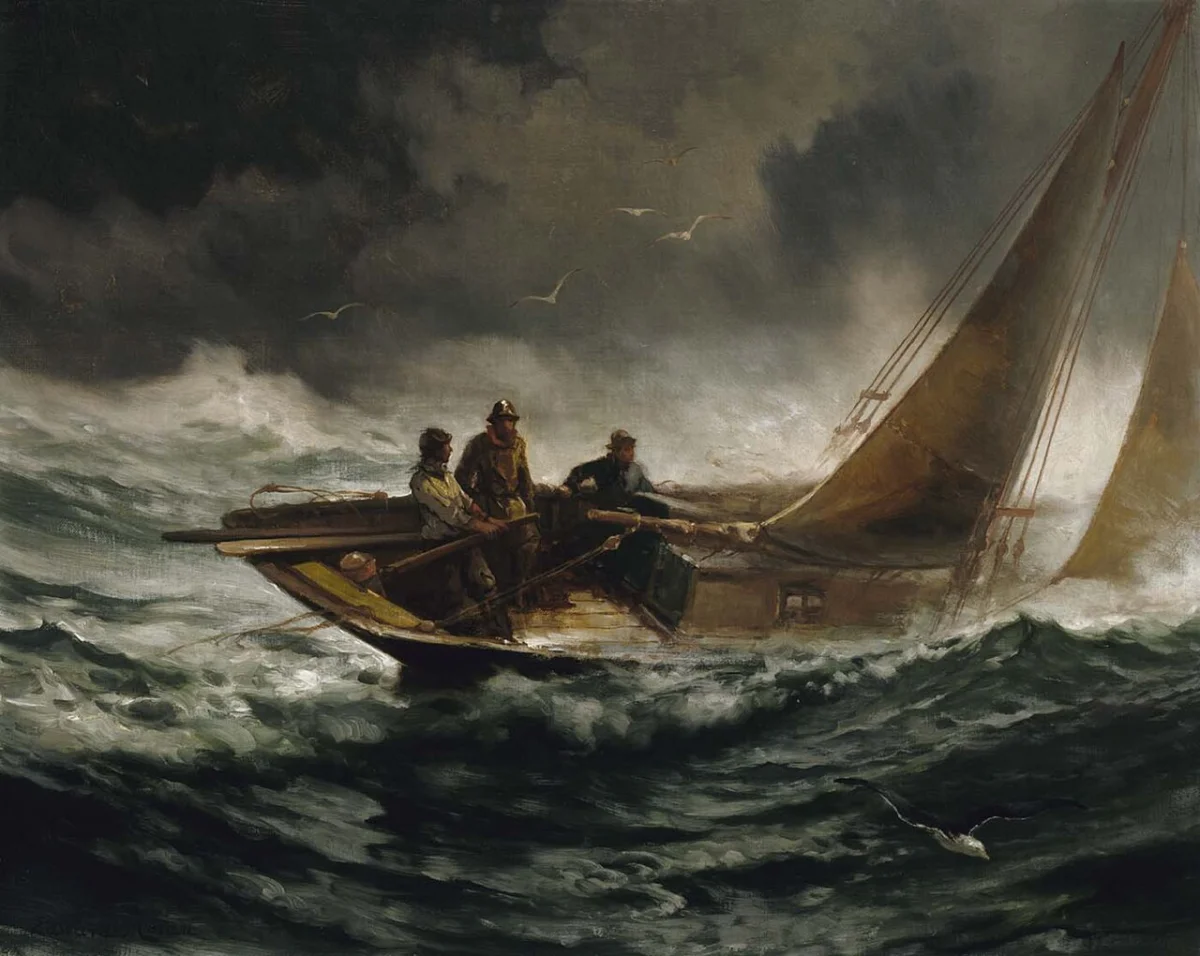
"Marine" by Edward Moran exemplifies the exquisite technique of oil on canvas, a medium that allows for depth, texture, and vivid color contrasts. Moran’s brushwork brings the rolling waves and shifting skies to life, echoing the emotional intensity characteristic of Romanticism. Admirers of his style may also enjoy related works such as "Fishing Boats Beating up to Windward" and "Salute at Sunset," each demonstrating the artist’s unparalleled skill with oil on canvas.
Every element in Moran’s "Marine" tells a story, inviting viewers to interpret the symbolism behind the restless sea and dramatic skies. As a fine art painting for sale, it appeals to those drawn to the narratives embedded within Romanticism. The painting’s atmosphere echoes themes found in "The Sea" and "Fishermans Home," making it a meaningful choice for collectors seeking works rich in symbolism and emotional resonance.
Owning Edward Moran’s "Marine" is an opportunity to possess a remarkable example of Romanticism and maritime artistry. This hand-painted oil painting stands alongside related masterpieces like "Riding out a Gale" and "Fishermans Home," offering a cohesive collection for discerning collectors. With its timeless appeal and historical significance, "Marine" is not just an artwork but a fine art painting for sale that elevates any collection or gallery space.
When Art Meets History
Edward Moran’s "Marine" stands as a testament to the Romanticism movement, capturing the dynamic relationship between humanity and the sea. This hand-painted oil painting reflects the era’s fascination with nature’s power and beauty. Similar to other works like "Calais Pier" and "Cottage at East Bergholt," Moran’s masterpiece immerses viewers in a historical narrative, making it a compelling piece for anyone interested in the evolution of marine art within the Romantic period.
Techniques That Speak
Moran’s mastery of oil on canvas is evident in the rich textures and luminous quality of "Marine." His brushwork evokes movement and atmosphere, much like in "The Battle of Nazareth" and "Self Portrait In The Studio." The layering of color and attention to light create a vivid seascape that enchants the viewer. This painting exemplifies the technical brilliance characteristic of Romanticism, where emotion and technique merge to produce unforgettable visual experiences.
Emotions on Display
"Marine" by Edward Moran is more than a fine art painting for sale; it is an emotional journey through turbulent waters and dramatic skies. The Romanticism movement aimed to elicit deep feelings, and this painting achieves just that, echoing the emotional depth found in works. Moran’s ability to convey awe and introspection invites collectors and art lovers alike to connect with the scene on a deeply personal level.
Coveted by Collectors
Collectors worldwide seek out Moran’s "Marine" for its historical significance and exquisite artistry. As a hand-painted oil painting, it holds a special place among Romanticism treasures, alongside pieces like "Calais Pier" and "Cottage at East Bergholt." The painting’s provenance and masterful execution make it a highly desirable addition to any fine art collection, embodying the enduring appeal of oil on canvas works from this influential period.
Related Romanticism Hand-Painted Oil Paintings by Other Artists
Other Famous Romanticism Artists:
Frequently Asked Questions About Marine
What is the historical context of Edward Moran's painting "Marine"?
"Marine" was created during the late 19th century, a period marked by the rise of maritime commerce and exploration. This era influenced many artists, including Moran, who sought to capture the beauty and power of the sea.
What artistic techniques did Edward Moran employ in "Marine"?
Moran utilized a combination of realistic detail and dramatic lighting to convey the majesty of the ocean. His use of color and brushwork creates a dynamic sense of movement within the water and sky.
What themes are explored in "Marine"?
The painting explores themes of nature's grandeur and the relationship between humanity and the sea. It reflects the awe-inspiring power of nature and the fragility of human endeavors against it.
How does "Marine" reflect the Romantic movement in art?
"Marine" embodies the Romantic movement's emphasis on emotion and the sublime. Moran's portrayal of the sea evokes feelings of wonder and respect for nature's vastness, characteristic of Romantic ideals.
What symbolism can be found in "Marine"?
The sea often symbolizes both danger and opportunity. In "Marine," the tumultuous waves may represent the challenges faced by sailors, while the distant horizon suggests hope and adventure.
What influences did Edward Moran have in creating "Marine"?
Moran was influenced by earlier maritime artists and the Hudson River School, which emphasized landscape painting. His works often reflect a deep appreciation for the natural world and its dramatic elements.
How has "Marine" been received by art critics and historians?
Maritime themes were central to Moran's oeuvre, as he often depicted ships, seascapes, and coastal scenes. These subjects allowed him to explore the interplay between humanity and the natural world.
In what ways does "Marine" reflect the technological advancements of the time?
The painting reflects the advancements in shipbuilding and navigation during the late 19th century. Moran's depiction of ships in action highlights the era's maritime innovations and the burgeoning global trade.
What impact did "Marine" have on future generations of artists?
"Marine" has influenced subsequent generations of artists by showcasing the dramatic potential of seascapes. Moran's techniques and thematic focus continue to inspire contemporary maritime painters.






















_GFM_Painting_(1).webp)



 100% Hand-Painted: Finished in 3-6 Weeks


.png)
















_(1).webp)