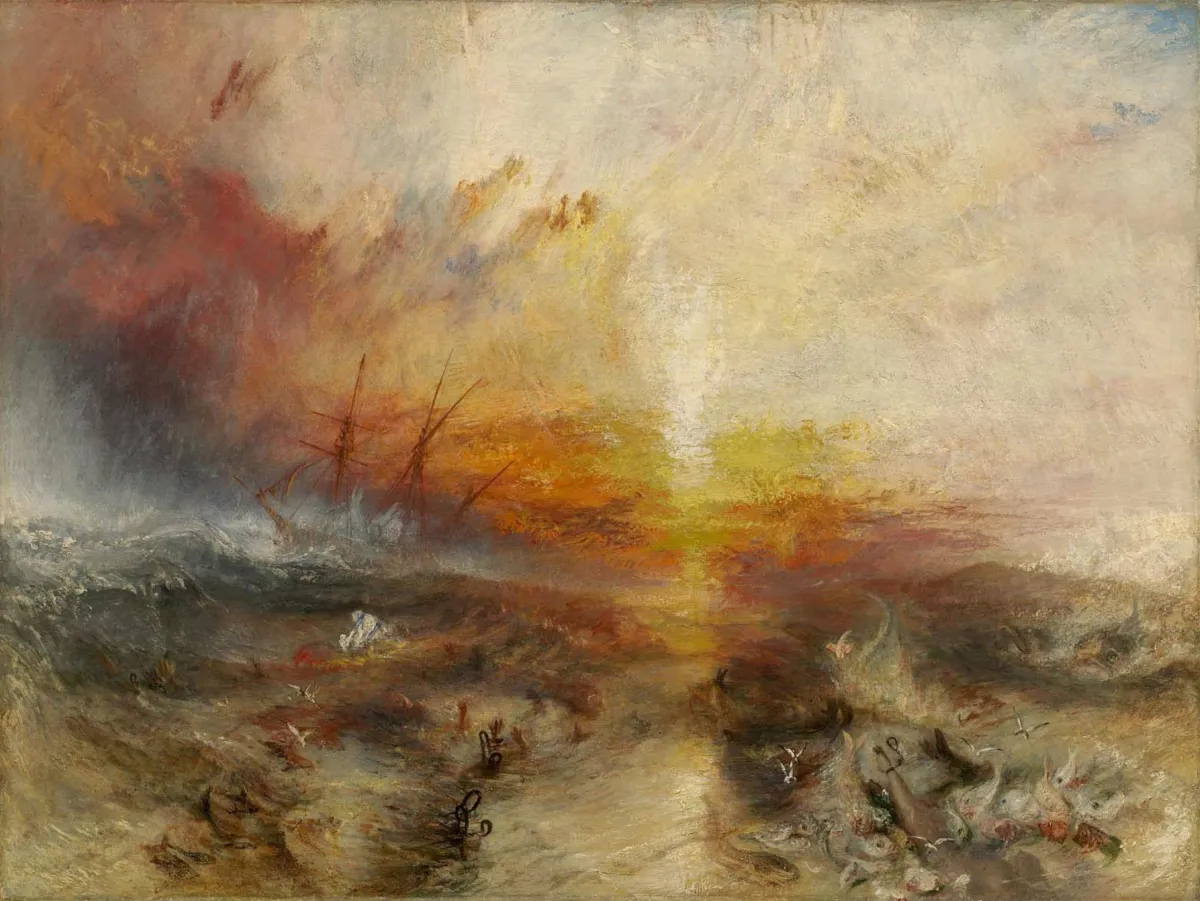
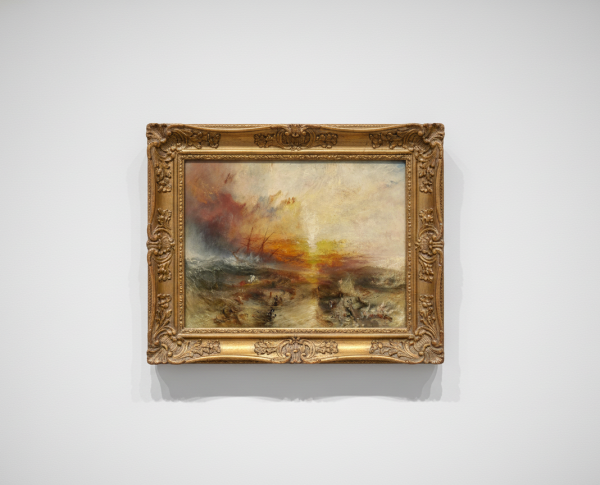
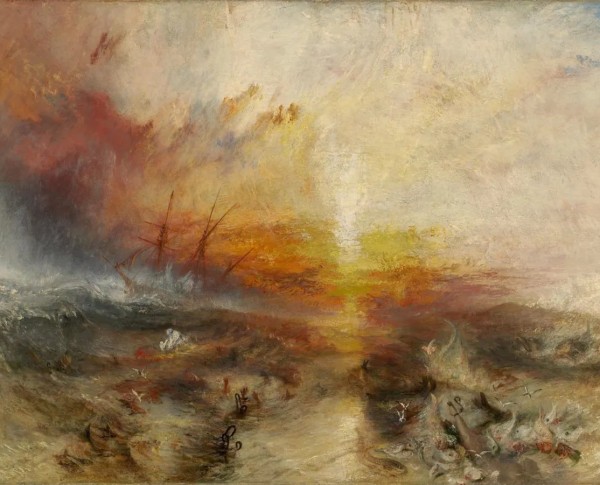
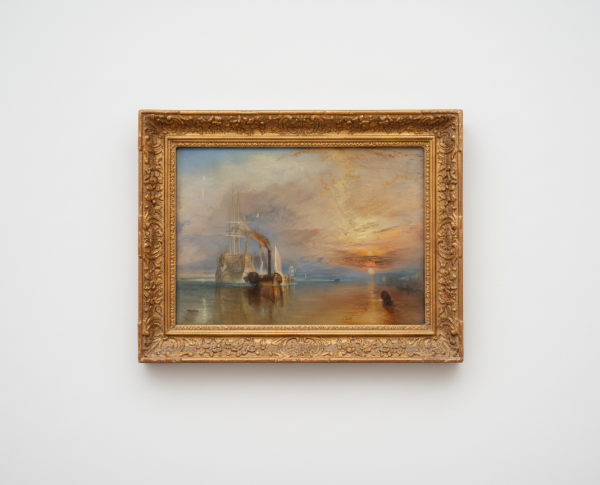
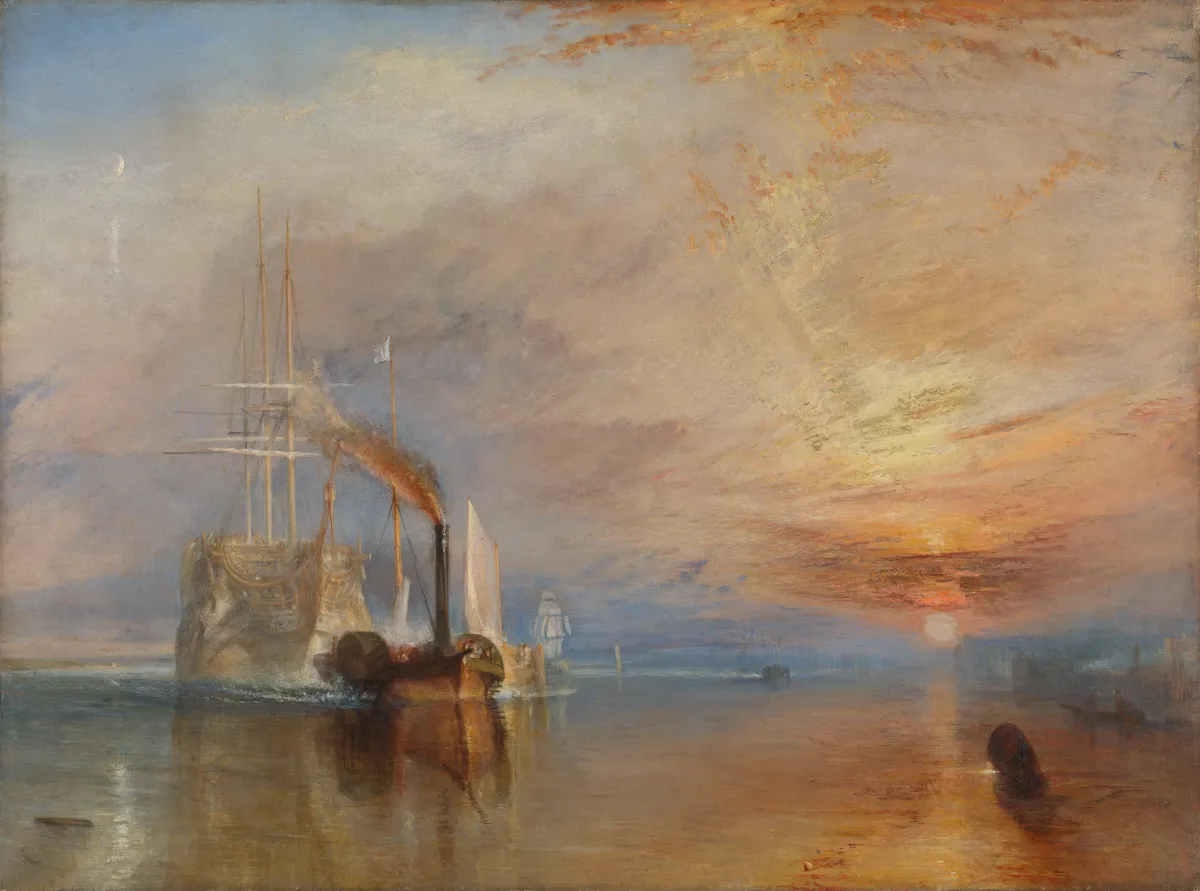
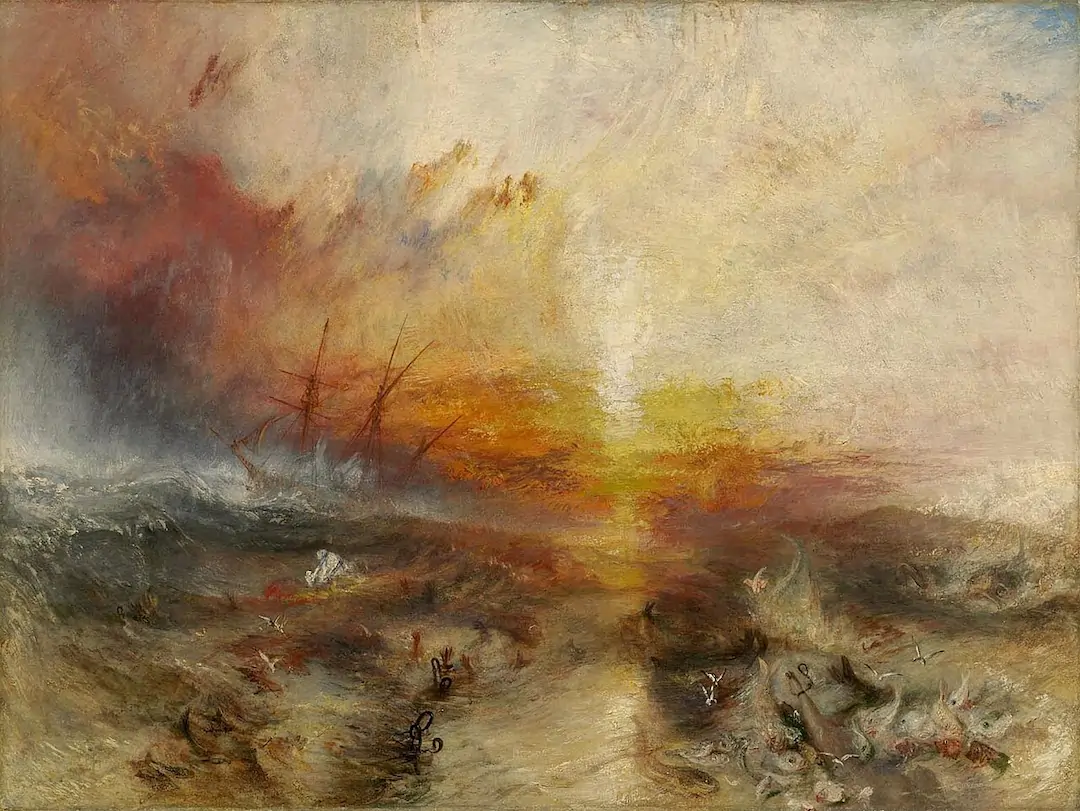
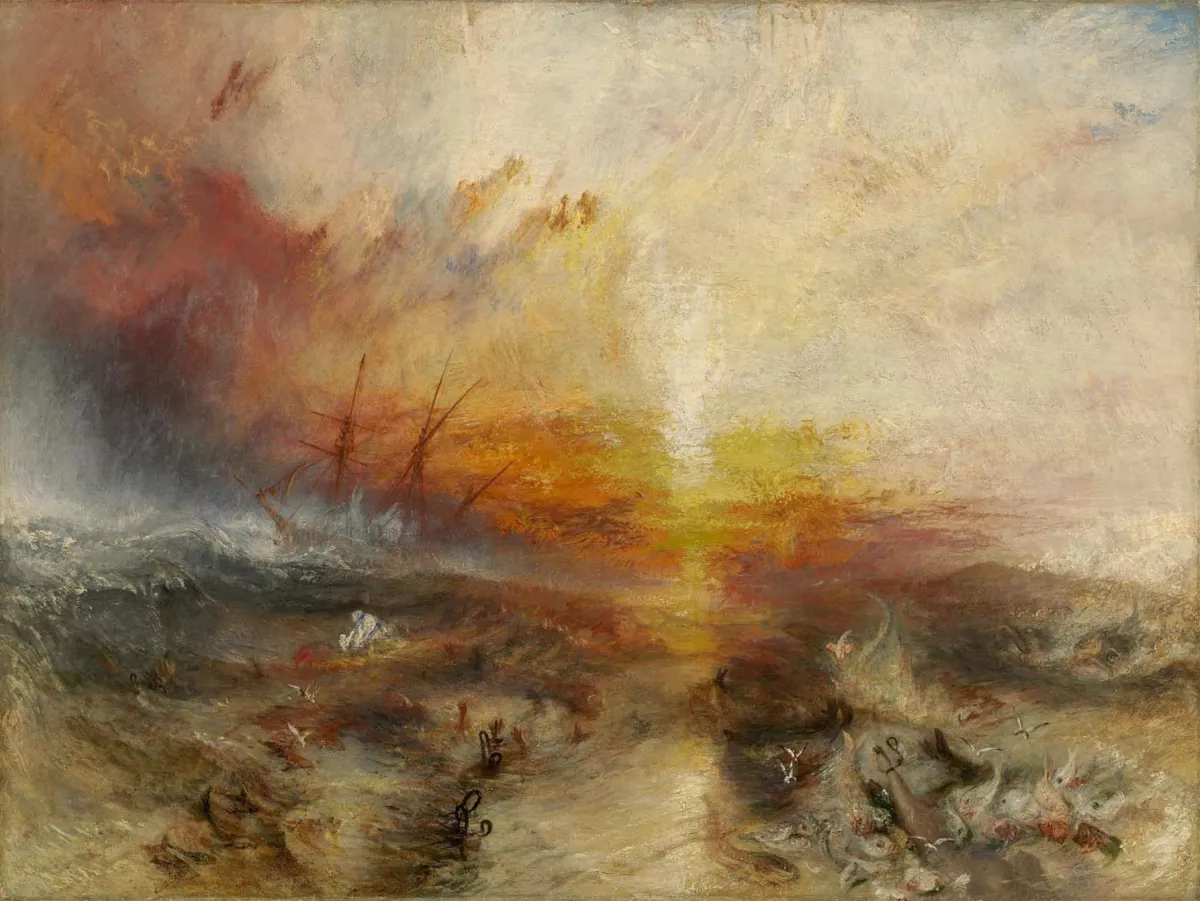
Joseph Mallord William Turner’s "The Fighting Temeraire" exemplifies his remarkable technique and emotional depth through oil on canvas. The artist’s unique approach to light and color brings the scene to life, encapsulating the spirit of Romanticism. Collectors and enthusiasts often seek this painting and related works, such as "The Slave Ship," to enrich their collections with Turner's visionary brilliance and the enduring appeal of oil on canvas masterpieces.
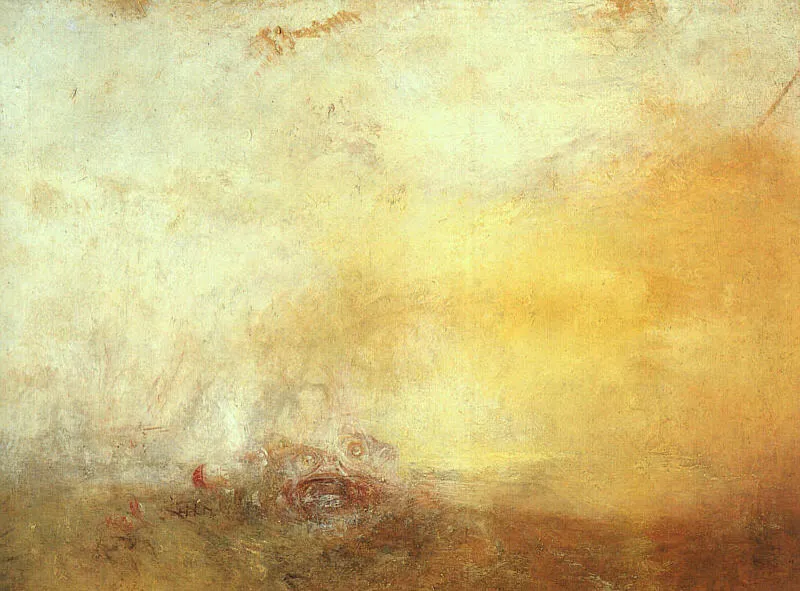
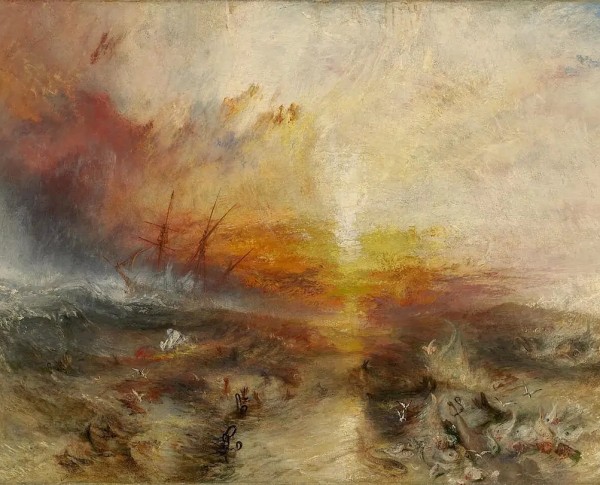
Turner’s "The Fighting Temeraire" is more than a fine art painting for sale; it’s a visual narrative steeped in symbolism. The painting reflects the bittersweet passage of time, highlighting the ship’s noble past and its inevitable fate. As a pivotal work in the Romanticism movement, it resonates with profound emotion, much like Turner’s other works, including "The Slave Ship 1840," which also explores powerful themes and historical context.
For art collectors, owning "The Fighting Temeraire" by Joseph Mallord William Turner is to possess a hand-painted oil painting that embodies the essence of Romanticism. This artwork, alongside related products such as "The Fighting 'Téméraire' tugged to her last Berth to be broken up" and "The Slave Ship," is highly sought after for its historical significance, masterful execution, and the emotional depth Turner infused into every brushstroke.
When Art Meets History
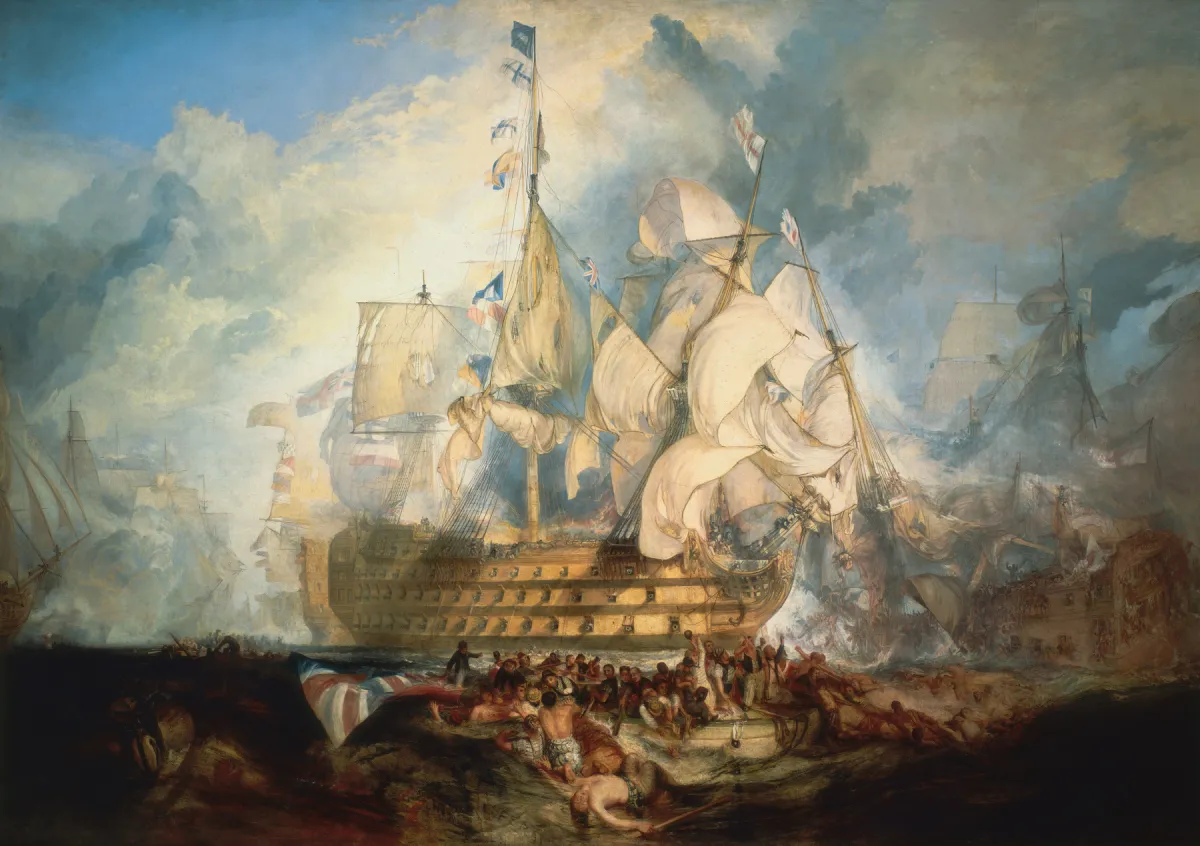
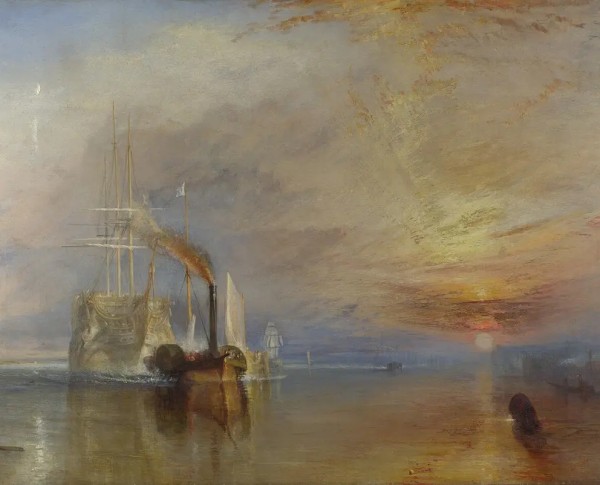
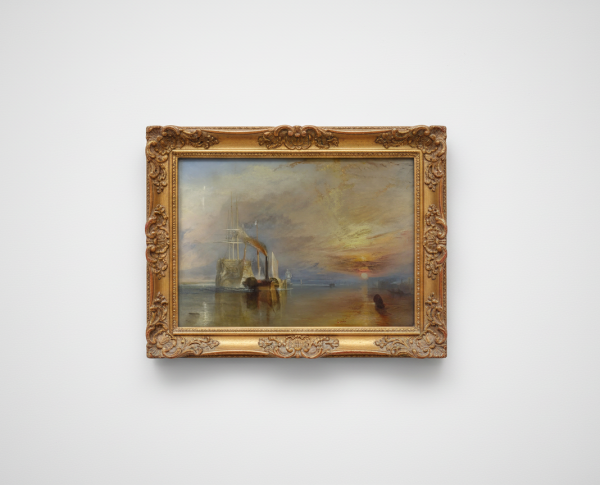
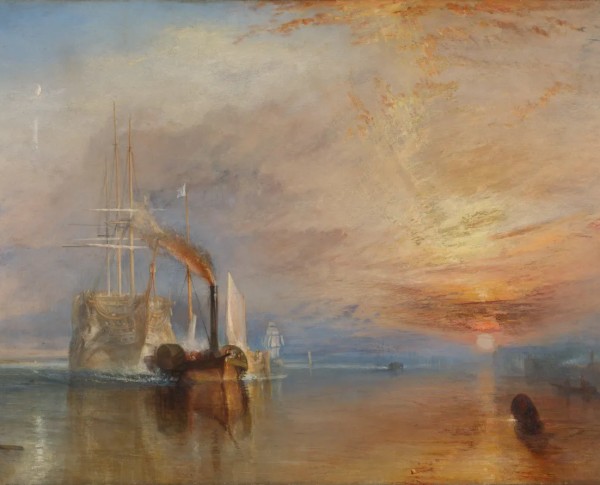
"The Fighting Temeraire" by Joseph Mallord William Turner is a masterpiece of the Romanticism movement, capturing the poignant moment when the grand warship is towed to its final berth. This hand-painted oil painting immortalizes a pivotal era in British naval history, much like related works such as "The Hay Wain, 1821" and "Two Men by the Sea." Turner’s tribute resonates with collectors seeking a fine art painting for sale that weaves historical narrative with artistic brilliance.
Techniques That Speak
Turner’s "The Fighting Temeraire" stands out for its exceptional use of oil on canvas, demonstrating his mastery over light, color, and atmosphere. The painting’s glowing sunset and delicate brushwork are hallmarks of Romanticism, echoing the emotive techniques found in "Flowers at the Window of the Harem" and "Hutten's Grave." Turner’s approach invites viewers to appreciate the depth and texture only a hand-painted oil painting can convey.
Emotions on Display
In this fine art painting for sale, Turner channels deep emotion, portraying the Temeraire’s final journey with a sense of dignity and nostalgia. The interplay of light and shadow evokes a bittersweet farewell, a signature of the Romanticism movement. Like "The Kiss 1859," Turner’s work goes beyond mere representation, inviting viewers to connect emotionally with the scene and appreciate the artist’s sensitivity to both subject and mood.
Coveted by Collectors
Collectors around the world seek out "The Fighting Temeraire" by Joseph Mallord William Turner for its historical significance and breathtaking execution. As an oil on canvas, this masterpiece exemplifies the allure of Romanticism, much like celebrated paintings such as "The Hay Wain, 1821" and "Hutten's Grave." Its timeless appeal and status as a fine art painting for sale make it a coveted addition to any discerning art collection.
Related Romanticism Hand-Painted Oil Paintings by Other Artists
Other Famous Romanticism Artists:
Frequently Asked Questions About The Fighting Temeraire
What is the historical significance of The Fighting Temeraire?
The Fighting Temeraire is historically significant as it represents the transition from the age of sail to the age of steam in maritime history, symbolizing the end of an era for the British naval fleet.
Who was Joseph Mallord William Turner?
Joseph Mallord William Turner was a British painter known for his expressive use of color and light, often depicting landscapes and seascapes. He is considered one of the greatest masters of British watercolour landscape painting.
What does the painting symbolize?
The painting symbolizes the decline of traditional sailing ships and the rise of industrialization, reflecting the broader changes in society and technology during the 19th century.
When was The Fighting Temeraire painted?
The Fighting Temeraire was painted in 1839, during a period of significant change in Britain, particularly in relation to the Industrial Revolution.
What techniques did Turner use in The Fighting Temeraire?
Turner employed techniques such as loose brushwork, vibrant color contrasts, and atmospheric effects to evoke emotion and capture the essence of light and movement in the painting.
Where is The Fighting Temeraire currently housed?
The Fighting Temeraire is currently housed in the National Gallery in London, where it is part of the permanent collection and is a highlight for visitors.
What is the composition of The Fighting Temeraire?
The composition features the majestic ship, the Temeraire, being towed by a steam tug, set against a dramatic sunset, which enhances the emotional impact of the scene.
How does The Fighting Temeraire reflect Turner's artistic style?
The painting reflects Turner's artistic style through its emphasis on light, color, and atmosphere, showcasing his ability to convey mood and emotion through landscape and maritime themes.
What was the public's reaction to The Fighting Temeraire upon its unveiling?
Upon its unveiling, The Fighting Temeraire received critical acclaim and was celebrated for its innovative approach and emotional depth, solidifying Turner's reputation as a leading artist of his time.
What themes are explored in The Fighting Temeraire?
The themes explored in the painting include nostalgia, the passage of time, and the conflict between tradition and progress, reflecting the societal changes occurring during Turner's lifetime.






















_GFM_Painting_(1).webp)


 100% Hand-Painted: Finished in 3-6 Weeks

.png)















_(1).webp)