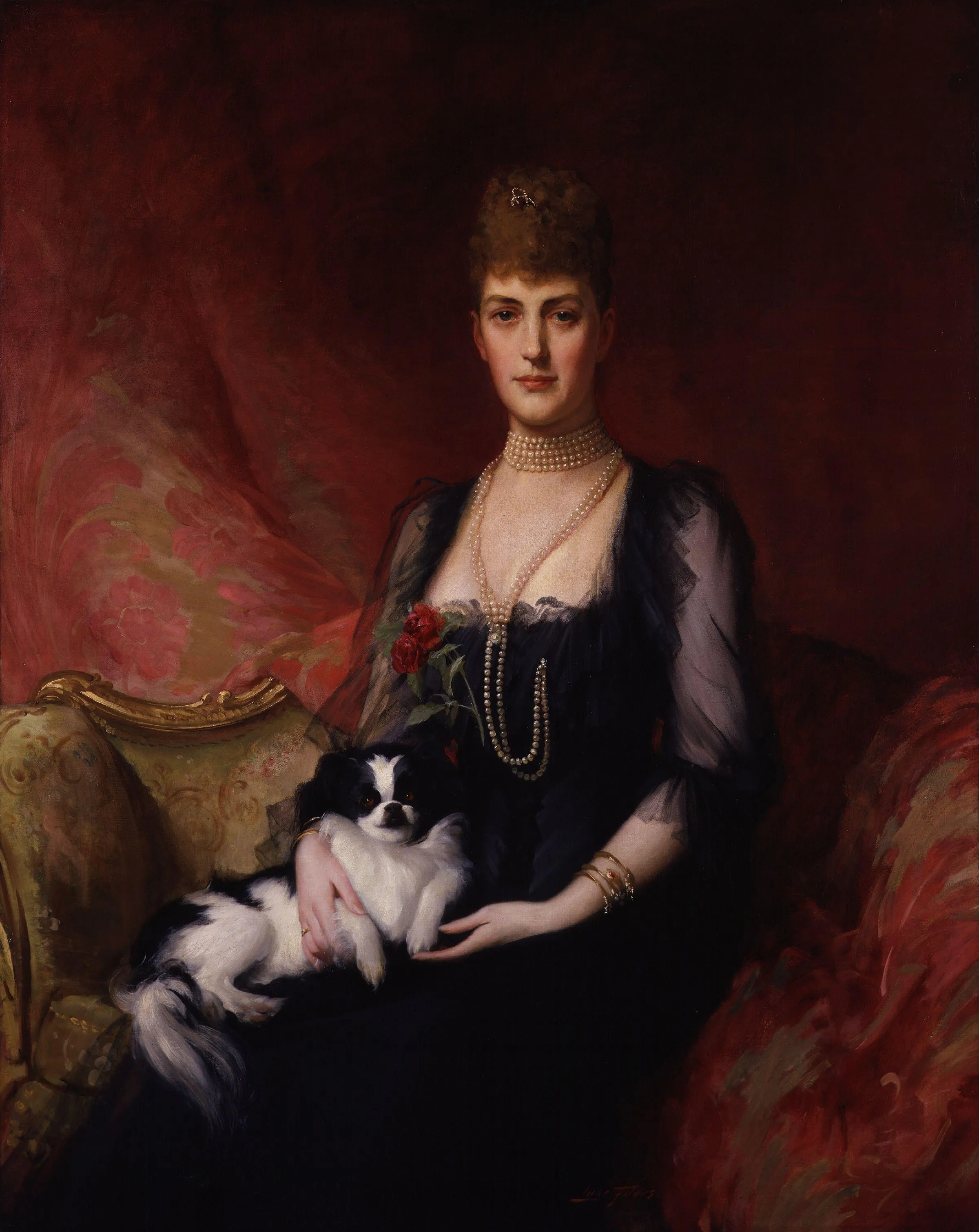
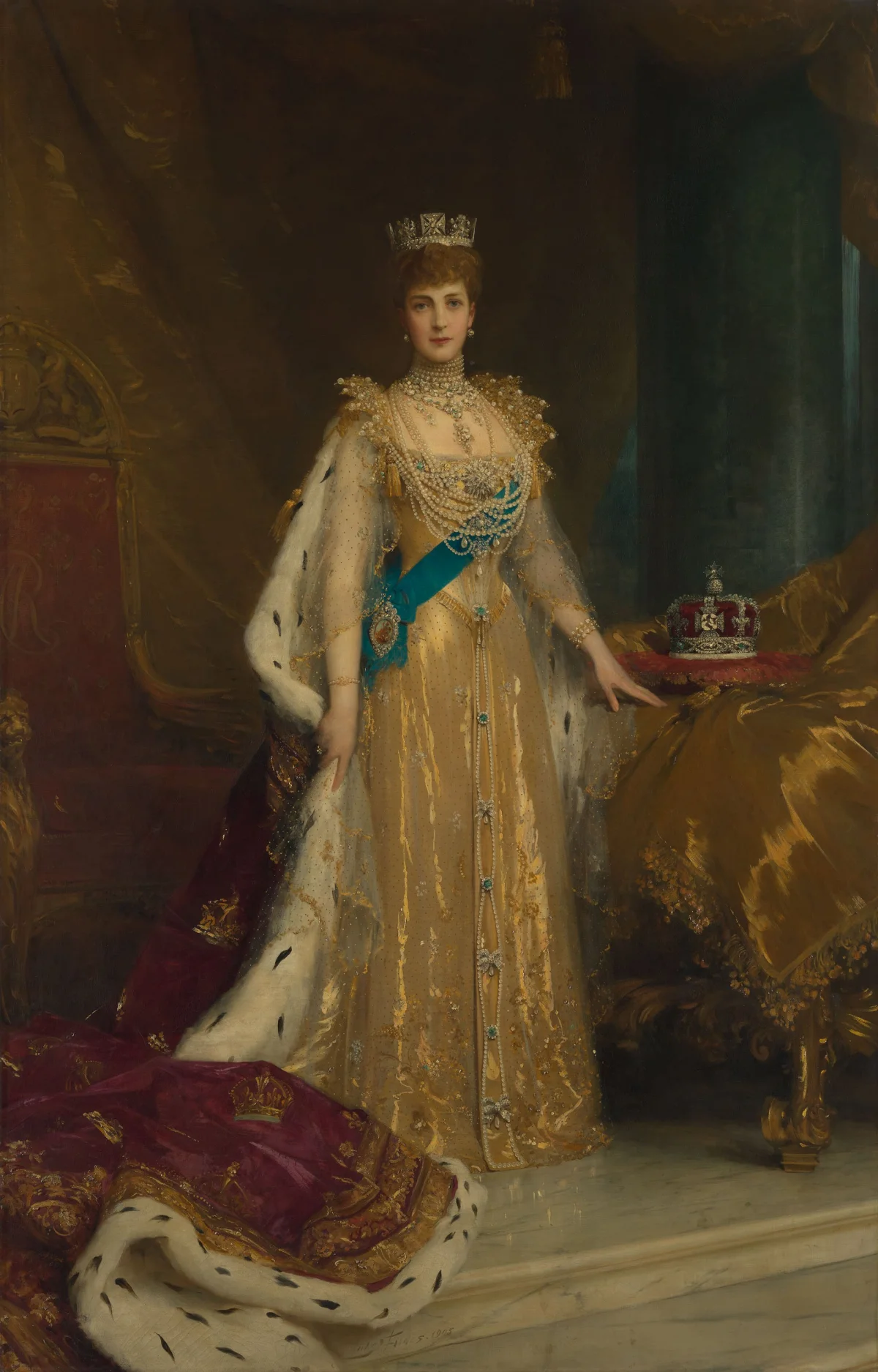
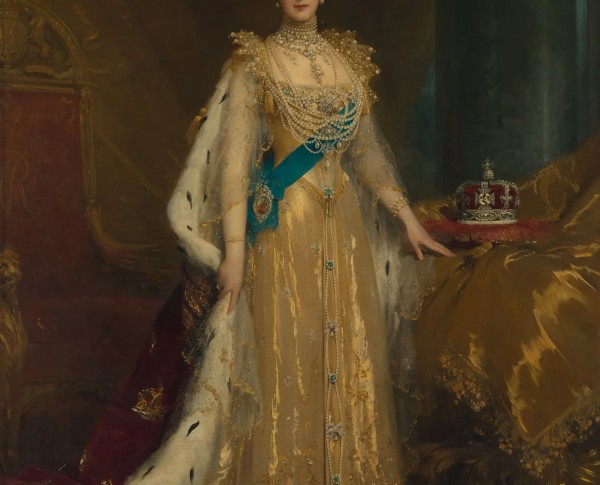
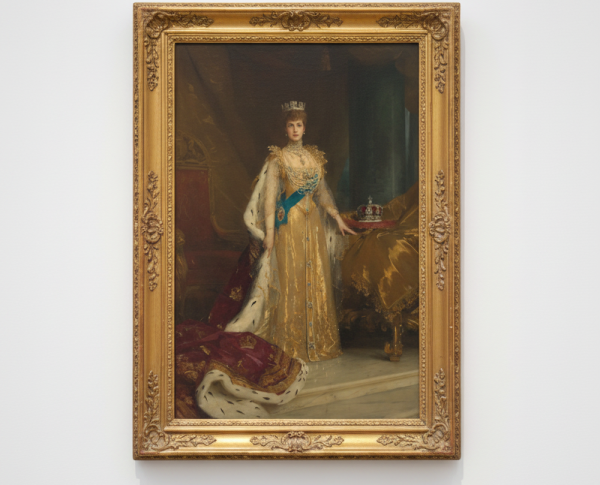
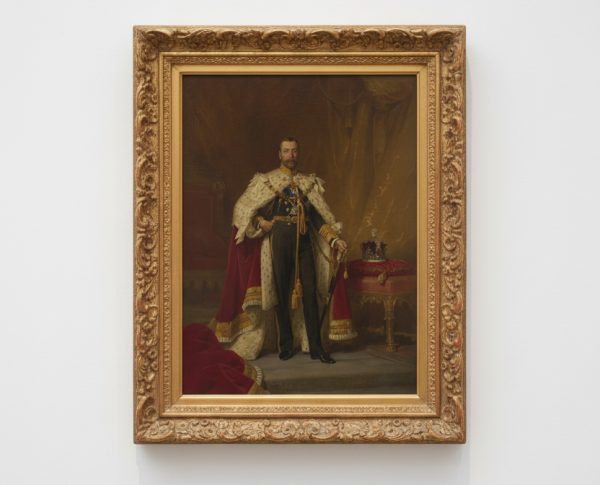
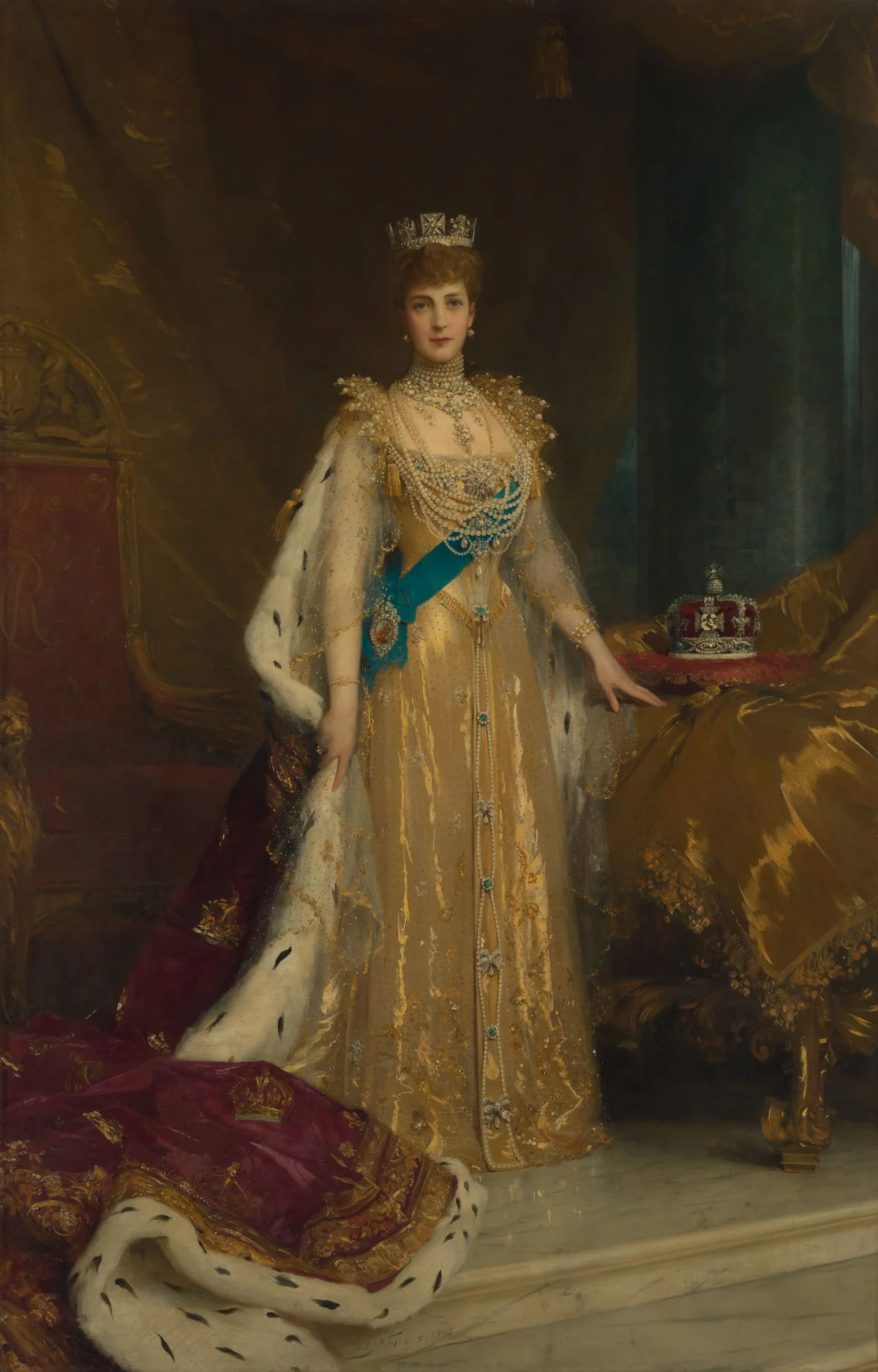
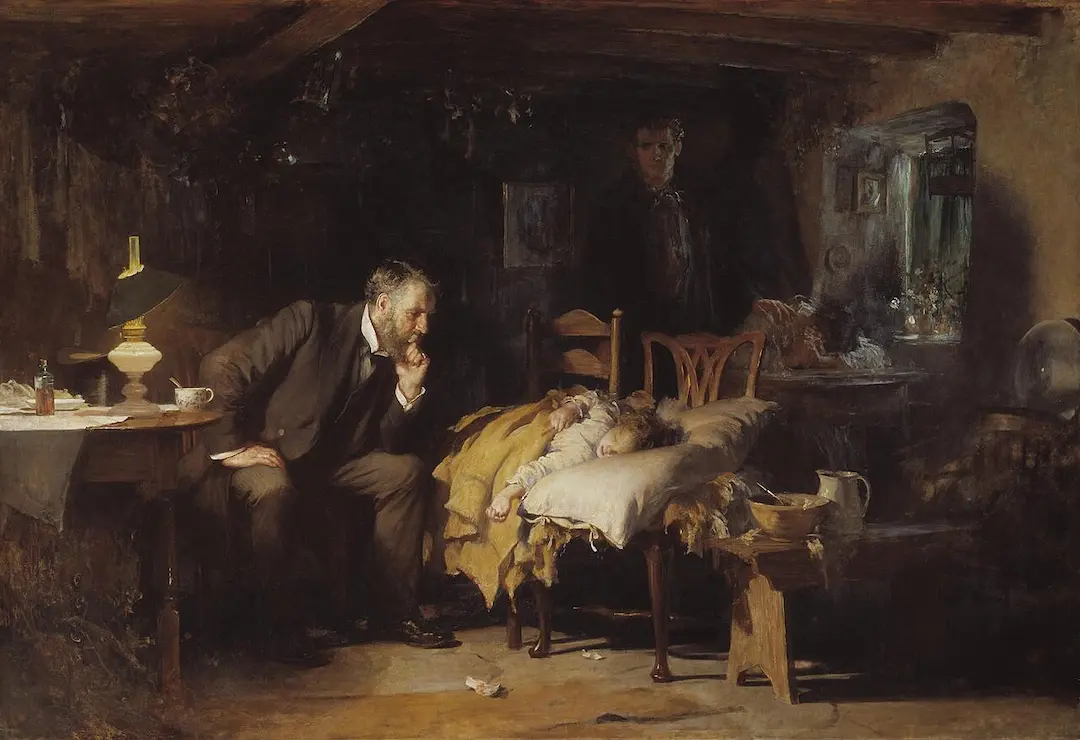
Samuel Luke Fildes demonstrates remarkable skill through his use of oil on canvas in this portrait. Each brushstroke brings out the regal essence of Queen Alexandra, seamlessly blending realism with emotional depth. The Social Realism movement, to which Fildes belonged, emphasized truthful representation, and this painting is a prime example. Collectors often compare this work to "The Doctor," another celebrated oil on canvas by the artist, both prized for their technical excellence.
Within "Queen Alexandra (1844-1925)," viewers find layers of narrative and symbolism typical of Social Realism. Samuel Luke Fildes used subtle cues in this fine art painting for sale to hint at Alexandra’s influence and compassionate nature. The careful arrangement of her attire and surroundings invites viewers to explore themes of duty and resilience. This approach echoes Fildes’s storytelling in "The Doctor," making both paintings popular among those who value art with a narrative core.
For enthusiasts seeking a fine art painting for sale, "Queen Alexandra (1844-1925)" by Samuel Luke Fildes is a distinguished choice. Its historical significance, connection to the Social Realism movement, and exquisite execution make it a highlight in any collection. Collectors often pair this piece with related works like "The Doctor," recognizing Fildes’s unique ability to capture the spirit of his subjects through refined artistry and authentic representation.
When Art Meets History
Samuel Luke Fildes' "Queen Alexandra (1844-1925)" stands as a testament to the Social Realism movement, capturing a pivotal moment in British history. This hand-painted oil painting immortalizes Queen Alexandra with grace and dignity, reflecting the era's social dynamics. As with other works by Fildes, the painting bridges art and history, offering viewers a glimpse into royal life and societal values of the time. Collectors and historians alike cherish such masterpieces for their cultural significance.
Techniques That Speak
Fildes' mastery is evident in his oil on canvas technique, which brings depth and realism to "Queen Alexandra (1844-1925)." The careful attention to detail, from the textures of the queen's attire to the subtle play of light, showcases the artist's commitment to authenticity. As a leading figure in Social Realism, Fildes employed these techniques to emphasize the humanity of his subjects, making each brushstroke a narrative device in this compelling portrait.
Emotions on Display
"Queen Alexandra (1844-1925)" radiates a quiet strength and regal warmth, hallmarks of Fildes’ approach to portraiture within the Social Realism movement. The fine art painting for sale reveals Alexandra’s poised yet approachable demeanor, inviting viewers to connect emotionally. Through his sensitive rendering, Fildes captures not only the likeness but also the spirit of his subject, making this work resonate with admirers of both royal portraiture and social commentary.
Coveted by Collectors
This exquisite hand-painted oil painting by Samuel Luke Fildes is highly sought after by collectors who appreciate the Social Realism movement. "Queen Alexandra (1844-1925)" exemplifies the artist's skill in blending realism with historical significance, making it a prized addition to any fine art collection. Its rarity and refined execution ensure enduring value, as enthusiasts recognize its importance among Fildes’ celebrated works, despite the current lack of directly related paintings by the artist.
Frequently Asked Questions About Queen Alexandra (1844-1925)
Who was Queen Alexandra and what is her significance in history?
Queen Alexandra was the wife of King Edward VII of the United Kingdom. Born in Denmark, she became a beloved figure in British society and played a significant role in the royal family during her husband's reign from 1901 to 1910. Her influence extended into charitable work and the arts, making her an important cultural icon of her time.
What artistic style is Samuel Luke Fildes known for?
Samuel Luke Fildes is primarily associated with the Victorian era and is known for his realistic and detailed portrayals. His works often reflect the social issues of his time, characterized by a blend of naturalism and sentimentality, which is evident in his portrayal of Queen Alexandra.
What is the historical context of the painting "Queen Alexandra"?
The painting was created during a time of significant change in British society, marked by the transition from the Victorian era to the Edwardian period. This era was characterized by a growing interest in modernity, social reform, and the arts, all of which influenced Fildes' work and his depiction of the Queen.
What techniques did Fildes use in the painting?
Fildes employed oil on canvas to create "Queen Alexandra," utilizing a combination of detailed brushwork and rich color palettes to convey the texture of fabrics and the luminosity of skin tones. His technique highlights the Queen's regal presence and the intricacies of her attire.
What symbolism is present in the painting?
The painting symbolizes not only the royal status of Queen Alexandra but also her compassion and connection to the people. The choice of attire and the dignified pose reflect her role as a unifying figure in a rapidly changing society, embodying grace and strength.
How does the painting reflect the character of Queen Alexandra?
Fildes captures Queen Alexandra's warmth and approachability through her expression and posture. The softness in her gaze and the gentle draping of her garments suggest her nurturing personality, which endeared her to the public and reinforced her role as a beloved monarch.
What was the public's reaction to the painting upon its unveiling?
Upon its unveiling, "Queen Alexandra" was met with admiration and acclaim, as it resonated with the public's affection for the Queen. The painting was celebrated for its lifelike representation and emotional depth, further solidifying Fildes' reputation as a leading portrait artist of the time.
In what ways did Fildes' background influence his portrayal of Queen Alexandra?
Fildes' background as a painter who often focused on social themes and the human condition influenced his portrayal of Queen Alexandra. His empathy for his subjects allowed him to depict not just the physical likeness of the Queen, but also her character and the societal values she represented.
What role did Queen Alexandra play in the arts during her lifetime?
Queen Alexandra was a patron of the arts and actively supported various cultural initiatives. Her involvement in charitable organizations and her appreciation for artistic expression helped to promote the arts in Britain, making her an influential figure in the cultural landscape of her time.
Where can I view "Queen Alexandra" today?
"Queen Alexandra" by Samuel Luke Fildes is part of the collection at the [insert gallery name here]. Visitors can view this significant work in the context of the gallery's broader collection of Victorian and Edwardian art.






















_GFM_Painting_(1).webp)


 100% Hand-Painted: Finished in 3-6 Weeks

.png)
















_(1).webp)