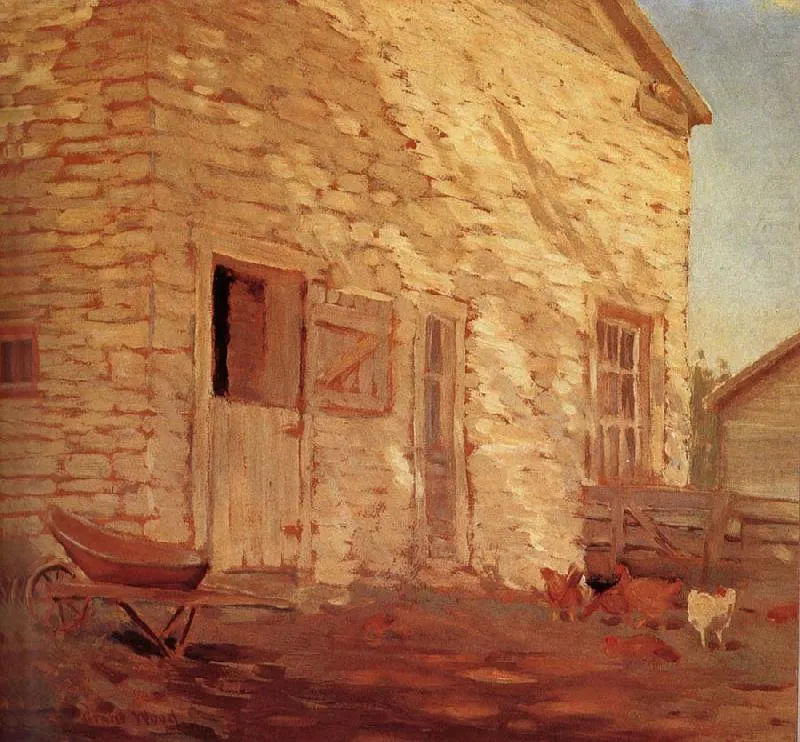
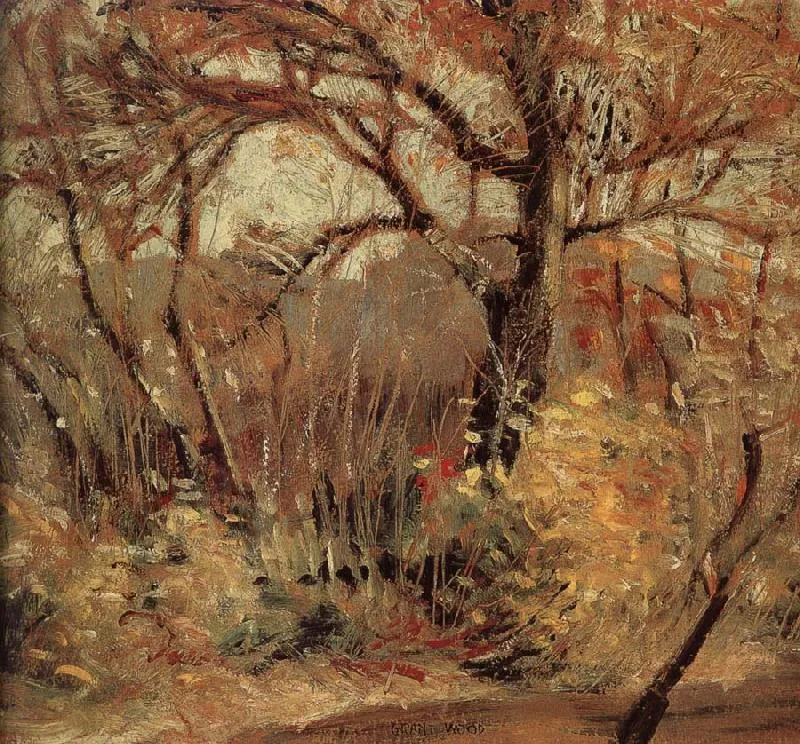
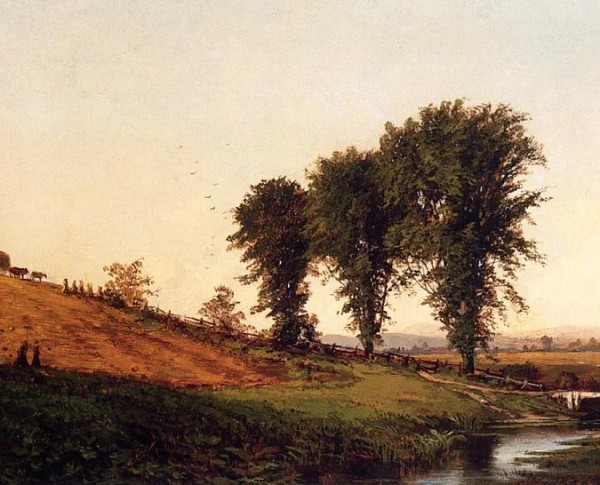
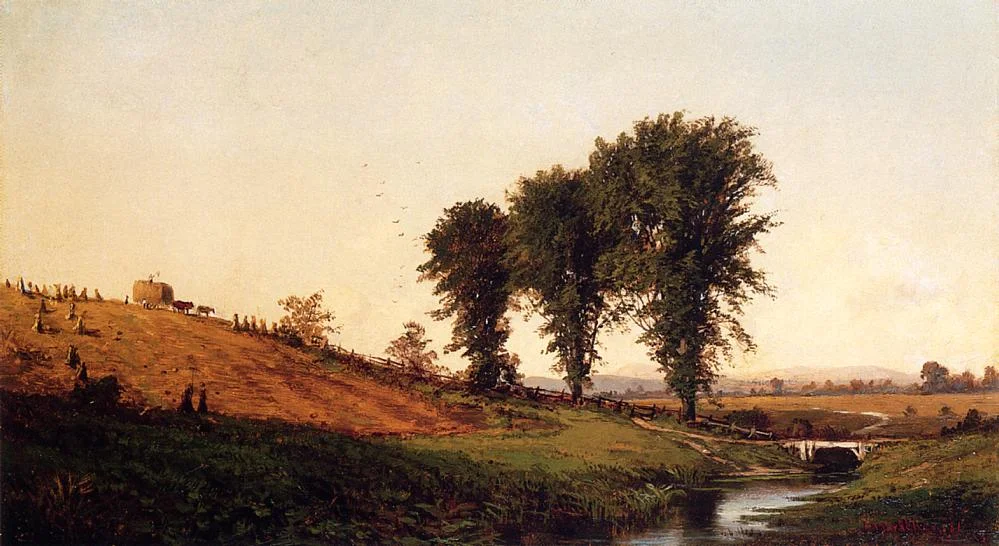
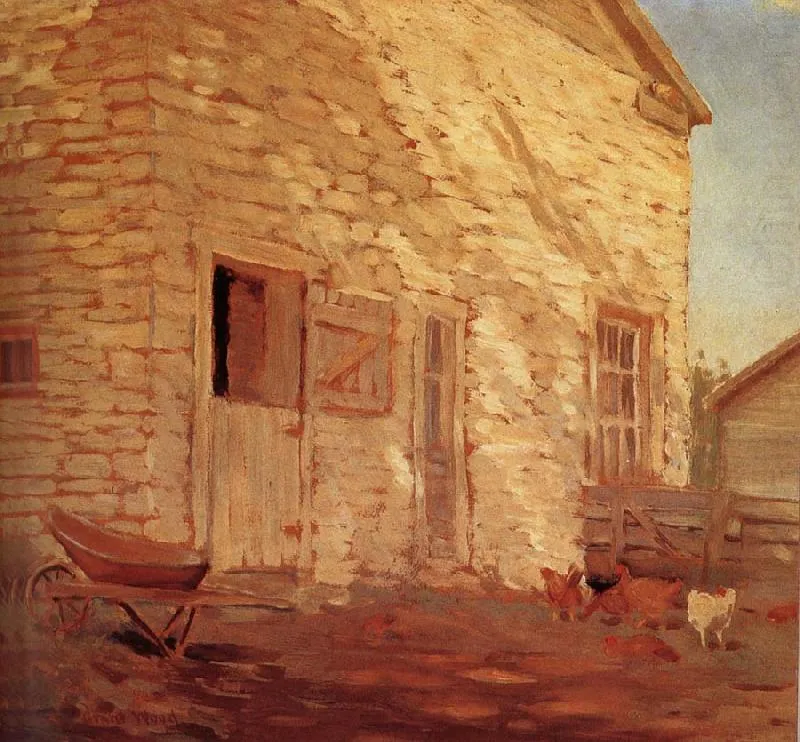
Every inch of “The Landscape of Autumn” showcases Grant Wood’s technical prowess, with the oil on canvas medium bringing depth and realism to the autumnal scenery. His meticulous brushwork, characteristic of the American Regionalism movement, captures the subtlety of changing seasons. Art enthusiasts can explore more of his remarkable technique in works such as “Haying” and “Old Stone Barn,” which also highlight Wood’s mastery in landscape painting.
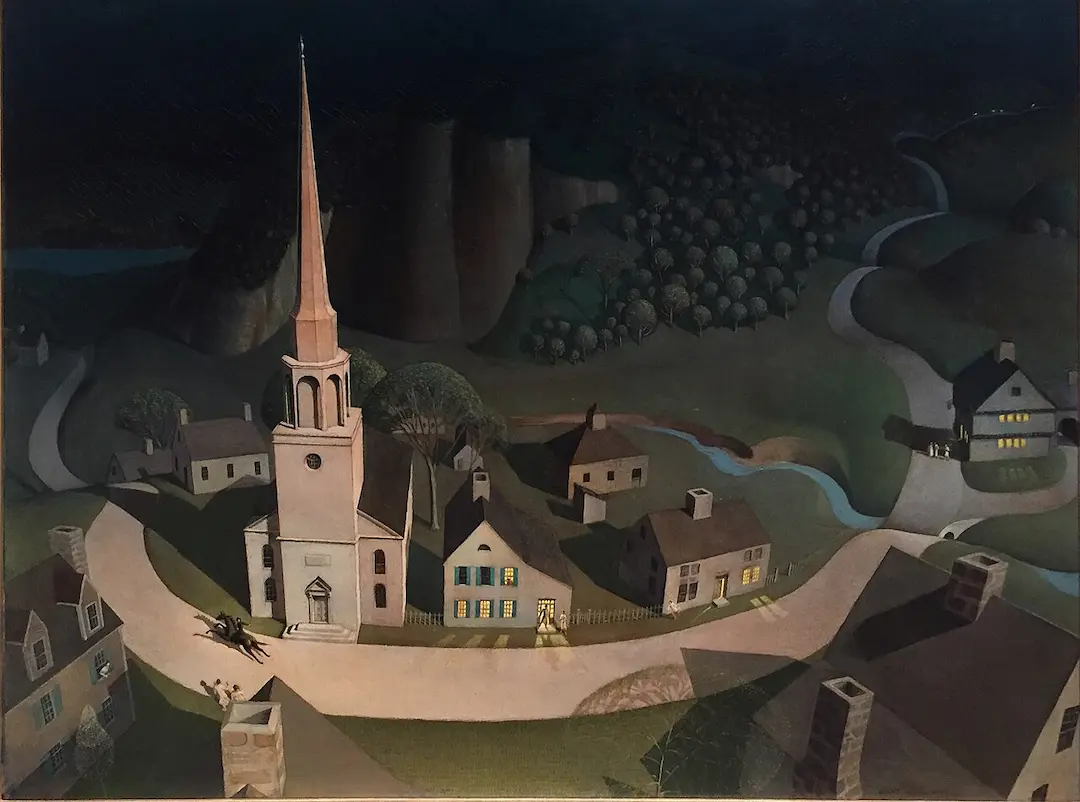
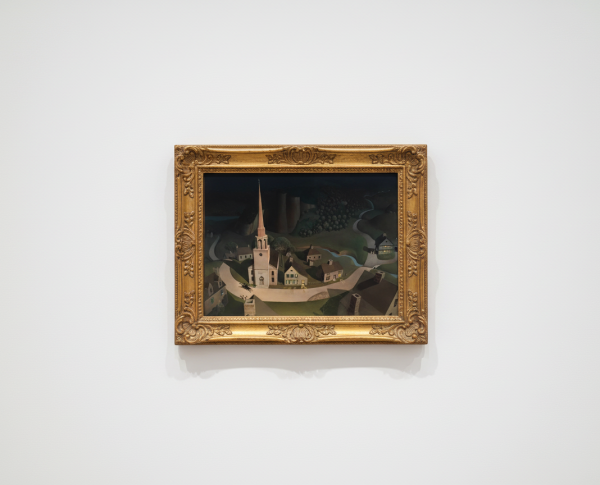
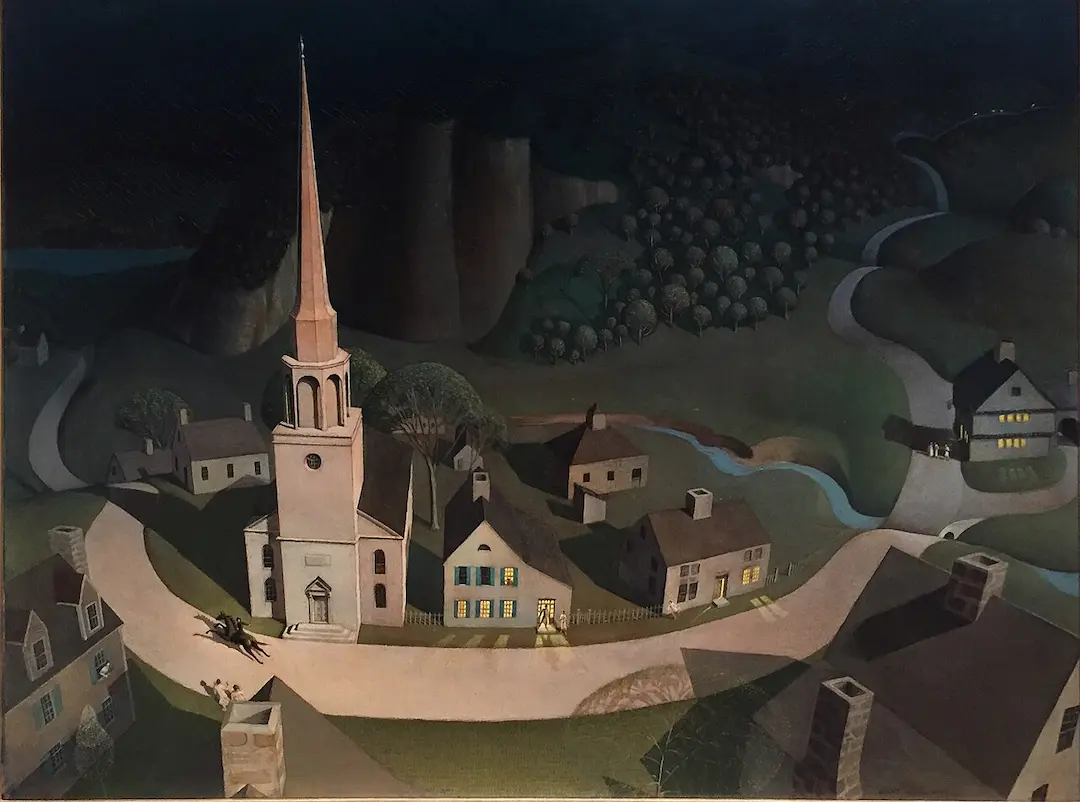
“The Landscape of Autumn” is more than a fine art painting for sale; it is a visual narrative of rural life and American identity. Grant Wood’s composition is rich in symbolism, with each element reflecting the harmony between people and land. This painting, alongside related pieces like “The Midnight Ride of Paul Revere” and “New Road,” invites viewers to delve into the stories embedded within the American Regionalism movement.
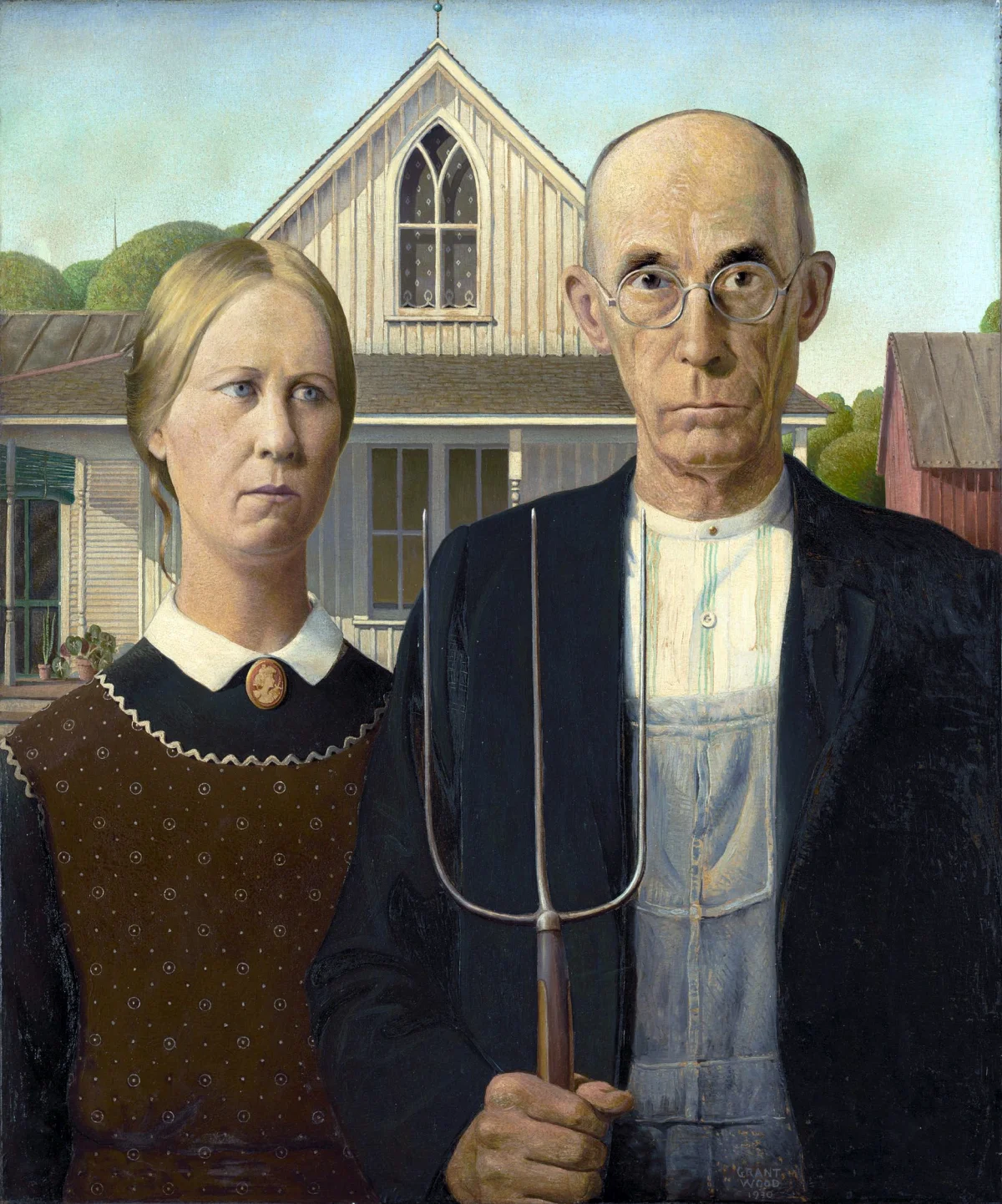
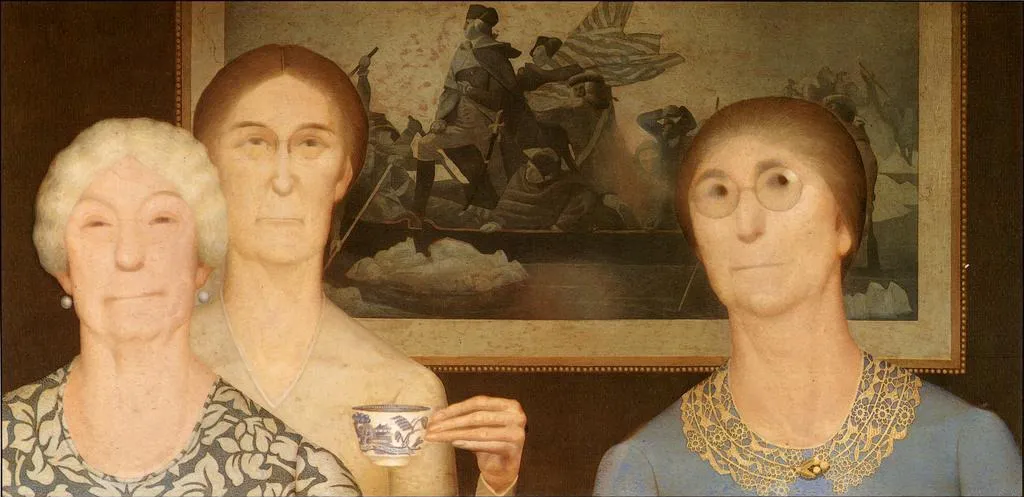
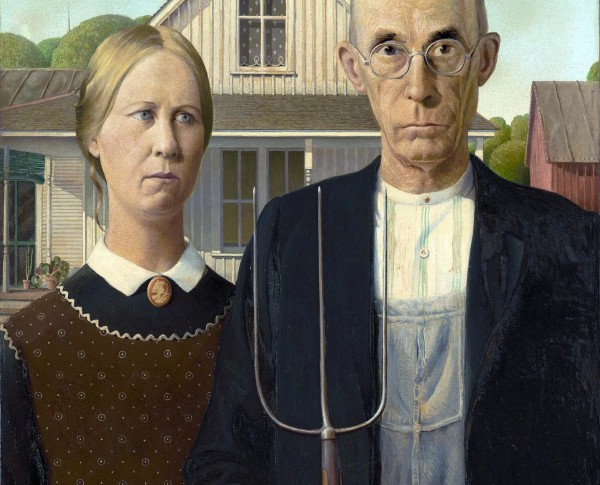
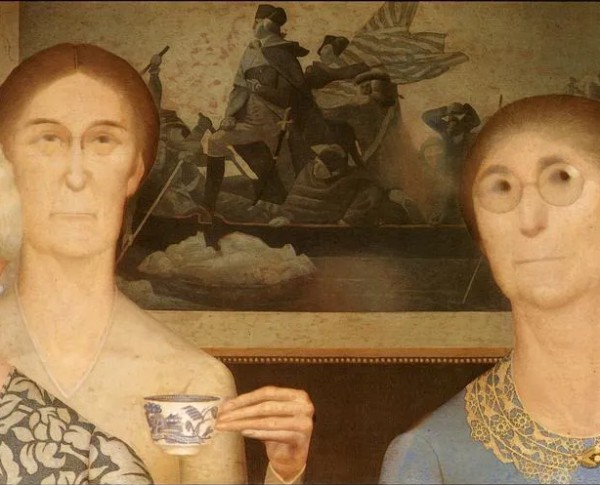
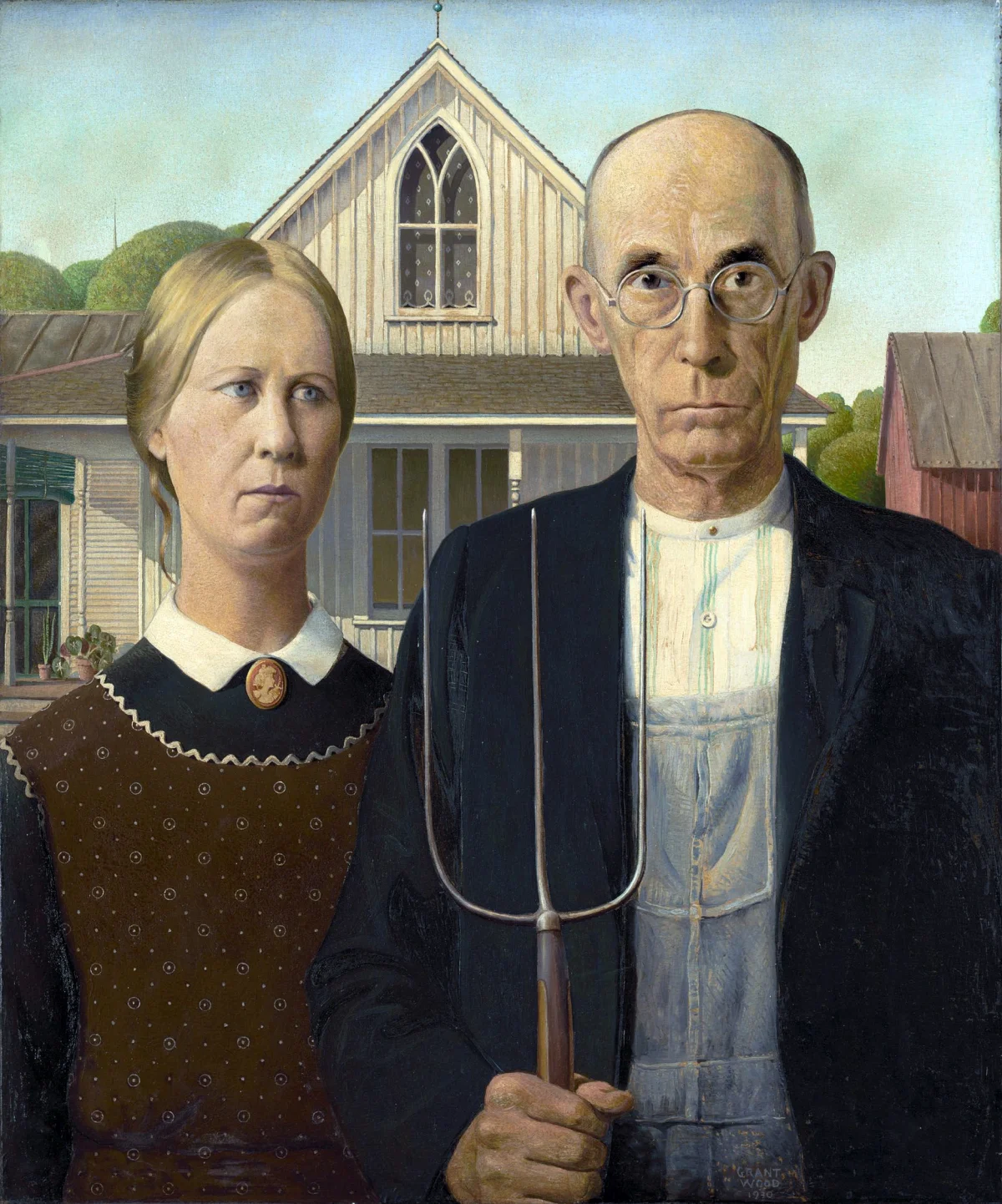
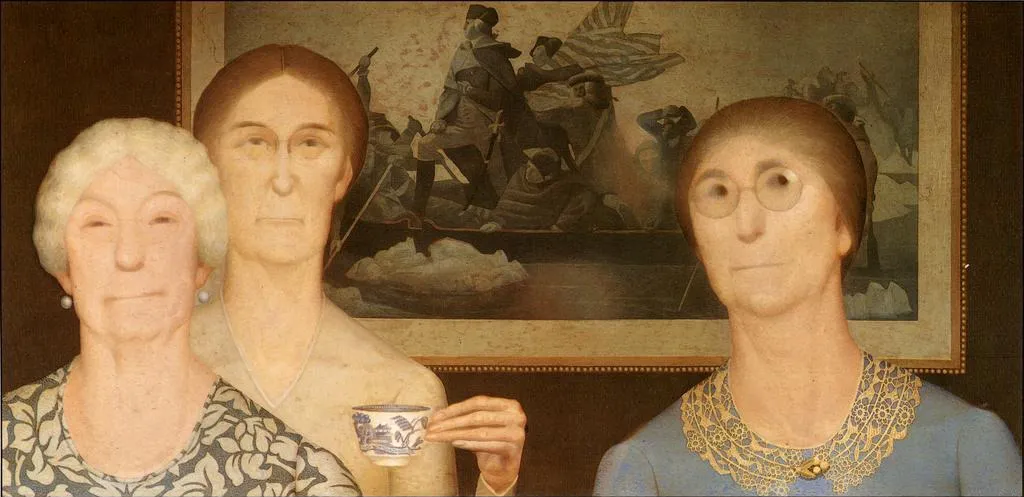
Owning “The Landscape of Autumn” by Grant Wood is a unique opportunity for collectors to possess a piece of American art history. This hand-painted oil painting exemplifies the values of the American Regionalism movement and stands proudly among other celebrated works such as “American Gothic.” For those seeking investment-worthy art, related products like “Old Stone Barn” and “Daughters of Revolution” offer further avenues to enrich any collection.
When Art Meets History
Grant Wood’s "The Landscape of Autumn" stands as a testament to the American Regionalism movement, capturing the essence of rural America during a transformative era. This hand-painted oil painting reflects the social and economic conditions of the 1930s, inviting viewers to explore the landscape’s subtle narratives. Like Wood’s other masterpieces, this work bridges history and art, offering a window into the values and traditions that shaped American identity during a pivotal period.
Techniques That Speak
Using meticulous brushwork and vibrant colors, Grant Wood brought "The Landscape of Autumn" to life with oil on canvas. His signature technique features smooth surfaces and defined forms, creating a sense of harmony and order in the composition. As seen in other American Regionalism works, Wood’s approach emphasizes clarity and structure, allowing each detail to contribute to the painting’s overall impact and making it a standout example of the movement’s technical mastery.
Emotions on Display
"The Landscape of Autumn" evokes a profound sense of nostalgia and tranquility, hallmarks of Grant Wood’s artistic vision. Through his careful depiction of the changing season, the artist invites viewers to reflect on the passage of time and the beauty of everyday life. This fine art painting for sale resonates emotionally, much like other works from the American Regionalism movement, offering a comforting perspective on the rural landscapes that defined an era.
Coveted by Collectors
Collectors and art enthusiasts prize "The Landscape of Autumn" for its historical significance and exquisite craftsmanship. As a celebrated example of American Regionalism by Grant Wood, this hand-painted oil painting attracts those seeking to own a piece of cultural heritage. Its enduring appeal, shared with other iconic works by the artist, ensures its place among the most sought-after pieces in the realm of early 20th-century American art.
Frequently Asked Questions About The Landscape of Autumn
What is the historical context of "The Landscape of Autumn"?
"The Landscape of Autumn" was created during the early 20th century, a period marked by significant changes in American society and art. Grant Wood, influenced by the Regionalism movement, sought to depict rural American life and landscapes, reflecting a sense of nostalgia and connection to the land.
What artistic techniques did Grant Wood use in this painting?
Grant Wood employed a combination of realism and stylization in "The Landscape of Autumn." His use of bold colors, precise lines, and attention to detail creates a vivid representation of the autumn season, while also infusing the work with a sense of idealism and harmony.
What symbolism is present in "The Landscape of Autumn"?
The painting symbolizes the transition and cyclical nature of life, as autumn represents both the beauty of change and the inevitability of decay. The vibrant colors of the foliage evoke feelings of warmth and nostalgia, while also hinting at the passage of time.
How does "The Landscape of Autumn" reflect Grant Wood's artistic philosophy?
Grant Wood believed in the importance of depicting American life and landscapes authentically. "The Landscape of Autumn" embodies his philosophy by celebrating the beauty of the American Midwest and emphasizing the connection between people and the land.
What influences can be seen in the composition of the painting?
The composition of "The Landscape of Autumn" showcases Wood's admiration for both European and American art traditions. The balanced arrangement of elements and the use of perspective reflect influences from the Dutch Masters, while the subject matter is distinctly American.
In what ways does "The Landscape of Autumn" connect to the Regionalism movement?
"The Landscape of Autumn" is a quintessential example of the Regionalism movement, which sought to portray rural American life and landscapes. Wood's focus on the natural beauty of the Midwest and the simplicity of rural existence aligns with the movement's goals of celebrating local culture and identity.
What emotions does "The Landscape of Autumn" evoke in viewers?
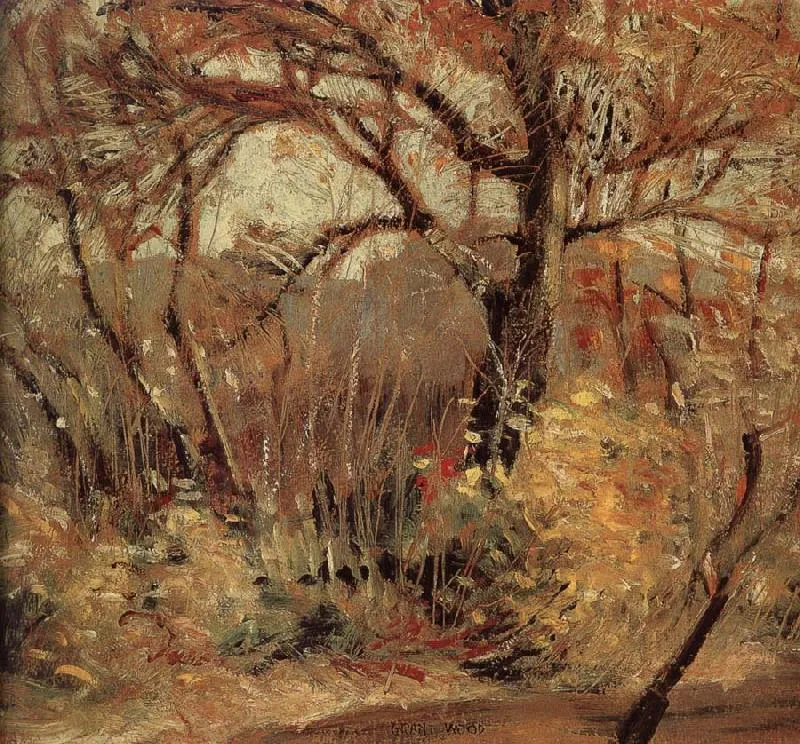
The painting evokes a sense of tranquility and reflection, inviting viewers to appreciate the beauty of nature and the changing seasons. The warm colors and serene landscape create a comforting atmosphere, encouraging a connection to the natural world.
How does "The Landscape of Autumn" compare to Wood's other works?
Compared to Wood's other works, "The Landscape of Autumn" emphasizes the beauty of the natural environment rather than focusing on human figures. While many of his other pieces feature people in rural settings, this painting highlights the landscape itself as a subject worthy of appreciation.
What role does color play in "The Landscape of Autumn"?
Color plays a crucial role in "The Landscape of Autumn," as it conveys the essence of the season. The rich reds, oranges, and yellows of the foliage create a vibrant and dynamic scene, while contrasting with the cooler tones of the sky, enhancing the overall emotional impact of the painting.
What legacy has "The Landscape of Autumn" left in the art world?
"The Landscape of Autumn" has left a lasting legacy as a significant work within the American art canon. It continues to be celebrated for its representation of Regionalism and its ability to evoke a deep appreciation for the American landscape, influencing future generations of artists who seek to capture the beauty of their surroundings.






















_GFM_Painting_(1).webp)


 100% Hand-Painted: Finished in 3-6 Weeks

.png)















_(1).webp)