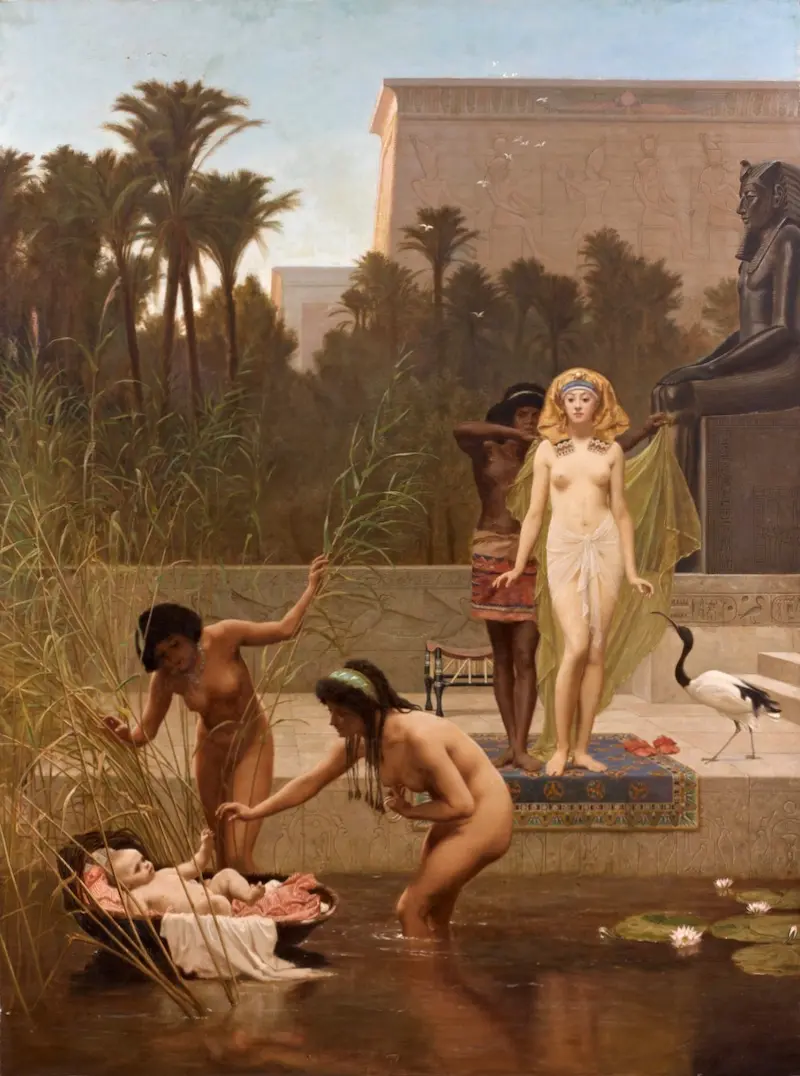
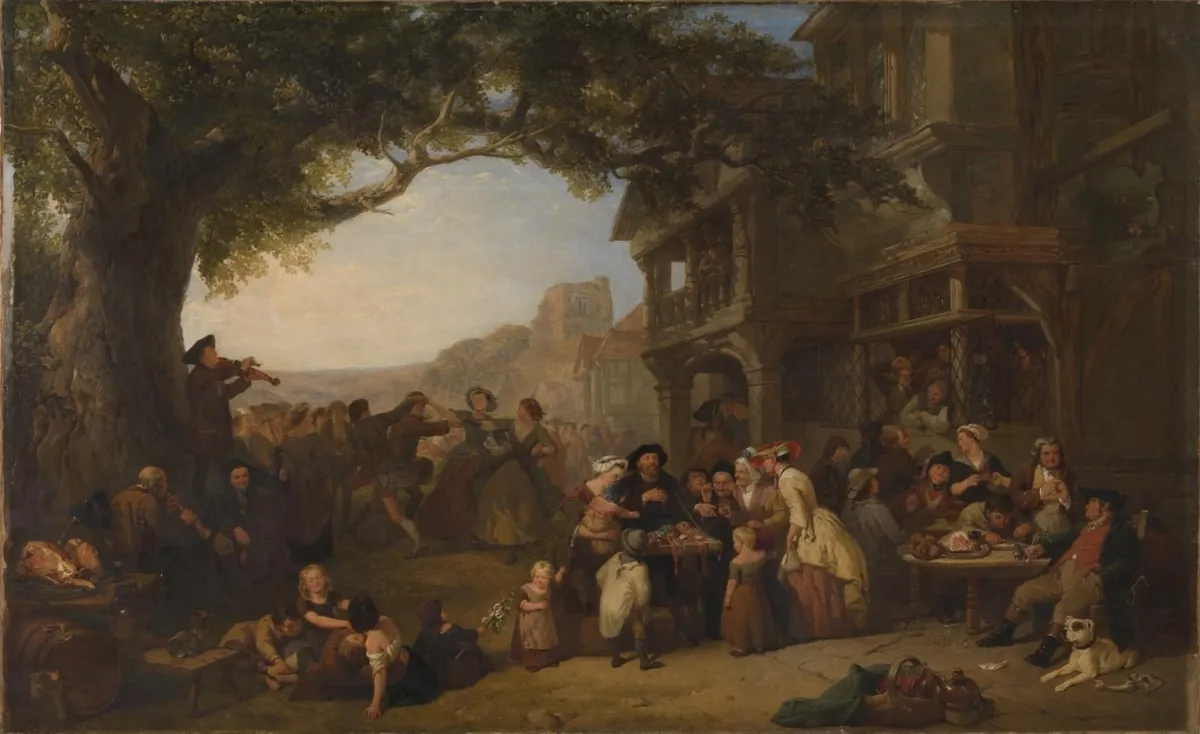
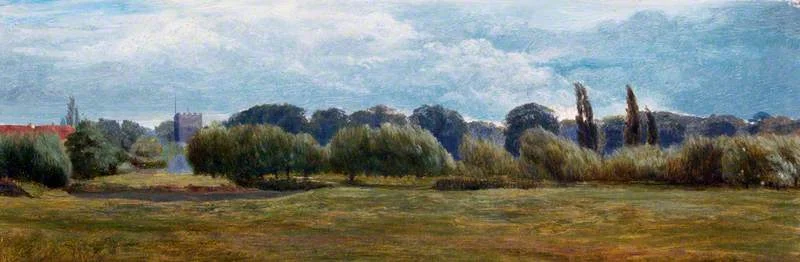
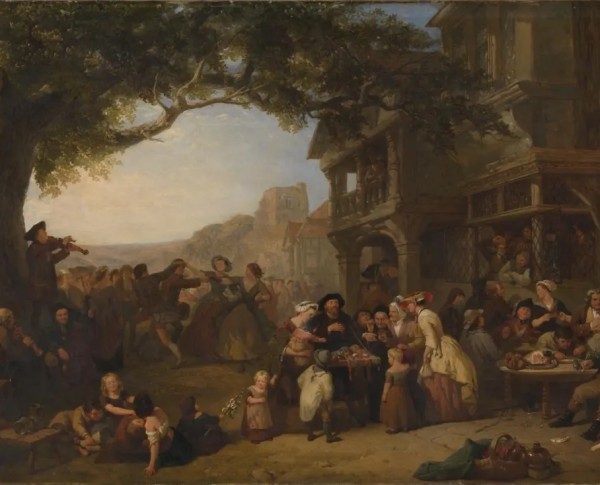
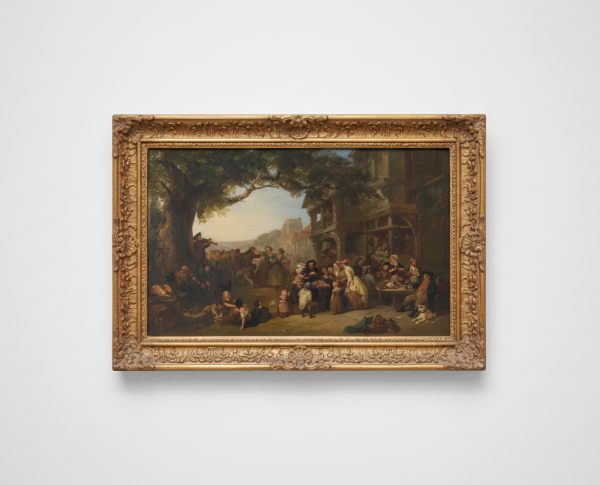
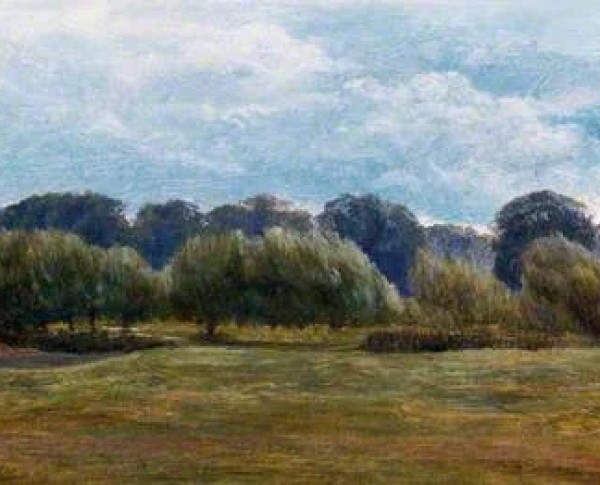
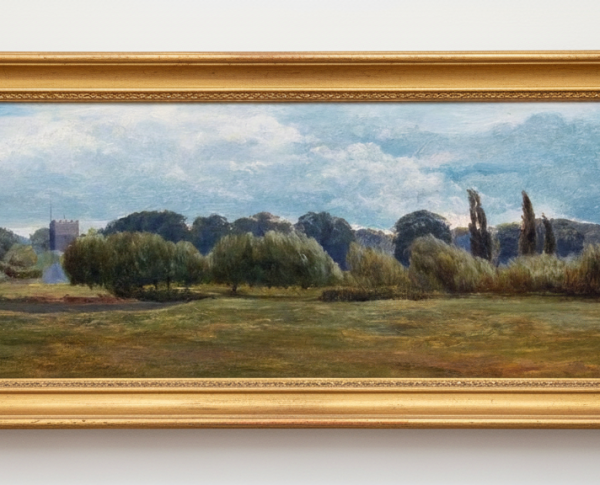
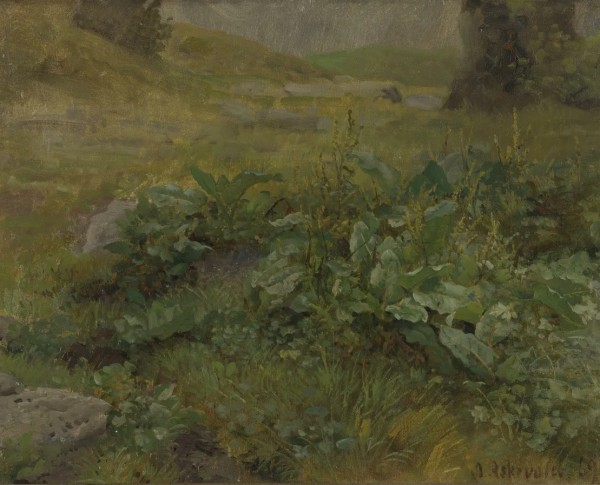
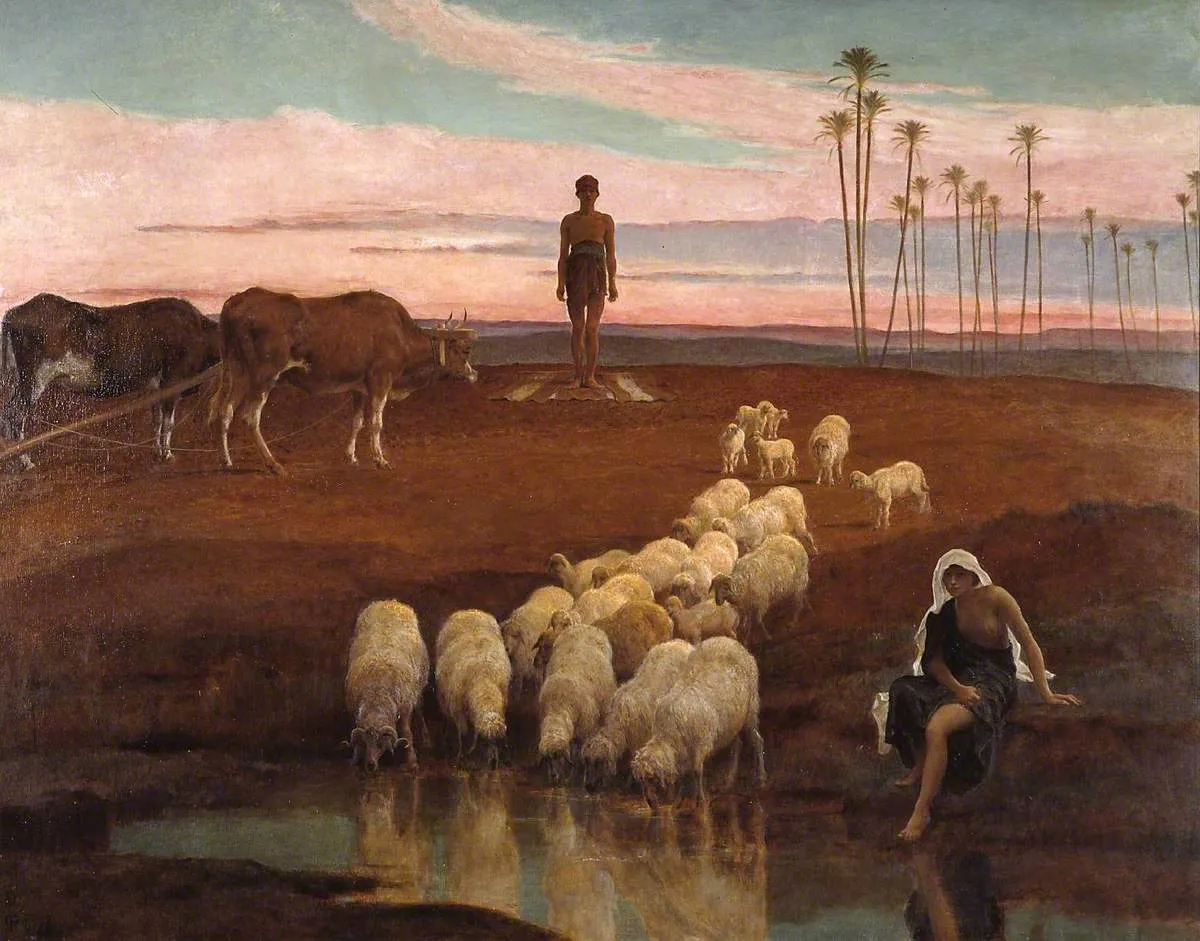
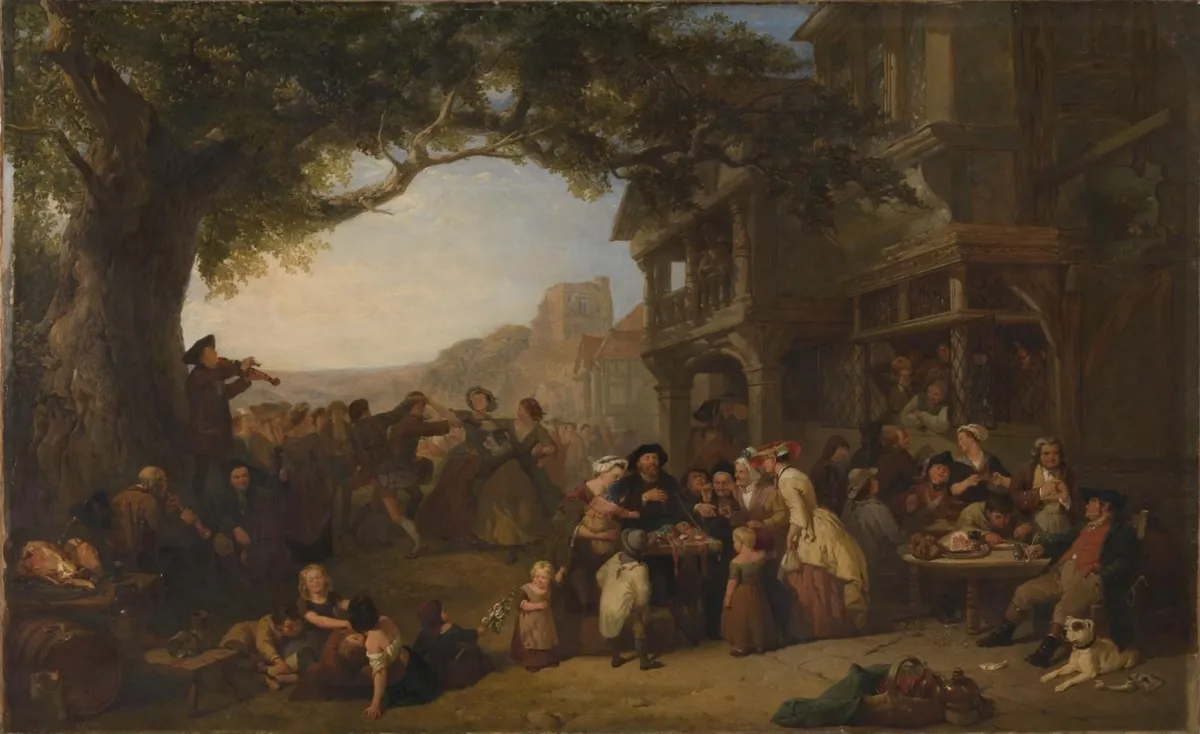
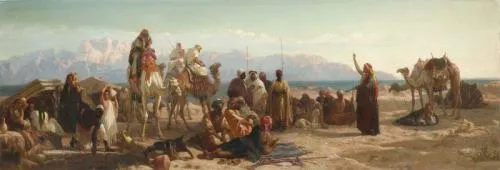
Rendered in exquisite oil on canvas, Goodall’s "The Ploughman And The Shepherdess Time Of The Evening Prayer" showcases the intricate techniques that define Victorian Academic Art. The artist’s meticulous brushwork and attention to detail breathe life into the rural scene, reflecting his commitment to realism and emotion. Similar mastery can be found in his other creations like "The Street Musician" and "The Village Holiday," each exemplifying the unique qualities of oil on canvas artistry.
This fine art painting for sale narrates a serene moment of reflection as the ploughman and shepherdess pause for evening prayer, a theme resonant in Victorian Academic Art. Goodall imbues the scene with symbolism—unity, faith, and rural harmony. Comparable narratives unfold in his works such as "Two Woman And A Man" and the "Photograph By John & Charles Watkins," inviting viewers to explore the deeper stories woven into every fine art painting for sale by the artist.
For collectors, acquiring "The Ploughman And The Shepherdess Time Of The Evening Prayer" by Frederick Goodall means owning a distinguished piece of Victorian Academic Art. This hand-painted oil painting not only enhances any collection but also connects admirers to a rich artistic heritage. Complementary works like "Street Musician" and "Early Morning In The Wilderness Of Shur" further enrich a collection, offering diverse glimpses into Goodall’s celebrated artistic journey and the era he so beautifully depicted.
When Art Meets History
Frederick Goodall’s "The Ploughman And The Shepherdess Time Of The Evening Prayer" is a remarkable example of Victorian Academic Art. This hand-painted oil painting captures the essence of rural English life during the 19th century, reflecting both the traditions and the values of its era. Goodall, renowned for his evocative scenes, masterfully weaves history and daily ritual, making this work a vital link in the tradition of narrative art that defines the Victorian Academic Art movement.
Techniques That Speak
Goodall’s use of oil on canvas in "The Ploughman And The Shepherdess Time Of The Evening Prayer" showcases his technical brilliance and eye for detail. His brushwork blends soft evening light with the subtle textures of the landscape, highlighting the figures’ gentle postures and serene surroundings. As with many fine art paintings for sale from the Victorian period, the careful layering and glazing techniques add depth and realism, making this artwork a testament to classical academic training.
Emotions on Display
In "The Ploughman And The Shepherdess Time Of The Evening Prayer," Frederick Goodall conveys a profound sense of peace and spirituality. The figures pause for prayer as dusk settles, reflecting themes of devotion and connection to the land. This hand-painted oil painting resonates with viewers through its warm palette and emotive composition, qualities that are hallmarks of the Victorian Academic Art movement and seen in other works by Goodall.
Coveted by Collectors
Frederick Goodall’s "The Ploughman And The Shepherdess Time Of The Evening Prayer" is highly sought after among enthusiasts of Victorian Academic Art. Collectors prize this oil on canvas for its historical authenticity and masterful execution. As a fine art painting for sale, it stands as a testament to Goodall’s legacy and the enduring appeal of narrative-driven artworks from this era, making it a valuable addition to any serious collection.
Frequently Asked Questions About The Ploughman And The Shepherdess Time Of The Evening Prayer
What is the historical context of "The Ploughman And The Shepherdess Time Of The Evening Prayer"?
This painting, created by Frederick Goodall in the 19th century, reflects the pastoral themes prevalent during the Victorian era, a time when rural life was romanticized and idealized in art.
Who was Frederick Goodall and what is his significance in art history?
Frederick Goodall was a prominent British painter known for his detailed depictions of rural life and landscapes. His work often captured the harmony between humans and nature, making him a notable figure in Victorian art.
What artistic techniques are employed in this painting?
Goodall utilized a combination of realism and romanticism, employing meticulous brushwork and a rich color palette to create a serene and contemplative atmosphere in the scene.
What symbols are present in "The Ploughman And The Shepherdess Time Of The Evening Prayer"?
The painting symbolizes the connection between labor and spirituality, with the evening prayer representing a moment of reflection and gratitude for the day's work, highlighting the importance of faith in everyday life.
How does the composition of the painting contribute to its meaning?
The balanced composition, featuring the ploughman and shepherdess in a harmonious setting, emphasizes the unity of human endeavor and nature, suggesting a peaceful coexistence and mutual respect.
What role does light play in this artwork?
The use of light in the painting creates a warm, inviting atmosphere, symbolizing hope and tranquility, while also drawing attention to the figures and their interaction with the landscape.
In what ways does this painting reflect Victorian values?
The painting reflects Victorian values by idealizing rural life, emphasizing hard work, and portraying a moralistic view of nature, which was seen as a source of inspiration and solace during the industrial age.
What emotions does the painting evoke in viewers?
Viewers may experience feelings of peace, nostalgia, and reverence, as the scene captures a tranquil moment that encourages reflection on the simplicity and beauty of rural life.
How does "The Ploughman And The Shepherdess Time Of The Evening Prayer" compare to other works by Goodall?
This painting is characteristic of Goodall's focus on pastoral themes, yet it stands out for its emotional depth and the serene portrayal of spirituality intertwined with daily life, showcasing his artistic evolution.
What impact did this painting have on contemporary artists of Goodall's time?
The work influenced contemporary artists by reinforcing the appreciation for rural themes and the exploration of spirituality in art, encouraging a movement towards more introspective and nature-focused subjects.























_GFM_Painting_(1).webp)


 100% Hand-Painted: Finished in 3-6 Weeks

.png)















_(1).webp)