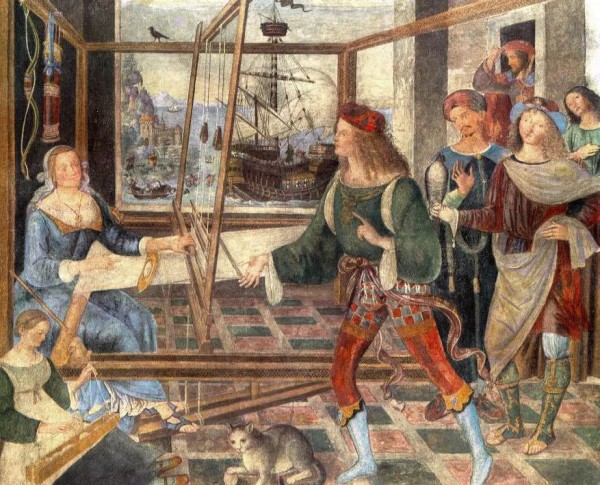
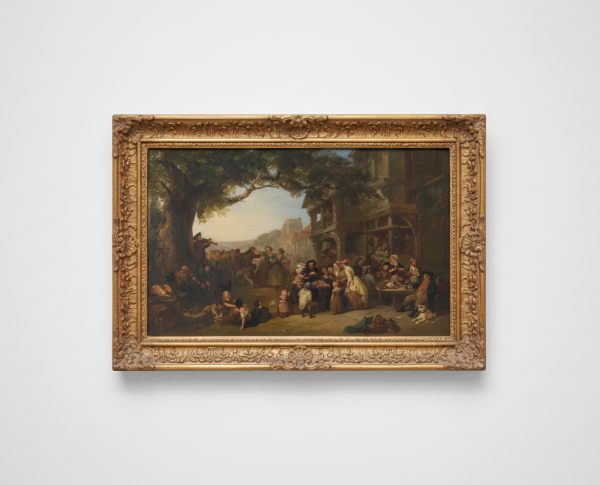
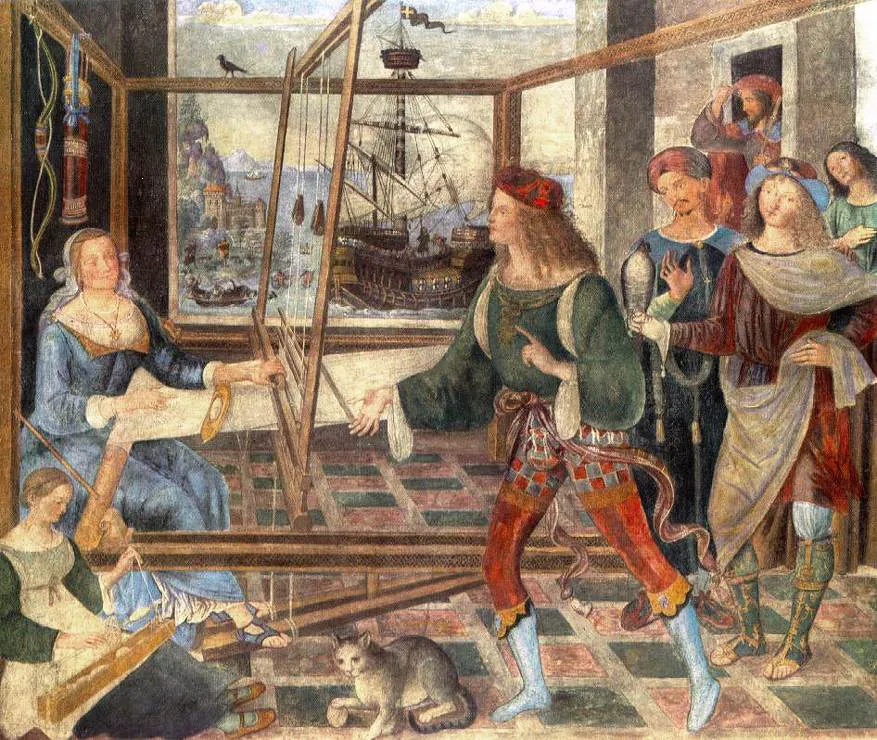
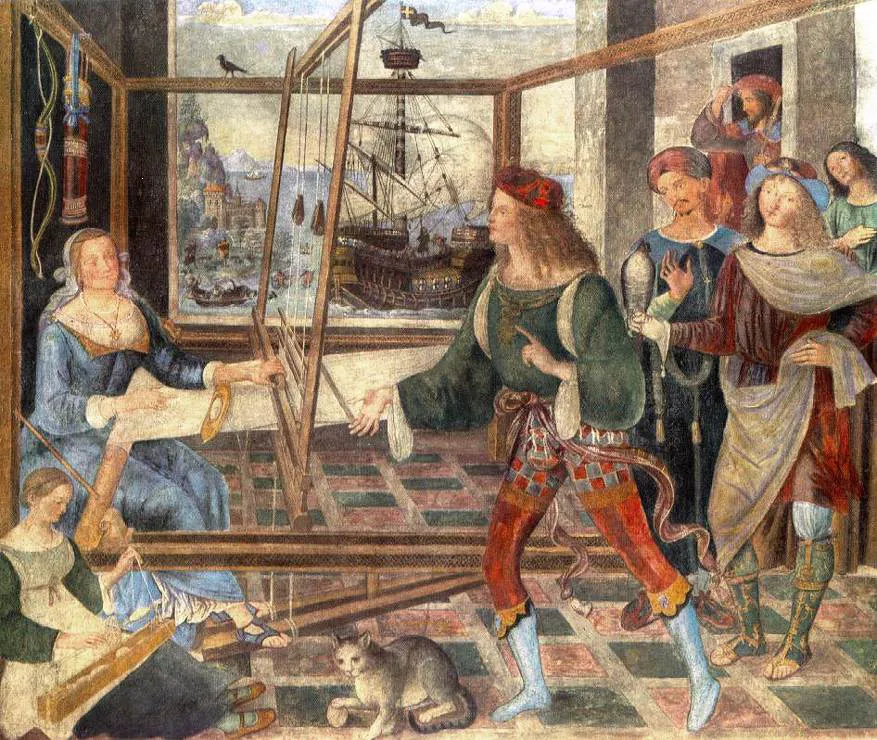
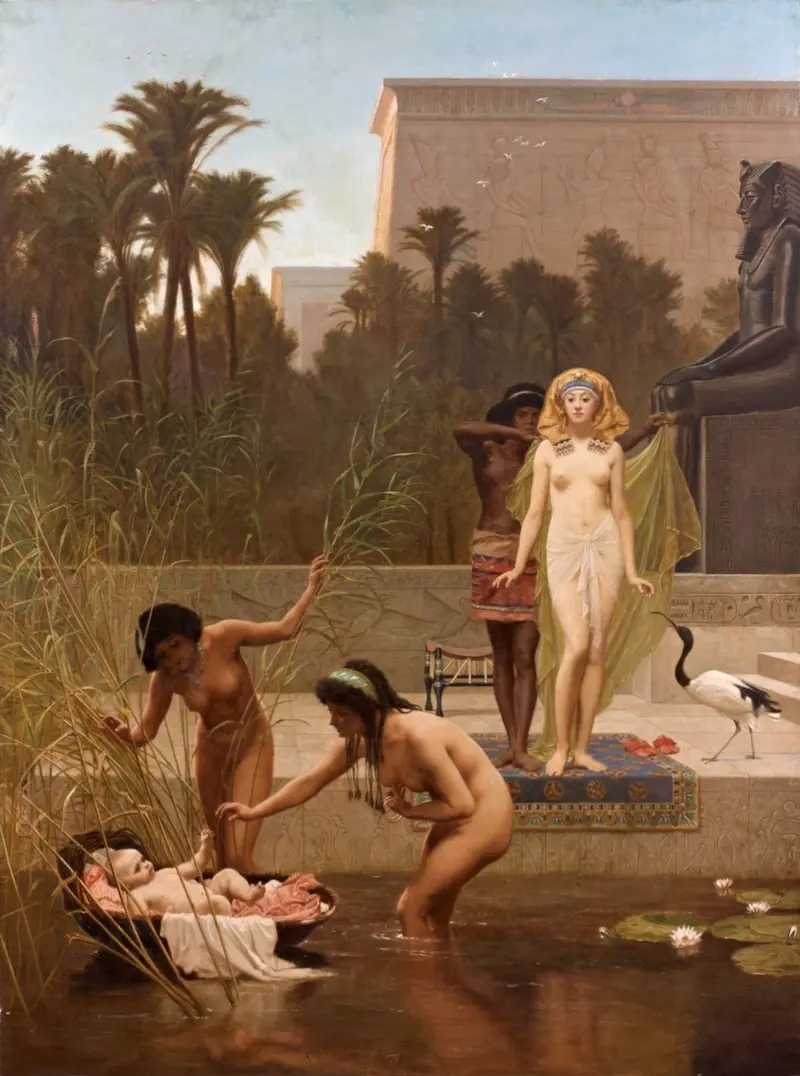
Frederick Goodall’s technique in "The Return of Ulysses" is a brilliant example of oil on canvas craftsmanship. His meticulous brushwork and rich color palette exemplify the technical prowess characteristic of the Victorian Academic Art movement. The painting’s lifelike textures and dramatic lighting demonstrate Goodall’s ability to breathe life into classical themes. Collectors and admirers of oil on canvas works will appreciate the artist’s dedication to quality, making this piece a valuable addition to any refined collection.
"The Return of Ulysses" is more than a fine art painting for sale; it’s a visual retelling of an epic journey. Goodall weaves classical mythology with Victorian sensibilities, using symbolic imagery to evoke themes of homecoming and perseverance. The painting’s narrative depth reflects the movement’s fascination with storytelling through art. For those seeking a fine art painting for sale that merges literary inspiration with artistic excellence, Goodall’s work remains a compelling and meaningful choice.
As a celebrated work within the Victorian Academic Art movement, "The Return of Ulysses" by Frederick Goodall is a coveted treasure for collectors. This hand-painted oil painting not only enriches private collections but also serves as a conversation piece for discerning art lovers. With its historical significance and exquisite execution, it stands among the most sought-after works for those interested in acquiring a unique piece of 19th-century artistry. Discover the allure of owning a true masterpiece today.
When Art Meets History
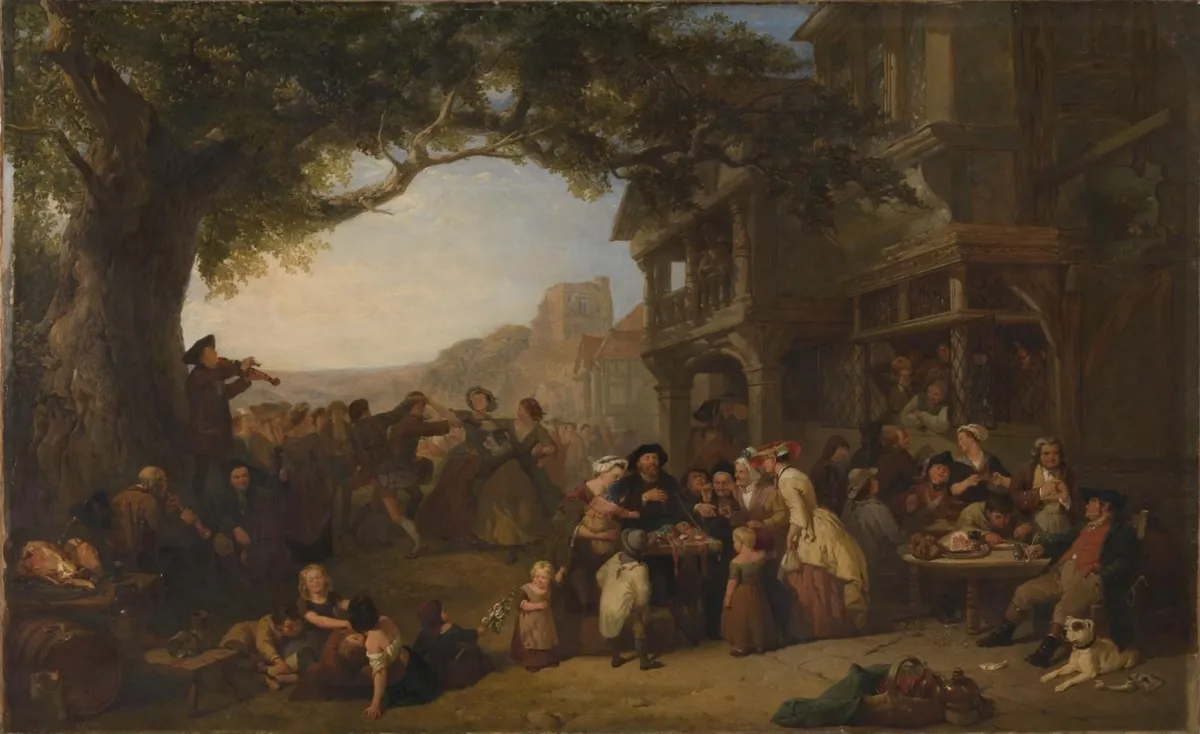
Frederick Goodall’s "The Return of Ulysses" is a shining example of Victorian Academic Art, where storytelling and technical mastery intertwine. This hand-painted oil painting vividly reimagines the ancient Greek hero’s homecoming, drawing viewers into a world of myth and legend. Goodall, renowned for his historical and religious scenes, showcases his passion for narrative depth, much like other works from this influential movement. Collectors and enthusiasts cherish such pieces for their rich historical context and timeless artistry.
Techniques That Speak
In "The Return of Ulysses," Goodall’s expert use of oil on canvas demonstrates the meticulous craftsmanship characteristic of Victorian Academic Art. The artist’s attention to detail, vibrant colors, and masterful rendering of light create a scene brimming with life and emotion. By employing traditional oil painting techniques, Goodall elevates the mythological subject, making it resonate with contemporary audiences. This technique is also evident in other celebrated works from the same era, reflecting the movement’s commitment to excellence.
Emotions on Display
Frederick Goodall’s "The Return of Ulysses" captures the poignant reunion of Ulysses and his loved ones, a moment filled with suspense and heartfelt emotion. The fine art painting for sale draws viewers into the hero’s journey, conveying longing, relief, and joy through expressive faces and dynamic composition. Goodall’s ability to evoke such powerful emotions aligns with the best of Victorian Academic Art, making this work especially appealing to those who appreciate narrative-driven masterpieces.
Coveted by Collectors
As a prime example of Victorian Academic Art, "The Return of Ulysses" by Frederick Goodall holds significant appeal among collectors seeking hand-painted oil paintings with historical and artistic value. Its blend of classical themes and technical brilliance makes it a standout piece in any collection. Goodall’s reputation, combined with the enduring popularity of oil on canvas works from this era, ensures continued interest in this and similar masterpieces for art lovers and historians alike.
Frequently Asked Questions About The Return of Ulysses
What is the historical context of "The Return of Ulysses"?
"The Return of Ulysses" was painted by Frederick Goodall in the 19th century, a period marked by a revival of interest in classical themes and narratives. The painting draws from Homer's epic poem, "The Odyssey," which recounts Ulysses' long journey home after the Trojan War.
What artistic techniques did Frederick Goodall employ in this painting?
Goodall utilized a combination of realism and romanticism in "The Return of Ulysses." His meticulous attention to detail, particularly in the depiction of textures and fabrics, showcases his skill in rendering lifelike figures and landscapes, while the dramatic composition enhances the emotional impact of the scene.
What are the key themes represented in "The Return of Ulysses"?
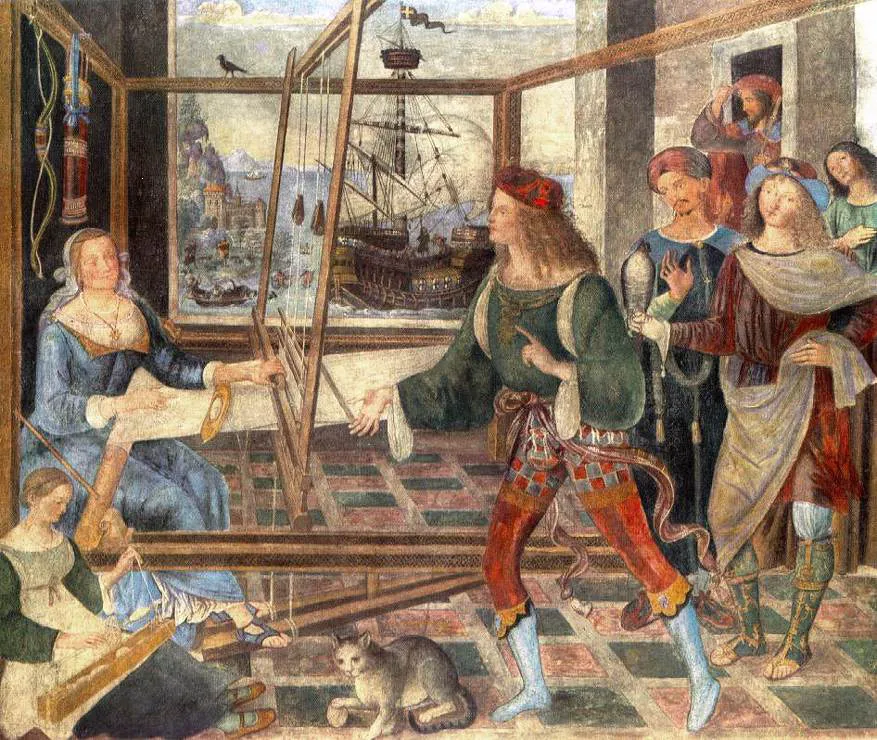
The painting encapsulates themes of homecoming, loyalty, and the trials of life. Ulysses' return symbolizes the enduring human spirit and the quest for belonging, while the presence of Penelope highlights themes of fidelity and patience.
Who are the main figures depicted in the painting?
The central figures in "The Return of Ulysses" are Ulysses and his wife, Penelope. Ulysses is portrayed as a weary yet determined hero, while Penelope embodies grace and resilience, waiting faithfully for her husband's return.
What symbolism can be found in the elements of the painting?
The painting is rich in symbolism; for instance, the olive tree in the background represents peace and prosperity, while the sea symbolizes the trials and challenges faced by Ulysses. The contrasting expressions of the characters further emphasize the emotional weight of reunion.
How does "The Return of Ulysses" reflect the values of the Victorian era?
The painting reflects Victorian values such as loyalty, domesticity, and moral integrity. It emphasizes the importance of family and the virtues of patience and fidelity, which were highly regarded during this period.
What is the significance of the color palette used in the painting?
Goodall's color palette features warm earth tones and rich blues, which evoke a sense of nostalgia and warmth. The use of light and shadow creates depth and highlights the emotional intensity of the moment, drawing the viewer into the narrative.
In what ways does this painting connect to classical literature?
"The Return of Ulysses" is deeply rooted in classical literature, specifically "The Odyssey." Goodall's interpretation invites viewers to reflect on the timeless themes of adventure, love, and the human condition, bridging the gap between ancient and modern storytelling.
What impact did "The Return of Ulysses" have on contemporary art?
The painting contributed to the 19th-century fascination with classical themes and narratives, influencing other artists to explore similar subjects. It also helped to establish Goodall's reputation as a significant figure in the genre of historical and literary painting.
Where can I view "The Return of Ulysses" today?
"The Return of Ulysses" is part of various collections and may be displayed in art galleries or museums that focus on 19th-century British art. Please check with local institutions for current exhibitions featuring this artwork.






















_GFM_Painting_(1).webp)


 100% Hand-Painted: Finished in 3-6 Weeks

.png)
















_(1).webp)