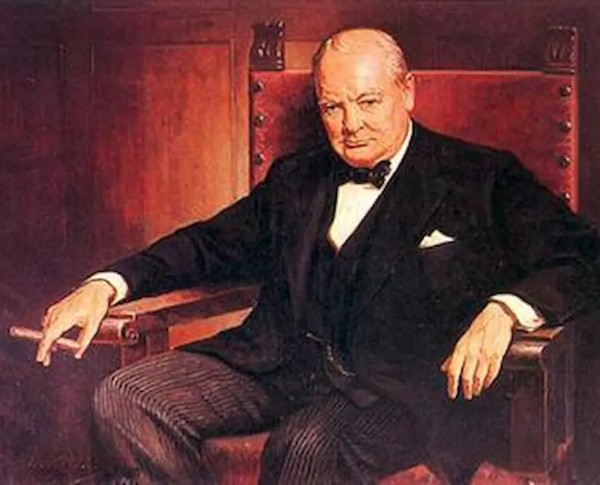
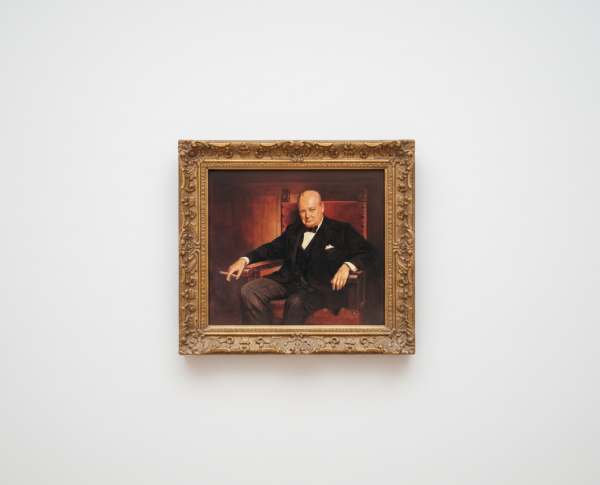
With meticulous attention to detail, Arthur Pan’s "Alderman Eric John Sidney Hinde" exemplifies the artistry of oil on canvas within the Classical Realism movement. Every brushstroke reveals Pan’s dedication to capturing character and dignity, inviting viewers to appreciate the technical prowess behind this piece. This painting stands alongside other remarkable works such as those of Claude Grahame-White and Sir Winston Churchill, offering a rich narrative through its lifelike representation and exquisite finish.
In this fine art painting for sale, Arthur Pan weaves subtle stories and symbols into "Alderman Eric John Sidney Hinde (1905–1987), MA." The composition, attire, and background elements speak to Hinde’s role in public life, embodying the ideals of service and leadership. The Classical Realism movement’s emphasis on narrative depth is evident in this work, as it is in Pan’s other notable portraits, including those of Winston Churchill and Jan Christian Smuts, making each canvas a rich historical document.
For collectors seeking a distinguished hand-painted oil painting, Arthur Pan’s portrait of Alderman Eric John Sidney Hinde offers both aesthetic beauty and historical value. As a fine example of Classical Realism, it pairs seamlessly with related works like those depicting Sir Winston Churchill and Claude Grahame-White. Owning such a piece connects one to a tradition of excellence, making it a prized addition for anyone seeking a fine art painting for sale that resonates with legacy and artistry.
When Art Meets History
"Alderman Eric John Sidney Hinde (1905–1987), MA" by Arthur Pan stands as a testament to the Classical Realism movement. This hand-painted oil painting immortalizes a distinguished figure in British history, capturing both character and era. Arthur Pan, renowned for his portraits, brings to life the dignity and gravitas of Alderman Hinde. Like other works in Classical Realism, the painting bridges the gap between art and historical documentation, ensuring that the subject’s legacy endures for future generations.
Techniques That Speak
Arthur Pan’s mastery is evident in the delicate brushwork and nuanced use of color in this oil on canvas. The Classical Realism movement values precision, and Pan’s attention to the textures of fabric, skin, and background is exemplary. Each stroke reflects his commitment to lifelike representation, setting this painting apart from more abstract styles. The oil on canvas technique used here is reminiscent of related paintings from the same era, highlighting the timeless appeal of traditional portraiture.
Emotions on Display
This fine art painting for sale is more than just a likeness; it is a window into the subject’s soul. Arthur Pan’s skillful rendering of Alderman Hinde’s expression conveys introspection and wisdom, hallmarks of Classical Realism. The painting’s mood is contemplative, inviting viewers to connect emotionally with the sitter. Like other works by Pan, this portrait demonstrates how fine art can evoke empathy and admiration, making it a coveted piece for collectors and enthusiasts alike.
Coveted by Collectors
Collectors prize "Alderman Eric John Sidney Hinde (1905–1987), MA" for its historical significance and exceptional artistry. As a hand-painted oil painting by Arthur Pan, it embodies the ideals of the Classical Realism movement. The demand for such pieces is high, especially given Pan’s reputation and the painting’s connection to British heritage. For those seeking a fine art painting for sale that combines technical brilliance with cultural importance, this portrait is an outstanding choice.
Frequently Asked Questions About Alderman Eric John Sidney Hinde (1905–1987), MA
What is the historical significance of the subject, Alderman Eric John Sidney Hinde?
Alderman Eric John Sidney Hinde was a prominent figure in local governance and community service during the mid-20th century, known for his contributions to public welfare and civic development.
Who is the artist of this painting, and what is his artistic background?
The painting is created by Arthur Pan, an artist recognized for his ability to blend realism with expressive techniques, often focusing on portraits that capture the essence of his subjects.
What artistic techniques did Arthur Pan employ in this portrait?
Arthur Pan utilized a combination of oil painting techniques, including glazing and layering, to achieve depth and a lifelike representation of Alderman Hinde.
What symbols can be found in the painting, and what do they represent?
The painting incorporates symbols such as the mayoral chain, representing authority and leadership, and elements of the local landscape, signifying Hinde's connection to the community he served.
How does this painting reflect the social and political climate of its time?
This portrait reflects the post-war era's emphasis on civic responsibility and community leadership, highlighting the importance of local governance in rebuilding society after the war.
What influences can be seen in Arthur Pan's style in this work?
Pan's style in this portrait shows influences from both traditional portraiture and modernist techniques, blending realism with a subtle abstraction that enhances the emotional depth of the subject.
What materials were used in the creation of this painting?
The painting is executed in oil on canvas, a medium favored for its richness in color and ability to create texture, allowing for detailed and expressive representation.
What is the significance of the color palette used in the painting?
The color palette is characterized by warm earth tones, which evoke a sense of stability and approachability, reflecting Hinde's character and his role in the community.
How does this painting compare to other portraits of public figures from the same era?
This portrait stands out due to its intimate portrayal of Hinde, focusing not only on his public persona but also on his personal attributes, which was a departure from more formalized representations common in that era.
What impact did Alderman Hinde have on the community, as depicted in the painting?
The painting captures Hinde's dedication to public service, symbolizing his influence in promoting community initiatives and fostering a sense of unity among residents during his tenure.
















_GFM_Painting_(1).webp)



 100% Hand-Painted: Finished in 3-6 Weeks

.png)















_(1).webp)