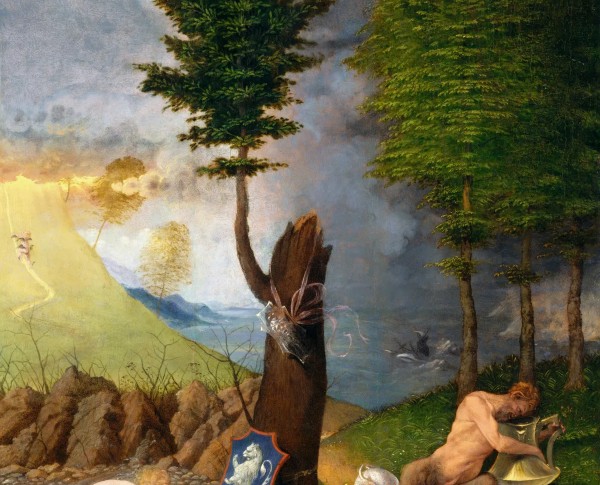
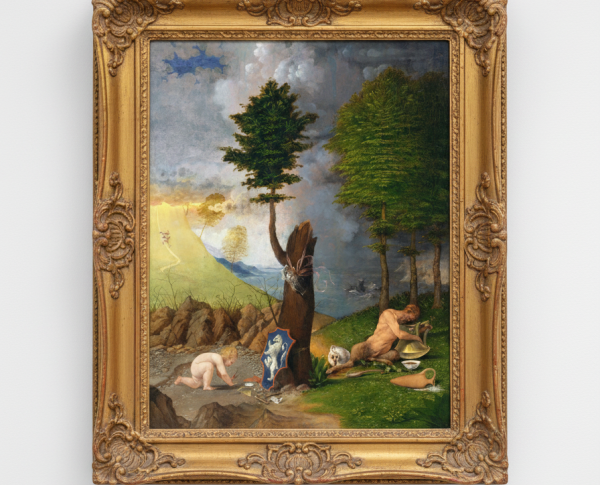
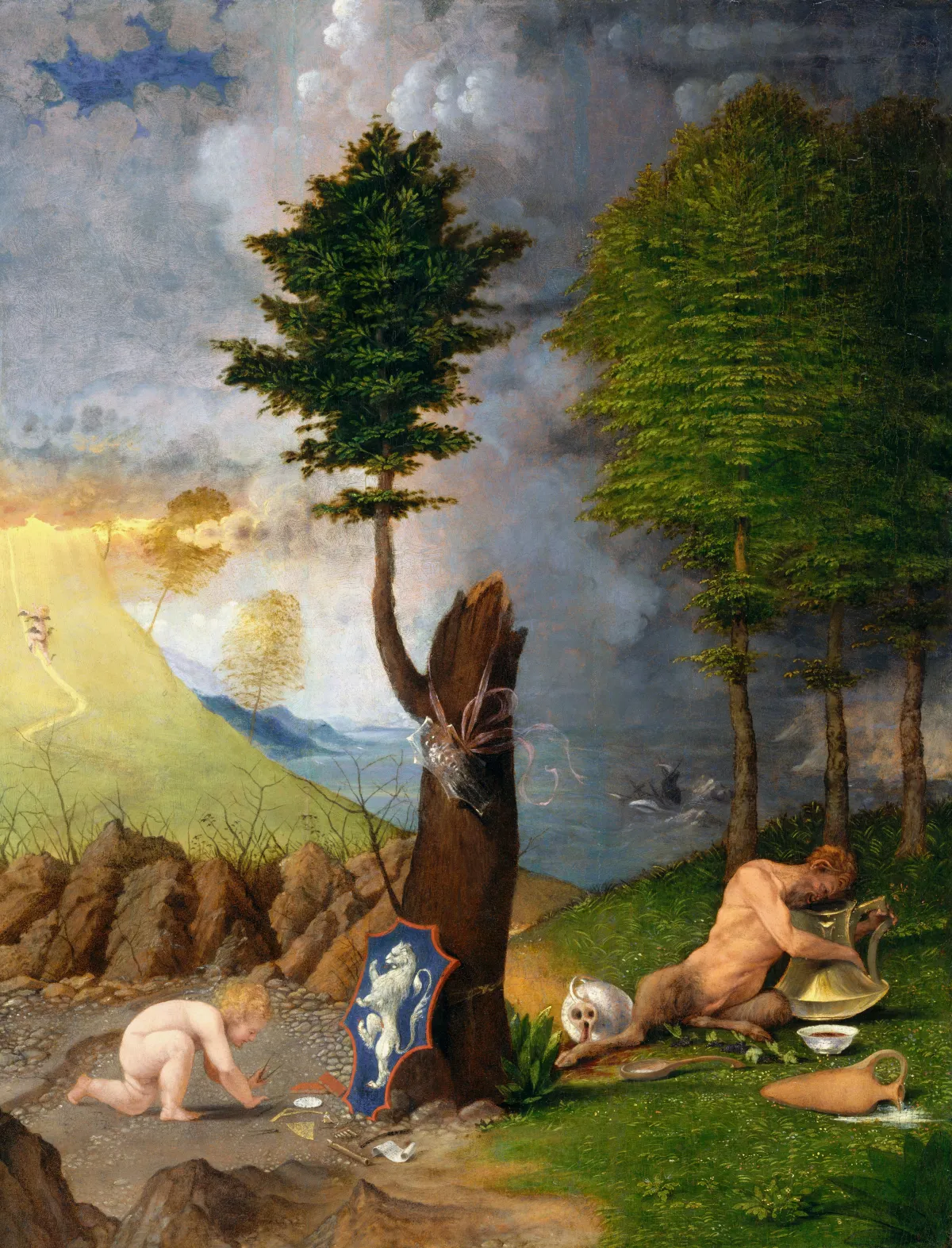
Veronese’s technique with oil on canvas is evident in the vibrant colors and lifelike figures of “Allegory of Virtue and Vice.” The painting showcases the artist’s ability to blend classical themes with dynamic composition, a hallmark of the Renaissance. Similar to “Portrait of a gentleman in a fur” and “Unfaithfulness,” this artwork demonstrates Veronese’s precision and attention to detail. Experience the sophistication of Renaissance artistry in every oil on canvas masterpiece he created.
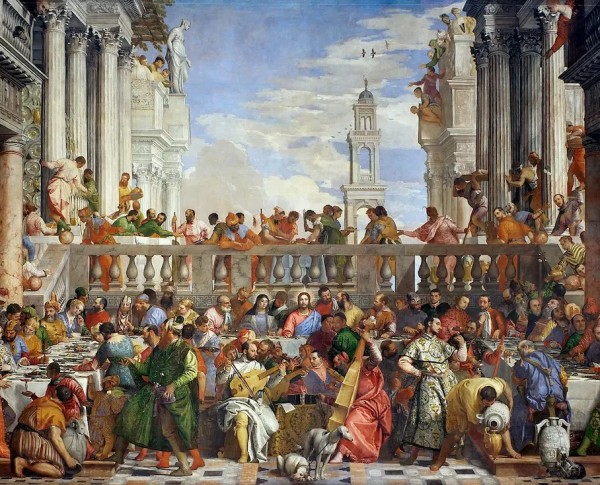
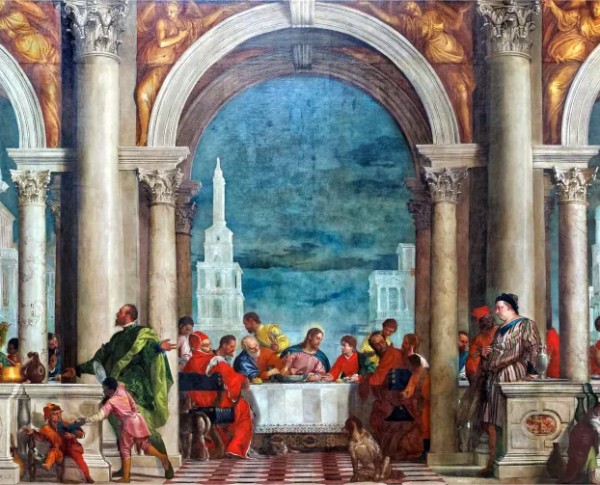
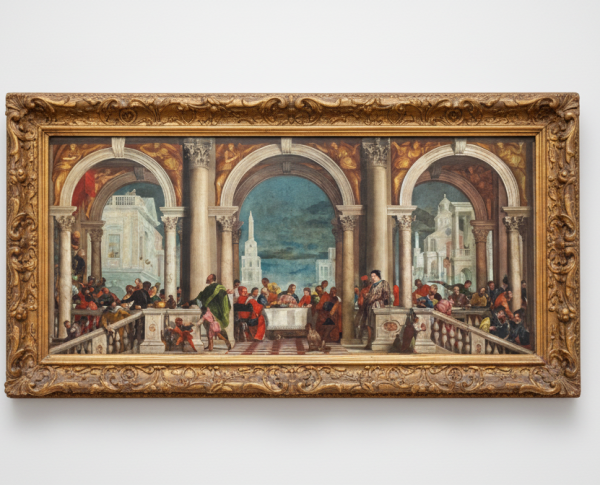
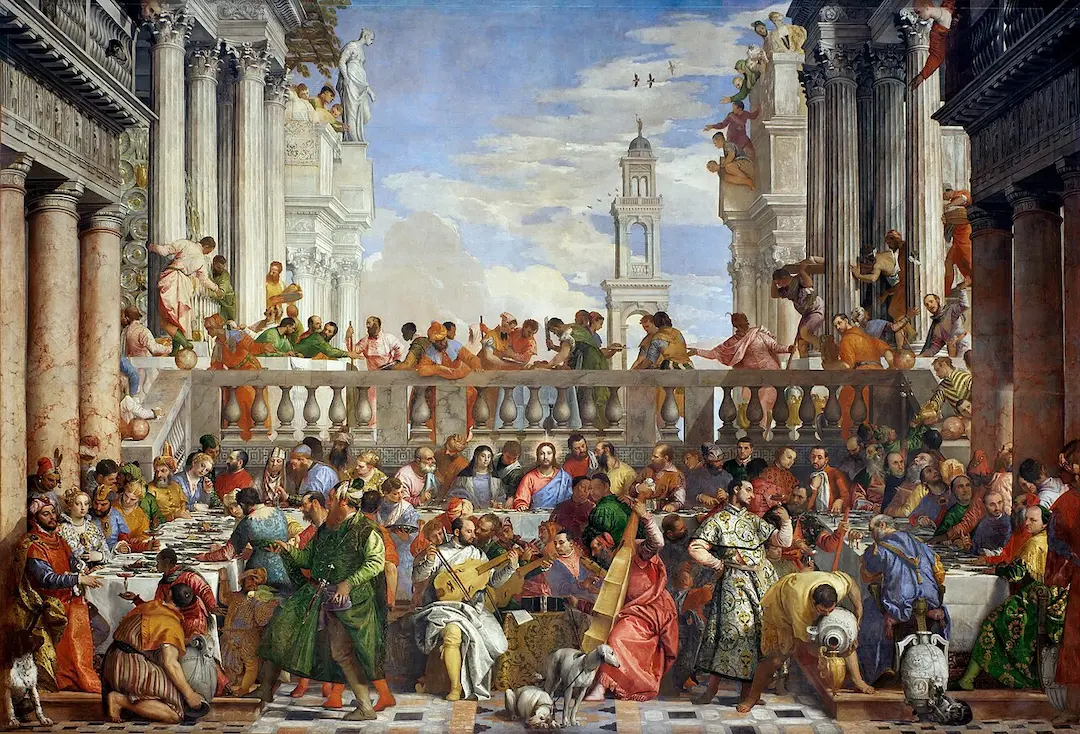
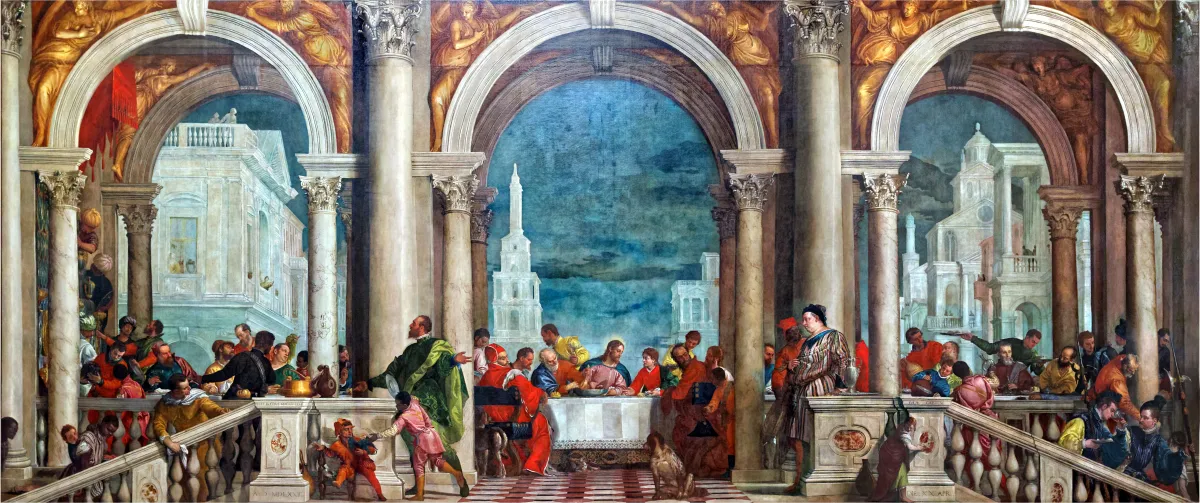
“Allegory of Virtue and Vice” is rich with symbolic meaning, capturing the eternal struggle between moral righteousness and temptation. Veronese’s fine art painting for sale invites viewers to interpret the intricate gestures and expressions of each figure. This theme resonates with his other works like “The Marriage Feast at Cana, c.1562” and “The Vision of St. Helena.” Collectors and art enthusiasts alike are drawn to the storytelling power of this fine art painting for sale.
Owning a piece like Veronese’s “Allegory of Virtue and Vice” is a rare opportunity for any art lover. As a hand-painted oil painting from the Renaissance movement, it exemplifies both artistic and historical value. Collectors often seek related works such as “The Madonna of the Cuccina Family” or “The Vision of St. Helena” to complement their collections. This masterpiece is not only a visual delight but also a prized collector’s treasure.
When Art Meets History
Paolo Veronese’s "Allegory of Virtue and Vice" stands as a remarkable hand-painted oil painting from the Renaissance era. Created in the 16th century, this masterpiece reflects the vibrant cultural and intellectual shifts of its time. Veronese, renowned for his grand compositions and dramatic storytelling, infuses this work with moral symbolism. As with his other significant pieces, this painting embodies the ideals and complexities that define Renaissance art, making it a pivotal reference in art history.
Techniques That Speak
Veronese’s "Allegory of Virtue and Vice" showcases his exceptional skill in oil on canvas, a medium favored by Renaissance masters. The artist’s deft use of color, light, and perspective brings the allegorical figures to life, demonstrating his technical brilliance. Through careful layering and glazing techniques, Veronese achieves a luminous quality that sets his work apart. This painting, like many of his celebrated oil on canvas artworks, exemplifies the innovative spirit of the Renaissance movement.
Emotions on Display
In "Allegory of Virtue and Vice," Paolo Veronese masterfully conveys a powerful emotional narrative through expressive gestures and vivid facial expressions. The painting’s figures embody the eternal struggle between good and evil, inviting viewers to reflect on their own moral choices. As a fine art painting for sale, it continues to captivate audiences with its timeless message. Veronese’s ability to evoke deep emotion is a hallmark of his Renaissance masterpieces.
Coveted by Collectors
Paolo Veronese’s "Allegory of Virtue and Vice" remains highly sought after in the world of fine art collecting, celebrated for its historical significance and artistic mastery. Collectors value this hand-painted oil painting for its exquisite detail and enduring cultural importance. As one of the most iconic works of the Renaissance, it stands alongside Veronese’s other masterpieces, offering a glimpse into the artistic achievements of the era and the allure of museum-quality art.
Frequently Asked Questions About Allegory of Virtue and Vice
What is the historical context of "Allegory of Virtue and Vice"?
"Allegory of Virtue and Vice" was created during the late Renaissance period, a time characterized by a resurgence of interest in classical philosophy and humanism. This painting reflects the moral and ethical dilemmas of the era, emphasizing the struggle between good and evil.
Who was Paolo Veronese, and what is his significance in art history?
Paolo Veronese was an Italian painter known for his large-scale history paintings and vibrant use of color. He was a prominent figure in the Venetian school and played a crucial role in the development of Baroque art, influencing many artists with his dramatic compositions and elaborate narratives.
What are the main themes depicted in the painting?
The painting explores the themes of morality, choice, and the human condition, illustrating the eternal conflict between virtue and vice. It serves as a visual representation of the philosophical ideas surrounding ethics and the consequences of one's actions.
What symbols are present in "Allegory of Virtue and Vice"?
The painting is rich in symbolism, featuring figures that represent various virtues such as wisdom, justice, and temperance, contrasted with personifications of vice, including greed and lust. These symbols invite viewers to reflect on their own moral choices.
How does Veronese's use of color contribute to the painting's message?
Veronese employs a vibrant color palette to enhance the emotional impact of the painting. The contrasting colors used for the figures of virtue and vice serve to highlight their opposing natures, drawing the viewer's attention to the moral dichotomy presented in the work.
What artistic techniques did Veronese utilize in this painting?
Veronese is known for his masterful use of perspective, composition, and chiaroscuro. In "Allegory of Virtue and Vice," he skillfully arranges the figures to create a dynamic sense of movement and depth, guiding the viewer's eye through the narrative of the painting.
In what ways does this painting reflect Renaissance ideals?
The painting embodies Renaissance ideals by emphasizing humanism and the importance of individual choice. It reflects the era's fascination with classical philosophy, particularly the moral teachings of ancient thinkers, and encourages viewers to contemplate their own ethical decisions.
What is the significance of the figures depicted in the painting?
The figures in "Allegory of Virtue and Vice" serve as allegorical representations of moral concepts. Each figure embodies specific traits and lessons, inviting viewers to engage with the painting on a deeper philosophical level and consider the implications of virtue and vice in their own lives.
How has "Allegory of Virtue and Vice" influenced later artists?
This painting has had a lasting impact on subsequent generations of artists, particularly in its exploration of moral themes and allegorical representation. Its intricate composition and use of symbolism have inspired artists to incorporate similar elements in their own works, contributing to the evolution of narrative painting.
Where can I view "Allegory of Virtue and Vice" today?
"Allegory of Virtue and Vice" is housed in a prominent art collection, where it can be appreciated by the public. Please check our gallery's current exhibition schedule for information on viewing this remarkable work.






















_GFM_Painting_(1).webp)


 100% Hand-Painted: Finished in 3-6 Weeks

.png)















_(1).webp)