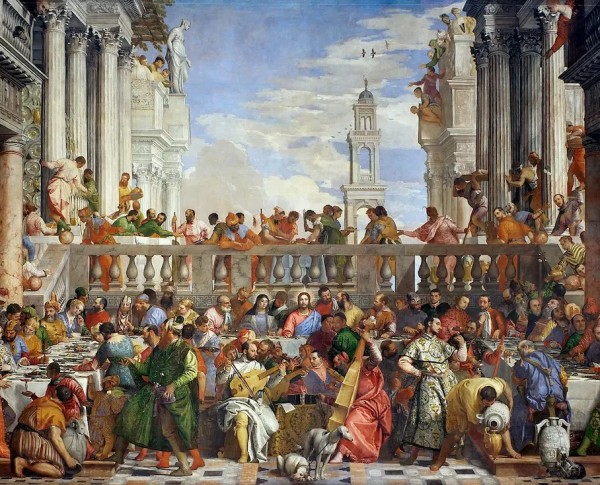
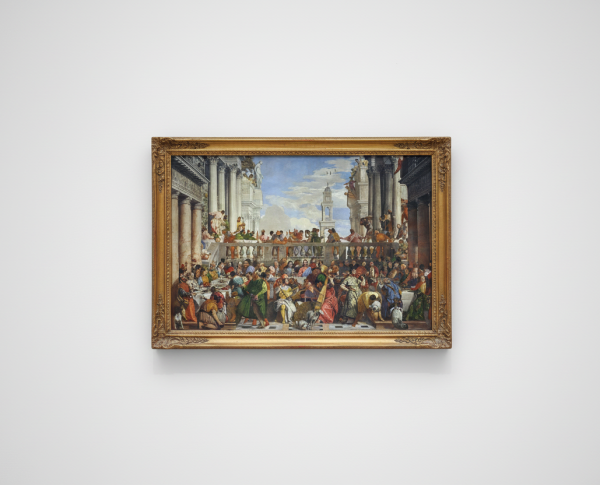
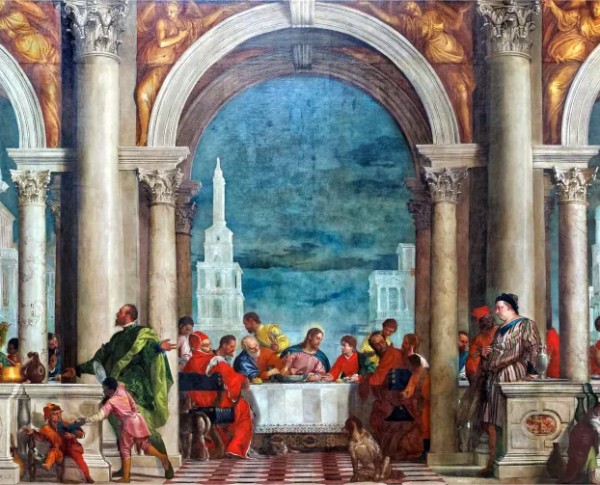
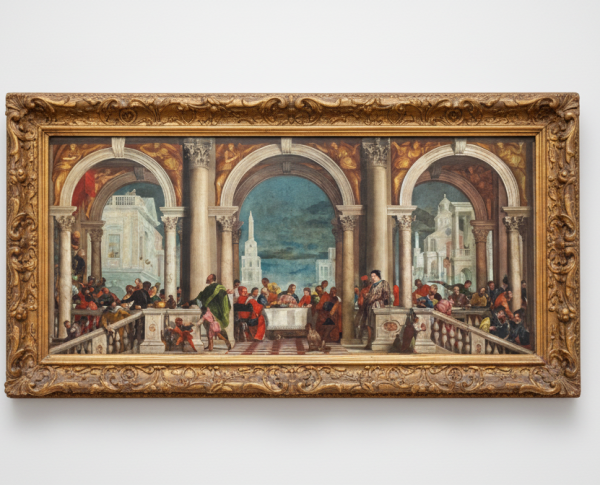
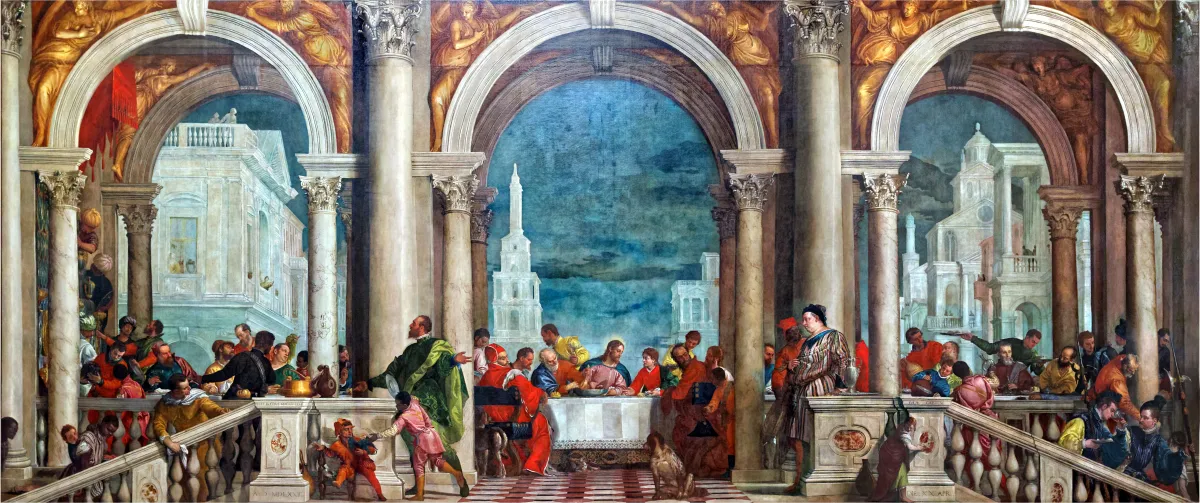
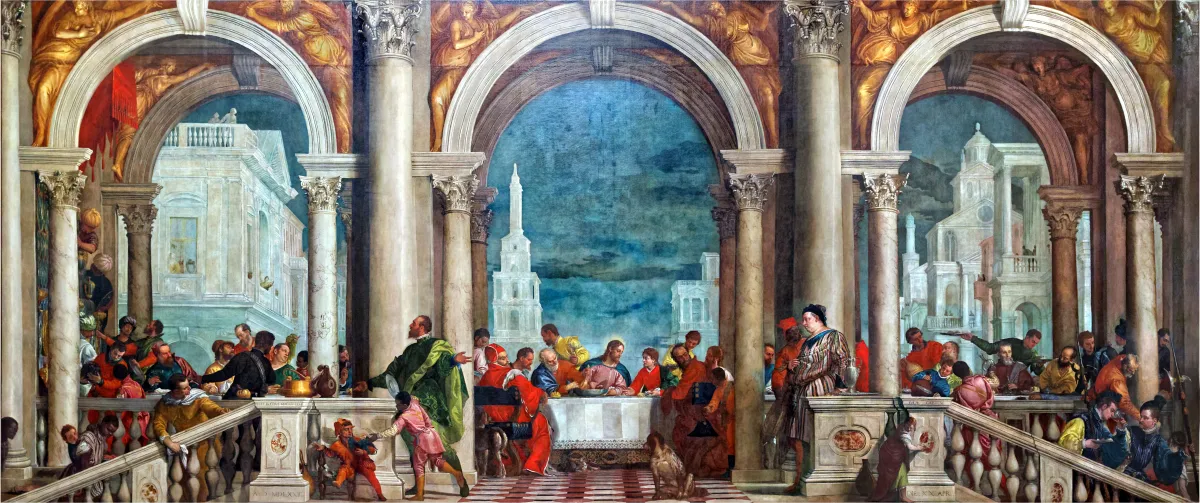
Executed in oil on canvas, Veronese’s "The Feast in the House of Levi" exemplifies the technical brilliance of Renaissance fine art. The intricate details and vibrant color palette highlight Veronese’s mastery, making the painting a true marvel. Admirers of related products such as "The Family of Darius Before Alexander" or "The Madonna of the Cuccina Family" will find inspiration in the artist’s ability to breathe life into every figure and setting within this iconic work.
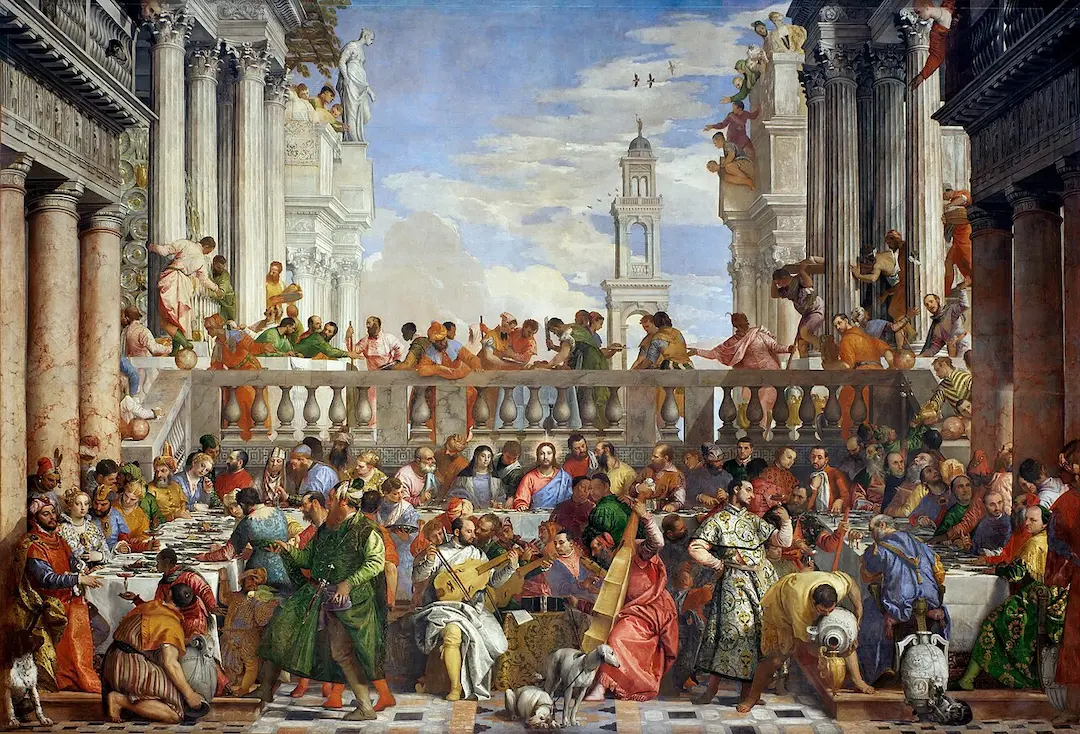
In "The Feast in the House of Levi," Veronese weaves a compelling narrative rich with symbolism, typical of Renaissance fine art painting for sale. The bustling scene is filled with characters and subtle references, inviting viewers to explore deeper meanings. Similar to "The Marriage Feast at Cana," this painting captures moments of celebration and spiritual significance, making it a captivating addition for those who appreciate storytelling through art.
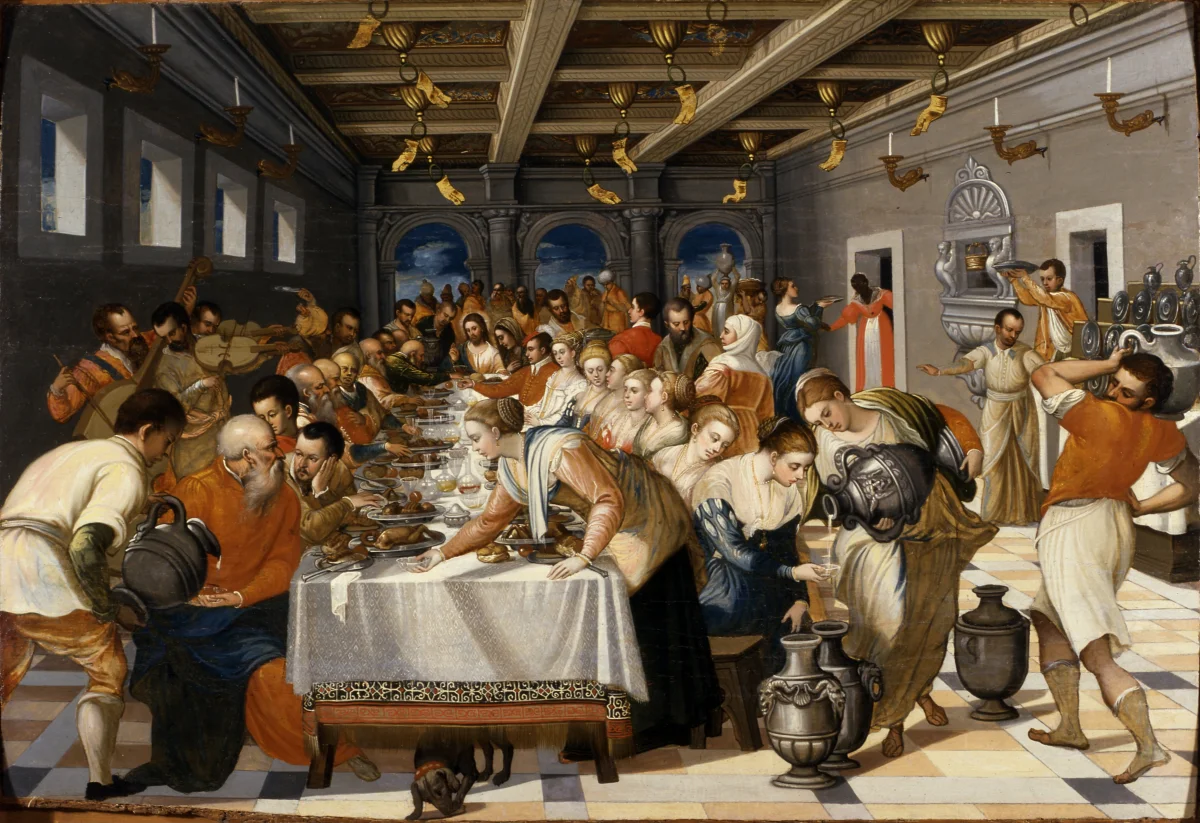
For collectors seeking a distinguished addition to their gallery, "The Feast in the House of Levi" by Paolo Veronese is a coveted fine art painting for sale. Its connection to the Renaissance movement and kinship to celebrated works like "The Wedding at Cana" enhances its allure. This masterpiece not only elevates any collection but also serves as a conversation piece, reflecting the enduring legacy of Veronese’s genius and the timeless beauty of oil on canvas artistry.
When Art Meets History
Paolo Veronese’s masterpiece, "The Feast in the House of Levi," stands as a monumental example of Renaissance artistry. This hand-painted oil painting was originally commissioned for a Venetian monastery, encapsulating the grandeur and complexity of 16th-century Italy. Veronese’s work aligns closely with the Renaissance movement, emphasizing realism and intricate composition. As with other renowned pieces by Veronese, the painting’s historical context and vivid storytelling continue to captivate art lovers and historians alike.
Techniques That Speak
"The Feast in the House of Levi" showcases Veronese’s remarkable skill with oil on canvas. His use of luminous colors, dynamic figures, and meticulous attention to architectural detail are hallmarks of the Renaissance movement. The artist’s layering technique creates depth and vibrancy, drawing the viewer into the bustling scene. Veronese’s innovative methods influenced generations of painters, solidifying his reputation as a master of oil on canvas during this pivotal era in art history.
Emotions on Display
In this fine art painting for sale, Veronese captures a lively banquet scene brimming with emotion and character. Each figure is rendered with expressive gestures and individualized features, reflecting the humanist ideals of the Renaissance. The composition invites viewers to witness the drama and festivity firsthand, making "The Feast in the House of Levi" a testament to the artist’s ability to portray complex social interactions with nuance and authenticity.
Coveted by Collectors
As a celebrated hand-painted oil painting, "The Feast in the House of Levi" remains highly coveted by collectors and institutions worldwide. Paolo Veronese’s signature style and contribution to the Renaissance movement elevate the painting’s desirability and value. While the original resides in the Gallerie dell’Accademia in Venice, reproductions and studies are sought after, underscoring the enduring appeal of this masterpiece and its place among the finest works in art history.
Frequently Asked Questions About The Feast in the House of Levi
What is the historical context of The Feast in the House of Levi?
The Feast in the House of Levi was painted by Paolo Veronese in 1573 during the Italian Renaissance. It was commissioned for the refectory of the Benedictine monastery of San Giovanni e Paolo in Venice, reflecting the opulence and cultural richness of the period.
What are the main themes represented in the painting?
The painting explores themes of hospitality, abundance, and the celebration of faith. It depicts a grand banquet, symbolizing the Last Supper, while also celebrating Venetian culture and society.
How does Veronese's use of color contribute to the painting's impact?
Veronese employs a vibrant color palette, utilizing rich reds, golds, and blues to create a sense of grandeur and festivity. The bold colors enhance the emotional intensity of the scene and draw the viewer's eye to key figures and elements.
What artistic techniques did Veronese use in this painting?
Veronese utilized techniques such as chiaroscuro to create depth and volume, as well as a dynamic composition that guides the viewer's gaze throughout the scene. His mastery of perspective adds to the three-dimensionality of the banquet hall.
Who are the figures depicted in The Feast in the House of Levi?
The painting features a mix of biblical figures, including Christ and the apostles, alongside contemporary Venetian figures, which reflects the blending of sacred and secular themes typical of Veronese's work.
What is the significance of the architectural setting in the painting?
The grand architectural setting serves to elevate the banquet, suggesting a divine presence. The opulent columns and elaborate ceiling reflect the wealth of Venice and the importance of the event being depicted.
How does The Feast in the House of Levi reflect Venetian culture?
The painting embodies the spirit of Venetian culture through its depiction of lavish feasting, social interaction, and the blending of different social classes, showcasing the city's vibrant and diverse society during the Renaissance.
What controversies surrounded the painting at the time of its completion?
Upon its unveiling, The Feast in the House of Levi faced criticism from the Inquisition for its perceived irreverence, as it included contemporary figures and elements that some deemed inappropriate for a biblical scene. Veronese later changed the title from "The Last Supper" to mitigate the controversy.
What role does symbolism play in The Feast in the House of Levi?
Symbolism is prevalent throughout the painting, with elements such as the lavish food representing abundance and divine grace. The inclusion of various animals and objects also serves to convey deeper meanings related to the themes of sacrifice and celebration.
How has The Feast in the House of Levi influenced later artists?
The painting has had a lasting impact on the art world, influencing later artists with its bold use of color, dynamic composition, and the integration of contemporary life into religious themes, paving the way for future interpretations of sacred subjects in art.






















_GFM_Painting_(1).webp)


 100% Hand-Painted: Finished in 3-6 Weeks

.png)















_(1).webp)