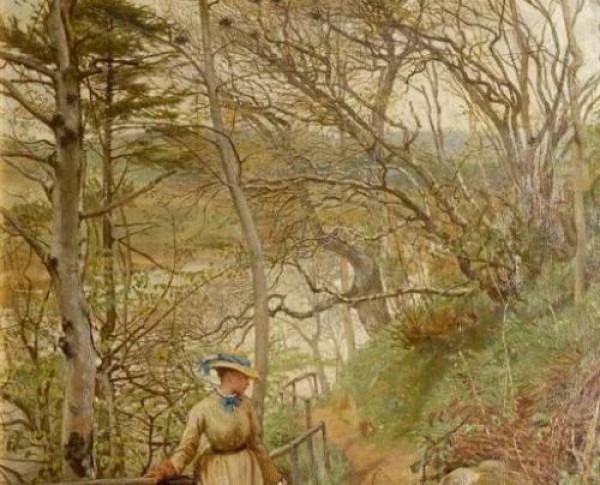
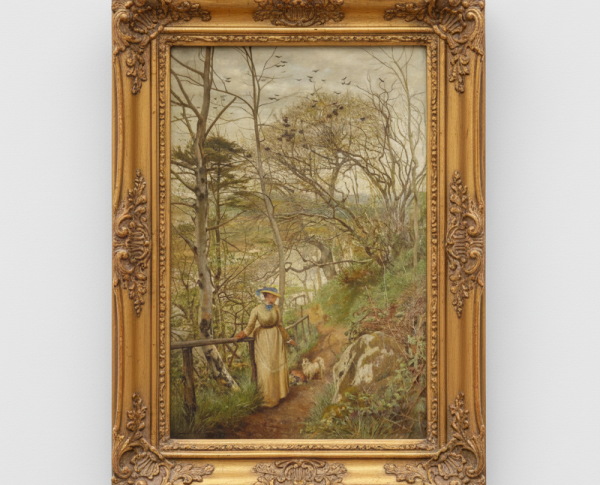
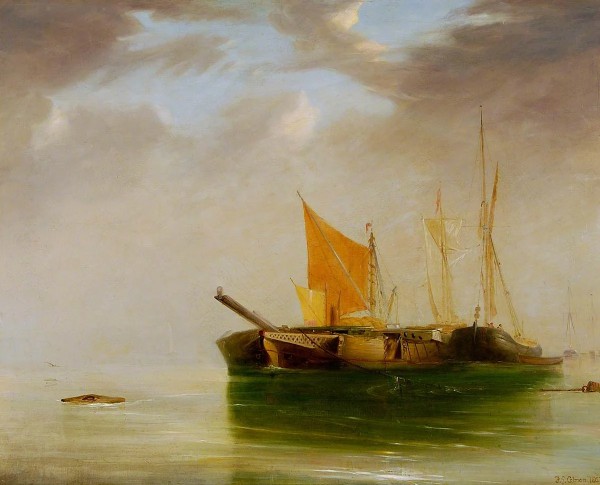
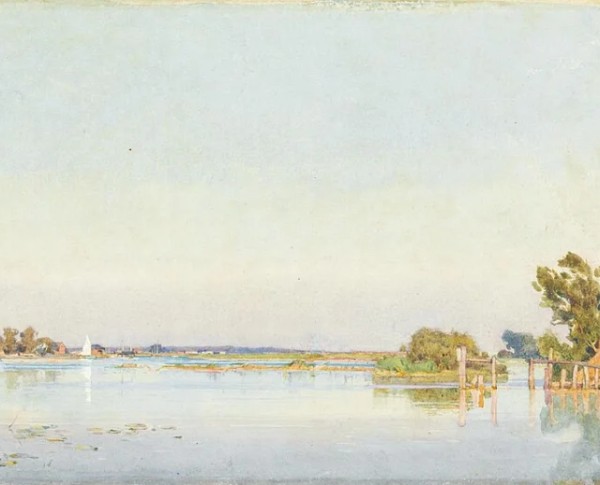
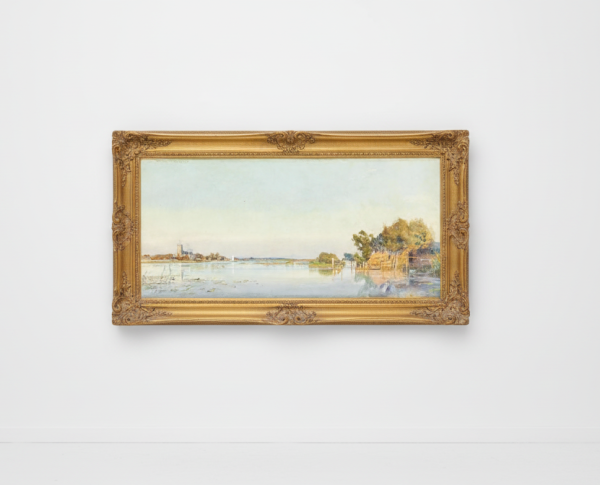
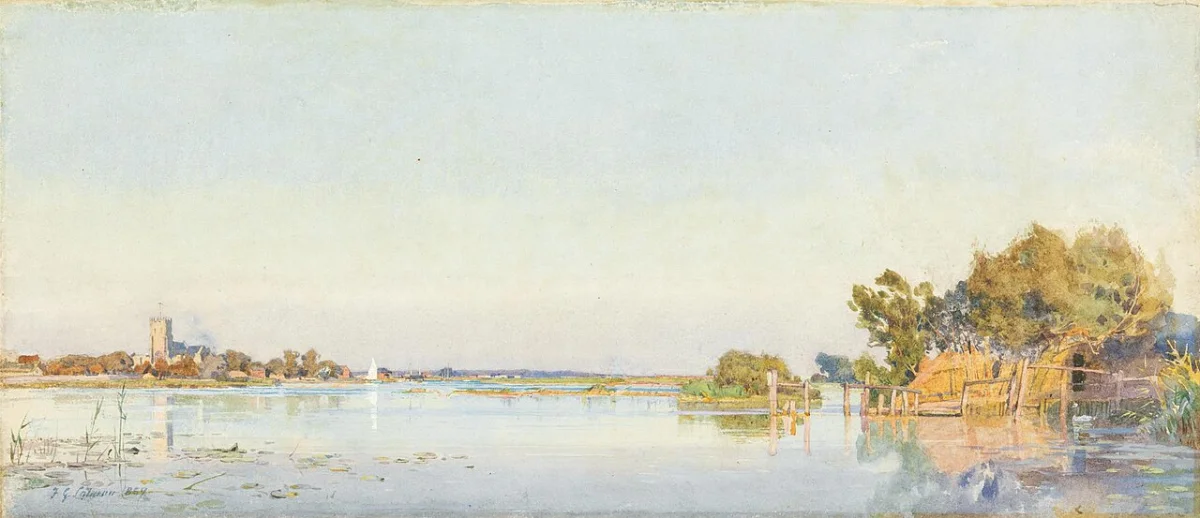
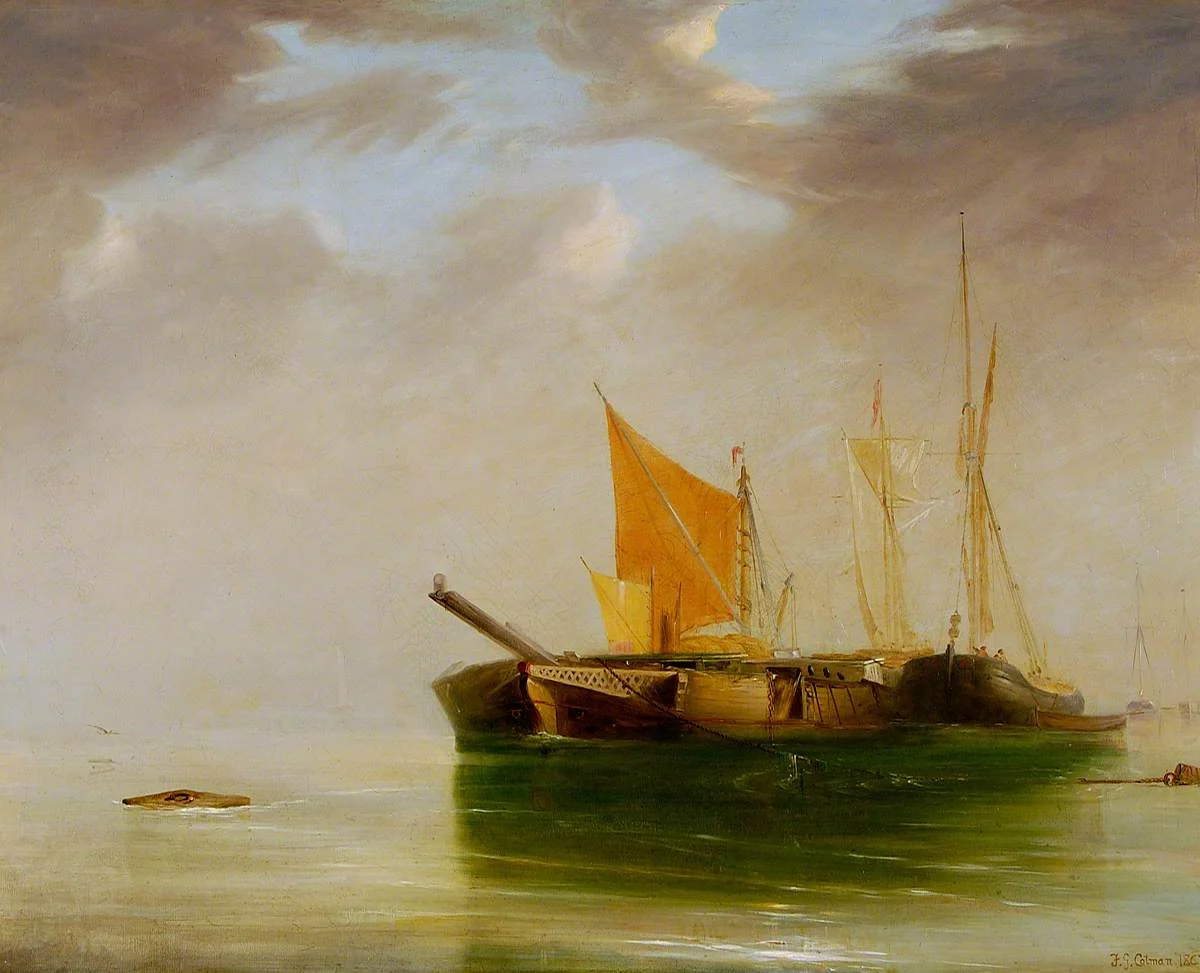
Frederick George Cotman's "Christ Church Ferry" demonstrates his remarkable ability with oil on canvas, blending vivid colors and expressive brushwork distinctive of Post-Impressionism. Each stroke reveals his technical prowess and deep understanding of light and atmosphere. This painting, along with others like "On Deeside" and "Morning Mist on the Orwell," highlights Cotman's unique approach, making each hand-painted oil painting a true representation of artistic mastery and timeless appeal.
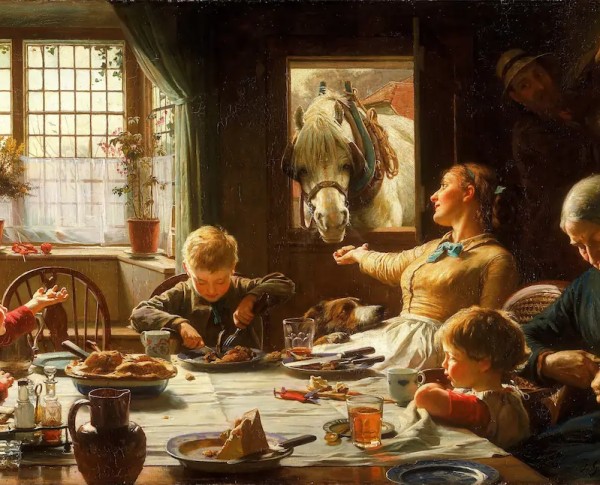
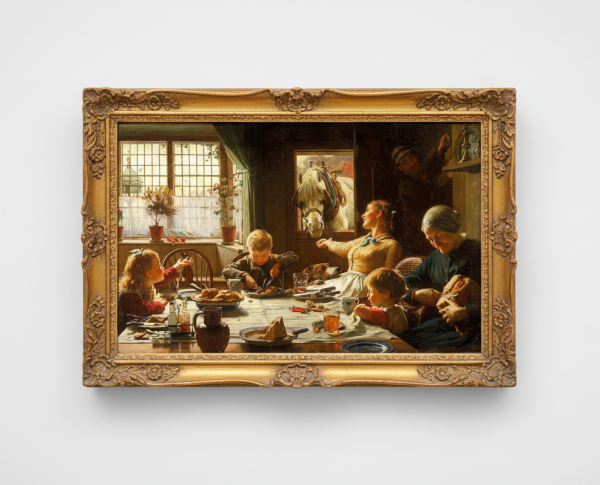
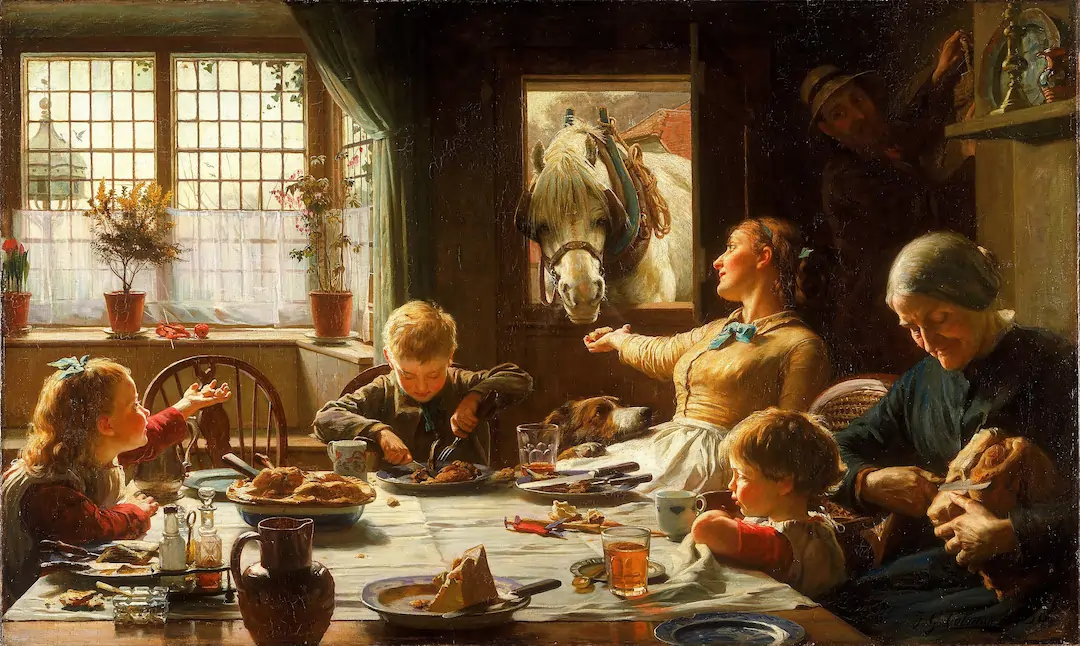
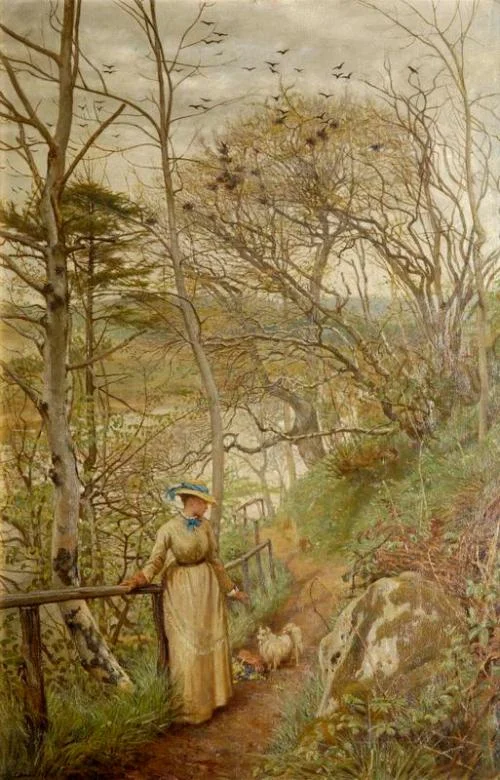
Within "Christ Church Ferry," viewers discover layers of meaning woven into the tranquil river scene, typical of Post-Impressionist storytelling. Frederick George Cotman infuses the landscape with subtle symbols of journey and reflection, inviting interpretation. The painting’s narrative depth aligns with his other fine art painting for sale, such as "One Of The Family," where everyday life is elevated through artistic vision, making Cotman’s oil on canvas works both visually stunning and emotionally resonant.
Owning "Christ Church Ferry" by Frederick George Cotman offers collectors a distinguished piece of the Post-Impressionism movement. This hand-painted oil painting not only enhances any art collection but also connects its owner to a legacy of innovation and beauty. Alongside related works like "An English Traveling Circus" and "Morning Mist on the Orwell," this fine art painting for sale represents a rare opportunity to invest in a celebrated artist’s enduring vision and skill.
When Art Meets History
"Christ Church Ferry" by Frederick George Cotman is a striking hand-painted oil painting that beautifully encapsulates the essence of the Post-Impressionism movement. Created during a period of artistic innovation, this piece stands alongside masterpieces like "Cafe Terrace on the Place du Forum" and "Bridges Across The Seine At Asnieres." Cotman’s work not only reflects the evolving techniques of his time but also serves as a historical testament to the daily life and scenery that inspired many fine art painting for sale.
Techniques That Speak
Frederick George Cotman’s "Christ Church Ferry" employs a masterful use of oil on canvas, a hallmark of the Post-Impressionism era. His brushwork, color choices, and attention to light are reminiscent of related paintings such as "Mulberry Tree" and "Wheat Field with a Lark." The layered textures and vivid hues in this oil on canvas piece demonstrate Cotman’s unique approach, inviting viewers to appreciate the technical prowess behind this fine art painting for sale.
Emotions on Display
In "Christ Church Ferry," Cotman channels the emotive power characteristic of Post-Impressionism, much like Van Gogh’s "Skull With Burning Cigarette." Through expressive brushwork and carefully chosen colors, this hand-painted oil painting evokes a sense of nostalgia and tranquility. The scene’s atmospheric quality draws the viewer into a reflective mood, highlighting Cotman’s ability to convey deep emotion—an essential trait found in every fine art painting for sale from this influential movement.
Coveted by Collectors
As a standout example of Post-Impressionism, Frederick George Cotman’s "Christ Church Ferry" is highly sought after by art enthusiasts and collectors. Its connection to renowned works like "Mulberry Tree" and "Cafe Terrace on the Place du Forum" only heightens its appeal. The painting’s status as a fine art painting for sale makes it a prized addition to any collection, offering both historical significance and the timeless beauty of oil on canvas craftsmanship.
Related Post-Impressionism Hand-Painted Oil Paintings by Other Artists
Other Famous Post-Impressionism Artists:
Frequently Asked Questions About Christ Church Ferry
What is the historical significance of Christ Church Ferry?
Christ Church Ferry captures a moment in time reflecting the transportation and social dynamics of the 19th century in England, showcasing the importance of ferries in connecting communities across waterways.
Who was Frederick George Cotman?
Frederick George Cotman was a prominent English painter and etcher, known for his landscapes and maritime scenes. He was part of the Norwich School of painters, which emphasized naturalism and the beauty of the English countryside.
What artistic techniques did Cotman employ in Christ Church Ferry?
Cotman utilized a combination of watercolor and ink, employing delicate brushwork and a nuanced palette to convey the atmospheric qualities of light and water, characteristic of his style.
What themes are explored in Christ Church Ferry?
The painting explores themes of transportation, community, and the relationship between humans and nature, illustrating how waterways served as vital arteries for trade and social interaction.
How does Christ Church Ferry reflect the artistic movements of its time?
This work reflects the Romantic movement's emphasis on nature and emotion, as well as the growing interest in realism and the depiction of everyday life, which were pivotal in 19th-century art.
What symbols can be found in Christ Church Ferry?
The ferry itself symbolizes transition and connection, while the surrounding landscape represents the beauty and tranquility of rural life, highlighting the harmony between humanity and the natural world.
In what ways does the composition of Christ Church Ferry enhance its narrative?
Cotman's composition leads the viewer's eye through the scene, from the foreground with the ferry to the background landscape, creating a sense of depth and inviting contemplation of the journey depicted.
What role does light play in the painting?
Light in Christ Church Ferry is used to create mood and atmosphere, illuminating the water and enhancing the sense of movement, which is crucial in conveying the dynamic nature of the ferry's journey.
How does Christ Church Ferry compare to other works by Cotman?
Compared to other works by Cotman, Christ Church Ferry showcases his mastery of water and light, while also embodying his focus on everyday scenes, making it a quintessential example of his artistic vision.
What impact did Christ Church Ferry have on later artists?
Christ Church Ferry influenced later artists by demonstrating the effectiveness of capturing everyday life and natural beauty, inspiring subsequent generations to explore similar themes in their own works.






















_GFM_Painting_(1).webp)


 100% Hand-Painted: Finished in 3-6 Weeks

.png)















_(1).webp)