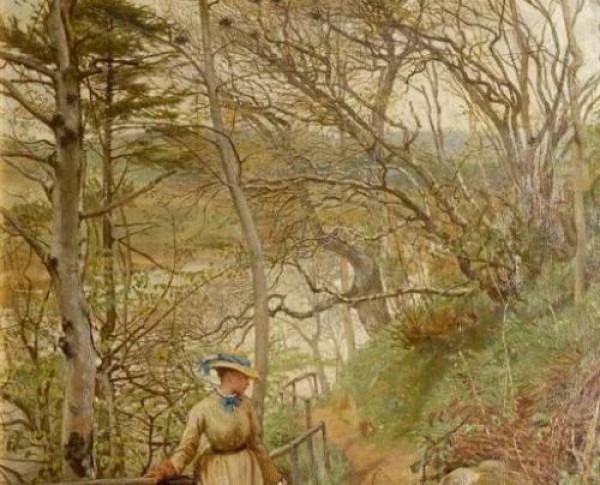
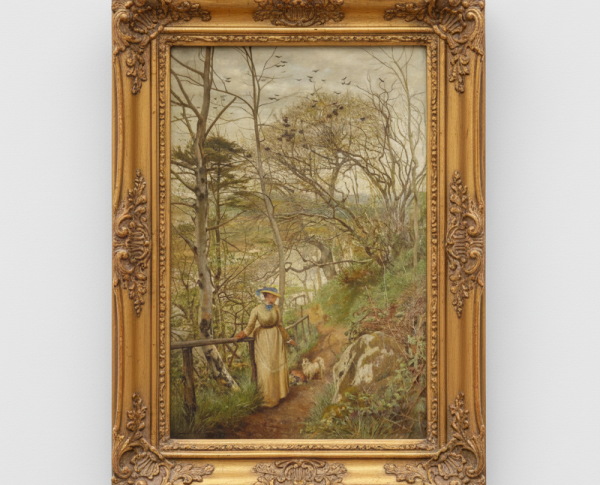
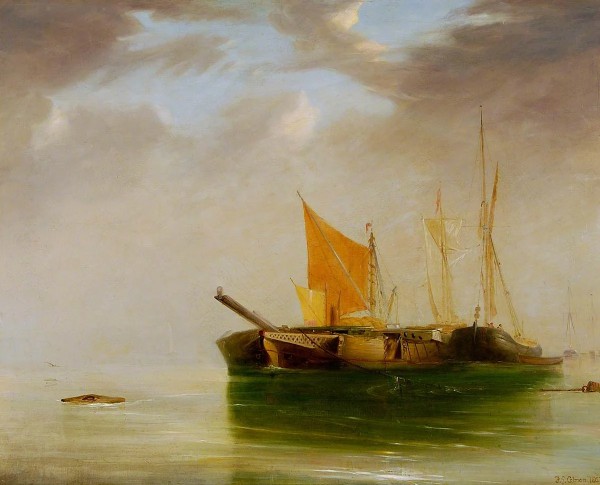
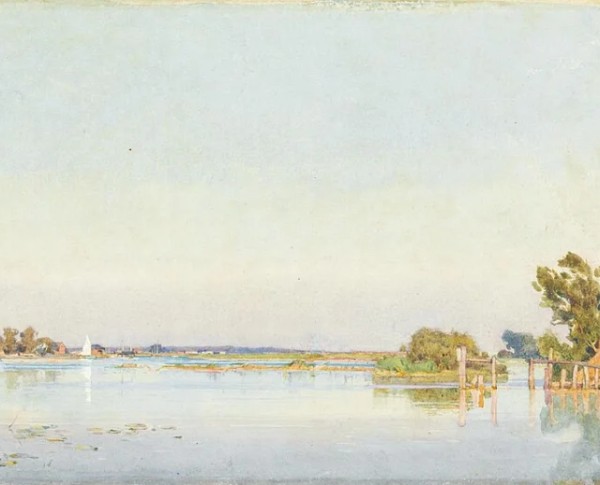
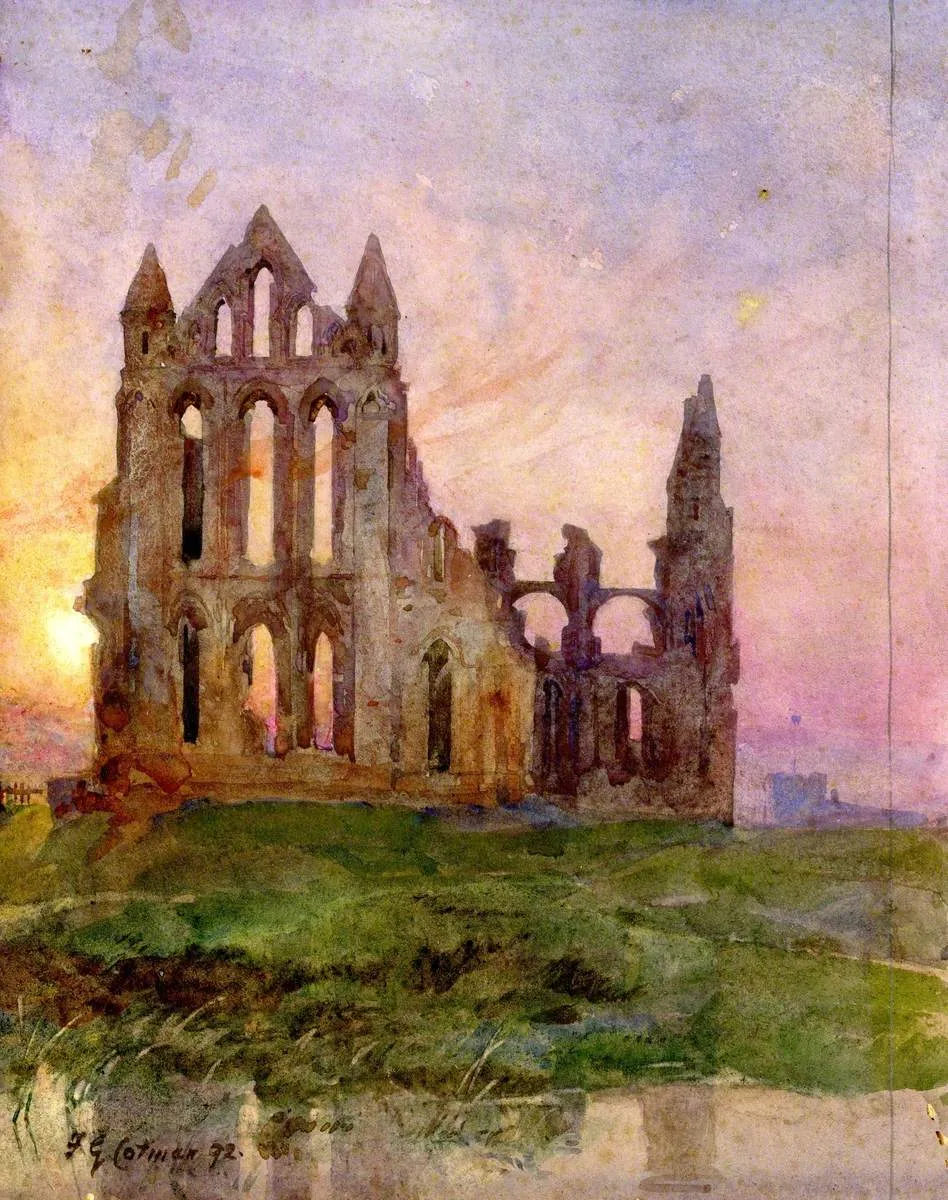
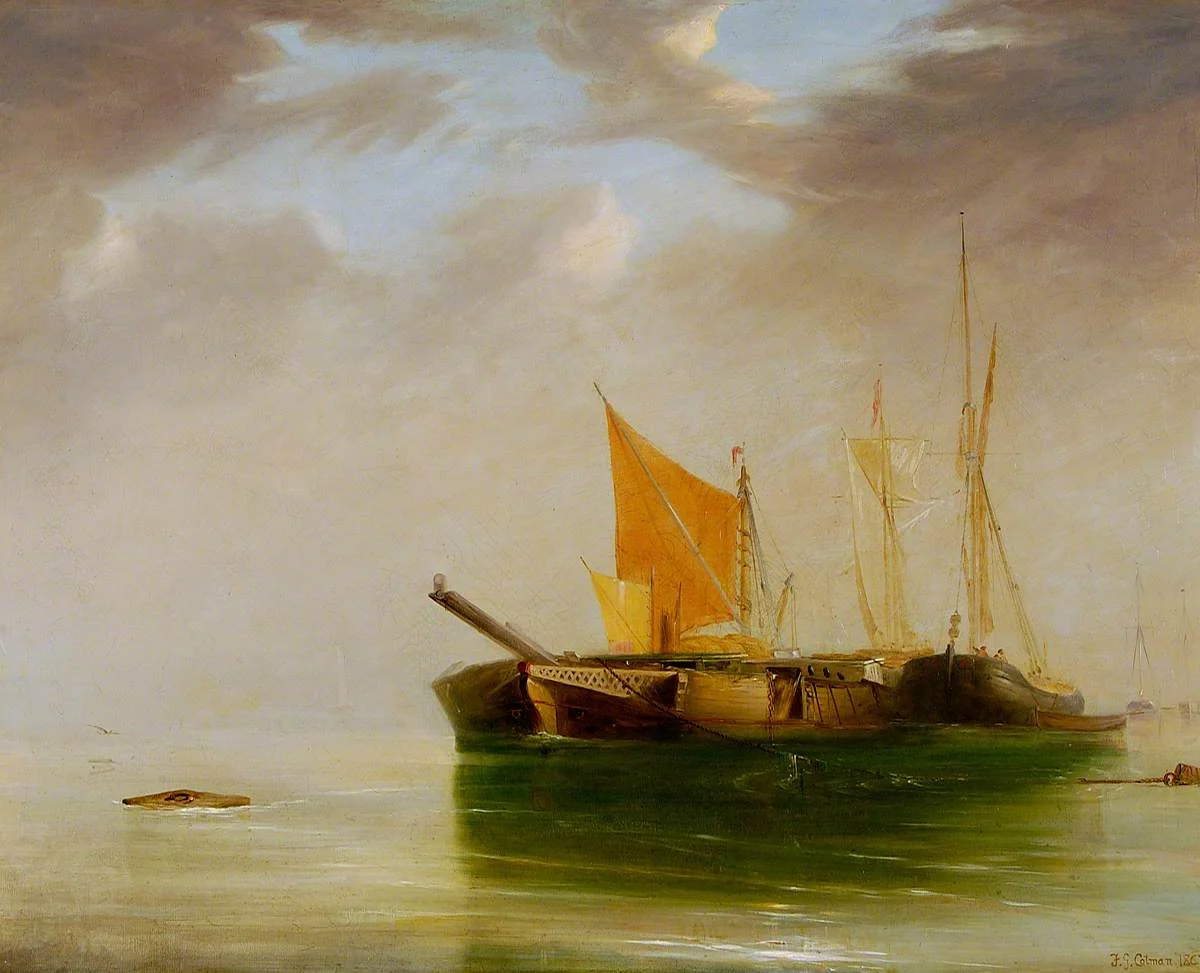
The exquisite detail in "Whitby Abbey" showcases Cotman’s extraordinary skill with oil on canvas, a hallmark of the Post-Impressionism era. His brushwork brings out the atmospheric qualities of the ruins, making them almost tangible to the viewer. Similar to his celebrated works "Morning Mist on the Orwell" and "On Deeside," Cotman’s mastery is evident in every stroke, ensuring each fine art painting for sale remains a testament to his enduring talent and vision.
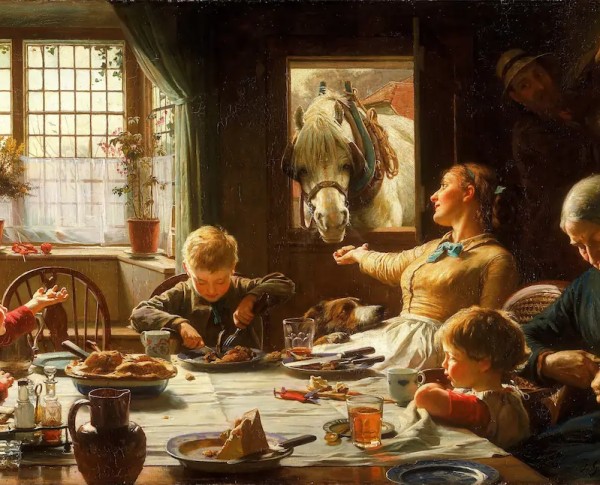
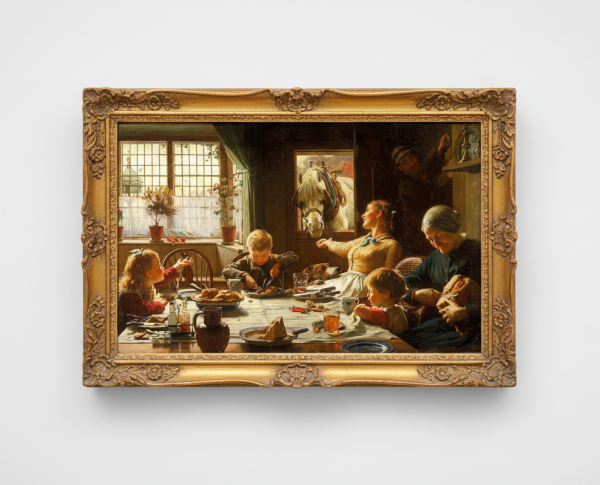
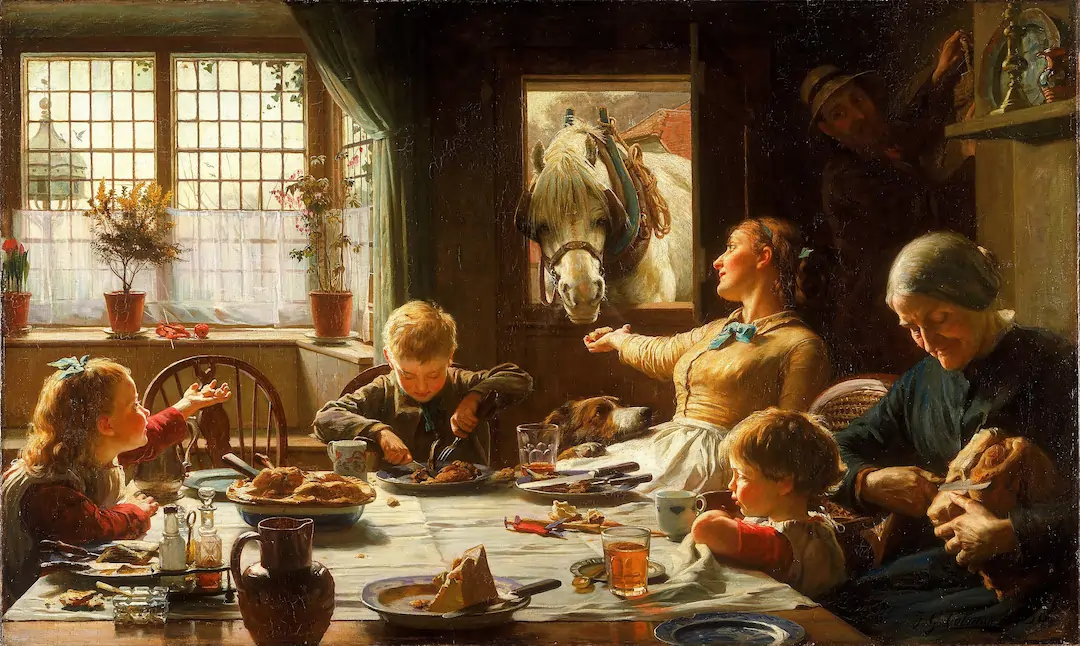
In "Whitby Abbey," Cotman weaves stories and symbols into the landscape, inviting viewers to explore the spiritual and historical resonance of the site. The painting’s moody skies and majestic ruins evoke themes of transience and memory, characteristic of Post-Impressionism. Collectors who appreciate narrative depth in a hand-painted oil painting will find parallels in Cotman’s "An English Traveling Circus" and "One Of The Family," where every detail contributes to a larger, evocative story.
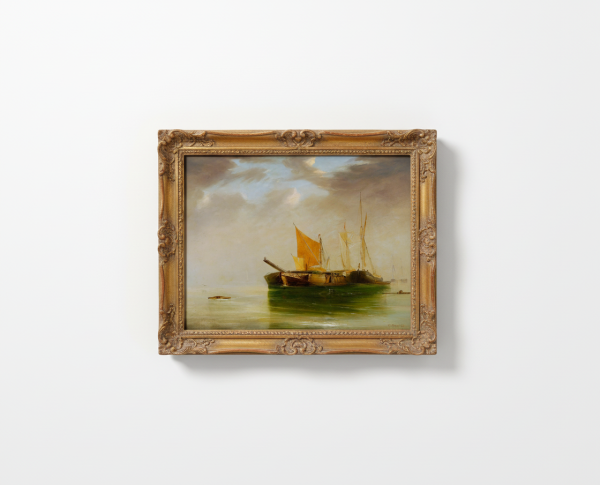
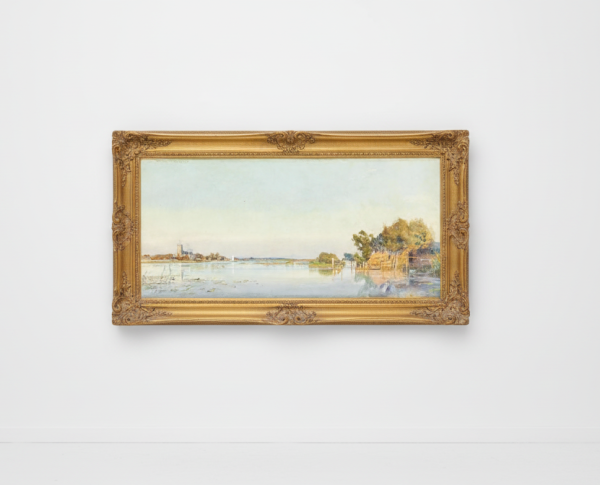
For art enthusiasts, "Whitby Abbey" by Frederick George Cotman is a fine art painting for sale that represents both artistic mastery and historical significance. Belonging to the Post-Impressionism movement, this oil on canvas piece is highly sought after by collectors who value timeless beauty. Whether displayed alongside related works like "Morning Mist on the Orwell" or "Christ Church Ferry," Cotman’s paintings consistently offer a touch of elegance and a window into England’s rich artistic heritage.
When Art Meets History
Frederick George Cotman's "Whitby Abbey" stands as a testament to the enduring allure of historical landmarks through the lens of Post-Impressionism. This hand-painted oil painting captures the majestic ruins of Whitby Abbey, echoing the movement's fascination with color and emotion. Cotman’s work aligns with masterpieces like "Mulberry Tree" and "The Night Café," blending historical reverence with artistic innovation. "Whitby Abbey" invites viewers to experience history reimagined on canvas, making it a coveted piece among collectors.
Techniques That Speak
In "Whitby Abbey," Cotman employs masterful oil on canvas techniques that highlight the Post-Impressionist focus on expressive brushwork and vivid color palette. His approach, similar to Van Gogh’s "Vase With Twelve Sunflowers II," brings texture and depth to the ancient abbey’s stonework and surrounding landscape. The interplay of light and shadow in this oil on canvas masterpiece demonstrates Cotman’s technical prowess, creating a dynamic visual experience that sets his work apart within the Post-Impressionist movement.
Emotions on Display
Frederick George Cotman’s "Whitby Abbey" evokes a profound sense of nostalgia and awe, hallmarks of Post-Impressionist fine art painting for sale. The atmospheric rendering of the abbey ruins, reminiscent of "Starry Night" and "The 'Laakmolen' near The Hague," stirs deep emotional resonance. Cotman’s ability to convey mood through color and composition transforms the historic site into a symbol of both loss and beauty, inviting viewers to connect personally with the scene’s evocative power.
Coveted by Collectors
As a fine art painting for sale, "Whitby Abbey" by Frederick George Cotman has garnered significant attention among collectors of Post-Impressionist works. Its historical subject, combined with the artist’s unique style, places it alongside celebrated pieces like "Mulberry Tree" and "Vase With Twelve Sunflowers II." The painting’s rarity and artistic merit enhance its desirability, making it a prized addition to any collection that values the fusion of history and innovative artistry in oil painting.
Related Post-Impressionism Hand-Painted Oil Paintings by Other Artists
Other Famous Post-Impressionism Artists:
Frequently Asked Questions About Whitby Abbey
What is the historical significance of Whitby Abbey?
Whitby Abbey, a prominent landmark in North Yorkshire, England, has a rich history dating back to its founding in the 7th century. It was an important center for early Christianity and played a crucial role in the Synod of Whitby in 664 AD, which sought to unify the practices of the Celtic and Roman churches.
Who was Frederick George Cotman, and what is his connection to this painting?
Frederick George Cotman was a British landscape painter known for his watercolors and depictions of English scenery. His connection to "Whitby Abbey" lies in his ability to capture the atmospheric qualities of the landscape, showcasing his skill in portraying the interplay of light and shadow on the ruins.
What artistic techniques did Cotman employ in "Whitby Abbey"?
Cotman utilized watercolor techniques that emphasized transparency and fluidity, allowing for a delicate rendering of the abbey's ruins. His use of layering and washes created depth and a sense of movement within the landscape, characteristic of his style.
What themes are explored in "Whitby Abbey"?
The painting explores themes of decay and the passage of time, reflecting on the historical significance of the abbey as a symbol of both spiritual and physical decline. It also evokes a sense of nostalgia and reverence for the past, inviting viewers to contemplate the relationship between nature and history.
How does "Whitby Abbey" reflect the Romantic movement in art?
"Whitby Abbey" embodies the Romantic movement's fascination with nature, the sublime, and the ruins of the past. Cotman's portrayal of the abbey amidst a dramatic landscape evokes emotional responses, emphasizing the beauty and tragedy inherent in historical sites.
What symbolism can be found in the depiction of the abbey?
The abbey symbolizes the enduring nature of faith and the passage of time. Its ruins serve as a reminder of the impermanence of human endeavors, while the surrounding landscape suggests the resilience of nature, highlighting the contrast between human achievement and the inevitability of decay.
In what ways does Cotman's use of color enhance the painting's mood?
Cotman's use of muted earth tones and soft blues creates a melancholic yet serene atmosphere. The color palette enhances the sense of nostalgia and reflects the natural beauty of the landscape, inviting viewers to immerse themselves in the tranquil yet poignant scene.
What role does light play in "Whitby Abbey"?
Light plays a crucial role in "Whitby Abbey," as it highlights the textures of the ruins and the surrounding landscape. Cotman's manipulation of light creates a dynamic interplay of shadow and illumination, which adds depth to the composition and evokes a sense of time passing.
How has "Whitby Abbey" influenced contemporary artists?
"Whitby Abbey" has influenced contemporary artists by demonstrating the power of landscape painting to convey historical narratives and emotional depth. Cotman's approach to capturing the essence of ruins continues to inspire artists exploring themes of memory, history, and the natural world.
What can viewers learn about the cultural context of the time when Cotman painted "Whitby Abbey"?
Viewers can learn that during Cotman's time, there was a growing interest in the Romantic ideals of nature and history. The early 19th century saw a resurgence of interest in medieval architecture and ruins, reflecting a broader cultural movement that valued the past and sought to reconnect with historical roots through art.






















_GFM_Painting_(1).webp)


 100% Hand-Painted: Finished in 3-6 Weeks

.png)















_(1).webp)