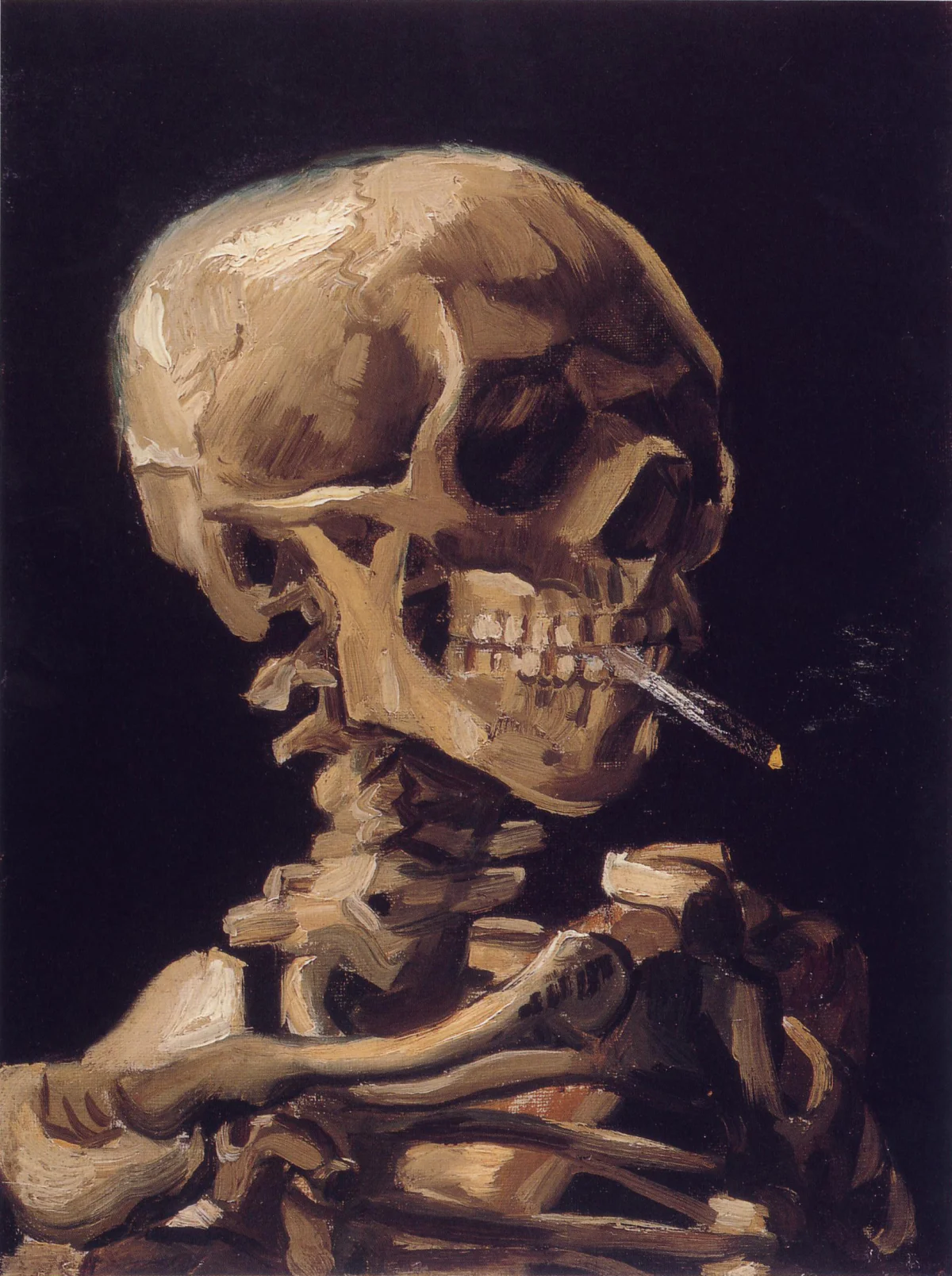
The technical brilliance of Van Gogh’s "Skull With Burning Cigarette" is evident in his expressive brushwork and dramatic contrasts. Utilizing oil on canvas, Van Gogh conveys depth and emotion, hallmarks of the Post-Impressionism movement. Each stroke brings vitality to the skull, mirroring the energy found in related works such as "Autumn Landscape with Four Trees" and "Peach Trees in Blossom." This oil on canvas piece showcases Van Gogh’s mastery and his innovative approach to art.
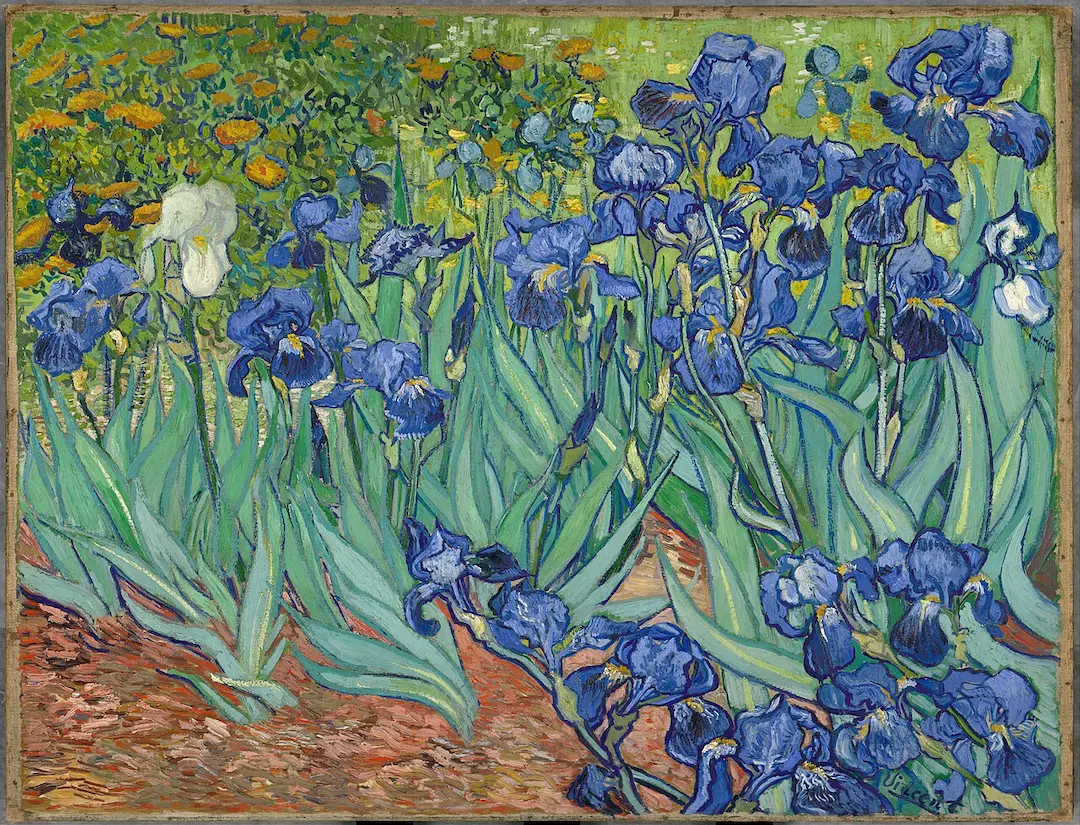
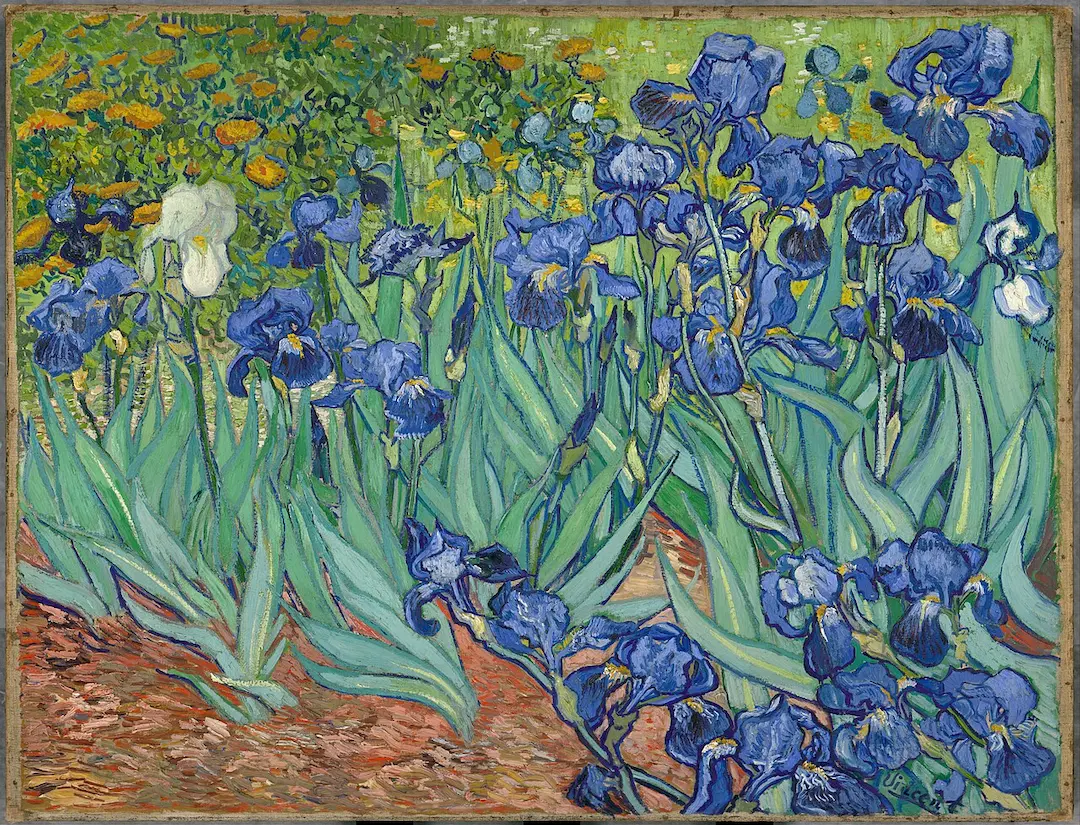
"Skull With Burning Cigarette" by Vincent Van Gogh is more than a fine art painting for sale—it’s a compelling narrative. The juxtaposition of life and death is symbolized through the burning cigarette, reflecting Van Gogh’s introspective nature during the Post-Impressionism era. Collectors often explore similar themes in his other paintings, including "Branches with Almond Blossom" and "Irises," making this piece a profound addition to any collection of meaningful art.
For art enthusiasts and collectors, owning "Skull With Burning Cigarette" is akin to holding a pivotal moment in Post-Impressionism history. As a hand-painted oil painting, it pairs beautifully with other Van Gogh pieces like "Autumn Landscape with Four Trees" and "Peach Trees in Blossom." This painting’s rarity and impact make it a sought-after fine art painting for sale, perfect for those who appreciate the genius of Vincent Van Gogh and the enduring allure of his masterpieces.
When Art Meets History
"Skull With Burning Cigarette" by Vincent Van Gogh stands as a striking example of the Post-Impressionism movement. Painted in 1885–1886, this hand-painted oil painting showcases Van Gogh's fascination with mortality and symbolism. Like other masterpieces of the era, such as "A Sunday Afternoon on the Island of La Grande Jatte," it reflects the period's innovative spirit. The painting’s historical context enriches its significance, making it a valuable addition to any fine art collection.
Techniques That Speak
Van Gogh’s mastery of oil on canvas shines in "Skull With Burning Cigarette." The bold brushwork and unconventional subject matter mark a departure from traditional academic art. This fine art painting for sale demonstrates the artist’s experimental approach, linking it to the expressive techniques found in "One Of The Family" and "Two Tahitian Women." Through layered textures and dramatic lighting, Van Gogh transforms a simple skull into a compelling visual statement within the Post-Impressionism movement.
Emotions on Display
In "Skull With Burning Cigarette," Vincent Van Gogh channels raw emotion through his hand-painted oil painting. The juxtaposition of the lifeless skull with the burning cigarette evokes a sense of irony and existential contemplation. Comparable to the emotional depth in "Two Tahitian Women," this work captures the viewer’s imagination. The painting’s somber mood and subtle humor are hallmarks of Post-Impressionism, inviting art lovers to explore the profound feelings behind each brushstroke.
Coveted by Collectors
Today, "Skull With Burning Cigarette" remains a highly sought-after oil on canvas among collectors and enthusiasts. As a fine art painting for sale, it represents Van Gogh’s daring vision and the enduring appeal of the Post-Impressionism movement. Collectors also prize related works like "A Sunday Afternoon on the Island of La Grande Jatte" and "One Of The Family" for their historical importance. Owning such a piece connects you to the legacy of one of art history’s greatest innovators.
Related Post-Impressionism Hand-Painted Oil Paintings by Other Artists
Other Famous Post-Impressionism Artists:
Frequently Asked Questions About Skull With Burning Cigarette
What is the historical context of "Skull With Burning Cigarette"?
"Skull With Burning Cigarette" was created in 1886 during Van Gogh's time in Paris, a period marked by his exploration of color and form influenced by Impressionism and Post-Impressionism.
What artistic techniques did Van Gogh use in this painting?
Van Gogh employed bold brush strokes and a vibrant color palette, utilizing contrasting colors to create a sense of depth and intensity in the skull and cigarette.
What symbolism is present in "Skull With Burning Cigarette"?
The skull represents mortality and the transient nature of life, while the burning cigarette may symbolize the fleeting pleasures and vices that accompany existence.
How does "Skull With Burning Cigarette" reflect Van Gogh's emotional state?
This painting reflects Van Gogh's struggles with mental health, as the juxtaposition of life (the cigarette) and death (the skull) conveys a sense of existential conflict.
What influences can be seen in the composition of the painting?
Van Gogh's composition is influenced by both Dutch still life traditions and the emerging modernist styles of his contemporaries, showcasing a blend of realism and abstraction.
How does the use of color contribute to the overall impact of the painting?
The use of stark contrasts between the dark skull and the bright colors of the cigarette creates a striking visual tension, enhancing the themes of life and death.
In what ways does this painting differ from Van Gogh's other works?
Unlike many of Van Gogh's vibrant landscapes and portraits, "Skull With Burning Cigarette" focuses on a more somber subject matter, reflecting a darker aspect of his artistic exploration.
What was the public's reaction to "Skull With Burning Cigarette" during Van Gogh's lifetime?
During Van Gogh's lifetime, this painting was not widely recognized or appreciated, as his work often faced criticism and was largely overlooked until after his death.
How has "Skull With Burning Cigarette" influenced contemporary art?
The painting has influenced contemporary artists by challenging traditional still life conventions and encouraging explorations of mortality and existential themes in modern art.
What is the significance of the skull in art history?
The skull has been a recurring motif in art history, often symbolizing mortality, the passage of time, and the inevitability of death, serving as a reminder of the fragility of life.






















_GFM_Painting_(1).webp)


 100% Hand-Painted: Finished in 3-6 Weeks

.png)
















_(1).webp)