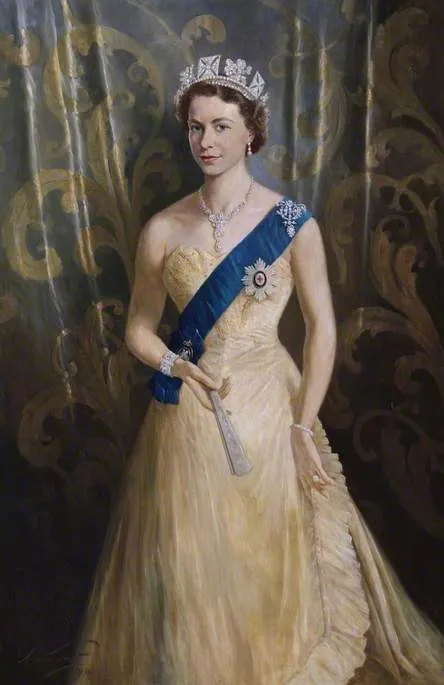
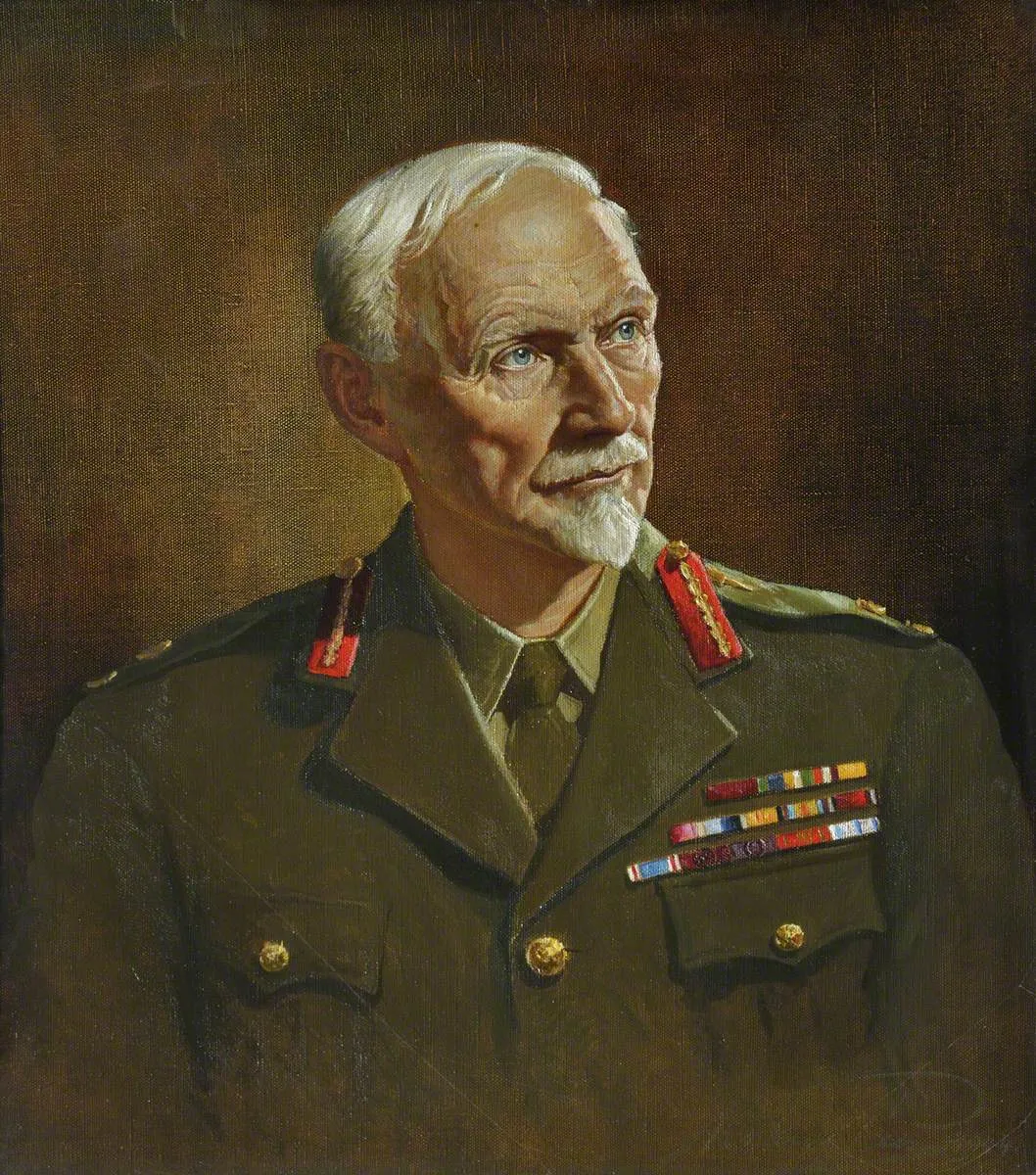
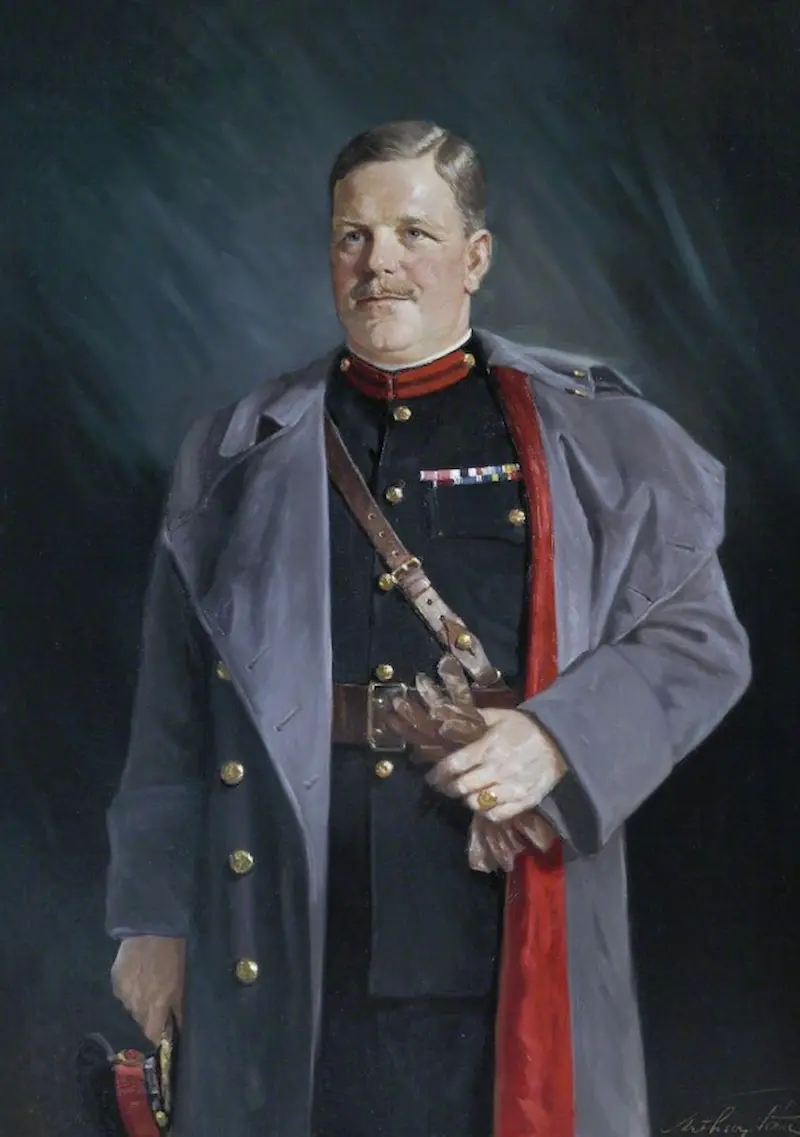
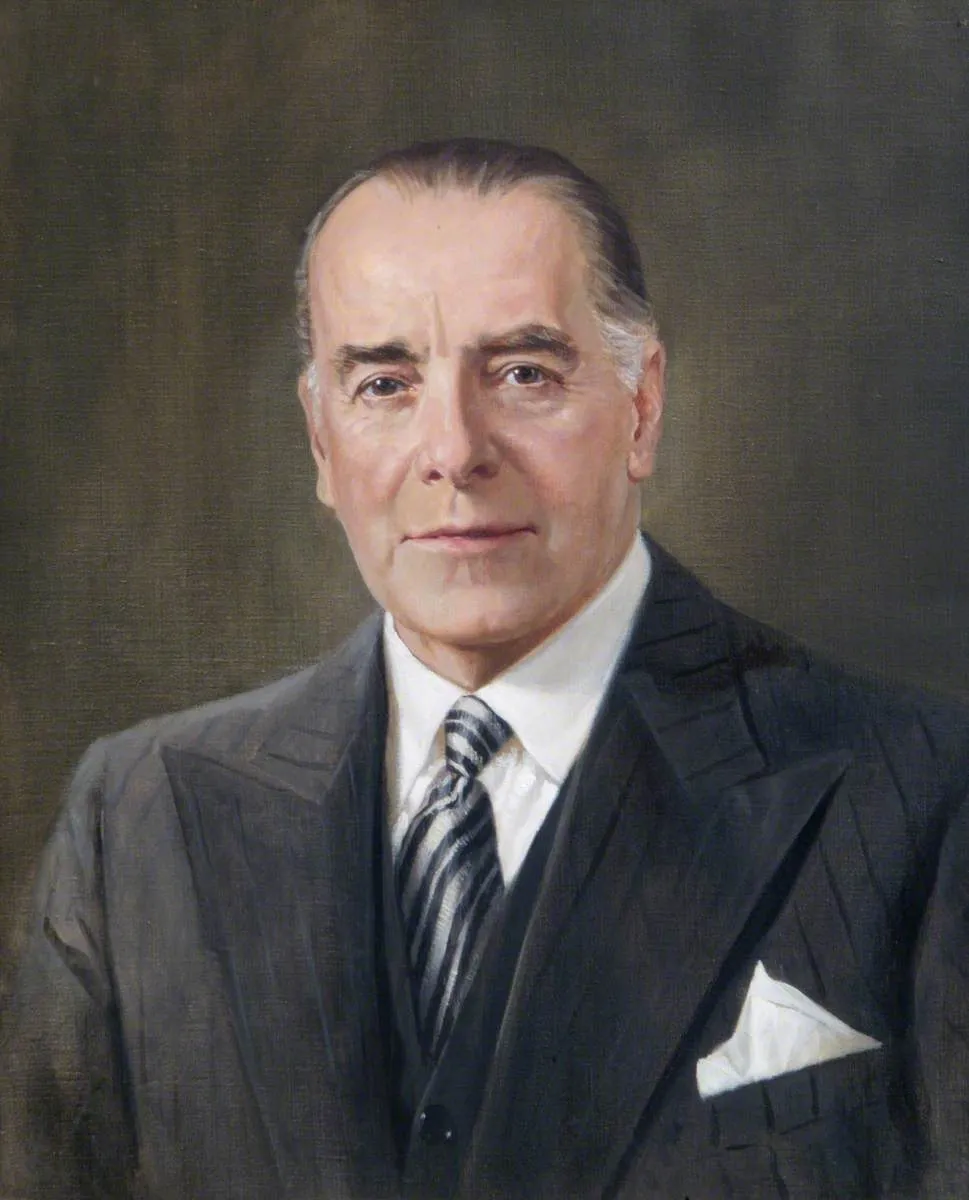
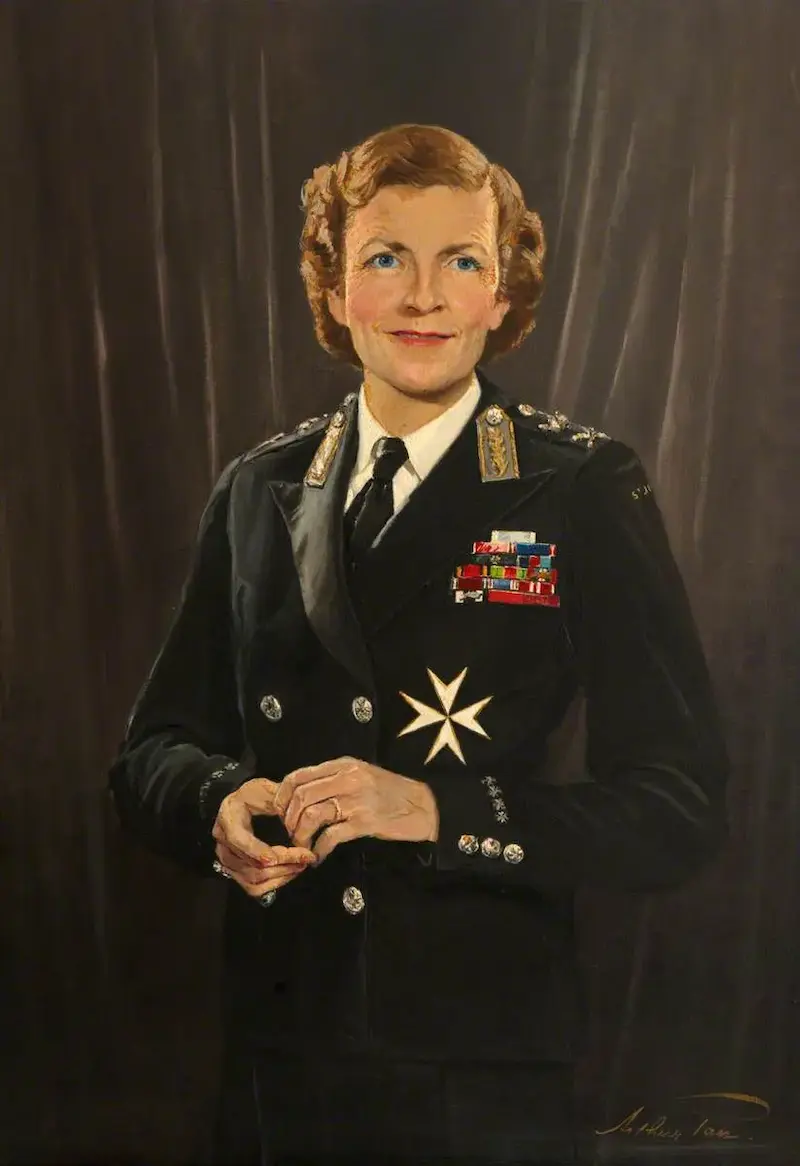
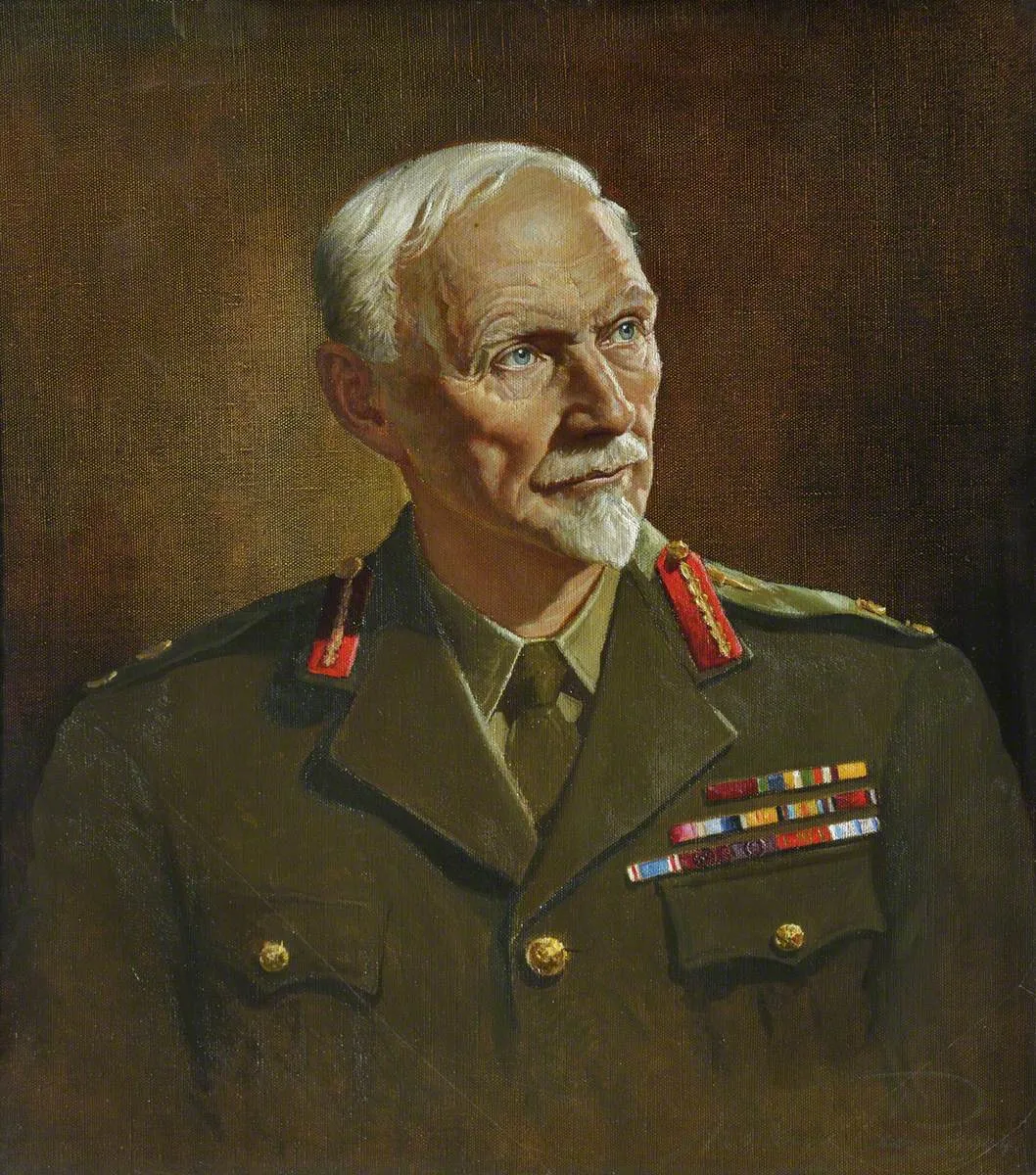
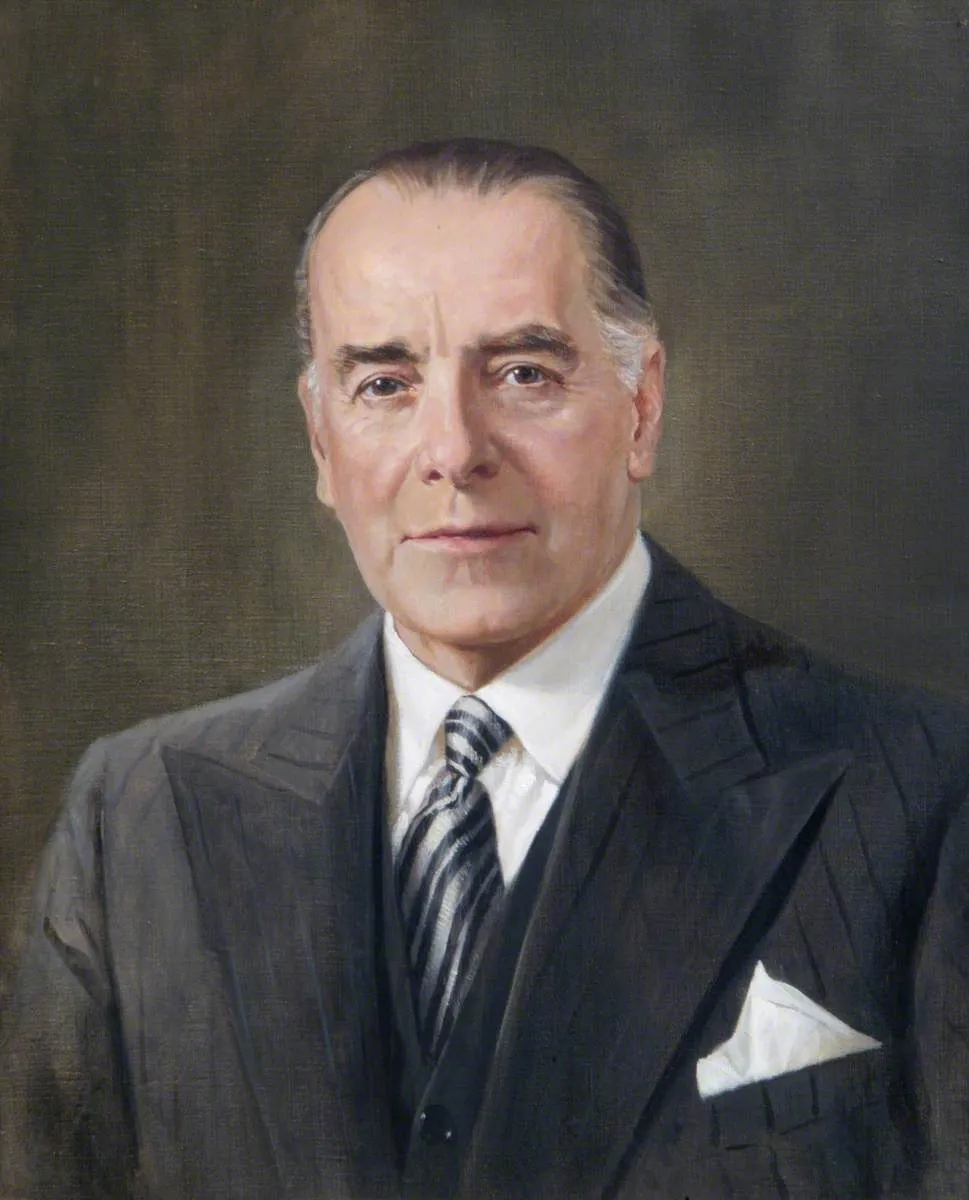
Arthur Pan’s expertise in oil on canvas shines through in this remarkable portrait. The artist’s Classical Realism approach brings out the intricate textures of military regalia and the resolute expression of Colonel Dunlop. Each brushstroke is a study in refined technique, reminiscent of Pan’s acclaimed works like "Percy Huxter" and "Lady Mountbatten." For those who appreciate true craftsmanship, this oil on canvas masterpiece is an exemplary addition to any refined collection.
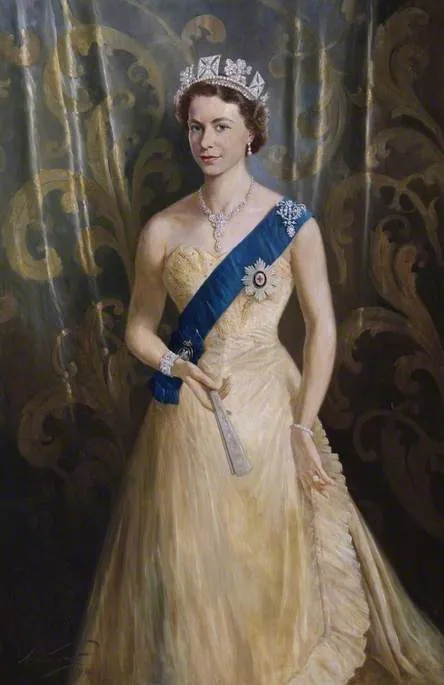
This hand-painted oil painting by Arthur Pan is more than a portrait; it is a narrative woven into the fabric of British history. The medals, uniform, and posture of Colonel Dunlop symbolize honor, service, and leadership, hallmarks of the Classical Realism movement. Viewers often connect this work to other fine art painting for sale, such as "Claude Grahame White" and regal depictions of Elizabeth II, each telling stories of remarkable individuals through symbolic artistry.
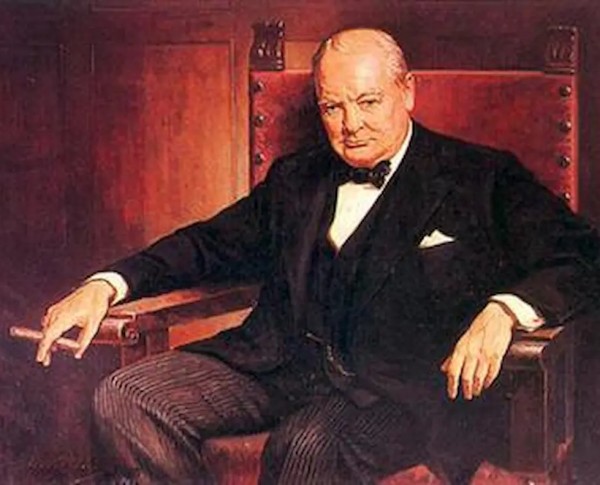
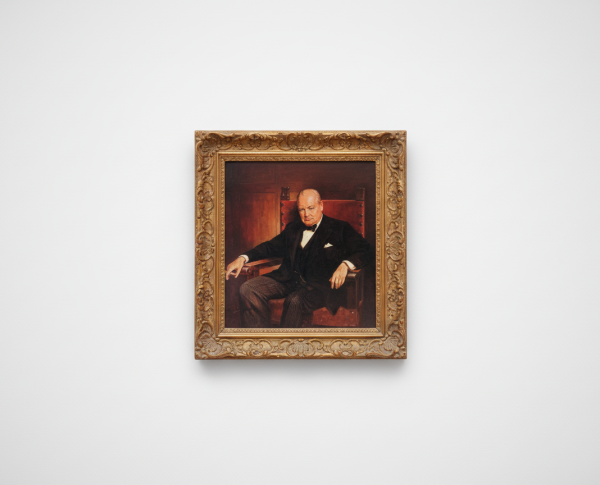
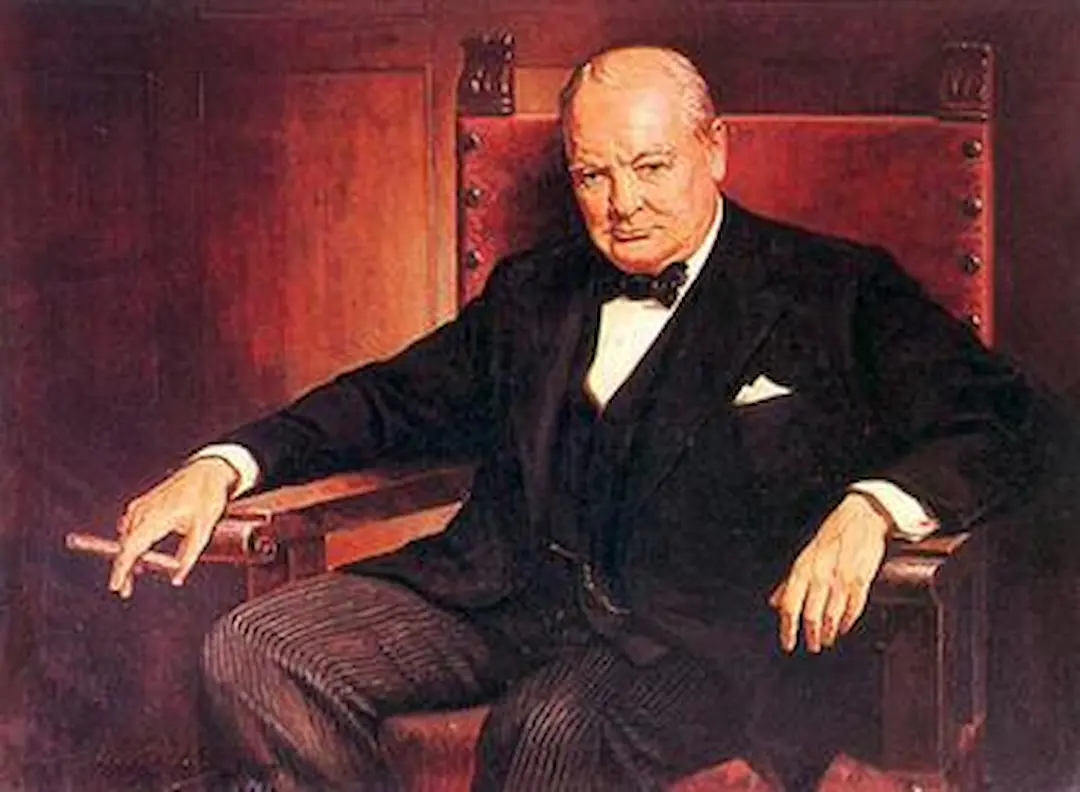
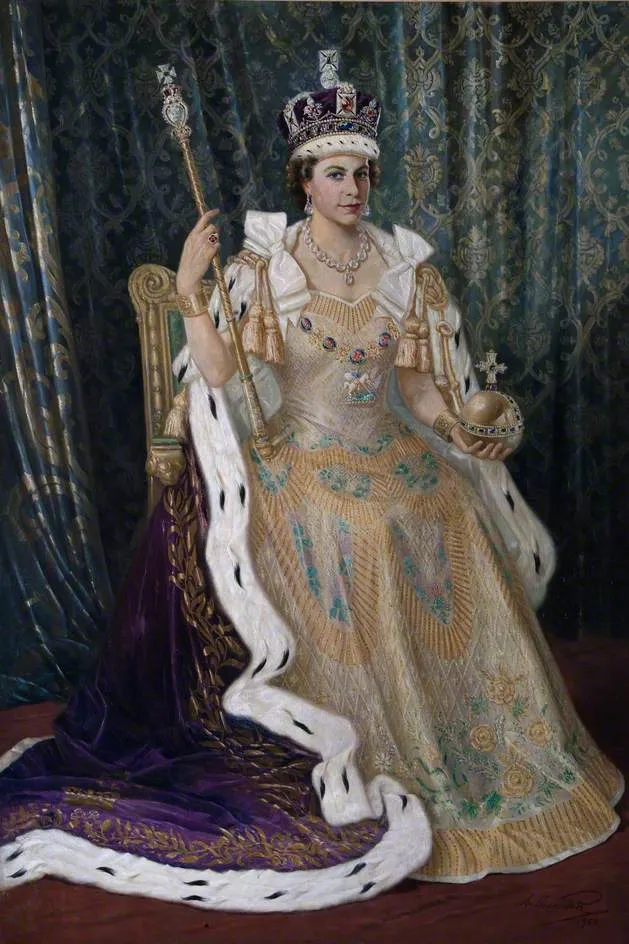
For collectors seeking a distinguished fine art painting for sale, Arthur Pan’s "Colonel (later Brigadier Sir) John Kinninmont Dunlop" is a rare find. The oil on canvas technique, combined with the painting’s historical significance, makes it a centerpiece among related works like "Elizabeth II, in Full Regalia on 7 April" and "Sir Winston Churchill." This portrait not only enhances a collection but also preserves a rich narrative within the Classical Realism movement.
When Art Meets History
Arthur Pan’s hand-painted oil painting, "Colonel (later Brigadier Sir) John Kinninmont Dunlop, Assistant Adjutant General of the Territorial Army," is a remarkable intersection of art and historical narrative. This Classical Realism masterpiece immortalizes a distinguished military figure, echoing the artist’s dedication to accuracy and depth. Pan’s work stands alongside other historical portraits of the era, each offering viewers a window into the personalities shaping early twentieth-century military history.
Techniques That Speak
Employing traditional oil on canvas methods, Arthur Pan demonstrates the technical prowess characteristic of the Classical Realism movement. His meticulous layering and precise brushwork bring out the intricate textures of uniform and skin, creating a lifelike presence. The artist’s technique echoes the mastery found in related paintings from the period, reinforcing the enduring value of classical methods in capturing the dignity and stature of notable individuals in fine art.
Emotions on Display
In this fine art painting for sale, Arthur Pan conveys not only the physical likeness of Colonel Dunlop but also a profound sense of character and emotion. The subject’s composed demeanor and steady gaze suggest both resolve and humility, hallmarks of leadership. Like other Classical Realism portraits, this work invites viewers to ponder the inner lives of its subjects, offering a nuanced portrayal that transcends mere representation and resonates with collectors and art enthusiasts alike.
Coveted by Collectors
Arthur Pan’s "Colonel (later Brigadier Sir) John Kinninmont Dunlop, Assistant Adjutant General of the Territorial Army" is highly sought after among collectors of hand-painted oil paintings. The historical significance and technical excellence embodied in this Classical Realism portrait make it a standout piece in any collection. Comparable works from Pan and his contemporaries continue to attract attention, underscoring the timeless appeal of finely crafted, historically significant portraiture in the art market.
Frequently Asked Questions About Colonel (later Brigadier Sir) John Kinninmont Dunlop, Assistant Adjutant General of the Territorial Army
What is the historical significance of Colonel John Kinninmont Dunlop?
Colonel John Kinninmont Dunlop served as the Assistant Adjutant General of the Territorial Army, playing a crucial role in the organization and administration of military forces during a pivotal time in British history. His contributions to military strategy and community service are reflected in his portrait.
Who is the artist of this painting, and what is his artistic background?
The painting was created by Arthur Pan, an artist known for his ability to capture the essence of his subjects through detailed and expressive portraiture. Pan's work often reflects a deep understanding of historical context and character.
What artistic techniques did Arthur Pan employ in this portrait?
Arthur Pan utilized a combination of realistic rendering and subtle color palettes to convey the dignity and authority of Colonel Dunlop. The use of light and shadow enhances the three-dimensionality of the figure, while the meticulous attention to detail in the uniform signifies his military rank.
What symbolism is present in the painting?
The uniform worn by Colonel Dunlop symbolizes his commitment to service and leadership within the Territorial Army. The choice of colors and insignia may also reflect his rank and achievements, serving as a visual representation of honor and duty.
How does this painting reflect the values of the time period it represents?
This portrait encapsulates the values of duty, honor, and patriotism that were prevalent during the era of Colonel Dunlop's service. It serves as a reminder of the sacrifices made by military personnel and the respect afforded to their roles in society.
In what ways does the composition of the painting contribute to its overall impact?
The composition of the painting is carefully balanced, with Colonel Dunlop positioned prominently to draw the viewer's eye. The background is subdued, allowing the subject to stand out, which emphasizes his importance and the gravity of his role.
What can we learn about military leadership from this portrait?
This portrait not only highlights Colonel Dunlop's individual achievements but also serves as a representation of the qualities expected in military leadership, such as integrity, resilience, and dedication to service, which are timeless values in any leadership role.
How does the painting fit into the broader context of military portraiture?
This painting is part of a long tradition of military portraiture that seeks to honor and immortalize the figures who have served their country. It reflects the conventions of the genre while also bringing a personal touch that speaks to Colonel Dunlop's unique contributions.
What emotions does the portrait evoke in viewers?
The portrait evokes a sense of respect and admiration for Colonel Dunlop's service. The serious expression and poised demeanor invite viewers to reflect on the sacrifices made by military personnel and the weight of their responsibilities.
Is there any notable history behind the creation of this painting?
The creation of this painting is rooted in the tradition of commemorating military figures through art. It was commissioned to honor Colonel Dunlop's service and achievements, ensuring that his legacy would be remembered through visual representation.






















_GFM_Painting_(1).webp)

_John_Kinninmont_Dunlop1.webp)

 100% Hand-Painted: Finished in 3-6 Weeks
_John_Kinninmont_Dunlop1.webp)

.png)












.webp)



_(1).webp)