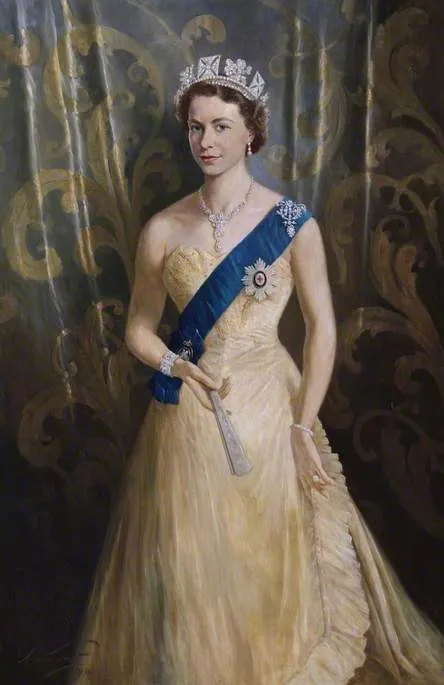
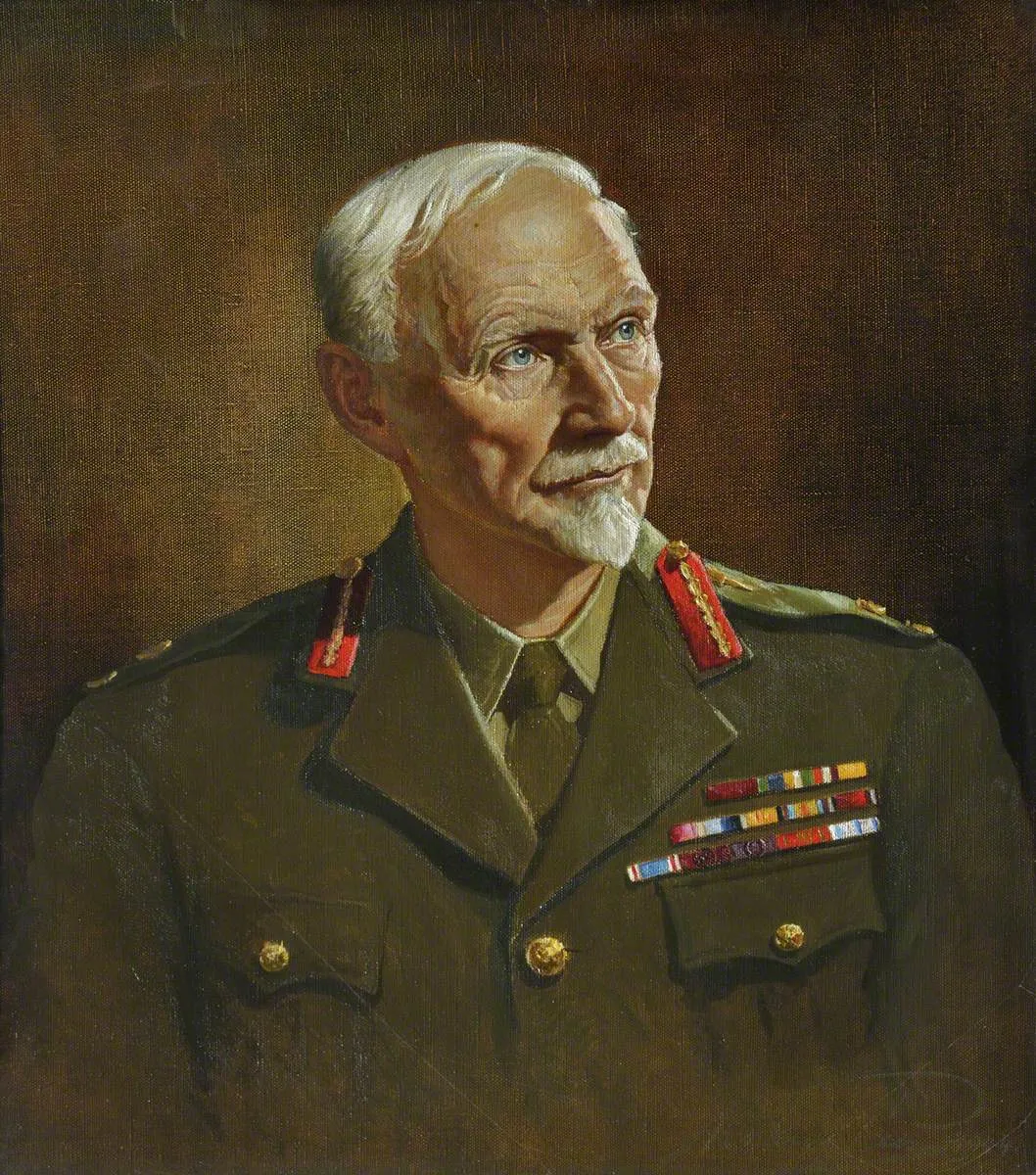
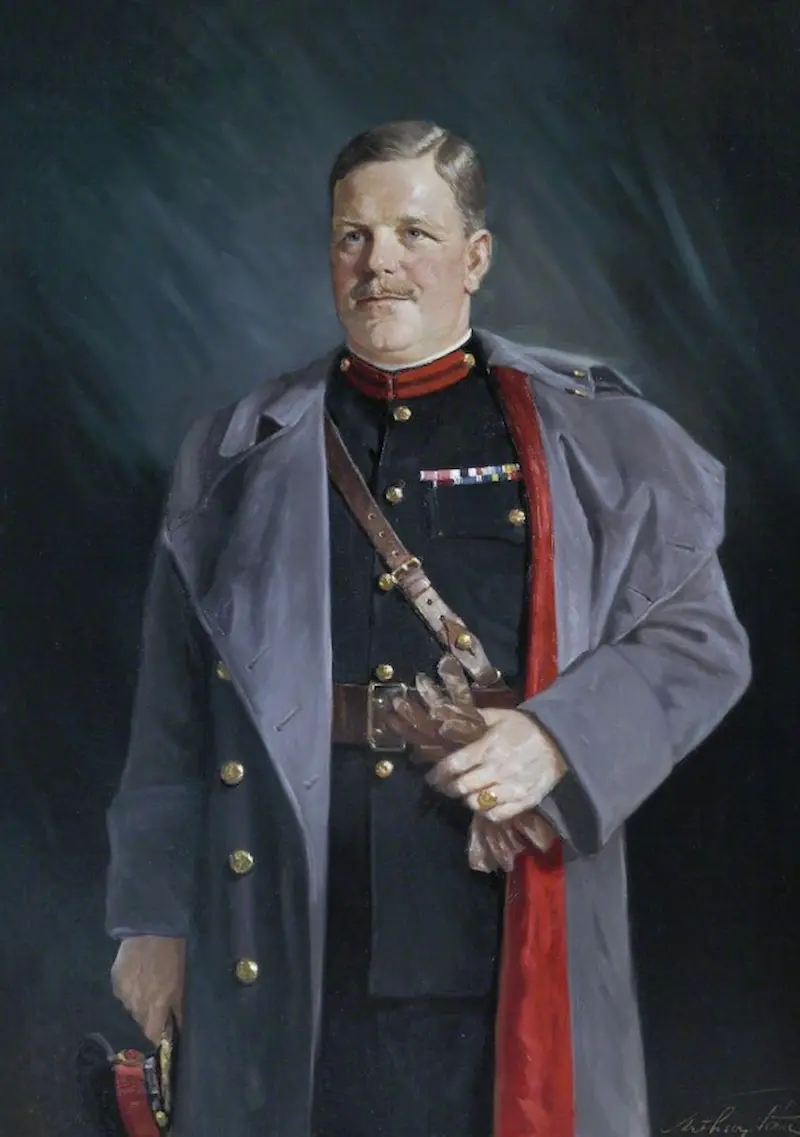
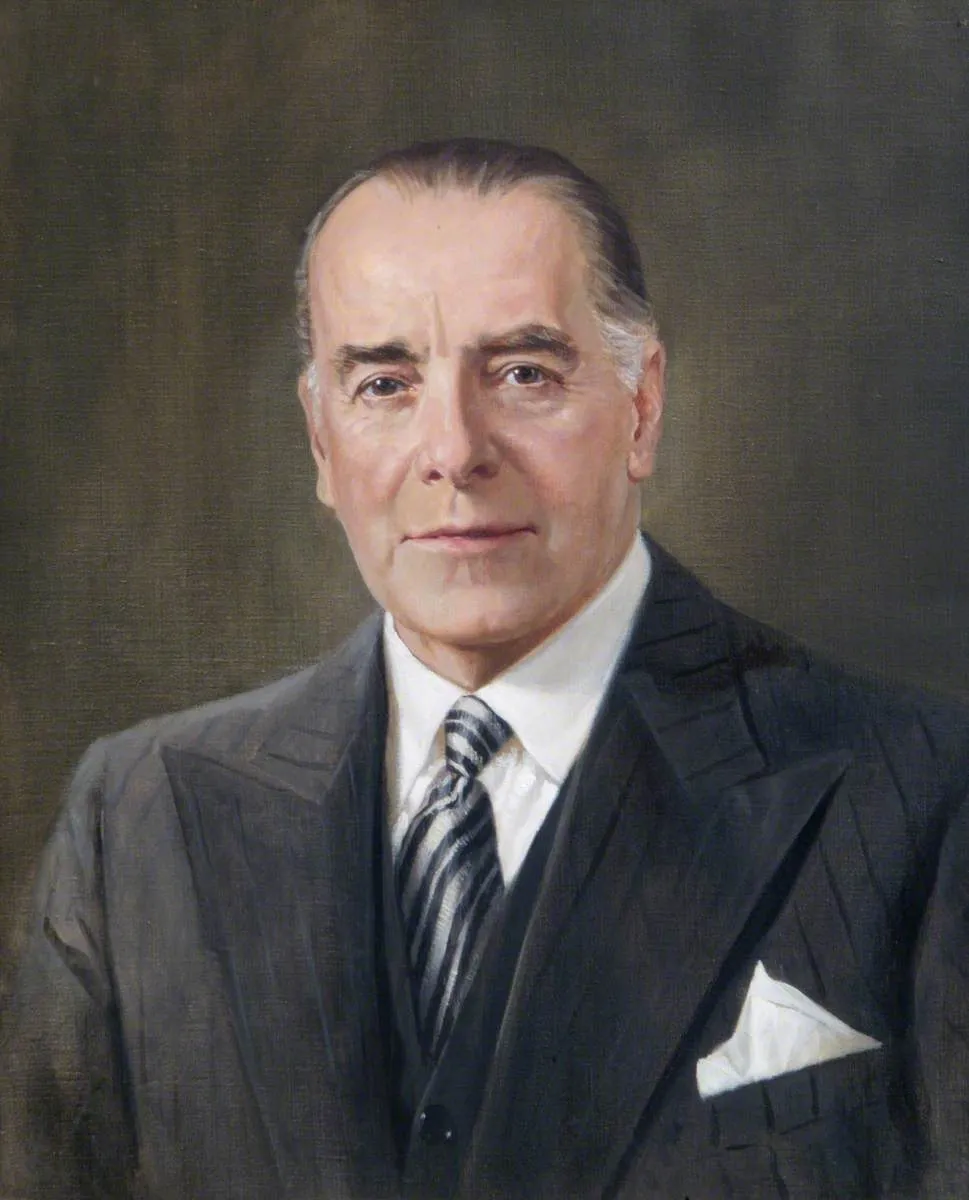
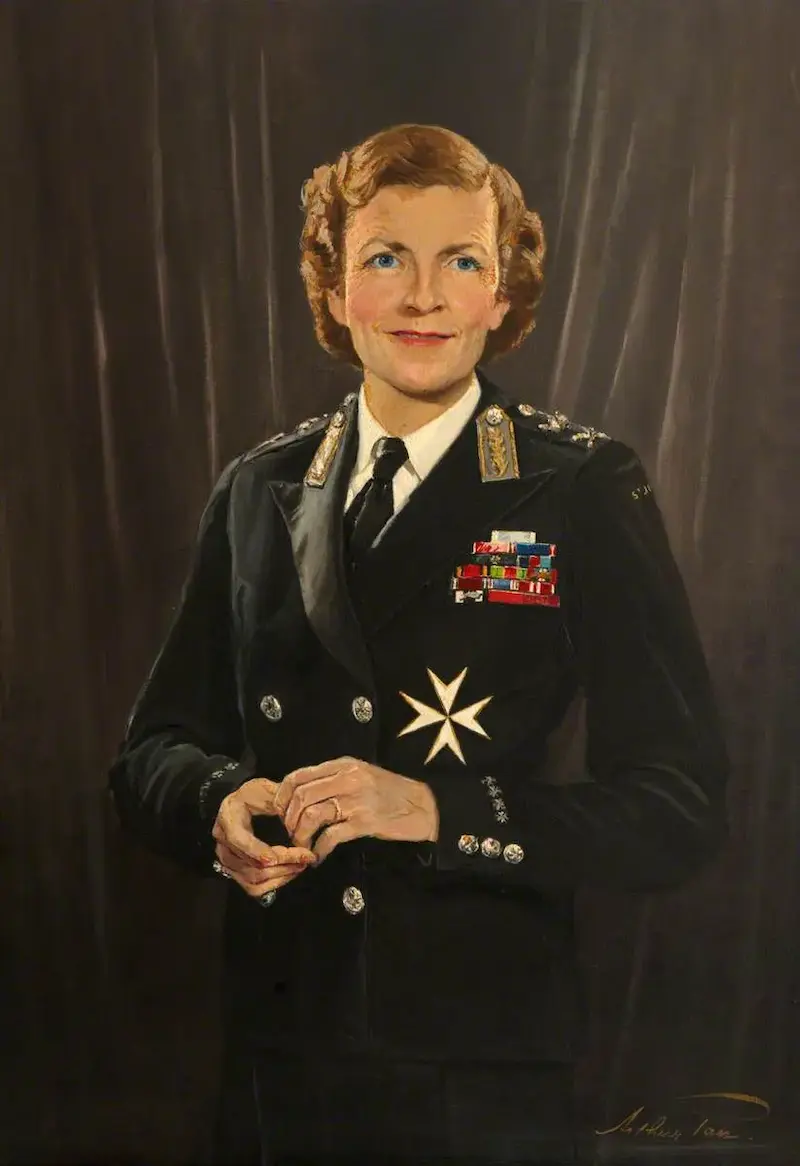
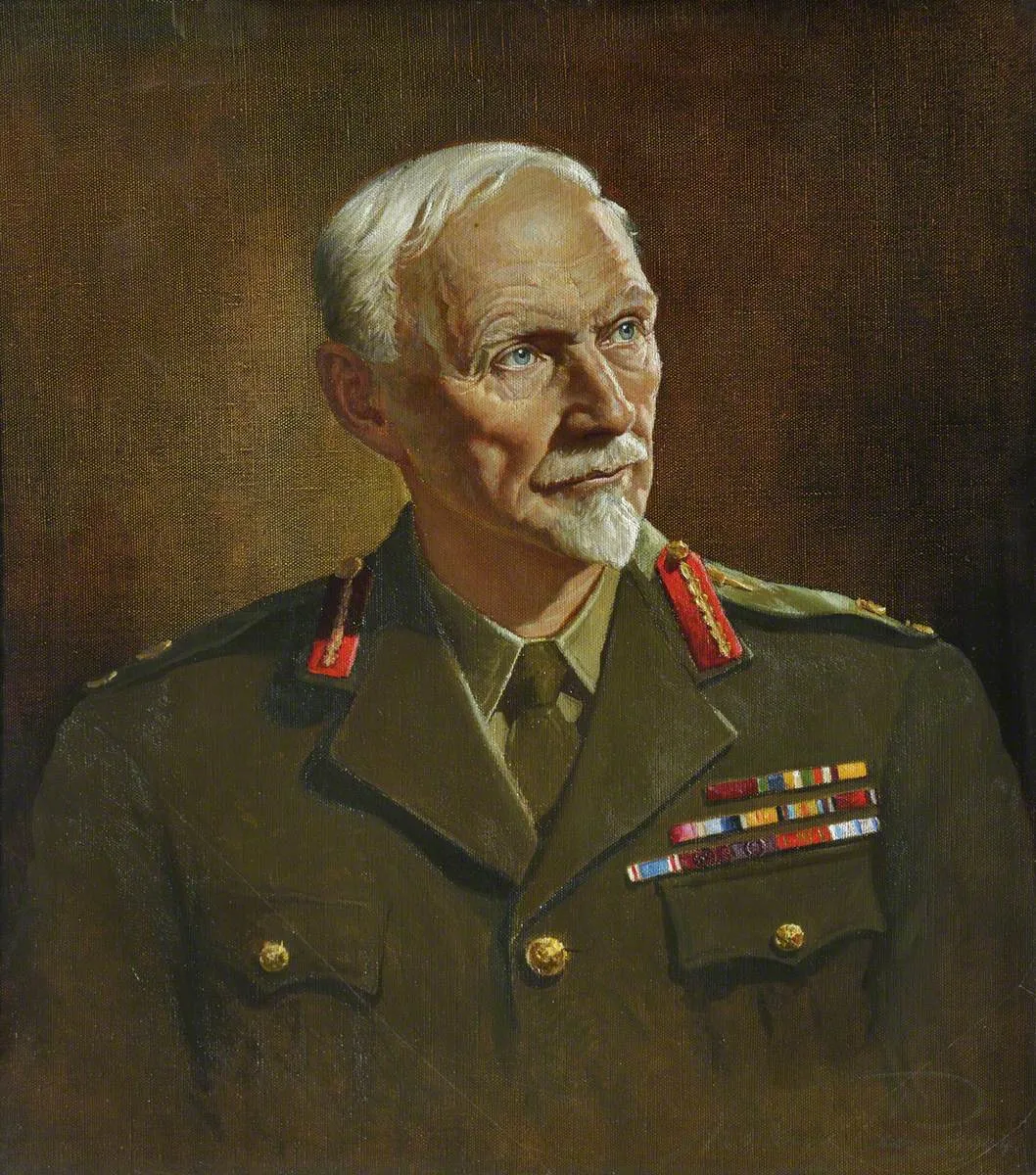
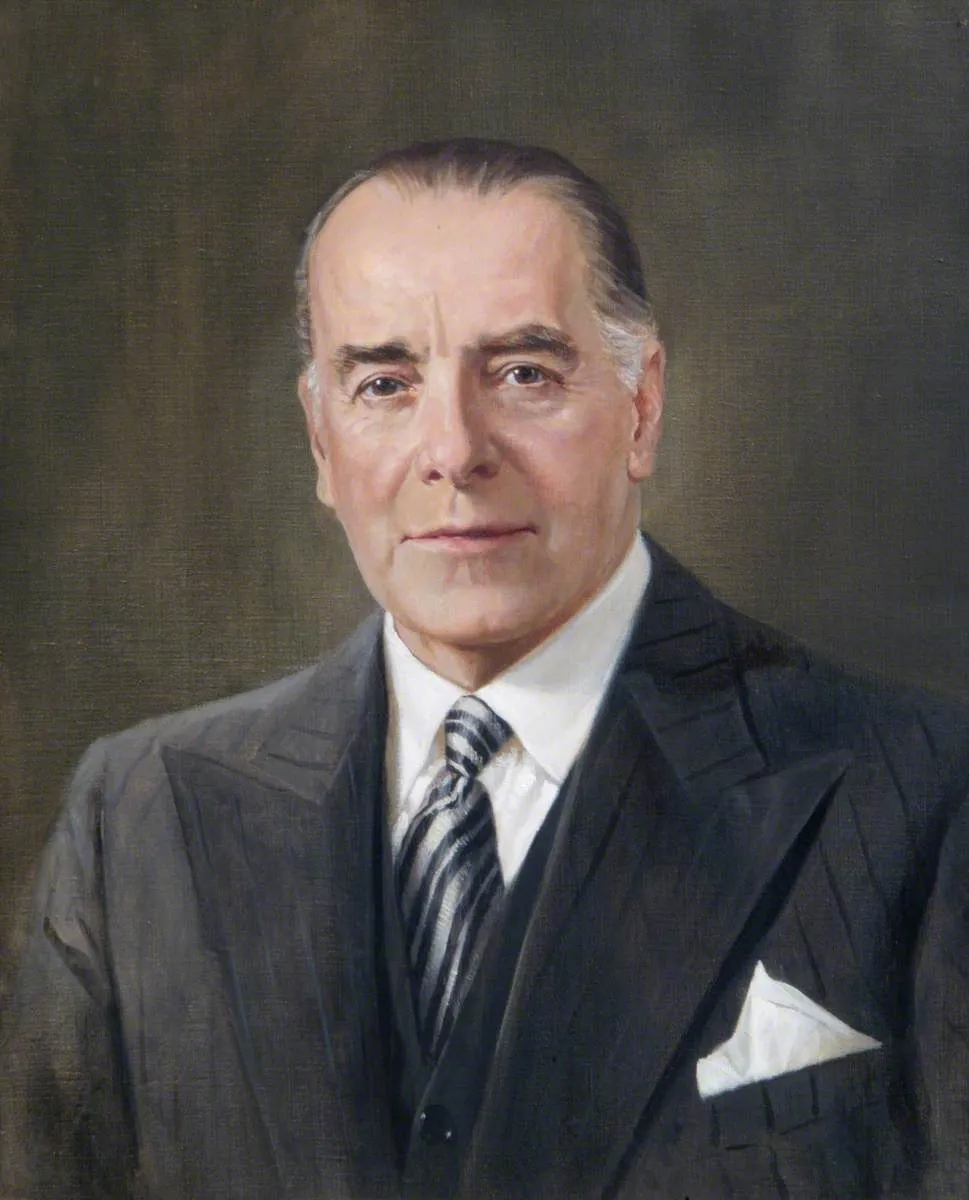
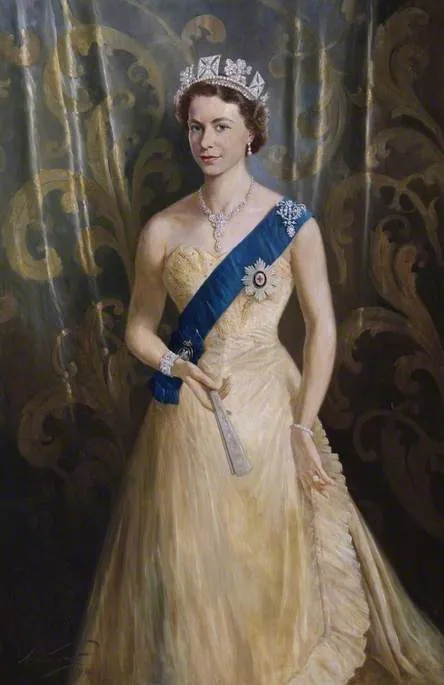
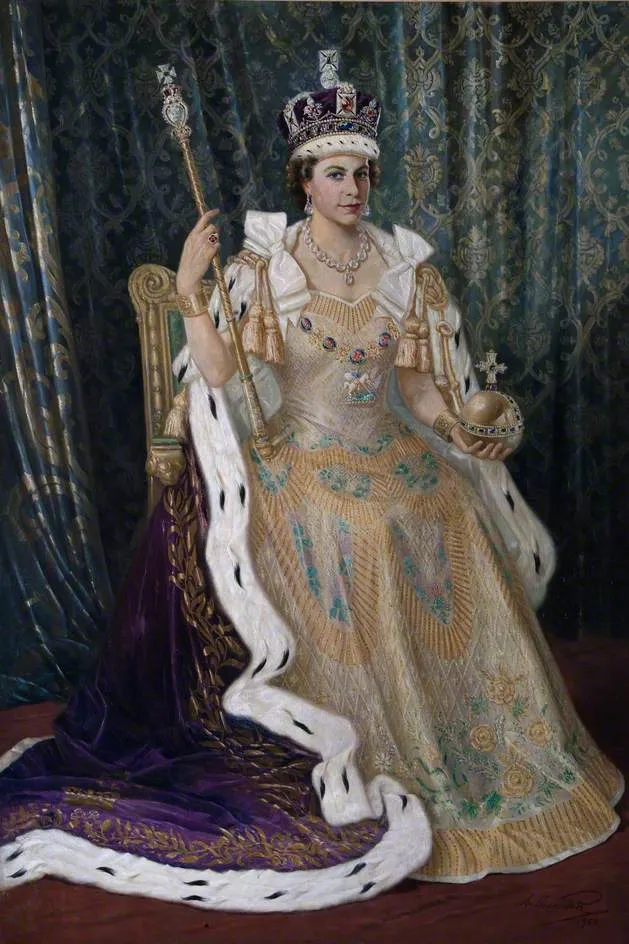
The "Percy Huxter" painting showcases Arthur Pan’s extraordinary skill with oil on canvas, a medium favored by masters of Classical Realism. Every brushstroke in this work reveals Pan’s dedication to lifelike detail and the subtle play of light and shadow. Similar to his renowned portraits of Jan Christian Smuts and Elizabeth II, Pan’s technique elevates the sitter’s presence, offering viewers a compelling example of what makes oil on canvas so revered in fine art.
In "Percy Huxter," Arthur Pan weaves narrative and symbolism, inviting viewers to contemplate the subject’s character and place in history. This fine art painting for sale echoes the storytelling depth found in Pan’s depictions of leaders like Chancellor of the University and General of Boer Forces in Cape Colony. Each element—pose, attire, and background—adds layers of meaning, making this Classical Realism masterpiece a conversation piece for any art enthusiast.
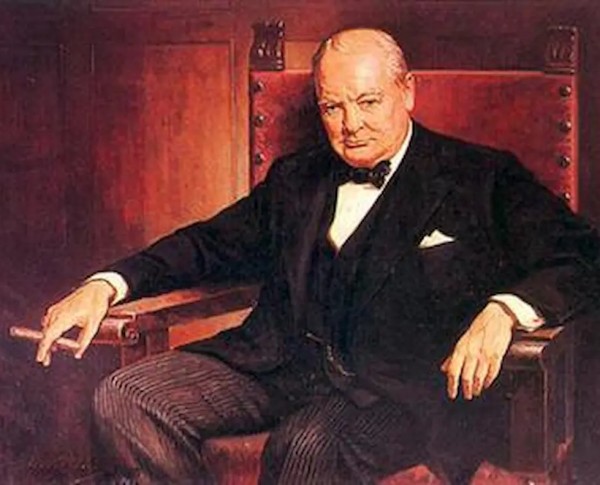
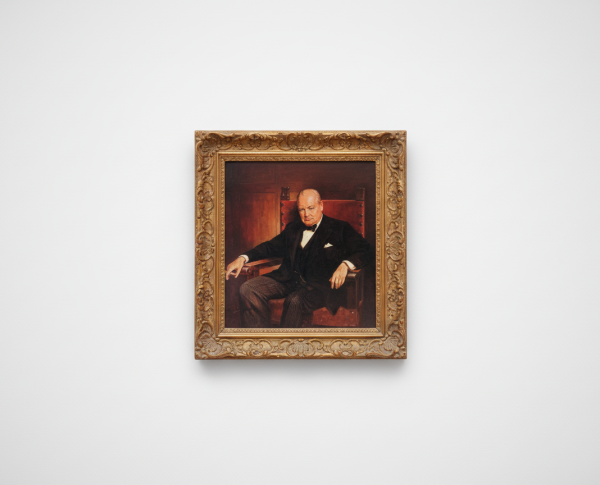
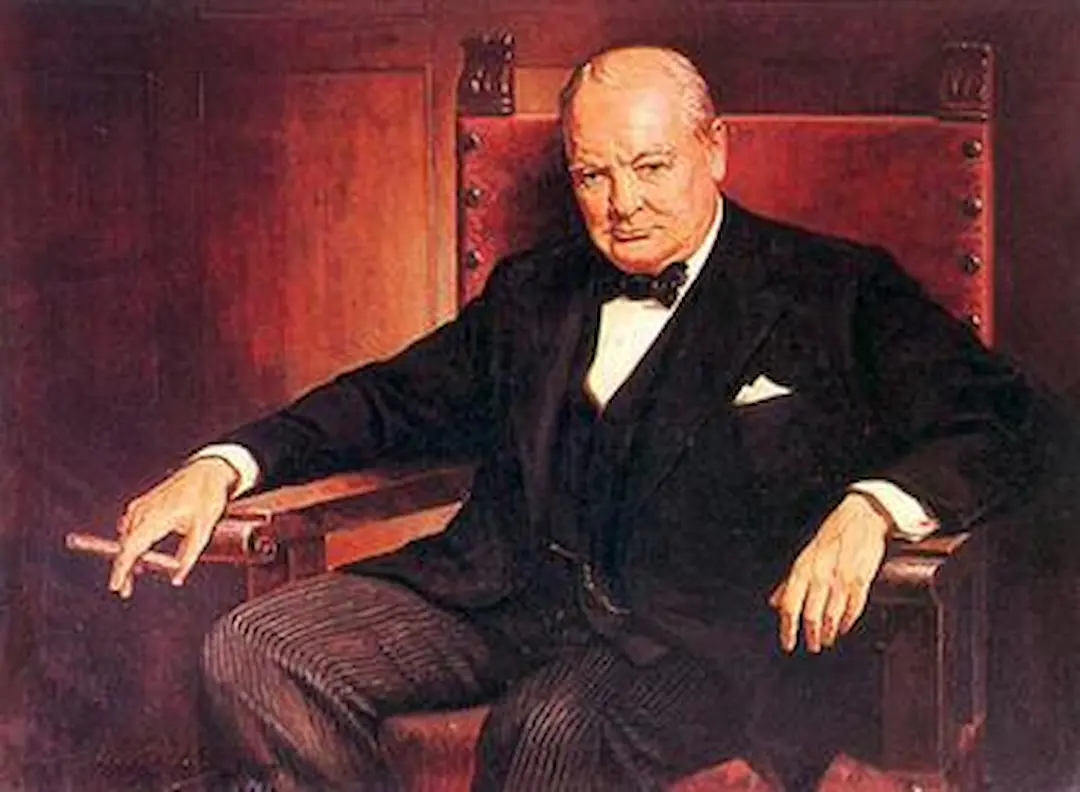
Owning "Percy Huxter" by Arthur Pan means acquiring more than a hand-painted oil painting; it’s an investment in the legacy of Classical Realism. Collectors seeking works that stand alongside those of Sir Winston Churchill and Elizabeth II will appreciate the rarity and craftsmanship of this piece. As a fine art painting for sale, it offers a unique opportunity to bring home the timeless elegance and historical resonance that define Arthur Pan’s celebrated portfolio.
When Art Meets History
Arthur Pan's "Percy Huxter" stands as a testament to the Classical Realism movement, masterfully intertwining historical context with artistic precision. This hand-painted oil painting not only captures the essence of its era but also reflects Pan's deep understanding of his subject. In creating "Percy Huxter," Pan aligns his work with other notable pieces of Classical Realism, demonstrating how art can preserve and communicate the stories of the past for future generations to appreciate.
Techniques That Speak
The brilliance of "Percy Huxter" lies in Arthur Pan's expert application of oil on canvas, a technique revered among Classical Realism artists. Through delicate brushwork and careful layering, Pan achieves lifelike textures and depth, bringing the sitter to vivid life. This painting showcases the meticulous skills required to produce such realism, setting "Percy Huxter" apart from contemporaneous works and highlighting the enduring appeal of traditional oil on canvas artistry in fine art circles.
Emotions on Display
Arthur Pan’s "Percy Huxter" evokes a profound emotional response, a hallmark of Classical Realism. The subject’s expression and posture in this fine art painting for sale reveal a rich inner world, inviting viewers to ponder the narrative behind the portrait. Like many great works of the movement, "Percy Huxter" balances technical mastery with emotional depth, ensuring that it resonates with audiences and stands as a moving tribute to the human experience.
Coveted by Collectors
Among collectors, "Percy Huxter" by Arthur Pan is highly sought after, celebrated for its exceptional representation of the Classical Realism movement. As a hand-painted oil painting, it exemplifies the qualities that make such works valuable additions to any collection. The rarity and historical significance of Pan’s portraits increase their desirability, and "Percy Huxter" remains a prime example of a fine art painting for sale that continues to captivate art enthusiasts worldwide.
Frequently Asked Questions About Percy Huxter
What is the historical context of "Percy Huxter"?
"Percy Huxter" was created during a period of significant artistic exploration in the early 20th century, reflecting the transition from traditional to modern art forms. This era was marked by a growing interest in individual expression and the complexities of human experience.
Who is the artist behind "Percy Huxter"?
The painting is the work of Arthur Pan, a notable figure in contemporary art known for his unique approach to portraiture and his ability to capture the essence of his subjects.
What artistic techniques are employed in "Percy Huxter"?
Arthur Pan utilizes a combination of bold brushwork and vibrant color palettes in "Percy Huxter," which contribute to the dynamic portrayal of the subject and evoke a sense of movement and emotion.
What does "Percy Huxter" symbolize?
The painting symbolizes the complexity of identity and the multifaceted nature of human beings. Through the portrayal of Percy Huxter, the artist invites viewers to contemplate the layers of personality and experience that define an individual.
How does "Percy Huxter" reflect the artist's style?
"Percy Huxter" exemplifies Arthur Pan's signature style, characterized by a blend of realism and abstraction. The artist's focus on emotional depth and psychological insight is evident in the detailed rendering of the subject's features.
What influences can be seen in "Percy Huxter"?
The painting reflects influences from both classical portraiture and modern expressionism, showcasing Pan's ability to merge traditional techniques with contemporary themes and aesthetics.
What is the significance of the colors used in "Percy Huxter"?
The color palette in "Percy Huxter" is carefully chosen to evoke specific emotions and highlight the subject's character. Warm tones may suggest vitality and warmth, while cooler shades can convey introspection and depth.
In what ways does "Percy Huxter" engage with the viewer?
The painting engages viewers through its expressive composition and the direct gaze of the subject, prompting a personal connection and encouraging reflection on one's own identity and experiences.
What themes are explored in "Percy Huxter"?
The themes of identity, introspection, and the human condition are central to "Percy Huxter." The painting invites viewers to explore the complexities of self-perception and the narratives that shape our lives.
How has "Percy Huxter" been received by critics and audiences?
"Percy Huxter" has garnered attention for its innovative approach and emotional resonance, with critics praising Arthur Pan's ability to blend technical skill with profound thematic exploration, making it a significant work in contemporary art discussions.






















_GFM_Painting_(1).webp)

.webp)

 100% Hand-Painted: Finished in 3-6 Weeks
.webp)

.png)















_(1).webp)