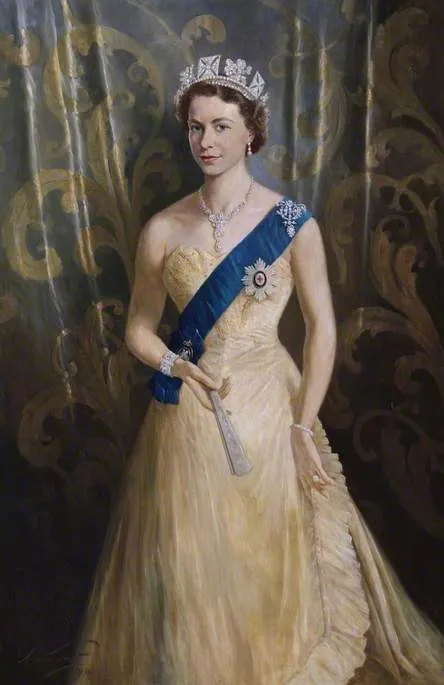
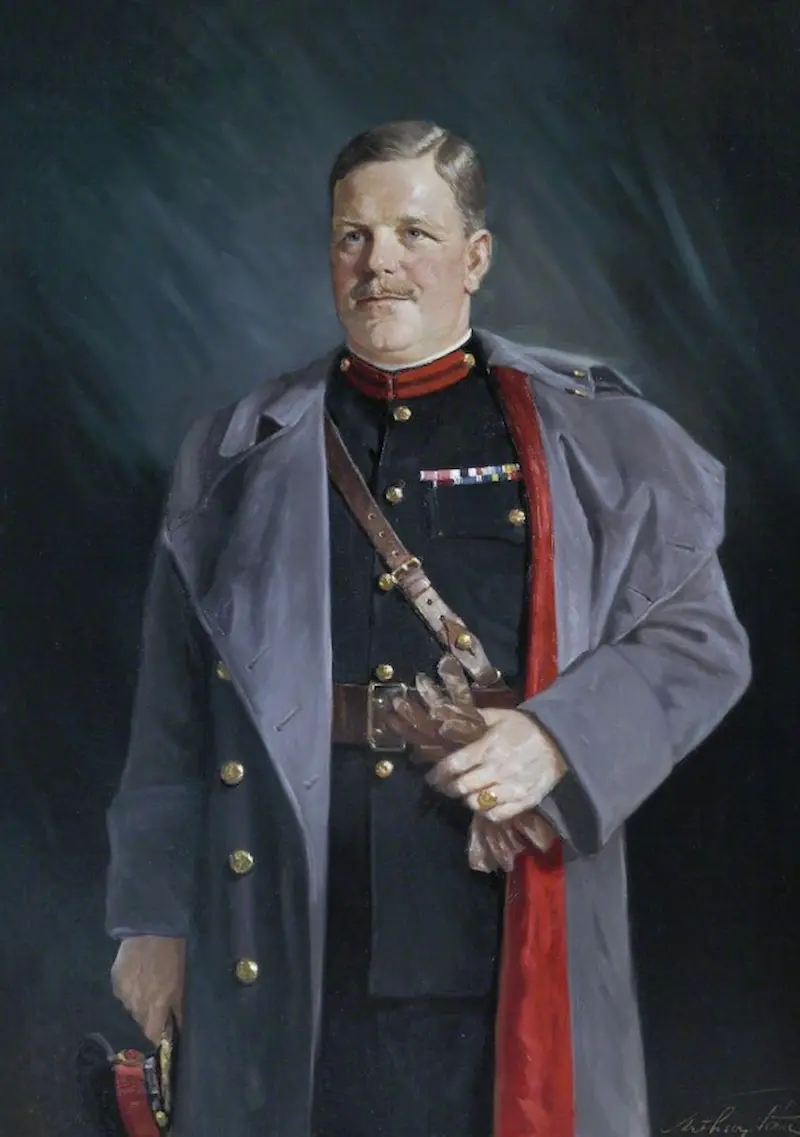
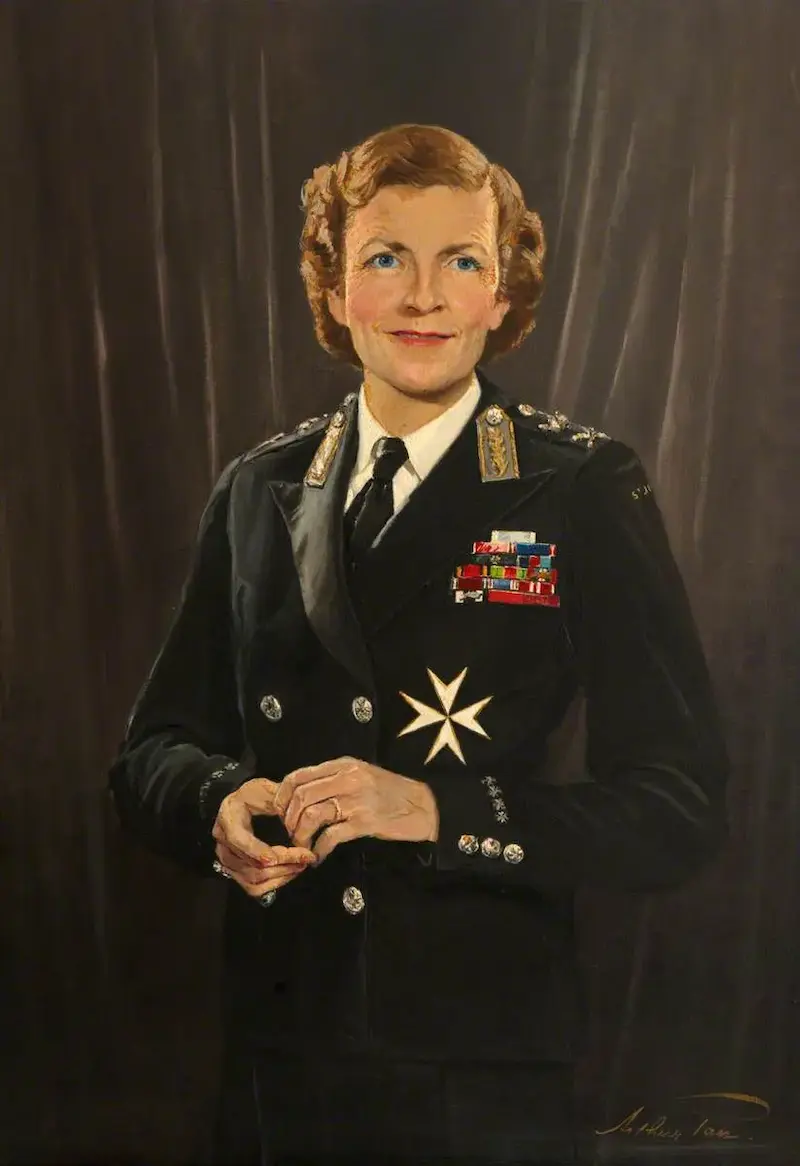
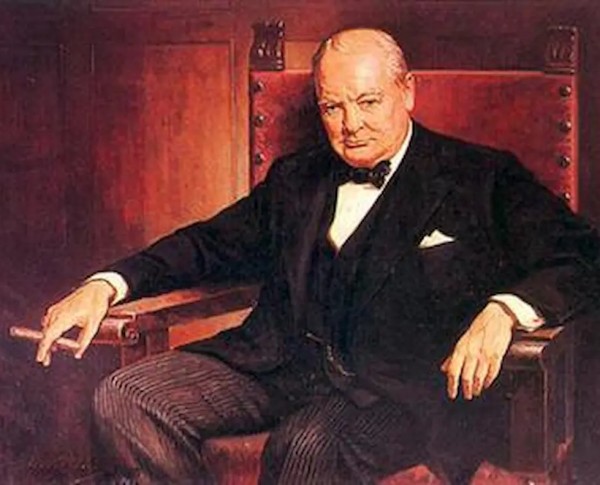
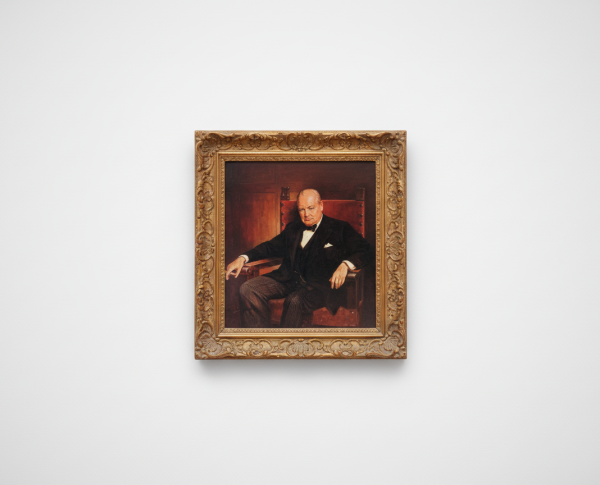
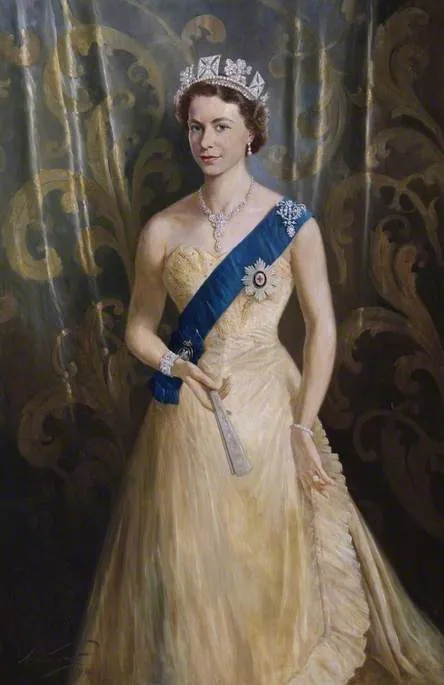
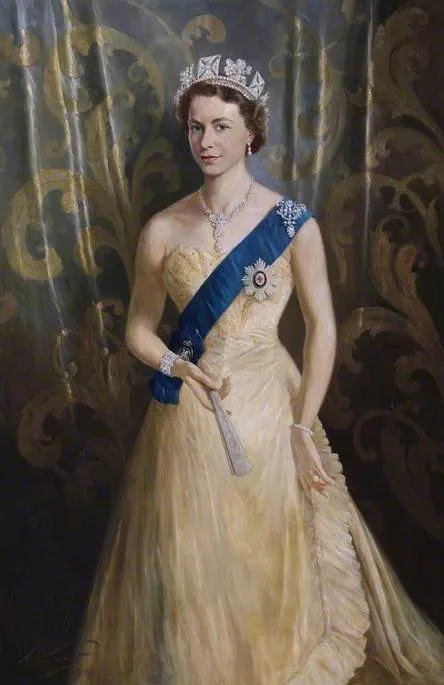
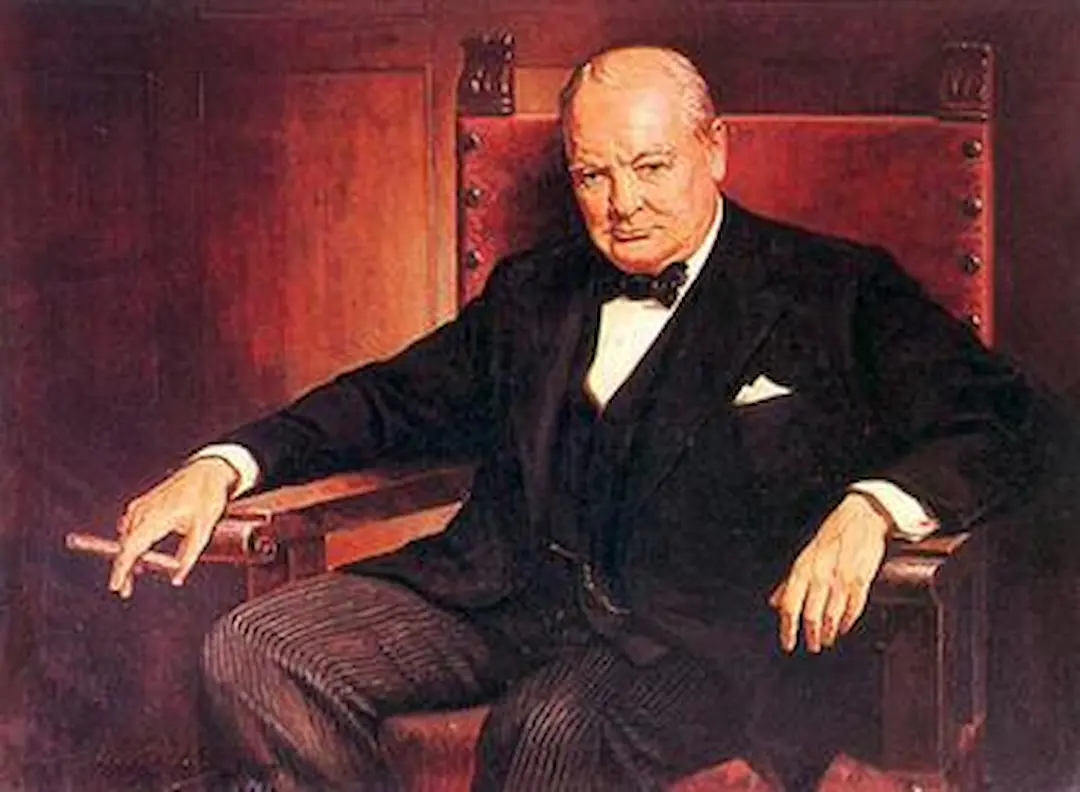
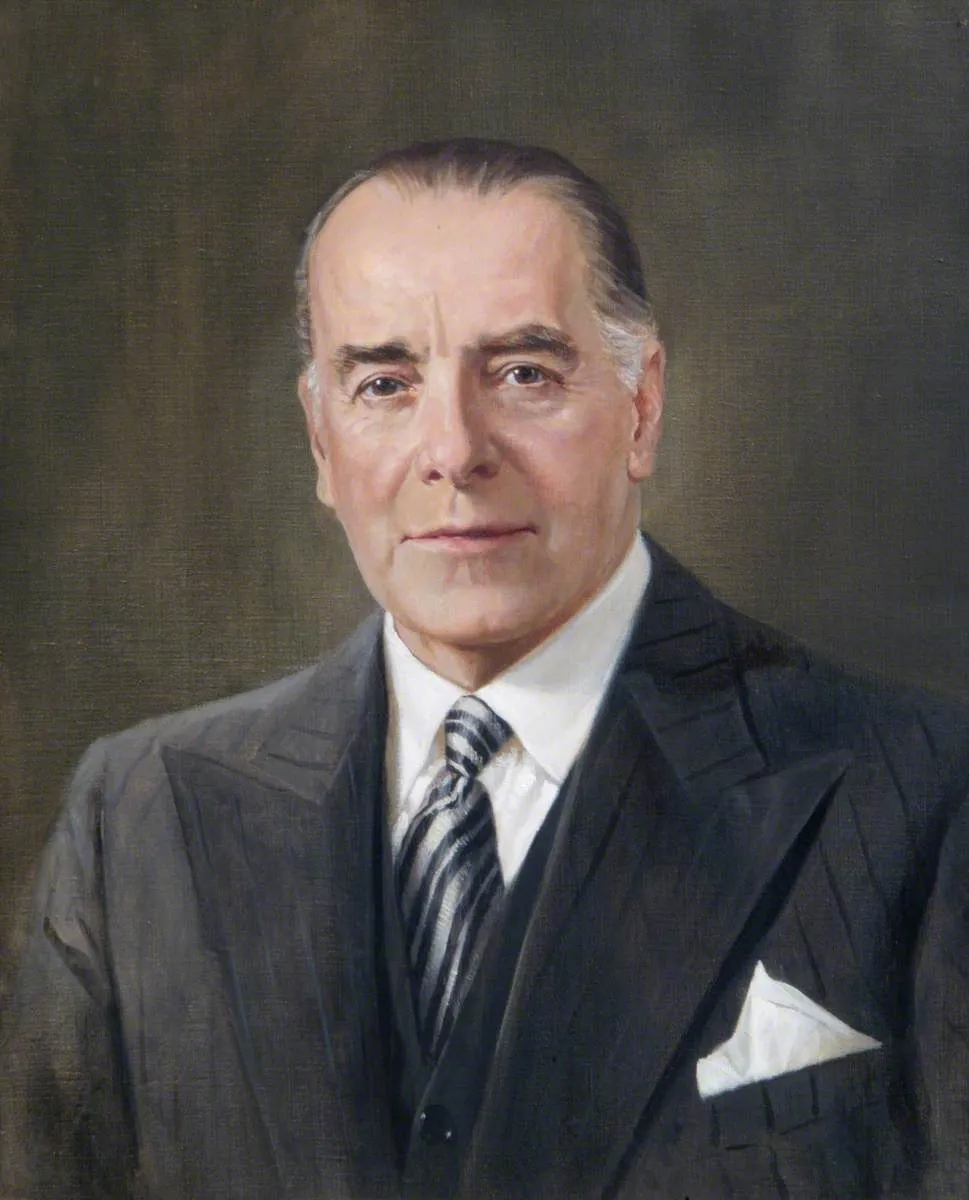
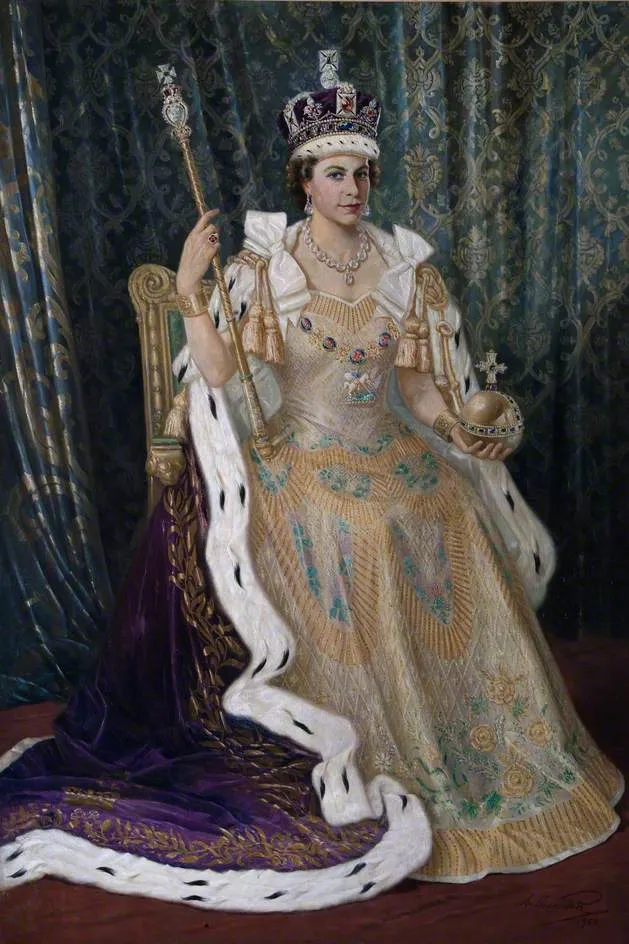
Arthur Pan’s "Elizabeth II" exemplifies the meticulous technique characteristic of Classical Realism, with every brushstroke on oil on canvas capturing the regal presence of the Queen. The artist, celebrated for his skillful portraits of figures such as Claude Grahame White and Sir Winston Churchill, demonstrates unparalleled attention to detail and lifelike representation. This hand-painted oil painting is a testament to Pan’s mastery, making it an essential addition to any collection of fine art painting for sale.
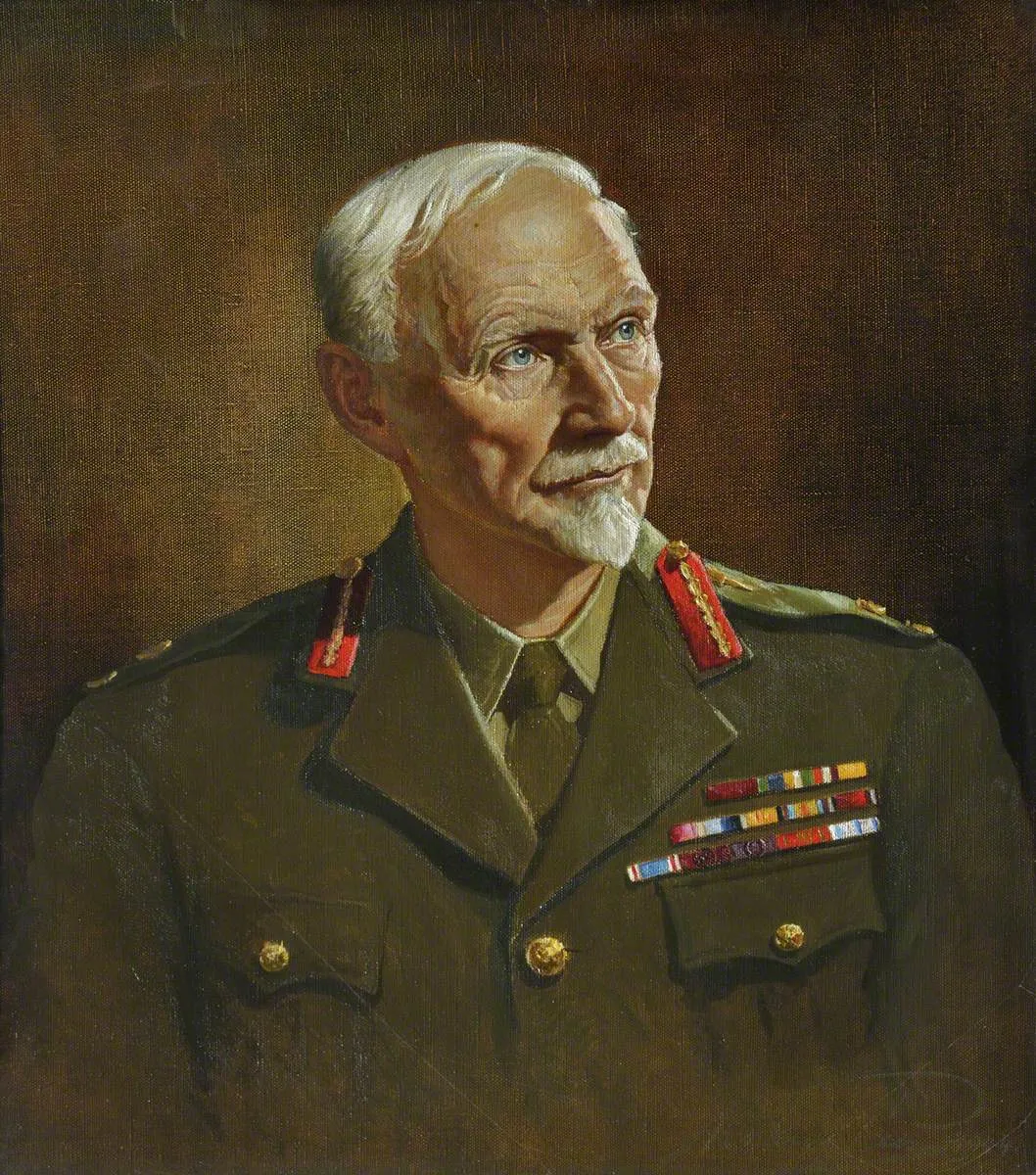
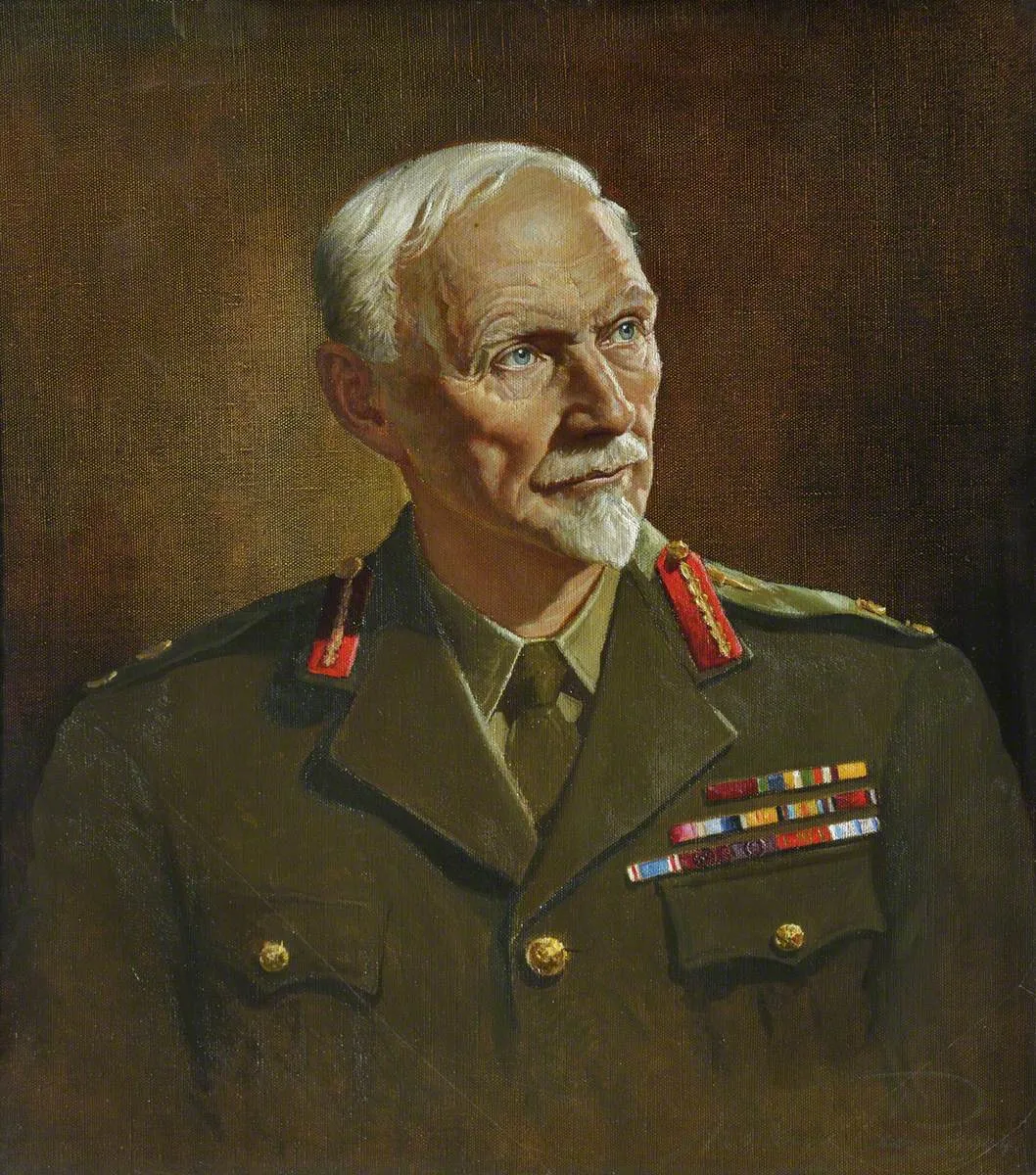
Within "Elizabeth II," Arthur Pan embeds subtle symbols and narratives, a hallmark of the Classical Realism movement. The Queen’s attire and posture convey authority and grace, while the background details reference her reign’s storied history. Collectors of oil on canvas portraits will appreciate how Pan’s work resonates with his other paintings, like those of Jan Christian Smuts and Claude Grahame White, each telling a unique story through fine art painting for sale.
For art enthusiasts, "Elizabeth II" by Arthur Pan represents more than a hand-painted oil painting—it’s a collector’s treasure. As part of the Classical Realism movement, this oil on canvas showcases Pan’s remarkable ability to capture historical figures, much like his celebrated portraits of Sir Winston Churchill and Jan Christian Smuts. Owning this fine art painting for sale connects collectors to a tradition of excellence in portraiture and the enduring legacy of iconic personalities.
When Art Meets History
"Elizabeth II" by Arthur Pan stands as a testament to the enduring power of portraiture within the Classical Realism movement. This hand-painted oil painting beautifully captures the regal presence of Queen Elizabeth II, reflecting a pivotal era in British history. Arthur Pan’s meticulous technique aligns with other masterworks of his time, making this piece not just a visual delight but also a historical document. Collectors and art enthusiasts cherish such classical portraits for their timeless appeal and authenticity.
Techniques That Speak
Arthur Pan’s masterful use of oil on canvas in "Elizabeth II" demonstrates his deep understanding of traditional painting methods. The delicate layering, precise brushwork, and attention to detail highlight Pan’s dedication to the Classical Realism movement. Through expert manipulation of light and shadow, he breathes life into his subject, allowing viewers to appreciate the technical prowess behind every stroke. This oil on canvas technique ensures longevity and vibrancy, drawing comparisons to other notable realist portraits.
Emotions on Display
In "Elizabeth II," Arthur Pan conveys more than just a likeness—he captures the quiet dignity and inner strength of the monarch. The expressive eyes and serene posture evoke a sense of calm authority, hallmarks of the Classical Realism movement. This fine art painting for sale resonates emotionally with viewers, offering a glimpse into the soul of its subject. Like other renowned portraits, it invites reflection on leadership, heritage, and the human spirit captured in paint.
Coveted by Collectors
"Elizabeth II" by Arthur Pan has become highly sought after among collectors who appreciate hand-painted oil paintings from the Classical Realism movement. The painting’s historical significance and exquisite execution make it a prized addition to any collection. Its rarity, combined with Pan’s reputation, ensures ongoing interest from museums and private buyers alike. Similar to other iconic works in this style, "Elizabeth II" represents both artistic excellence and a valuable investment in fine art history.
Frequently Asked Questions About Elizabeth II
What is the historical significance of the painting "Elizabeth II" by Arthur Pan?
The painting "Elizabeth II" captures a pivotal moment in British history, reflecting the enduring legacy of Queen Elizabeth II as a symbol of stability and continuity in the monarchy during times of change.
What artistic techniques did Arthur Pan employ in "Elizabeth II"?
Arthur Pan utilized a combination of traditional oil painting techniques and modern stylistic elements, creating a rich texture and depth that enhances the regal presence of the subject.
How does "Elizabeth II" reflect the personality of the Queen?
The painting encapsulates Queen Elizabeth II's dignified demeanor and resilience, portraying her not only as a monarch but also as a relatable figure who has navigated the complexities of modern governance.
What symbols are present in "Elizabeth II" and what do they represent?
In "Elizabeth II," symbols such as the crown and scepter represent authority and sovereignty, while the choice of colors signifies loyalty and tradition, reflecting the Queen's role in British culture.
What influences shaped Arthur Pan's portrayal of Queen Elizabeth II?
Arthur Pan drew inspiration from both classical portraiture and contemporary art movements, blending historical reverence with modern perspectives to create a unique interpretation of the Queen.
How does the composition of "Elizabeth II" contribute to its overall impact?
The composition of "Elizabeth II" is carefully structured, with the Queen positioned centrally, drawing the viewer's eye and emphasizing her importance, while the background elements provide context without overshadowing her presence.
What emotions does "Elizabeth II" evoke in viewers?
The painting elicits a sense of admiration and respect, inviting viewers to reflect on the Queen's long reign and the historical events she has witnessed, fostering a connection between the past and present.
In what ways does "Elizabeth II" challenge traditional portraiture?
While adhering to the conventions of royal portraiture, "Elizabeth II" challenges traditional norms by incorporating contemporary elements that resonate with modern audiences, thus bridging the gap between history and current societal values.
What role does color play in the painting "Elizabeth II"?
Color in "Elizabeth II" is used strategically to convey mood and character; rich blues and golds evoke a sense of regality, while softer tones suggest approachability, reflecting the duality of the Queen's public persona.
How has "Elizabeth II" been received by critics and the public?
The painting has garnered acclaim for its thoughtful representation and technical skill, with critics noting its ability to resonate with both art enthusiasts and the general public, sparking discussions about monarchy and identity.






















_GFM_Painting_(1).webp)


 100% Hand-Painted: Finished in 3-6 Weeks

.png)












.webp)



_(1).webp)