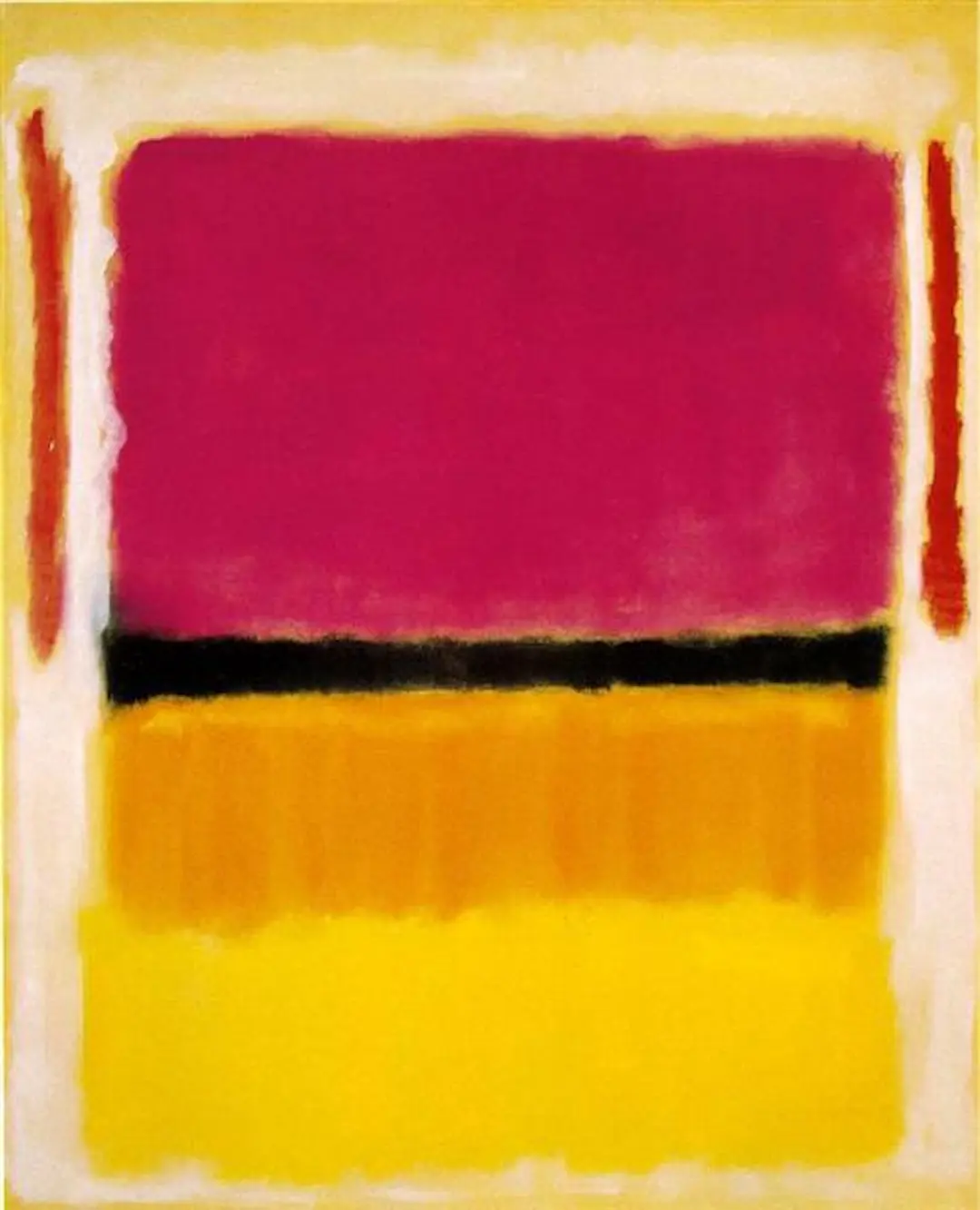
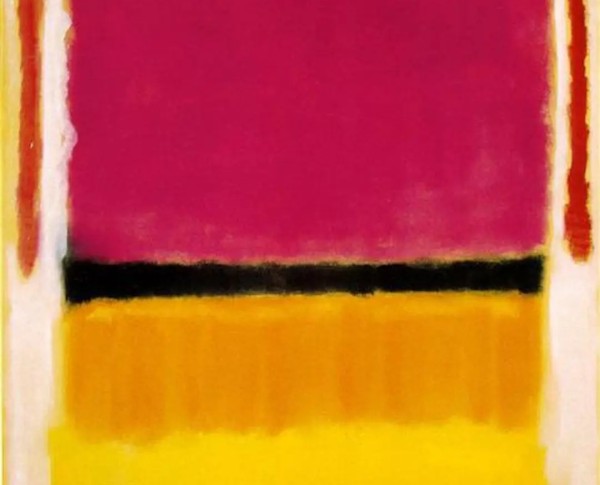
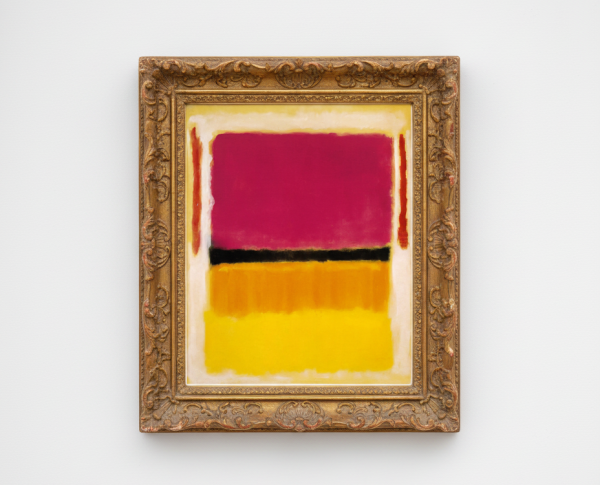
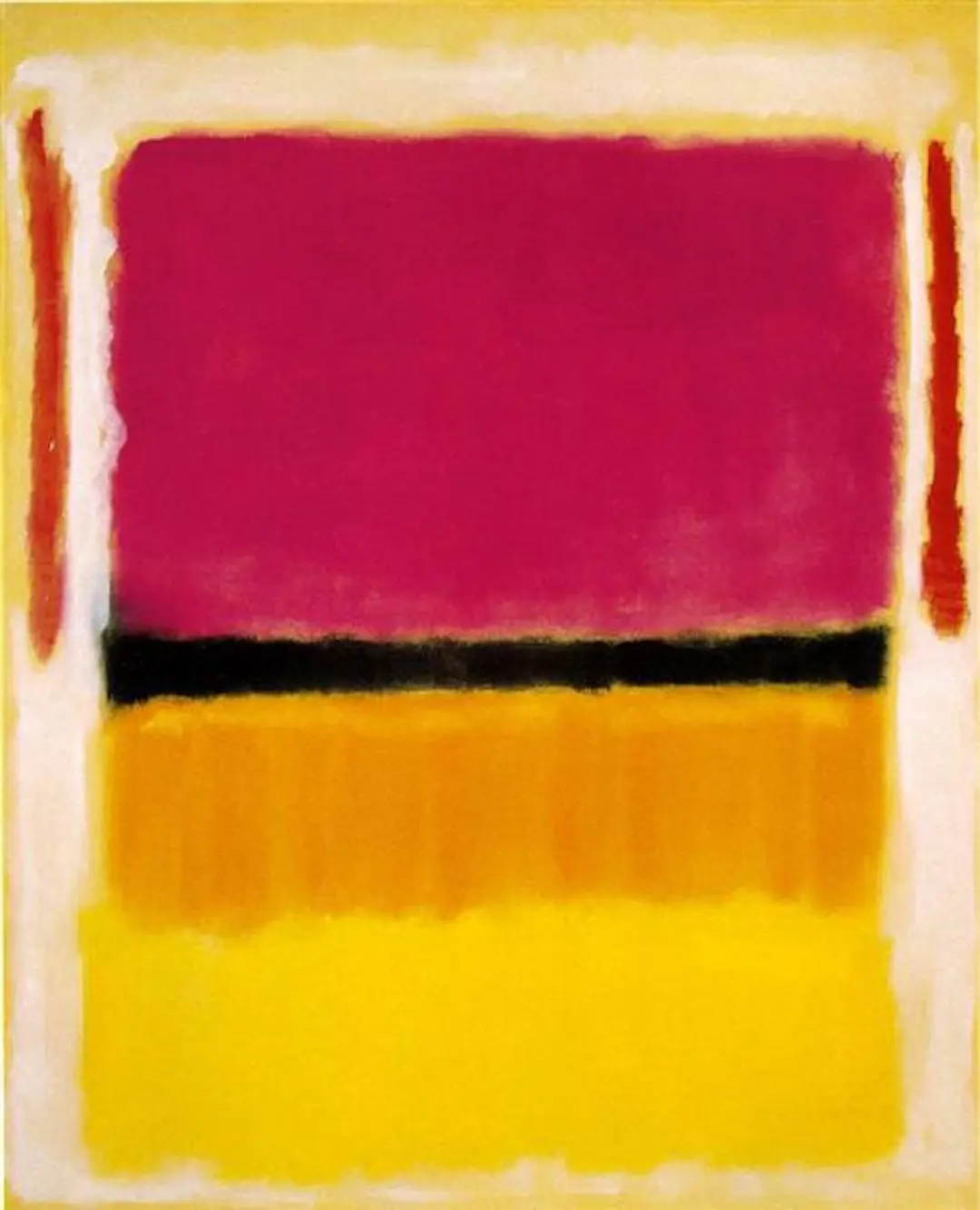
Rothko’s technique shines in "Composition I," where every brushstroke contributes to the enigmatic allure of this oil on canvas masterpiece. As a central figure in Abstract Expressionism, Rothko’s command of color and texture is evident throughout the painting. The subtle transitions and bold contrasts reveal the artist’s dedication to exploring human emotion. For those seeking museum-quality decor, this oil on canvas piece pairs beautifully with other works from the same movement and era.
Behind the abstract forms of "Composition I" lies a tapestry of stories and symbols unique to Mark Rothko’s vision. Each hue and shape in this fine art painting for sale invites viewers to interpret their own meaning, a hallmark of Abstract Expressionism. Collectors appreciate the emotional resonance that echoes across Rothko’s body of work, as seen in related products like "Untitled (Violet, Black, Orange, Yellow on White and Red), 1949." Rothko’s art continues to inspire and intrigue audiences worldwide.
"Composition I" by Mark Rothko is more than just a painting; it is a collector’s treasure that embodies the spirit of Abstract Expressionism. This hand-painted oil painting offers exceptional value for those seeking to invest in timeless art. Its visual harmony makes it a standout piece, whether displayed alone or alongside complementary works such as "Untitled (Violet, Black, Orange, Yellow on White and Red), 1949." Elevate your space with this striking example of Rothko’s enduring legacy.
When Art Meets History
"Composition I" by Mark Rothko stands as a pivotal work in the Abstract Expressionism movement, a period that revolutionized modern art. Created during a transformative era, this hand-painted oil painting reflects the artist's response to the complexities of the 20th century. Rothko’s unique vision connects "Composition I" to other significant works such as "Painting with a Red Stain" and "The Composition V111," each contributing to the legacy of Abstract Expressionism and the evolution of fine art.
Techniques That Speak
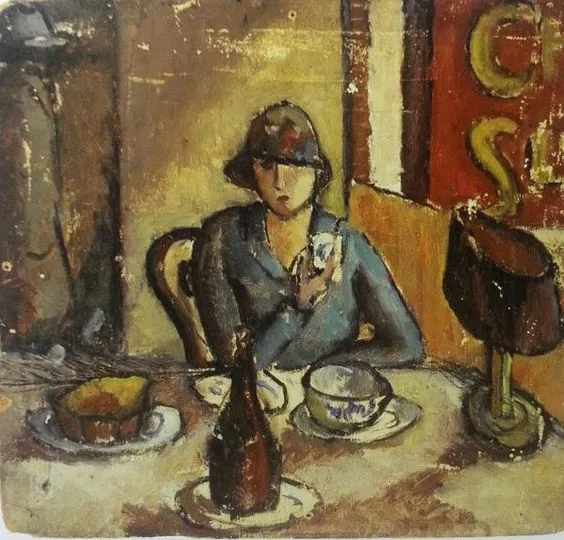
Mark Rothko’s mastery is evident in the oil on canvas technique employed in "Composition I." Utilizing layered washes and carefully controlled brushwork, Rothko achieved luminous color fields that seem to float and vibrate. This method, shared by other Abstract Expressionists, is also present in related paintings like "Okhtyrka" and "Poster for the Abrikosov Company." Rothko’s innovative approach to oil on canvas continues to inspire artists and collectors alike, making his works timeless in their appeal.
Emotions on Display
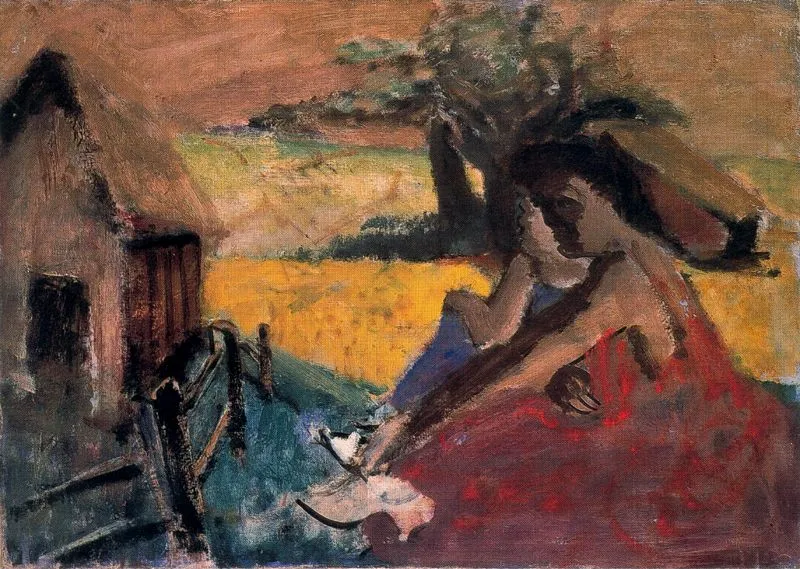
"Composition I" by Mark Rothko is more than a fine art painting for sale; it is an immersive emotional experience. Rothko’s use of bold color contrasts and expansive shapes evokes feelings ranging from tranquility to intensity. This emotional intensity connects "Composition I" to works like "Bearded Old Man" and "autumn," highlighting the power of Abstract Expressionism to communicate without words. Rothko’s ability to channel deep emotion through art remains unparalleled in modern painting.
Coveted by Collectors
As a cornerstone of Abstract Expressionism, "Composition I" by Mark Rothko is highly sought after in the world of fine art painting for sale. Its historical significance and innovative technique make it a prized possession among collectors. Similar works, such as "Painting with a Red Stain" and "The Composition V111," also command attention at auctions and galleries. Owning a Rothko represents a connection to a transformative moment in art history and the enduring allure of abstract masterpieces.
Related Abstract Expressionism Hand-Painted Oil Paintings by Other Artists
Other Famous Abstract Expressionism Artists:
Frequently Asked Questions About Composition I
What is the historical significance of Composition I?
Composition I is a pivotal work within the Abstract Expressionism movement, reflecting the post-World War II era's search for meaning and emotional expression through art.
What artistic techniques did Mark Rothko employ in Composition I?
Rothko utilized color field painting techniques, layering translucent colors to create depth and evoke emotional responses, emphasizing the interplay between color and form.
How does Composition I reflect Rothko's artistic philosophy?
Rothko believed that art should transcend the physical and evoke a spiritual experience, which is evident in the meditative quality and emotional intensity of Composition I.
What colors are predominantly used in Composition I, and what do they symbolize?
The predominant colors in Composition I include deep reds and oranges, which symbolize passion, warmth, and intensity, inviting viewers to engage with their emotional landscape.
In what ways does Composition I challenge traditional notions of representation?
Composition I challenges traditional representation by eschewing recognizable forms, focusing instead on the emotional resonance of color and the viewer's subjective experience.
What was the public and critical reception of Composition I upon its unveiling?
Upon its unveiling, Composition I received mixed reviews; while some critics celebrated its innovative approach, others struggled to understand its departure from representational art.
How does Composition I fit into the broader context of Abstract Expressionism?
Composition I exemplifies the core tenets of Abstract Expressionism by prioritizing emotional expression over representational accuracy, positioning Rothko as a key figure in the movement.
What influence did Composition I have on subsequent art movements?
The work influenced later movements such as Color Field painting and Minimalism, encouraging artists to explore the emotional potential of color and form without narrative constraints.
How does the scale of Composition I affect its impact on viewers?
The large scale of Composition I immerses viewers, creating an enveloping experience that enhances its emotional depth and invites contemplation of the colors and forms presented.
What themes are explored in Composition I?
Composition I explores themes of existentialism, spirituality, and the human condition, prompting viewers to reflect on their own emotions and experiences in relation to the artwork.























_GFM_Painting_(1).webp)

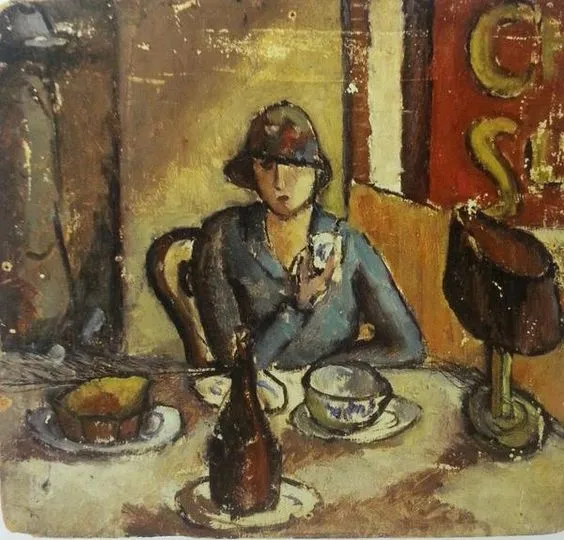

 100% Hand-Painted: Finished in 3-6 Weeks

.png)















_(1).webp)