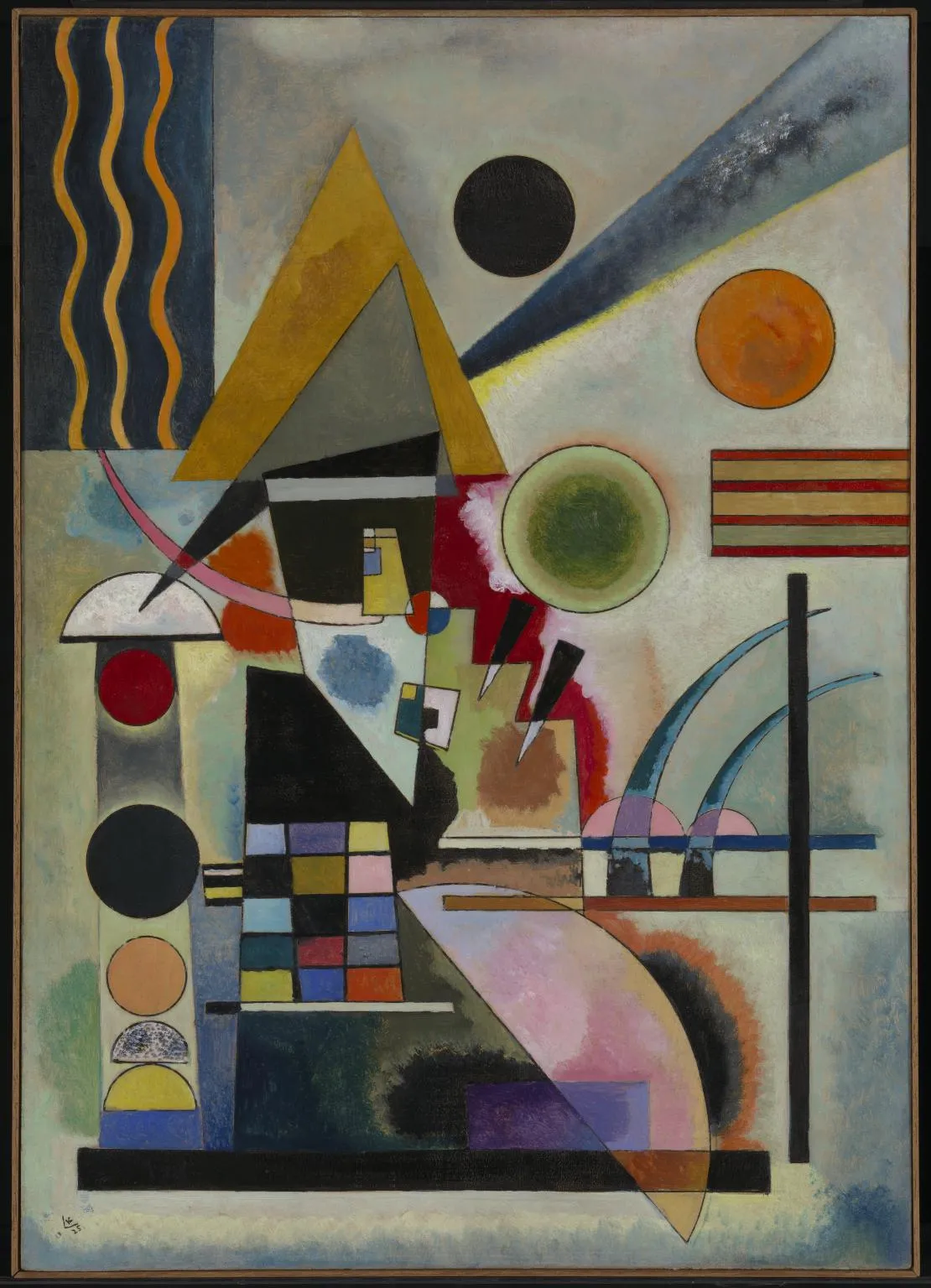
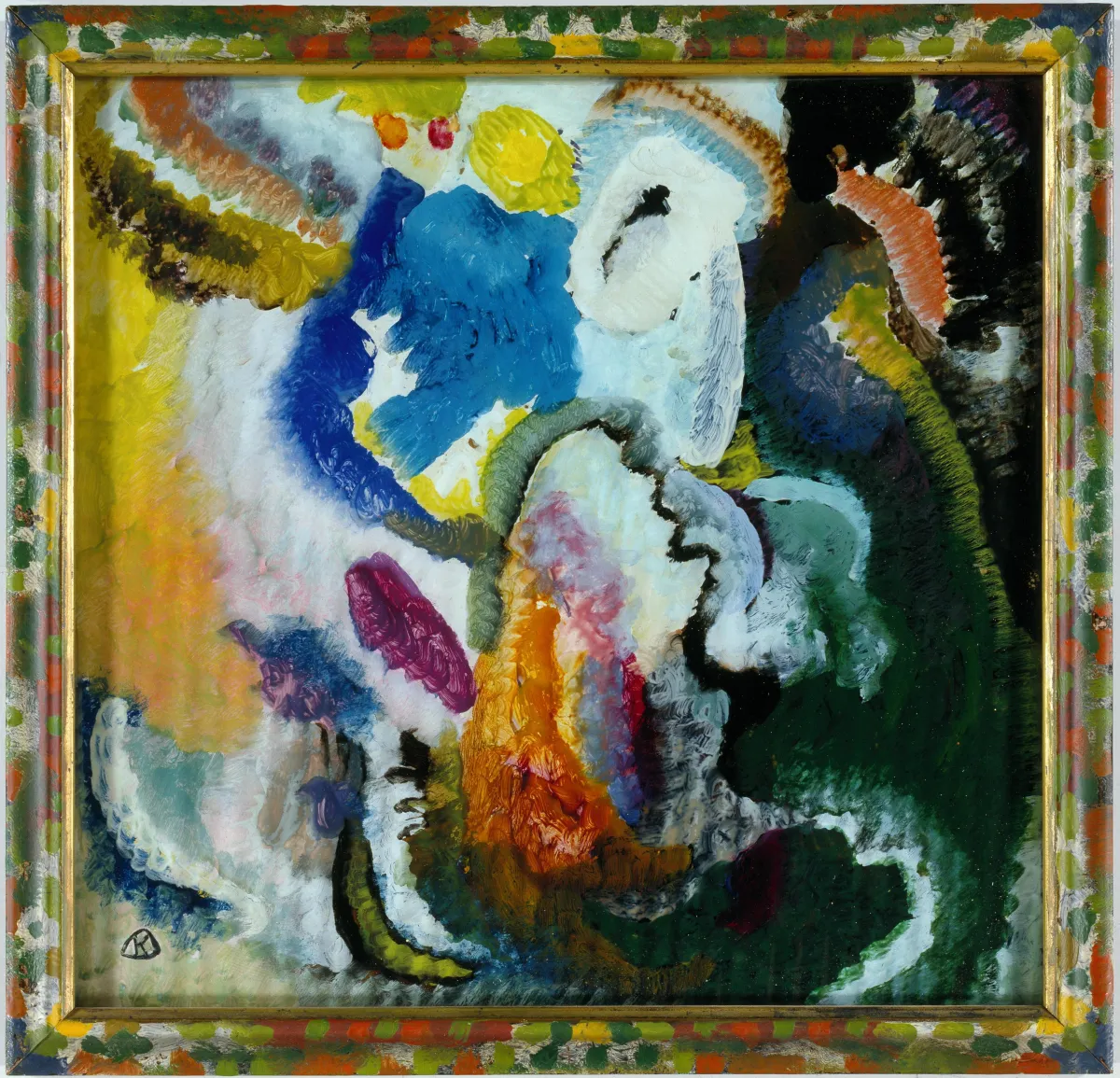
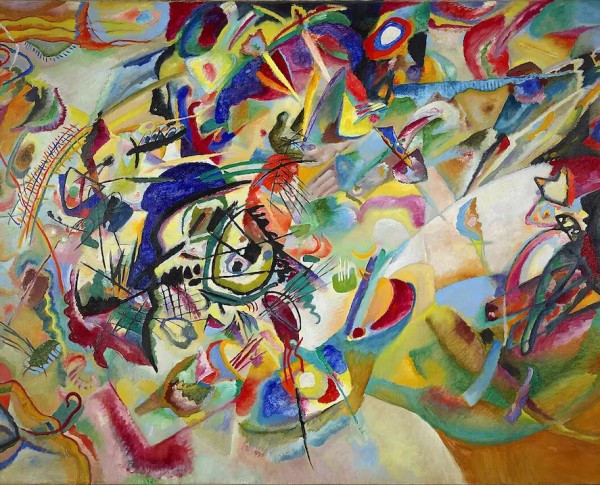
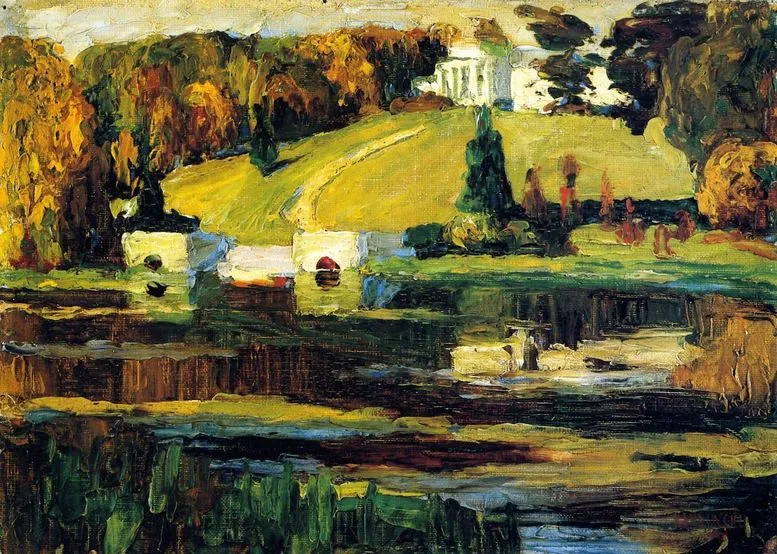
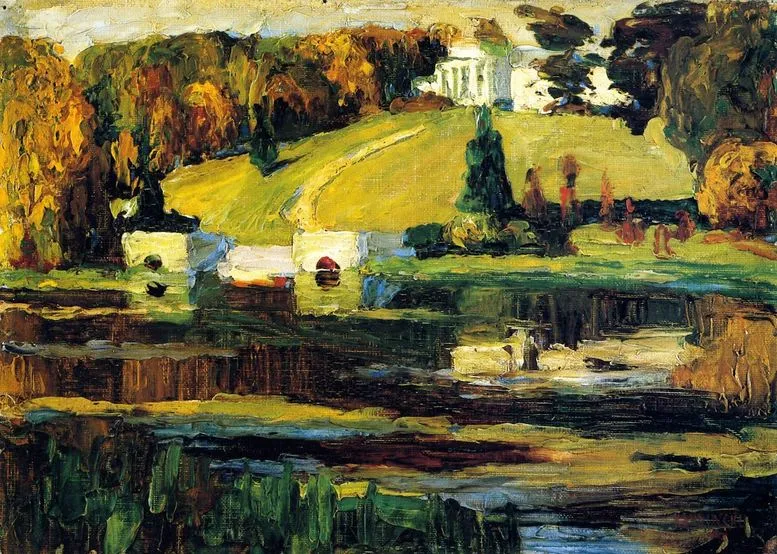
Wassily Kandinsky's "Okhtyrka, autumn" showcases his exceptional skill with oil on canvas, a medium he mastered during his influential career. The vibrant colors and dynamic brushwork are characteristic of Abstract Expressionism, drawing viewers into a world of emotion and imagination. Like his other masterpieces—such as "Swinging" and "Woman in Moscow"—this artwork is a striking example of how oil on canvas can convey both movement and meaning, setting it apart in the realm of modern art.
In "Okhtyrka, autumn," Kandinsky weaves a tapestry of stories and symbols that invite interpretation. The abstract forms evoke the changing seasons and the fleeting nature of time, hallmarks of Abstract Expressionism. This hand-painted oil painting encourages viewers to find personal meaning in its shapes and hues, much like Kandinsky’s "Landscape" and "Picture with Pince-nez." Each element serves as a window into the artist’s mind, enriching the narrative of this fine art painting for sale.
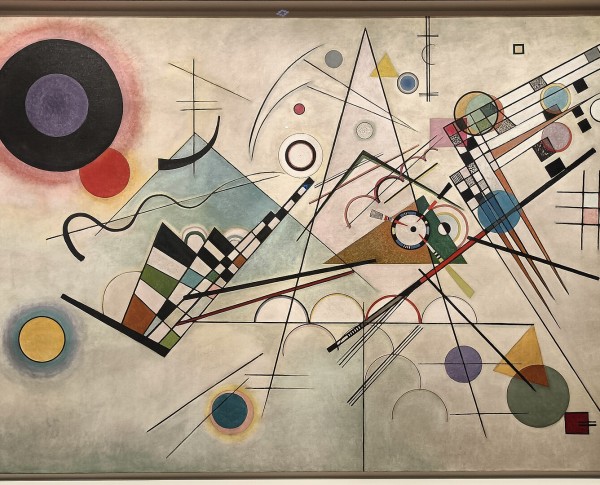
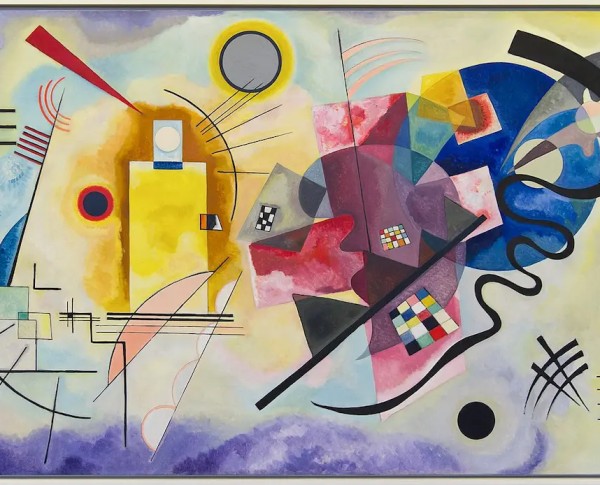
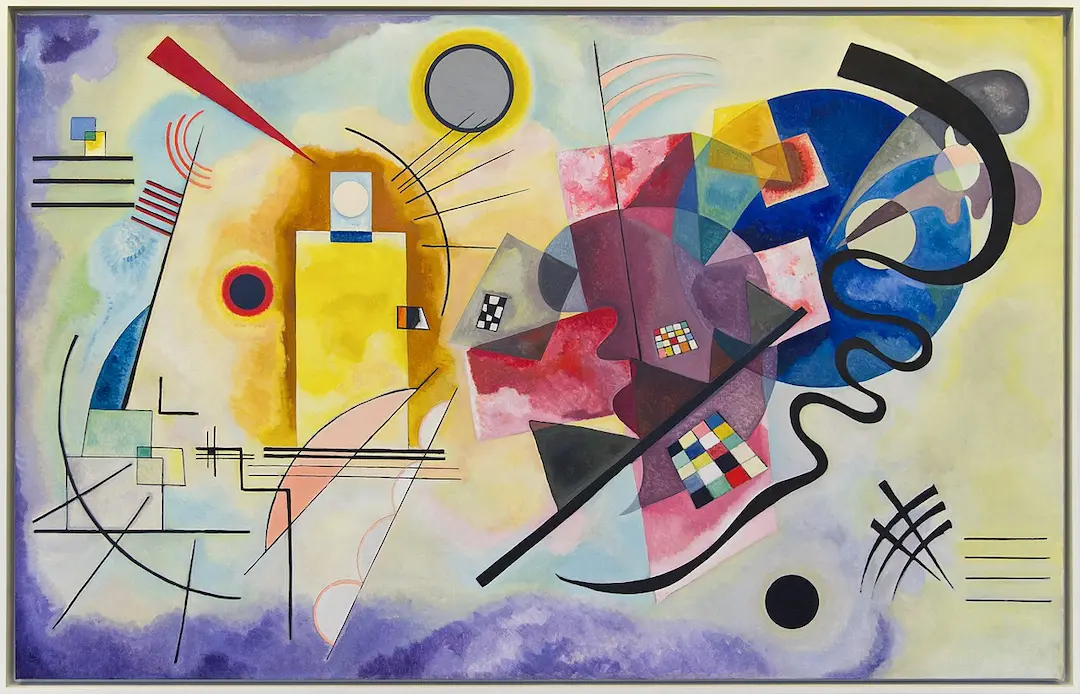
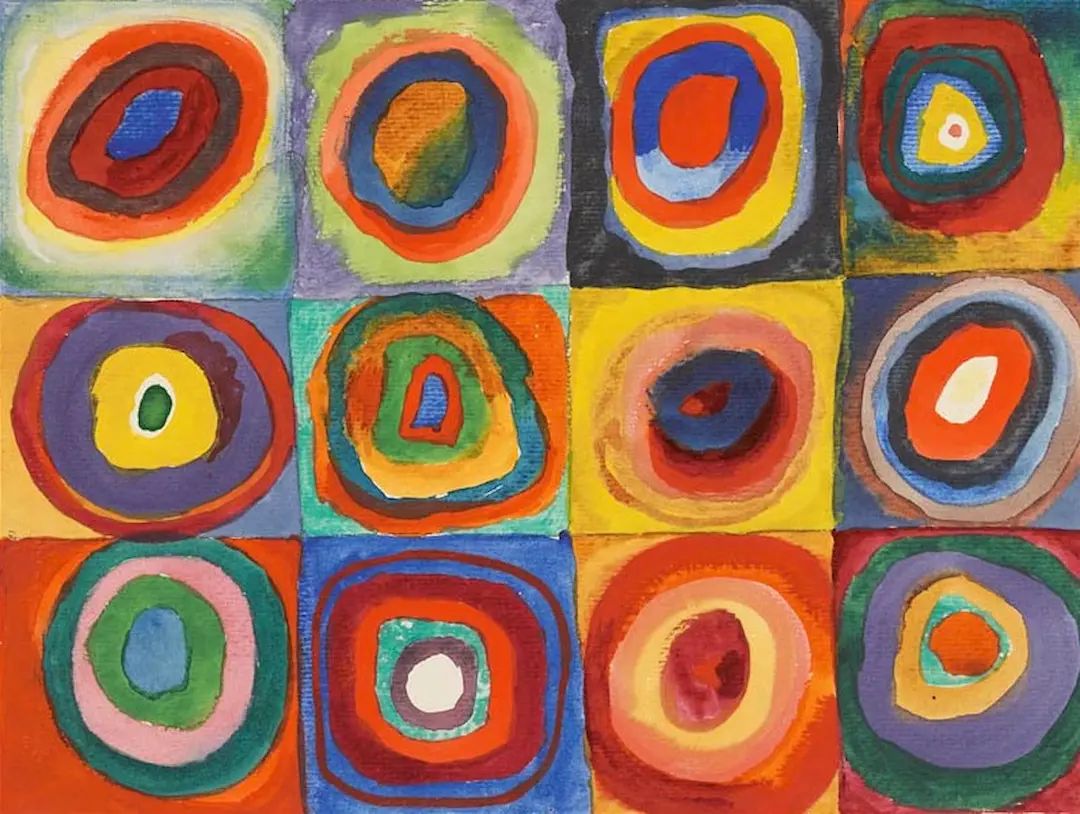
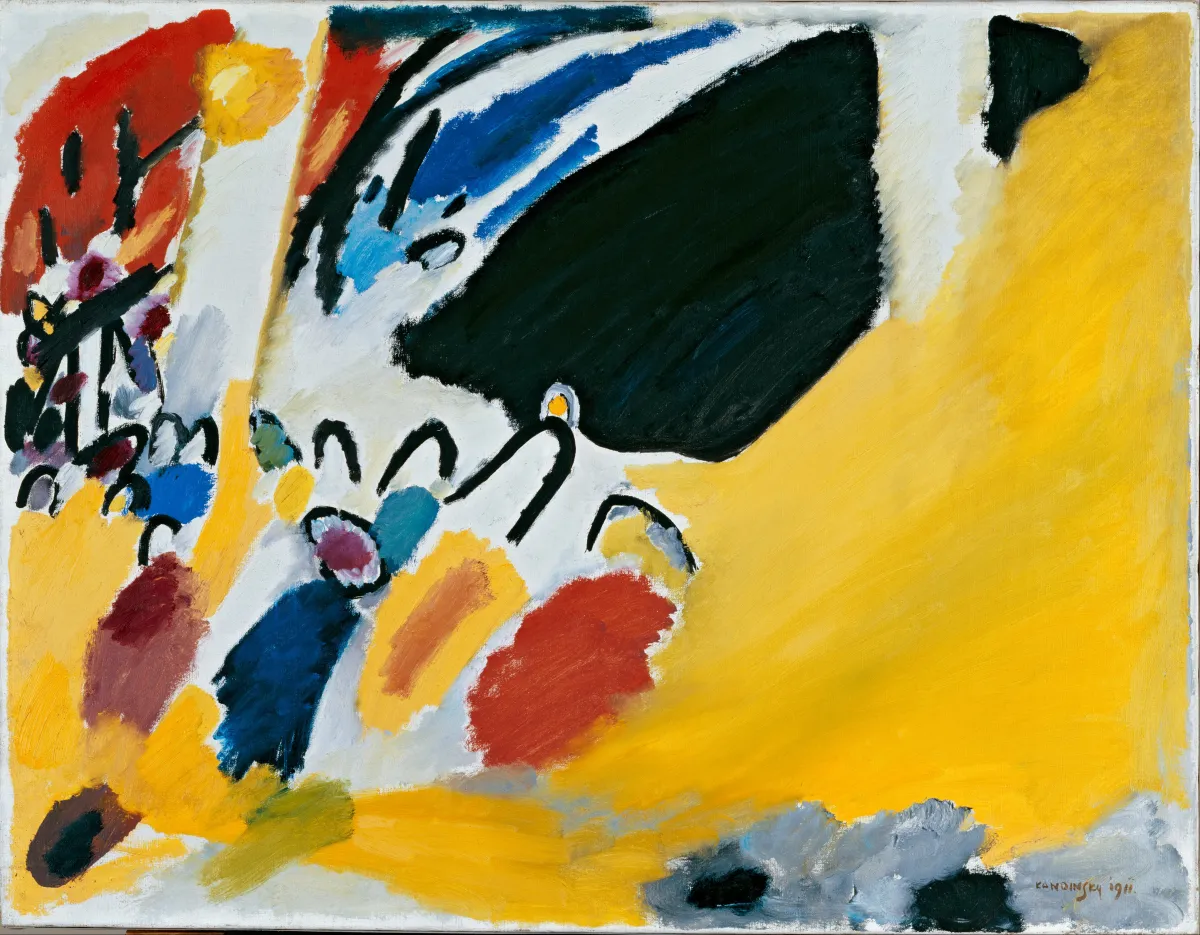
For discerning collectors, "Okhtyrka, autumn" by Wassily Kandinsky is more than just a painting—it is a prized possession from the Abstract Expressionism movement. Its status as an original oil on canvas makes it highly sought after, especially when paired with related works like "Yellow Red Blue" or "Improvisation 11." This fine art painting for sale not only enhances any collection but also represents a piece of art history, making it a true collector’s treasure.
When Art Meets History
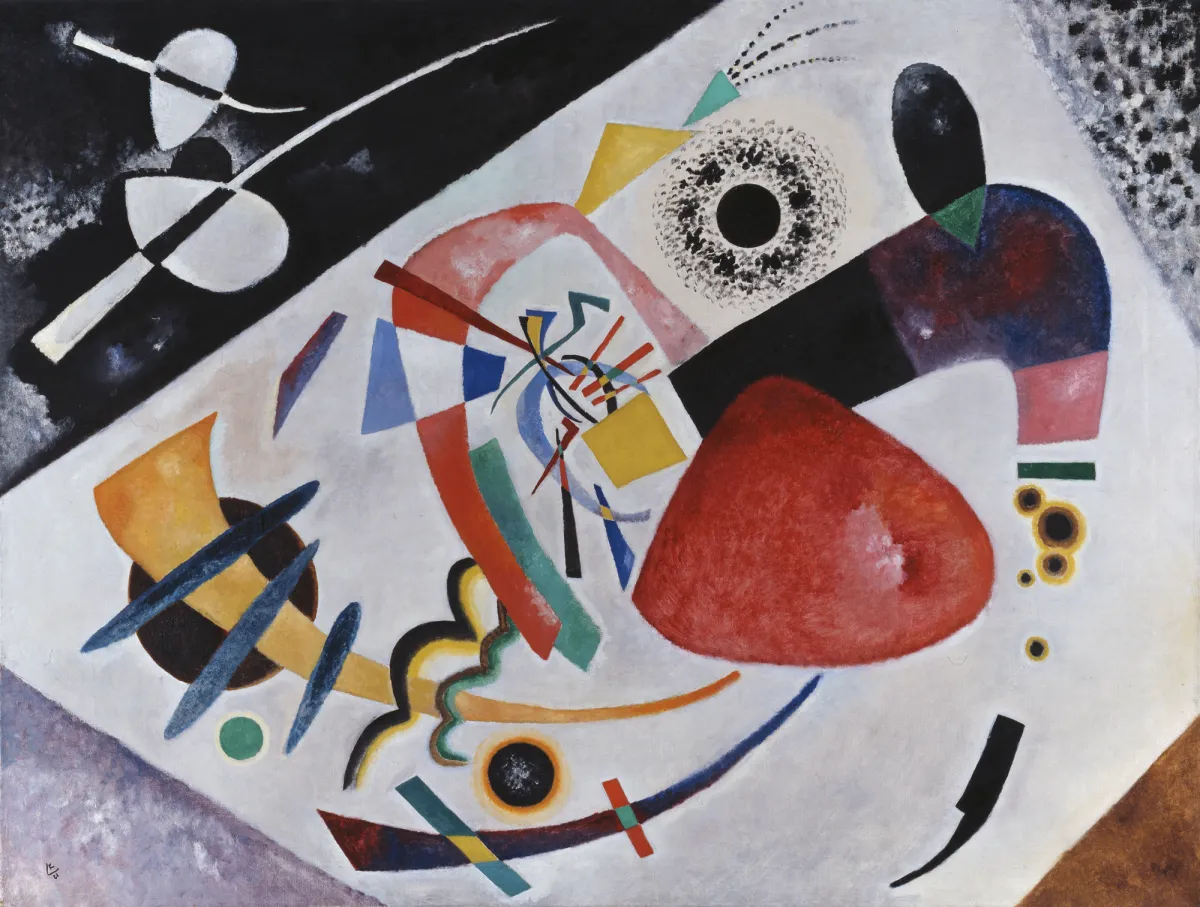
"Okhtyrka, autumn" by Wassily Kandinsky stands as a testament to the transformative era of Abstract Expressionism. This hand-painted oil painting captures the spirit of early 20th-century innovation, when artists like Kandinsky pushed the boundaries of traditional art. Through his unique vision, Kandinsky's work became a landmark in the movement, alongside pieces such as "Untitled (Violet, Black, Orange, Yellow on White and Red), 1949." His paintings continue to inspire collectors and art historians alike.
Techniques That Speak
Kandinsky’s mastery of oil on canvas is evident in "Okhtyrka, autumn," where vibrant colors and dynamic forms interact freely. The painting’s textured strokes and bold abstractions reflect the hallmarks of Abstract Expressionism. Like his contemporaries, Kandinsky experimented with color and form to evoke emotion and movement. Related works, including "Untitled (Violet, Black, Orange, Yellow on White and Red), 1949," share this energetic technique, making each canvas a visual exploration of artistic innovation.
Emotions on Display
"Okhtyrka, autumn" channels a vivid array of emotions through its swirling colors and abstract forms. Kandinsky believed that a fine art painting for sale should not only appeal to the eyes but also stir the soul. The emotional intensity found in this piece is mirrored in other Abstract Expressionist works, such as "Untitled (Violet, Black, Orange, Yellow on White and Red), 1949." Through expressive brushwork, Kandinsky transforms the autumn landscape into a profound visual experience.
Coveted by Collectors
Collectors worldwide seek "Okhtyrka, autumn" for its significance within both Kandinsky’s career and the Abstract Expressionism movement. The painting’s distinct style and historical importance make it a prized hand-painted oil painting among enthusiasts. Works like "Untitled (Violet, Black, Orange, Yellow on White and Red), 1949" are similarly coveted. Owning such pieces connects collectors to a pivotal moment in art history, where innovation and emotion merged on canvas.
Related Abstract Expressionism Hand-Painted Oil Paintings by Other Artists
Other Famous Abstract Expressionism Artists:
Frequently Asked Questions About Okhtyrka, autumn
What is the historical context of "Okhtyrka, autumn"?
"Okhtyrka, autumn" was created during a pivotal time in art history, specifically in the early 20th century when abstract art was emerging. Kandinsky, a key figure in this movement, sought to express emotions and spirituality through color and form, moving away from representational art.
What artistic techniques did Kandinsky use in "Okhtyrka, autumn"?
Kandinsky employed bold colors and dynamic shapes in "Okhtyrka, autumn," utilizing a combination of abstraction and representation. His use of color theory is evident, as he believed colors could evoke specific emotions and convey deeper meanings.
What is the significance of the title "Okhtyrka, autumn"?
The title refers to the town of Okhtyrka in Ukraine, where Kandinsky spent part of his childhood. The autumn season symbolizes change and transition, reflecting the artist's own journey towards abstraction and his connection to nature.
How does "Okhtyrka, autumn" reflect Kandinsky's philosophy of art?
Kandinsky believed that art should transcend the physical world and connect with the spiritual realm. In "Okhtyrka, autumn," he captures the essence of the season through abstract forms and vibrant colors, inviting viewers to experience their own emotional responses.
What influences can be seen in "Okhtyrka, autumn"?
The painting showcases influences from both Impressionism and Post-Impressionism, particularly in its emphasis on color and light. Additionally, Kandinsky was inspired by Russian folk art and the natural landscapes of his homeland, which are reflected in the organic shapes and earthy tones.
What emotions does "Okhtyrka, autumn" evoke?
The vibrant colors and dynamic composition of "Okhtyrka, autumn" evoke feelings of warmth, nostalgia, and introspection. Kandinsky aimed to elicit a visceral emotional response, allowing viewers to connect with their own experiences of the autumn season.
How does "Okhtyrka, autumn" compare to Kandinsky's other works?
While "Okhtyrka, autumn" features elements of abstraction, it retains a connection to the natural world, unlike some of Kandinsky's later, more purely abstract works. This painting serves as a bridge between his representational beginnings and his fully abstract expressions.
What role does color play in "Okhtyrka, autumn"?
Color is central to Kandinsky's artistic expression in "Okhtyrka, autumn." He uses a rich palette to convey the warmth of autumn and to symbolize various emotions, aligning with his belief that colors have spiritual significance and can influence the viewer's mood.
What is the legacy of "Okhtyrka, autumn" in the context of modern art?
"Okhtyrka, autumn" is considered a significant work in the evolution of abstract art. It exemplifies Kandinsky's innovative approach and has influenced countless artists in their exploration of color, form, and the emotional power of art.
How has "Okhtyrka, autumn" been received by critics and art historians?
Critics and art historians have praised "Okhtyrka, autumn" for its pioneering use of abstraction and emotional depth. It is often highlighted as a key work that showcases Kandinsky's transition towards a more abstract language, marking an important milestone in the history of modern art.






















_GFM_Painting_(1).webp)


 100% Hand-Painted: Finished in 3-6 Weeks

.png)















_(1).webp)