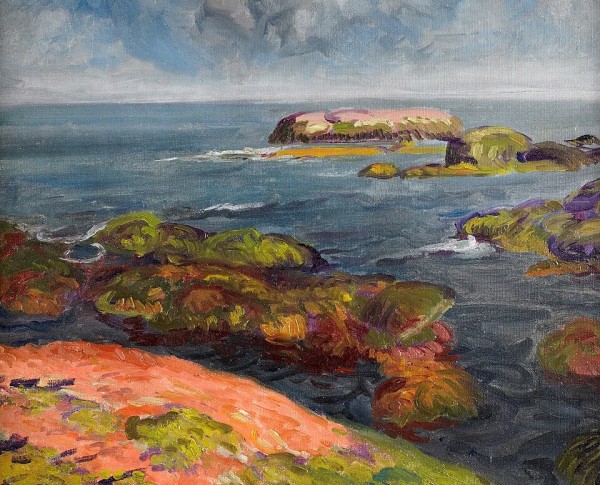
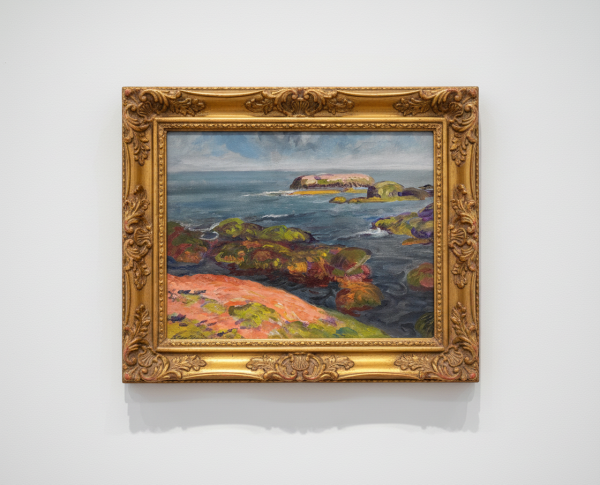
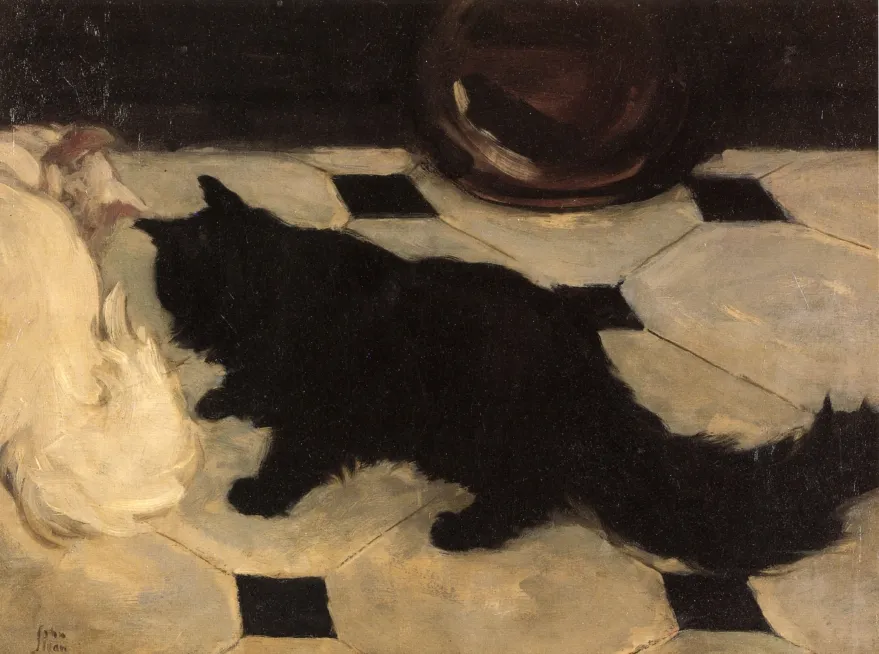
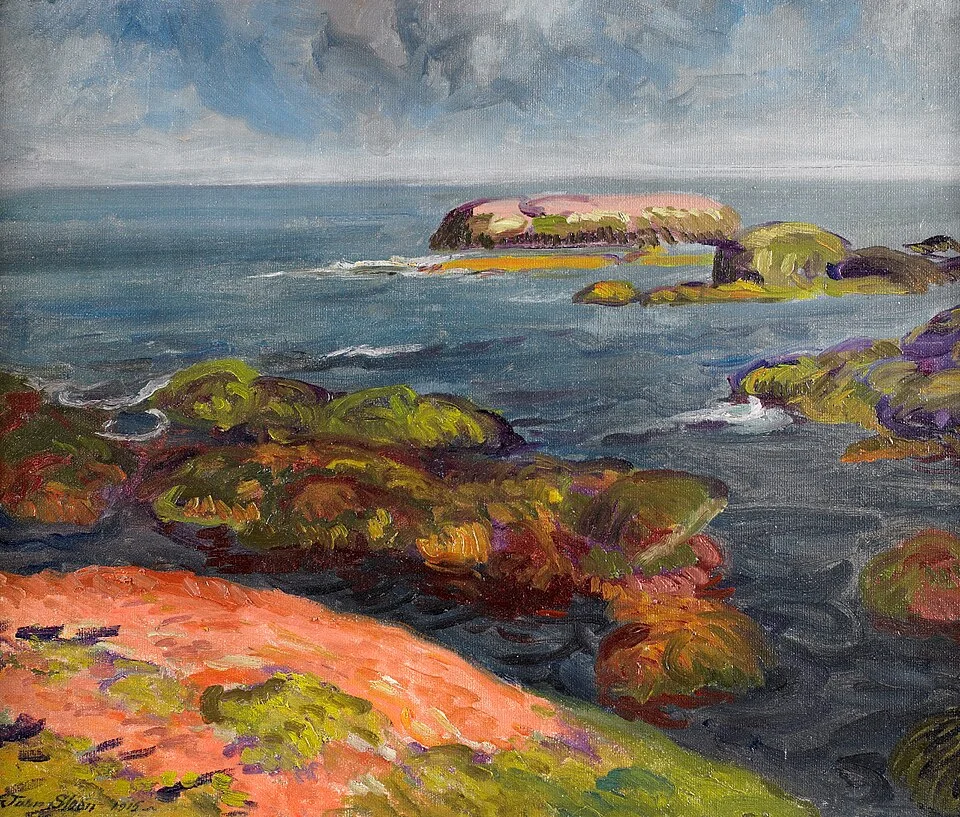
John Sloan’s expertise is evident in "Green's Cat," where each brushstroke contributes to a vivid, lifelike depiction. The oil on canvas technique employed by Sloan allows for rich textures and depth, hallmarks of the Ashcan School’s style. This painting, much like Sloan’s "Seacoast, Gloucester," demonstrates his command of light and shadow, making each piece a testament to his enduring artistic legacy in American fine art.
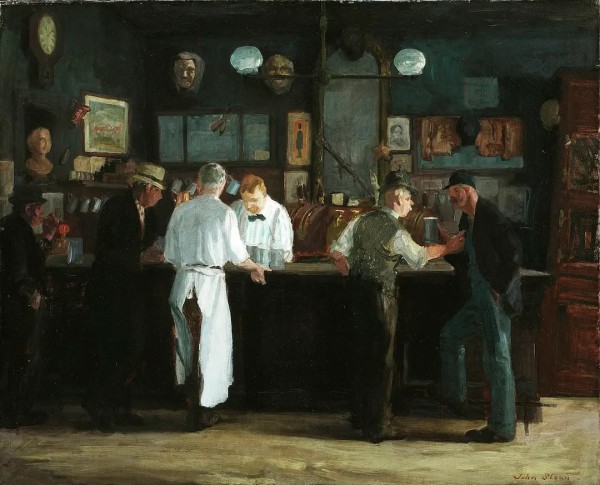
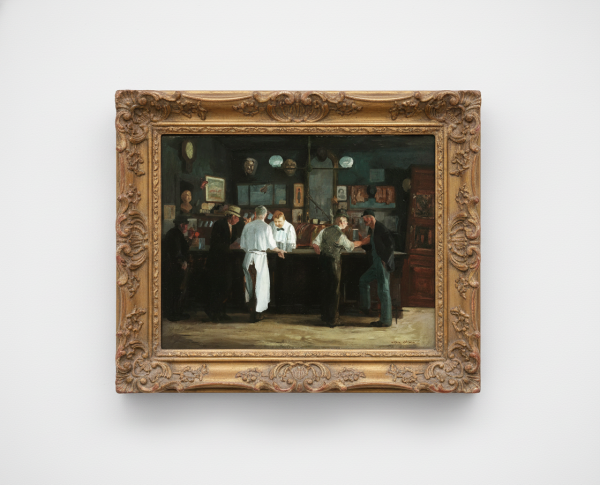
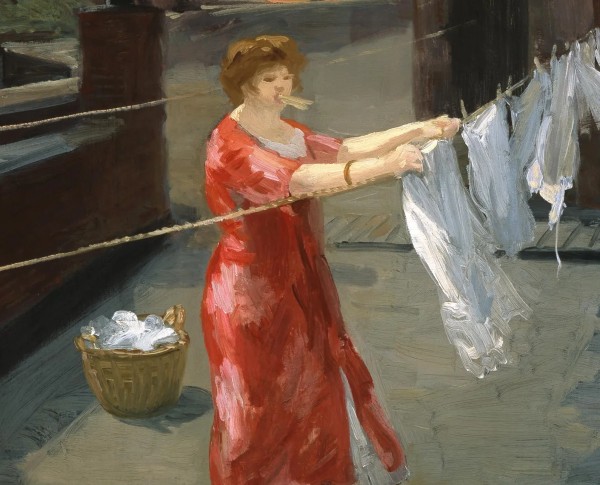
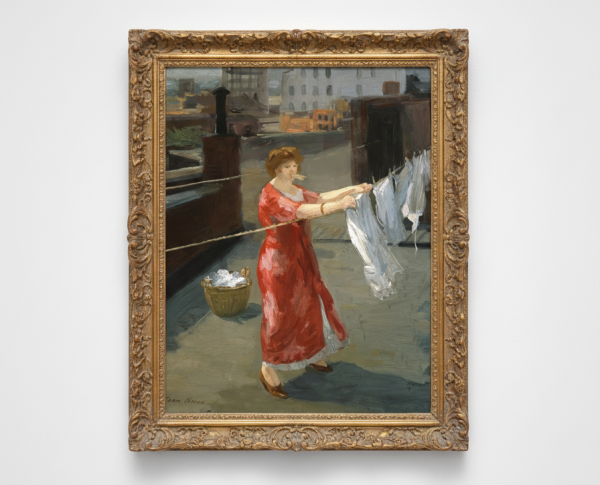
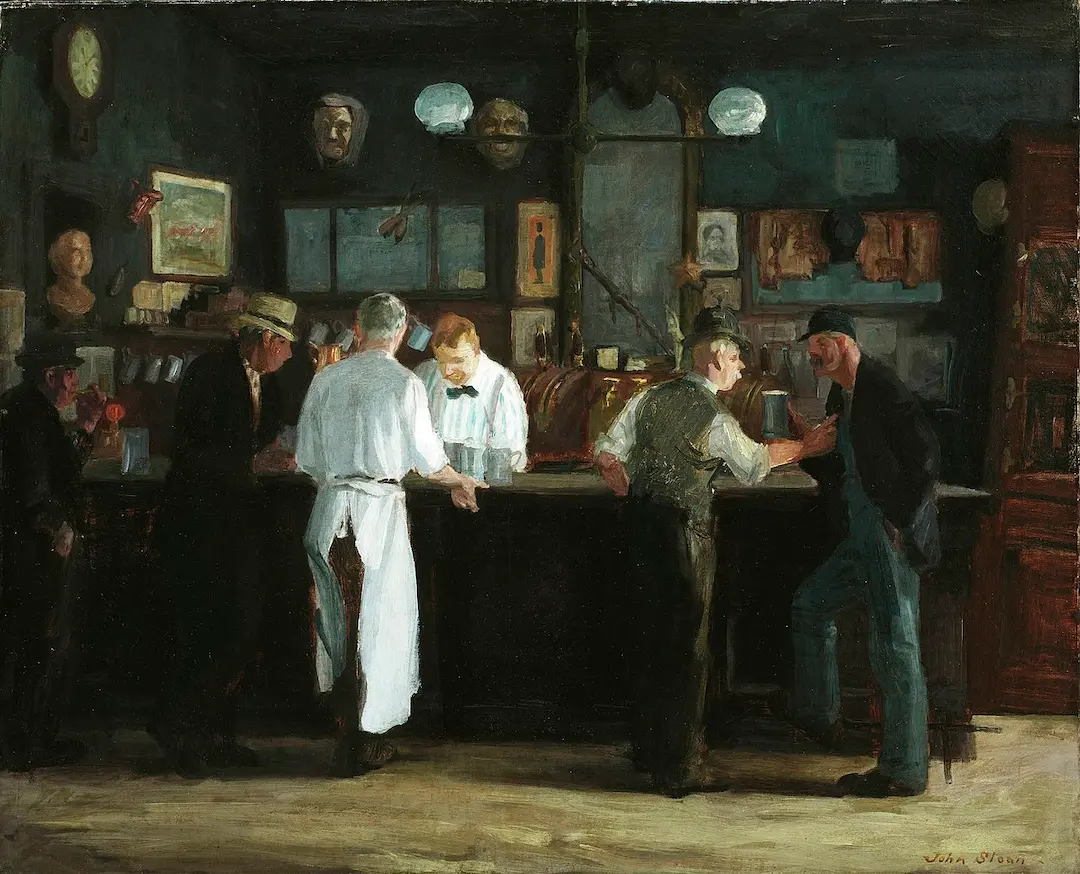
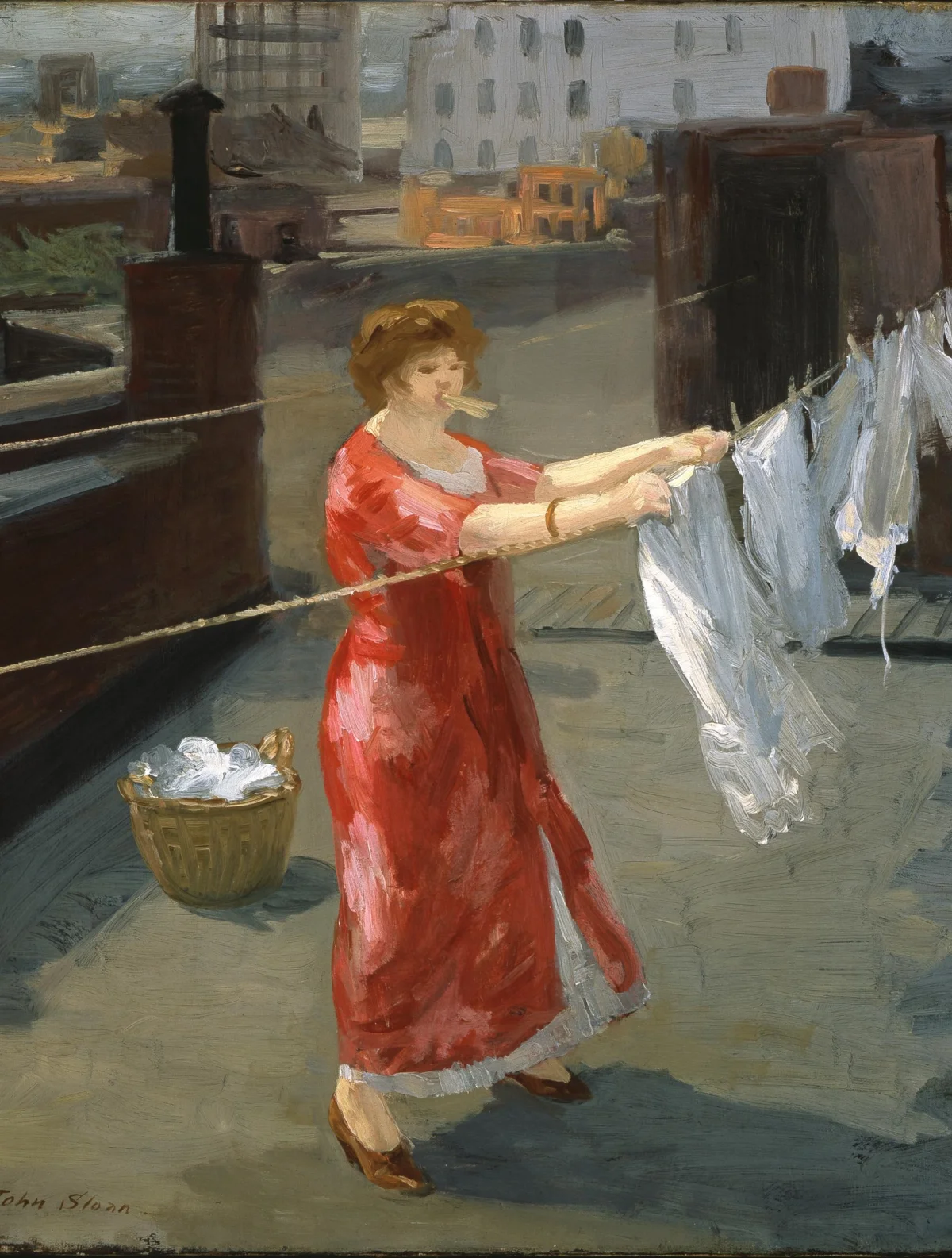
Within "Green's Cat," viewers can discover layers of meaning and symbolism, emblematic of the Ashcan School’s narrative approach. Sloan’s hand-painted oil painting invites interpretation, as the central feline figure may represent independence or urban solitude. Pairing this work with related products such as "Red Kimono on the Roof" and "McSorley's Bar" offers collectors a deeper insight into the stories woven through Sloan’s celebrated career.
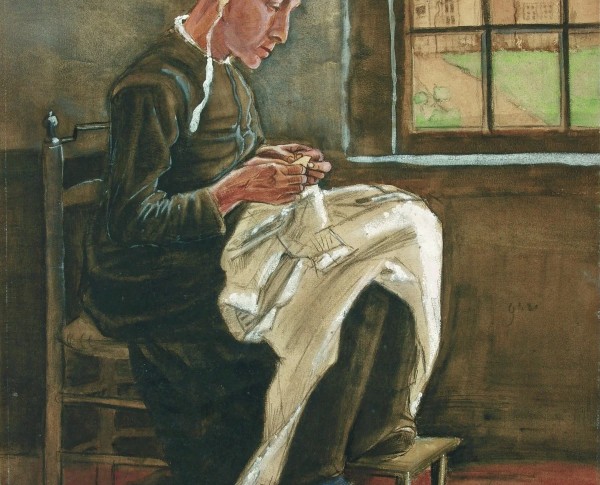
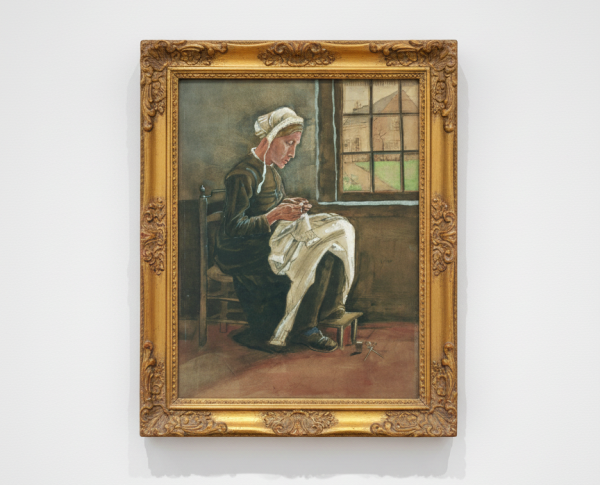
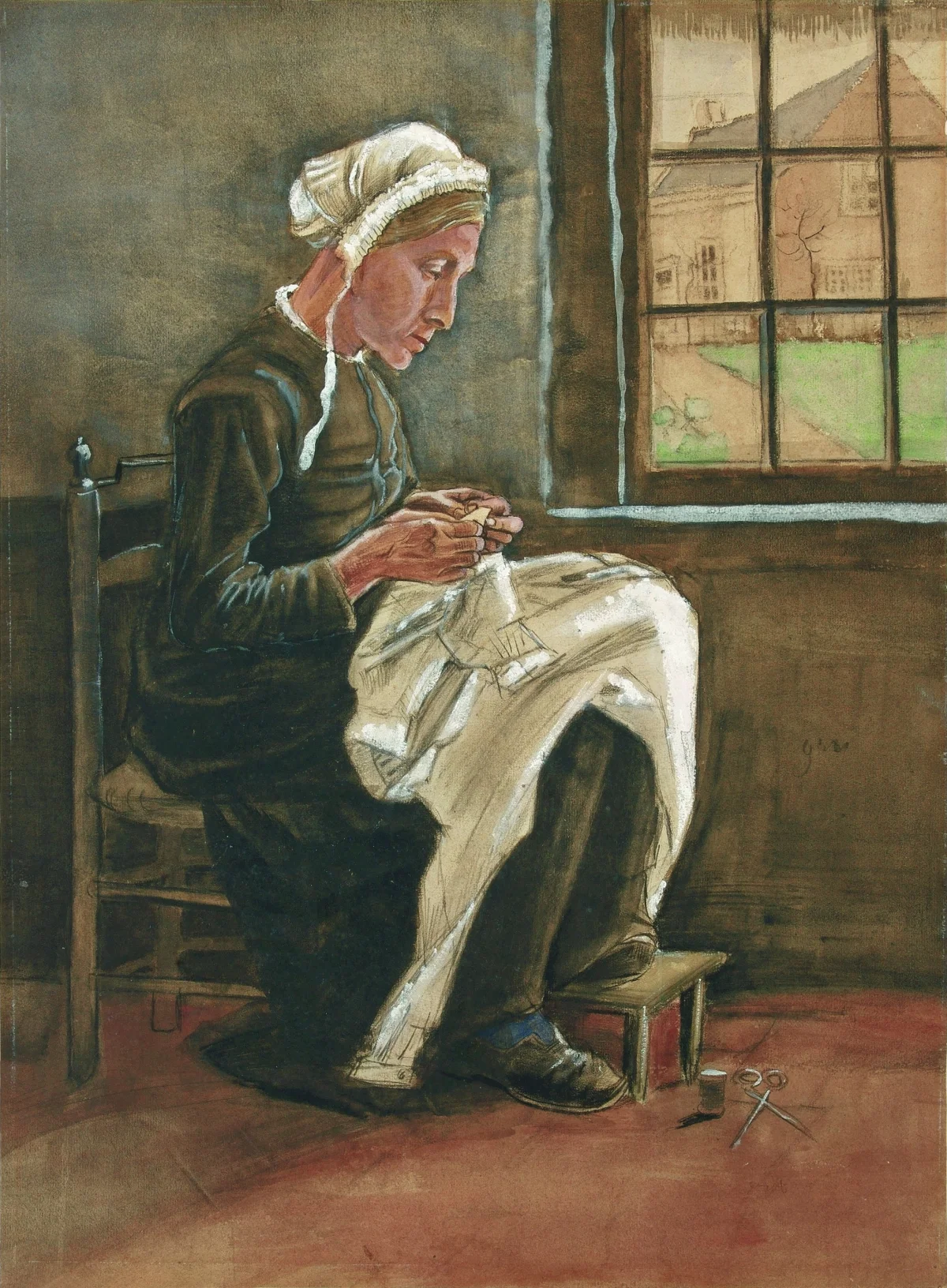
For art collectors, "Green's Cat" by John Sloan is more than just a fine art painting for sale—it’s a rare opportunity to own a piece of Ashcan School history. This painting, along with works like "The Sewing Woman" and "Seacoast, Gloucester," exemplifies Sloan’s ability to capture the spirit of his era. Whether displayed alone or with complementary pieces, it remains a captivating addition to any serious collection.
When Art Meets History
"Green's Cat" by John Sloan stands as a testament to the transformative era of the Ashcan School movement. Created during a time of social change, this hand-painted oil painting captures the essence of everyday life in early twentieth-century America. Sloan, renowned for his urban scenes, invites viewers to explore the dynamic interplay between people and their environments. Like his other works, "Green's Cat" reflects the movement’s dedication to realism and authenticity in art.
Techniques That Speak
John Sloan masterfully employs oil on canvas to bring "Green's Cat" to life, utilizing bold brushstrokes and a muted palette characteristic of the Ashcan School. The texture and layering techniques enhance the depth and vibrancy of the scene, drawing viewers into the intimate world he portrays. This approach, seen in many Ashcan masterpieces, allows Sloan's subjects to resonate with raw honesty, making "Green's Cat" a standout example among his celebrated oil on canvas works.
Emotions on Display
"Green's Cat" reflects John Sloan's remarkable ability to infuse emotion into a fine art painting for sale. The subtle interaction between the subject and the feline companion evokes a sense of warmth and companionship, hallmarks of the Ashcan School’s focus on real-life moments. Sloan’s sensitive depiction invites empathy and contemplation, much like his other paintings from this movement, offering viewers a heartfelt window into the human experience.
Coveted by Collectors
Collectors prize "Green's Cat" for its historical significance and artistic mastery, making it a highly sought-after hand-painted oil painting. John Sloan’s reputation in the Ashcan School movement ensures continued interest in pieces like this, as well as his related paintings. The unique blend of urban storytelling and technical prowess makes "Green's Cat" a fine art painting for sale that appeals to both seasoned collectors and new admirers of early American art.
Frequently Asked Questions About Green's Cat
What is the historical context of "Green's Cat"?
"Green's Cat," painted by John Sloan in the early 20th century, reflects the burgeoning interest in urban life and the everyday experiences of individuals in a rapidly changing society. This period marked a shift towards modernism in art, where artists began to explore new subjects and styles.
What artistic style is represented in "Green's Cat"?
The painting exemplifies the Ashcan School movement, characterized by its focus on realistic depictions of urban scenes and everyday life. Sloan's use of loose brushwork and vibrant colors captures the essence of his subjects, emphasizing their emotional depth.
What symbolism can be found in "Green's Cat"?
The cat in the painting can be interpreted as a symbol of independence and curiosity, traits often associated with urban life. It also reflects the intimate relationship between humans and animals, suggesting a shared existence within the bustling city environment.
How does "Green's Cat" reflect John Sloan's artistic philosophy?
Sloan believed in capturing the authenticity of everyday life. "Green's Cat" embodies this philosophy by presenting a simple yet poignant moment, highlighting the beauty found in ordinary experiences and the emotional connections between subjects.
What techniques did John Sloan use in "Green's Cat"?
Sloan employed a combination of oil paint and quick brush strokes to create a sense of immediacy and movement in "Green's Cat." His technique allows for a rich texture that enhances the visual experience of the viewer.
What themes are prevalent in "Green's Cat"?
The painting explores themes of urban life, companionship, and the intersection of nature and city living. It invites viewers to reflect on their own experiences within the urban landscape and the relationships they cultivate.
In what ways does "Green's Cat" connect to other works by John Sloan?
Upon its release, "Green's Cat" was well-received by critics and the public alike, as it resonated with the contemporary fascination for realism and the portrayal of modern life. Sloan's ability to depict relatable subjects contributed to the painting's popularity.
How does "Green's Cat" fit into the broader narrative of American art history?
"Green's Cat" is significant within American art history as it represents a shift towards modernism and a focus on the urban experience. It highlights the contributions of the Ashcan School in shaping the narrative of American art in the early 20th century.
What influence did "Green's Cat" have on later artists?
The themes and techniques present in "Green's Cat" have influenced subsequent generations of artists who explore urban life and the human condition. Sloan's work encourages a continued examination of the relationship between individuals and their environments.























_GFM_Painting_(1).webp)


 100% Hand-Painted: Finished in 3-6 Weeks

.png)















_(1).webp)