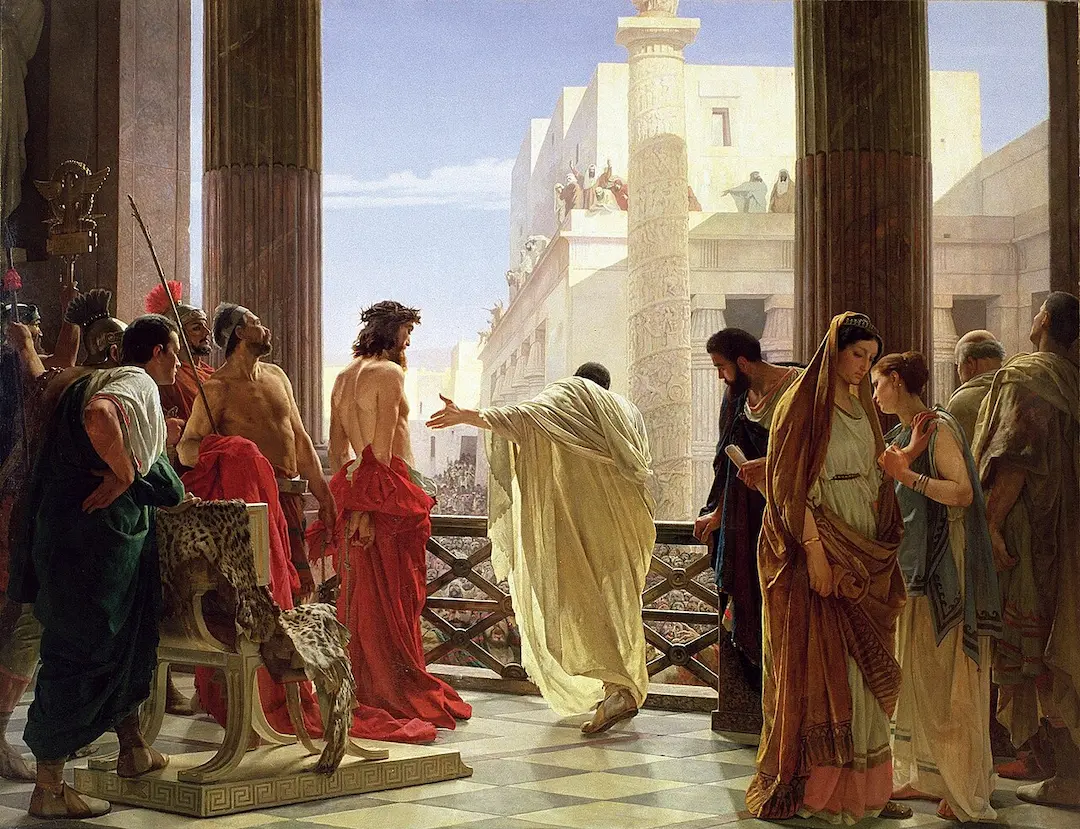
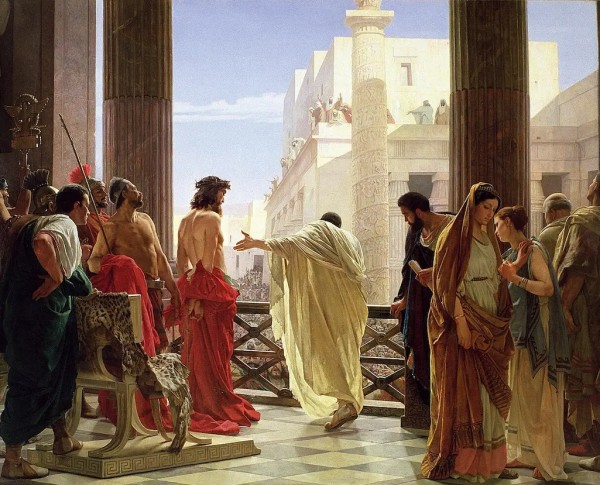
The technical brilliance of Antonio Ciseri shines in "Homo (Behold the Man!)," where the artist’s mastery of oil on canvas is unmistakable. Each brushstroke showcases the depth and precision characteristic of Academic Realism, making this painting a true marvel. The lifelike details and dramatic composition invite viewers to appreciate not just the story, but the artistry itself. Art enthusiasts searching for exceptional oil on canvas works often seek out related products such as "Ecce Homo."
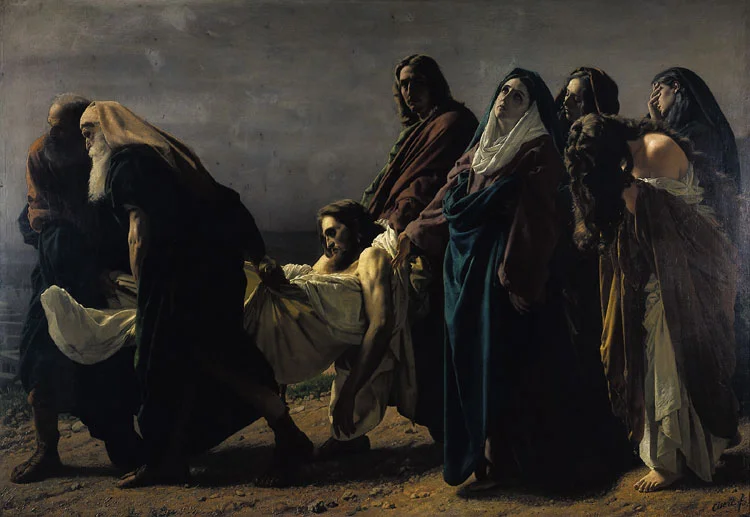
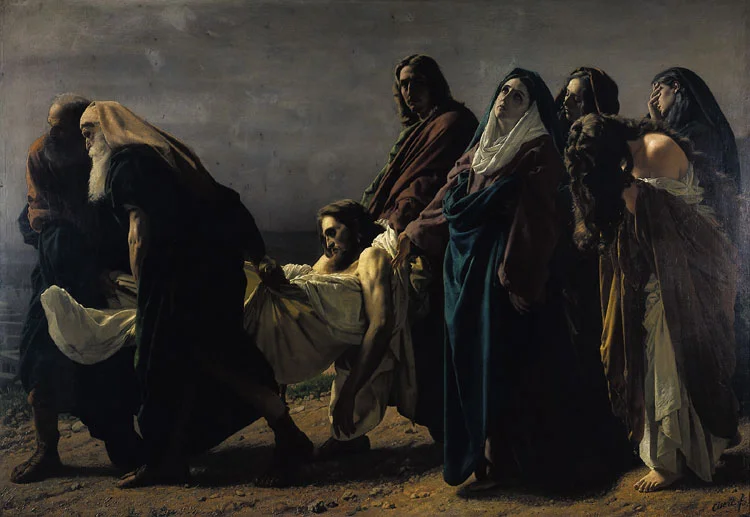
"Homo (Behold the Man!)" by Antonio Ciseri is more than a fine art painting for sale; it is a narrative woven in color and light. The painting’s symbolism draws viewers into the biblical account, encouraging contemplation of both suffering and compassion. As a hallmark of Academic Realism, this piece stands alongside related works like "Christ Carried to the Tomb," inviting reflection on the enduring stories that shape our collective imagination.
For collectors of classic art, "Homo (Behold the Man!)" by Antonio Ciseri represents an unparalleled acquisition. This hand-painted oil painting is celebrated within the Academic Realism movement for its historical significance and masterful execution. Owning such a masterpiece connects one to a rich tradition, while related products like "Ecce Homo" offer further opportunities to build a distinguished collection of fine art painting for sale.
When Art Meets History
Antonio Ciseri’s masterpiece, "Homo (Behold the Man!)," stands as a testament to the power of Academic Realism in capturing pivotal moments from the past. This hand-painted oil painting vividly portrays the dramatic encounter between Pontius Pilate and Christ, immersing viewers in biblical history. Ciseri’s attention to detail rivals his other works, such as "A Peacock and Doves in a Garden," making "Homo (Behold the Man!)" a significant piece in the tradition of historical fine art.
Techniques That Speak
Ciseri’s skillful use of oil on canvas brings "Homo (Behold the Man!)" to life, showcasing the Academic Realism movement’s dedication to accuracy and lifelike representation. Every brushstroke demonstrates the artist’s mastery, from the folds of fabric to the expressions on each face. As seen in related paintings like "A Peacock and Doves in a Garden," Ciseri’s meticulous technique elevates his subjects, establishing this oil on canvas as a benchmark for technical excellence in 19th-century art.
Emotions on Display
"Homo (Behold the Man!)" by Antonio Ciseri is more than a visual narrative—it’s an emotional journey. The hand-painted oil painting captures the tension, sorrow, and humanity of the scene, drawing viewers into the drama unfolding before them. Like his work "A Peacock and Doves in a Garden," Ciseri’s ability to convey deep feeling is unmatched, making this Academic Realism masterpiece resonate with collectors and admirers of emotive historical art.
Coveted by Collectors
For collectors seeking a fine art painting for sale, "Homo (Behold the Man!)" is a prized acquisition. Antonio Ciseri’s reputation within the Academic Realism movement, paired with the painting’s historical gravitas, ensures its enduring appeal. Works like this and "A Peacock and Doves in a Garden" remain highly sought after, embodying the skill and narrative power that define the era’s greatest masterpieces and making them cornerstones of any distinguished collection.
Related Academic Realism Hand-Painted Oil Paintings by Other Artists
Other Famous Academic Realism Artists:
Frequently Asked Questions About Homo (Behold the Man!)
What is the historical context of "Homo (Behold the Man!)"?
"Homo (Behold the Man!)" was painted by Antonio Ciseri in 1871, during a period of significant social and political change in Europe, particularly in Italy, which was undergoing unification. The painting reflects the era's religious sentiments and the exploration of human identity.
What artistic techniques did Antonio Ciseri employ in this painting?
Ciseri utilized a combination of realism and dramatic lighting to enhance the emotional impact of the piece. His meticulous attention to detail and use of chiaroscuro effectively highlight the figure of Christ, drawing the viewer’s focus to the subject.
What is the symbolism behind the figure of Christ in this artwork?
The figure of Christ in "Homo (Behold the Man!)" symbolizes the duality of human nature—both divine and mortal. The title itself invites contemplation on the nature of humanity and the suffering that accompanies it, emphasizing themes of redemption and sacrifice.
How does "Homo (Behold the Man!)" compare to other religious artworks of its time?
Compared to other religious artworks of the 19th century, Ciseri's painting stands out for its emotional depth and realism. While many artists focused on idealized representations of biblical figures, Ciseri's portrayal of Christ is raw and human, reflecting contemporary concerns about faith and identity.
What influences can be seen in Ciseri's style in this painting?
Ciseri was influenced by the Romantic movement, which emphasized emotion and individualism. His style also shows elements of the Baroque tradition, particularly in the dramatic use of light and shadow, which adds a theatrical quality to the composition.
What role does color play in "Homo (Behold the Man!)"?
The color palette in "Homo (Behold the Man!)" is predominantly muted, which serves to enhance the somber mood of the painting. The use of earthy tones juxtaposed with the vibrant reds of Christ’s robe symbolizes the tension between the divine and the earthly realm.
What is the significance of the title "Homo (Behold the Man!)"?
The title, which translates to "Man" or "Behold the Man," is a direct reference to the biblical moment when Pontius Pilate presents Jesus to the crowd. This moment encapsulates the themes of judgment, humanity, and the complex relationship between man and divinity.
How has "Homo (Behold the Man!)" been received by critics and art historians?
The painting has been praised for its emotional intensity and technical skill. Critics have noted its ability to provoke thought and discussion about the nature of Christ and the human condition, solidifying its place in the canon of significant religious art.
What impact did Antonio Ciseri have on the art world?
Antonio Ciseri was a prominent figure in 19th-century Italian art, known for his religious paintings that combined realism with emotive expression. His work influenced subsequent generations of artists who sought to explore similar themes of faith and humanity in their own practices.
Where can "Homo (Behold the Man!)" be viewed today?
The painting is part of the collection at the Museo di Roma in Italy. It continues to be a significant work for both art enthusiasts and scholars interested in the intersection of art, religion, and history.






















_GFM_Painting_(1).webp)



 100% Hand-Painted: Finished in 3-6 Weeks


.png)
















_(1).webp)