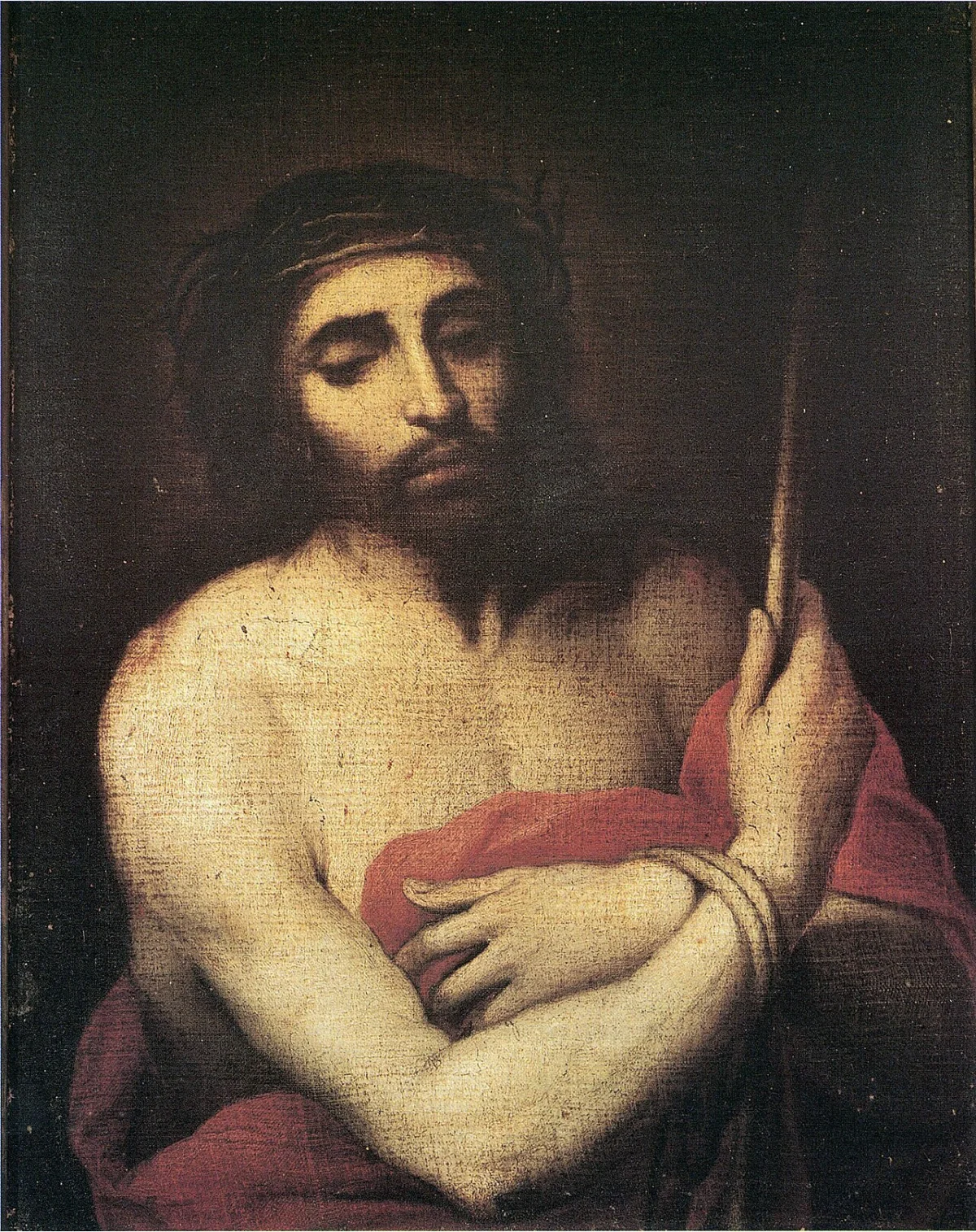
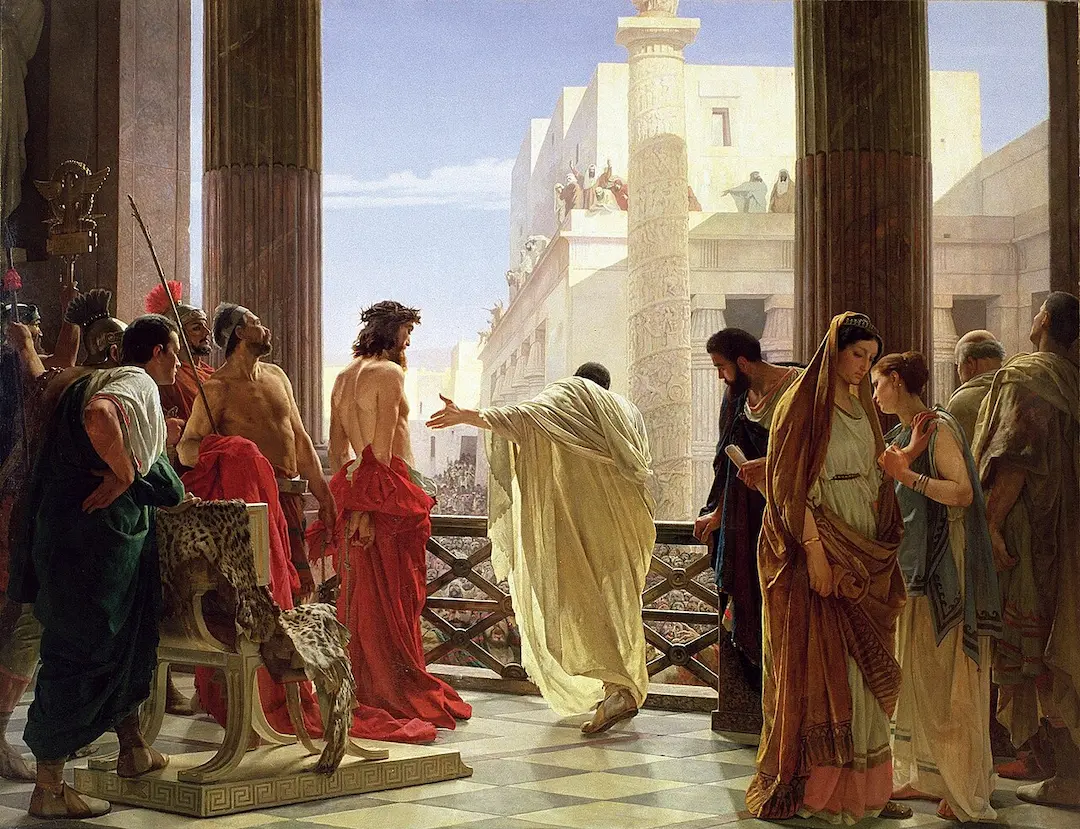
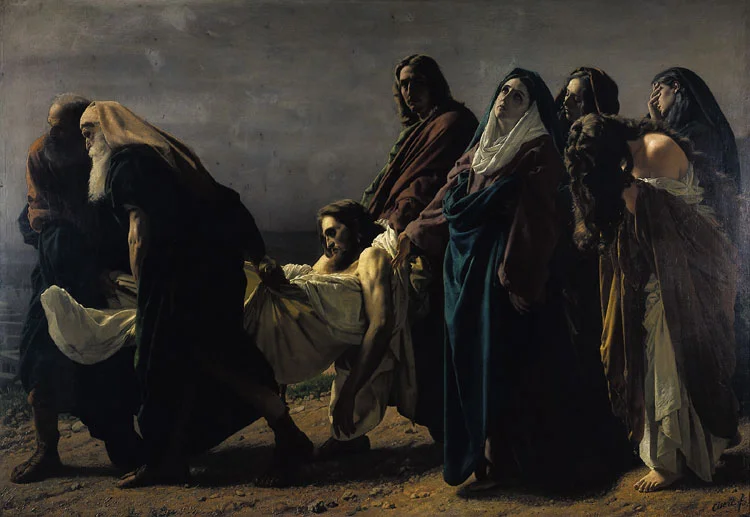
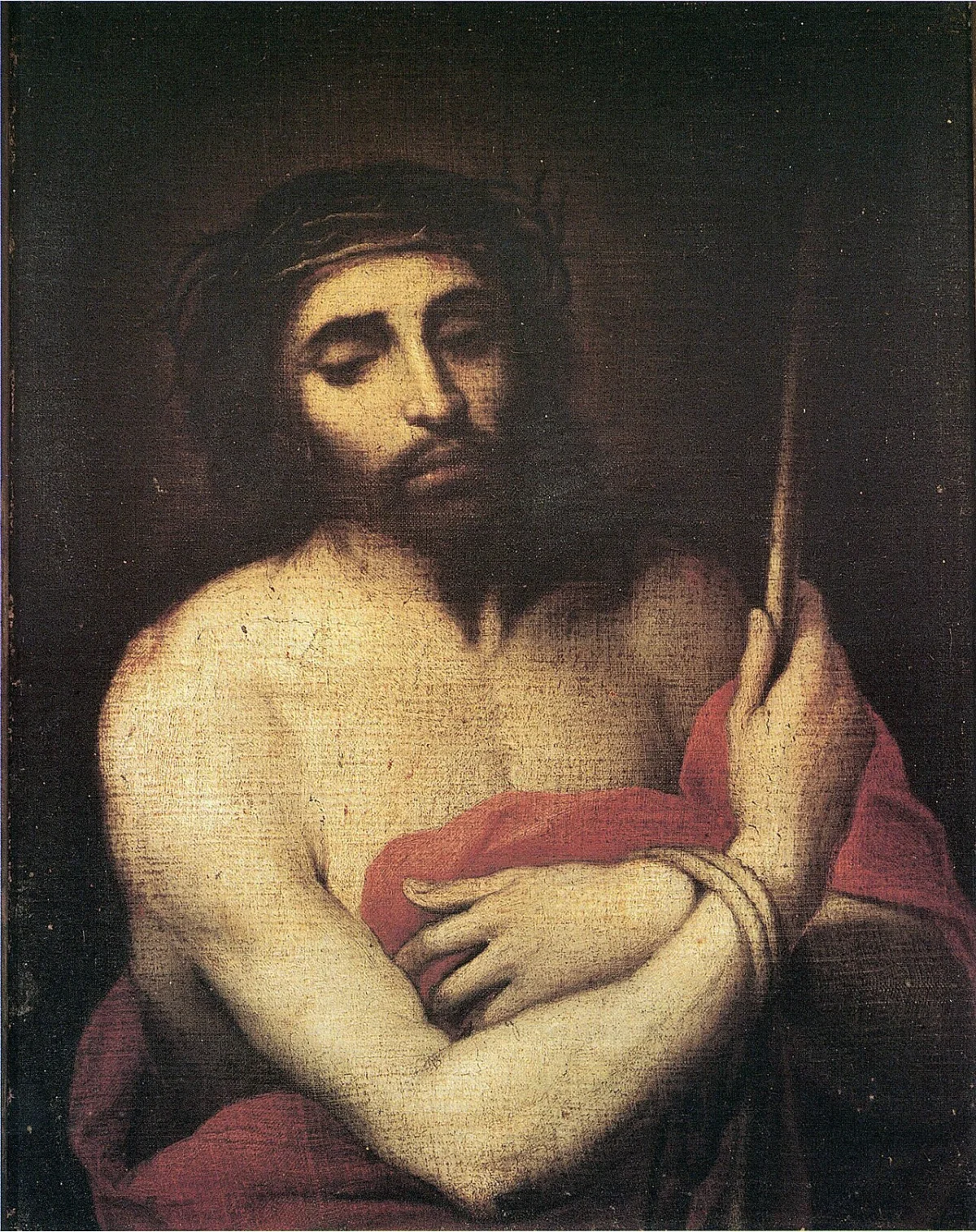
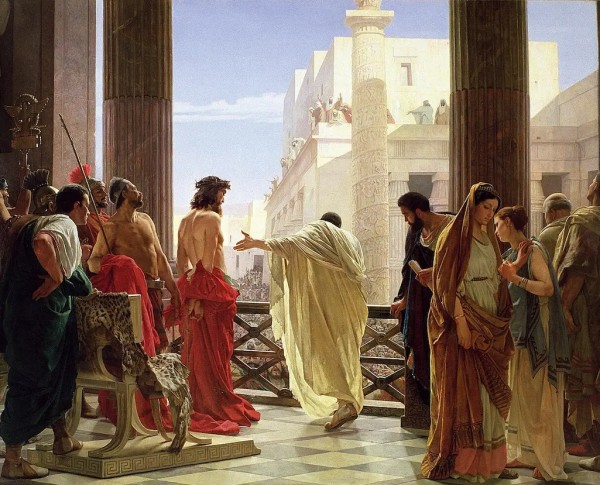
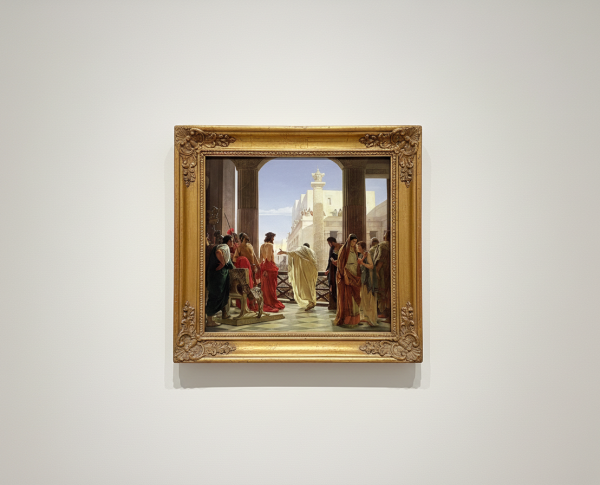
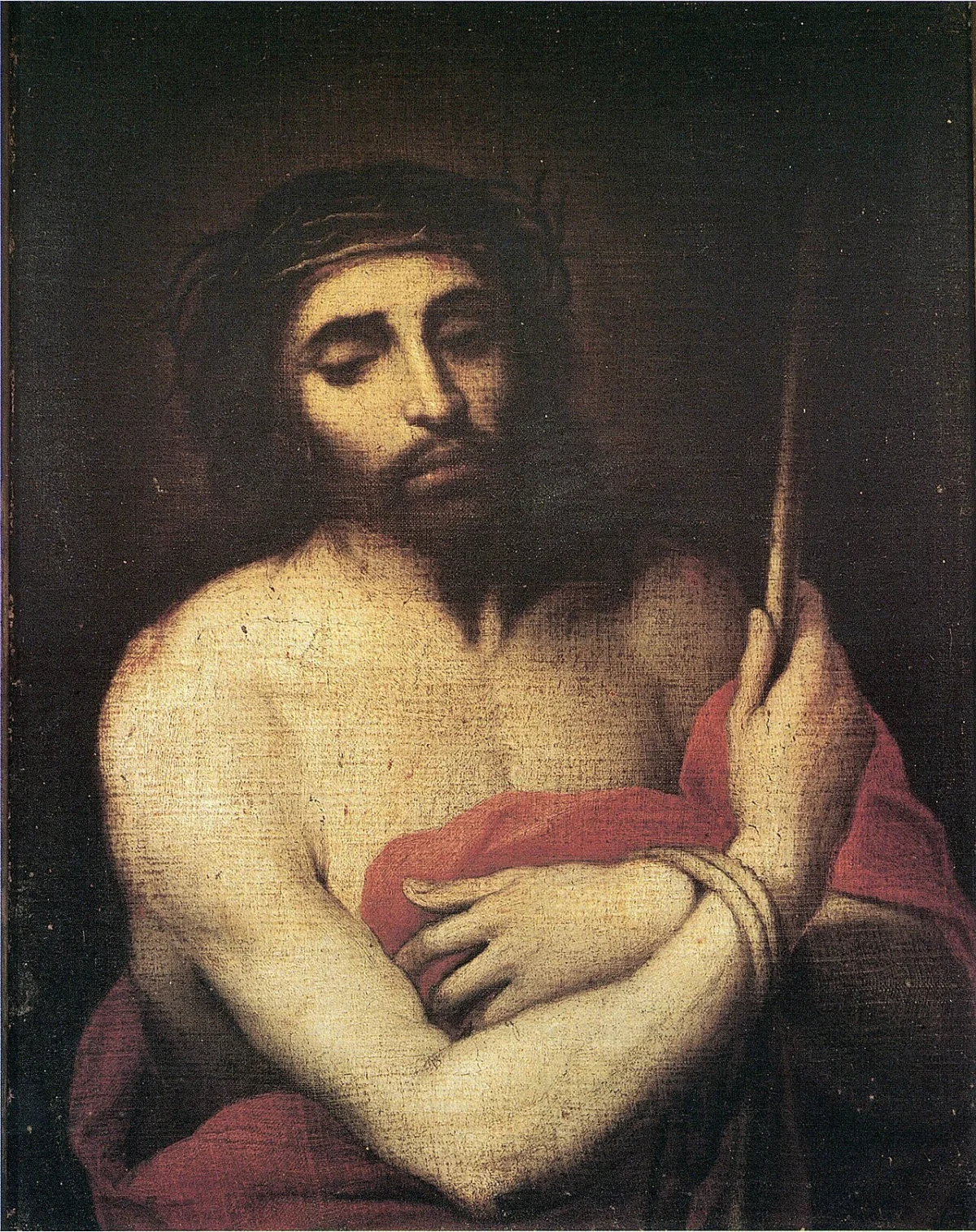
The “Christ Carried to the Tomb” by Antonio Ciseri is a prime example of oil on canvas excellence within the Academic Realism movement. Ciseri’s skillful brushwork and lifelike representation of figures showcase his technical prowess and dedication to narrative clarity. Each stroke reveals his devotion to authenticity, making this painting a standout piece. Collectors and enthusiasts often look for related works like “Ecce Homo” to complement their appreciation of this unique style.
Antonio Ciseri’s “Christ Carried to the Tomb” is rich in symbolism, embodying the emotional gravity of Christ’s final moments. The fine art painting for sale not only tells a powerful religious story but also highlights the artist’s ability to infuse meaning into every detail. Ciseri’s composition, informed by Academic Realism, draws viewers into a contemplative experience. Complementary works such as “Ecce Homo” further expand the narrative depth found in his art.
Owning “Christ Carried to the Tomb” by Antonio Ciseri is a rare opportunity for art collectors seeking a distinguished hand-painted oil painting. This masterpiece exemplifies the best of Academic Realism and adds historical and artistic value to any collection. Collectors often pair it with related products like “Ecce Homo,” to enhance their portfolio. Ciseri’s legacy ensures that his works remain coveted treasures in the world of fine art.
When Art Meets History
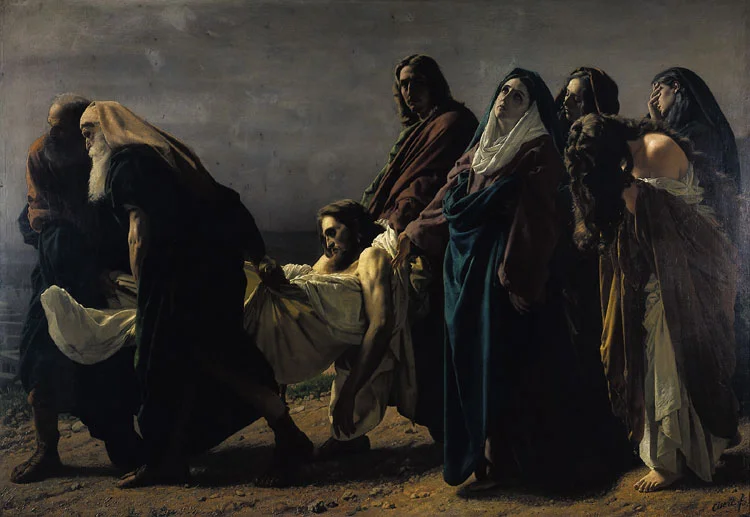
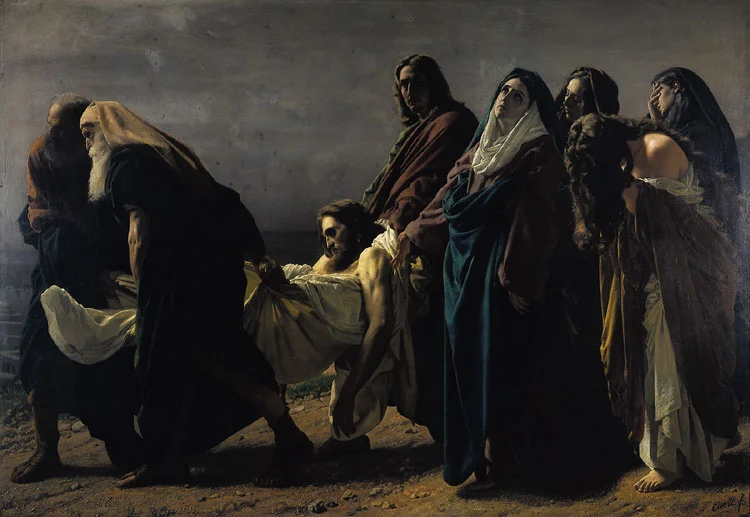
Antonio Ciseri’s masterpiece, "Christ Carried to the Tomb," stands as a testament to the Academic Realism movement, capturing a pivotal biblical moment with exquisite detail. This hand-painted oil painting brings to life the solemn procession, showcasing Ciseri’s commitment to historical accuracy and emotional depth. Comparable works, such as "A Peacock and Doves in a Garden," also reflect the era's devotion to realism. Ciseri’s art bridges the gap between sacred history and timeless visual storytelling.
Techniques That Speak
Ciseri’s "Christ Carried to the Tomb" exemplifies the meticulous techniques characteristic of Academic Realism. The artist’s mastery of oil on canvas is evident in the painting’s luminous colors, precise anatomical renderings, and intricate fabric textures. Through careful layering and controlled brushwork, Ciseri achieves a striking realism, much like in related works such as "A Peacock and Doves in a Garden." The result is a visual narrative that resonates with viewers and art enthusiasts alike.
Emotions on Display
The emotional gravity of "Christ Carried to the Tomb" is palpable, thanks to Antonio Ciseri’s sensitive portrayal of grief and reverence. Every expression and gesture in this fine art painting for sale communicates the sorrow and solemnity of the scene. The Academic Realism movement, as seen in both this work and "A Peacock and Doves in a Garden," emphasizes the truthful depiction of human emotion, inviting viewers to connect deeply with the narrative unfolding on the canvas.
Coveted by Collectors
Antonio Ciseri’s "Christ Carried to the Tomb" is a prized addition to any collection, admired for its technical brilliance and historical significance. Collectors seeking a hand-painted oil painting from the Academic Realism movement often pursue such masterpieces, alongside related works like "A Peacock and Doves in a Garden." The enduring value and beauty of Ciseri’s art ensure that his paintings remain highly sought after in galleries and private collections worldwide.
Related Academic Realism Hand-Painted Oil Paintings by Other Artists
Other Famous Academic Realism Artists:
Frequently Asked Questions About Christ Carried to the Tomb
What is the historical context of "Christ Carried to the Tomb"?
"Christ Carried to the Tomb" was painted by Antonio Ciseri in the 19th century, a period marked by a revival of interest in religious themes and classical art forms. The painting reflects the Romantic movement's emphasis on emotion and spirituality.
What artistic techniques did Antonio Ciseri employ in this painting?
Ciseri utilized a combination of realistic detail and dramatic lighting to convey the somber mood of the scene. His use of chiaroscuro enhances the three-dimensionality of the figures and emphasizes the emotional weight of the moment.
What is the significance of the figures depicted in the painting?
The painting features Christ being carried by Joseph of Arimathea and Nicodemus, symbolizing the themes of sacrifice and mourning. The presence of these figures highlights the reverence and care taken in preparing Christ for burial.
How does Ciseri's work compare to other depictions of the same subject?
Unlike many earlier representations that focus on the moment of crucifixion, Ciseri's work emphasizes the aftermath, capturing a poignant moment of grief and loss. This shift in focus reflects the Romantic ideal of exploring human emotion.
What symbolism is present in "Christ Carried to the Tomb"?
The painting is rich in symbolism; the white cloth represents purity and the transition from life to death, while the somber expressions of the figures convey the deep sorrow of loss. The dark background further enhances the gravity of the scene.
What influence did "Christ Carried to the Tomb" have on later artists?
Ciseri's emotional portrayal of biblical events influenced subsequent artists in their approach to religious themes, encouraging a focus on the human experience and emotional depth rather than purely narrative representation.
In what ways does the composition of the painting enhance its emotional impact?
The composition is carefully arranged, with the figures positioned to draw the viewer's eye toward Christ. The diagonal lines created by the figures' postures lead to a focal point that emphasizes the central theme of mourning.
What materials did Antonio Ciseri use for this painting?
Ciseri primarily used oil on canvas, a medium that allows for rich color and texture, contributing to the lifelike quality of the figures and the overall emotional resonance of the scene.
Where can I view "Christ Carried to the Tomb" today?
The painting is housed in the Museo di San Martino in Naples, Italy. It is part of a collection that showcases Ciseri's significant contributions to 19th-century art.
What themes are explored in "Christ Carried to the Tomb"?
The primary themes include grief, sacrifice, and the transition from life to death. Ciseri's portrayal invites viewers to reflect on the emotional and spiritual implications of Christ's death and the hope of resurrection.






















_GFM_Painting_(1).webp)


 100% Hand-Painted: Finished in 3-6 Weeks

.png)
















_(1).webp)