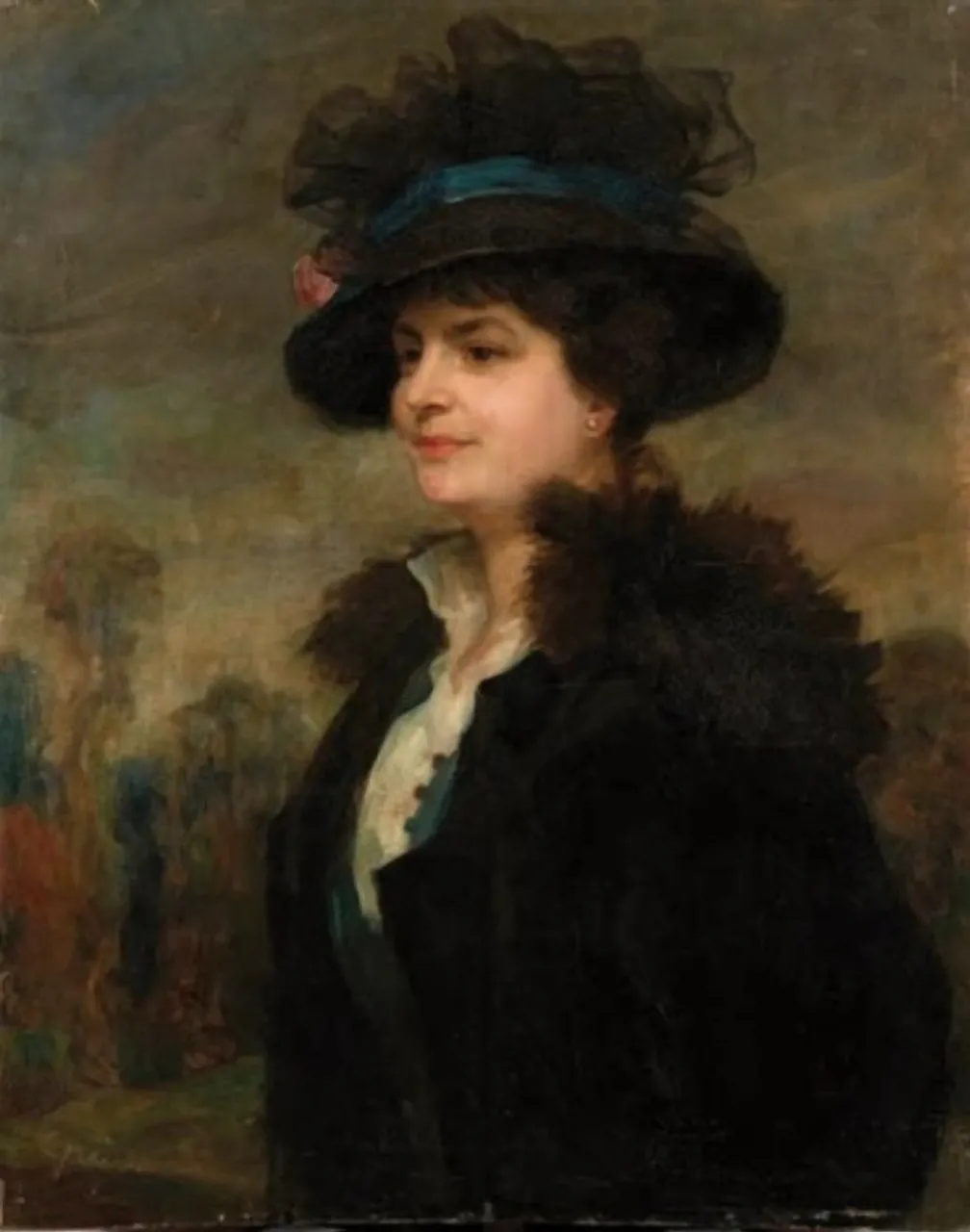
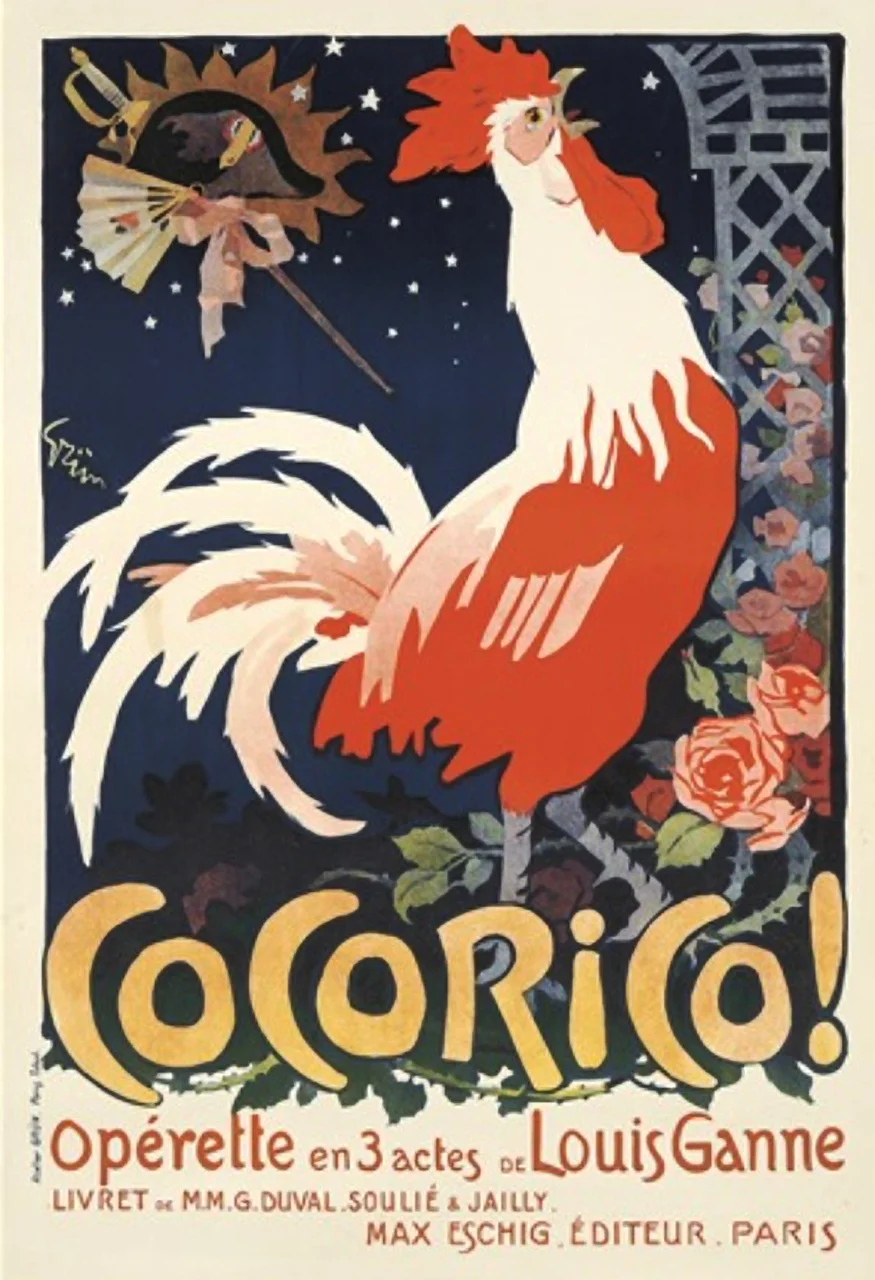
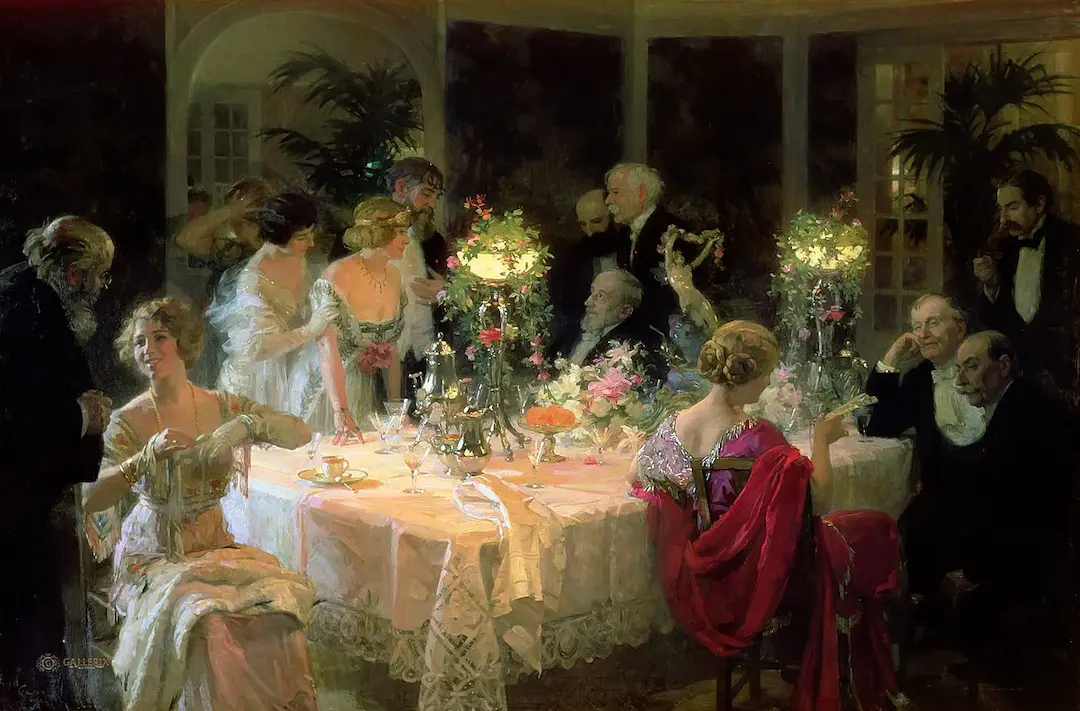
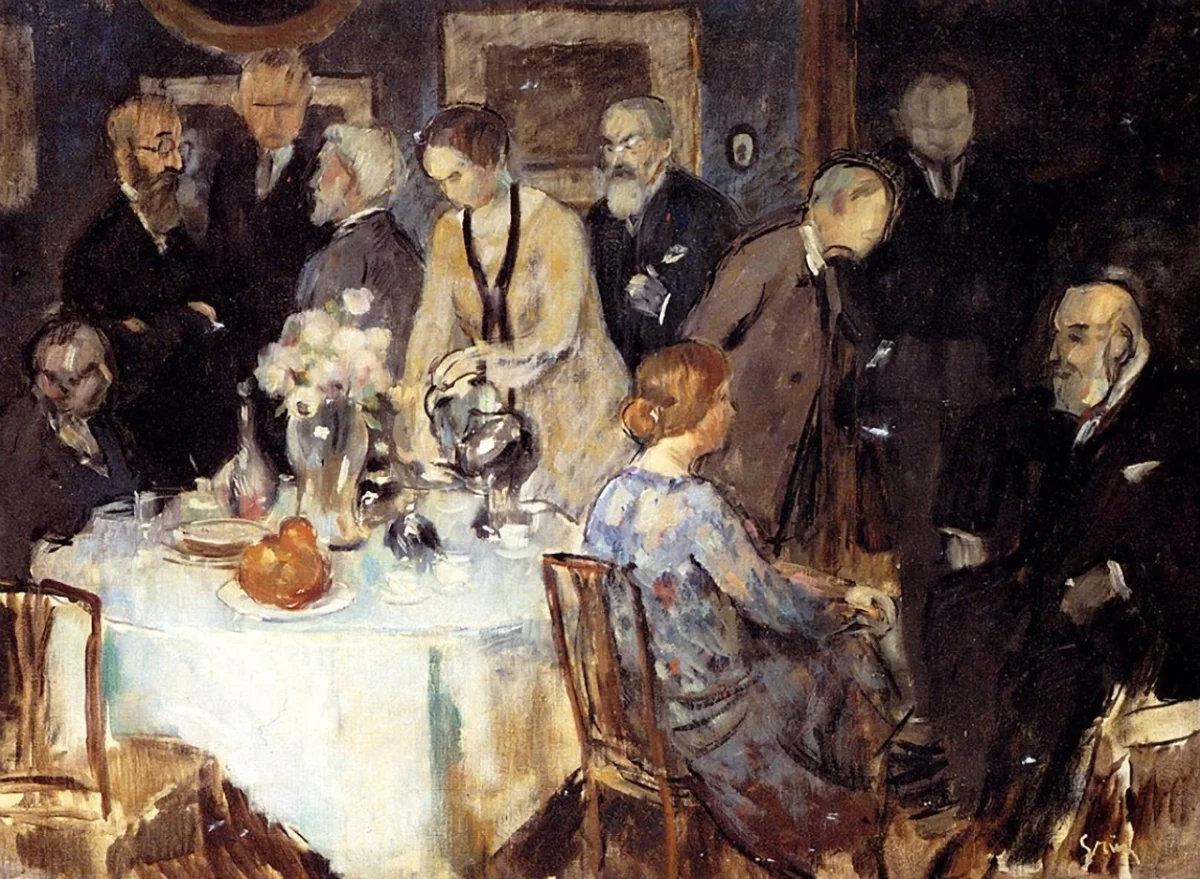
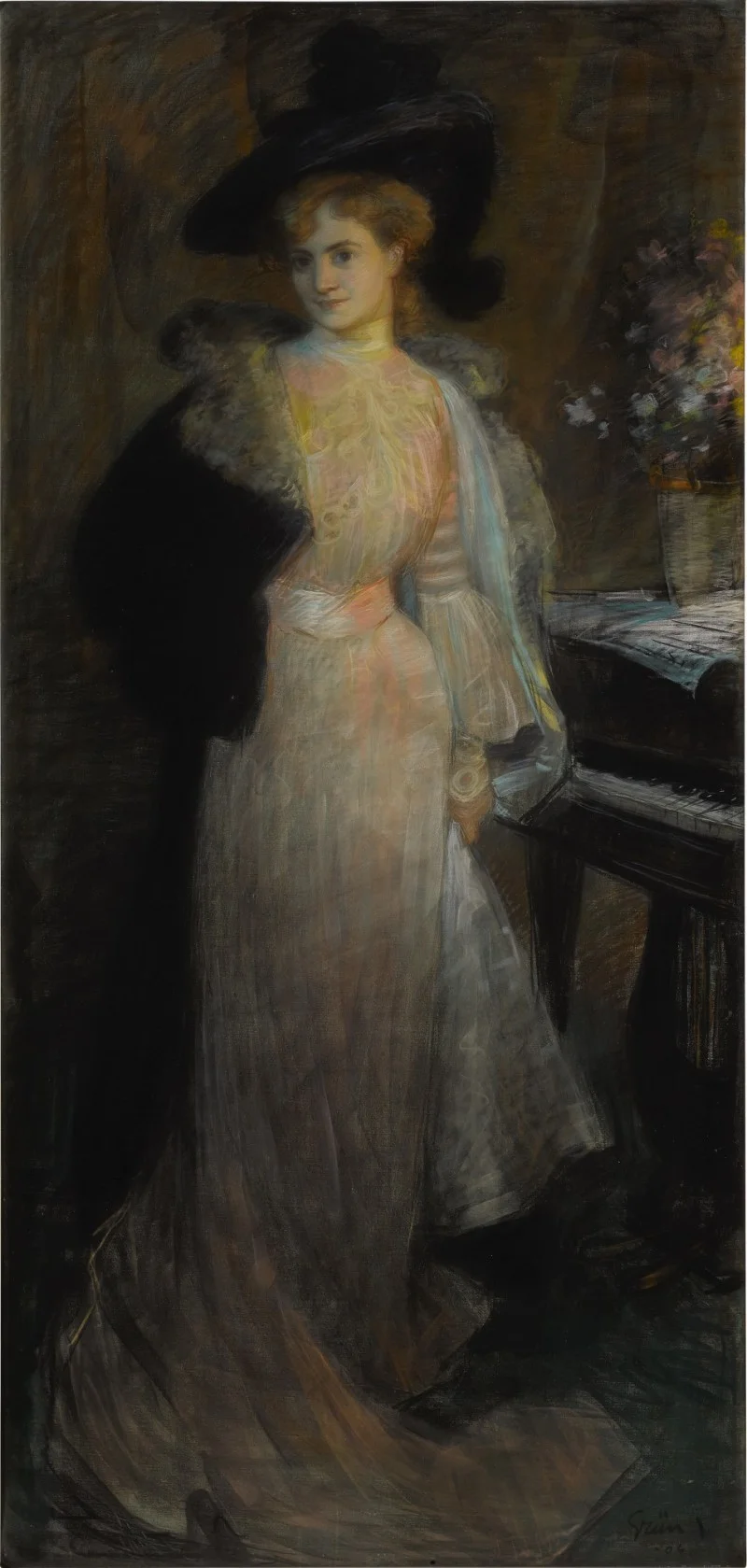
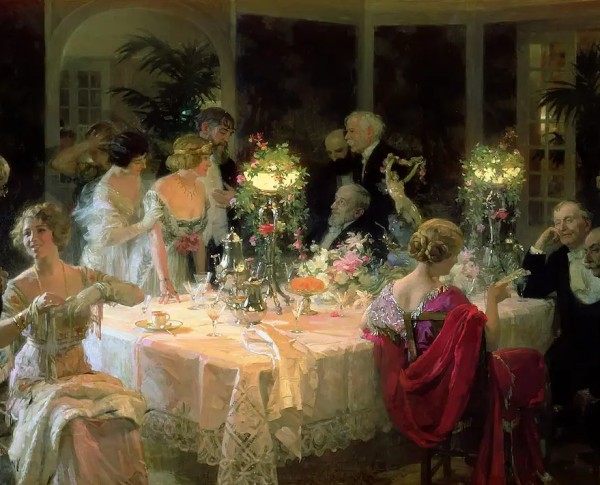
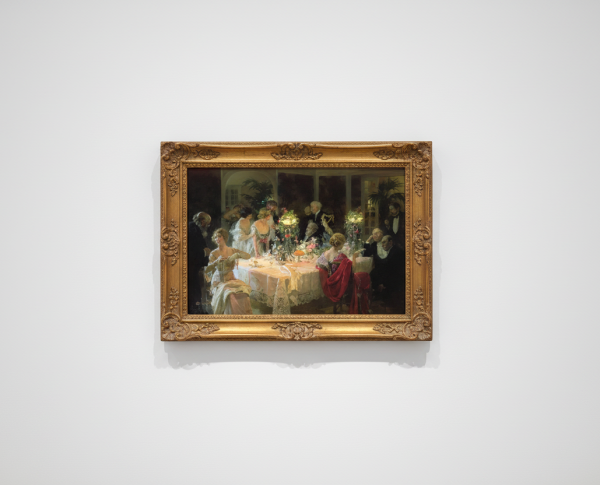
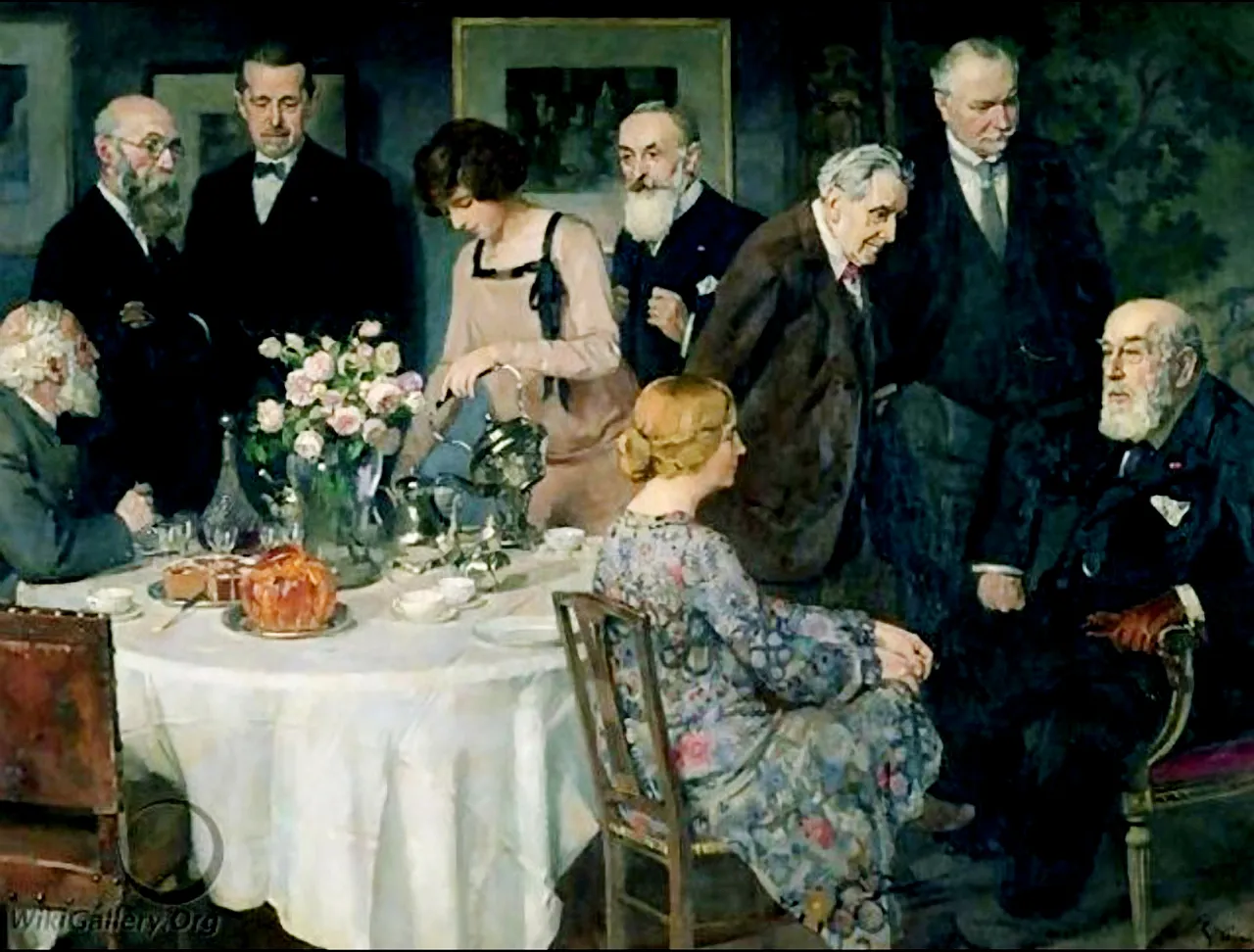
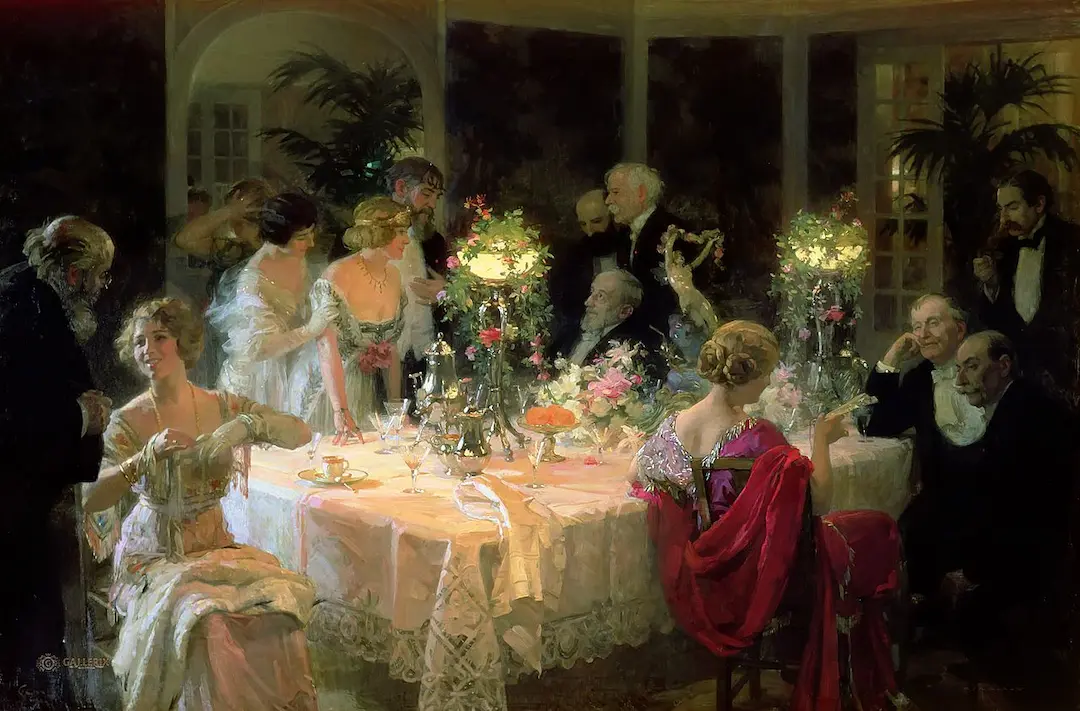
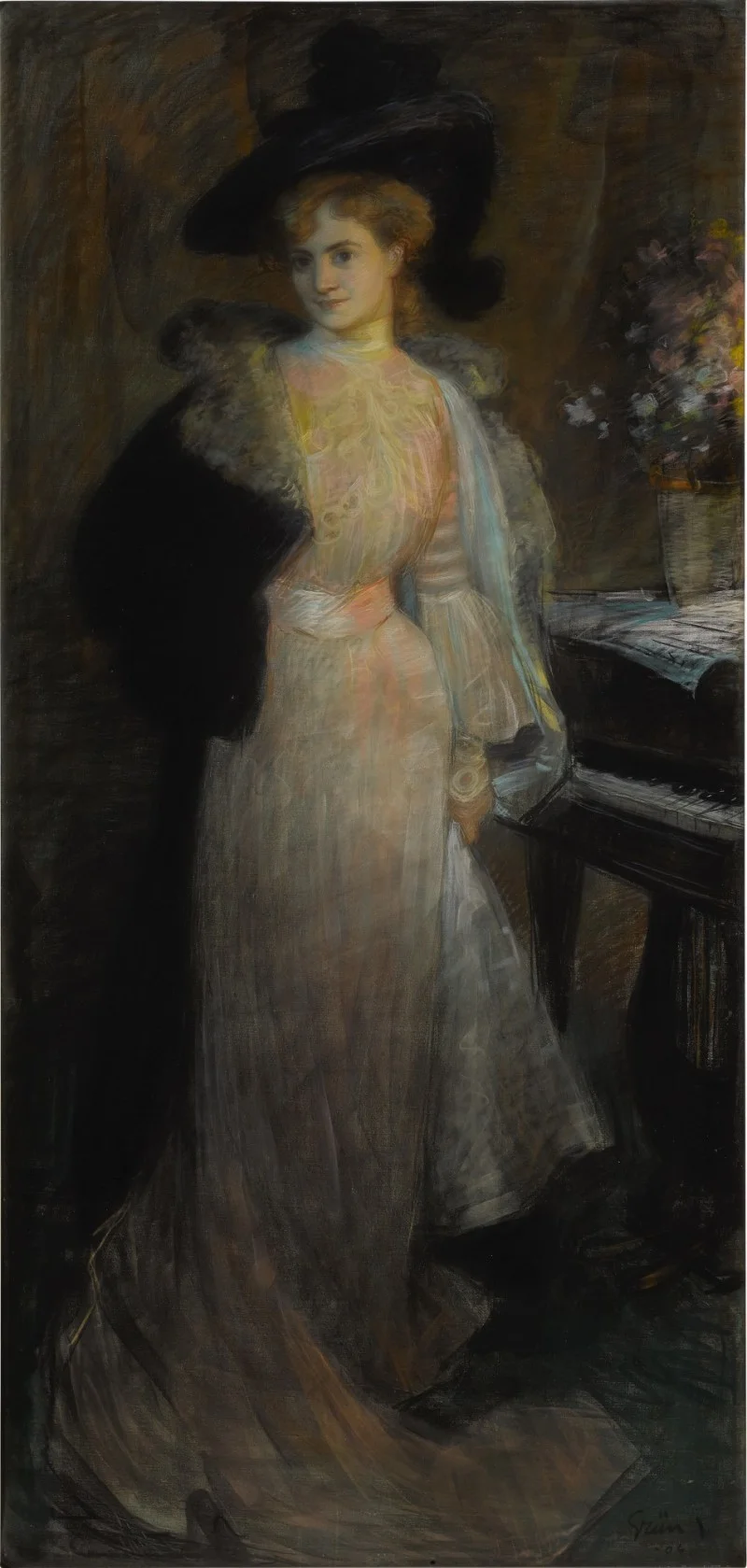
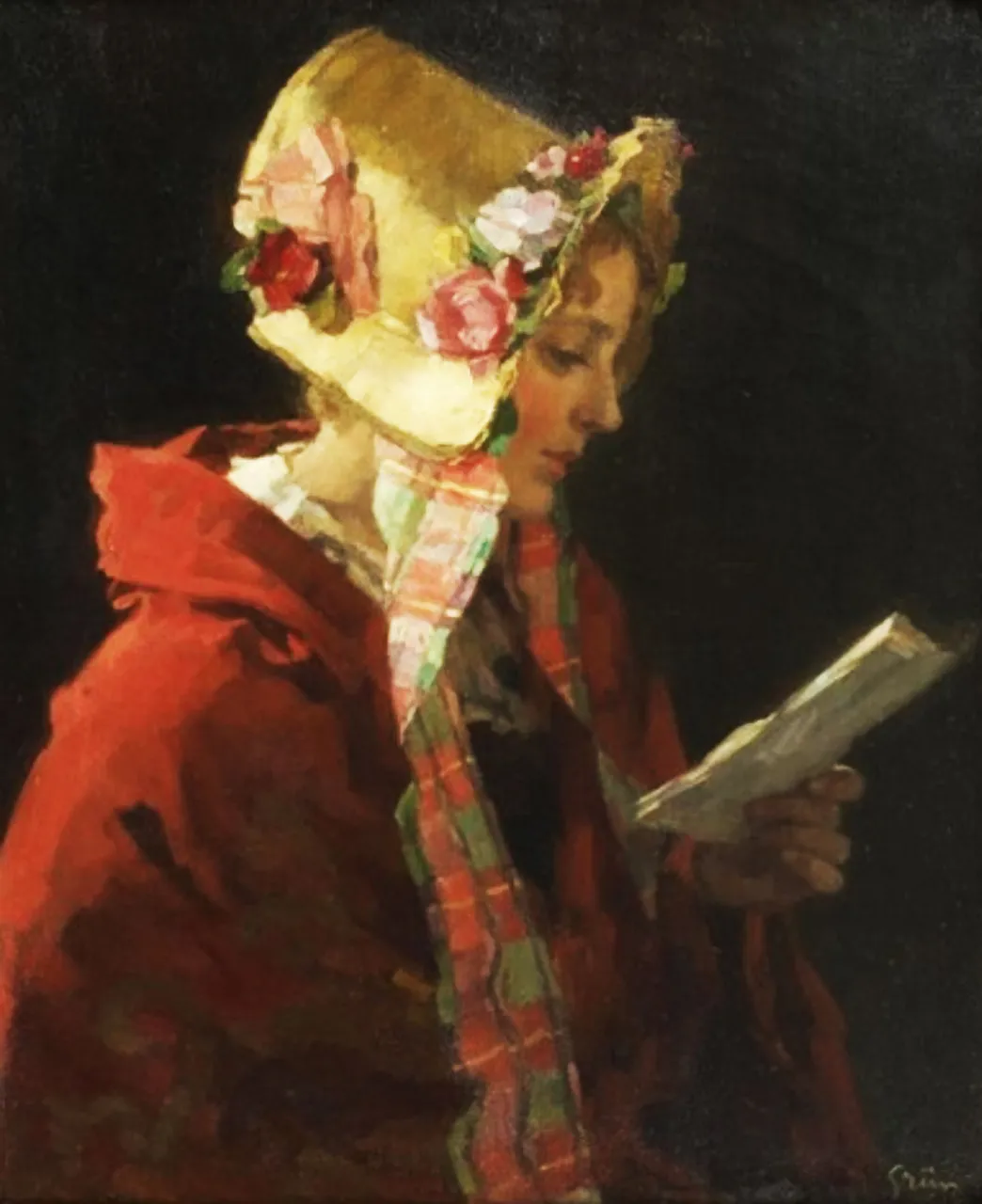
The "Jules Alexandre Grun 003" artwork exemplifies the artist’s exceptional skill with oil on canvas. Jules Grun’s mastery is evident in the delicate interplay of light and color, characteristic of Belle Époque’s luxurious style. Each brushstroke is meticulously crafted, making this piece a true gem in the world of fine art. Collectors often seek related works like "Jules Alexandre Grun 033" to complement their collections.
Within "Jules Alexandre Grun 003," viewers uncover stories and symbols unique to the Belle Époque. Jules Grun weaves narratives of societal elegance and cultural vibrancy, making this fine art painting for sale an evocative conversation piece. The motifs and themes resonate with those found in related products such as "Jules Alexandre Grun 042" each painting offering a window into the era’s nuanced social tapestry.
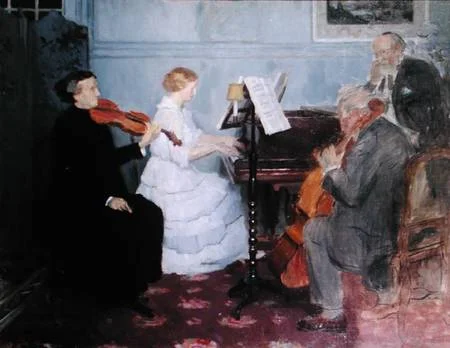
For art collectors, "Jules Alexandre Grun 003" represents more than just an exquisite painting; it is a prized addition to any curated collection. This hand-painted oil painting by Jules Grun embodies the sophistication and charm of the Belle Époque movement. Alongside other works like "Jules Alexandre Grun 033" and "Chamber Music Concert," it stands out as a must-have for those seeking timeless beauty and historical significance in their art investments.
When Art Meets History
Jules Grun’s “Jules Alexandre Grun 003” captures the vibrant spirit of the Belle Époque, a period renowned for its artistic innovation and cultural richness. As an exemplary hand-painted oil painting, this work reflects the social dynamism and optimism of late 19th-century Paris. Grun, a celebrated artist of his era, often depicted bustling scenes and lively gatherings. Like his other masterpieces, “Jules Alexandre Grun 003” stands as a testament to the timeless charm of the Belle Époque movement.
Techniques That Speak
Utilizing the classic oil on canvas technique, Jules Grun demonstrates his mastery in “Jules Alexandre Grun 003.” The artist’s deft brushwork and nuanced color palette bring each figure and element to life, echoing the elegance found in other Belle Époque paintings. Grun’s attention to detail and composition invites viewers into a world of sophistication and warmth, making this oil on canvas artwork a brilliant showcase of early modern painting methods and creative storytelling.
Emotions on Display
In “Jules Alexandre Grun 003,” Grun skillfully conveys the emotional atmosphere of the Belle Époque era. The painting’s lively characters and vibrant setting evoke feelings of joy, nostalgia, and anticipation. As with many of his fine art paintings for sale, Grun’s work resonates on a personal level, inviting viewers to immerse themselves in the scene’s festive mood. The emotional depth and expressive gestures are hallmarks of Grun’s artistic legacy within the Belle Époque movement.
Coveted by Collectors
Collectors worldwide seek out “Jules Alexandre Grun 003” for its historical significance and artistic excellence. This hand-painted oil painting is a prized possession for those who appreciate Belle Époque masterpieces and the unique vision of Jules Grun. Its enduring appeal lies in both its technical brilliance and its ability to capture a bygone era. Art enthusiasts often compare this piece to related paintings from the same period, further enhancing its desirability as a fine art painting for sale.
Frequently Asked Questions About Jules Alexandre Grun 003
What is the historical context of "Jules Alexandre Grun 003"?
"Jules Alexandre Grun 003" was created during a period marked by significant social and artistic changes in France, particularly in the late 19th and early 20th centuries, when Impressionism and Post-Impressionism were gaining prominence.
Who was Jules Grun and what was his artistic significance?
Jules Grun was a French painter known for his vibrant depictions of Parisian life, particularly in the realms of theater and leisure. His work captures the essence of the Belle Époque, reflecting the cultural vibrancy of the time.
What artistic techniques are evident in "Jules Alexandre Grun 003"?
The painting showcases Grun's mastery of color and light, employing techniques reminiscent of Impressionism, with loose brushwork and a focus on capturing the fleeting moments of daily life.
What themes are explored in "Jules Alexandre Grun 003"?
The painting explores themes of leisure, social interaction, and the celebration of everyday life, reflecting the joys and complexities of the human experience during the Belle Époque.
How does "Jules Alexandre Grun 003" reflect the culture of its time?
The artwork encapsulates the spirit of the Belle Époque, a time characterized by cultural flourishing, social change, and a burgeoning appreciation for the arts, particularly in urban settings like Paris.
What symbols are present in "Jules Alexandre Grun 003"?
The painting may include symbols of leisure and enjoyment, such as theatrical elements or social gatherings, which serve to highlight the cultural pursuits of the era and the importance of community in Parisian life.
In what ways does "Jules Alexandre Grun 003" connect to Impressionism?
The painting connects to Impressionism through its emphasis on capturing light and movement, as well as its focus on contemporary subjects and everyday scenes, which were hallmarks of the Impressionist movement.
What impact did "Jules Alexandre Grun 003" have on future artists?
The work of Jules Grun, including "Jules Alexandre Grun 003," influenced future generations of artists by demonstrating the importance of capturing modern life and the emotional resonance of everyday experiences.
How does the composition of "Jules Alexandre Grun 003" enhance its narrative?
The composition of the painting, with its dynamic arrangement of figures and use of perspective, draws the viewer into the scene, creating a sense of immediacy and engagement with the narrative being portrayed.
What can be inferred about societal norms from "Jules Alexandre Grun 003"?
The painting offers insights into the societal norms of the time, particularly regarding leisure activities and social interactions, reflecting the values and lifestyle of the Parisian bourgeoisie during the late 19th century.






















_GFM_Painting_(1).webp)

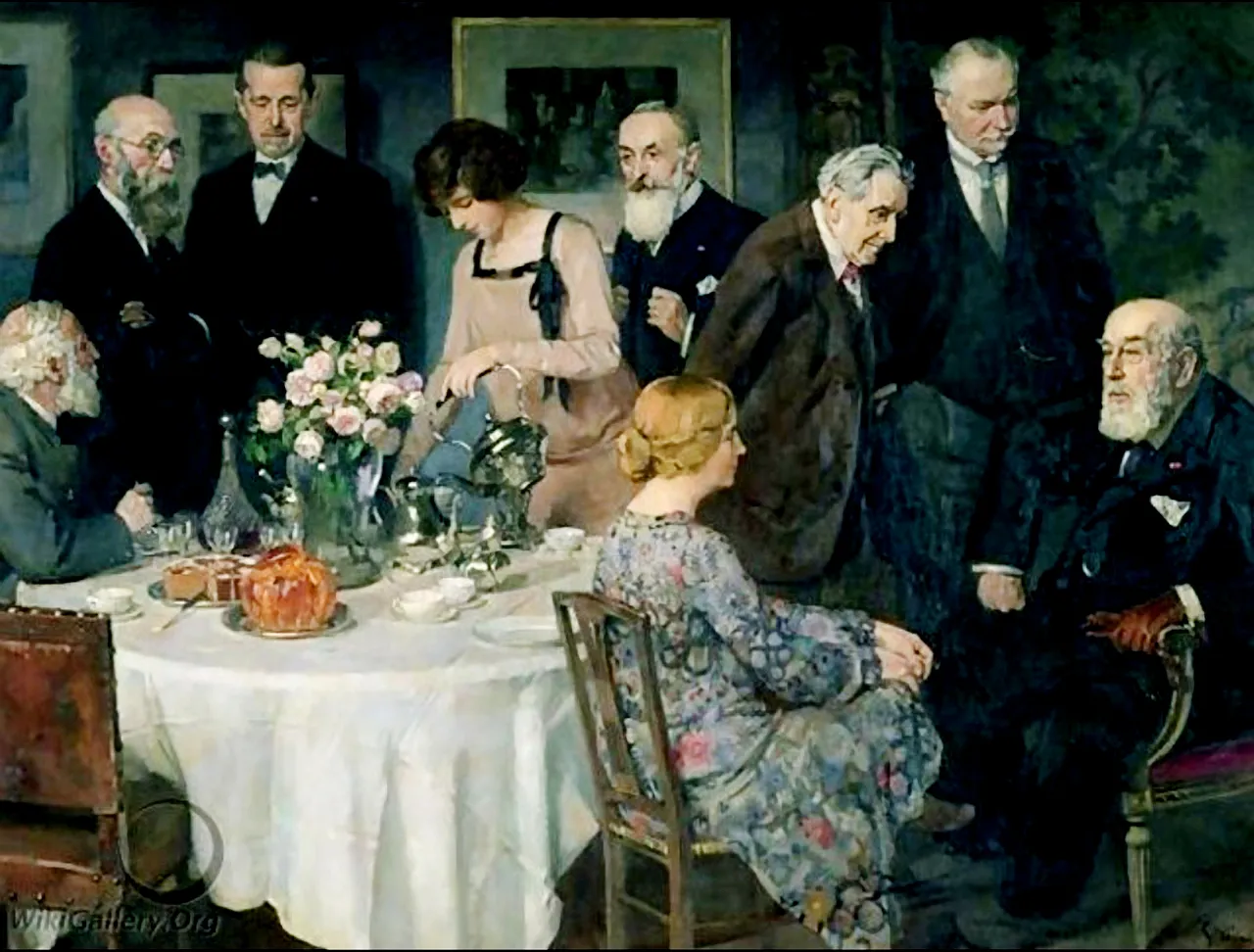

 100% Hand-Painted: Finished in 3-6 Weeks

.png)















_(1).webp)