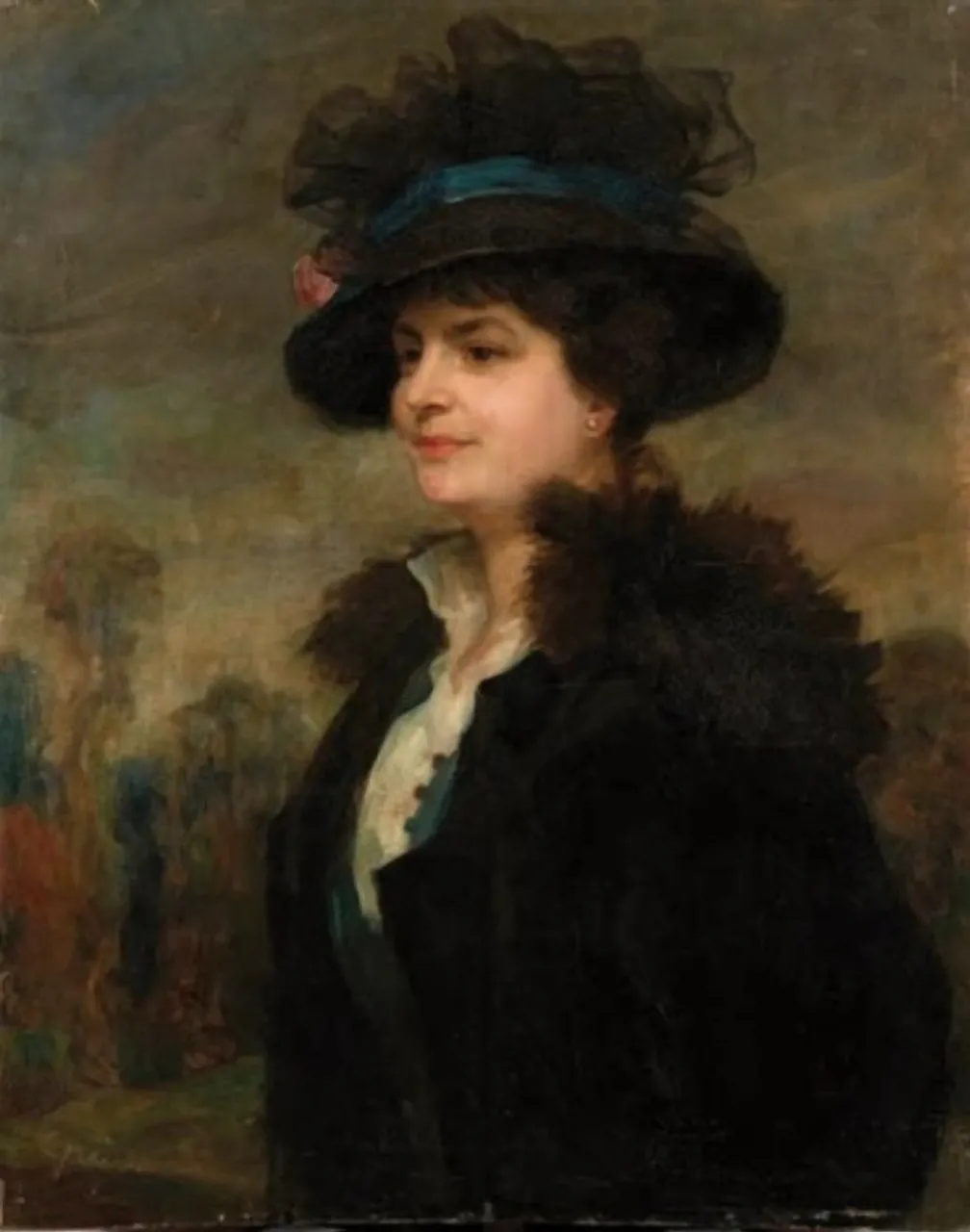
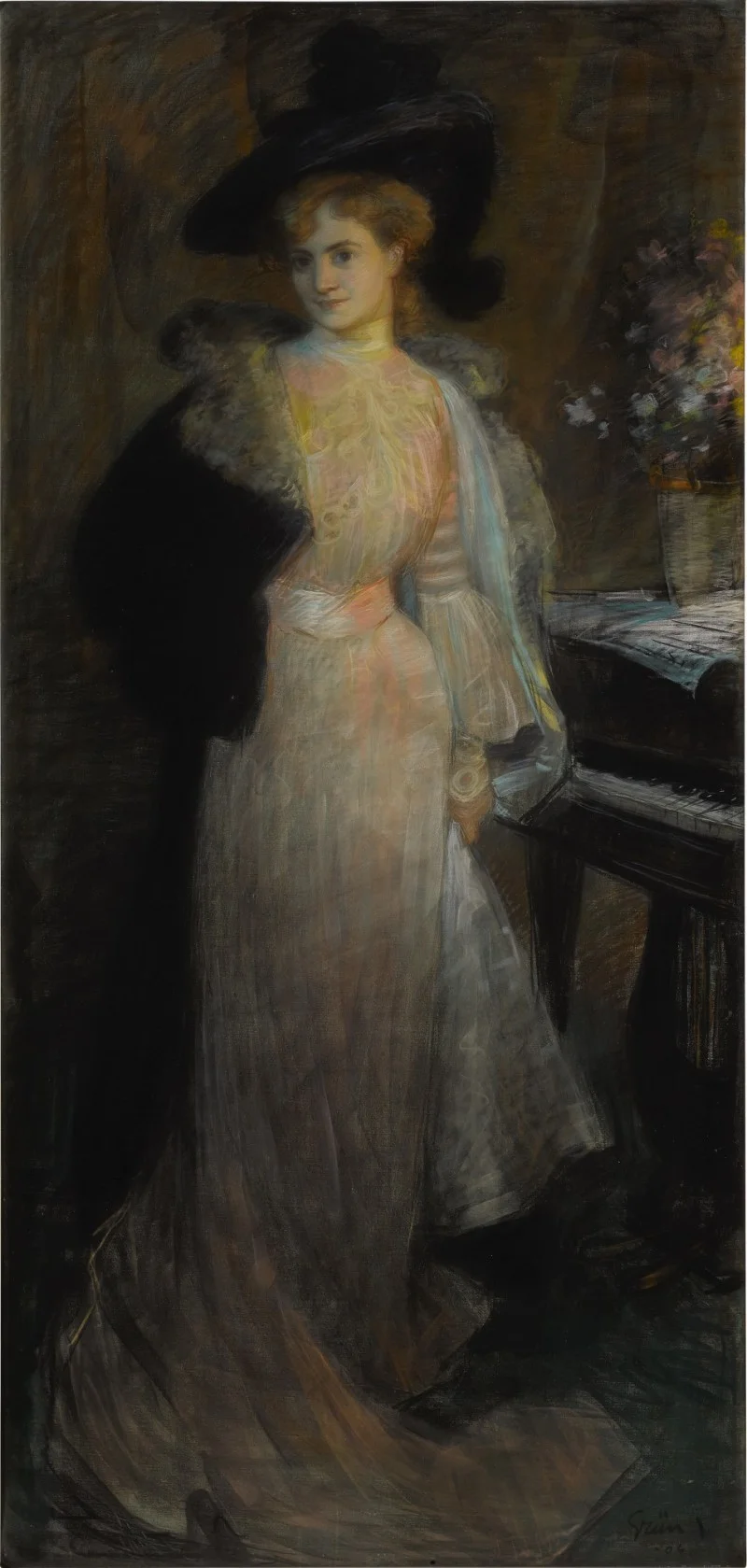
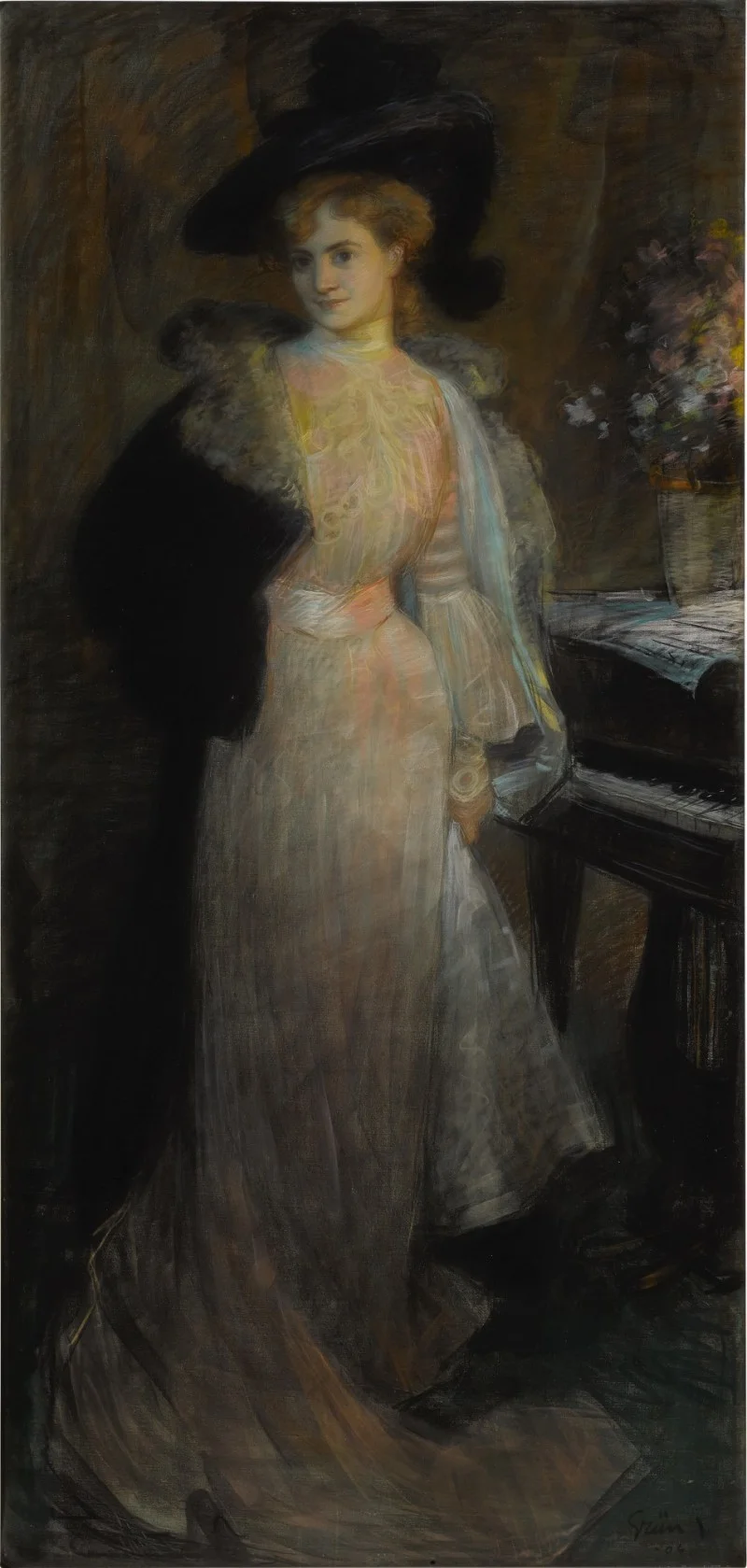
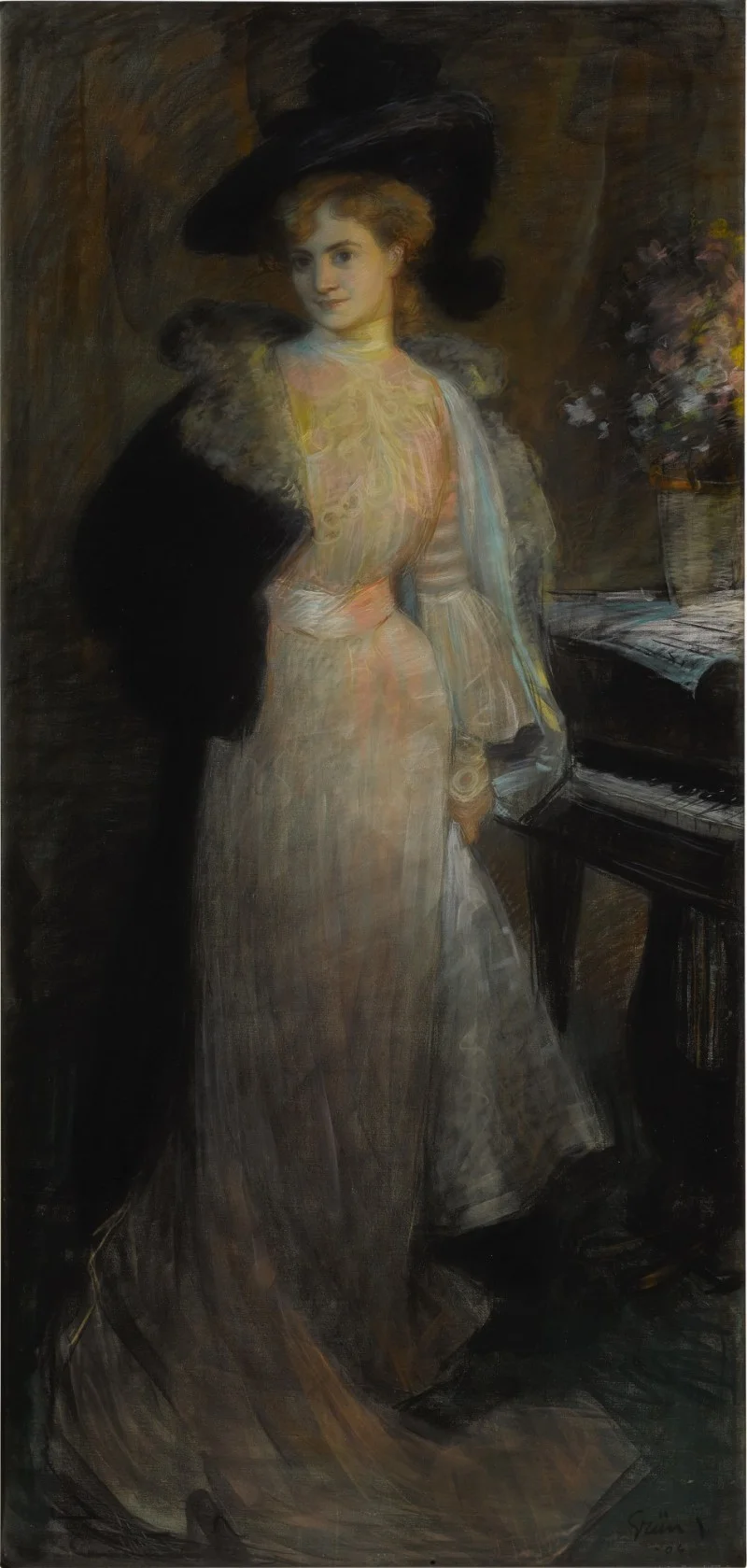
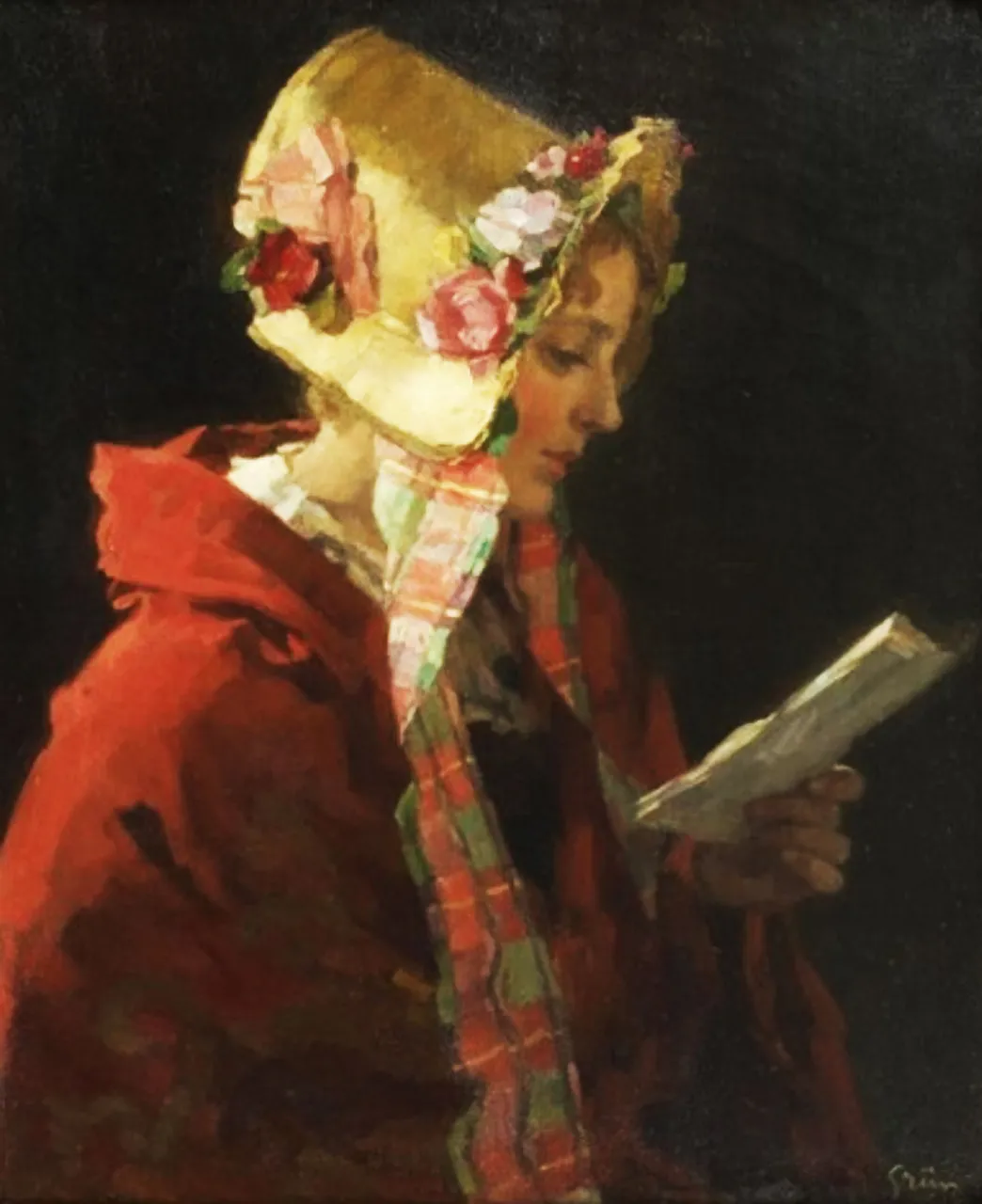
With meticulous attention to detail, Jules Grun’s technique shines through the oil on canvas medium in this portrait. The artist’s brushwork brings life to the subject, emphasizing both her poise and the luxurious textures of her attire. As with other Belle Époque works, this painting exemplifies the era’s devotion to elegance and artistry, making it a standout example of Grun’s unparalleled skill.
“Portrait of an Elegant Lady” is more than a fine art painting for sale; it is a narrative woven with subtle symbols and period details. Jules Grun’s choice of color, composition, and subject matter reflects the cultural aspirations of the Belle Époque. Collectors and art lovers often compare its storytelling power to related pieces, all of which encapsulate the optimism and grace of turn-of-the-century Europe.
Owning a hand-painted oil painting like Grun’s “Portrait of an Elegant Lady” is an opportunity to possess a piece of Belle Époque history. This masterpiece, along with related products, offers collectors a glimpse into a world of sophistication and artistic achievement. The painting’s enduring appeal lies in its exquisite execution and its ability to elevate any collection of fine art with timeless elegance.
When Art Meets History
"Portrait of an Elegant Lady" by Jules Grun is a quintessential example of the Belle Époque movement, capturing the spirit of its time. This hand-painted oil painting reflects not only the refined tastes of the era but also the emerging role of women in society. Jules Grun was renowned for his ability to immortalize the sophistication of Parisian life, making this masterpiece a significant artifact. Collectors and enthusiasts alike seek out such works to own a piece of history.
Techniques That Speak
Jules Grun’s mastery is evident in his use of oil on canvas, a medium that allows for rich textures and subtle gradations of color. In "Portrait of an Elegant Lady," Grun employs delicate brushwork and meticulous attention to detail, highlighting the luxurious fabrics and graceful poise of his subject. These techniques are hallmarks of Belle Époque portraiture, setting this painting apart as an exquisite example of classic oil on canvas artistry.
Emotions on Display
The "Portrait of an Elegant Lady" radiates poise, confidence, and quiet allure, all trademarks of Grun’s best work. The sitter’s serene expression and dignified posture evoke a sense of timeless beauty, inviting viewers to contemplate the inner world of the subject. As a fine art painting for sale, it continues to captivate admirers, much like other celebrated Belle Époque portraits that explore the emotional depth of their sitters.
Coveted by Collectors
Collectors have long prized Jules Grun’s "Portrait of an Elegant Lady" for its elegance and historical significance within the Belle Époque movement. As a hand-painted oil painting, it represents a blend of artistic mastery and cultural heritage that appeals to seasoned and new collectors alike. The enduring popularity of Grun’s work ensures that fine art painting for sale from this era remains highly sought-after in galleries and private collections around the world.
Frequently Asked Questions About Portrait of an Elegant Lady
Who is the artist of "Portrait of an Elegant Lady"?
The painting is created by the renowned French artist Jules Grun, known for his elegant depictions of women in fashionable attire.
What is the historical context of "Portrait of an Elegant Lady"?
This artwork was painted during the late 19th century, a period characterized by significant social and cultural changes in Europe, particularly in France.
What artistic style does Jules Grun employ in this painting?
Jules Grun is associated with the Impressionist movement, although his work often reflects elements of realism, focusing on capturing the elegance and grace of his subjects.
What is the significance of the attire worn by the lady in the painting?
The elegant dress symbolizes the fashion trends of the time, representing the social status and sophistication of women in the late 19th century.
How does the use of color contribute to the overall mood of the painting?
The soft, muted color palette enhances the elegance and refinement of the subject, creating a serene and sophisticated atmosphere.
What themes are explored in "Portrait of an Elegant Lady"?
The painting explores themes of femininity, beauty, and social status, reflecting the role of women in society during the late 19th century.
What techniques did Jules Grun use in this artwork?
Grun utilized a combination of brushwork and layering techniques to create depth and texture, enhancing the lifelike quality of the portrait.
What does the expression of the lady convey?
The lady's expression exudes confidence and poise, suggesting a sense of self-assuredness that was celebrated in the era's portrayal of women.
How does "Portrait of an Elegant Lady" reflect the societal norms of its time?
The painting reflects the societal norms of the late 19th century, where women's appearances were closely tied to their social identity and status.
Where can I view "Portrait of an Elegant Lady"?
The painting is part of the collection at our art gallery, where it is displayed to highlight the artistic achievements of Jules Grun and the cultural context of his work.






















_GFM_Painting_(1).webp)


 100% Hand-Painted: Finished in 3-6 Weeks

.png)















_(1).webp)