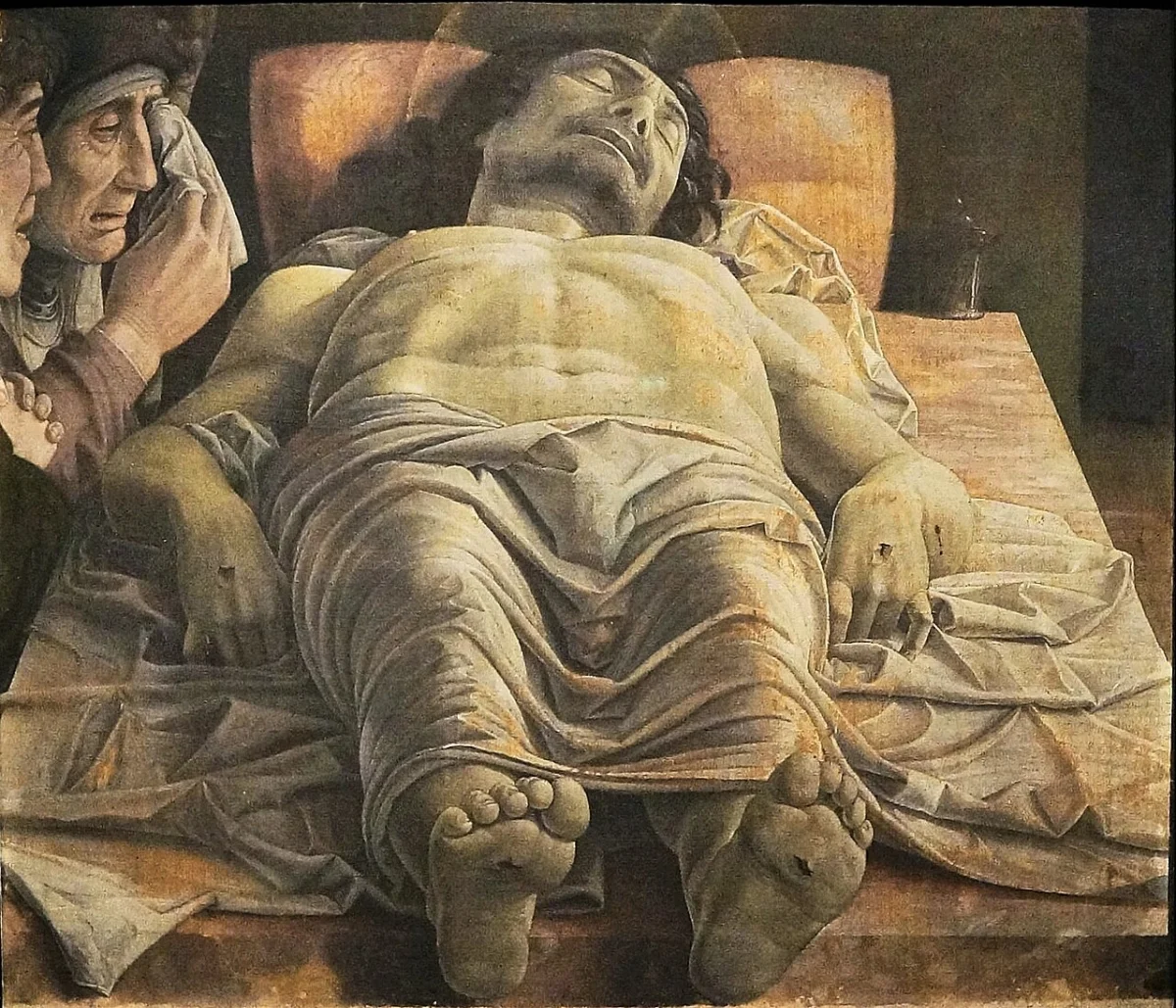
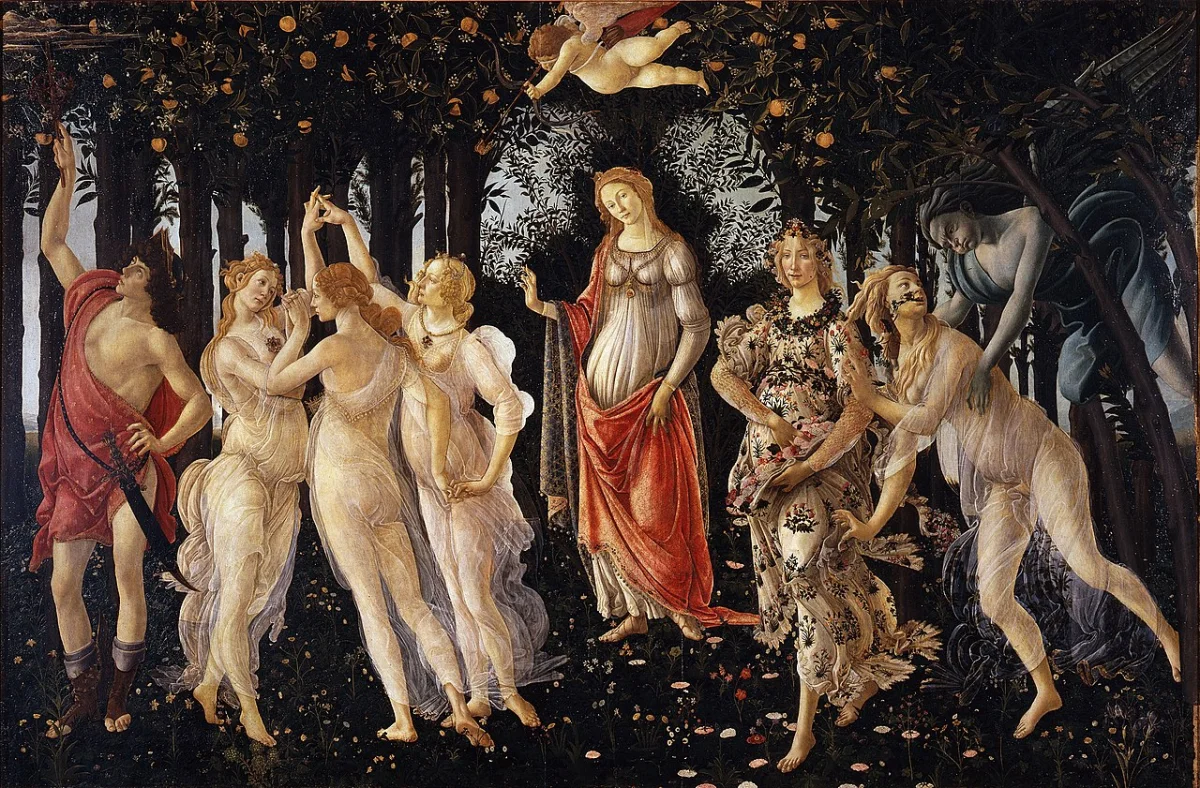
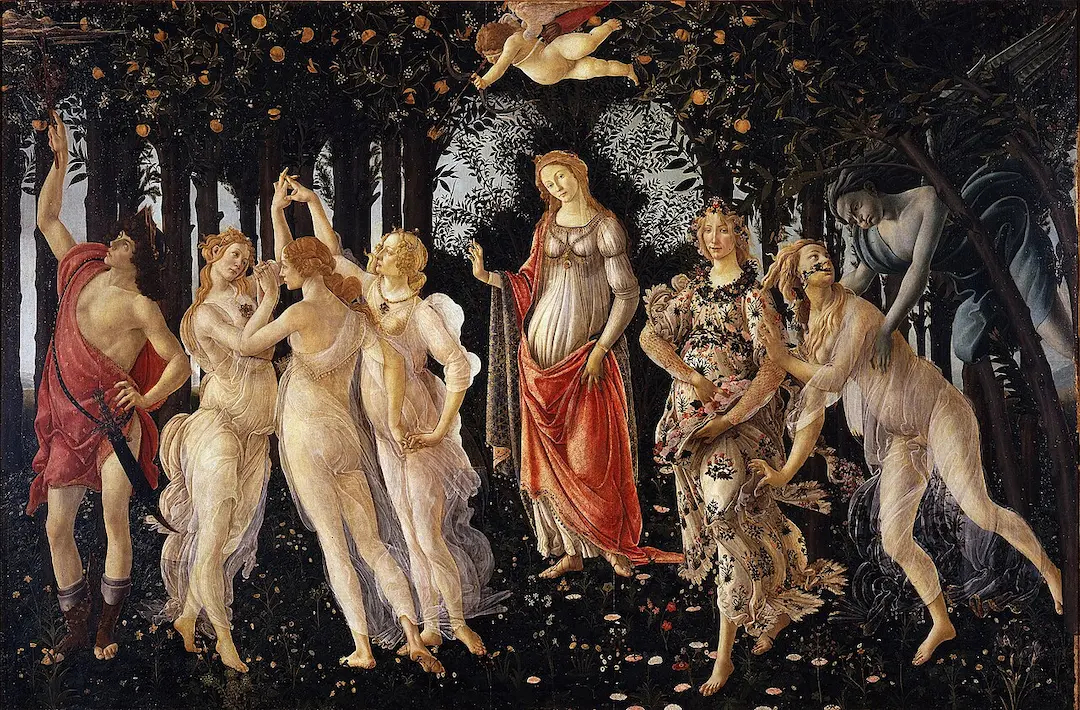
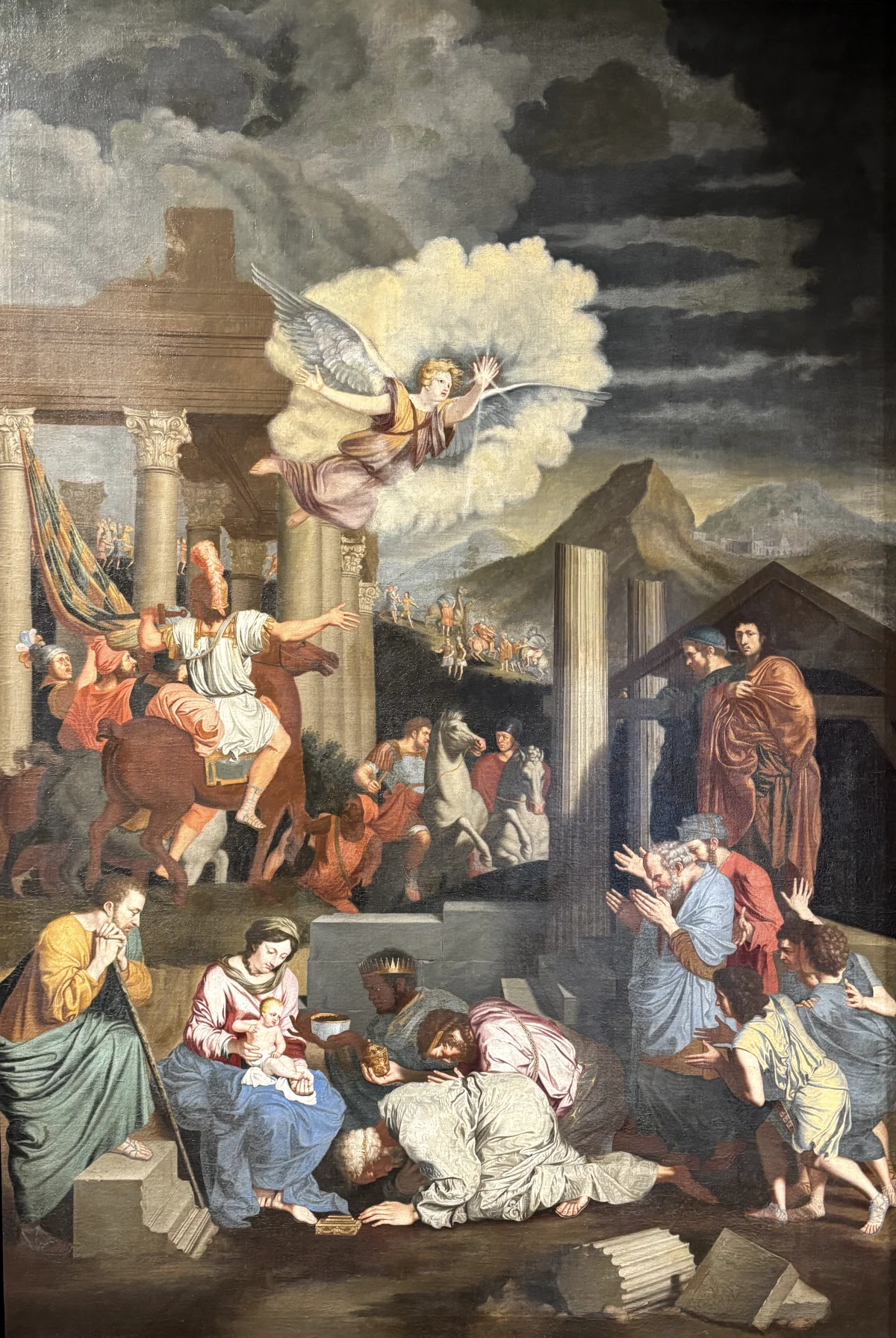
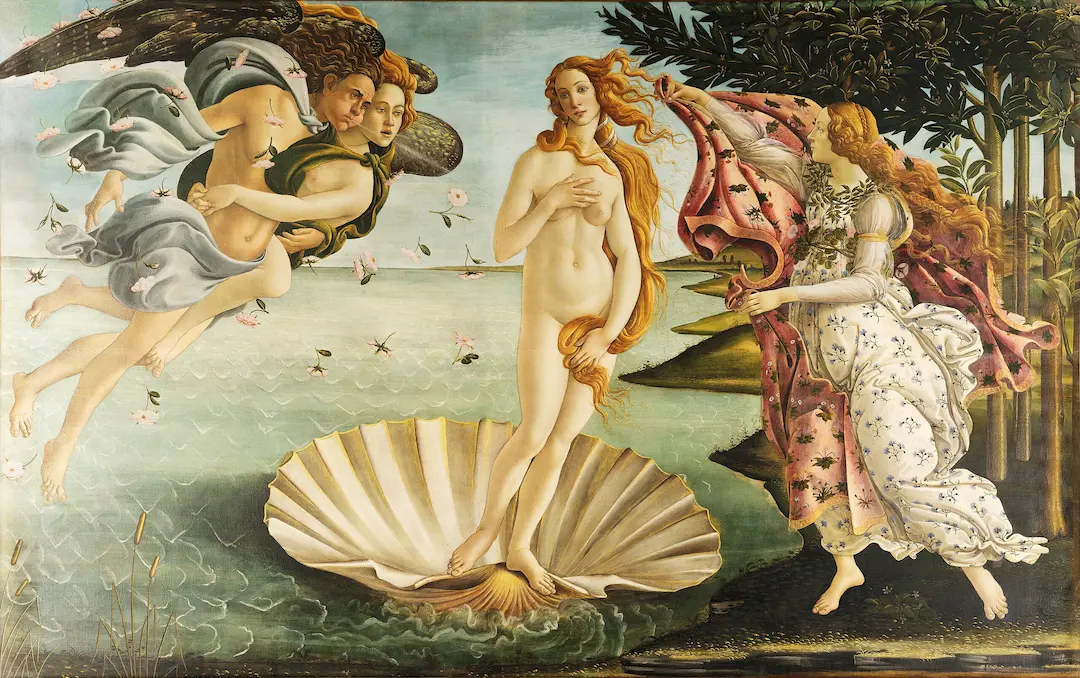
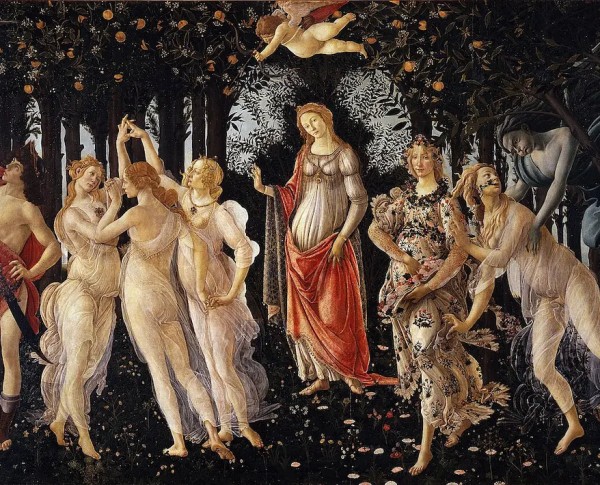
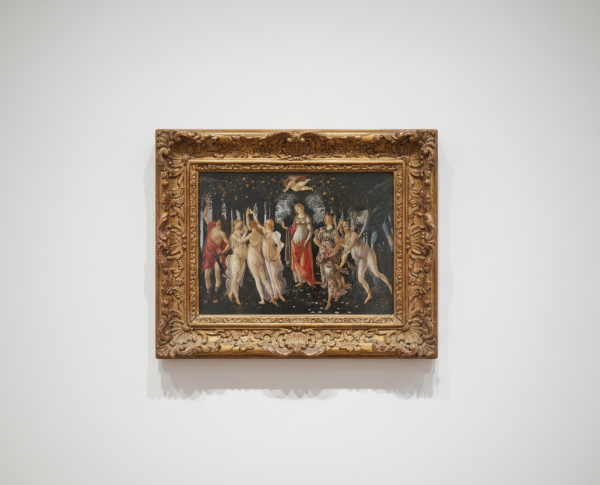
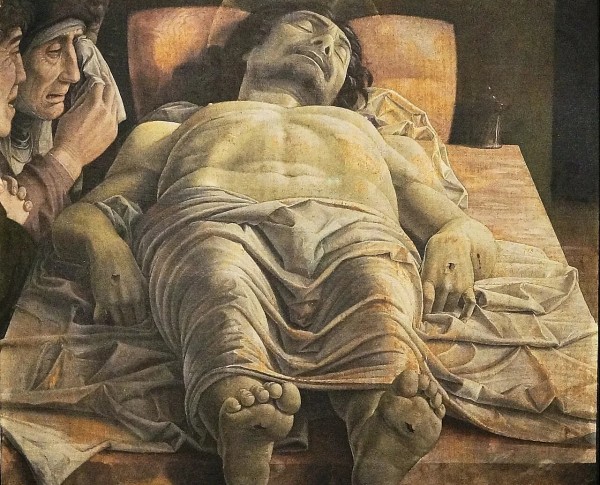
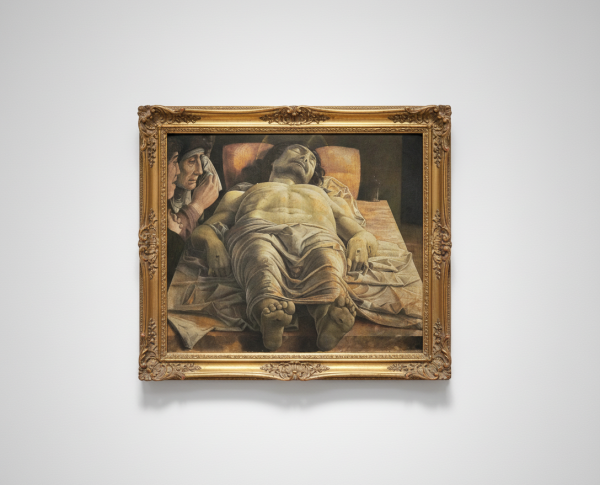
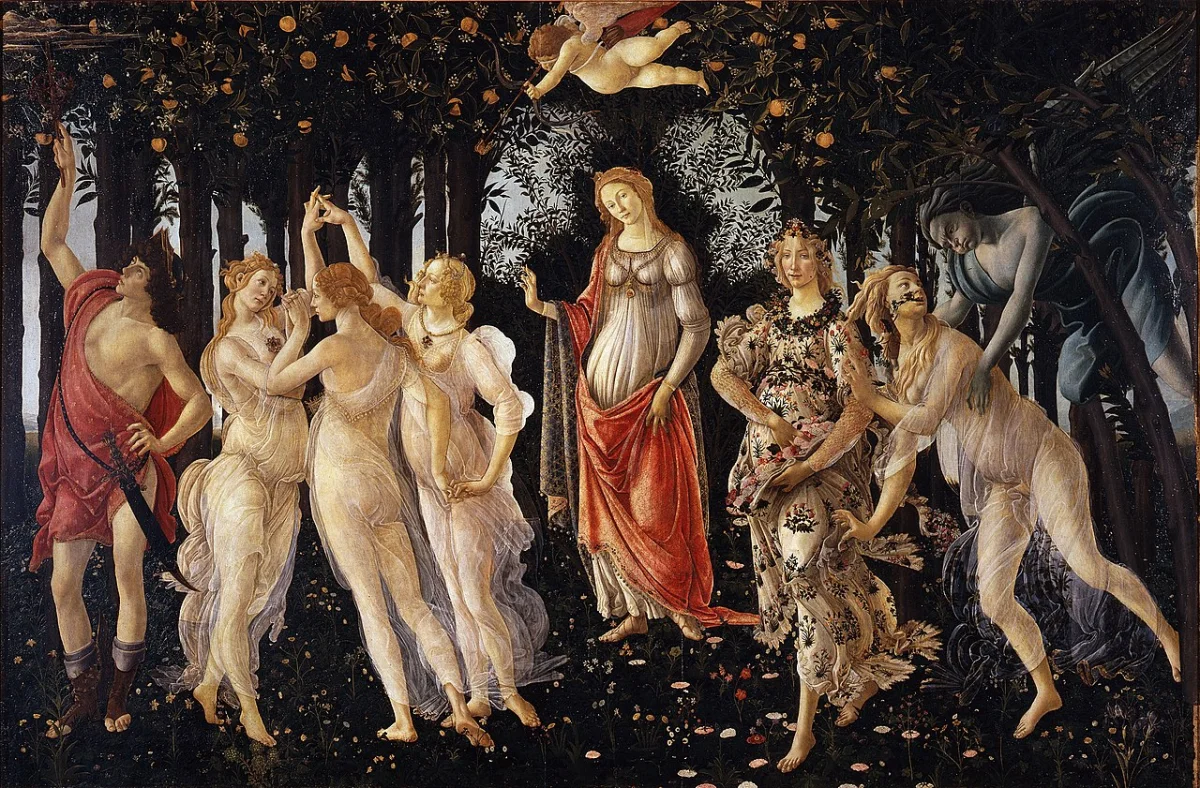
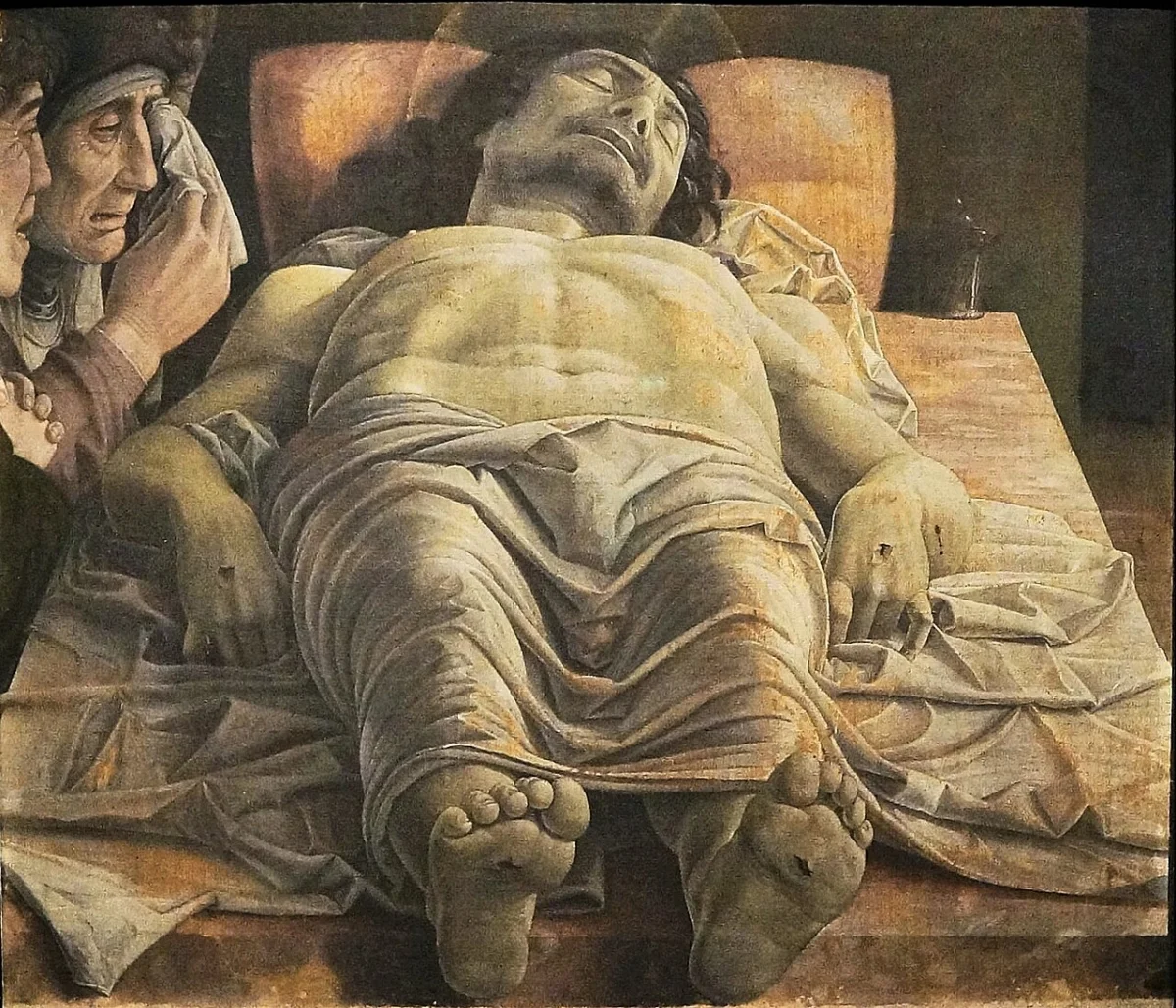
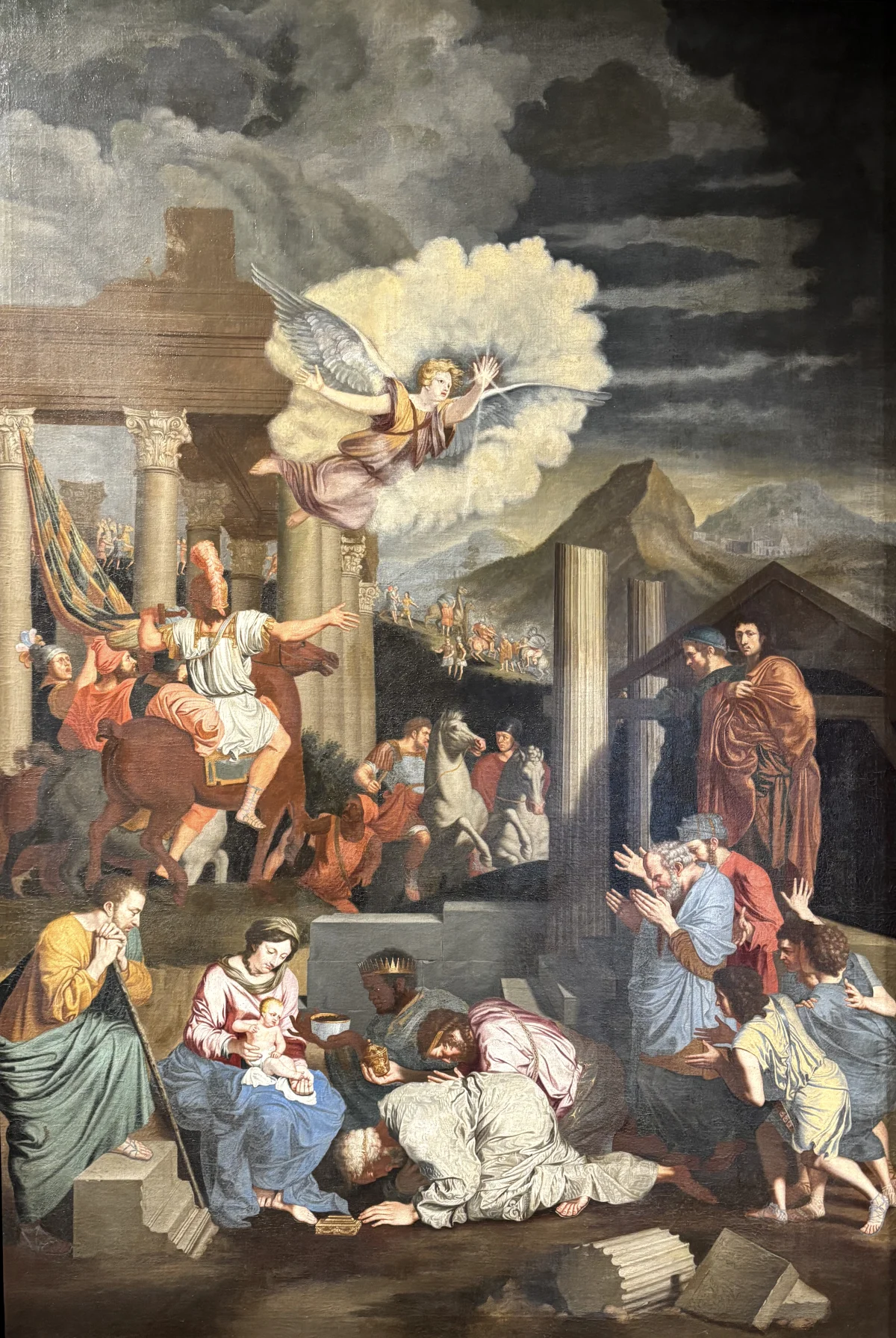
"Primavera" by Alessandro Filipepi, better known as Sandro Botticelli, stands as an iconic hand-painted oil painting of the Early Renaissance movement. This masterpiece, celebrated worldwide, reflects Botticelli’s profound influence on Western art. As you explore the allure of "Primavera," consider other classic Botticelli works such as "Adoration of the Magi" and "Lamentation over the Dead Christ" to appreciate the artist’s enduring legacy and the movement’s lasting impact on fine art.
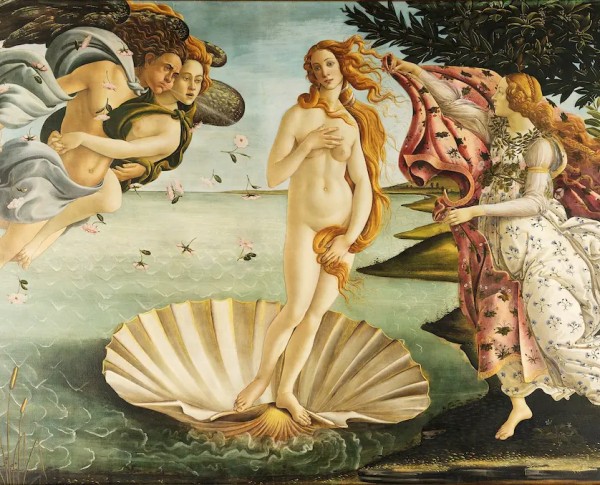
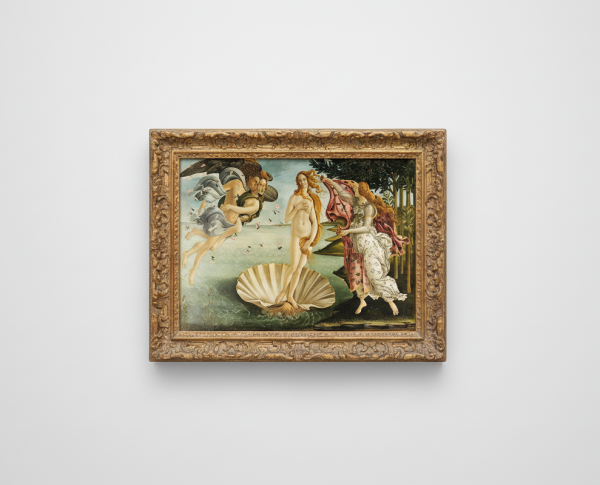
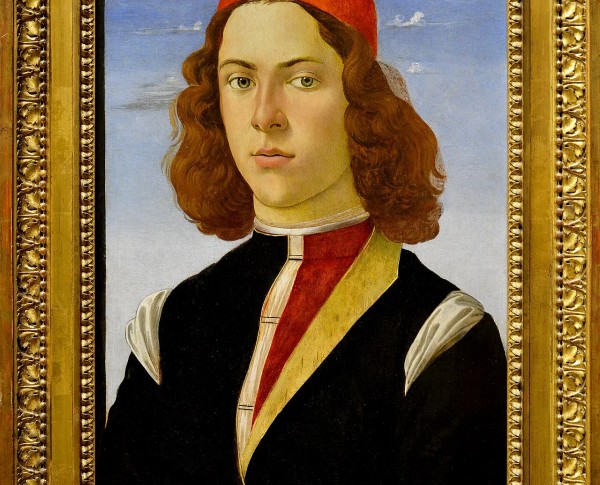
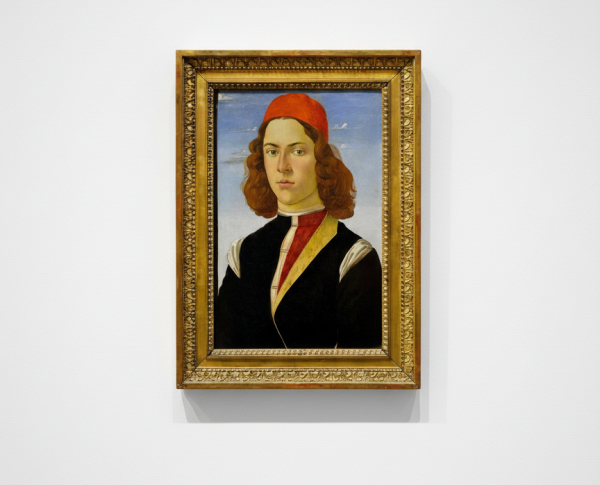
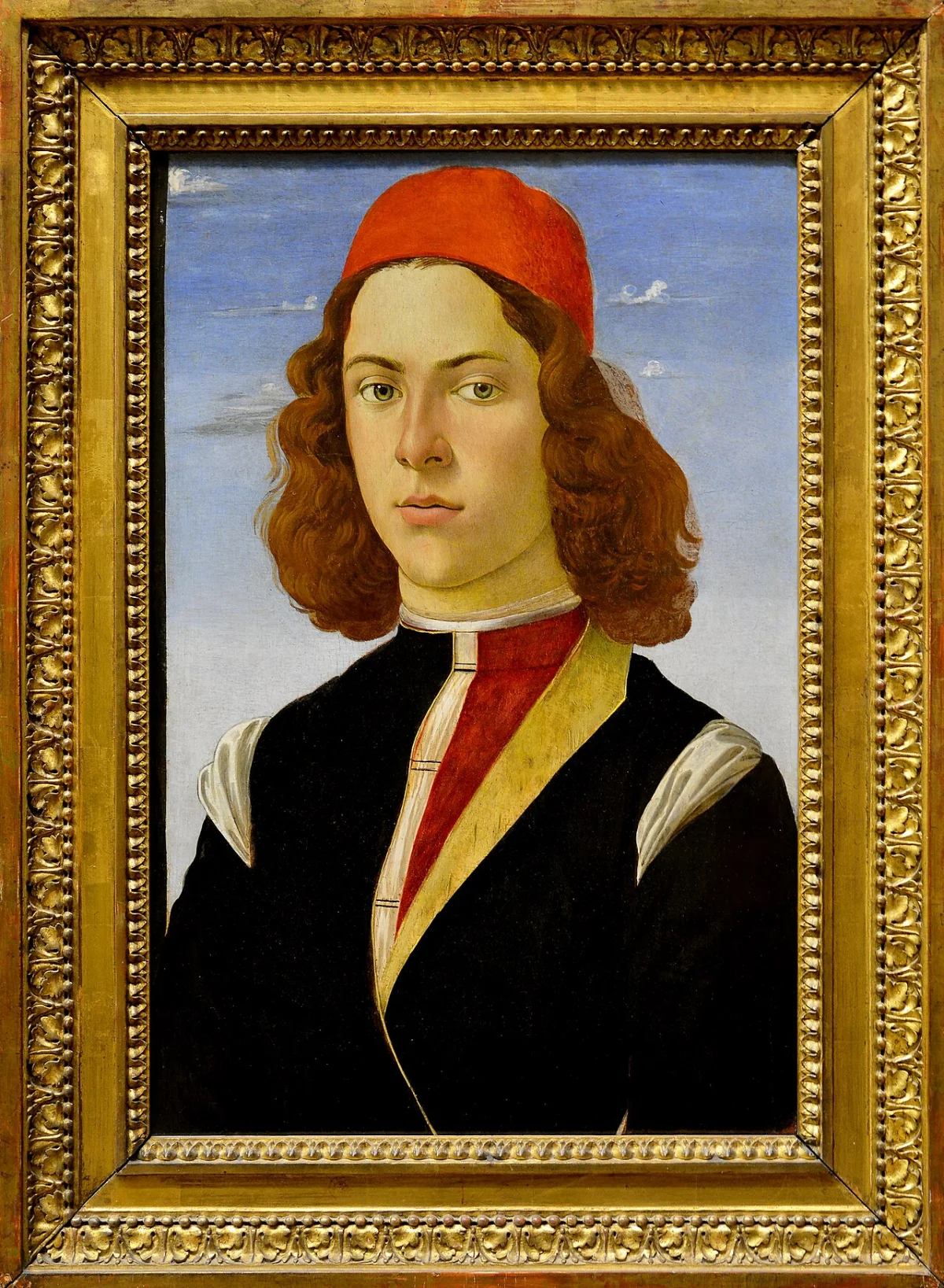
Botticelli’s "Primavera" is renowned for its exquisite oil on canvas technique, showcasing the artist’s mastery in blending color, form, and detail. Every brushstroke reveals Botticelli’s skillful approach, characteristic of the Early Renaissance’s devotion to realism and beauty. Collectors and enthusiasts of fine art paintings for sale admire Botticelli’s attention to detail, which also shines in works like "Birth of Venus (La Nascita di Venere)" and "Portrait of a Young Man."
"Primavera" is a fine art painting for sale that captivates viewers with its rich tapestry of mythological stories and symbolism. Botticelli weaves together figures from classical mythology, embodying themes of love, fertility, and renewal. The Early Renaissance movement’s fascination with humanism and allegory is evident throughout the composition. For those interested in symbolic storytelling, related Botticelli pieces like "Allegory Of Spring La Primavera" offer similar depth and intrigue.
Owning a hand-painted oil painting such as Botticelli’s "Primavera" is a dream for many fine art collectors. This Early Renaissance masterpiece, alongside works like "Birth of Venus (La Nascita di Venere)" and "Adoration of the Magi," remains highly sought after. Whether displayed in a private collection or museum, "Primavera" is more than just an oil on canvas; it is a testament to Botticelli’s genius and the timeless appeal of Renaissance art.
When Art Meets History
"Primavera" by Alessandro Filipepi, widely known as Sandro Botticelli, stands as a hallmark of the Early Renaissance movement. This hand-painted oil painting beautifully captures the intellectual and cultural revival of 15th-century Florence. Botticelli’s masterpiece, alongside his other renowned works, reflects the era’s fascination with classical mythology and humanism. The painting’s historical significance makes it a treasure among collectors and art historians, showcasing the profound intersection of art, history, and philosophical thought of its time.
Techniques That Speak
Botticelli’s "Primavera" showcases his mastery of oil on canvas, employing delicate brushwork and layered glazes to create intricate details and ethereal forms. The artist's innovative approach to composition and perspective was groundbreaking during the Early Renaissance. Each figure in the painting is rendered with exceptional grace, highlighting Botticelli’s technical skill and his influence on later artists. The luminous colors and flowing lines make this oil on canvas a testament to the transformative techniques of its period.
Emotions on Display
In "Primavera," Botticelli evokes a sense of poetic beauty and enigmatic emotion, characteristic of the Early Renaissance. The interplay of figures in this fine art painting for sale reflects themes of love, fertility, and nature’s renewal. Botticelli’s ability to convey subtle emotions through gesture and expression invites viewers to experience the painting’s mysterious narrative. The work’s emotional depth and allegorical richness continue to captivate audiences, making it a beloved piece in the world of Renaissance art.
Coveted by Collectors
"Primavera" by Sandro Botticelli remains one of the most sought-after masterpieces from the Early Renaissance, admired for its historical importance and exquisite artistry. Collectors and museums around the world cherish this hand-painted oil painting for its cultural legacy and visual splendor. Botticelli’s work, including "Primavera," has become synonymous with the beauty and innovation of Renaissance art, making it a prized addition to any fine art collection and a highlight in exhibitions globally.
Frequently Asked Questions About Primavera
What is the historical context of Primavera?
Primavera was painted by Sandro Botticelli in the mid-1480s, during the Italian Renaissance, a period characterized by a renewed interest in classical antiquity and humanism.
What are the main themes depicted in Primavera?
The painting explores themes of love, beauty, and the arrival of spring, symbolizing the renewal of life and the harmony of nature.
Who are the figures represented in Primavera?
The painting features several mythological figures, including Venus, the goddess of love, along with Mercury, the Three Graces, and Zephyrus, the god of the west wind.
What is the significance of Venus in Primavera?
Venus represents divine love and beauty, serving as the central figure that embodies the painting's themes of love and fertility.
How does Botticelli use color and light in Primavera?
Botticelli employs a vibrant color palette and soft light to create a sense of ethereal beauty, enhancing the dreamlike quality of the scene.
What is the symbolism of the flowers in Primavera?
The flowers in the painting symbolize fertility and the beauty of nature, with specific species representing various virtues and attributes associated with love and spring.
How does Primavera reflect Renaissance ideals?
The painting embodies Renaissance ideals of beauty, harmony, and the celebration of classical mythology, showcasing the era's focus on human experience and emotion.
What artistic techniques did Botticelli use in Primavera?
Botticelli utilized tempera on wood, employing linear perspective and intricate details to create a sense of depth and movement within the composition.
What role does mythology play in Primavera?
Mythology plays a crucial role in Primavera, as the narrative is derived from classical sources, reflecting the Renaissance fascination with ancient myths and their moral lessons.
How has Primavera influenced later art movements?
Primavera has inspired numerous artists and movements, particularly the Symbolist and Pre-Raphaelite movements, which sought to capture the same idealized beauty and emotional depth.






















_GFM_Painting_(1).webp)


 100% Hand-Painted: Finished in 3-6 Weeks

.png)












.webp)



_(1).webp)