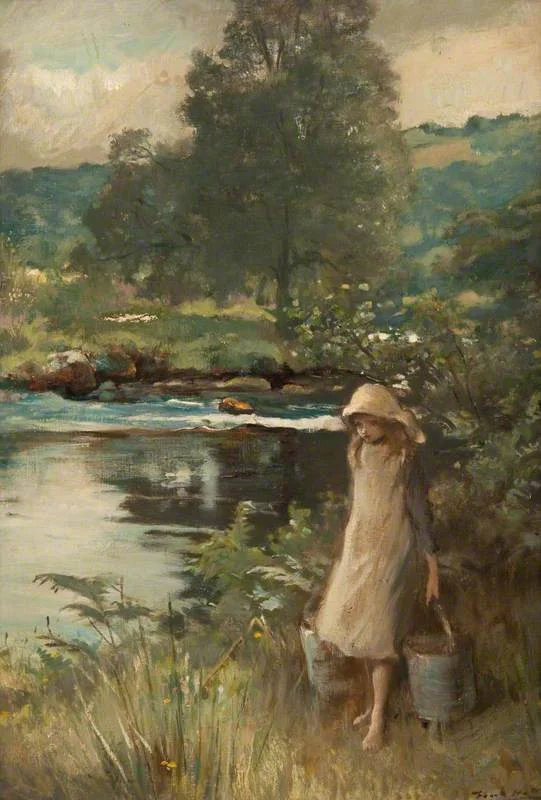
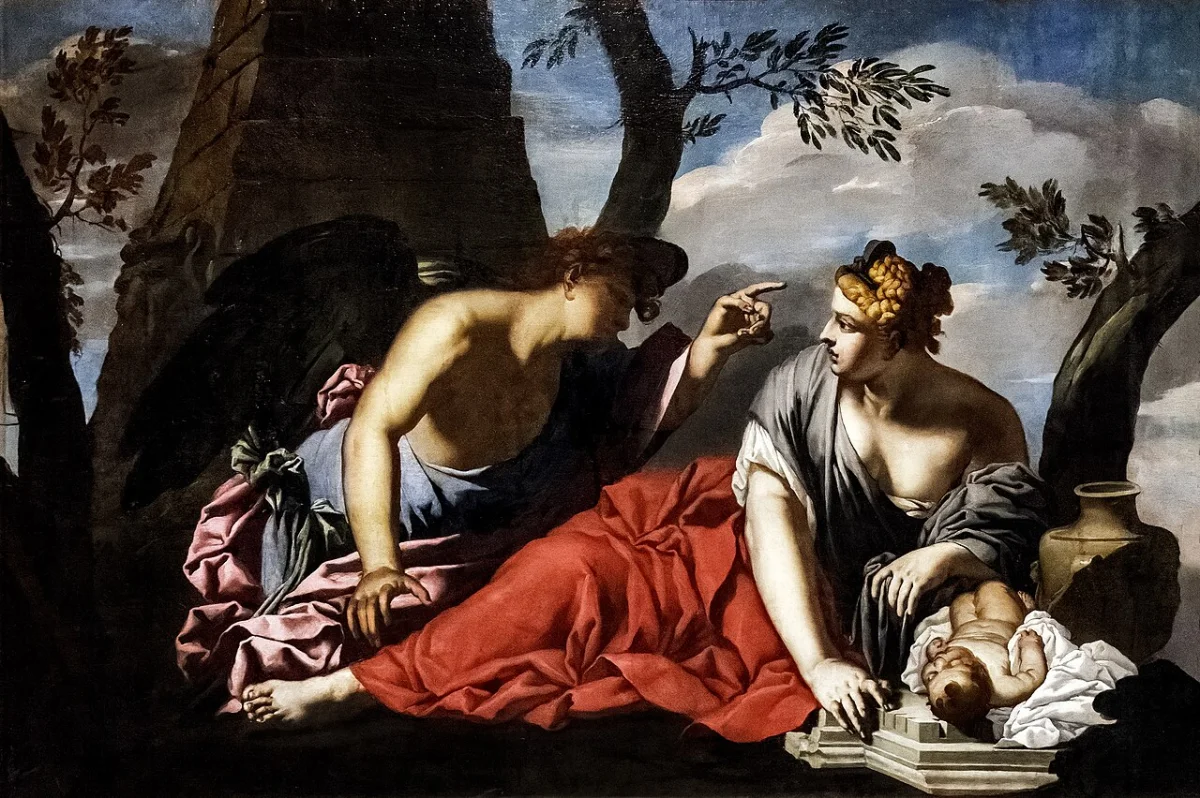
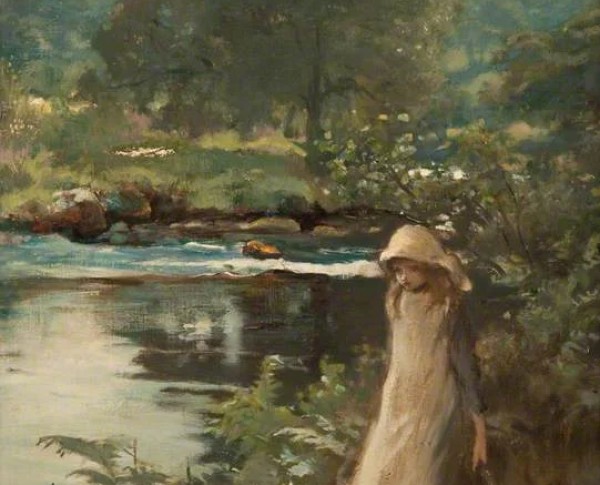
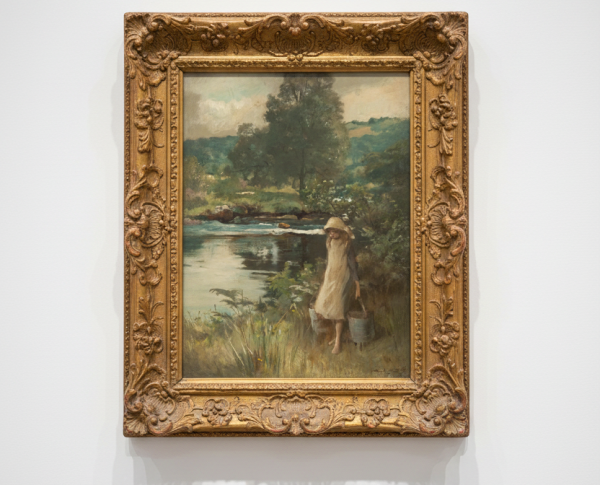
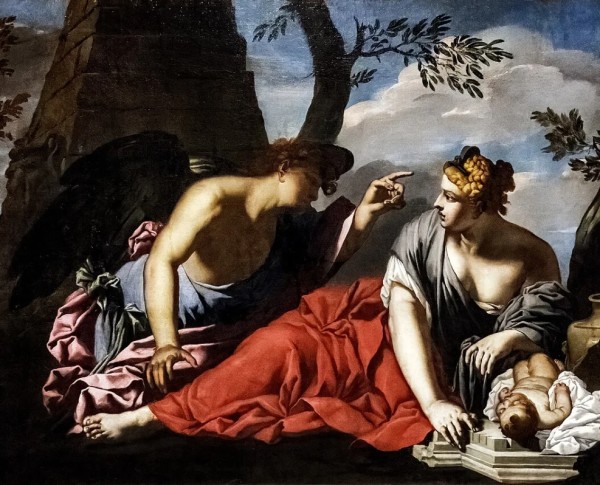
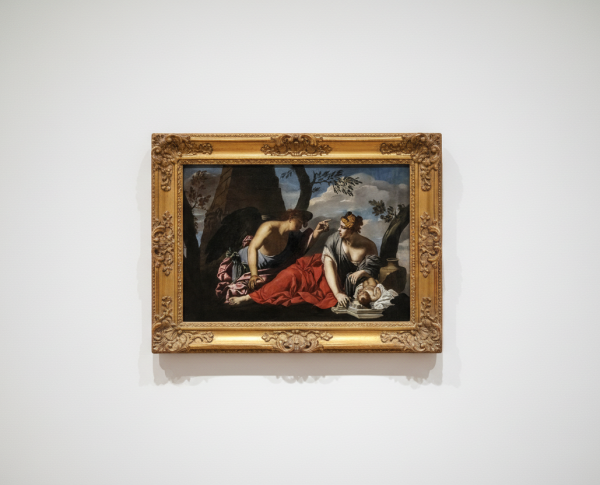
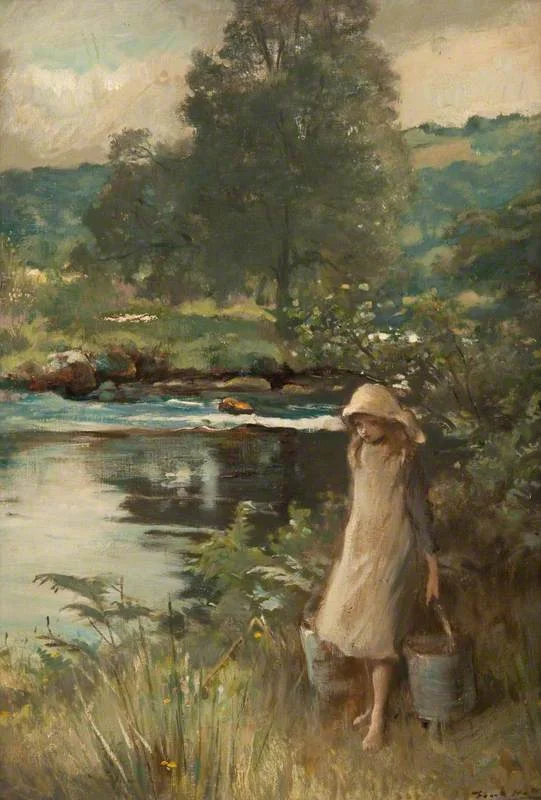
Every detail in “The Angel and Hagar” reveals Millet’s technical brilliance and command of oil on canvas. The dramatic lighting, expressive figures, and dynamic composition showcase the essence of Baroque style. Those who admire fine art painting for sale will find this work’s craftsmanship inspiring. Other notable paintings, such as “Girl carrying Water” , demonstrate Millet’s consistent excellence, making his pieces highly sought after among discerning collectors.
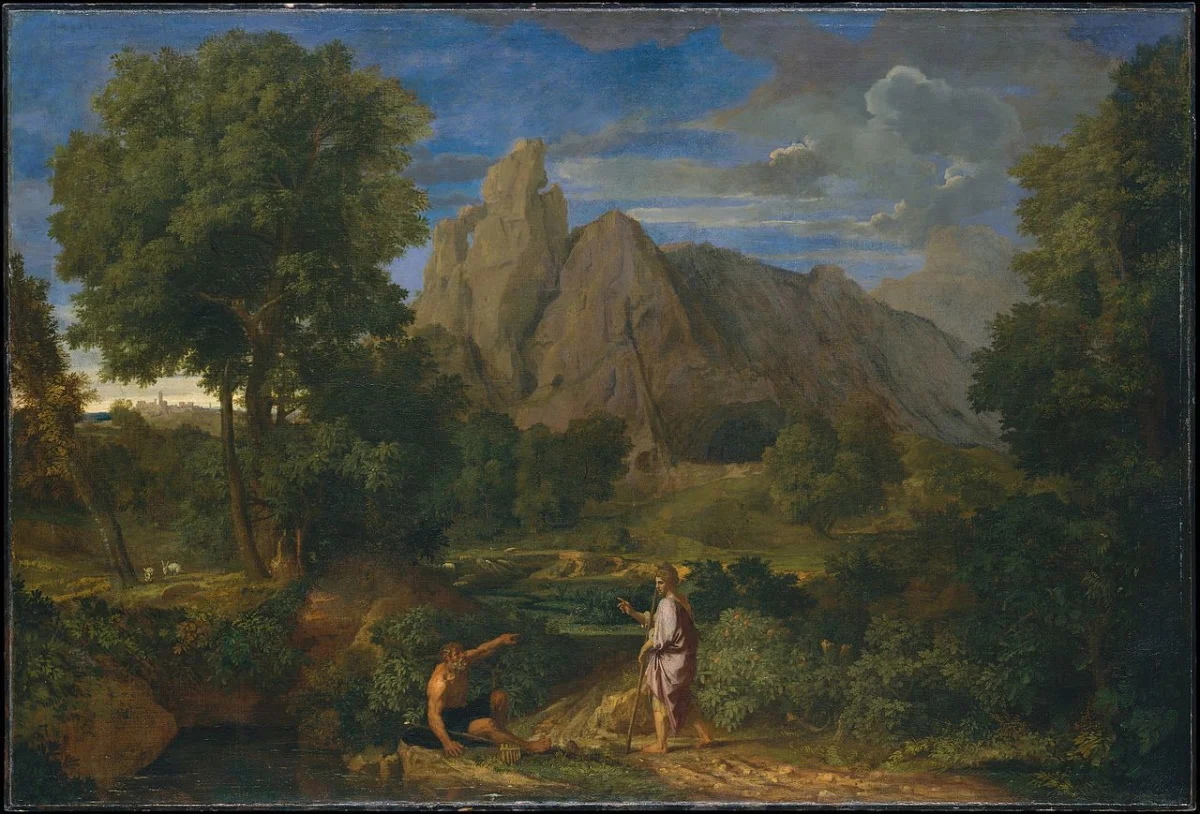
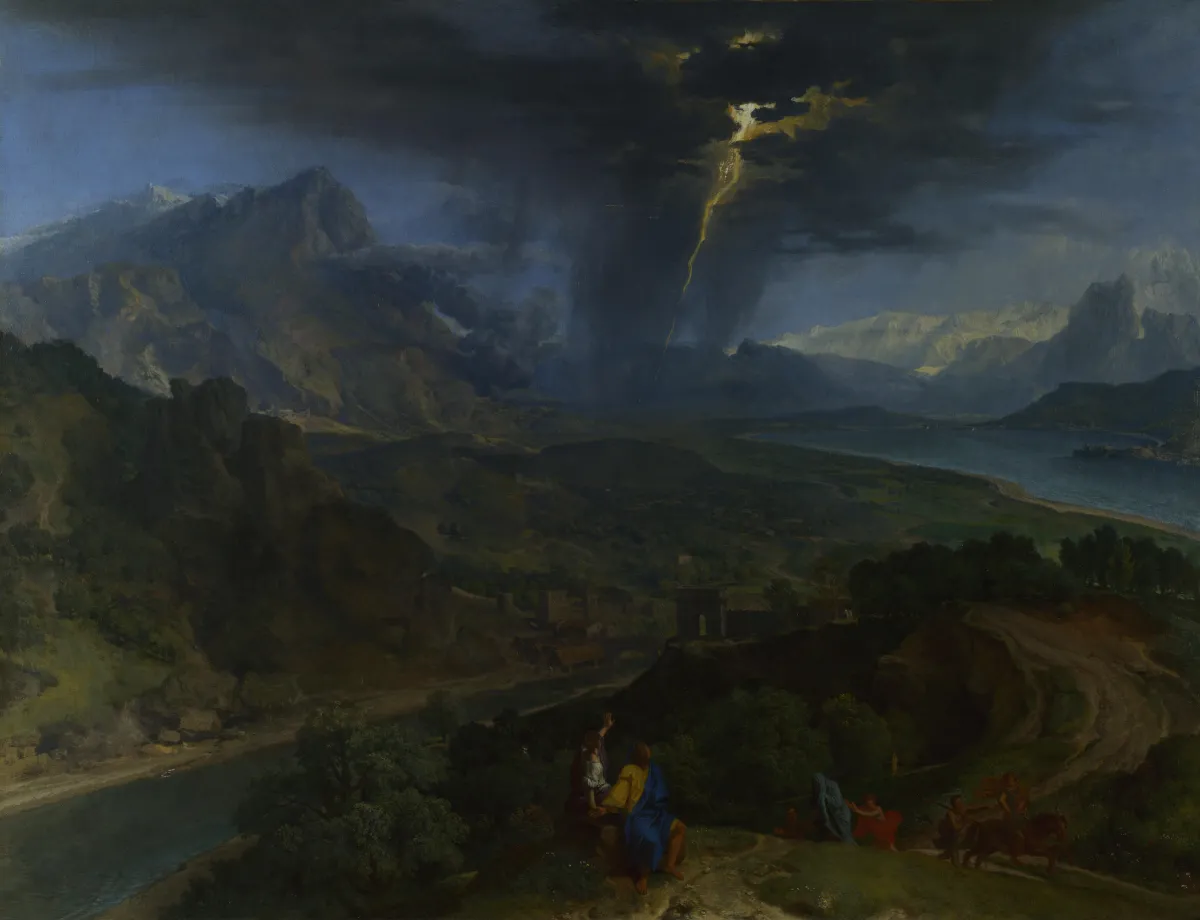
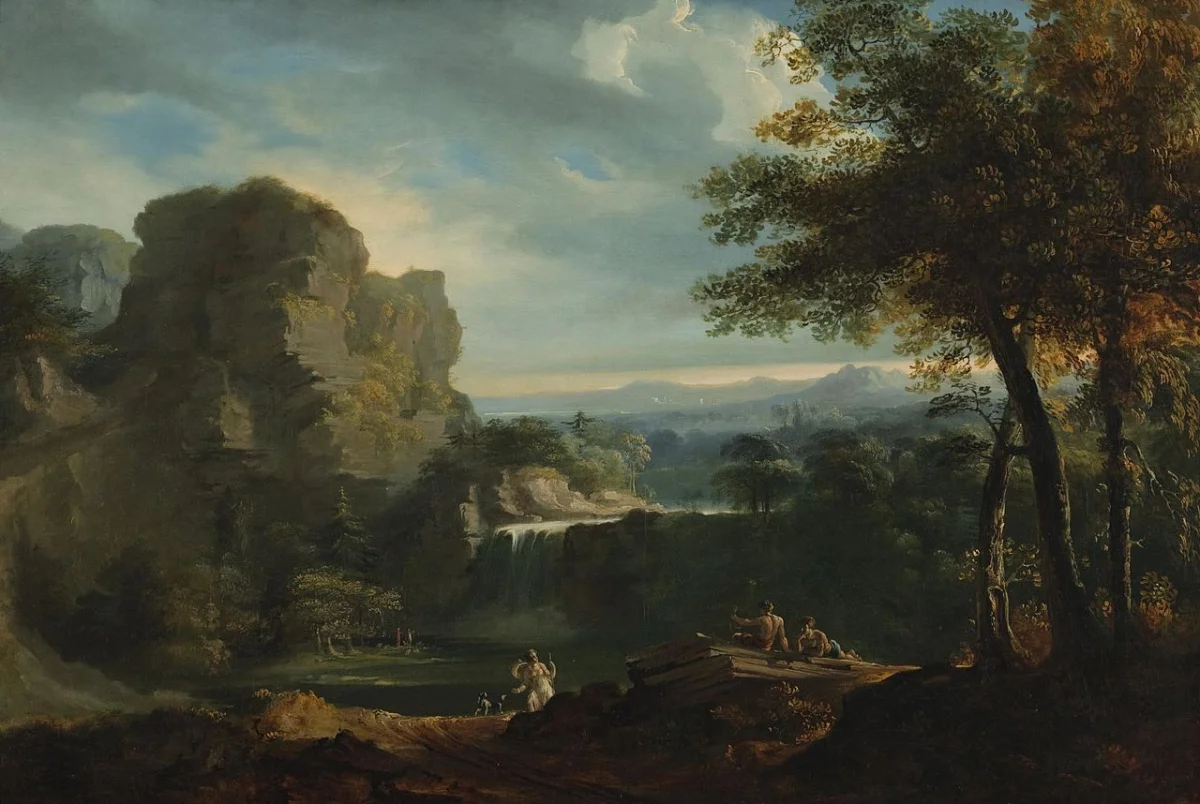
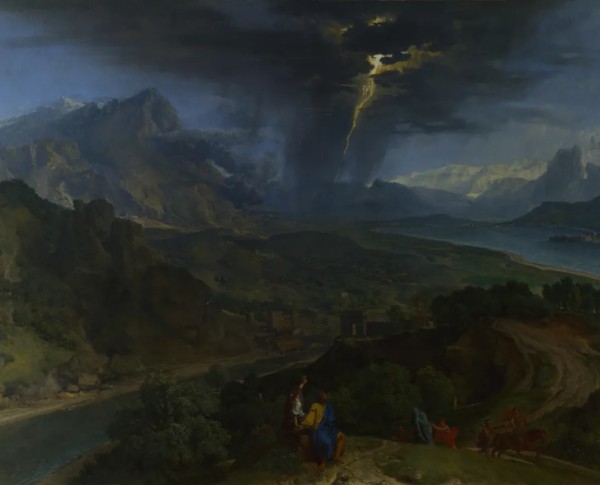
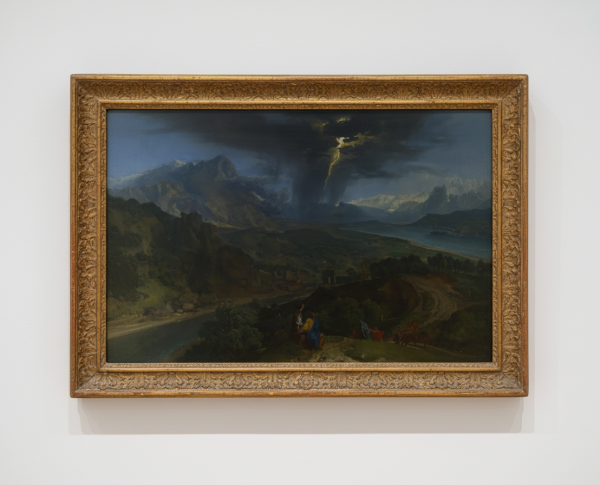
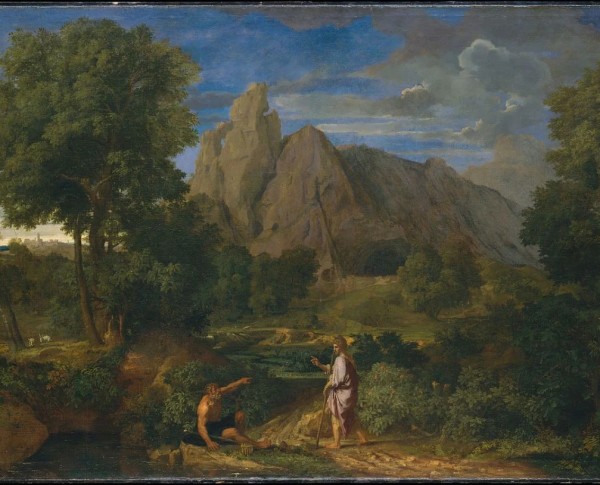
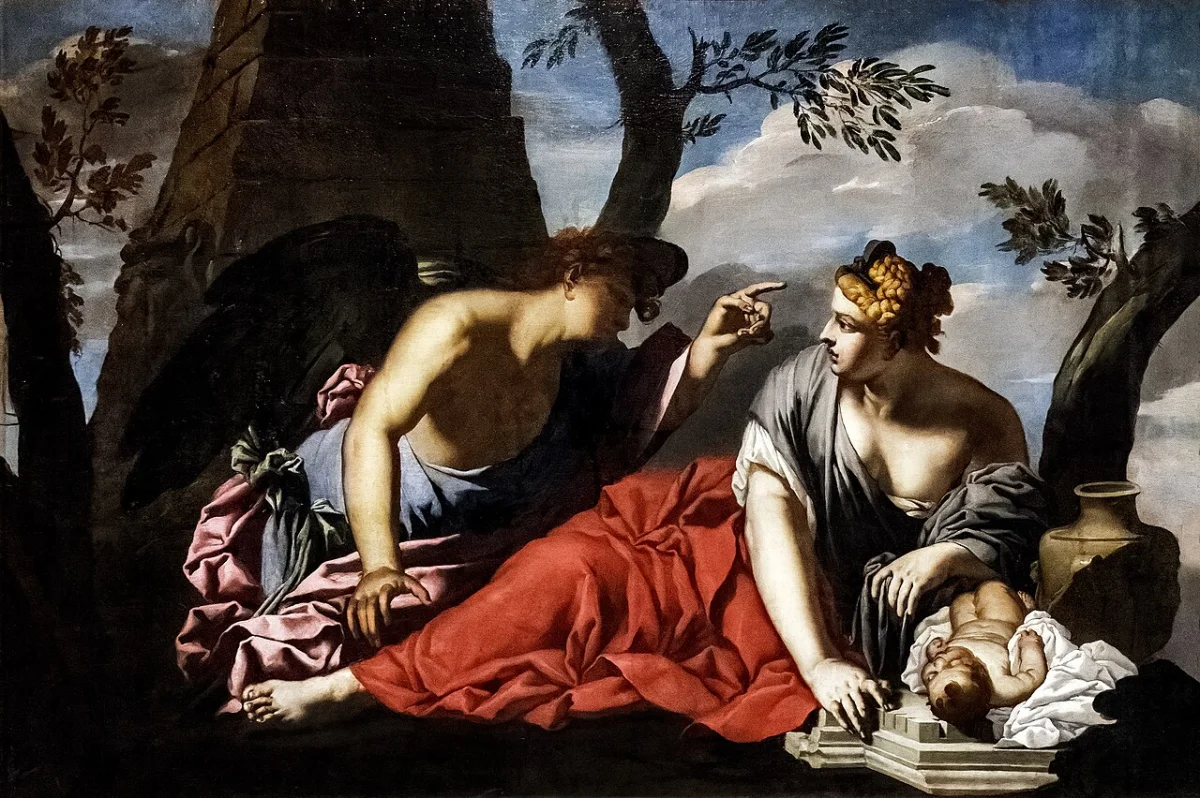
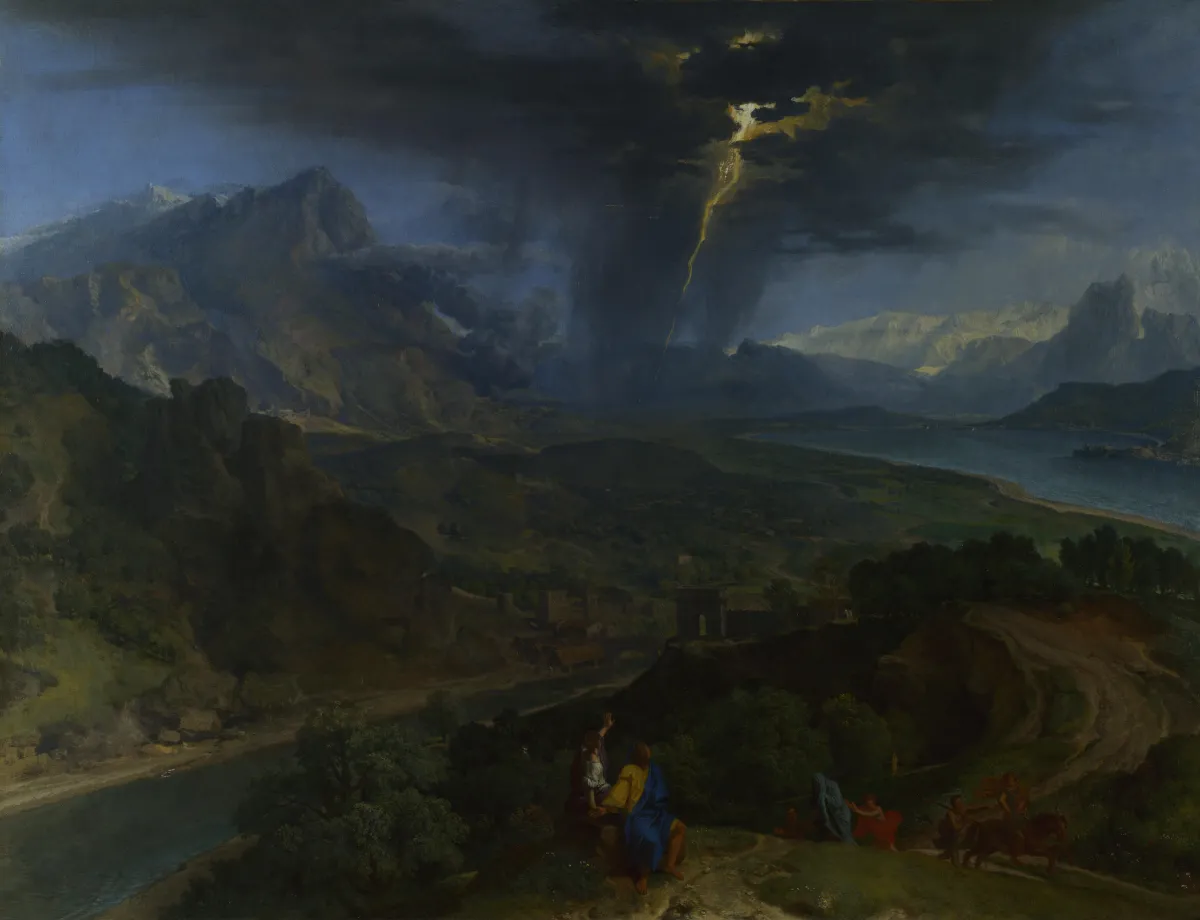
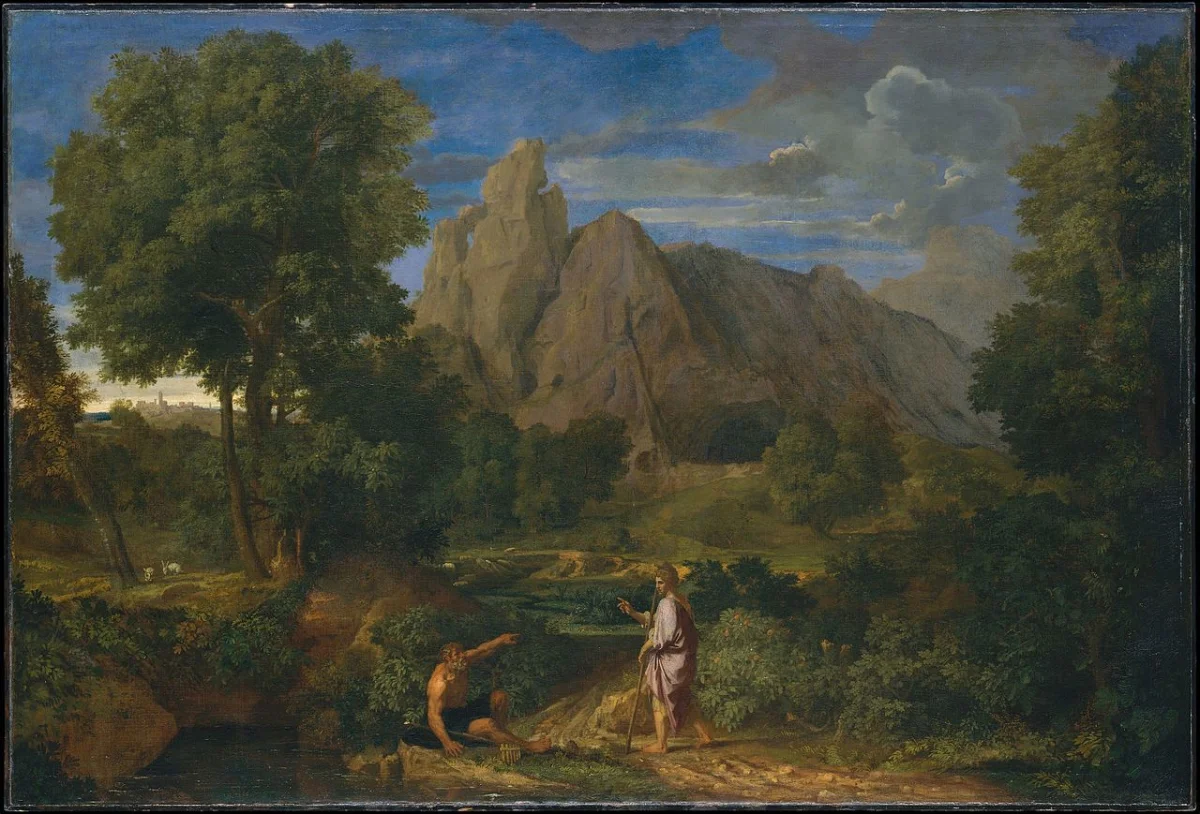
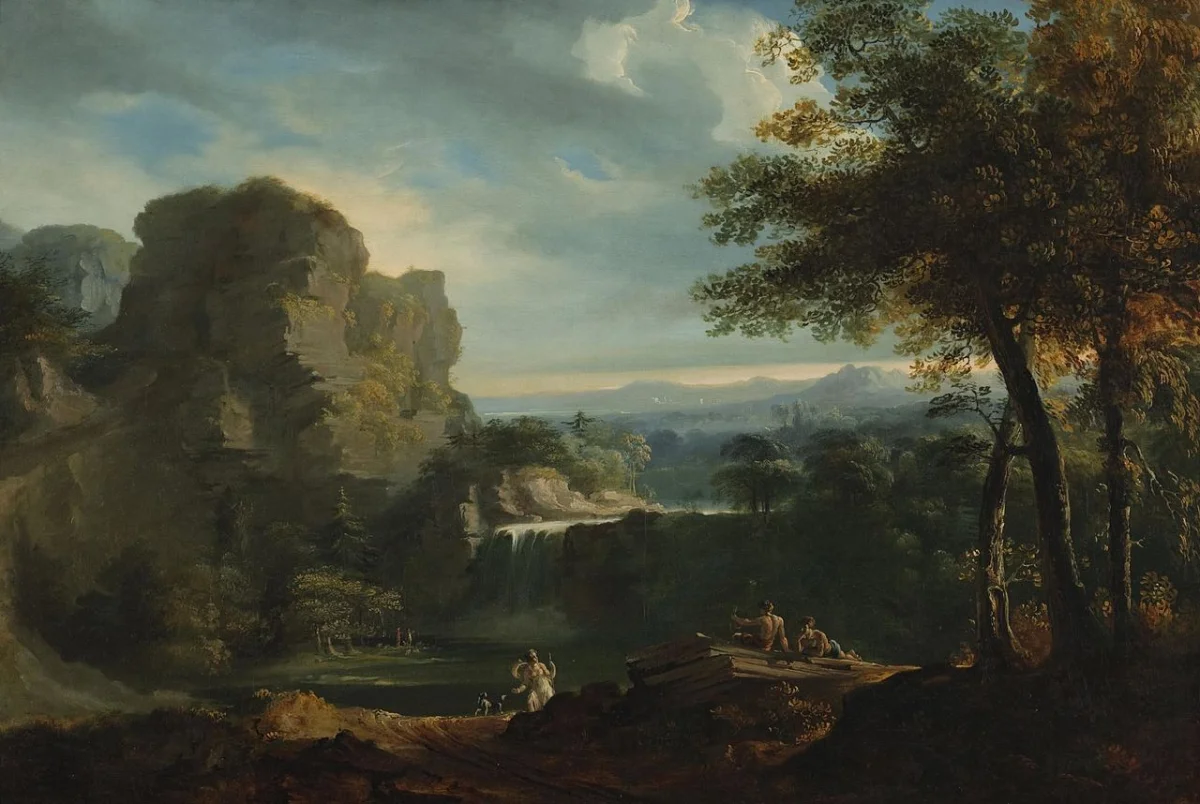
“The Angel and Hagar” by Francisque Millet tells the moving story of Hagar’s divine encounter, symbolizing hope, despair, and salvation. The Baroque movement’s emphasis on emotion and narrative is evident in every brushstroke of this hand-painted oil painting. Art enthusiasts exploring related products like “Mercury and Battus” and “Mountain landscape with lightning” will discover a rich tapestry of biblical and mythological themes woven throughout Millet’s celebrated portfolio.
Owning “The Angel and Hagar” is an opportunity to possess a significant oil on canvas by Francisque Millet, a prominent figure of the Baroque movement. This fine art painting for sale appeals to collectors who value historical importance and artistic mastery. Complementary works such as “Girl carrying Water” make exceptional additions to any collection, enhancing the allure and depth of Millet’s Baroque masterpieces in the world of art acquisition.
When Art Meets History
"The Angel and Hagar" by Francisque Millet is a remarkable hand-painted oil painting that epitomizes the grandeur of the Baroque movement. Crafted in the 17th century, this work draws inspiration from biblical narratives, similar to Millet’s contemporaries who created pieces like "Saint Matthew and the Angel" and "Supper at Emmaus." The painting captures a pivotal moment, blending historical context with the artist’s unique vision, making it a significant addition to any collection of Baroque masterpieces.
Techniques That Speak
Francisque Millet’s mastery shines in "The Angel and Hagar" through his expert use of oil on canvas. His brushwork and dramatic contrasts of light and shadow are hallmarks of the Baroque style, also seen in works like "Repentant Mary Magdalene." The detailed rendering of figures and atmospheric backgrounds showcase Millet’s deep understanding of composition, making this oil on canvas a standout example of technical excellence in 17th-century European art.
Emotions on Display
In "The Angel and Hagar," Francisque Millet conveys profound emotion, a signature of the Baroque era. The painting’s expressive faces and dynamic gestures evoke empathy and awe, drawing viewers into the biblical story. Much like in Millet’s "Teresa Francisca Mudarra y Herrera," the emotional intensity is palpable, making this fine art painting for sale a moving testament to the power of narrative in visual art and the enduring appeal of Baroque masterpieces.
Coveted by Collectors
"The Angel and Hagar" remains highly sought after by art collectors who appreciate hand-painted oil paintings from the Baroque movement. Francisque Millet’s works, along with related paintings such as "Supper at Emmaus" and "Repentant Mary Magdalene," are prized for their historical significance and visual impact. As a fine art painting for sale, this piece exemplifies the allure of Baroque artistry and the timeless value of masterfully executed oil paintings from this period.
Related Baroque Hand-Painted Oil Paintings by Other Artists
Other Famous Baroque Artists:
Frequently Asked Questions About The Angel and Hagar
What is the historical context of "The Angel and Hagar"?
"The Angel and Hagar" was painted by Francisque Millet during the 19th century, a time when Romanticism and Realism were prominent in the art world. The painting reflects the era's fascination with biblical themes and the exploration of human emotions.
Who are the central figures in the painting?
The central figures in "The Angel and Hagar" are Hagar, an Egyptian maidservant, and the angel who appears to her in the wilderness. This scene is derived from the biblical narrative found in the Book of Genesis, highlighting themes of divine intervention and maternal struggle.
What artistic techniques did Millet employ in this painting?
Millet utilized a combination of chiaroscuro and soft brushwork to create depth and emotion in "The Angel and Hagar." The contrast between light and shadow emphasizes the figures and their emotional states, while the gentle blending of colors evokes a sense of serenity and hope.
What symbolism is present in "The Angel and Hagar"?
The angel symbolizes divine guidance and protection, while Hagar represents human suffering and resilience. The painting encapsulates themes of faith, redemption, and the complexities of maternal love, reflecting the struggles faced by women in biblical times.
How does "The Angel and Hagar" reflect the Romantic movement?
The painting embodies the Romantic movement's emphasis on emotion, nature, and individual experience. Millet's portrayal of Hagar's despair and the angel's comforting presence highlights the Romantic ideal of finding solace in the divine amidst human suffering.
What was Francisque Millet's artistic background?
Francisque Millet was a French painter known for his historical and religious subjects. He was influenced by the Barbizon School, which emphasized realism and the beauty of nature. His works often explore themes of spirituality and human emotion, as seen in "The Angel and Hagar."
What is the significance of the setting in the painting?
The setting of "The Angel and Hagar" is a desolate wilderness, symbolizing isolation and despair. This backdrop enhances the emotional weight of the scene, reflecting Hagar's plight and the divine intervention she receives, which is a pivotal moment in her story.
How does the composition of the painting affect its interpretation?
The composition of "The Angel and Hagar" draws the viewer's eye to the interaction between Hagar and the angel, creating a focal point that emphasizes their emotional exchange. The arrangement of figures and the surrounding landscape contribute to the overall narrative and emotional impact of the work.
What influence did "The Angel and Hagar" have on later artists?
"The Angel and Hagar" influenced later artists by demonstrating the power of narrative and emotion in painting. Its exploration of biblical themes and human experience inspired subsequent generations to delve into similar subjects, blending realism with spiritual undertones.
Where can I view "The Angel and Hagar" today?
"The Angel and Hagar" is housed in a prominent art collection, where it continues to be appreciated for its historical and artistic significance. Visitors can view this masterpiece as part of exhibitions focusing on 19th-century art and biblical themes.






















_GFM_Painting_(1).webp)


 100% Hand-Painted: Finished in 3-6 Weeks

.png)















_(1).webp)