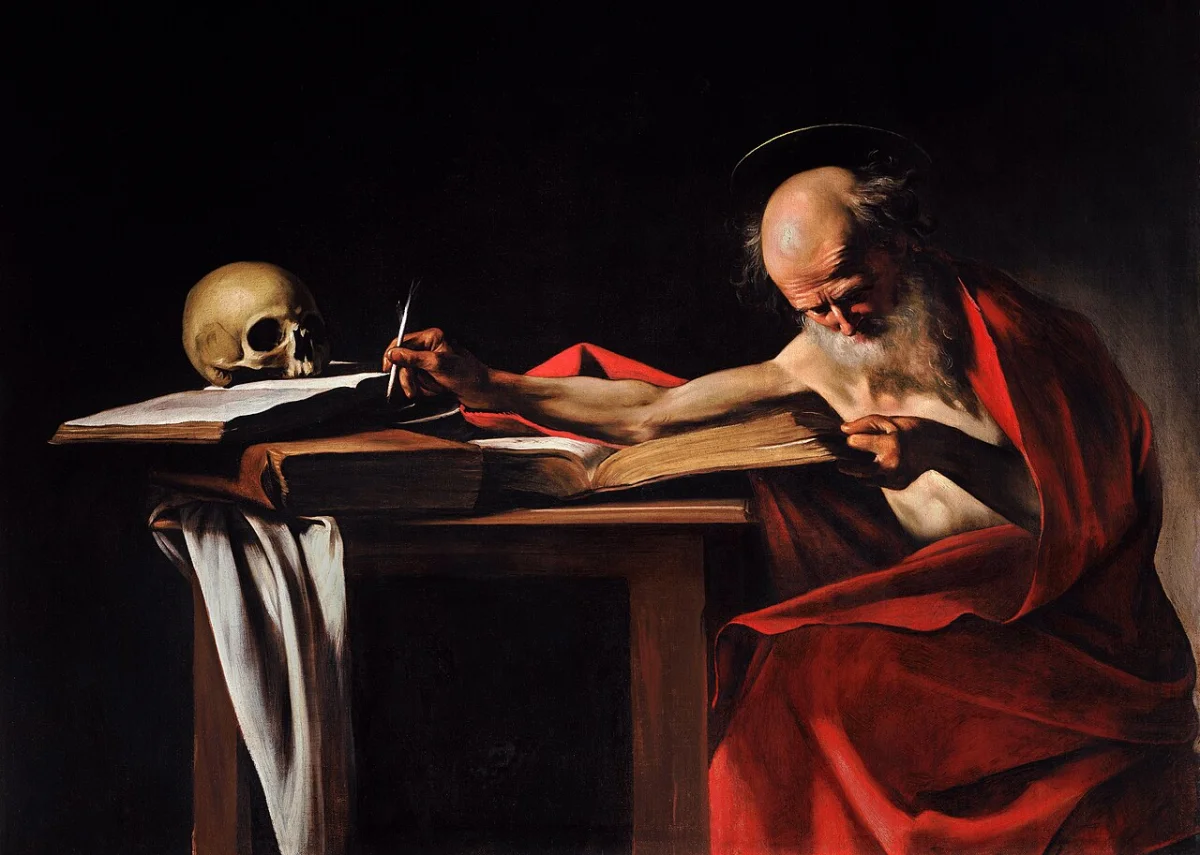
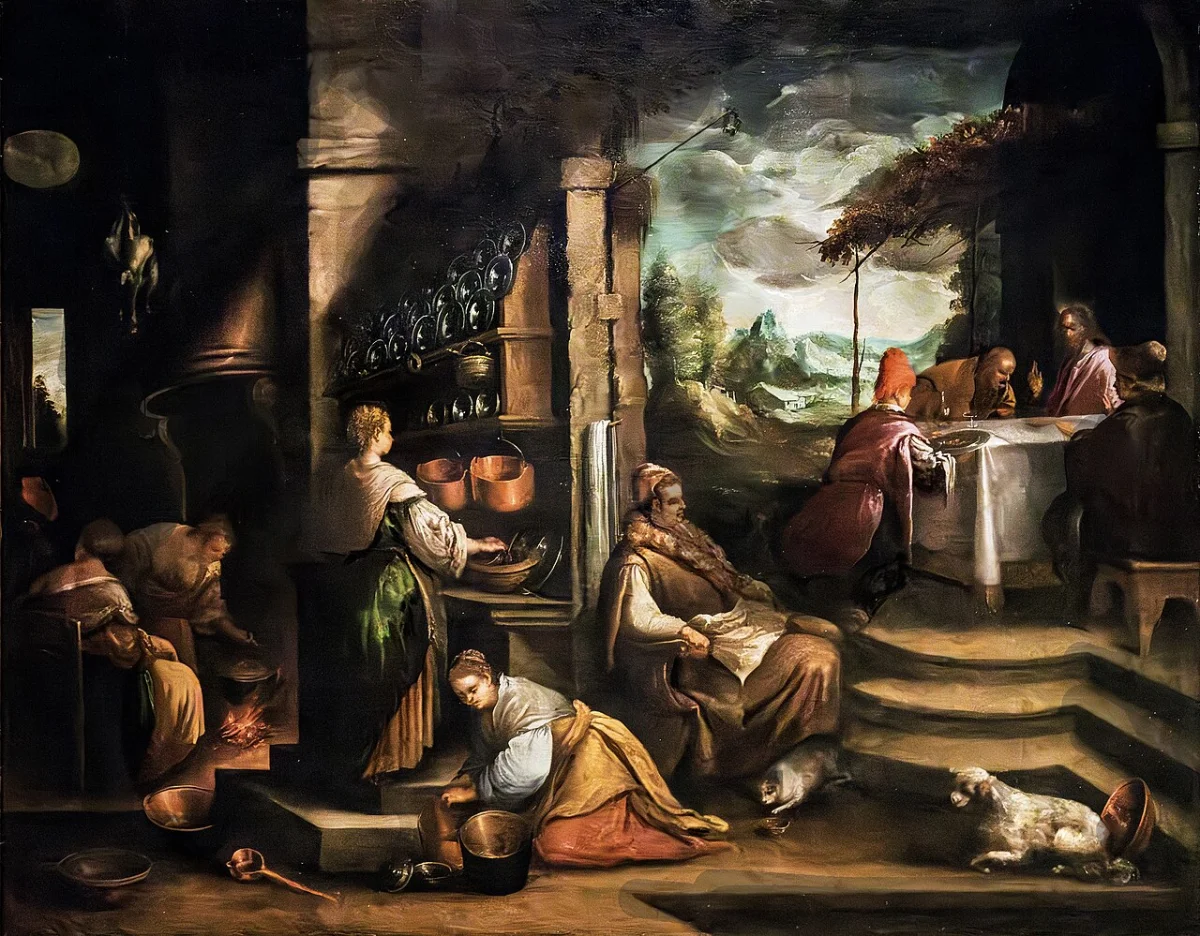
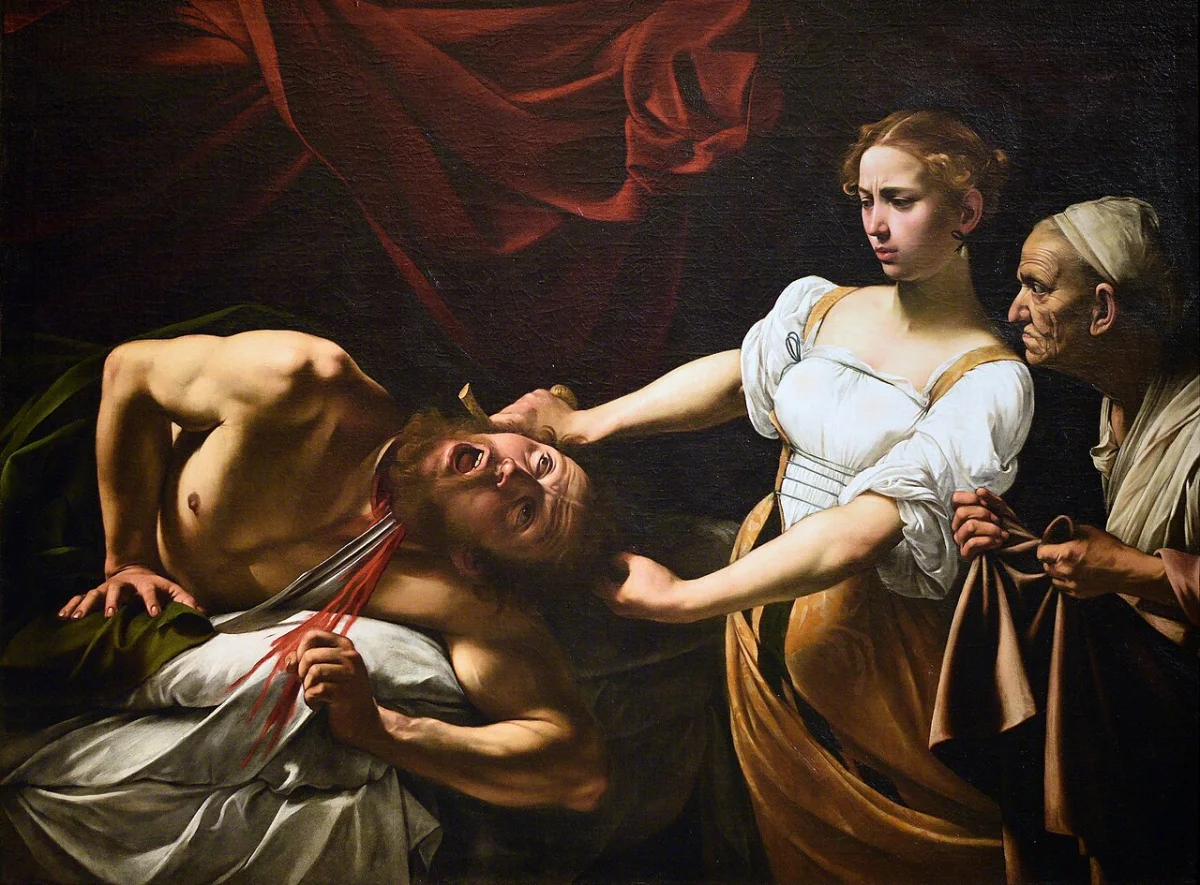
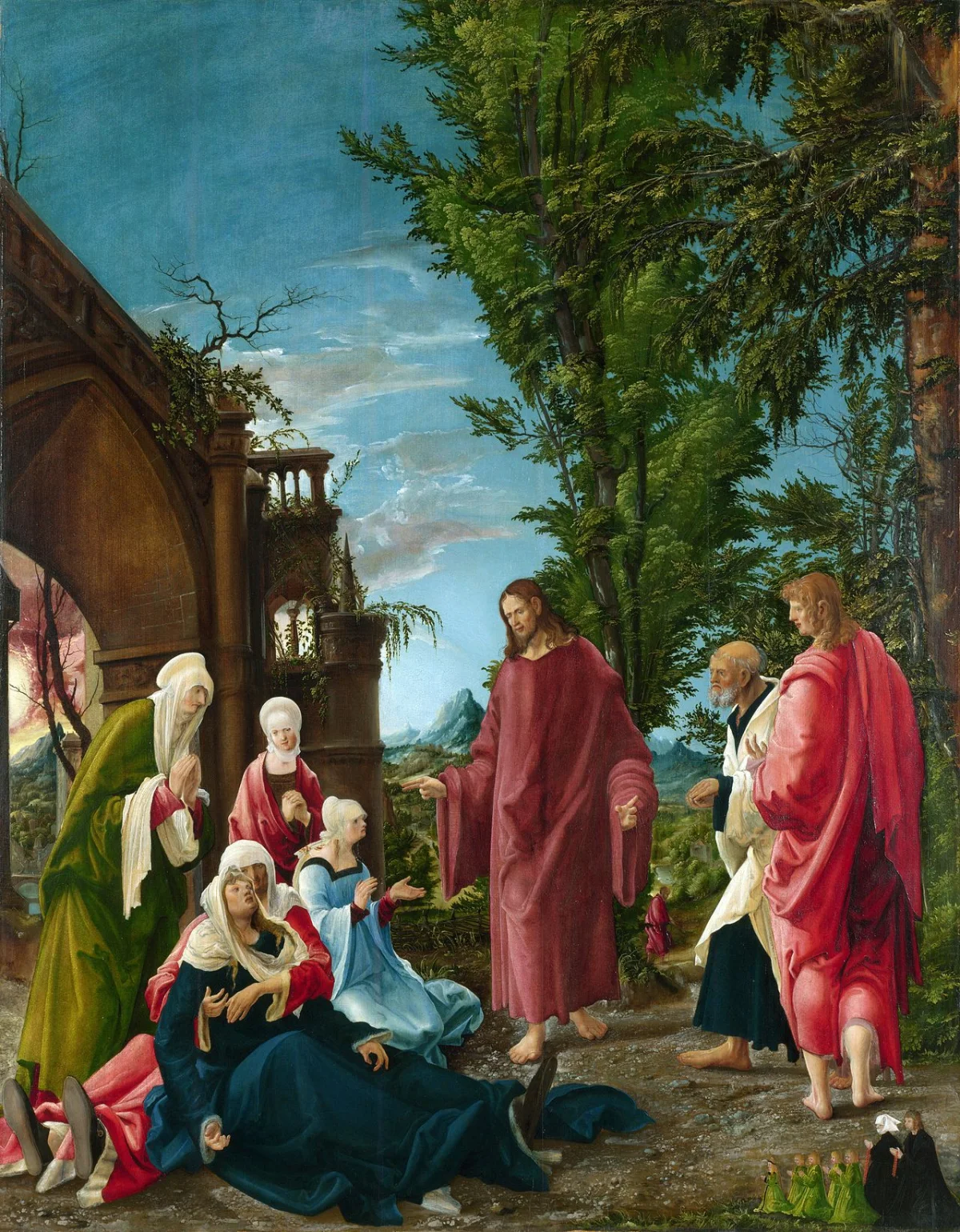
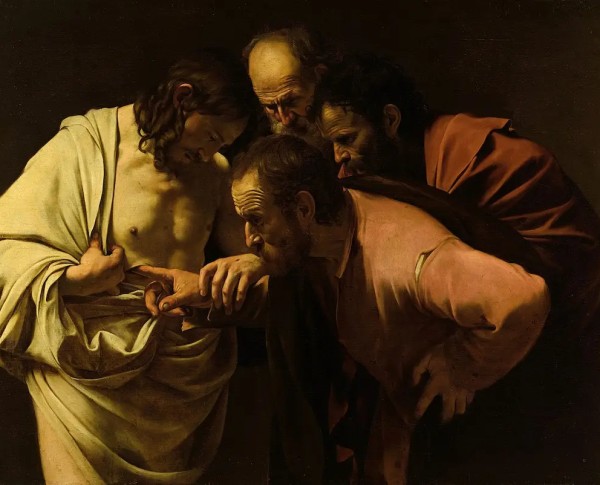
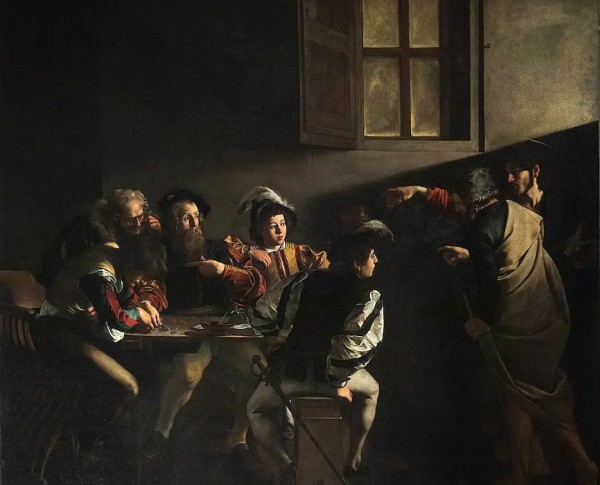
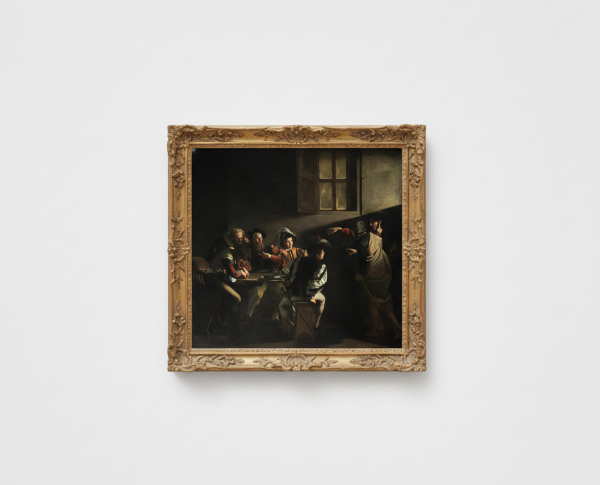
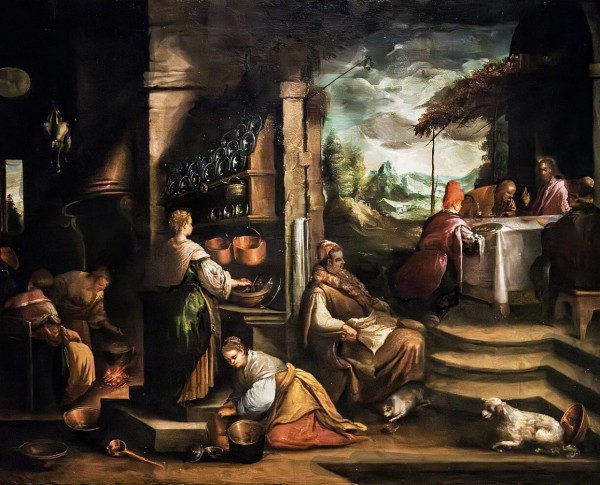
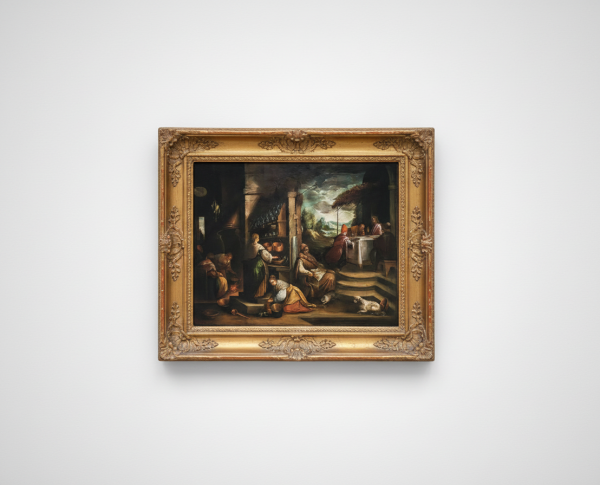
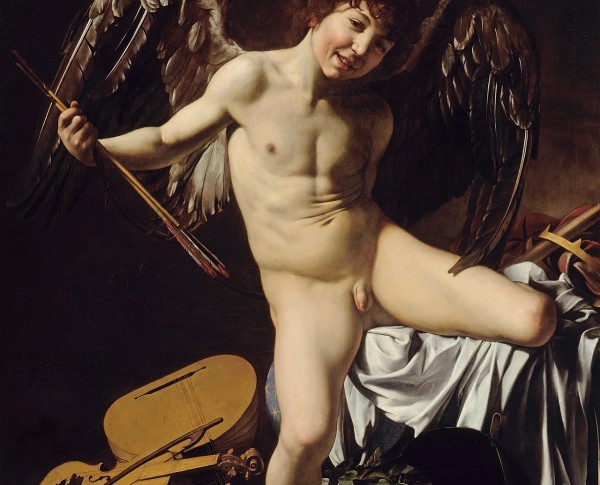
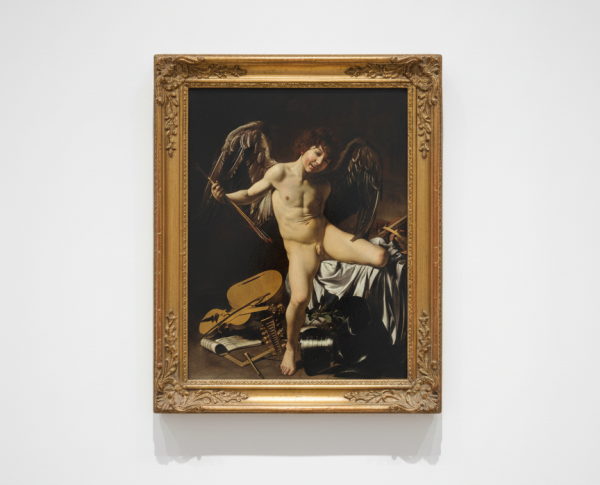
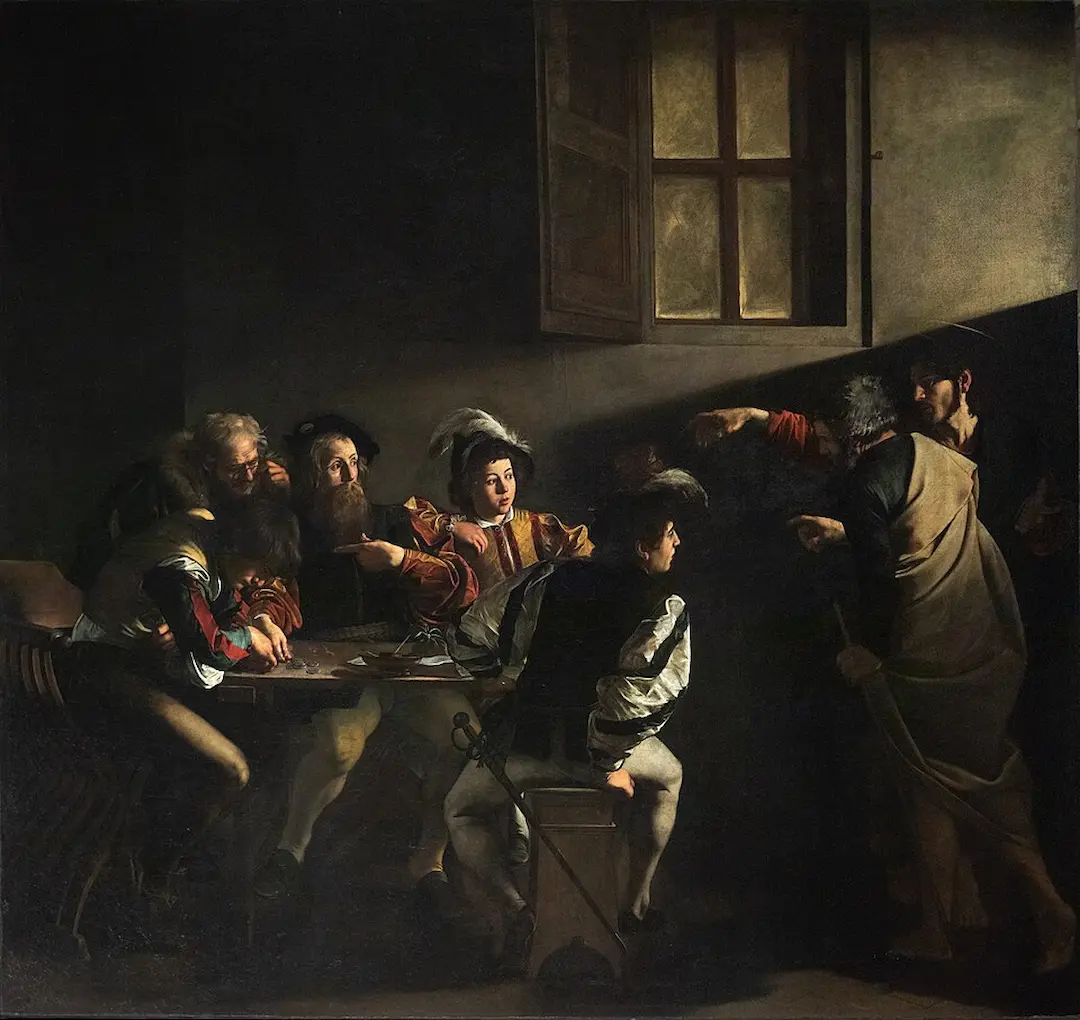
Caravaggio’s "Supper at Emmaus" showcases his unparalleled skill with oil on canvas, bringing figures to life through dynamic lighting and meticulous detail. Each brushstroke contributes to the painting’s dramatic storytelling, a signature of the Baroque era. The artist’s technique in this oil on canvas work invites viewers into the scene, making them feel part of the narrative. Collectors also admire related masterpieces such as "Doubting Thomas" and "The Calling of Saint Matthew."
Owning a fine art painting for sale like Caravaggio's "Supper at Emmaus" connects collectors to the grandeur of the Baroque movement. This masterpiece, along with related products such as "Doubting Thomas" and "The Calling of Saint Matthew," offers an opportunity to experience the artist’s genius firsthand. Caravaggio’s revolutionary approach and the historical significance of his oil paintings make them prized additions to any art collection, admired for their beauty and enduring legacy.
When Art Meets History
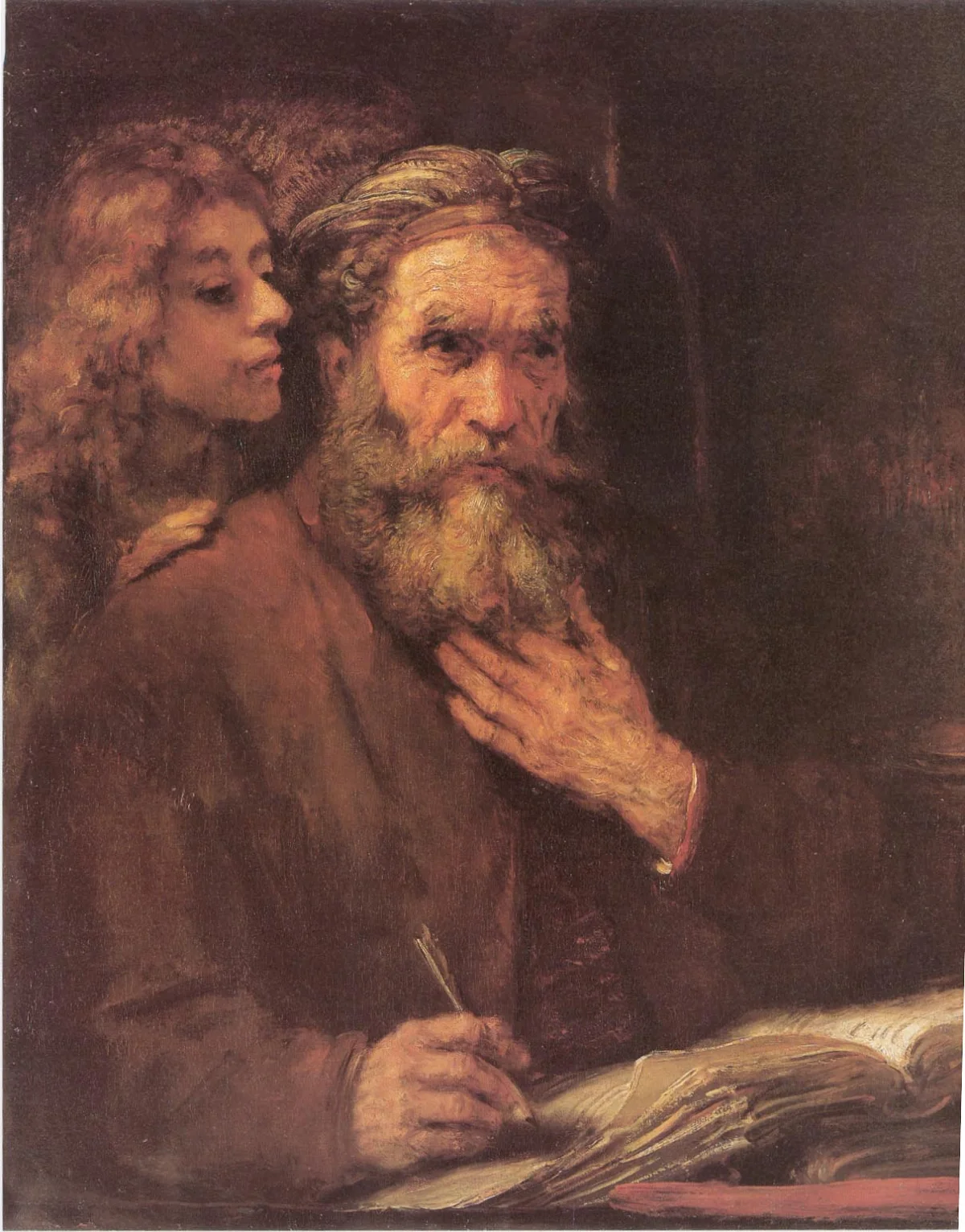
Caravaggio’s "Supper at Emmaus" stands as a landmark hand-painted oil painting from the Baroque movement, capturing a pivotal biblical moment with unmatched realism. Created in 1601, this masterpiece reflects the artist’s mastery in merging religious narrative with contemporary life. Alongside related works like "Repentant Mary Magdalene" and "Holy Family," Caravaggio’s dynamic compositions set new standards for Baroque art, making each canvas not just a scene, but a compelling story rooted in history.
Techniques That Speak
The "Supper at Emmaus" showcases Caravaggio’s revolutionary oil on canvas technique, utilizing dramatic chiaroscuro to heighten emotional intensity and draw the viewer’s eye. His meticulous attention to detail and lifelike figures are hallmarks of the Baroque movement, evident in companion pieces such as "Portrait of Charles II" and "Q19161243." Caravaggio’s brushwork and lighting elevate this work, making it a prime example of how technical innovation can transform a simple scene into a theatrical experience.
Emotions on Display
Caravaggio’s "Supper at Emmaus" is a fine art painting for sale that radiates raw emotion through expressive gestures and vivid facial expressions. The artist’s Baroque sensibilities are apparent as the disciples react with astonishment at Christ’s revelation, a theme echoed in "Teresa Francisca Mudarra y Herrera." Caravaggio’s hand brings humanity to sacred subjects, inviting viewers to feel the shock and awe experienced at the table, and forging a connection that transcends time and place.
Coveted by Collectors
Regarded as a pinnacle of hand-painted oil painting, "Supper at Emmaus" by Caravaggio is highly sought after by collectors and museums worldwide. Its Baroque grandeur and historical significance, along with related masterpieces like "Holy Family" and "Repentant Mary Magdalene," make it a centerpiece in any collection. The painting’s provenance and enduring appeal underscore its status as a fine art painting for sale that continues to inspire admiration among art connoisseurs and historians alike.
Related Baroque Hand-Painted Oil Paintings by Other Artists
Other Famous Baroque Artists:
Frequently Asked Questions About Supper at Emmaus
What is the historical context of "Supper at Emmaus"?
"Supper at Emmaus" was painted by Caravaggio in 1601, during the Baroque period, a time characterized by dramatic expression and realism. The painting reflects the religious fervor of the Counter-Reformation, emphasizing the importance of personal faith and divine revelation.
What is the significance of the moment depicted in the painting?
The painting captures the moment when the resurrected Christ reveals his identity to two disciples at Emmaus, symbolizing the recognition of faith and the transformative power of divine revelation. This moment is pivotal in Christian theology, representing the transition from doubt to belief.
How does Caravaggio's use of light contribute to the painting's impact?
Caravaggio employs chiaroscuro, the contrast between light and dark, to create a dramatic focus on the figures of Christ and the disciples. This technique not only enhances the emotional intensity of the scene but also highlights the moment of revelation, drawing the viewer's attention to the spiritual significance of the event.
What role does symbolism play in "Supper at Emmaus"?
The painting is rich in symbolism, with elements such as the bread and wine representing the Eucharist and the act of communion. The gestures of the figures, particularly the outstretched hand of Christ, symbolize the invitation to faith and the sharing of divine grace.
Who are the figures depicted in the painting?
The painting features Christ, who is depicted in a moment of revelation, and two disciples, traditionally identified as Cleopas and another unnamed disciple. Their expressions and postures convey a range of emotions, from surprise to reverence, illustrating the profound impact of Christ's presence.
What artistic techniques did Caravaggio use to convey realism?
Caravaggio's technique of naturalism is evident in the detailed rendering of the figures and their surroundings. He often used live models and employed a keen observation of human anatomy and expressions, which gives the painting a lifelike quality that invites viewers to engage with the scene on a personal level.
How does the composition of the painting enhance its narrative?
The composition is dynamic, with the figures arranged in a triangular formation that guides the viewer's eye towards Christ. This arrangement not only creates a sense of movement but also emphasizes the central theme of revelation, as the disciples react to the unfolding miracle.
What influence did "Supper at Emmaus" have on later artists?
Caravaggio's innovative approach to light, composition, and realism had a profound impact on subsequent generations of artists, particularly within the Baroque movement. His ability to convey emotional depth and spiritual themes influenced painters such as Rembrandt and the Caravaggisti, who sought to emulate his dramatic style.
Where is "Supper at Emmaus" currently housed?
"Supper at Emmaus" is part of the collection at the National Gallery in London. It is considered one of Caravaggio's masterpieces and attracts numerous visitors who seek to experience its historical and artistic significance firsthand.
What themes are explored in "Supper at Emmaus"?
The painting explores themes of faith, recognition, and the divine presence in everyday life. It invites viewers to reflect on the nature of belief and the transformative moments that can occur through spiritual encounters, making it a profound work of religious art.






















_GFM_Painting_(1).webp)

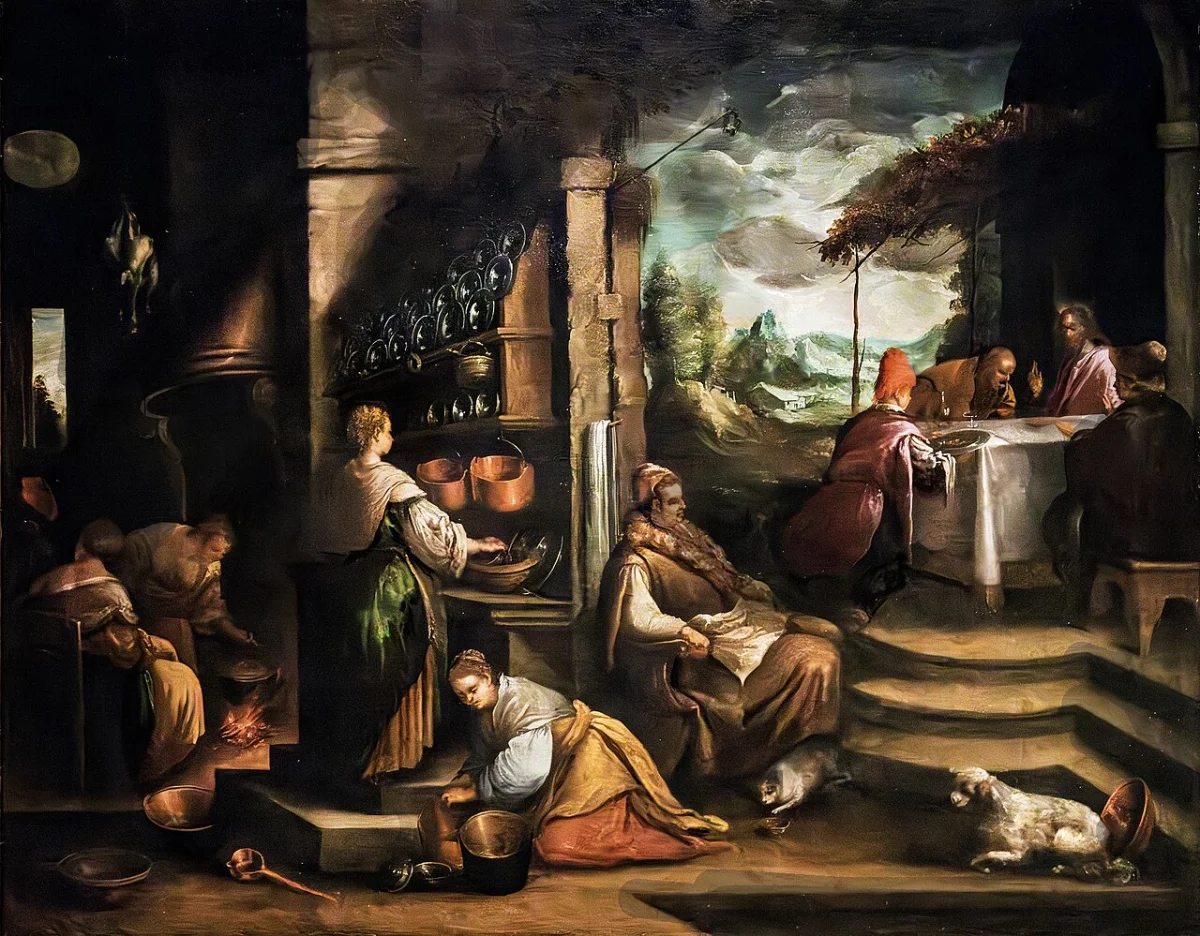

 100% Hand-Painted: Finished in 3-6 Weeks

.png)















_(1).webp)