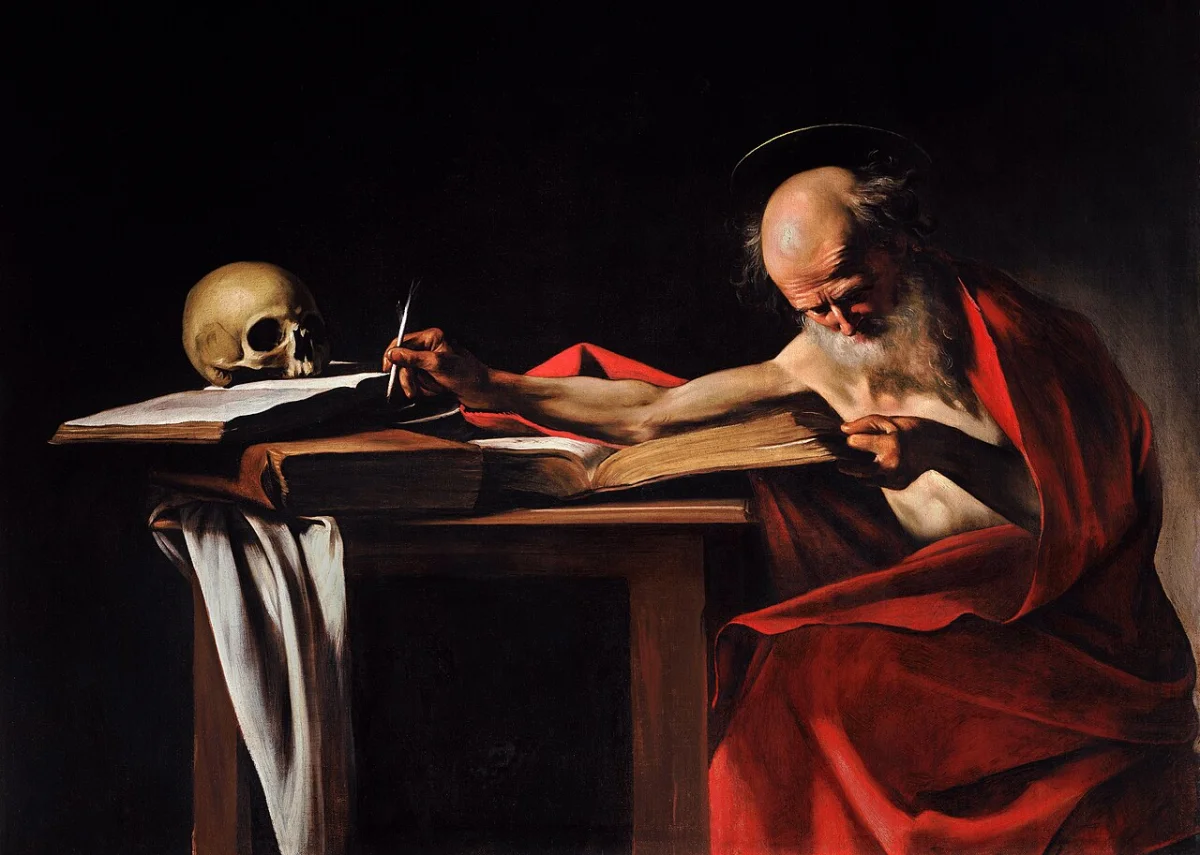
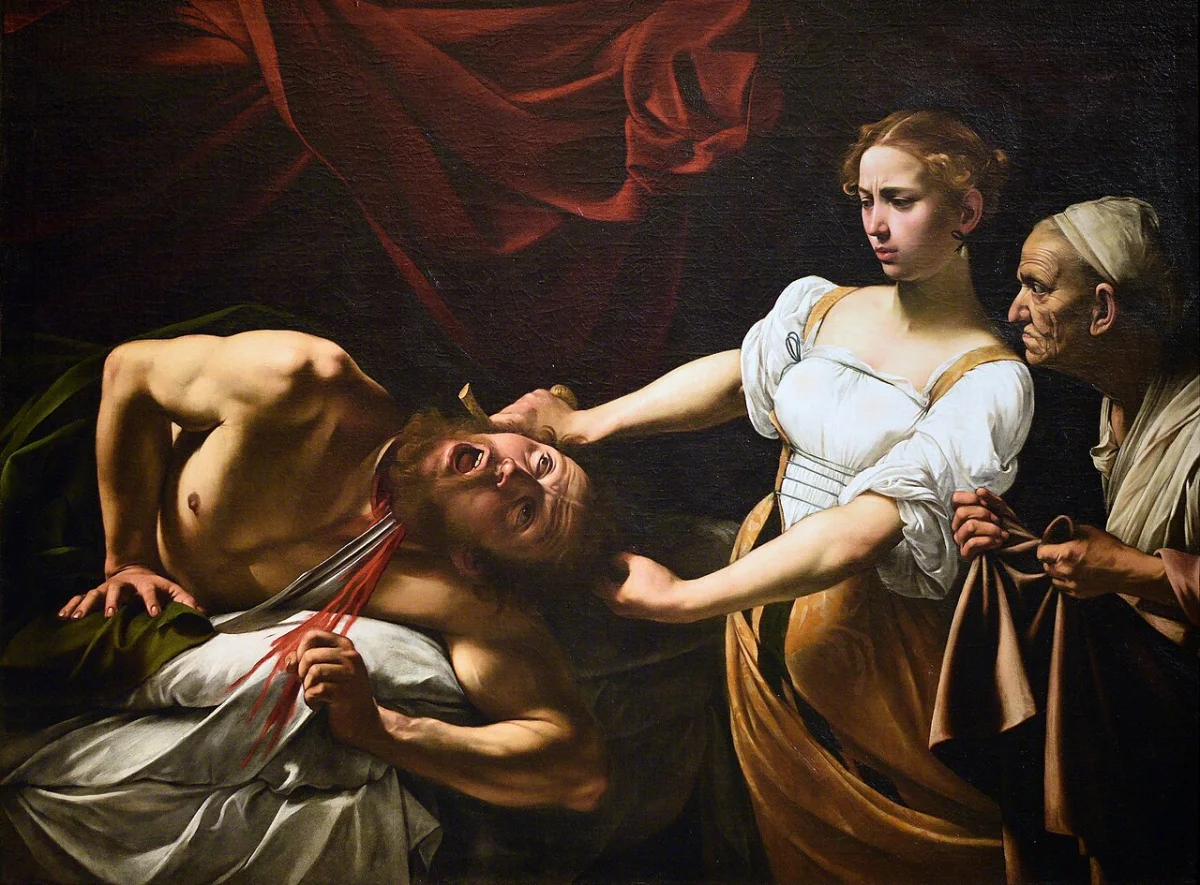
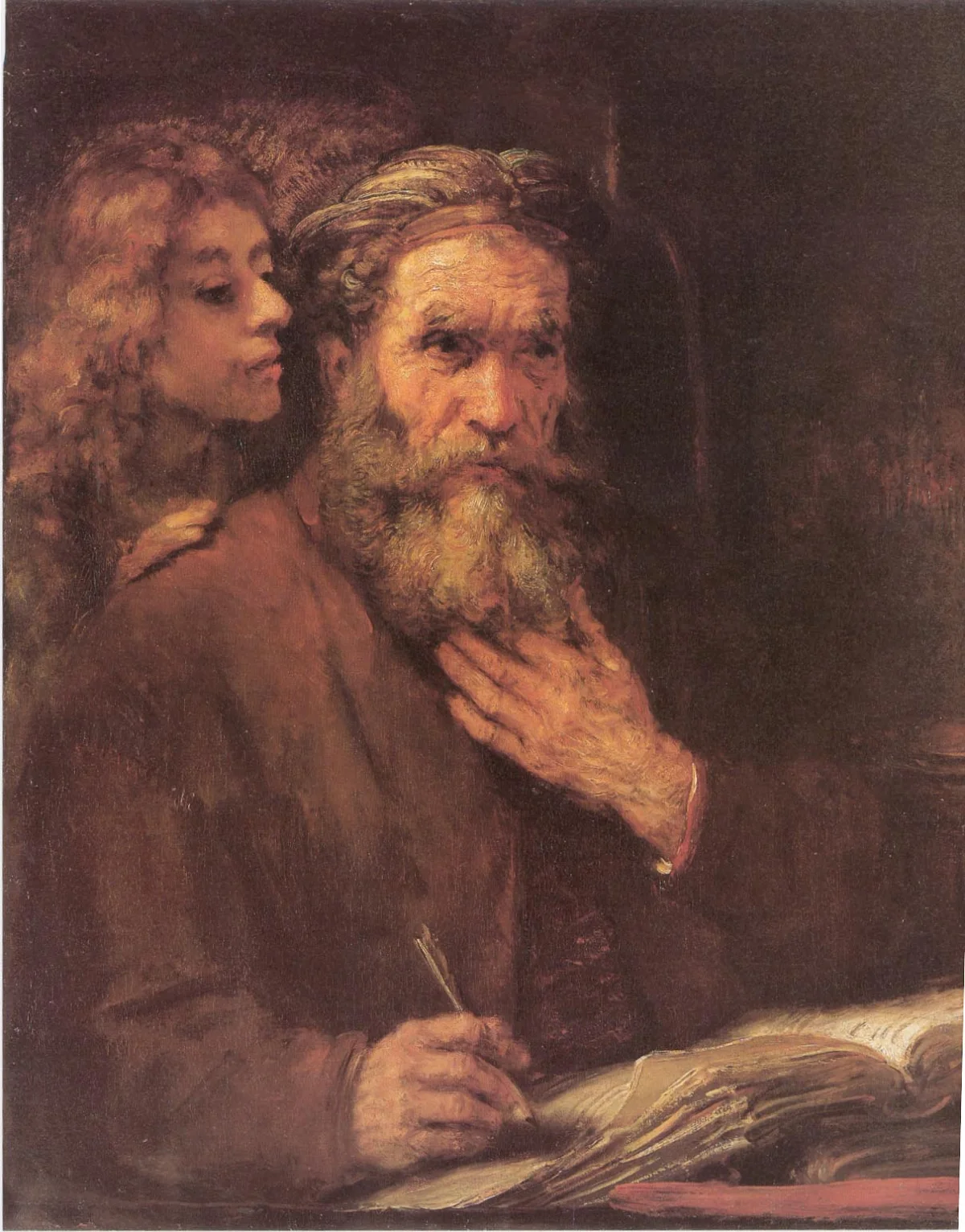
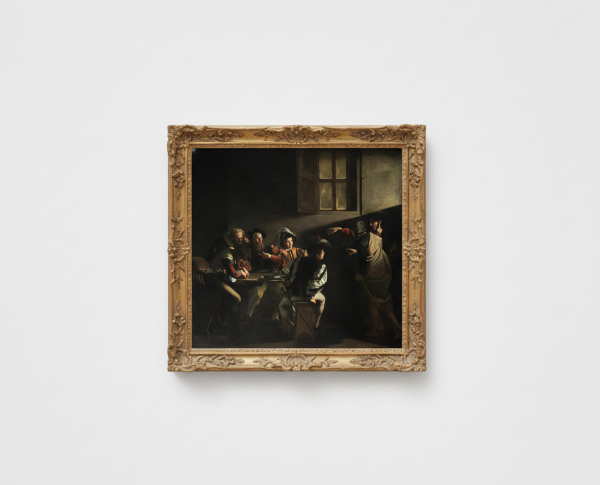
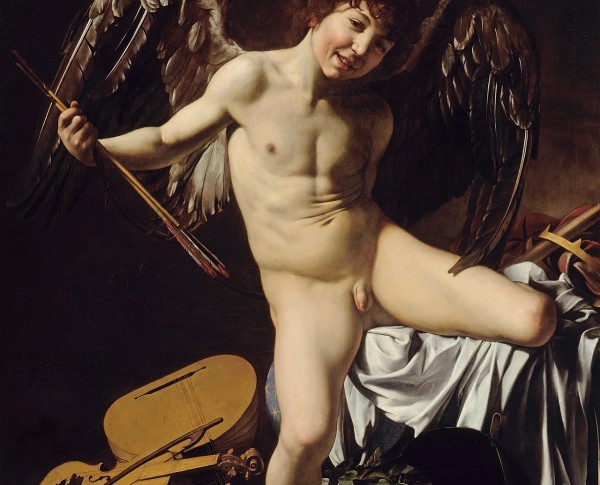
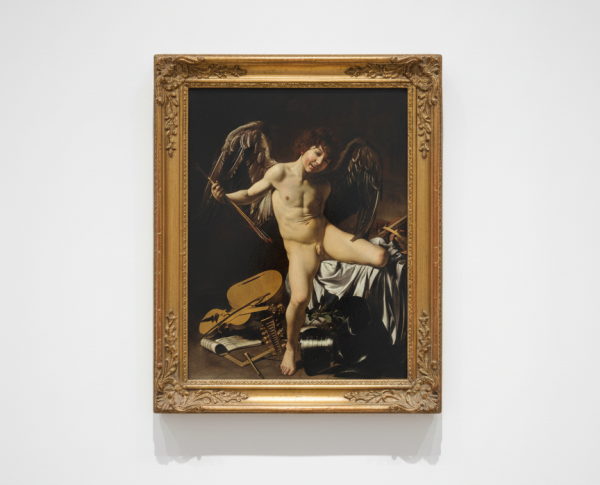
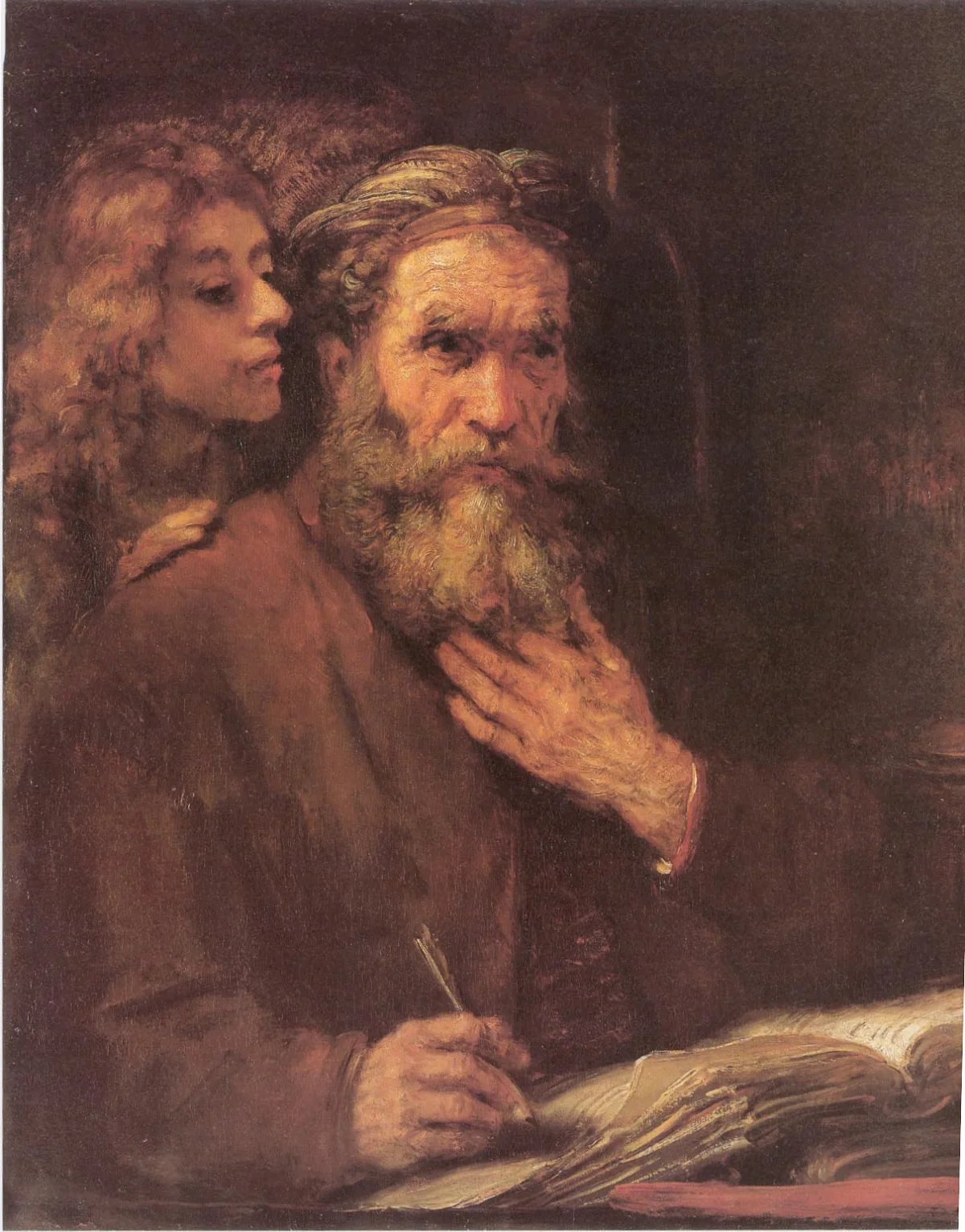
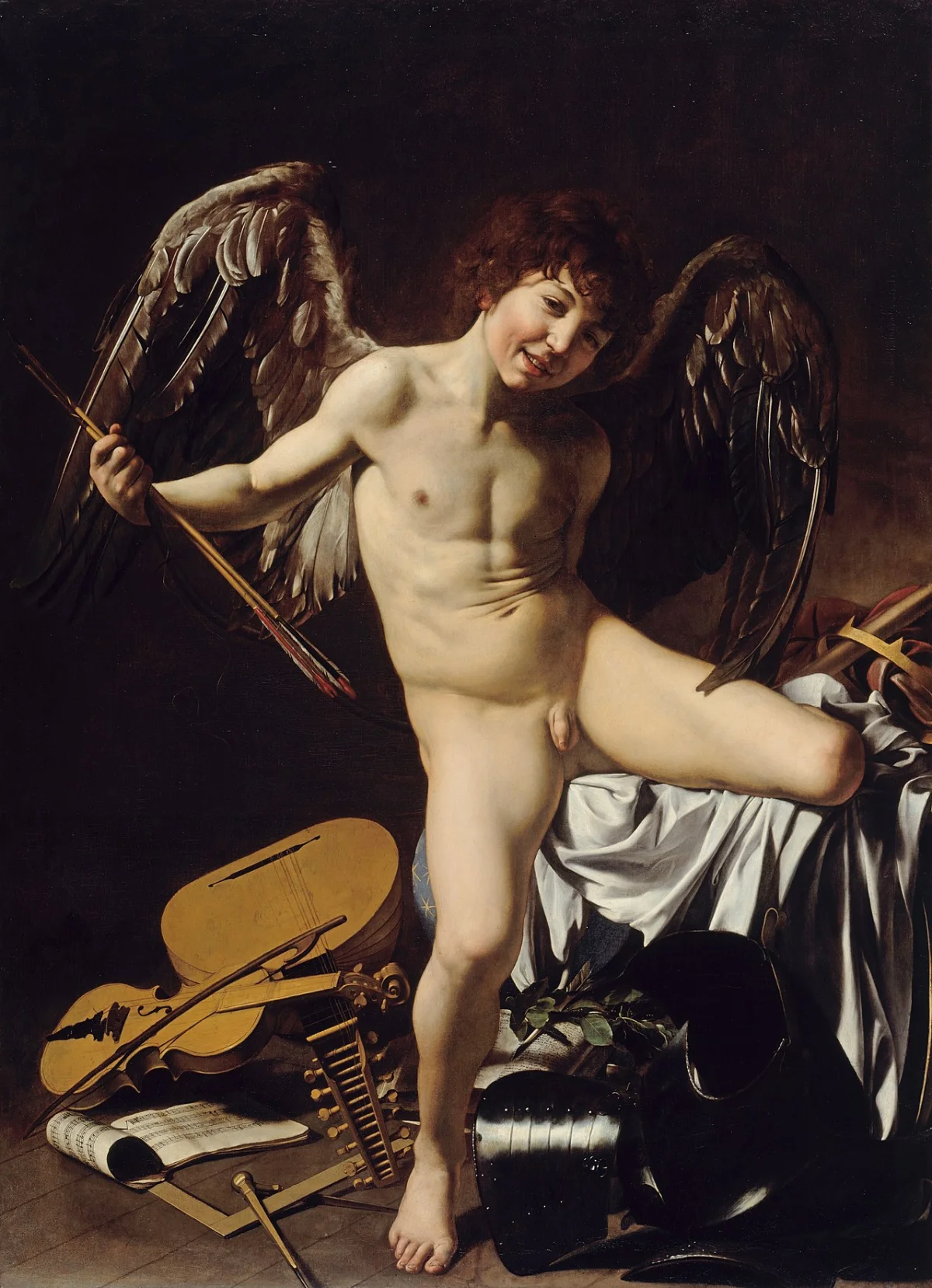
Caravaggio’s "Saint Matthew and the Angel" is celebrated for its exquisite oil on canvas execution, showcasing the artist’s meticulous attention to detail. The dynamic composition and lifelike figures highlight Caravaggio’s extraordinary skill within the Baroque movement. Each brushstroke reveals a depth of emotion and realism, making this oil on canvas a sought-after piece for collectors. Related masterpieces like "Amor Vincit Omnia" further illustrate the artist’s mastery and innovative style.
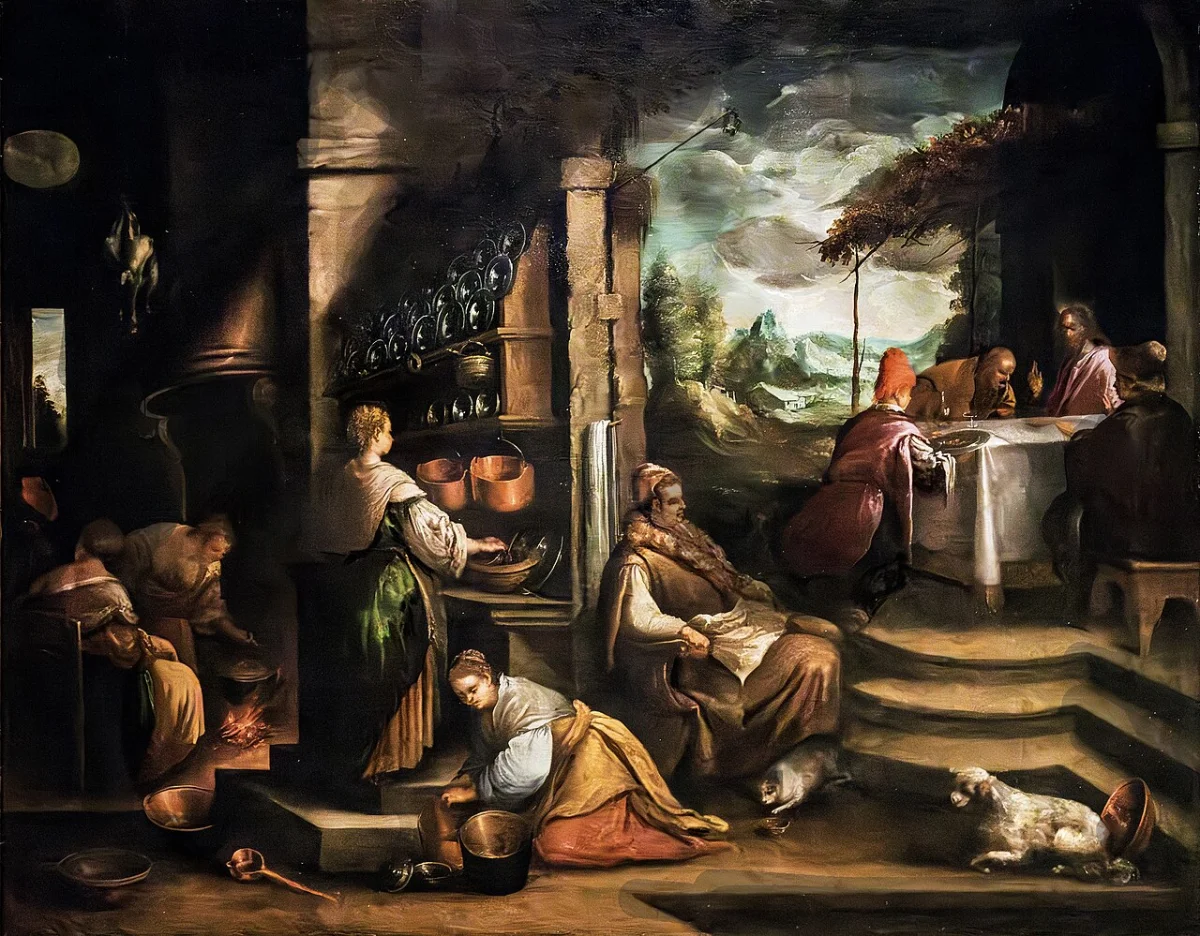
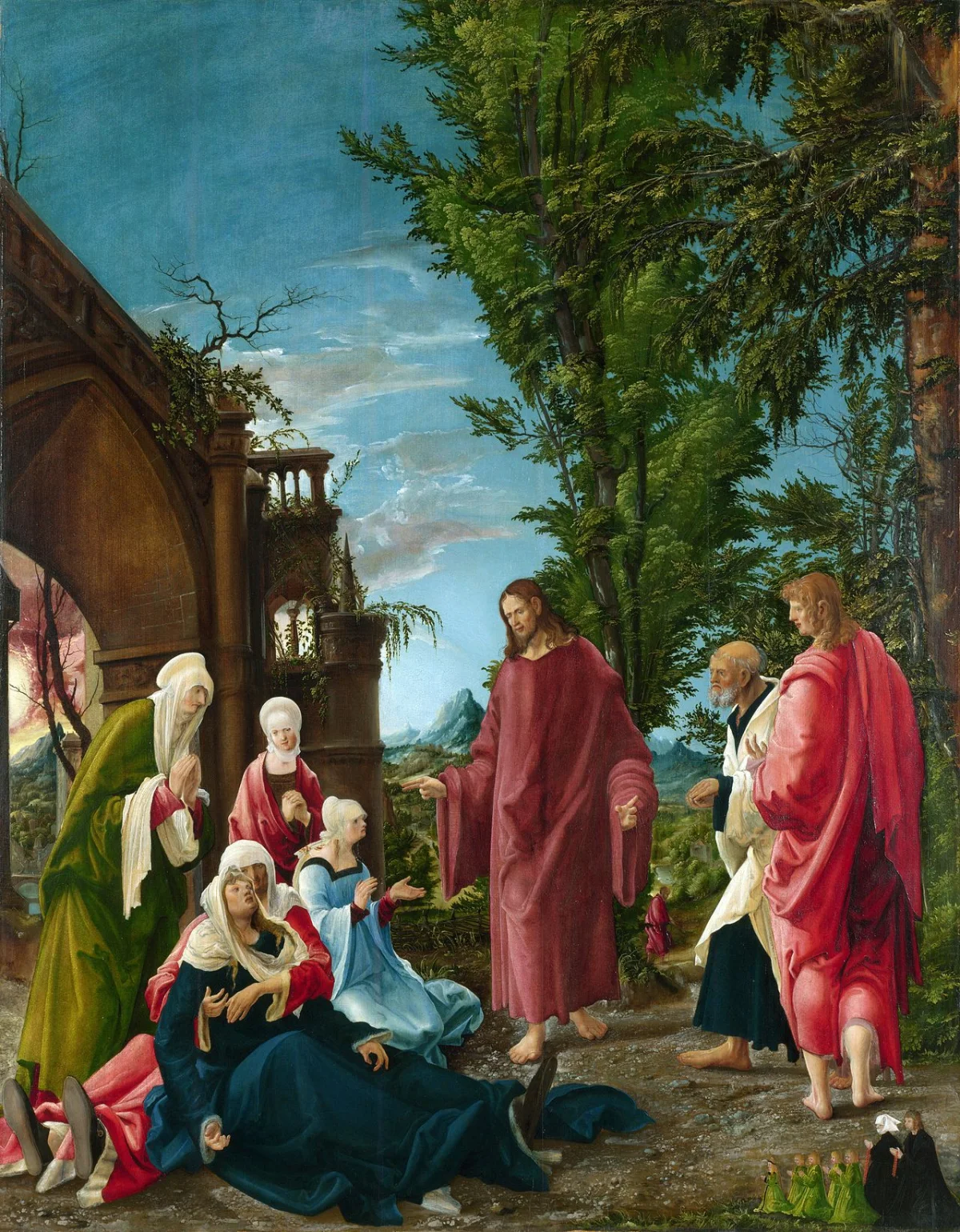
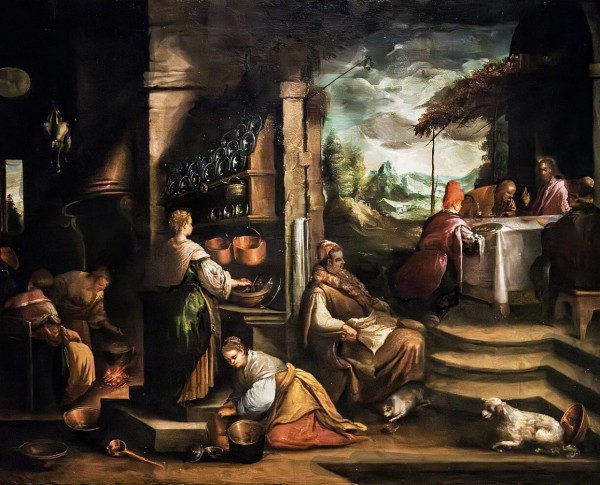
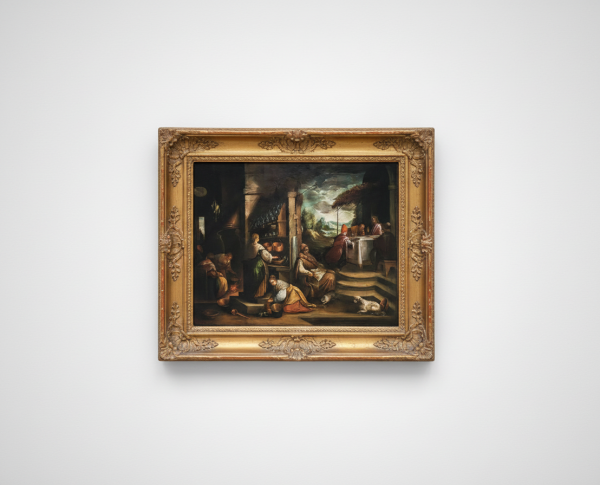
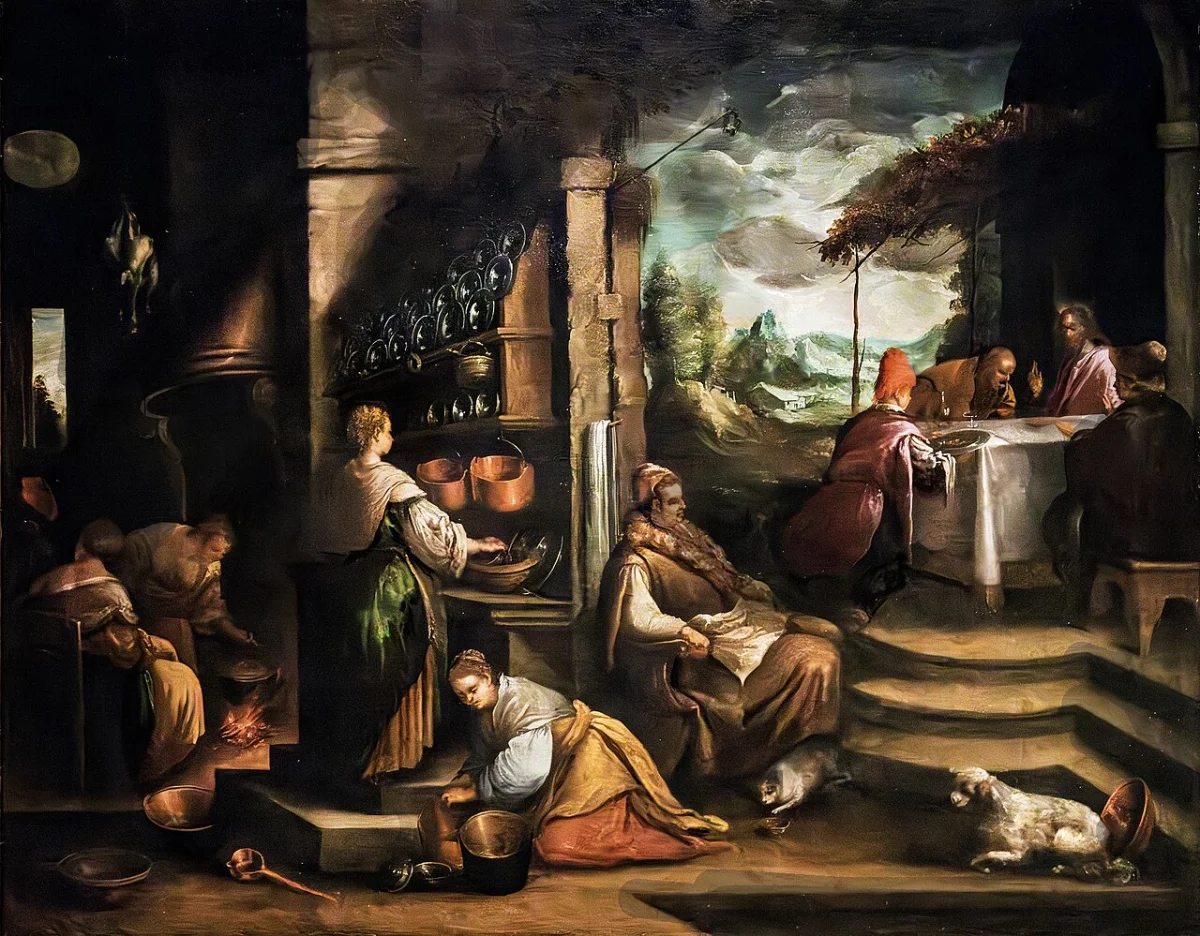
This fine art painting for sale depicts Saint Matthew, guided by an angel as he writes his Gospel—a powerful narrative rendered with Baroque intensity. Caravaggio infuses symbolic meaning into every element, from the angel’s gesture to Matthew’s contemplative pose. The painting’s emotional depth resonates with viewers, much like other Caravaggio works such as "The Taking of Christ" and "Supper at Emmaus," making it an essential piece for those passionate about art history and storytelling.
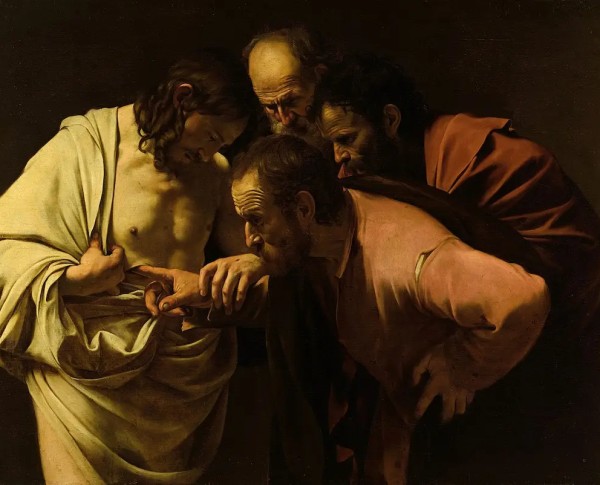
Owning "Saint Matthew and the Angel" by Caravaggio means possessing a cornerstone of Baroque art and a prime example of a hand-painted oil painting. Collectors treasure this work for its rarity and historical significance, often pairing it with related pieces like "Doubting Thomas" to enhance their collections. As a fine art painting for sale, it continues to captivate art lovers, embodying the genius of Caravaggio and the enduring appeal of the Baroque movement.
When Art Meets History
"Saint Matthew and the Angel" by Caravaggio stands as a remarkable example of the Baroque movement, capturing a pivotal moment in religious history. This hand-painted oil painting not only reflects Caravaggio’s mastery but also echoes the dramatic storytelling found in related works like "Holy Family" and "Repentant Mary Magdalene." Through his vivid depiction, Caravaggio invites viewers to witness Saint Matthew’s divine inspiration, placing the observer at the heart of historical and spiritual transformation.
Techniques That Speak
Caravaggio’s "Saint Matthew and the Angel" showcases his revolutionary use of oil on canvas, a technique that defined much of the Baroque style. With bold chiaroscuro and lifelike detail, Caravaggio imbues every figure with dramatic intensity. This approach is similarly evident in his "Self-Portrait" and "Mountain landscape with lightning," demonstrating his commitment to realism and emotional depth. The painting’s texture and light manipulation make it a standout example of oil on canvas artistry.
Emotions on Display
The emotional power of "Saint Matthew and the Angel" is unmistakable, as Caravaggio brings to life the intimate connection between the saint and his celestial guide. This fine art painting for sale captures the vulnerability and awe on Matthew’s face, a hallmark of Baroque emotionality also seen in "Teresa Francisca Mudarra y Herrera." The viewer is drawn into the psychological tension, feeling the weight of divine inspiration and human uncertainty merged in a single, unforgettable moment.
Coveted by Collectors
As one of Caravaggio’s most celebrated works, "Saint Matthew and the Angel" remains highly sought after by collectors and museums worldwide. Its status as a hand-painted oil painting in the Baroque tradition elevates its desirability, much like related masterpieces "Holy Family" and "Repentant Mary Magdalene." Collectors prize such works not only for their historical significance but also for their enduring visual impact, making them cornerstones of any serious fine art collection.
Related Baroque Hand-Painted Oil Paintings by Other Artists
Other Famous Baroque Artists:
Frequently Asked Questions About Saint Matthew and the Angel
What is the historical context of "Saint Matthew and the Angel"?
"Saint Matthew and the Angel" was painted by Caravaggio in 1602-1603 during the Counter-Reformation, a period when the Catholic Church sought to inspire faith through dramatic and emotional art.
What is the significance of Saint Matthew in Christian tradition?
Saint Matthew, one of the twelve apostles, is traditionally regarded as the author of the Gospel of Matthew, which emphasizes the teachings of Jesus and the fulfillment of Old Testament prophecies.
How does Caravaggio's use of light and shadow contribute to the painting?
Caravaggio employs chiaroscuro, the contrast of light and dark, to create a dramatic effect that highlights the figures of Saint Matthew and the Angel, emphasizing their emotional interaction and the divine inspiration of Matthew.
What artistic techniques did Caravaggio use in this painting?
Caravaggio utilized naturalism, capturing realistic human expressions and gestures, along with a dynamic composition that draws the viewer's eye towards the central figures, enhancing the narrative quality of the scene.
What is the symbolism of the angel in the painting?
The angel symbolizes divine guidance and inspiration, representing the moment of revelation where Saint Matthew is called to write his Gospel, highlighting the connection between heaven and earth.
How does this painting reflect Caravaggio's style?
This painting exemplifies Caravaggio's signature style, characterized by realism, emotional intensity, and the use of everyday people as models, which brings a relatable aspect to biblical narratives.
What role does color play in "Saint Matthew and the Angel"?
Caravaggio's use of a muted color palette, punctuated by the warm tones of the figures, creates a somber yet intimate atmosphere that enhances the spiritual significance of the moment being depicted.
What was the initial reception of "Saint Matthew and the Angel"?
The painting received mixed reactions; while some praised its innovative realism and emotional depth, others criticized its departure from traditional representations of saints, reflecting the tensions of the time.
Where is "Saint Matthew and the Angel" currently located?
The painting is housed in the Contarelli Chapel of San Luigi dei Francesi in Rome, where it remains a significant attraction for visitors interested in Caravaggio's work and Baroque art.
What influence did "Saint Matthew and the Angel" have on later artists?
This work influenced numerous artists of the Baroque period and beyond, inspiring them to explore themes of realism, emotional expression, and the dramatic use of light, shaping the evolution of Western art.






















_GFM_Painting_(1).webp)


 100% Hand-Painted: Finished in 3-6 Weeks

.png)















_(1).webp)