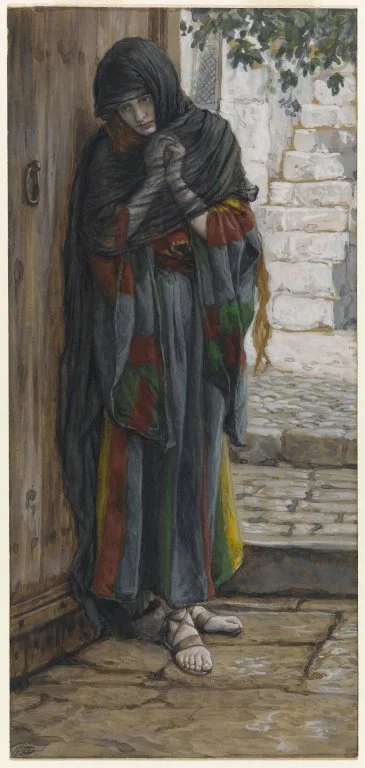
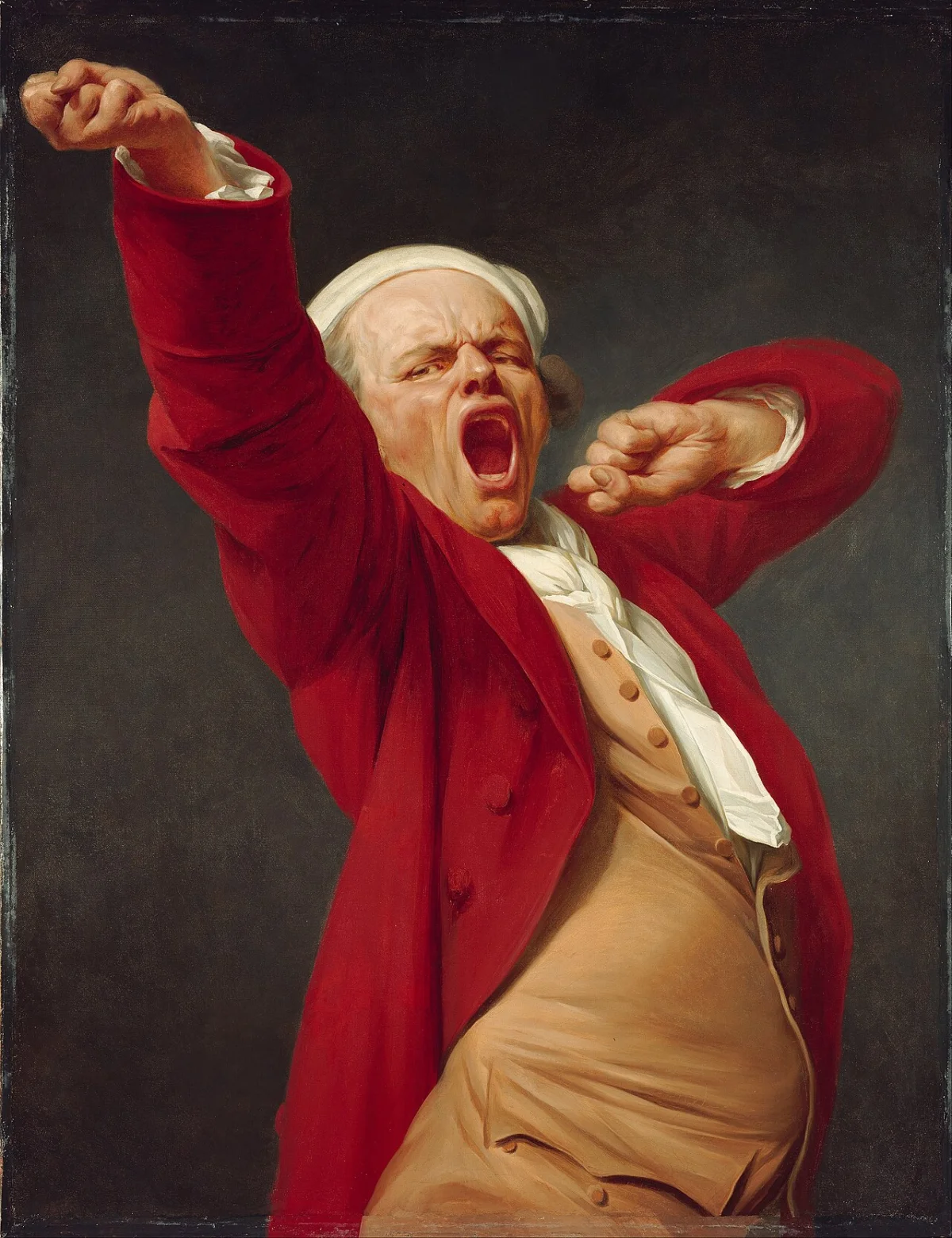
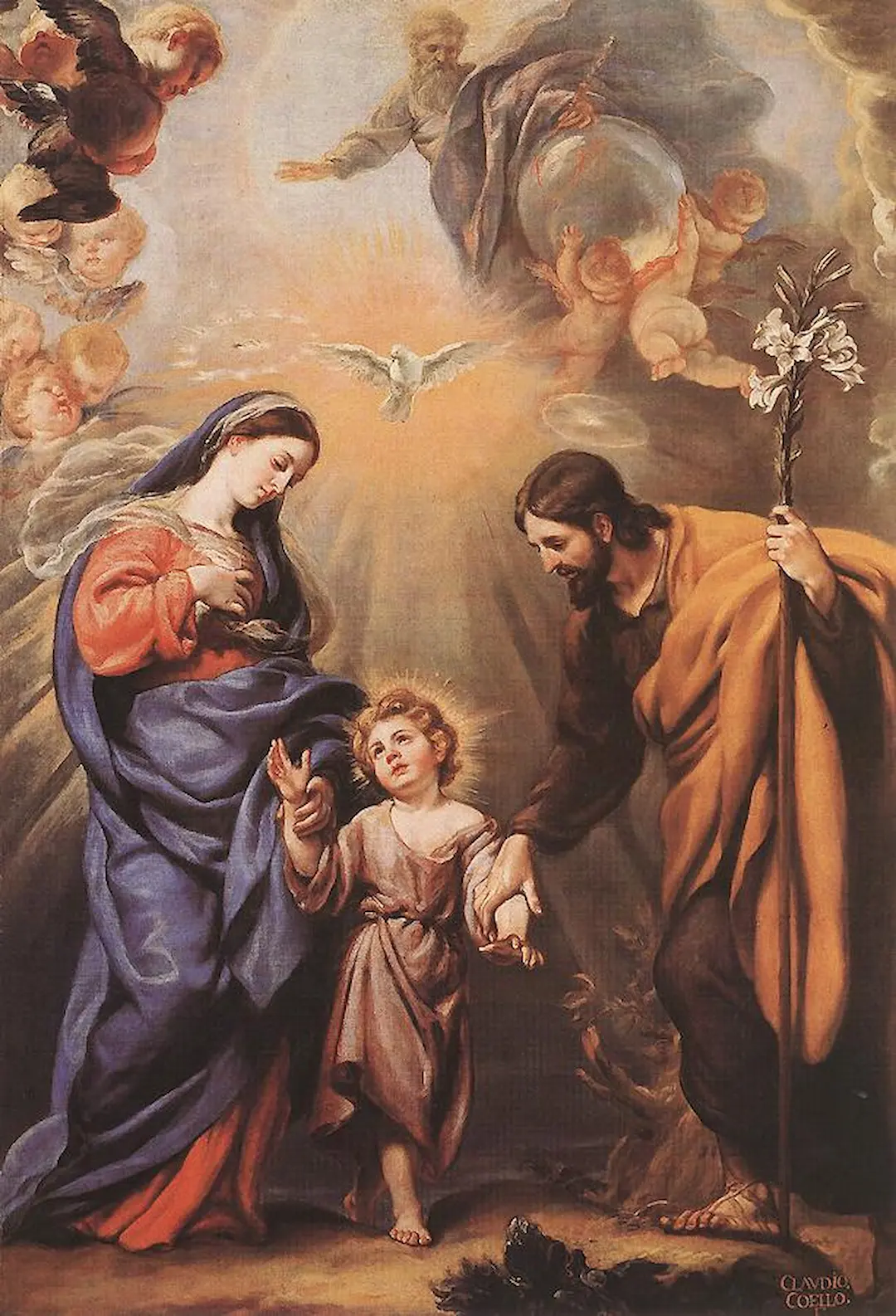
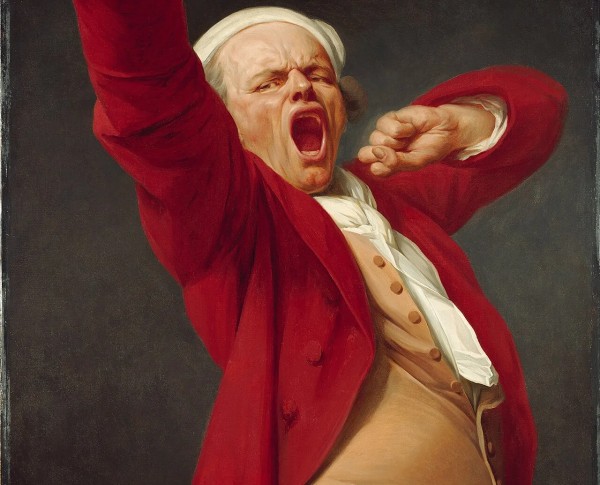
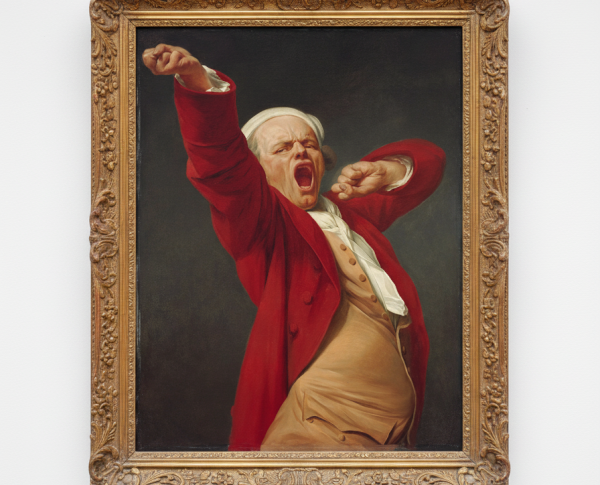
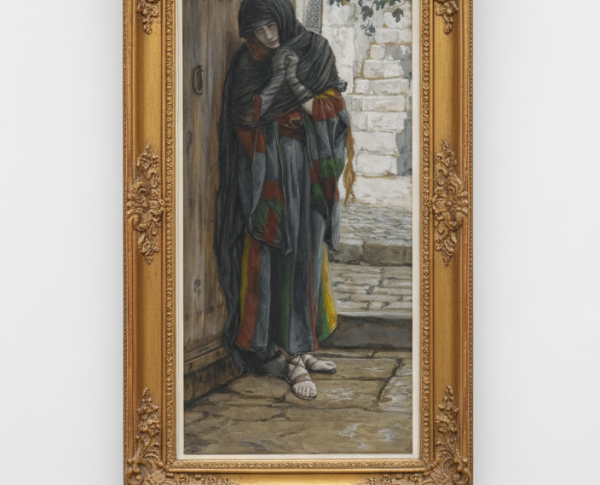
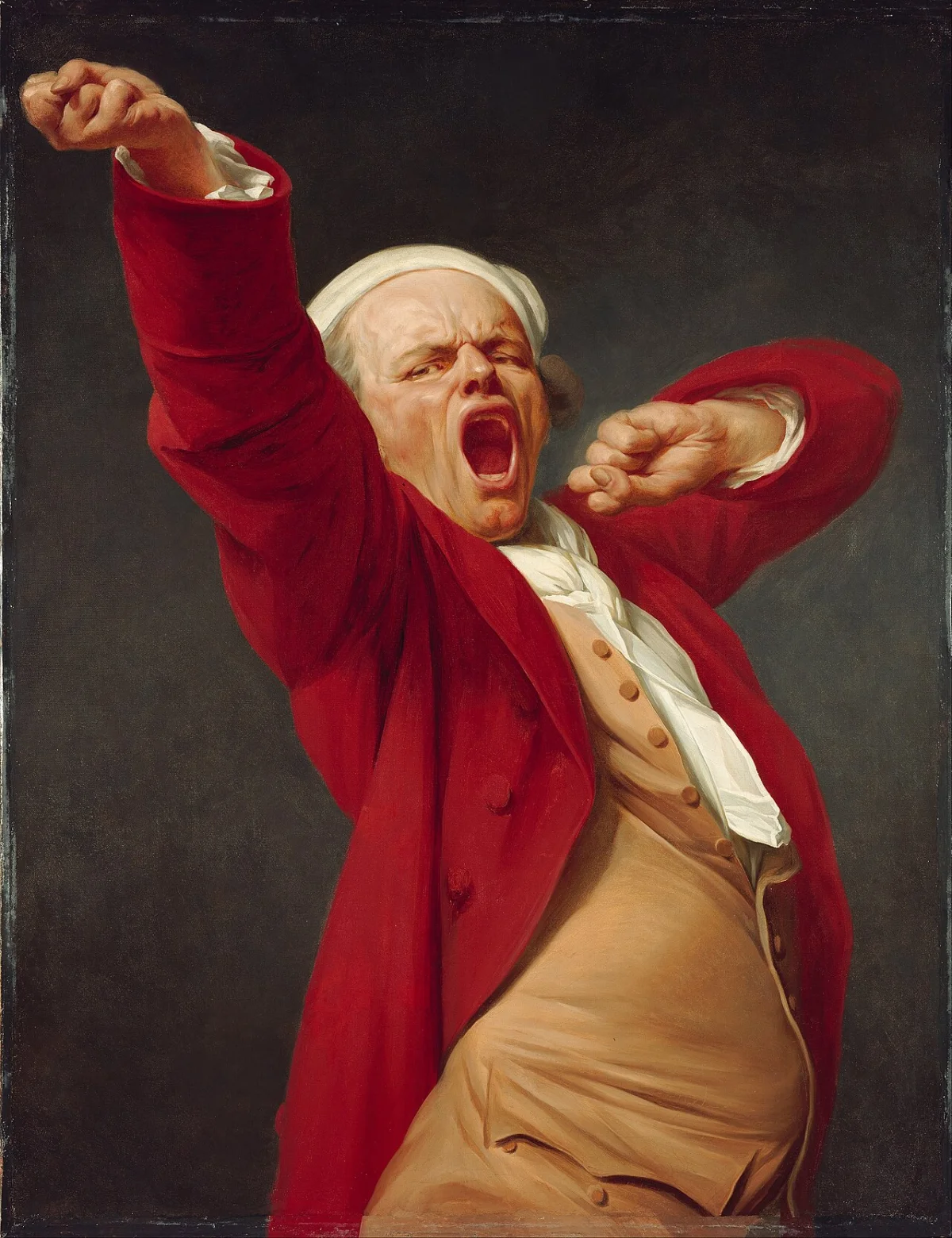
Claudio Coello’s technique in "Repentant Mary Magdalene" showcases his mastery with oil on canvas. The artist’s delicate rendering of light and shadow brings the subject’s emotions to life, highlighting the Baroque movement’s focus on drama and realism. This oil on canvas painting is a testament to Coello’s skill and dedication, making it a prized piece for any serious collection, alongside other remarkable works such as "Holy Family" and "Self-Portrait."
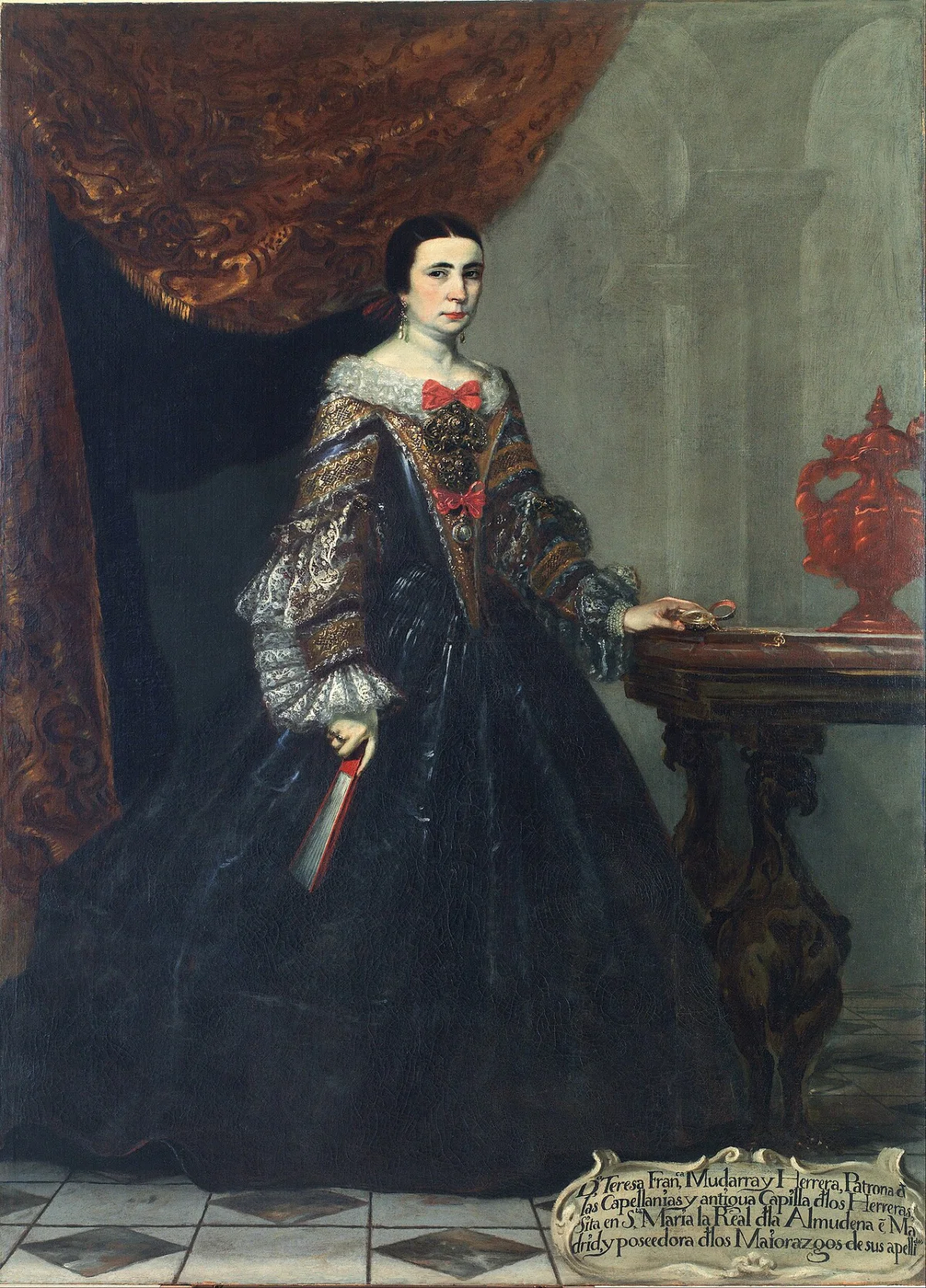
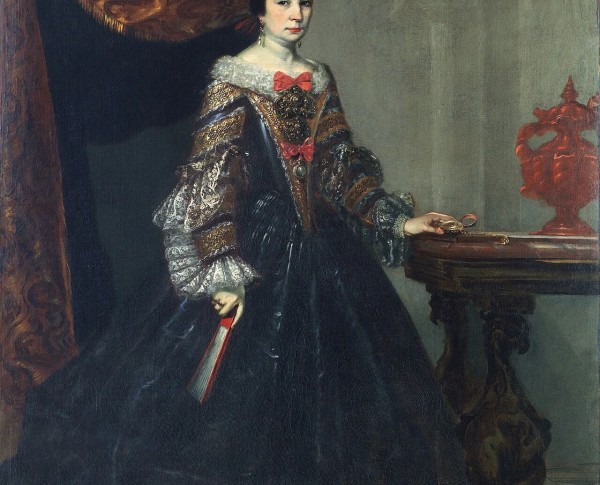
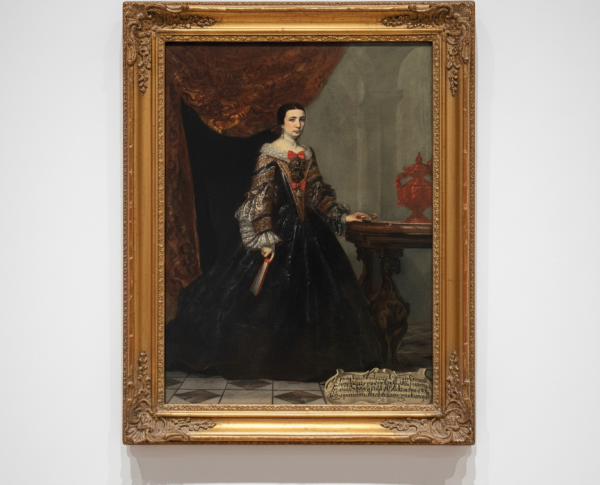
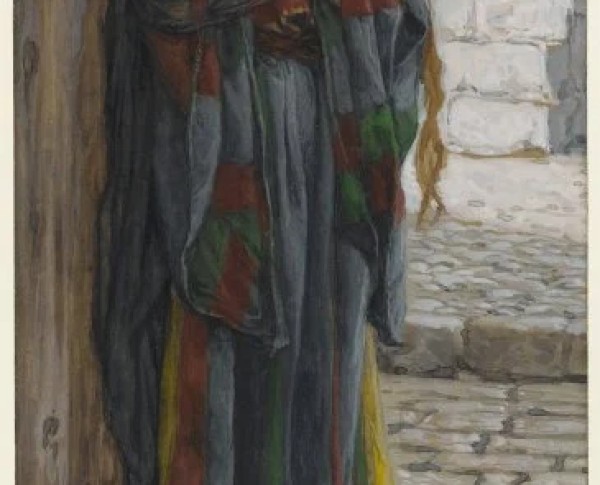
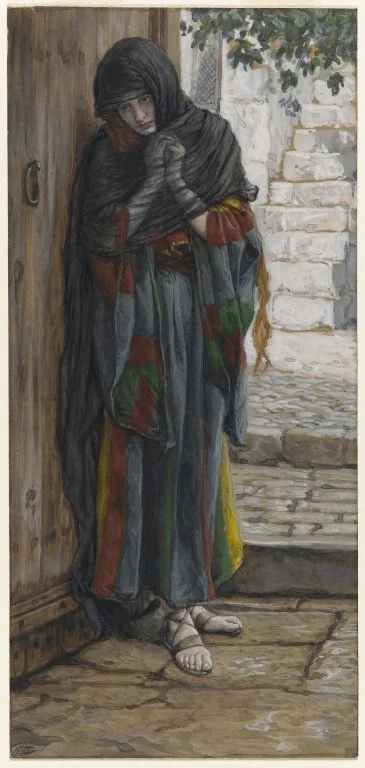
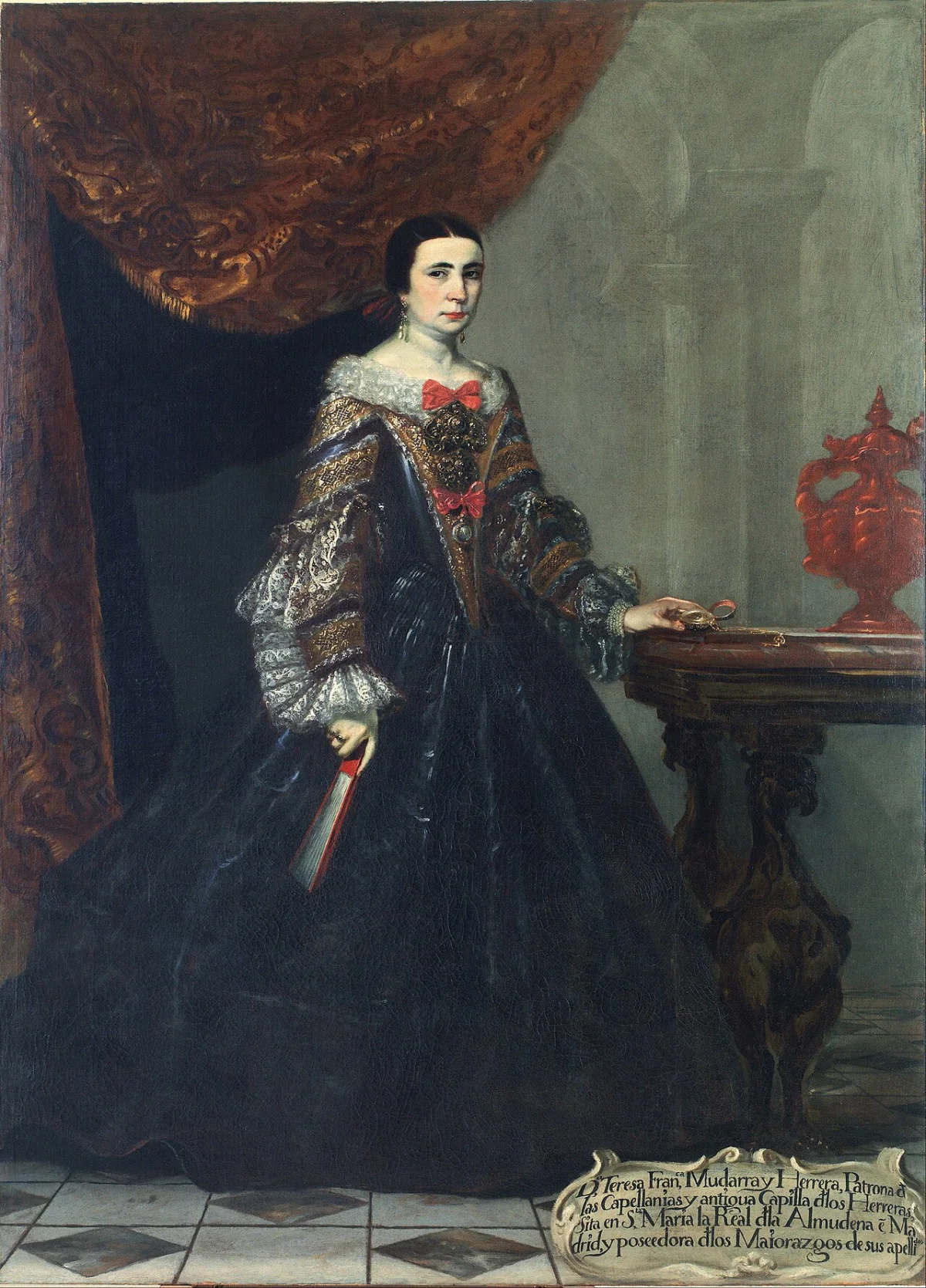
In this fine art painting for sale, Claudio Coello explores themes of repentance and redemption through the figure of Mary Magdalene. The Baroque movement’s signature use of symbolism is evident in every detail, inviting viewers to reflect on spiritual transformation. Collectors often seek out related products like "Teresa Francisca Mudarra y Herrera" for their narrative richness, but "Repentant Mary Magdalene" remains a standout for its emotional and symbolic depth.
For those seeking a hand-painted oil painting that embodies the essence of the Baroque era, "Repentant Mary Magdalene" by Claudio Coello is a true collector’s treasure. Its historical significance and exquisite artistry place it alongside esteemed works such as "Q19161243" and "Self-Portrait." This masterpiece, like other fine art painting for sale from the period, offers both aesthetic pleasure and a tangible connection to the grand tradition of Baroque painting.
When Art Meets History
"Repentant Mary Magdalene" by Claudio Coello is a remarkable example of Baroque artistry, capturing a transformative moment in religious history. This hand-painted oil painting reflects the period's deep spiritual introspection and dynamic storytelling. Coello, a master of the Baroque movement, skillfully imbues the canvas with historical resonance, much like other celebrated works such as "The Calling of Saint Matthew" and "Doubting Thomas." His portrayal of Mary Magdalene echoes the era’s fascination with redemption and human emotion.
Techniques That Speak
Claudio Coello’s technique in "Repentant Mary Magdalene" showcases the brilliance of oil on canvas, a hallmark of Baroque masterpieces. Through dramatic contrasts of light and shadow, he brings depth and realism to the figure, reminiscent of "Mountain landscape with lightning." Coello’s brushwork and careful layering highlight his mastery of the medium, allowing the viewer to appreciate the tactile richness and lifelike quality that define this period’s most celebrated fine art paintings.
Emotions on Display
The emotional intensity in Coello’s "Repentant Mary Magdalene" is palpable, as the artist captures the saint’s sorrow and hope. This fine art painting for sale invites viewers into an intimate moment of spiritual reflection, echoing the emotive storytelling found in "The Calling of Saint Matthew." The Baroque movement’s emphasis on human feeling is evident in every brushstroke, making this work an enduring testament to the power of art to convey complex inner worlds.
Coveted by Collectors
As a hand-painted oil painting from the Baroque era, "Repentant Mary Magdalene" by Claudio Coello remains highly sought after by art collectors worldwide. Its historical significance and technical mastery elevate it alongside related works like "Doubting Thomas" and "Mountain landscape with lightning." Collectors value such pieces for their rarity and the way they encapsulate the spirit of a transformative artistic movement, making them prized additions to any fine art collection.
Related Baroque Hand-Painted Oil Paintings by Other Artists
Other Famous Baroque Artists:
Frequently Asked Questions About Repentant Mary Magdalene
What is the historical context of "Repentant Mary Magdalene"?
"Repentant Mary Magdalene," painted by Claudio Coello in the late 17th century, reflects the Baroque period's emphasis on emotional expression and religious themes, particularly the repentance and redemption of sinners.
Who was Claudio Coello and what is his significance in art history?
Claudio Coello was a Spanish painter known for his religious works and portraits. He was a prominent figure in the Spanish Baroque movement, and his works are characterized by their dramatic use of light and shadow, as well as their emotional depth.
What themes are explored in "Repentant Mary Magdalene"?
The painting explores themes of repentance, redemption, and the transformative power of faith. Mary Magdalene is often depicted as a symbol of forgiveness and the possibility of salvation, emphasizing the human capacity for change.
What artistic techniques did Coello use in this painting?
Coello employed chiaroscuro, a technique that contrasts light and dark to create a sense of volume and depth. The use of rich colors and detailed textures enhances the emotional intensity of the scene.
How does the portrayal of Mary Magdalene differ from earlier depictions?
In "Repentant Mary Magdalene," Coello presents a more humanized and sympathetic figure compared to earlier depictions, which often emphasized her sinful past. This painting highlights her inner turmoil and genuine repentance, aligning with the Counter-Reformation's focus on personal piety.
What symbols are present in the painting and what do they represent?
The painting features symbols such as the skull, representing mortality and the inevitability of death, and the ointment jar, symbolizing Mary Magdalene's act of anointing Jesus and her devotion. These elements underscore themes of repentance and the fleeting nature of life.
What influence did "Repentant Mary Magdalene" have on subsequent artists?
This work influenced later artists by reinforcing the emotional and spiritual portrayal of biblical figures. Coello's approach to depicting Mary Magdalene as a relatable and complex character inspired a more compassionate view of religious subjects in art.
In what ways does this painting reflect the Baroque style?
The Baroque style is evident in the dramatic composition, emotional intensity, and the use of light and shadow in "Repentant Mary Magdalene." Coello's ability to convey deep psychological states aligns with the Baroque focus on human emotion and spirituality.
What is the significance of Mary Magdalene in Christian theology?
Mary Magdalene is significant in Christian theology as a symbol of repentance and redemption. She is often viewed as a model for sinners seeking forgiveness, and her story emphasizes the transformative power of faith and grace.
Where can I view "Repentant Mary Magdalene" today?
"Repentant Mary Magdalene" is housed in a prominent art collection, where it can be appreciated for its historical and artistic significance. Please check our gallery's exhibition schedule for current display information.






















_GFM_Painting_(1).webp)


 100% Hand-Painted: Finished in 3-6 Weeks

.png)















_(1).webp)