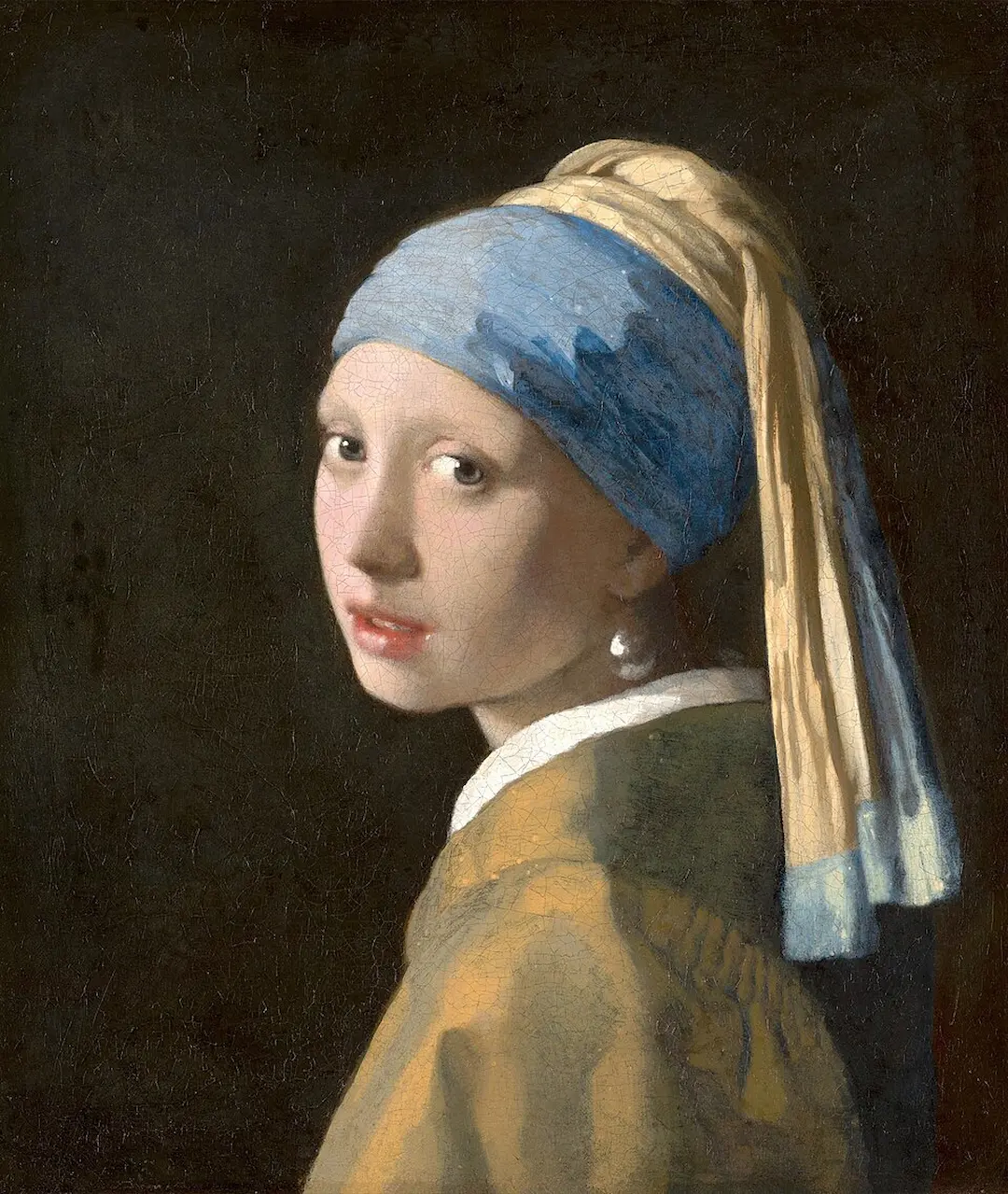
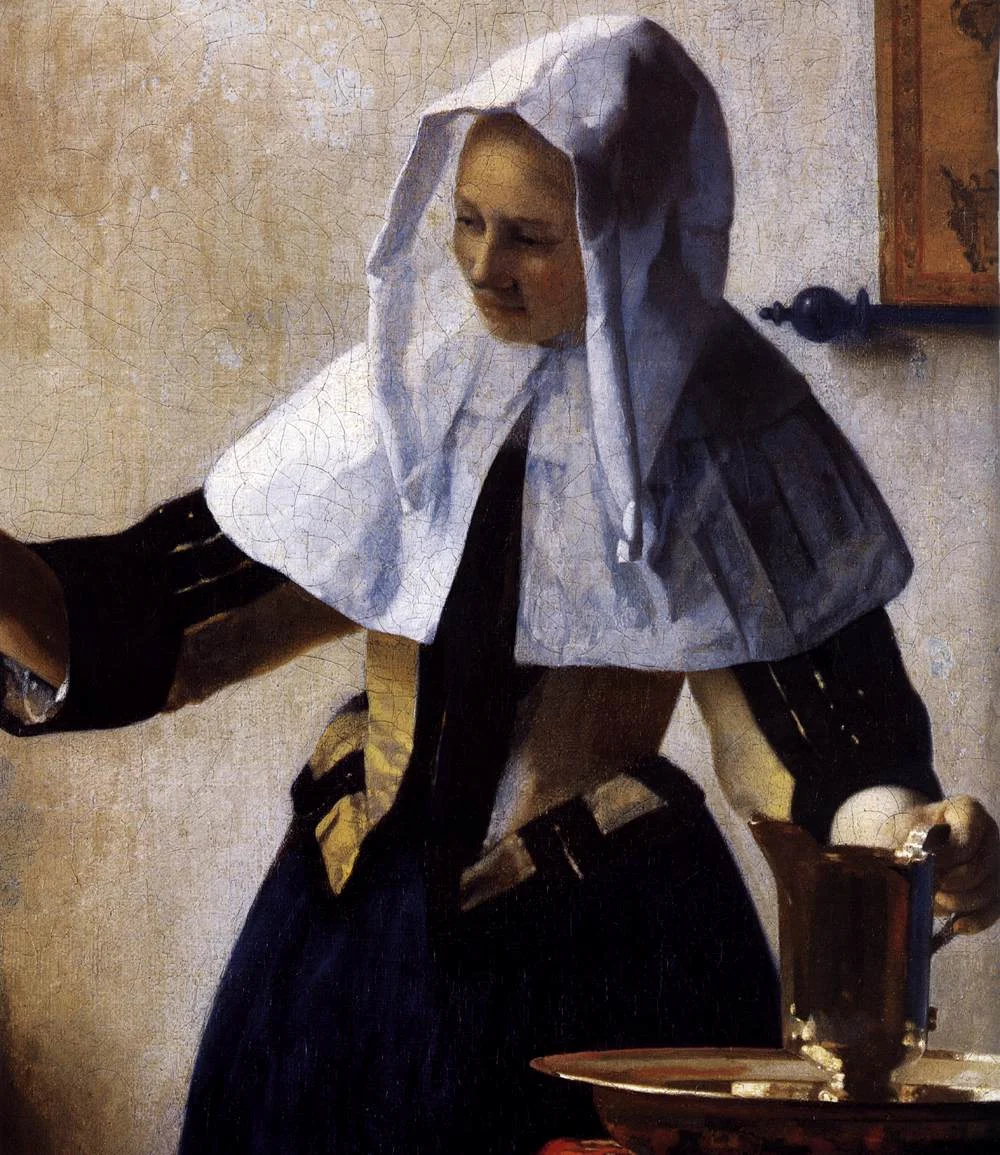
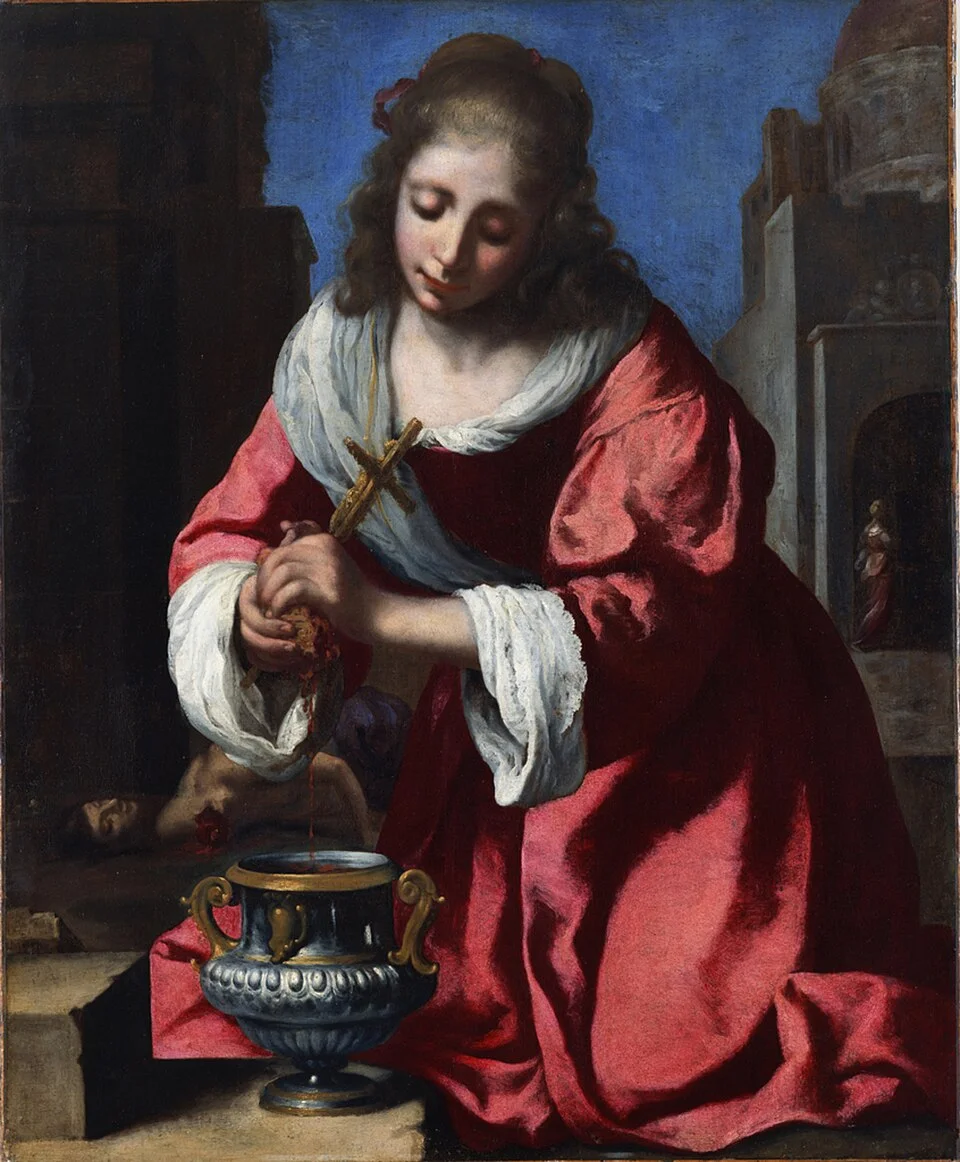
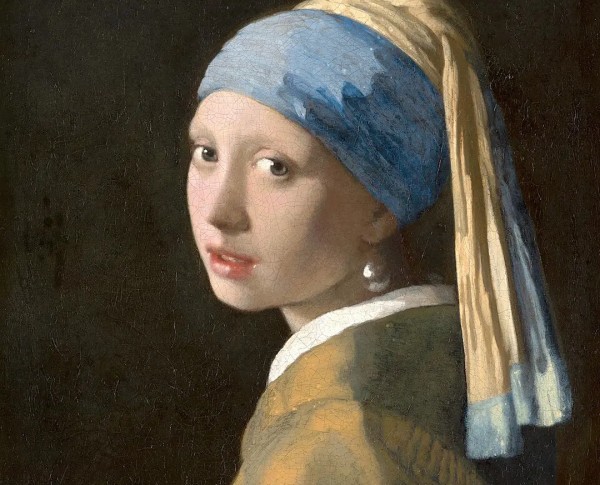
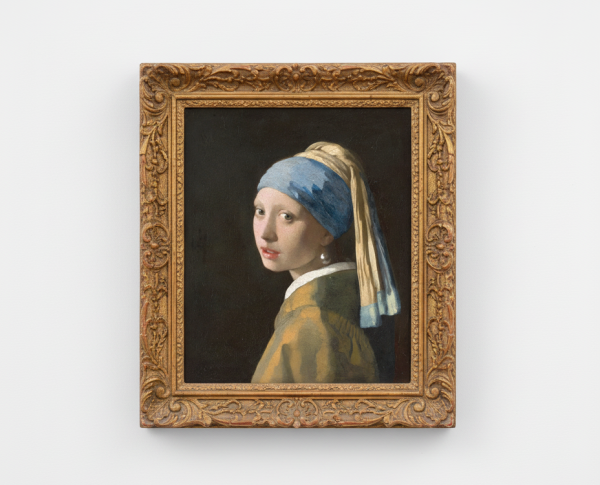
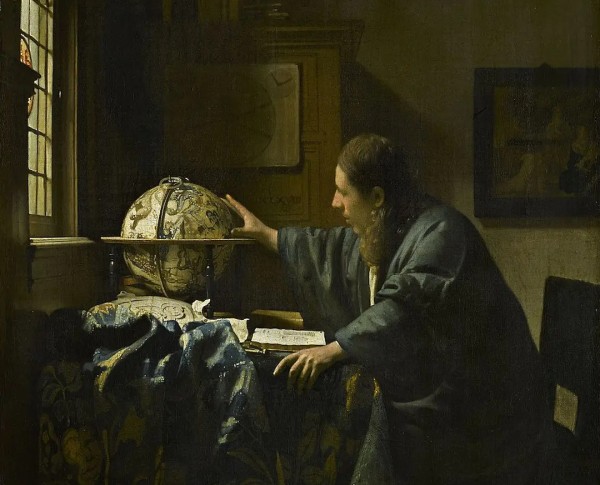
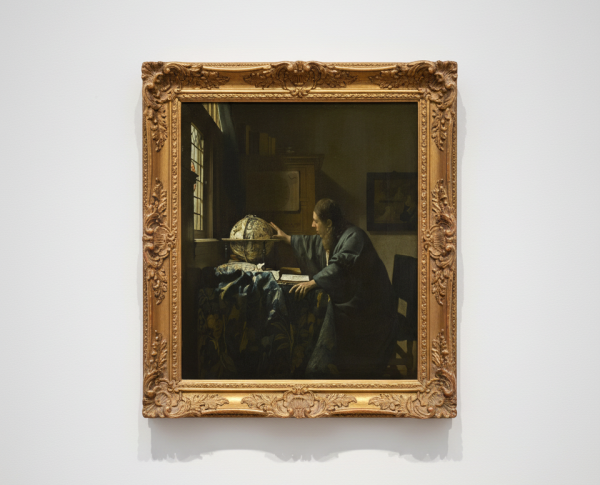
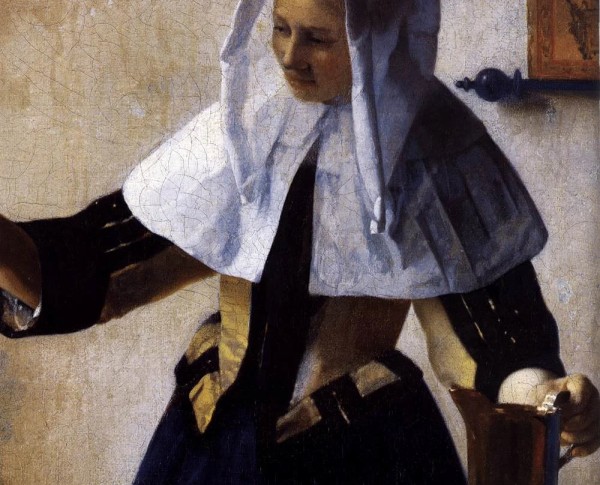
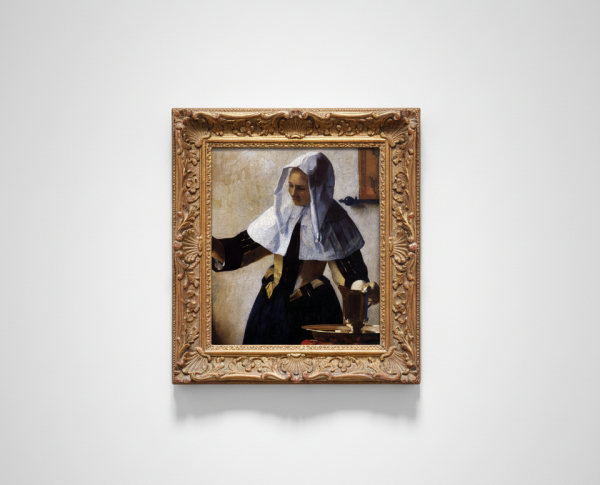
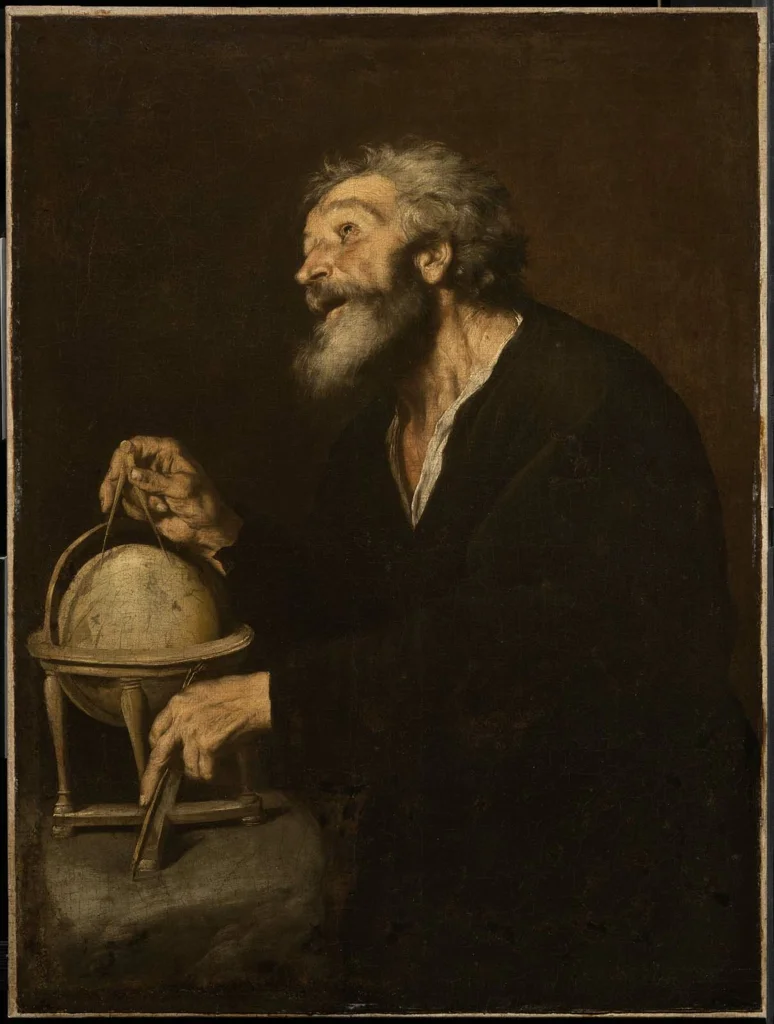
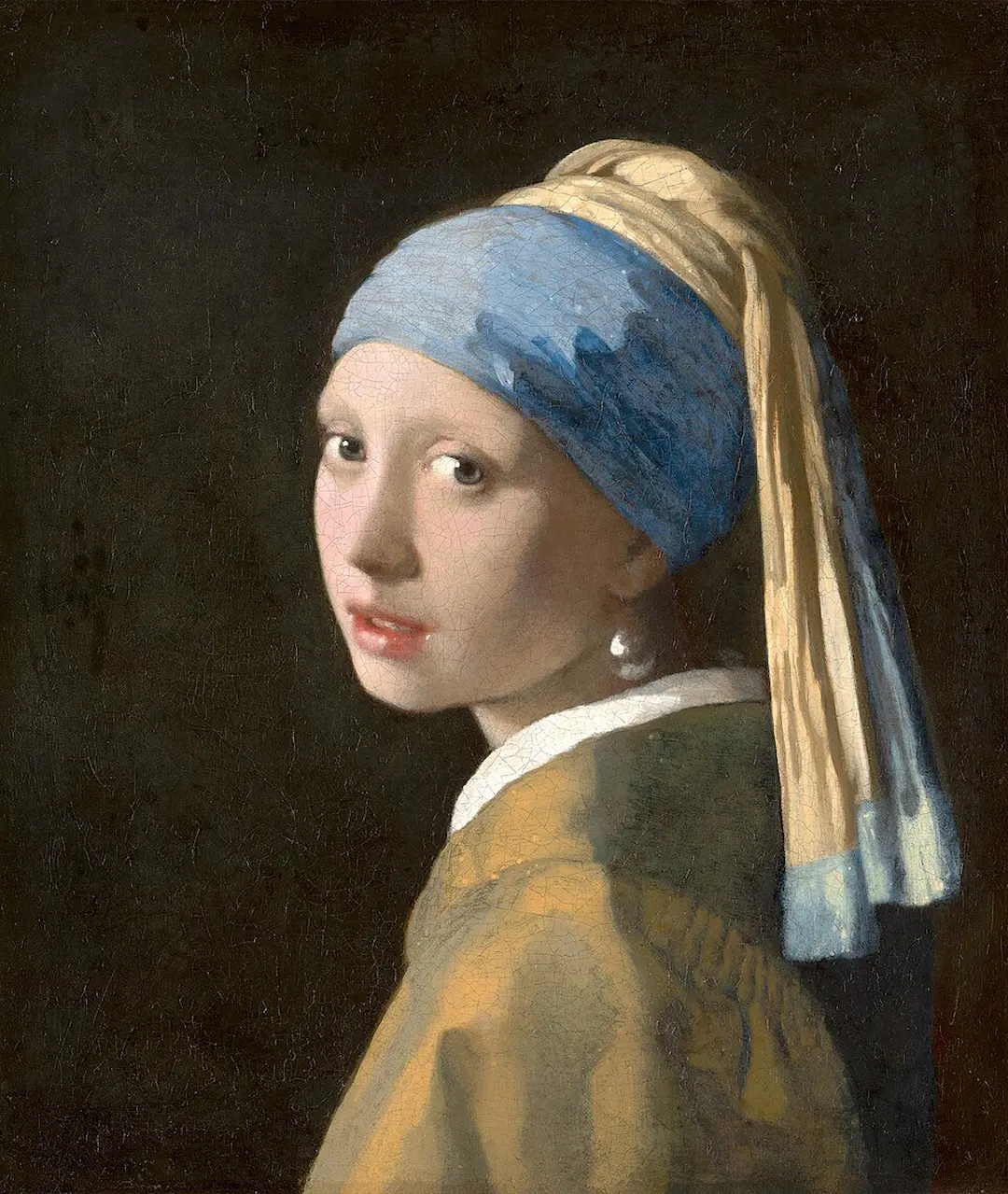
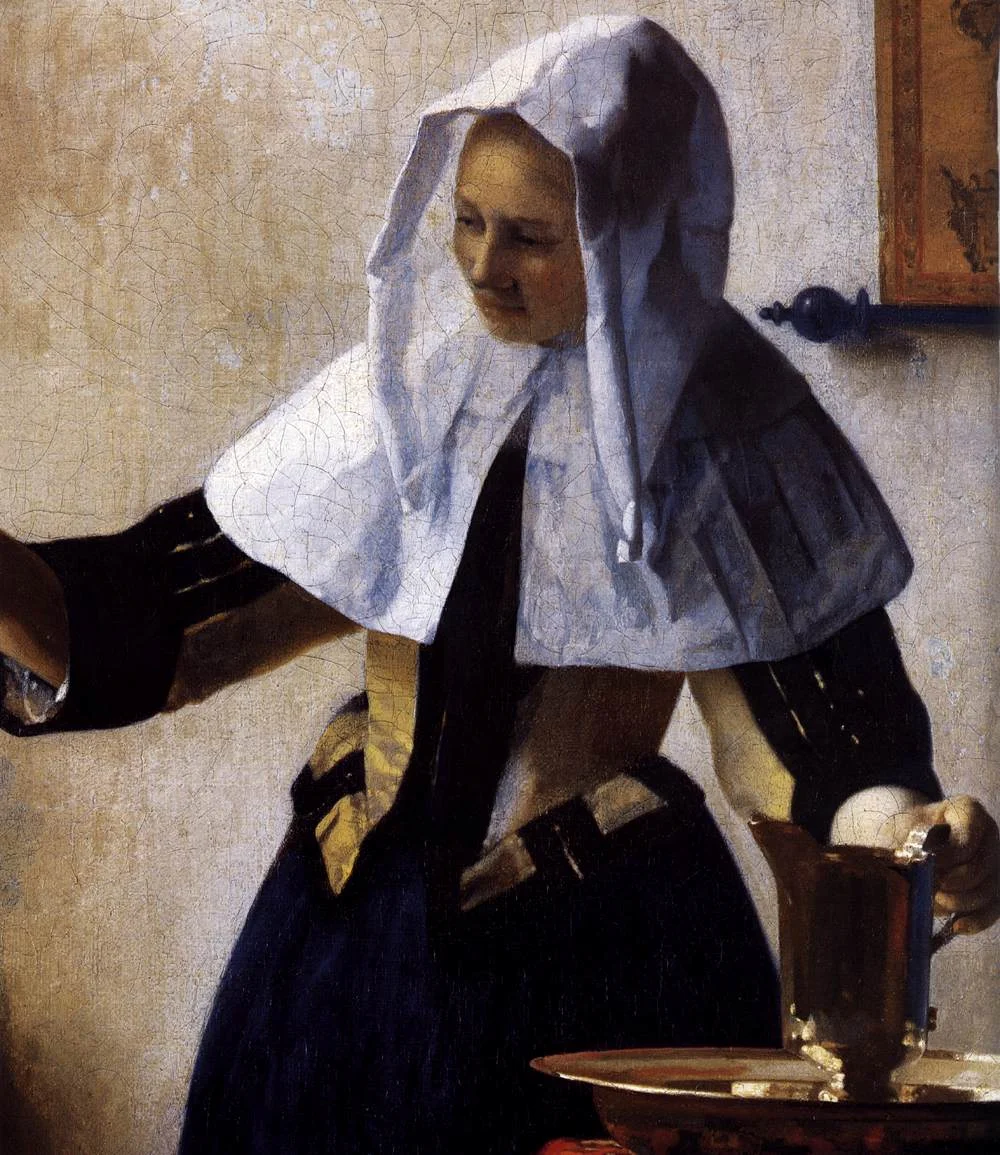
Rendered in exquisite oil on canvas, "The Geographer" showcases Vermeer’s unparalleled technique and attention to detail. The interplay of light and shadow elevates this work among Dutch Golden Age masterpieces. The artist’s signature style can also be seen in related works such as "Woman with a Water Jug" and "Girl with a Pearl Earring c. 1665." Each brushstroke in this oil on canvas painting reflects Vermeer’s dedication to realism and atmospheric depth.
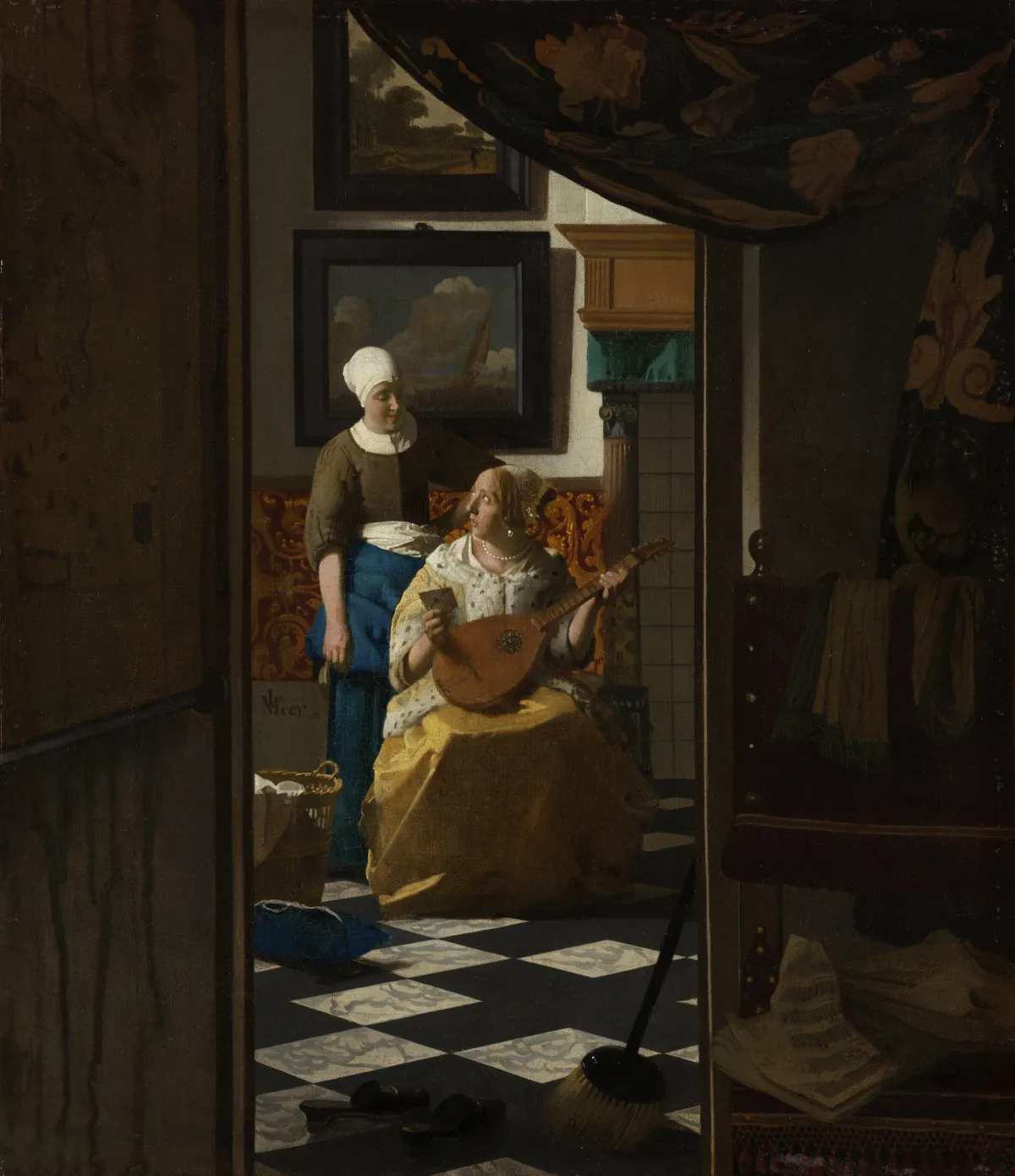
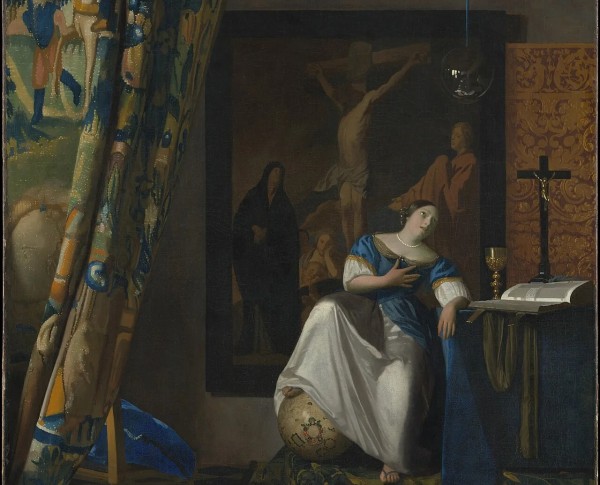
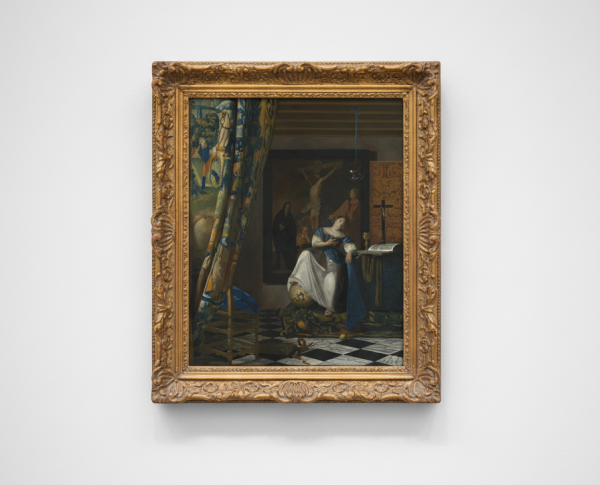
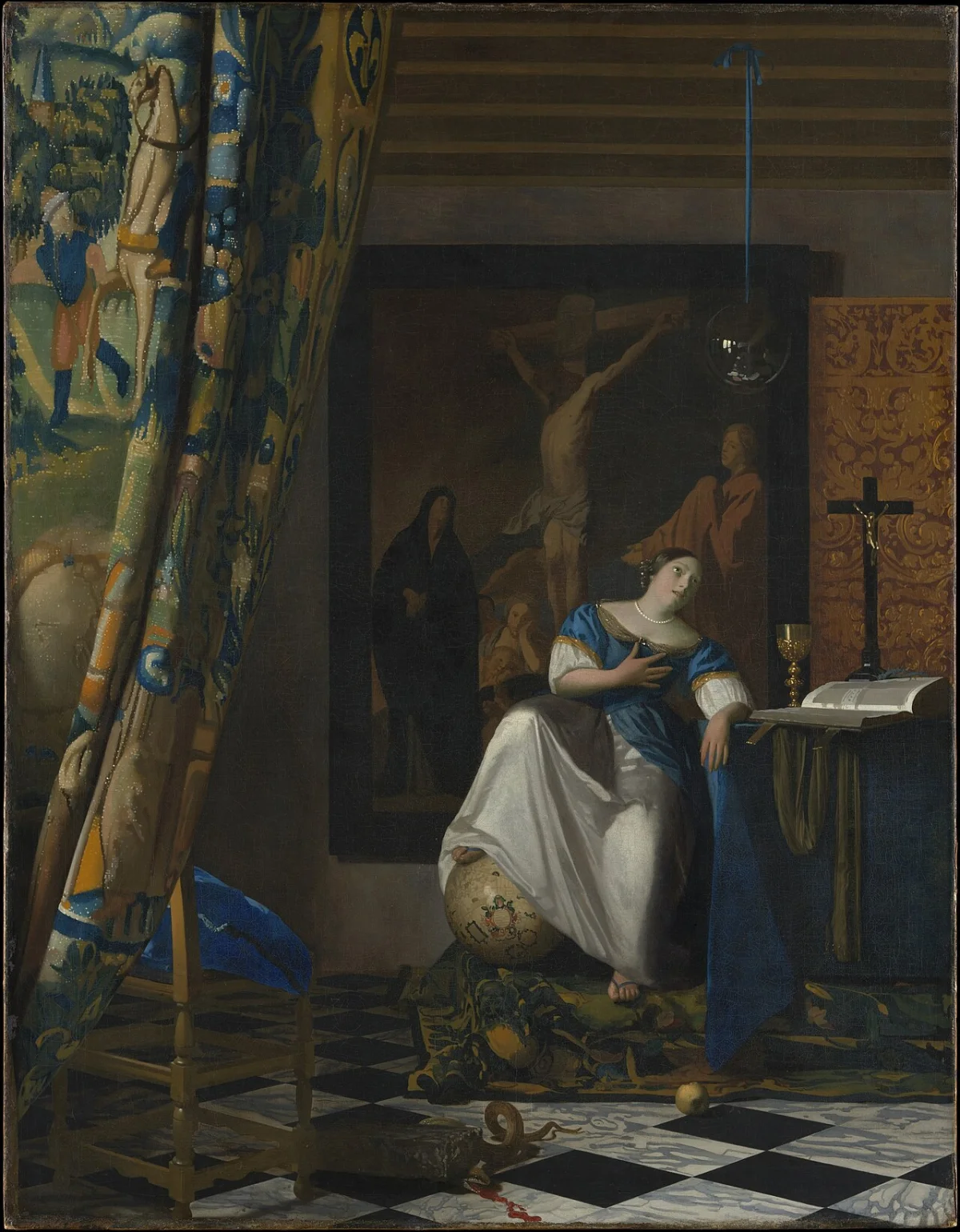
The narrative within "The Geographer" is rich with meaning, as Vermeer Van Delft subtly embeds symbols of exploration and intellect. This fine art painting for sale invites viewers to ponder the world of maps, globes, and scholarly pursuits. Similar themes can be found in "Allegory of the Catholic Faith" and other Dutch Golden Age pieces. Collectors and enthusiasts are drawn to the story and symbolism woven into every element of this remarkable artwork.
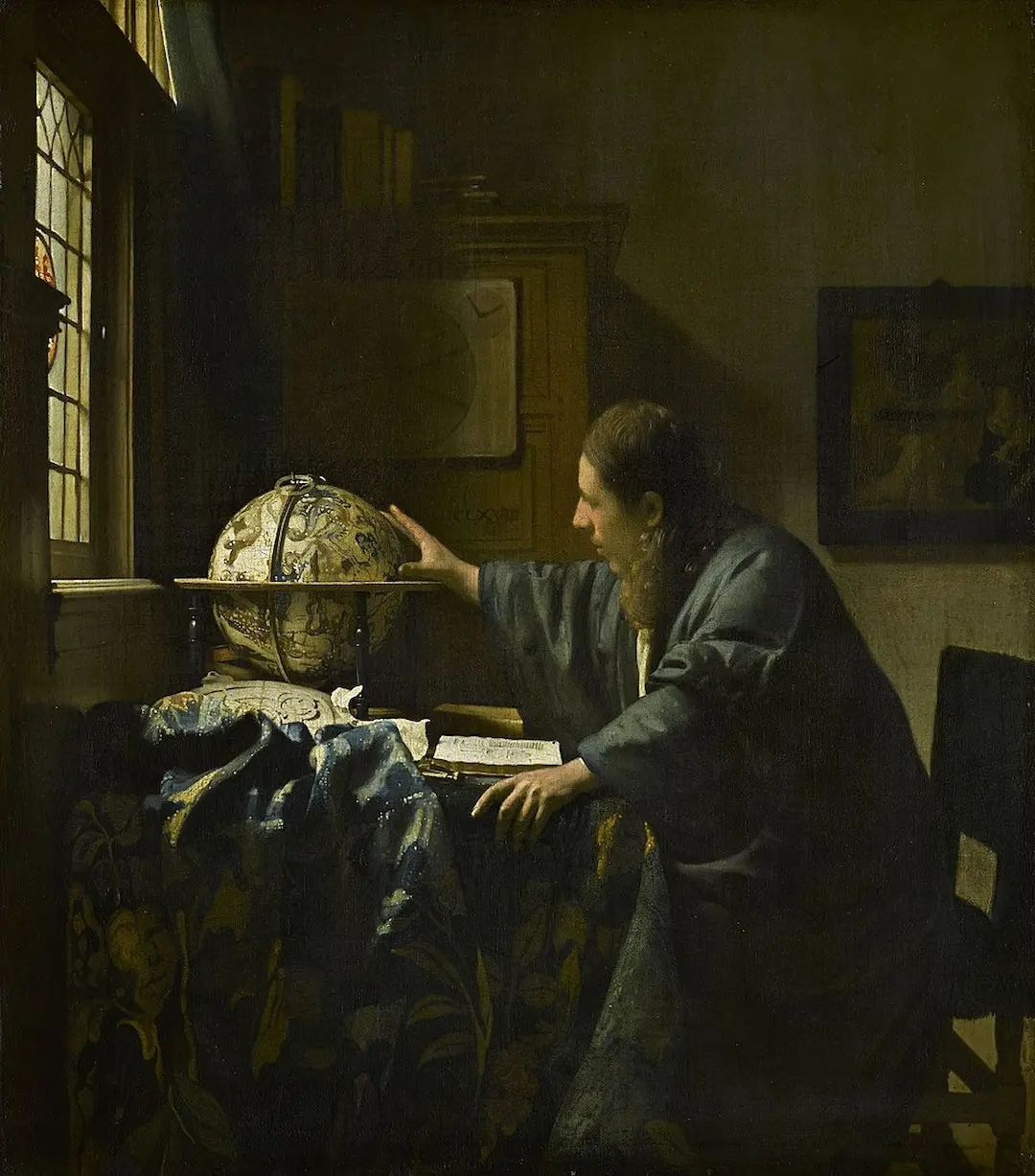
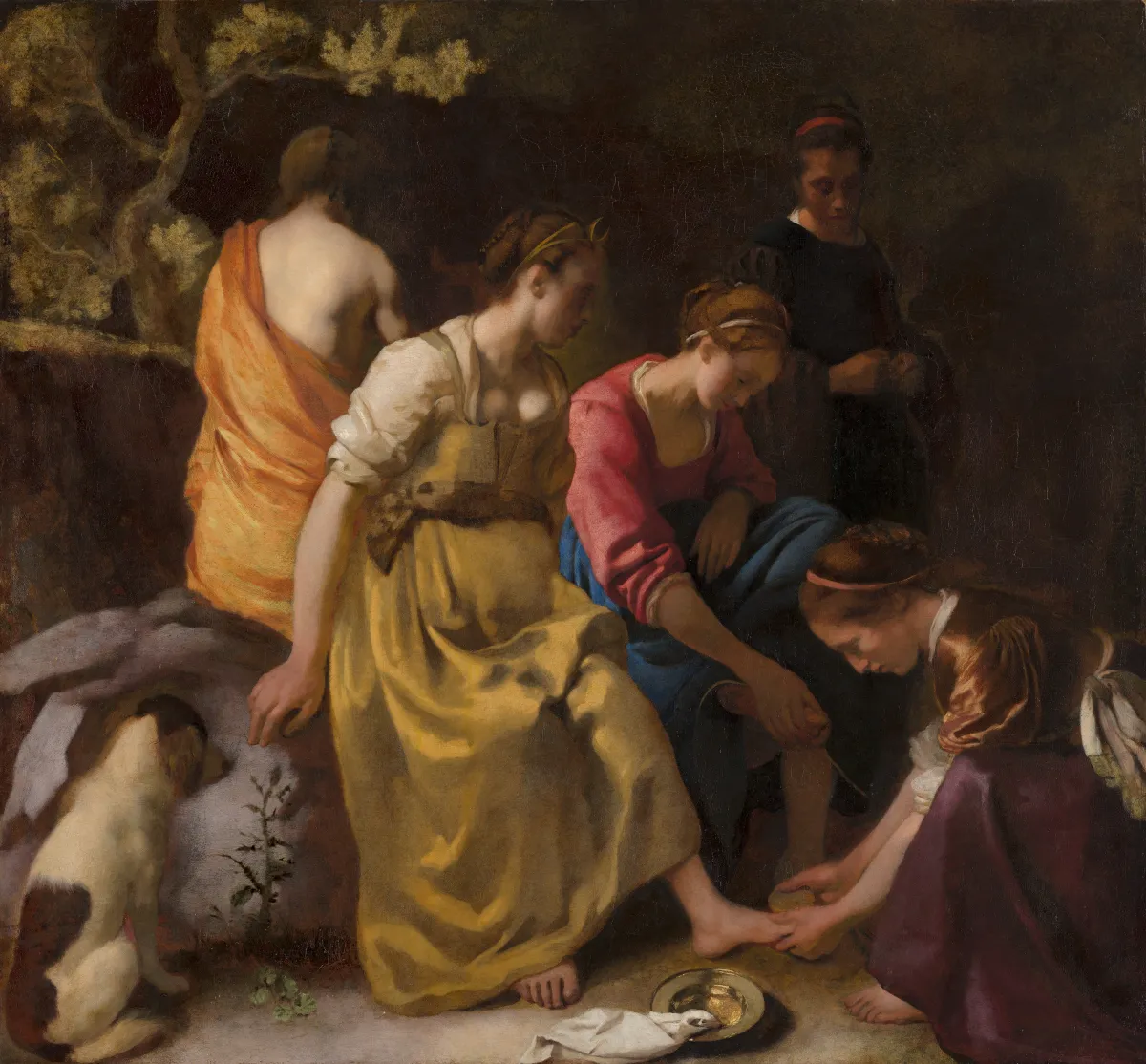
"The Geographer" by Jan Vermeer Van Delft is highly sought after as a fine art painting for sale, admired for its historical significance and artistic mastery. Collectors value its connection to the Dutch Golden Age and its relation to masterpieces like "The Astronomer c. 1668." Whether displayed alongside "Diana and her Nymphs" or "Girl with a Pearl Earring c. 1665," this painting remains a prized addition to any distinguished art collection.
When Art Meets History
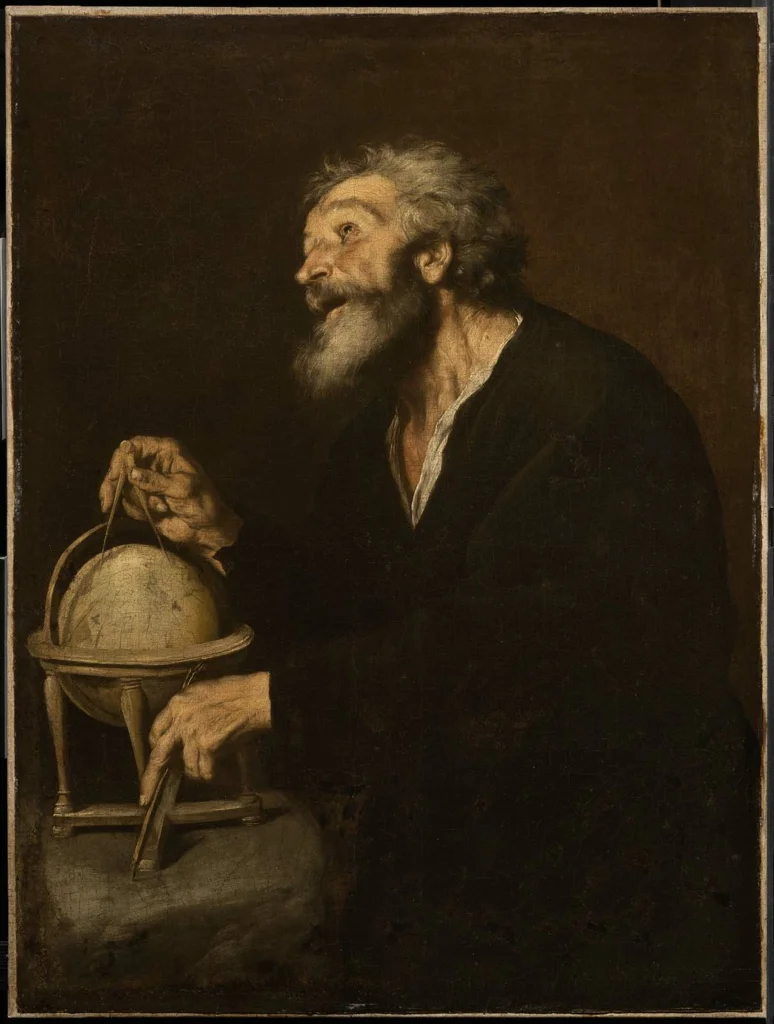
Jan Vermeer Van Delft’s masterpiece, "The Geographer," stands as a testament to the Dutch Golden Age, capturing the spirit of discovery and intellectual fervor of 17th-century Europe. This hand-painted oil painting not only reflects Vermeer’s meticulous approach but also echoes the era’s fascination with science and exploration. Alongside related works like "The Night Watch" and "Philosopher in Meditation 1632," "The Geographer" brings the rich heritage of Dutch fine art to life for modern admirers.
Techniques That Speak
"The Geographer" showcases Vermeer’s exceptional skill with oil on canvas, particularly his mastery of light and texture. The artist’s technique, evident in the interplay of illumination and shadow, draws viewers into the contemplative mood of the subject. Vermeer’s approach is often compared to other Dutch Golden Age masters whose works, such as "Man in a Golden Helmet c. 1650," also exemplify the era’s dedication to realism and exquisite detail in painting.
Emotions on Display
Jan Vermeer Van Delft’s "The Geographer" reveals a moment of intense introspection, a hallmark of fine art painting for sale from the Dutch Golden Age. The painting’s subject, lost in thought, echoes the same emotional depth found in masterpieces like "The Return of the Prodigal Son c. 1669." Through subtle facial expressions and body language, Vermeer invites viewers to share in a universal human experience of curiosity and contemplation.
Coveted by Collectors
As a celebrated hand-painted oil painting, "The Geographer" holds a cherished place among collectors of Dutch Golden Age art. Its provenance and association with Jan Vermeer Van Delft make it highly sought after, much like "Christ In The Storm On The Sea Of Galilee." The enduring appeal of such masterpieces ensures their continued appreciation and value in the world of fine art, where discerning collectors seek out authentic works for their historical and artistic significance.
Related Dutch Golden Age Hand-Painted Oil Paintings by Other Artists
Other Famous Dutch Golden Age Artists:
Frequently Asked Questions About The Geographer
What is the historical context of "The Geographer"?
"The Geographer" was painted by Jan Vermeer Van Delft in 1669, during the Dutch Golden Age, a period marked by great wealth and cultural achievement in the Netherlands.
What artistic techniques did Vermeer employ in "The Geographer"?
Vermeer utilized a meticulous approach to light and shadow, employing chiaroscuro to create depth and realism. His use of color is also notable, particularly the vibrant blues and yellows that characterize the work.
What is the significance of the geographer in the painting?
The geographer represents the pursuit of knowledge and exploration during the Age of Enlightenment. His focus on maps and globes symbolizes the expanding understanding of the world and the importance of scientific inquiry.
How does "The Geographer" reflect Vermeer's style?
The painting exemplifies Vermeer’s signature style, characterized by intimate indoor scenes, meticulous detail, and an emphasis on light. The composition is balanced and harmonious, showcasing his mastery of perspective.
What symbols are present in "The Geographer"?
Key symbols include the globe and the compass, which represent navigation and discovery. The open map suggests a quest for knowledge, while the geographer’s contemplative pose indicates a deep engagement with his work.
What role does light play in "The Geographer"?
Light is a crucial element in "The Geographer," illuminating the figure and the objects around him, creating a sense of realism and drawing the viewer’s attention to the subject's concentration and the intricacies of his work.
How does "The Geographer" compare to Vermeer’s other works?
While many of Vermeer’s works focus on domestic scenes, "The Geographer" stands out for its intellectual theme. It shares his characteristic attention to detail and light but diverges by emphasizing scholarly pursuits over everyday life.
What materials did Vermeer use in "The Geographer"?
Vermeer is believed to have used oil paints on canvas for "The Geographer." His palette often included expensive pigments, such as ultramarine, derived from lapis lazuli, which was highly prized during his time.
What influence did "The Geographer" have on later artists?
"The Geographer" has influenced numerous artists who admire Vermeer’s technique and composition. His ability to convey depth and narrative through light and color continues to inspire contemporary painters and art enthusiasts.
Where can I view "The Geographer" today?
"The Geographer" is part of the collection at the Frankfurt Städel Museum in Germany, where it is preserved and displayed for public viewing, allowing visitors to appreciate Vermeer’s artistry firsthand.






















_GFM_Painting_(1).webp)


 100% Hand-Painted: Finished in 3-6 Weeks

.png)















_(1).webp)