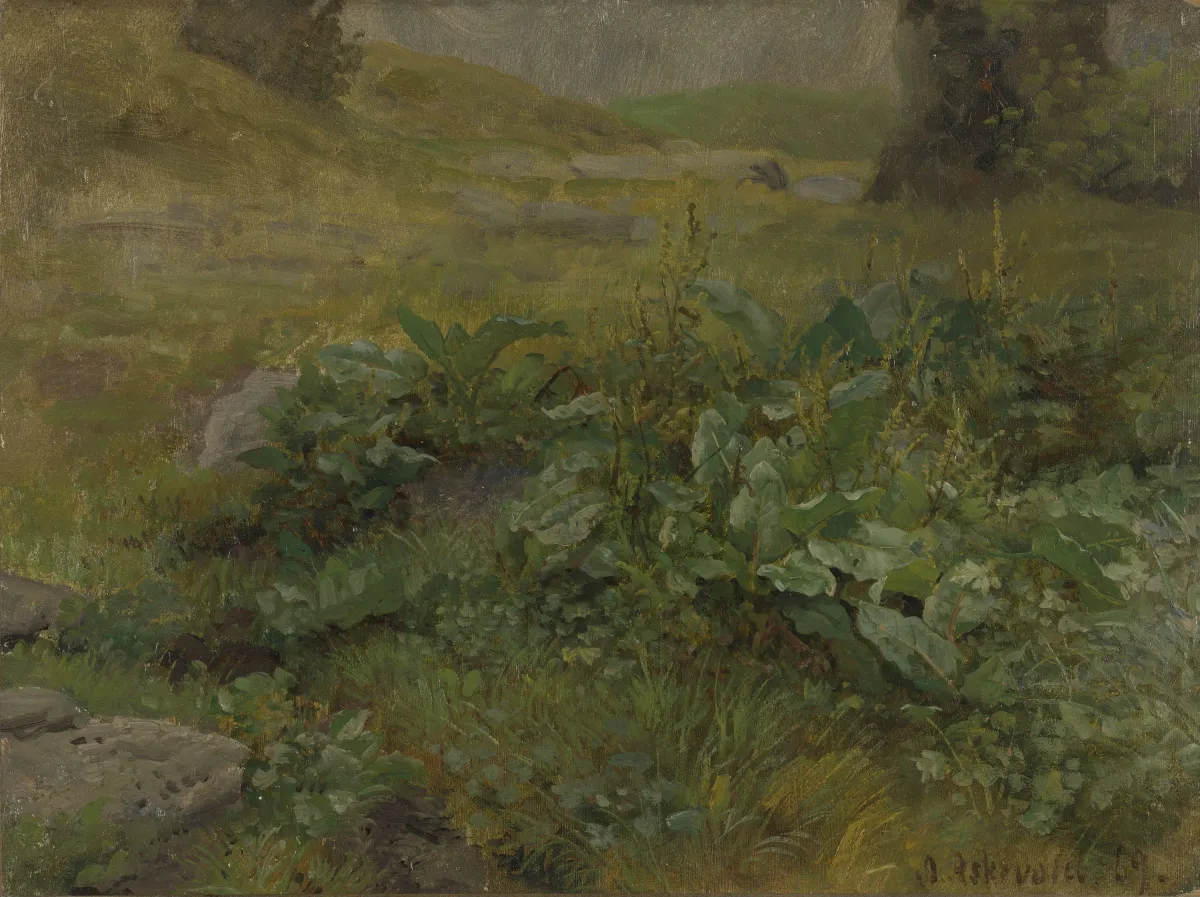
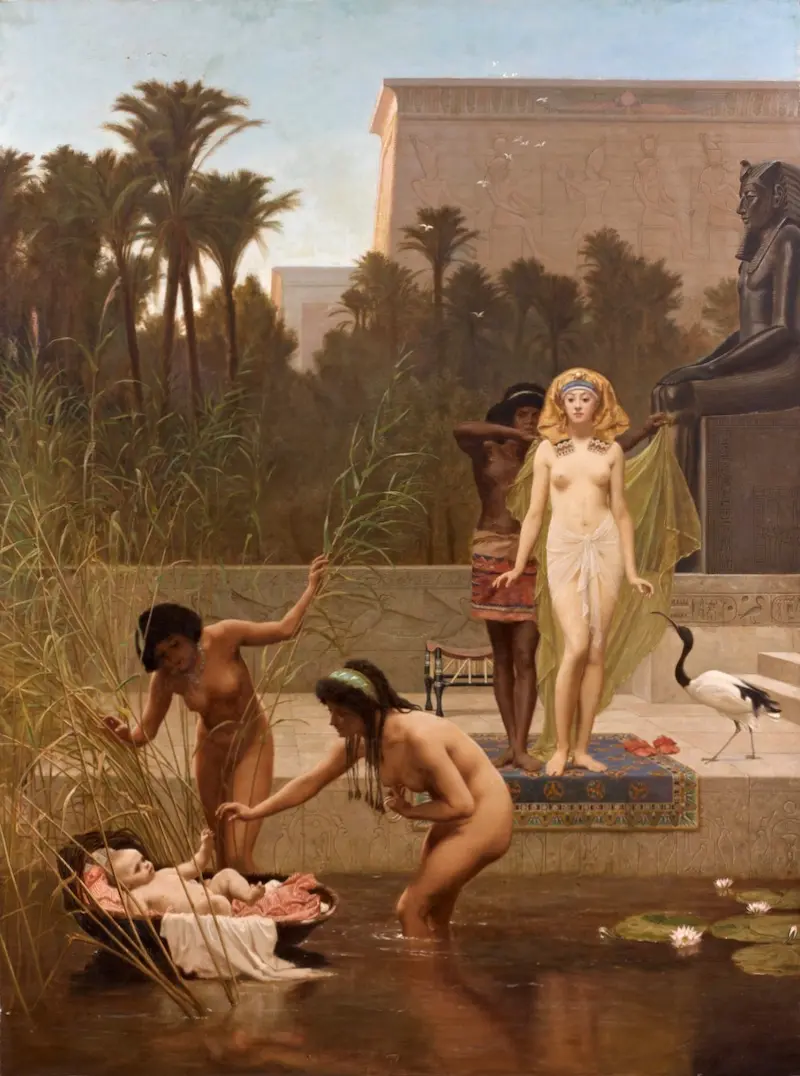
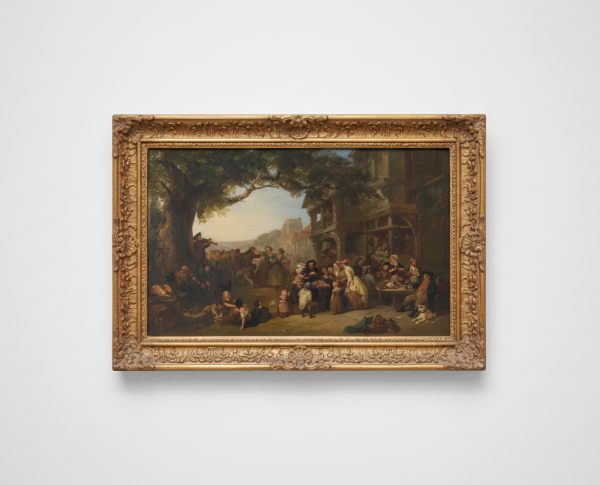
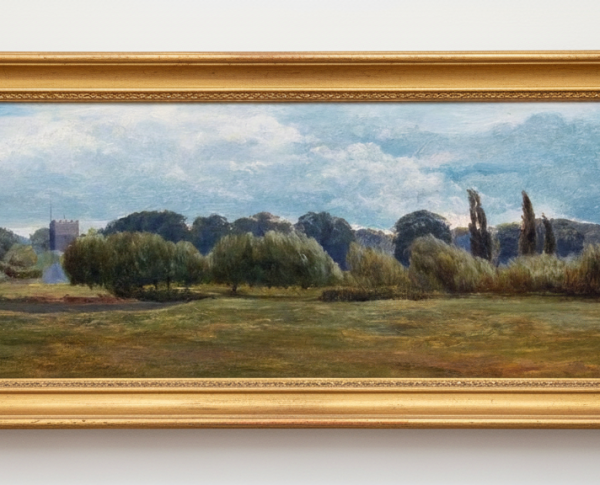
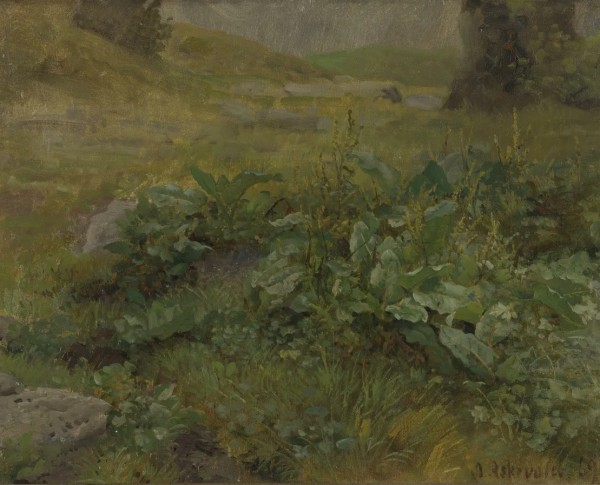
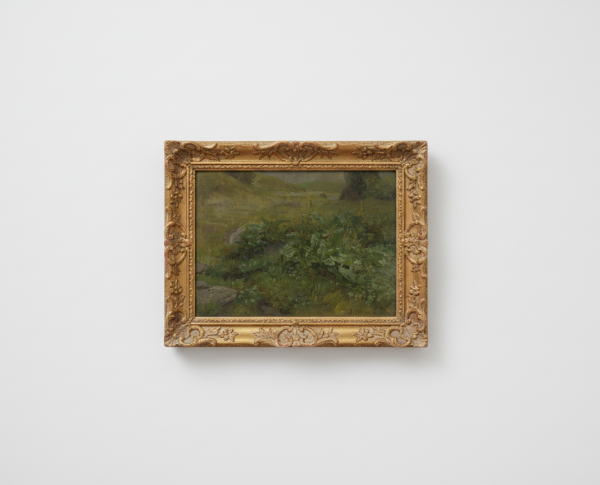
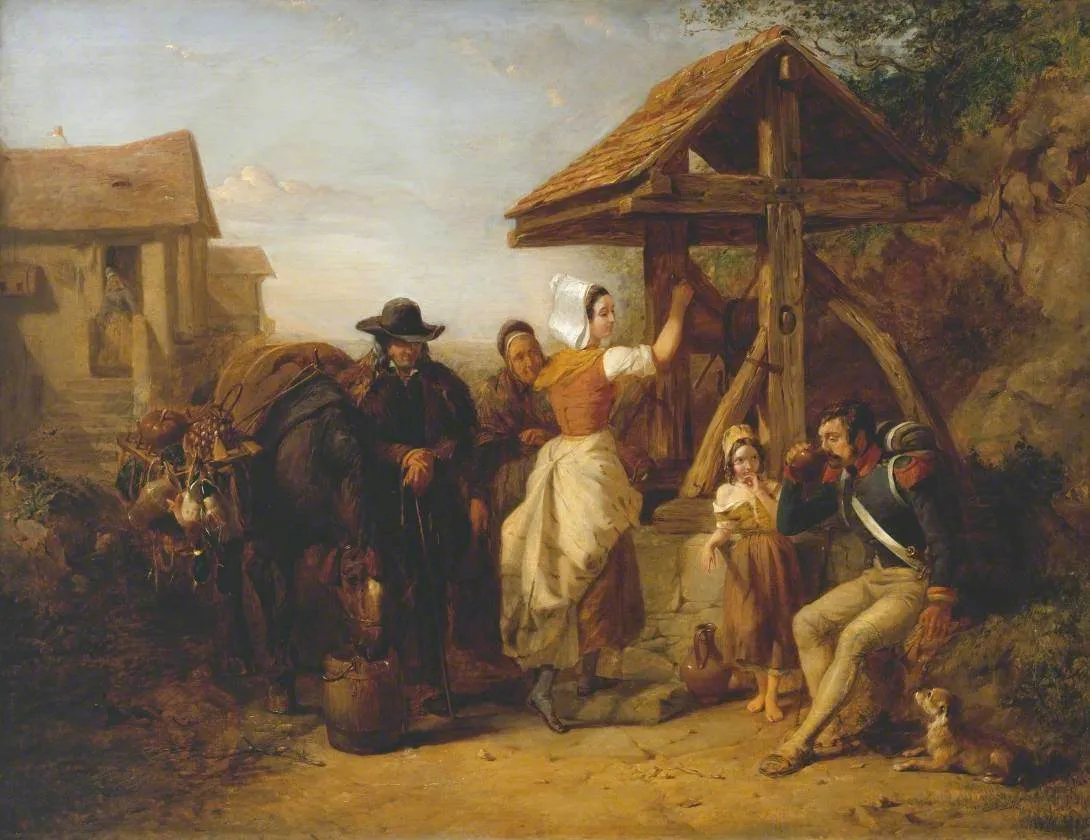
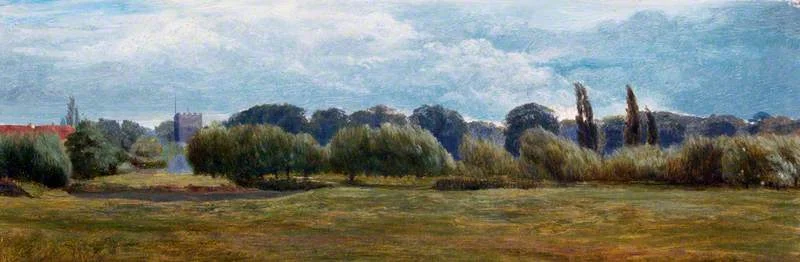
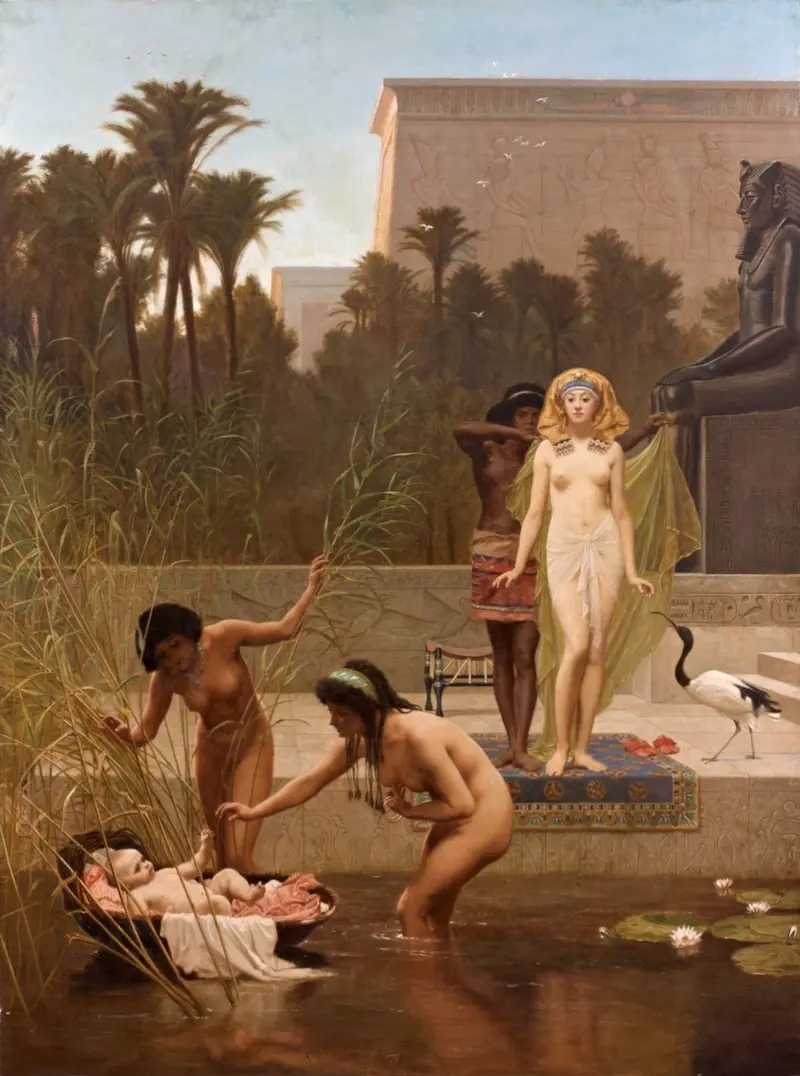
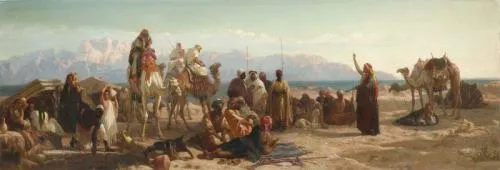
Frederick Goodall’s expertise shines in every aspect of this oil on canvas masterpiece. His precise brushwork and mastery of light highlight the exhaustion and resilience of the soldier, set against a tranquil roadside scene. As a distinguished artist of the Victorian Academic Art era, Goodall’s works, including "Landscape Study" and "The Finding of Moses," reveal his dedication to the medium and his ability to convey deep emotion through classic techniques.
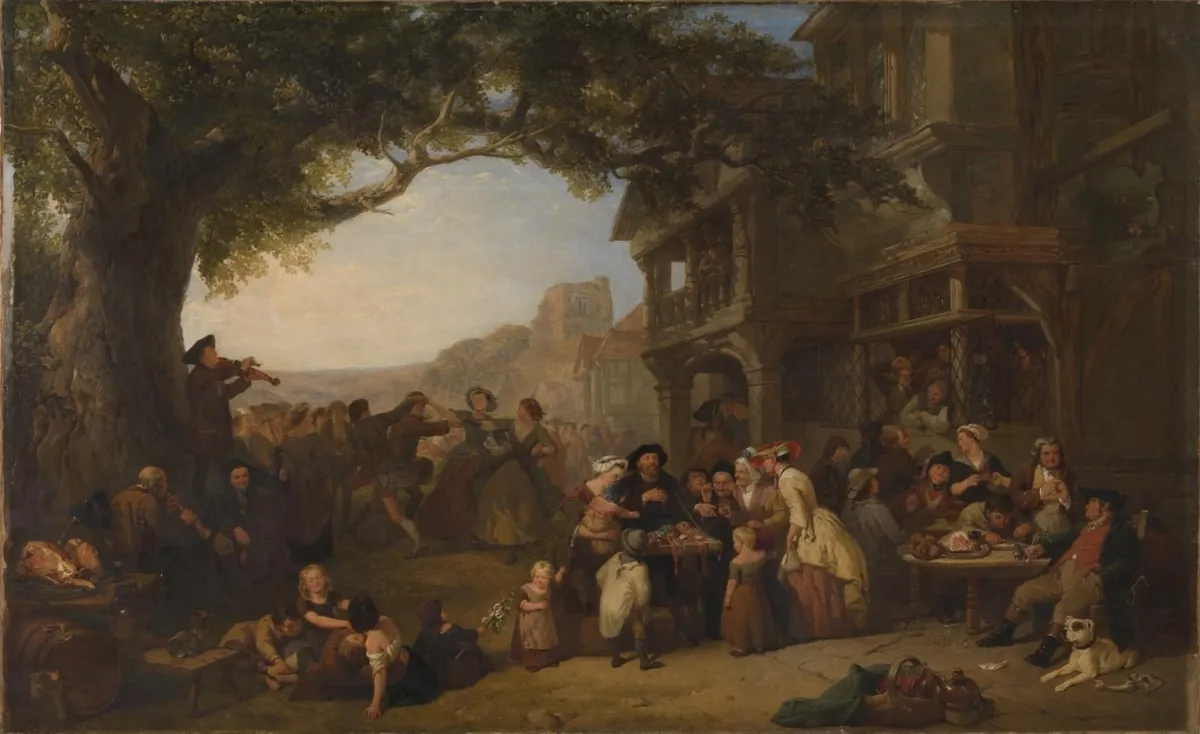
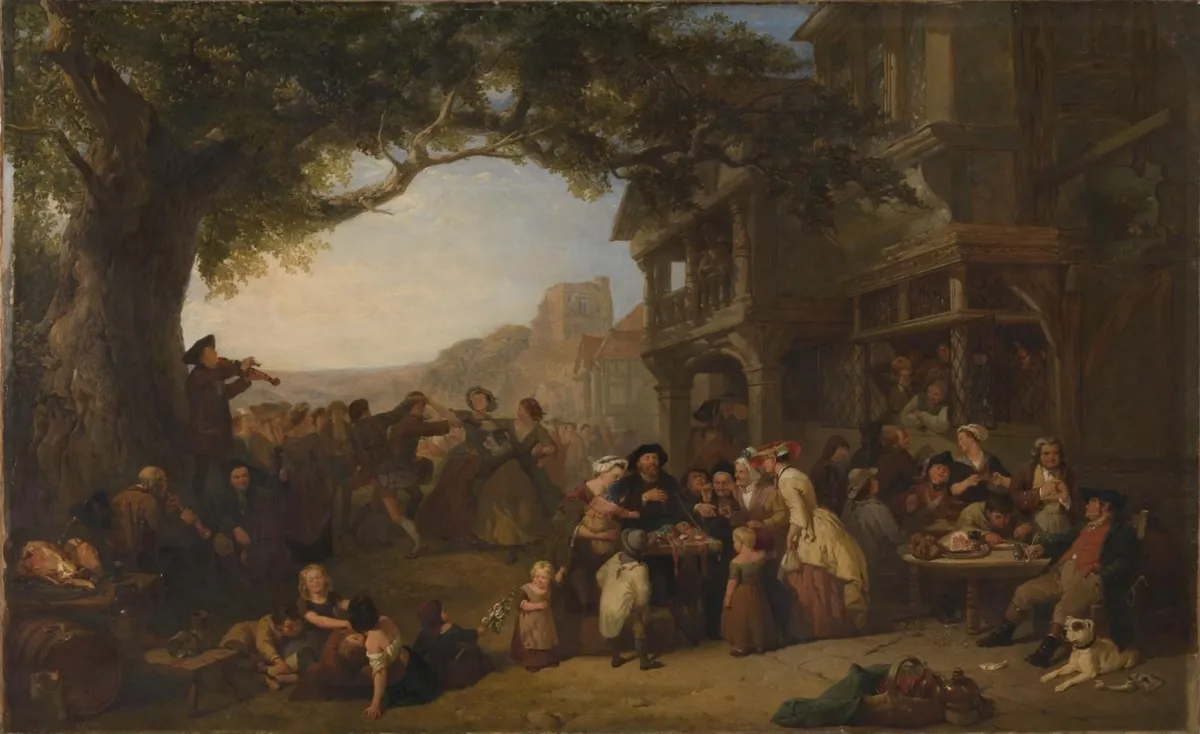
This fine art painting for sale is more than a visual delight; it is steeped in narrative and symbolism. "The Tired Soldier Resting At A Roadside Well" invites viewers to reflect on themes of rest, perseverance, and humanity. Frederick Goodall’s use of everyday moments, as seen in works like "Cottage Interior" and "Street Musician," connects Victorian ideals with universal human experiences, making each piece a timeless story on canvas.
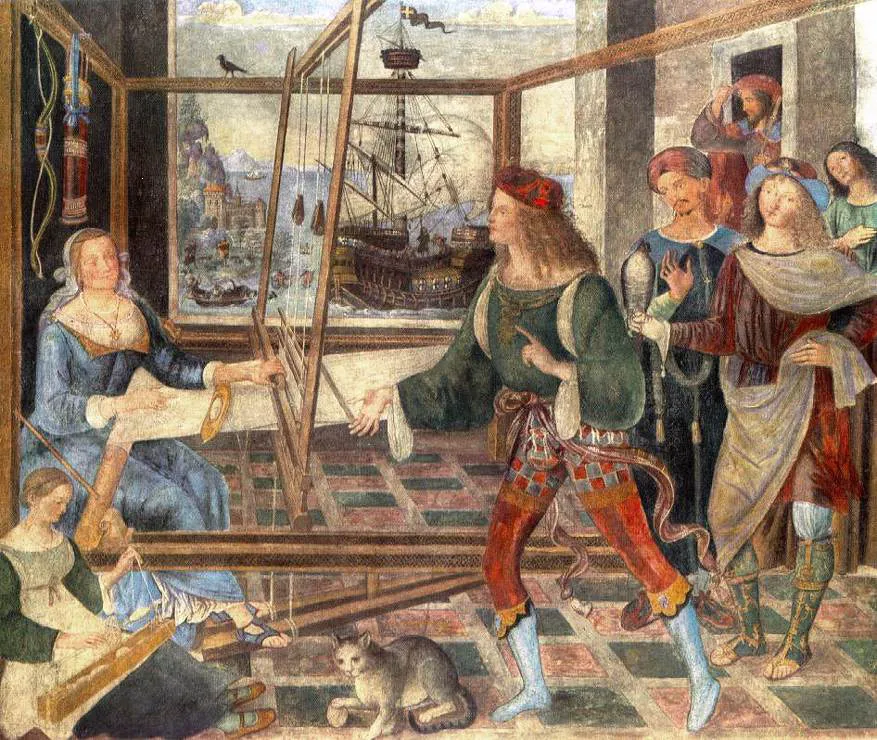
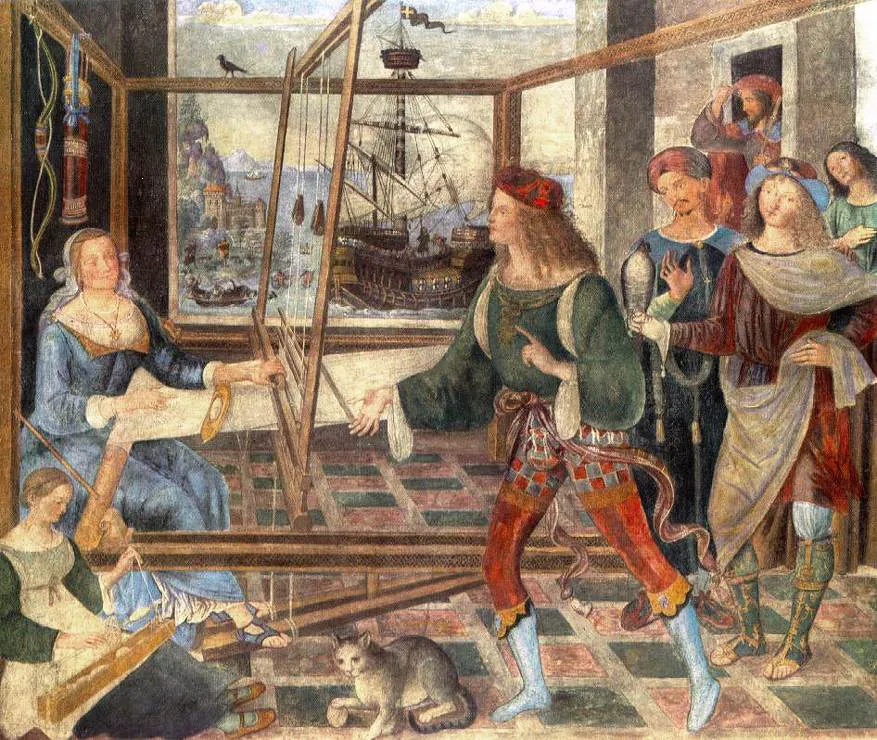
Owning "The Tired Soldier Resting At A Roadside Well" by Frederick Goodall is a privilege for any art lover seeking a hand-painted oil painting from the Victorian Academic Art movement. Collectors value similar works such as "Two Woman And A Man" for their historical significance and exquisite craftsmanship. This painting stands as a testament to Goodall’s legacy and offers a unique opportunity to own a piece of fine art history.
When Art Meets History
Frederick Goodall’s "The Tired Soldier Resting At A Roadside Well" is a remarkable example of Victorian Academic Art, capturing not just a moment in time but a broader historical narrative. This hand-painted oil painting brings to life the era’s fascination with storytelling through visuals. Goodall, known for his attention to detail, often depicted scenes rich in historical context, and this work stands out among his oeuvre. The painting immerses viewers in the world of 19th-century soldiers and their everyday realities.
Techniques That Speak
In "The Tired Soldier Resting At A Roadside Well," Goodall masterfully employs oil on canvas to create a lifelike rendering of the weary soldier and his tranquil surroundings. The artist’s brushwork and use of light exemplify the technical prowess characteristic of Victorian Academic Art. Through nuanced shading and composition, Goodall brings texture and emotion to the foreground. This painting demonstrates his ability to balance realism with artistic interpretation, making it a standout piece among oil on canvas works of the period.
Emotions on Display
Goodall’s "The Tired Soldier Resting At A Roadside Well" conveys a profound sense of exhaustion and relief, drawing the viewer into the soldier’s quiet moment of respite. The artist’s sensitivity to human emotion is evident in every brushstroke, a hallmark of Victorian Academic Art. This fine art painting for sale not only showcases technical mastery but also the ability to evoke empathy and contemplation. Goodall’s work resonates with collectors and art lovers for its emotional depth and timeless relevance.
Coveted by Collectors
As a distinguished example of Victorian Academic Art, "The Tired Soldier Resting At A Roadside Well" by Frederick Goodall is highly sought after by art collectors. The painting’s historical significance and exquisite craftsmanship make it a prized hand-painted oil painting for any collection. Goodall’s reputation, alongside similar works, ensures continued interest and admiration. Collectors recognize the enduring value and beauty found in his art, making this painting a coveted addition to galleries and private collections alike.
Frequently Asked Questions About The Tired Soldier Resting At A Roadside Well
What is the historical context of "The Tired Soldier Resting At A Roadside Well"?
This painting was created during the Victorian era, a time marked by significant social and political changes, including the impact of the British Empire and the experiences of soldiers in various conflicts.
Who was Frederick Goodall and what is his significance in art history?
Frederick Goodall was a prominent British painter known for his detailed landscapes and historical scenes. His works often reflect the Romantic ideals of the time, focusing on human emotion and the beauty of nature.
What artistic techniques did Goodall employ in this painting?
Goodall utilized a combination of realism and Romanticism, employing meticulous brushwork and a rich color palette to convey emotion and depth, particularly in the depiction of light and shadow.
What does the soldier symbolize in this artwork?
The soldier represents the weariness and struggles faced by individuals during wartime, embodying themes of sacrifice, resilience, and the longing for peace amidst conflict.
How does the setting contribute to the painting's overall message?
The roadside well serves as a symbol of respite and hope, contrasting the soldier's fatigue with the potential for renewal and recovery, thus highlighting the duality of war and peace.
What emotions are conveyed through the soldier's posture and expression?
The soldier's slumped posture and contemplative expression evoke a sense of exhaustion and introspection, inviting viewers to empathize with his plight and reflect on the broader human experience of war.
In what ways does this painting reflect the artistic trends of the Victorian era?
The painting reflects the Victorian era's fascination with realism and emotional depth, showcasing a blend of historical narrative and personal experience, which was prevalent among artists of the time.
What role does color play in "The Tired Soldier Resting At A Roadside Well"?
Color is used strategically to evoke mood; the earthy tones create a sense of realism and grounding, while softer hues in the background suggest tranquility and the possibility of solace.
How has this painting been received by critics and art historians?
This work has been praised for its emotional depth and technical skill, often regarded as a significant representation of Goodall's ability to capture the human condition within a historical context.
What themes are prevalent in "The Tired Soldier Resting At A Roadside Well"?
The themes of weariness, the impact of war on the individual, and the search for peace are central to this painting, encouraging viewers to contemplate the cost of conflict on both personal and societal levels.























_GFM_Painting_(1).webp)


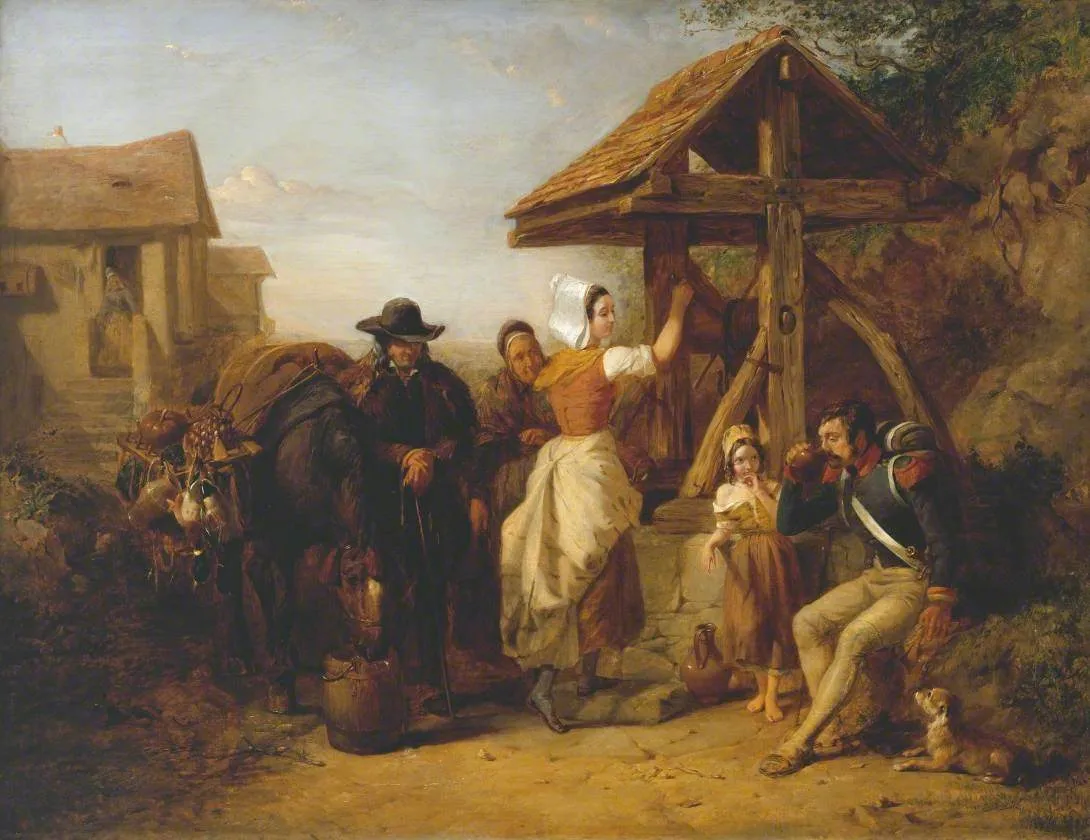
 100% Hand-Painted: Finished in 3-6 Weeks

.png)















_(1).webp)