



















_GFM_Painting_(1).webp)



Showing 0 ( )


GFM TrustScore 4.9


Your favourites are only temporarily saved. To find them back, create your account on GFM Painting!
Already have account ?
No gift cards in your cart.

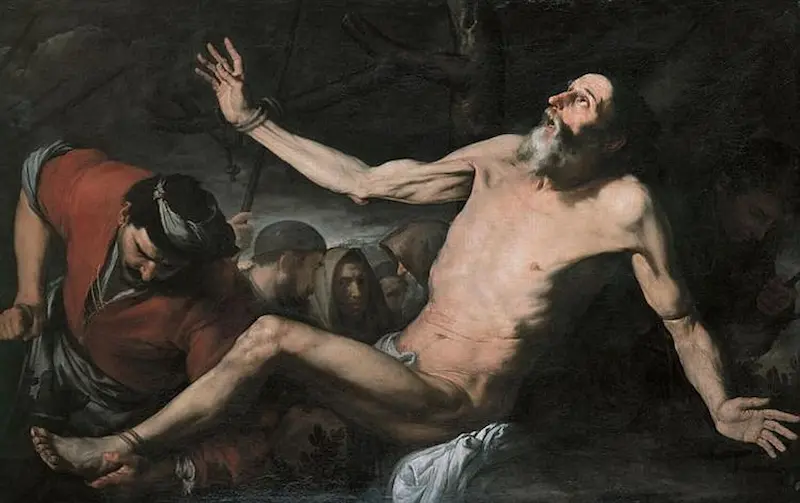
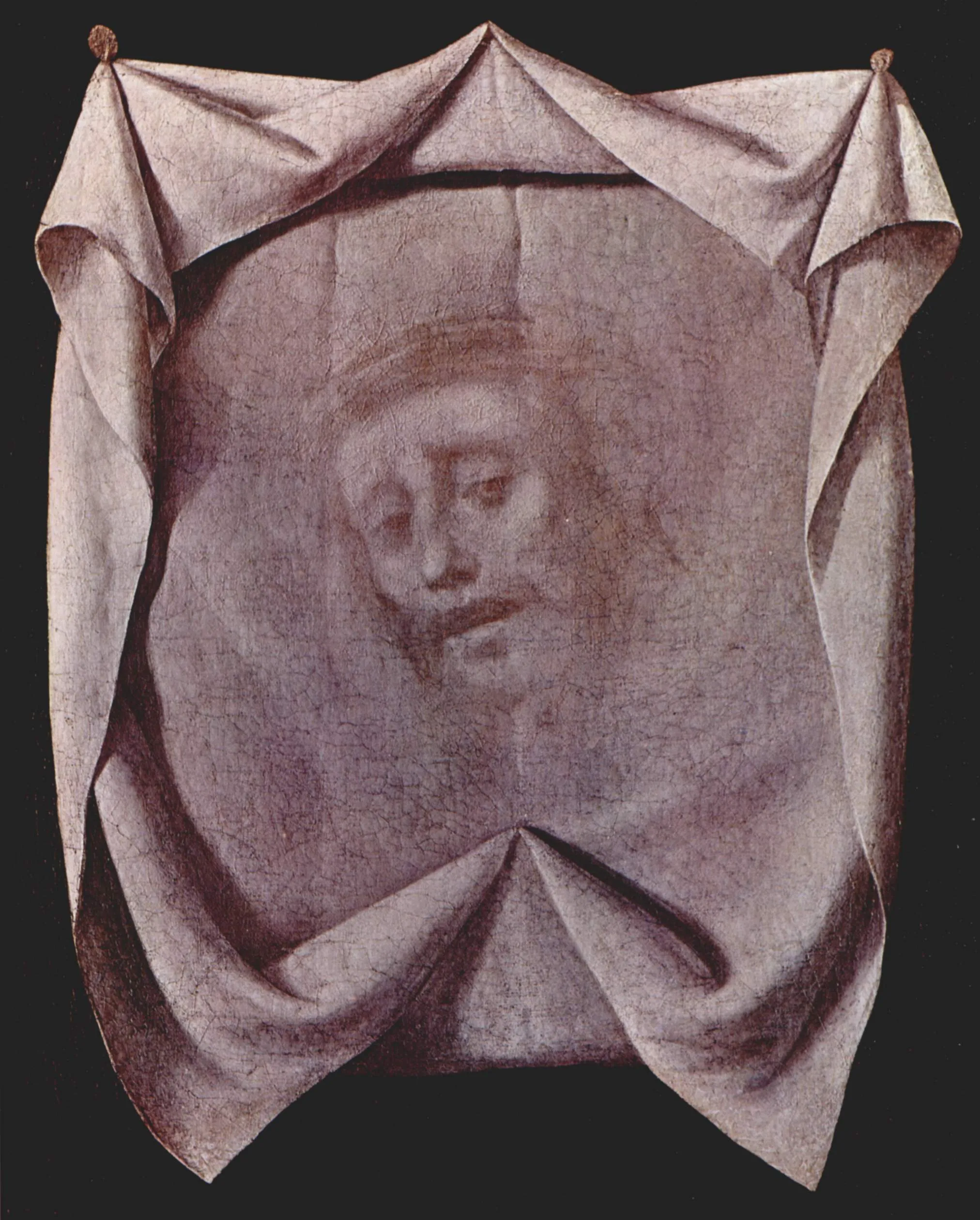
GFM Painting expertly recreates the masterpieces of Francisco de Zurbaran, such as Saint Serapion, The Apotheosis of Saint Thomas Aquinas, and Agnus Dei, employing traditional hand-painted techniques to ensure authentic, museum-quality reproductions.
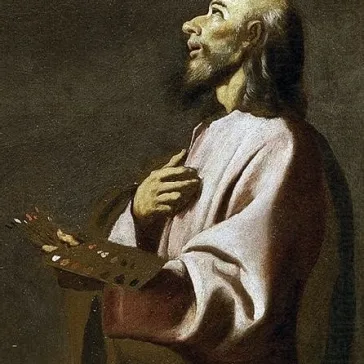
Francisco de Zurbaran is renowned for his intense religious compositions, such as Christ on the Cross, characterized by dramatic lighting and realism. His works epitomize the Baroque movement’s emotional depth. Learn more at Wikipedia.
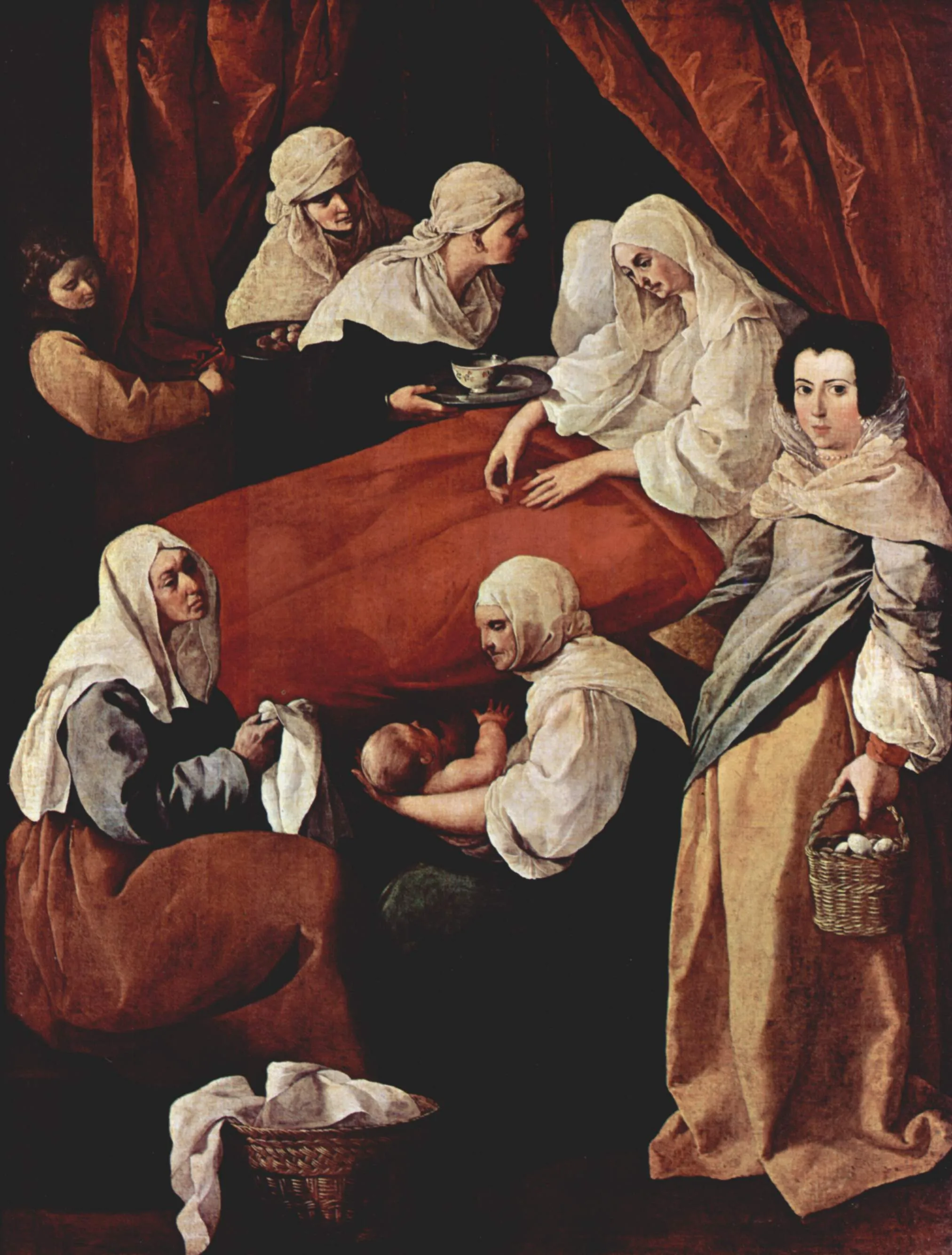
Francisco de Zurbaran developed his style through studying Caravaggio’s tenebrism and Spanish mysticism. His paintings, like Birth of the Virgin, showcase stark contrasts and serene figures, hallmarks of the Baroque era. Further details can be found on WikiArt.
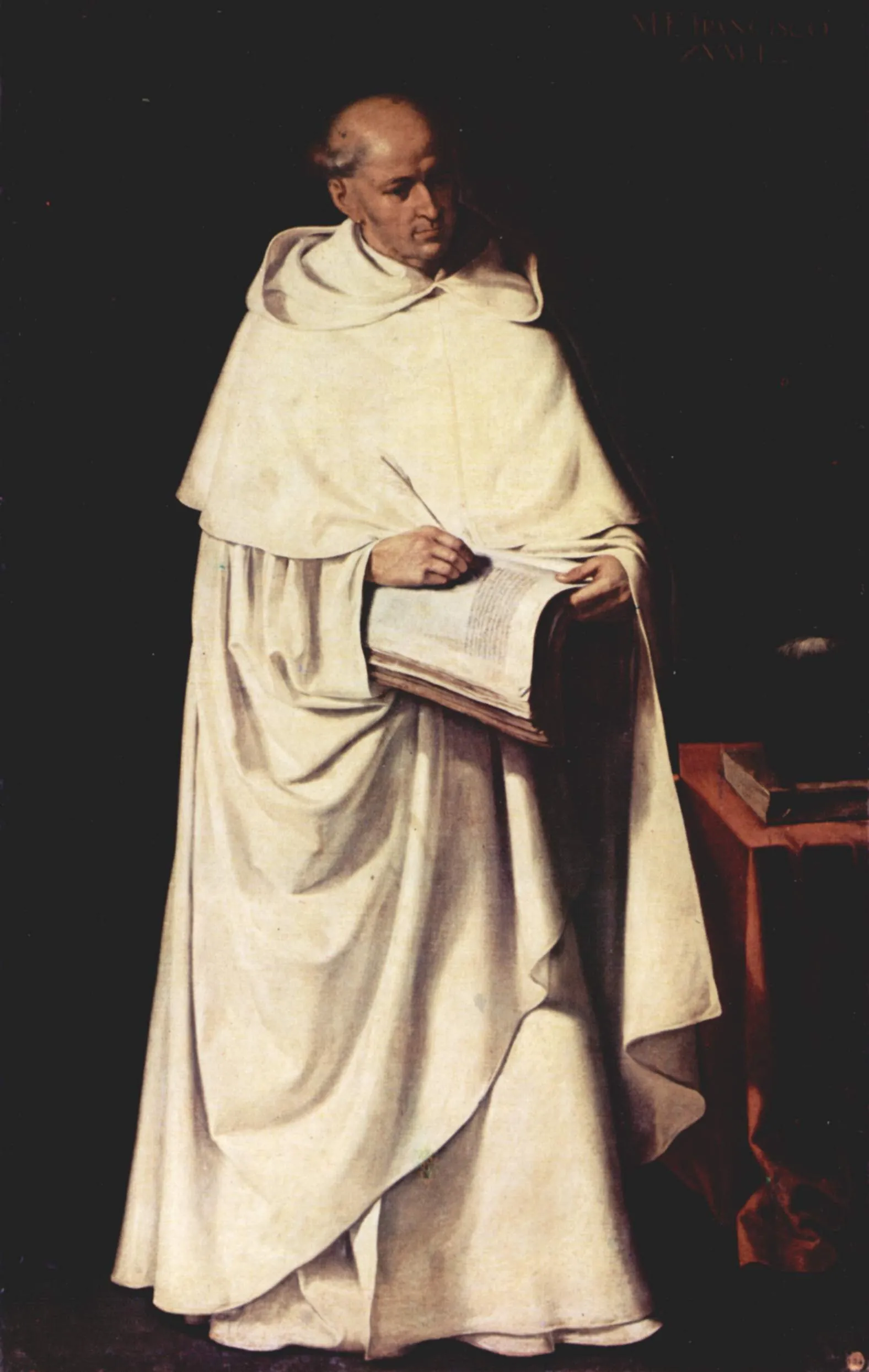
Francisco de Zurbaran holds a pivotal place in art history for his masterful depiction of spiritual intensity, as seen in Portrait of Fra Zumel Francisco. His contributions shaped the Spanish Baroque aesthetic. More information is available at Wikipedia.
Francisco de Zurbarán (born November 7, 1598) stands as one of Spain’s most revered Baroque painters. Renowned for his deeply spiritual compositions and meticulous technique, Zurbarán’s legacy continues to inspire collectors and enthusiasts seeking museum-quality artworks and hand-painted reproductions that capture the essence of the Baroque era.
Zurbarán is celebrated for his dramatic use of chiaroscuro, a technique that masterfully contrasts light and shadow to create intense visual depth. His paintings often feature serene figures, typically saints, monks, and martyrs, rendered with astonishing realism. The simplicity of his compositions, combined with a profound sense of stillness, sets his work apart from other Baroque masters.
Employing oil on canvas, Zurbarán paid extraordinary attention to detail, particularly in the depiction of fabrics and textures. Each brushstroke contributes to the illusion of three-dimensionality, making his paintings ideal references for hand-painted reproductions. His focus on naturalistic rendering and subtle gradations of color has made his technique a touchstone for artists and restorers alike.
Among his most celebrated pieces are The Apotheosis of Saint Thomas Aquinas, Saint Serapion, and Still Life with Lemons, Oranges and a Rose. These works are housed in major institutions worldwide, admired for their spiritual intensity and technical brilliance. Zurbarán’s paintings remain highly sought after by collectors who value museum-quality artworks that embody the spirit of the Spanish Golden Age.
Francisco de Zurbarán’s influence extends well beyond his own lifetime, shaping the development of Spanish Baroque art. His ability to convey emotion through restraint and his devotion to realism have made his oeuvre a benchmark for those interested in both historical and contemporary interpretations of Baroque painting. Today, art lovers continue to seek hand-painted reproductions of his masterpieces, ensuring Zurbarán’s vision endures in homes and galleries around the globe.
With a career rooted in the heart of 17th-century Spain, Zurbarán’s paintings remain a testament to the enduring power of faith and artistry. His legacy is preserved not only in prestigious museum collections but also through the ongoing demand for museum-quality artworks and authentic reproductions that celebrate the timeless beauty of his creations.
Famous Museum Quality Handmade Oil Painting Reproductions.
Showing 0 ( )
Frequently Asked Questions
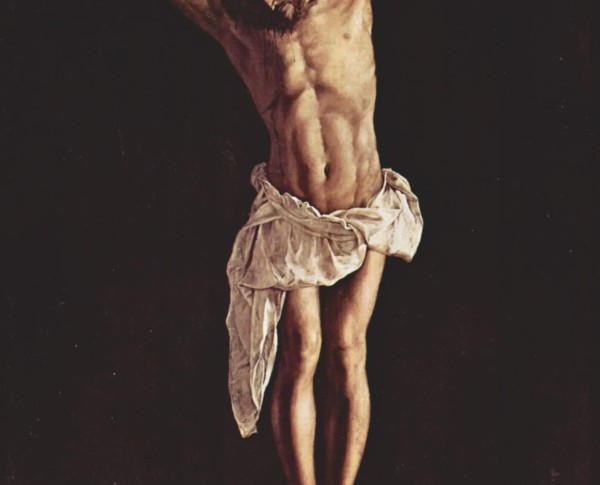
Christ on the Cross by Francisco de Zurbaran Hand-Painted Oil Painting Original - GFM Painting..
VIEW MORE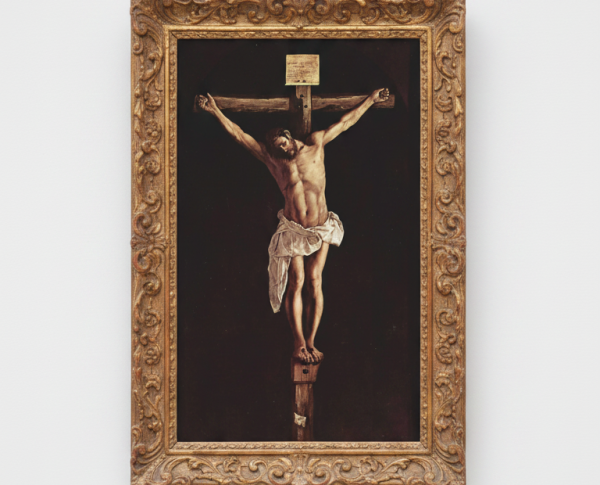
Christ on the Cross by Francisco de Zurbaran Hand-Painted Oil Painting Reproduction - GFM Painting..
VIEW MORE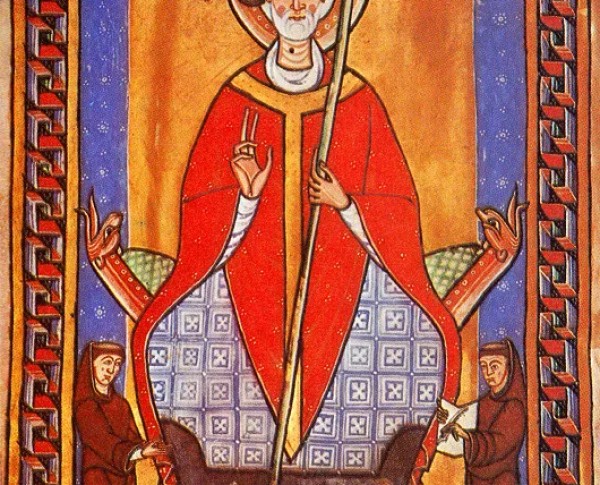
St Gregory by Francisco de Zurbaran Hand-Painted Oil Painting Original - GFM Painting..
VIEW MORE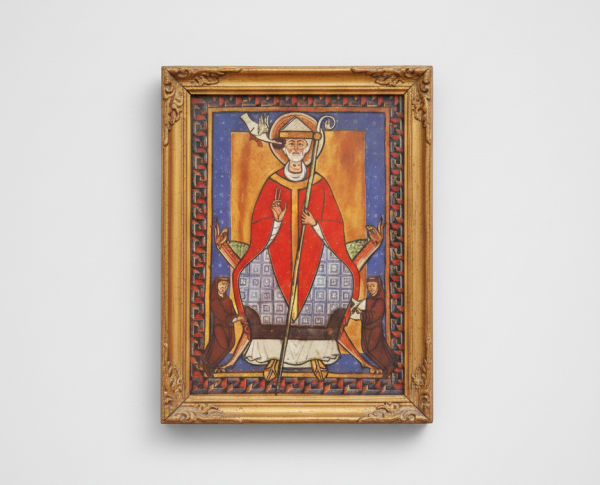
St Gregory by Francisco de Zurbaran Hand-Painted Oil Painting Reproduction - GFM Painting..
VIEW MORE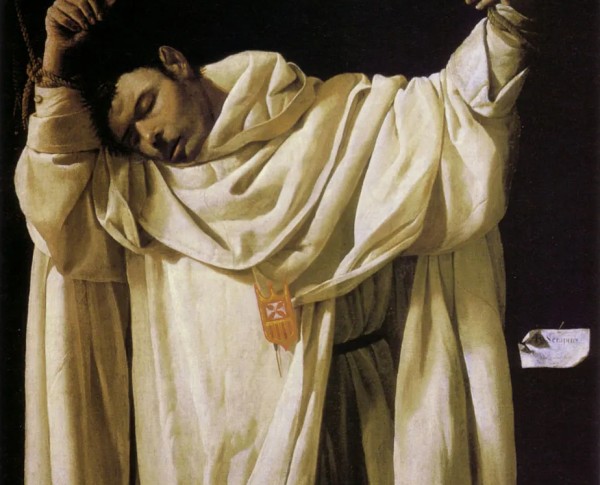
Beato Serapio by Francisco de Zurbaran Hand-Painted Oil Painting Original - GFM Painting..
VIEW MORE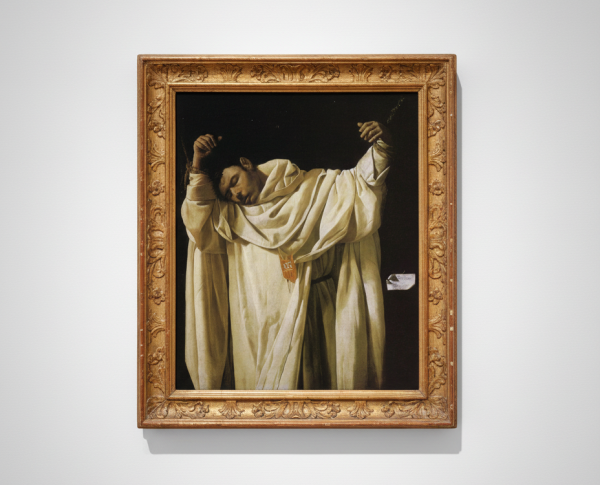
Beato Serapio by Francisco de Zurbaran Hand-Painted Oil Painting Reproduction - GFM Painting..
VIEW MORE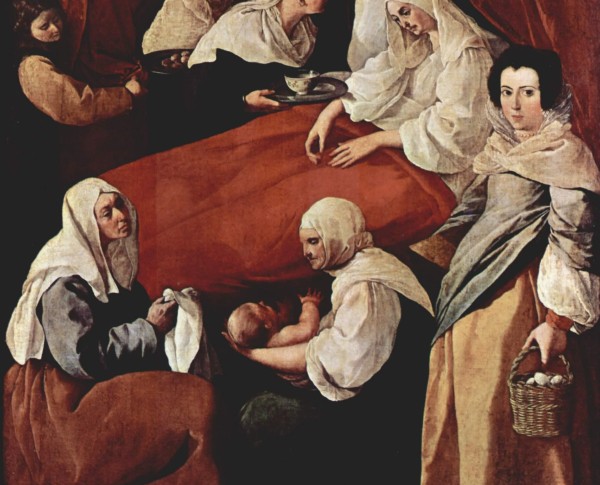
Birth of the Virgin by Francisco de Zurbaran Hand-Painted Oil Painting Original - GFM Painting..
VIEW MORE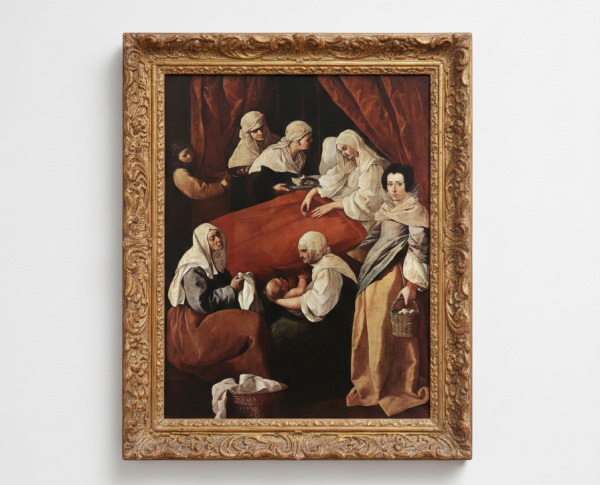
Birth of the Virgin by Francisco de Zurbaran Hand-Painted Oil Painting Reproduction - GFM Painting..
VIEW MORE


 top
top




















 (1).webp)





