


















_GFM_Painting_(1).webp)


Showing 0 ( )


GFM TrustScore 4.9


Your favourites are only temporarily saved. To find them back, create your account on GFM Painting!
Already have account ?
No gift cards in your cart.
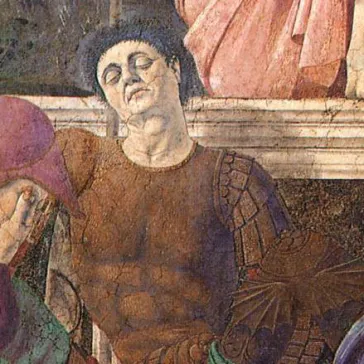

GFM Painting expertly reproduces the masterpieces of Piero della Francesca, such as The Baptism of Christ, Flagellation of Christ, and Portraits of Federico da Montefeltro and Battista Sforza, utilizing traditional hand-painted techniques to ensure museum-quality authenticity.
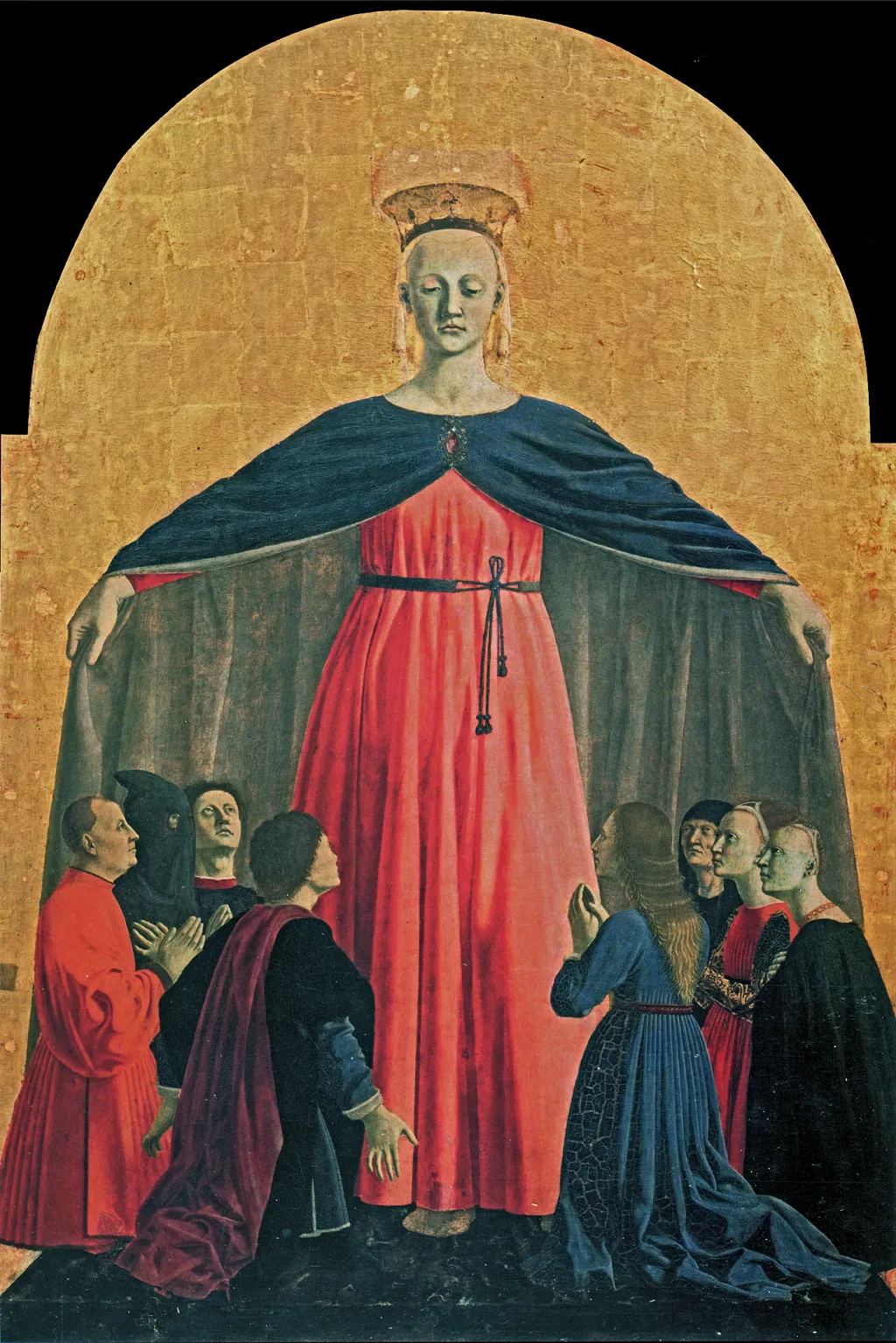
Piero della Francesca is renowned for his mastery of perspective and geometry in painting, exemplified by works like The Madonna of Mercy, as well as his serene, balanced compositions in the Early Renaissance movement. His innovations influenced countless artists. Read more on Wikipedia.
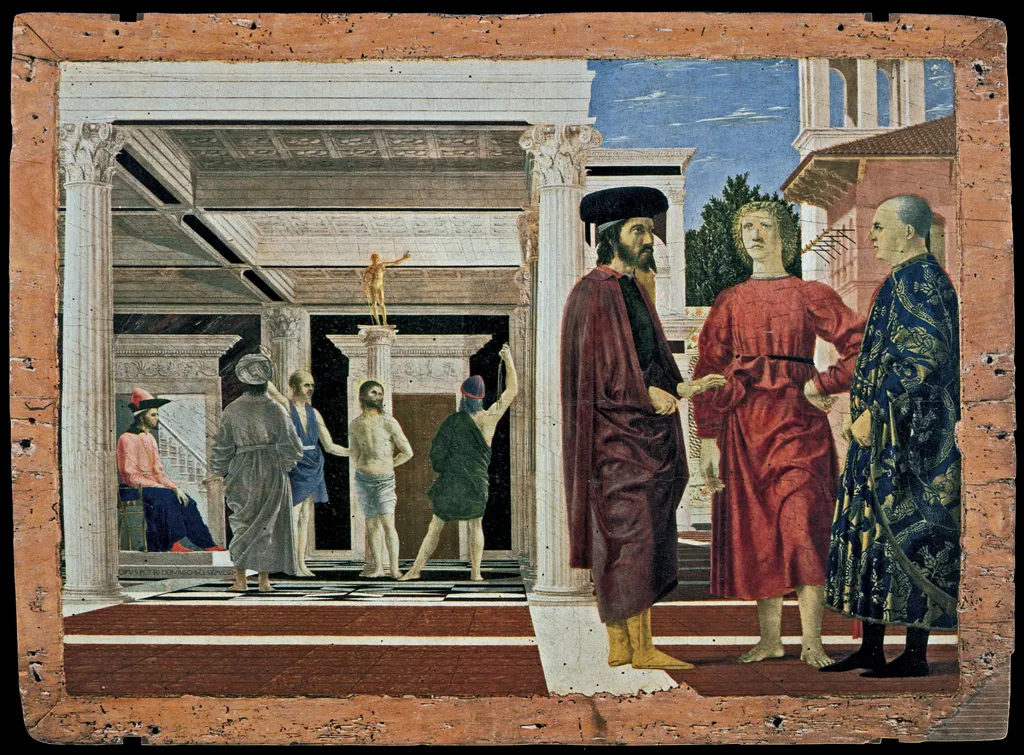
Piero della Francesca developed his style through a deep study of mathematics and perspective. His paintings, such as The Flagellation of Christ, showcase harmonious proportions and a calm, rational beauty, hallmarks of the Early Renaissance. See details at WikiArt.
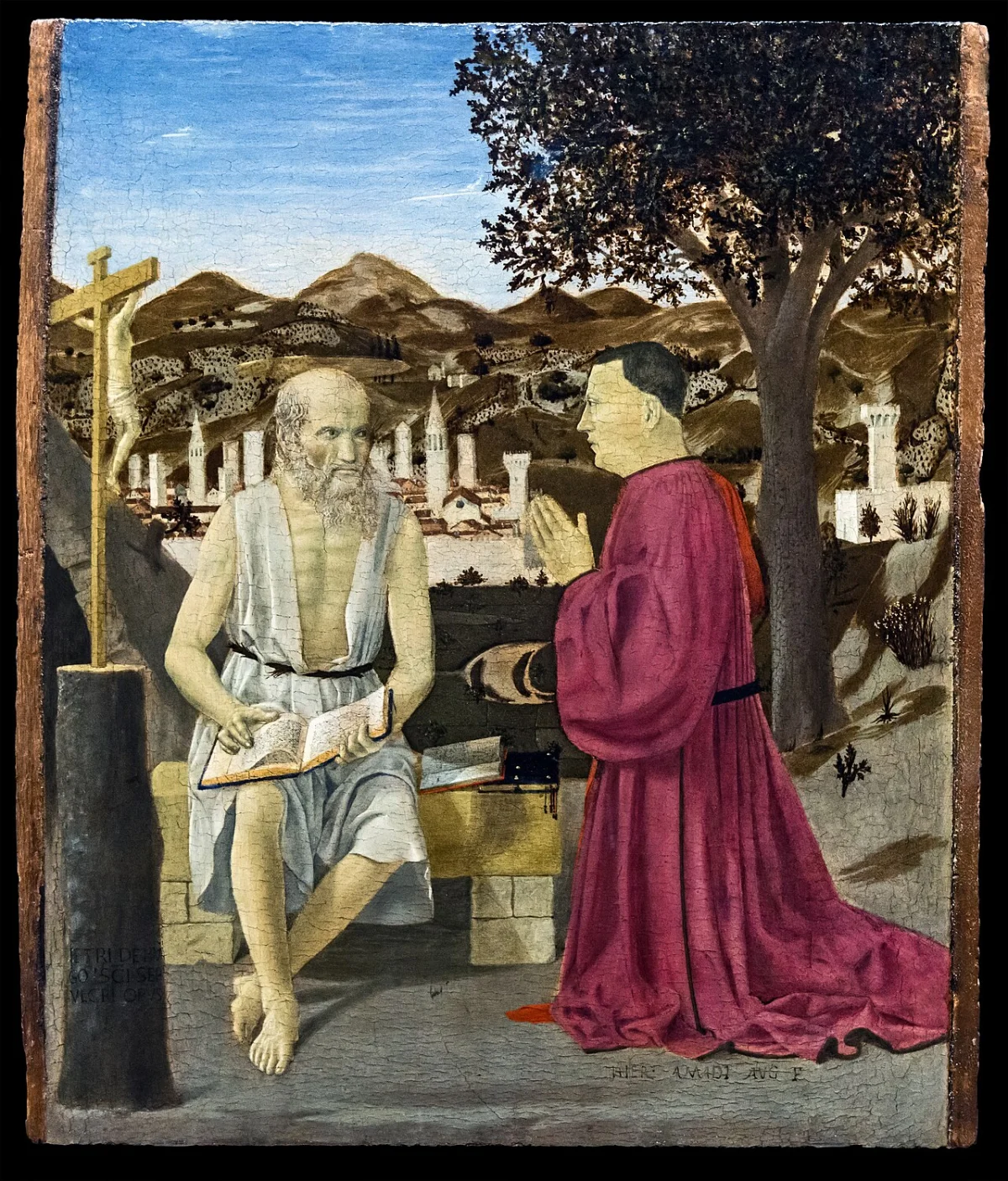
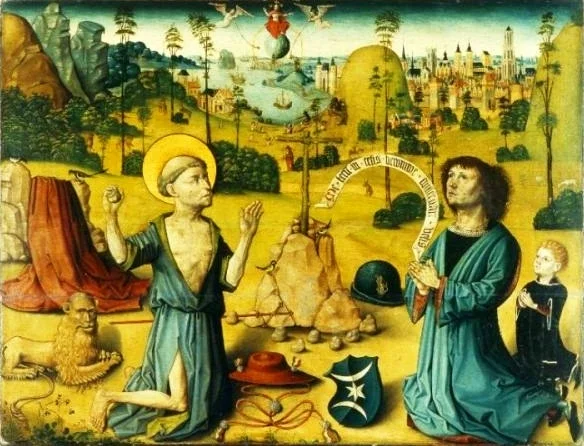
Piero della Francesca is significant for pioneering scientific perspective in painting and for his tranquil, geometric compositions. His works, including St Jerome and a Donor, deeply influenced the Early Renaissance and later artists. More information at Wikipedia.
Piero della Francesca (born January 1, 1412) stands as one of Italy’s most influential Early Renaissance painters. Renowned for his serene compositions and pioneering approach to perspective, Piero’s legacy continues to inspire art lovers and collectors seeking museum-quality artworks and hand-painted reproductions for their collections.
Piero della Francesca developed a distinctive style marked by clarity, geometry, and a delicate use of light. His paintings are celebrated for their harmonious balance and subtle color palette, capturing both the dignity and humanity of his subjects. Piero’s meticulous technique and passion for mathematics set him apart from his contemporaries, making his works highly sought after for those who appreciate refined, hand-crafted artistry.
Utilizing precise linear perspective and a scientific approach to composition, Piero della Francesca elevated the visual depth of his art. He was a pioneer in integrating mathematical principles into painting, bringing a sense of order and realism that defined the Early Renaissance. His dedication to proportion and light has made his museum-quality artworks enduring classics, ideal for those seeking timeless elegance in hand-painted reproductions.
Among Piero della Francesca’s most celebrated masterpieces are the Flagellation of Christ, The Baptism of Christ, and the fresco cycle The Legend of the True Cross in Arezzo. These paintings exemplify his innovative use of perspective and his serene, almost ethereal, figures. Today, his works can be found in prestigious museums, and his influence is evident in generations of artists who followed.
Collectors and art enthusiasts continue to seek hand-painted reproductions of Piero della Francesca’s masterpieces for their exceptional craftsmanship and enduring beauty. Whether displayed in homes or galleries, his museum-quality artworks offer a glimpse into the intellectual and artistic achievements of the Early Renaissance, making them a prized addition to any fine art collection.
Famous Museum Quality Handmade Oil Painting Reproductions.
Showing 0 ( )
Frequently Asked Questions
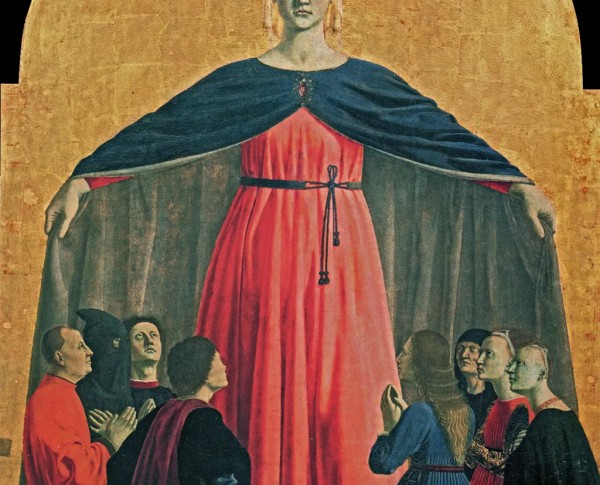
The Madonna of Mercy by Piero della Francesca Hand-Painted Oil Painting Original - GFM Painting..
VIEW MORE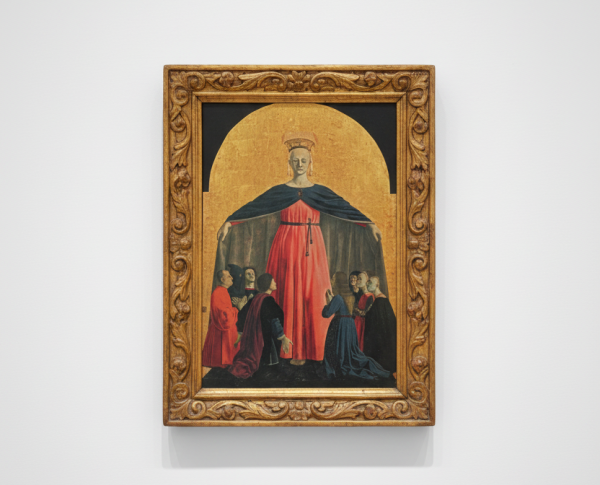
The Madonna of Mercy by Piero della Francesca Hand-Painted Oil Painting Reproduction - GFM Painting..
VIEW MORE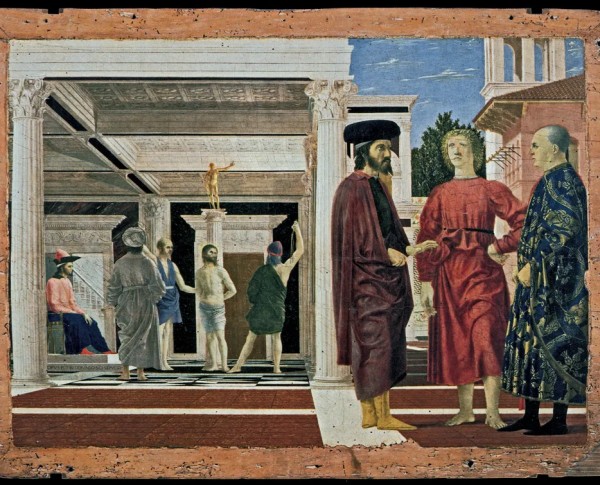
The Flagellation of Christ by Piero della Francesca Hand-Painted Oil Painting Original - GFM Painting..
VIEW MORE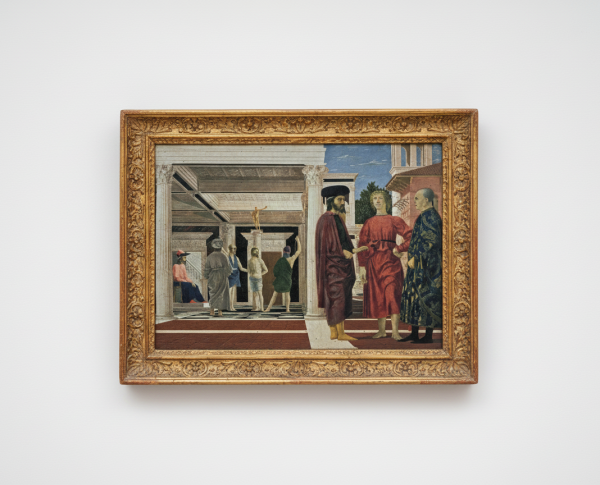
The Flagellation of Christ by Piero della Francesca Hand-Painted Oil Painting Reproduction - GFM Painting..
VIEW MORE
The Penance of St Jerome by Piero della Francesca Hand-Painted Oil Painting Original - GFM Painting..
VIEW MORE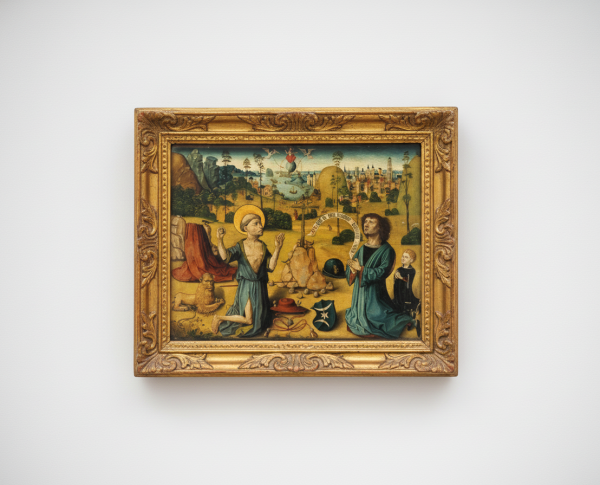
The Penance of St Jerome by Piero della Francesca Hand-Painted Oil Painting Reproduction - GFM Painting..
VIEW MORE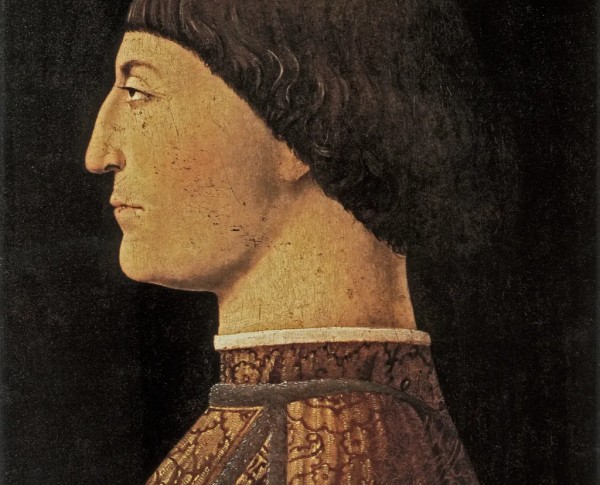
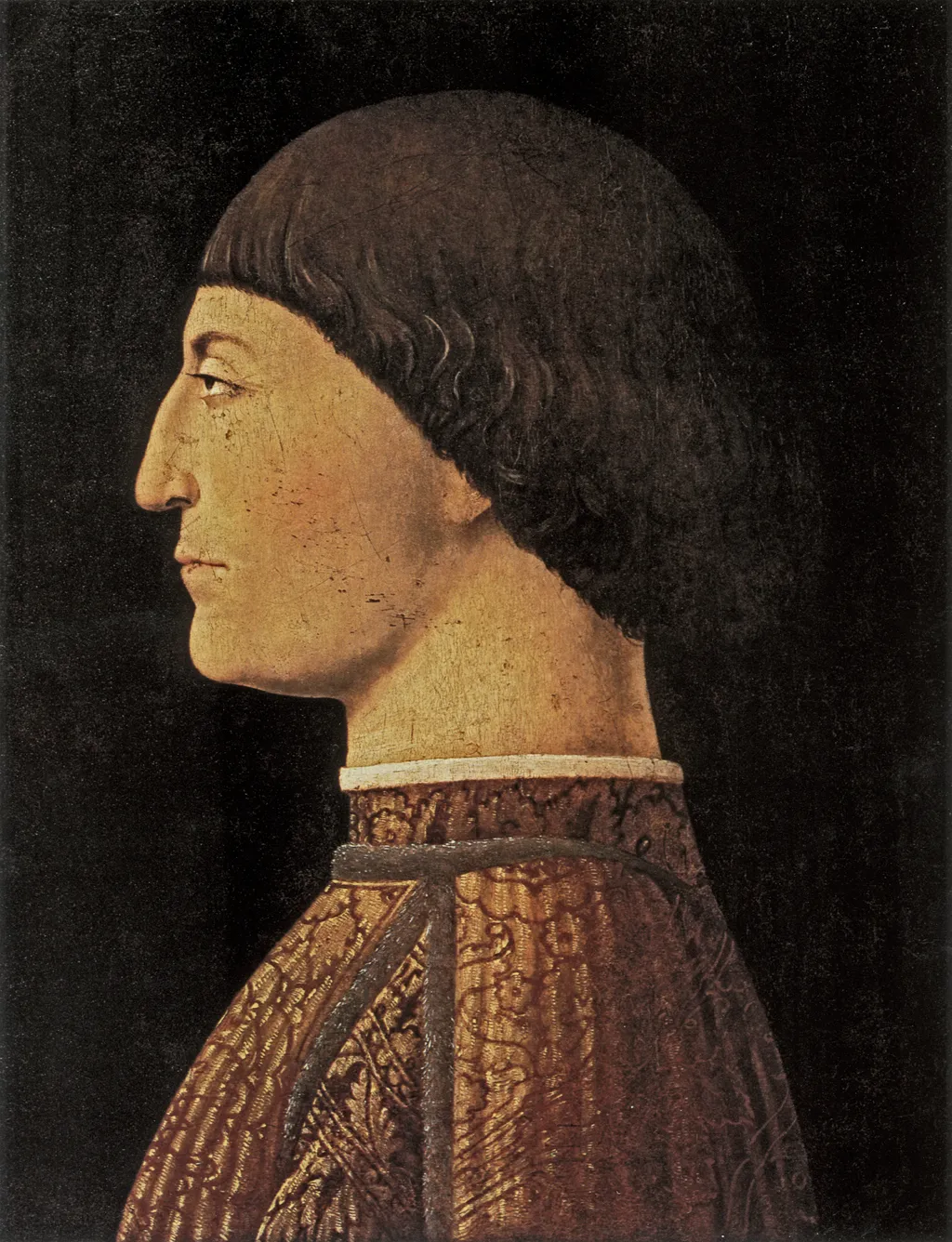
Sigismondo Malatesta by Piero della Francesca Hand-Painted Oil Painting Original - GFM Painting..
VIEW MORE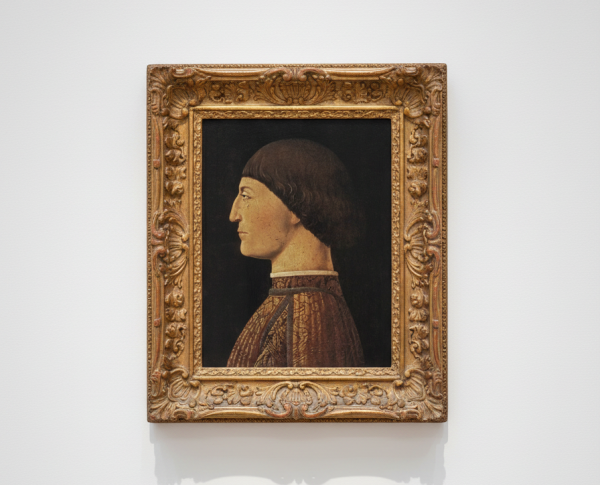
Sigismondo Malatesta by Piero della Francesca Hand-Painted Oil Painting Reproduction - GFM Painting..
VIEW MORE


 top
top





















 (1).webp)





