



















_GFM_Painting_(1).webp)


Showing 0 ( )


GFM TrustScore 4.9


Your favourites are only temporarily saved. To find them back, create your account on GFM Painting!
Already have account ?
No gift cards in your cart.
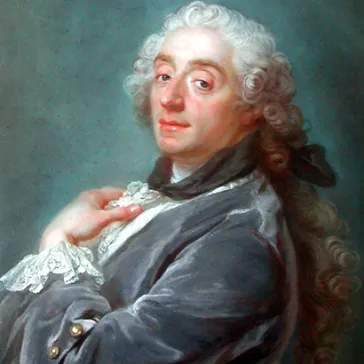

GFM Painting is renowned for reproducing the masterpieces of Francois Boucher, such as The Toilet of Venus, Madame de Pompadour, and The Birth of Venus, utilizing traditional hand-painted techniques to ensure authentic museum-quality results.
Francois Boucher is renowned for his exuberant and sensual paintings, epitomizing the Rococo movement. His works, such as Hercules and Omfala, feature soft colors, playful themes, and graceful figures. Boucher's art was highly influential in 18th-century France. Read more
Francois Boucher developed his style by studying the works of past masters, including Watteau, and by embracing the ornate elegance of the Rococo aesthetic. Paintings like Diana getting out of her bath showcase his mastery of delicate brushwork. See more
Francois Boucher holds significance in art history for defining the Rococo style and influencing decorative arts across Europe. His paintings, such as The Rest on the Flight into Egypt, are celebrated for their charm and technical brilliance. Learn more
Francois Boucher (1703-1770) stands as a quintessential figure of the Rococo movement in 18th-century France. Renowned for his imaginative compositions, delicate color palette, and playful themes, Boucher's work captures the spirit of elegance and exuberance that defined his era.
Born in Paris on September 29, 1703, Boucher was immersed in the vibrant artistic culture of France from a young age. He trained under prominent artists and quickly distinguished himself with his exceptional draftsmanship and innovative approach. The French capital, a center for artistic innovation, deeply influenced his development, allowing him to refine his style and technique.
Boucher's art is celebrated for its ornate and sensuous qualities, characteristic of the Rococo style. He masterfully employed soft, pastel hues and fluid brushwork to create luminous scenes filled with grace and movement. His compositions often featured mythological subjects, idyllic landscapes, and intimate domestic moments, all rendered with exquisite attention to detail. Collectors and enthusiasts today seek museum-quality artworks and hand-painted reproductions that capture the charm and vibrancy of Boucher's original pieces.
Among Boucher's most famous paintings are "The Toilet of Venus," "Madame de Pompadour," and "The Triumph of Venus." These masterpieces exemplify his ability to blend fantasy with reality, infusing each canvas with a sense of playful luxury. Boucher's works adorned royal palaces and private salons, reflecting his status as a favorite artist of King Louis XV and his influential patron, Madame de Pompadour.
Francois Boucher's legacy endures through the continued admiration of his art in major museums and private collections worldwide. His pioneering Rococo style inspires artists and collectors alike, making hand-painted reproductions of his works highly sought after for their timeless beauty and decorative appeal. Owning a Boucher-inspired museum-quality artwork allows art lovers to bring a piece of 18th-century French elegance into their own spaces.
Francois Boucher remains a celebrated icon of French Rococo art, his paintings embodying the lightness, refinement, and joy that defined an era. His influence is evident in the enduring popularity of his art, cherished both for its historical significance and its decorative splendor.
Famous Museum Quality Handmade Oil Painting Reproductions.
Showing 0 ( )
Frequently Asked Questions
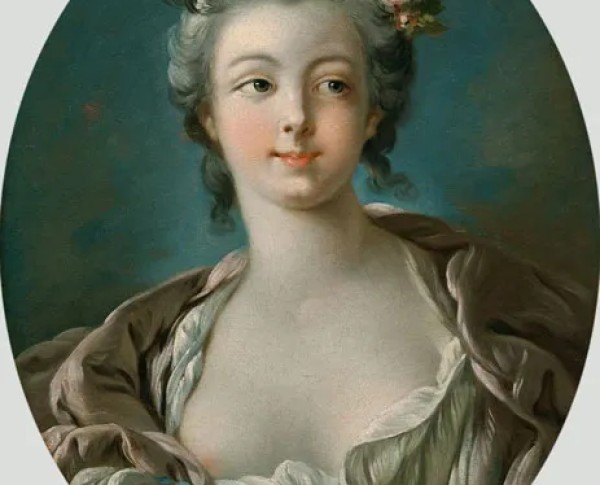
Young Woman with Flowers in Her Hair wrongly called Portrait of Madame Boucher by Francois Boucher Hand-Painted Oil Painting Original - GFM Painting..
VIEW MORE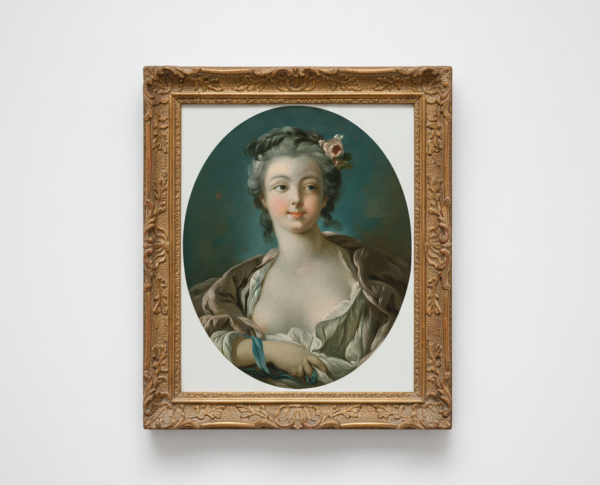
Young Woman with Flowers in Her Hair wrongly called Portrait of Madame Boucher by Francois Boucher Hand-Painted Oil Painting Reproduction - GFM Painting..
VIEW MORE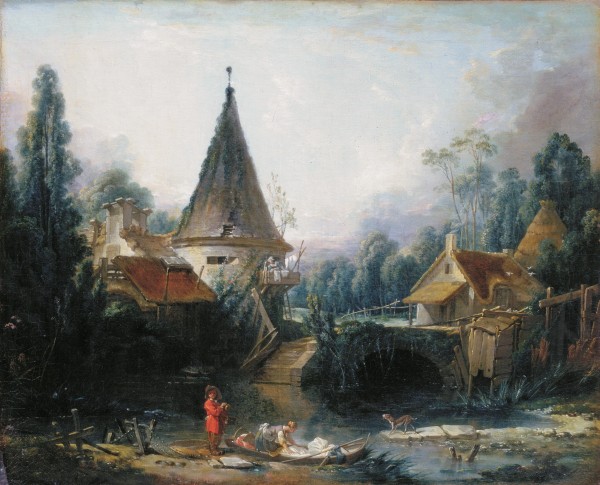
Landscape near Beauvais early by Francois Boucher Hand-Painted Oil Painting Original - GFM Painting..
VIEW MORE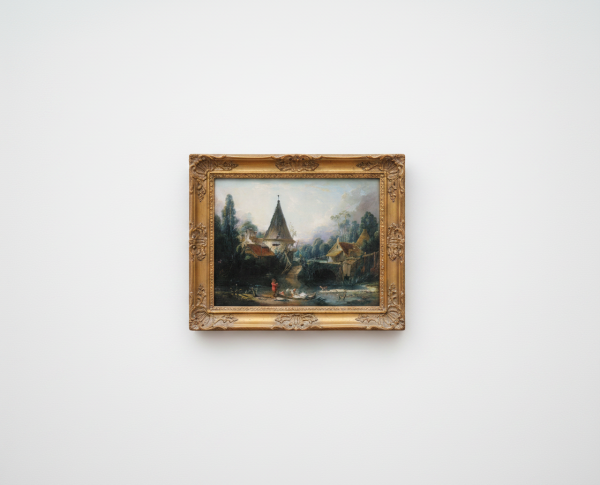
Landscape near Beauvais early by Francois Boucher Hand-Painted Oil Painting Reproduction - GFM Painting..
VIEW MORE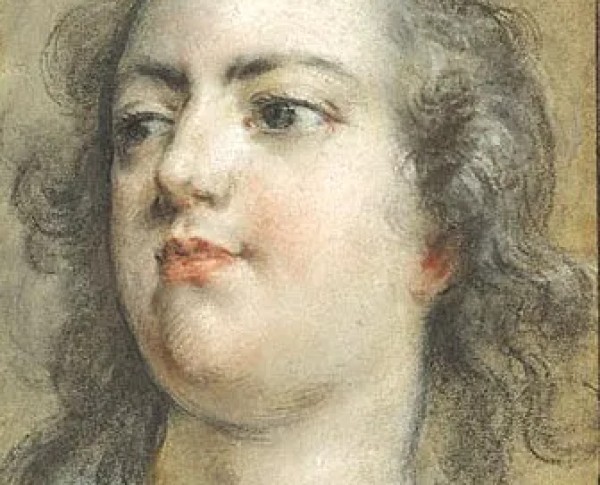
Head of King Louis XV by Francois Boucher Hand-Painted Oil Painting Original - GFM Painting..
VIEW MORE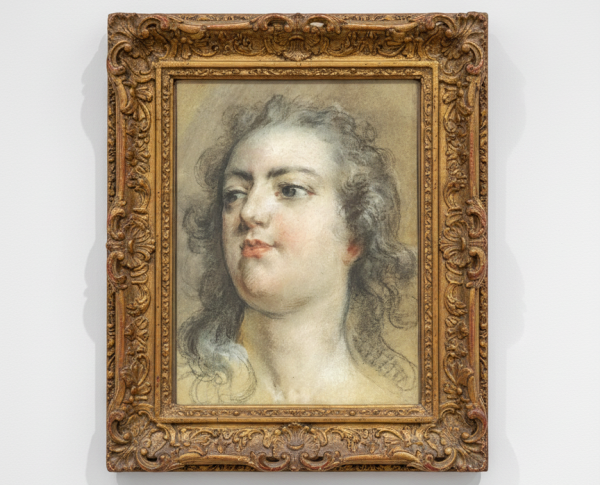
Head of King Louis XV by Francois Boucher Hand-Painted Oil Painting Reproduction - GFM Painting..
VIEW MORE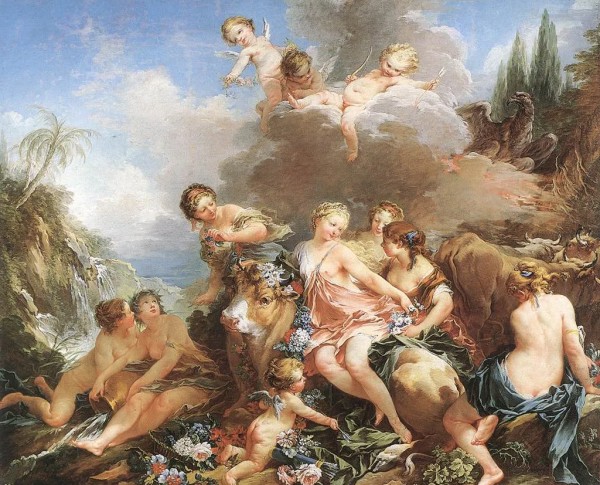
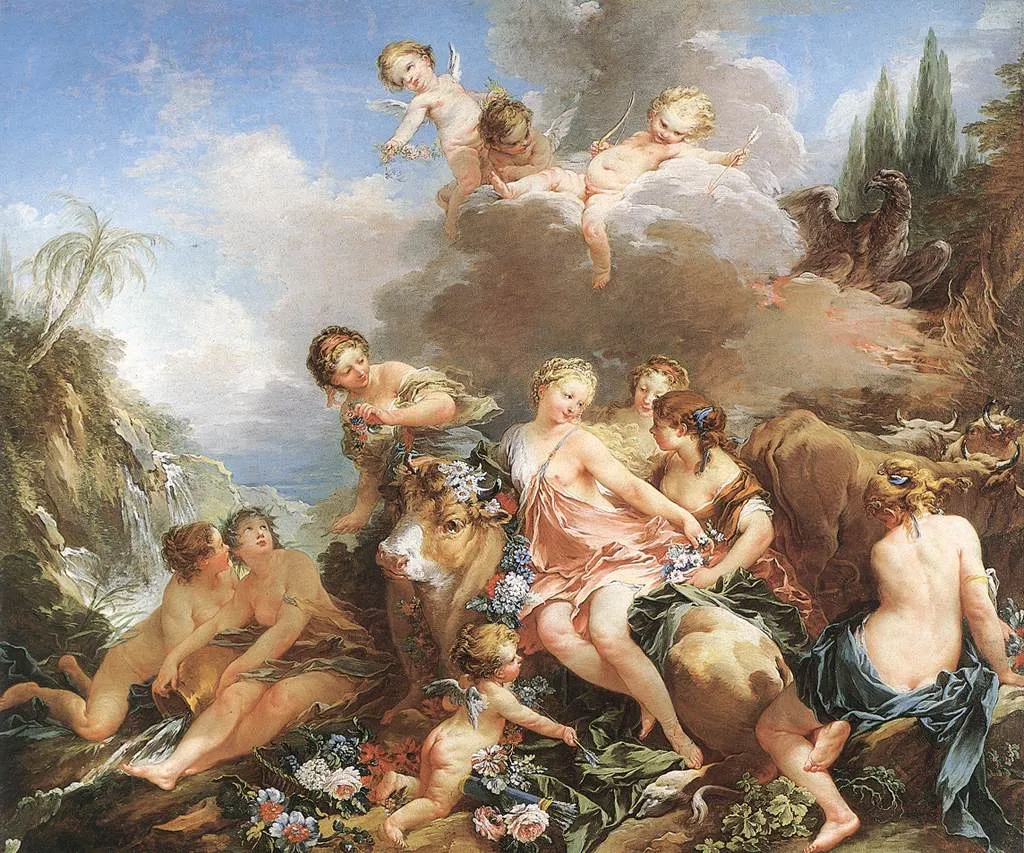
The Rape of Europa by Francois Boucher Hand-Painted Oil Painting Original - GFM Painting..
VIEW MORE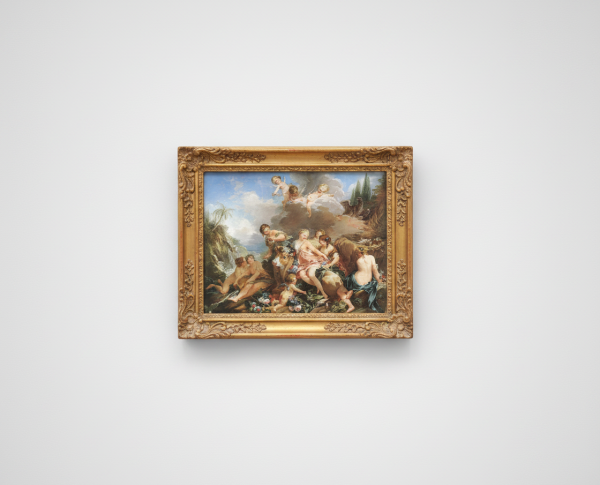
The Rape of Europa by Francois Boucher Hand-Painted Oil Painting Reproduction - GFM Painting..
VIEW MORE


 top
top


























 (1).webp)





