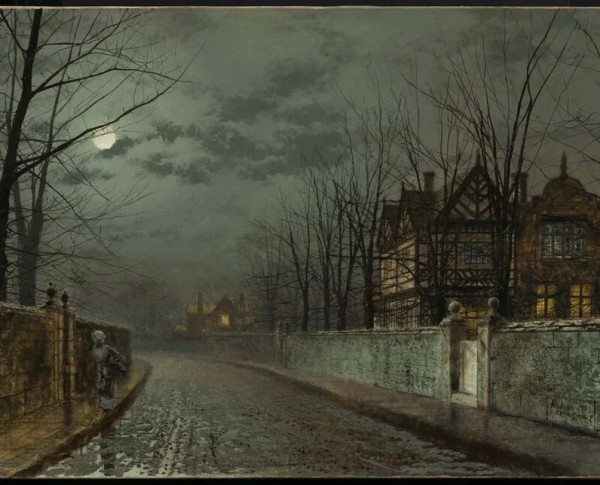
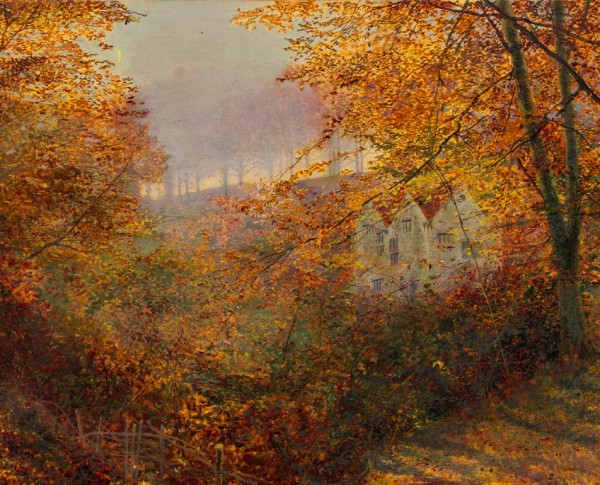
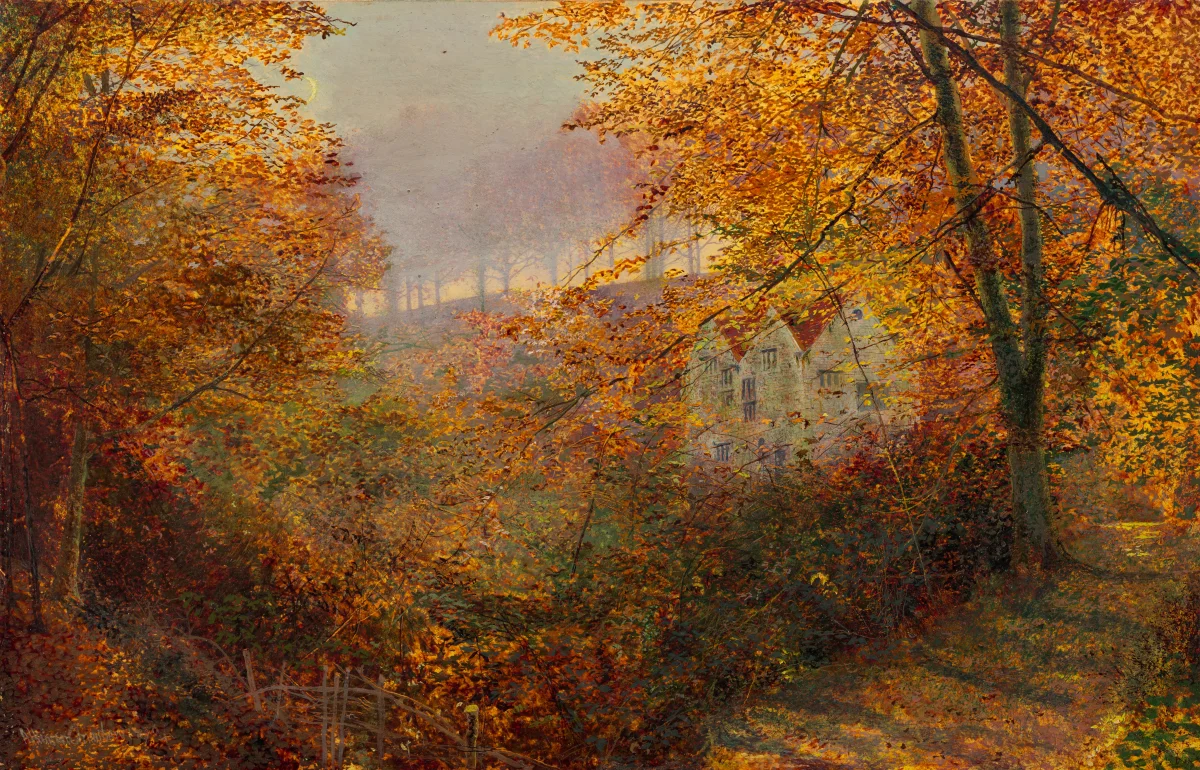
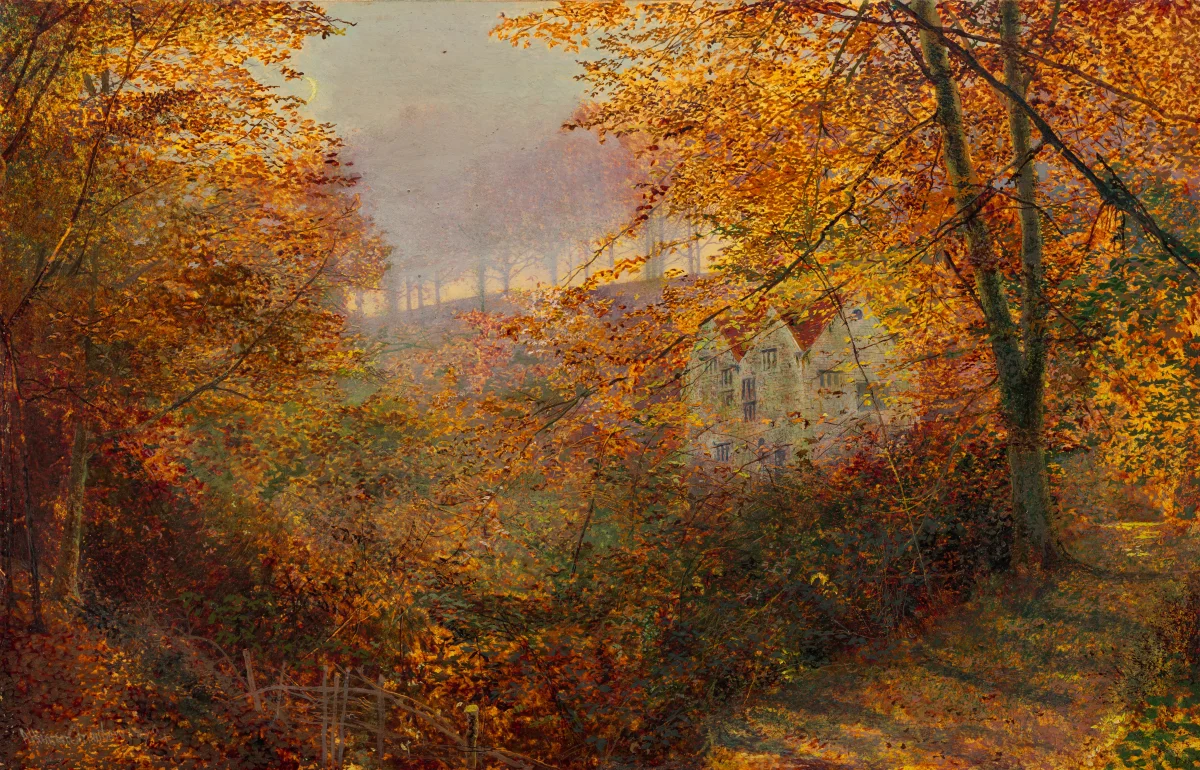
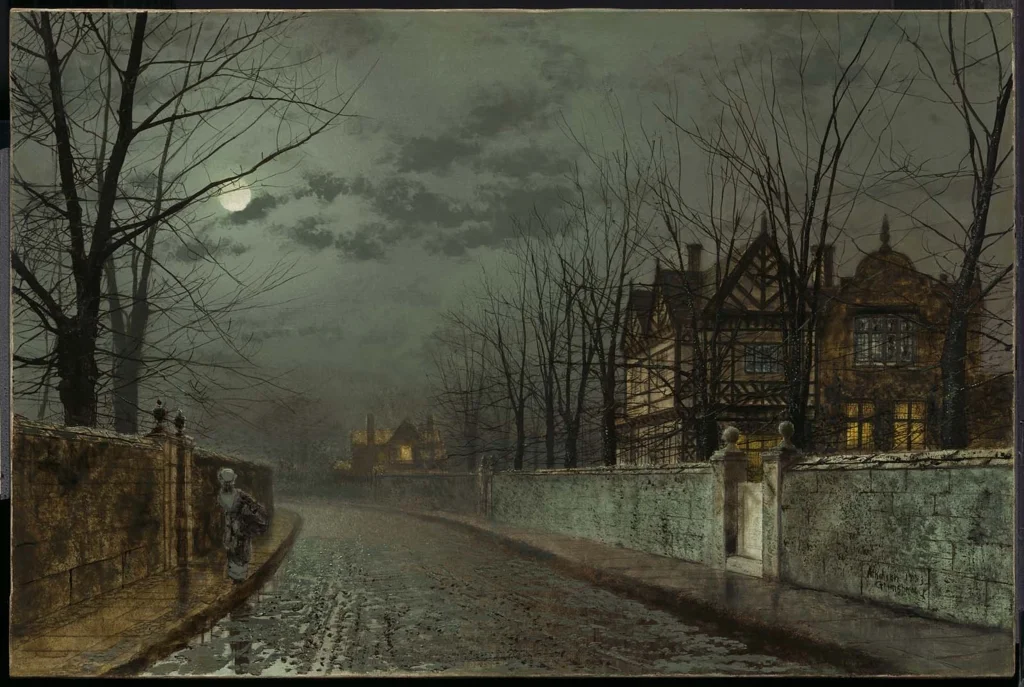
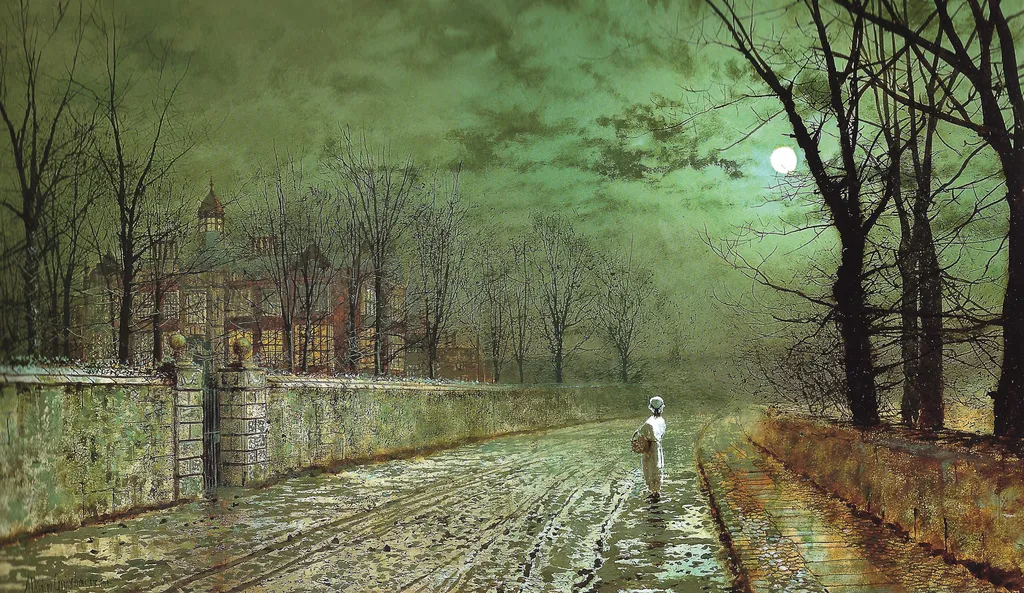
With "A House in a Clearing," Grimshaw’s expertise with oil on canvas is unmistakable. His meticulous technique brings out the subtle glow of twilight, enveloping the solitary house in a tranquil ambiance. The painting embodies the Aestheticism movement’s focus on artistic beauty, making it a prized addition for those seeking exceptional works. Related masterpieces, such as "Old English House by Moonlight," further showcase Grimshaw’s remarkable skill with this timeless medium.
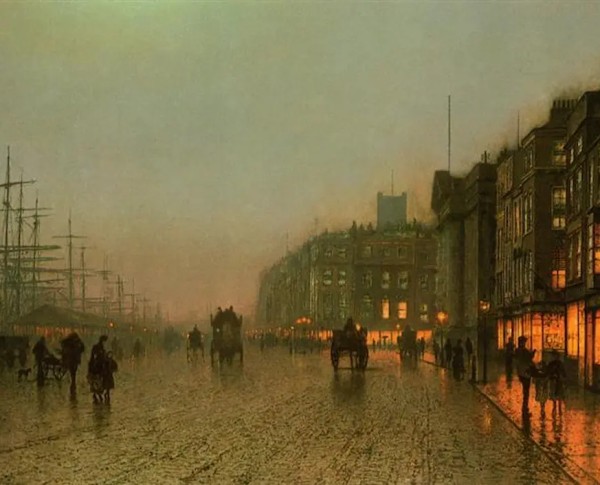
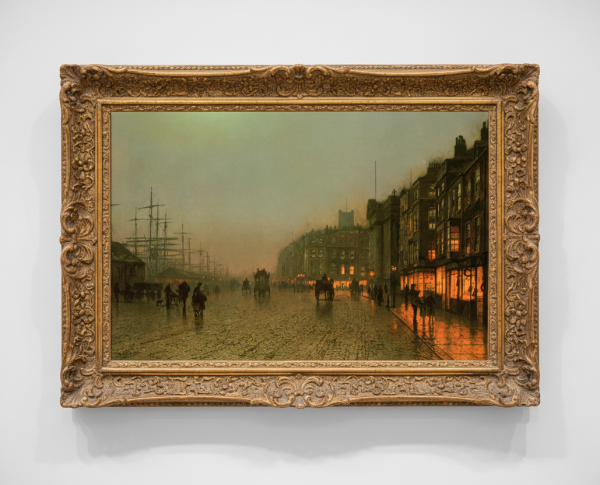
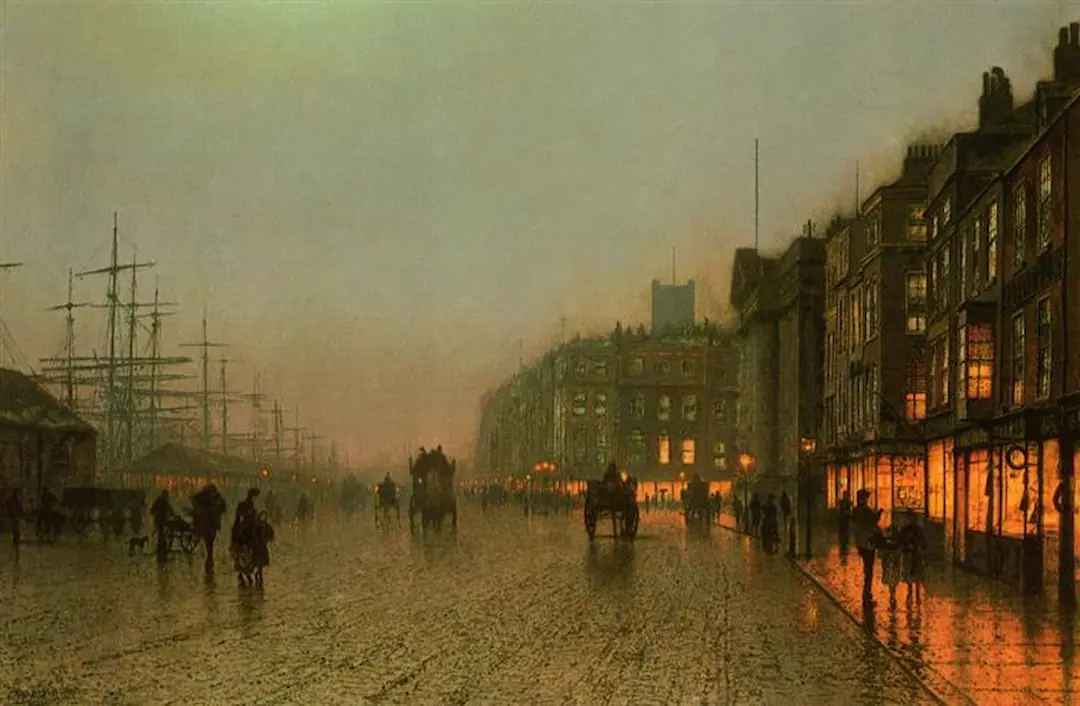
Every hand-painted oil painting by John Atkinson Grimshaw tells a unique story, and "A House in a Clearing" is no exception. The secluded home, nestled amidst lush greenery, symbolizes both solitude and sanctuary, inviting viewers to imagine the lives within. As a leading figure of the Aestheticism movement, Grimshaw infused his works with layers of meaning, much like his other fine art paintings for sale, including "Quai de Paris" and "Liverpool from Wapping."
For art collectors, "A House in a Clearing" represents a rare and valuable oil on canvas from the celebrated Aestheticism movement. John Atkinson Grimshaw’s evocative scenes are highly sought after, making this piece a fine art painting for sale that promises both aesthetic pleasure and investment potential. Collectors often pair it with related works like "Old English House by Moonlight" or "Quai de Paris" to create a harmonious collection that reflects Grimshaw’s enchanting vision.
When Art Meets History
"A House in a Clearing" by John Atkinson Grimshaw stands as a prime example of the Aestheticism movement, which flourished in the late 19th century. Grimshaw, known for his atmospheric landscapes, created this hand-painted oil painting to capture the tranquil beauty of secluded rural life. His work, along with other masterpieces from the era, reflects how art and history intertwine, making each piece a valuable artifact for collectors and enthusiasts of fine art painting for sale.
Techniques That Speak
John Atkinson Grimshaw’s use of oil on canvas in "A House in a Clearing" demonstrates his mastery of light and shadow. The delicate layering of paint and attention to atmospheric detail are hallmarks of the Aestheticism movement. Grimshaw’s technique allows viewers to feel the misty air and serene quiet of the scene. This oil on canvas approach, seen in many of his related paintings, continues to inspire artists and captivate audiences with its luminous quality and intricate brushwork.
Emotions on Display
In "A House in a Clearing," Grimshaw evokes a sense of solitude and tranquility, inviting viewers to experience the peaceful isolation of the countryside. The hand-painted oil painting uses soft hues and gentle contrasts to create a mood of introspection and calm. As with his other works in the Aestheticism movement, Grimshaw’s ability to convey emotion through light and composition makes this piece a sought-after fine art painting for sale among collectors and art lovers alike.
Coveted by Collectors
Collectors highly prize "A House in a Clearing" for its exquisite representation of the Aestheticism movement and Grimshaw’s unique vision. The painting’s oil on canvas construction and meticulous detail make it a standout among fine art painting for sale. Its serene beauty and historical significance, along with related paintings by Grimshaw, ensure its lasting appeal. This work continues to attract those who appreciate the blend of artistry and history embodied in every hand-painted oil painting.
Frequently Asked Questions About A House in a Clearing
What is the historical context of "A House in a Clearing"?
"A House in a Clearing" was painted during the late 19th century, a period marked by the Industrial Revolution in England. This era saw a growing appreciation for nature and the rural landscape as a counterpoint to urbanization.
Who was John Atkinson Grimshaw?
John Atkinson Grimshaw was a British painter known for his evocative nocturnal scenes and landscapes. His work often captures the interplay of light and shadow, showcasing his mastery of atmospheric effects.
What artistic techniques did Grimshaw employ in this painting?
Grimshaw utilized a combination of realism and impressionism, focusing on detailed rendering of the house and trees while employing soft brushwork to create a dreamlike quality in the surrounding landscape.
What symbolism can be found in "A House in a Clearing"?
The painting symbolizes tranquility and refuge, with the house representing safety and comfort amidst the vastness of nature. The clearing itself may suggest a moment of peace in an otherwise chaotic world.
How does light play a role in "A House in a Clearing"?
Light is a central element in Grimshaw's work, and in this painting, it highlights the house and creates a contrast with the darker surroundings, emphasizing the theme of isolation and serenity.
What influences can be seen in Grimshaw's work?
Grimshaw was influenced by the Pre-Raphaelite movement and the Aesthetic movement, which emphasized beauty, nature, and the emotional impact of art. His works often reflect these ideals through their meticulous detail and atmospheric qualities.
What is the significance of the natural setting in this painting?
The natural setting in "A House in a Clearing" serves to highlight the relationship between humanity and nature. It reflects the Romantic ideal of finding solace in the natural world, a common theme in Grimshaw's oeuvre.
How does "A House in a Clearing" compare to other works by Grimshaw?
This painting is representative of Grimshaw's signature style, characterized by its atmospheric effects and attention to detail. Compared to his other works, it stands out for its serene composition and harmonious color palette.
What materials did Grimshaw use for this painting?
Grimshaw typically worked with oil paints on canvas, allowing for rich color saturation and depth. His technique involved layering glazes to achieve the luminous effects seen in "A House in a Clearing."
What impact did "A House in a Clearing" have on the art community?
The painting contributed to the growing appreciation of landscape art in the Victorian era, influencing future generations of artists who sought to capture the beauty of nature and the emotional resonance of rural life.






















_GFM_Painting_(1).webp)


 100% Hand-Painted: Finished in 3-6 Weeks

.png)















_(1).webp)