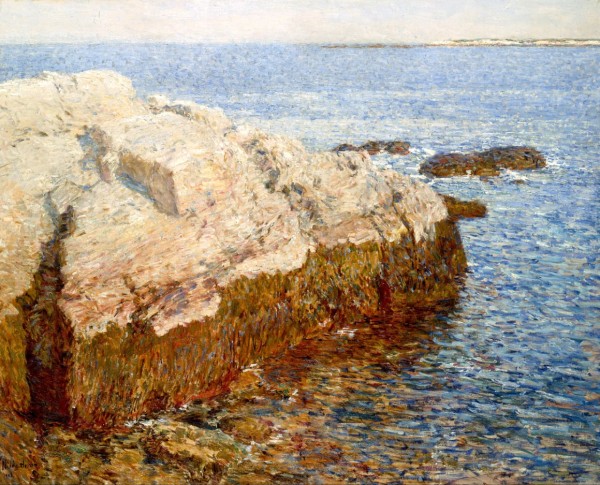
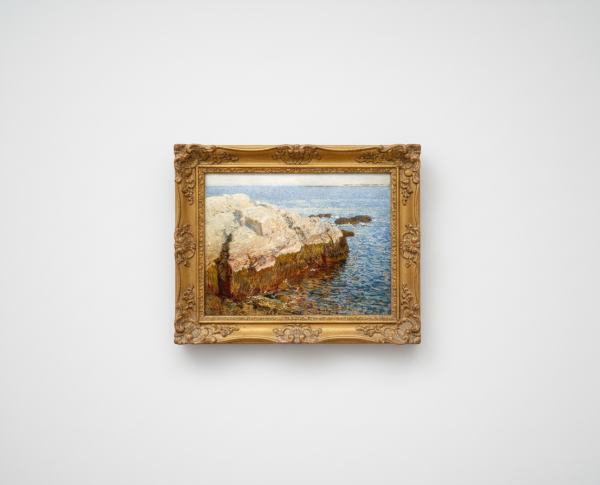
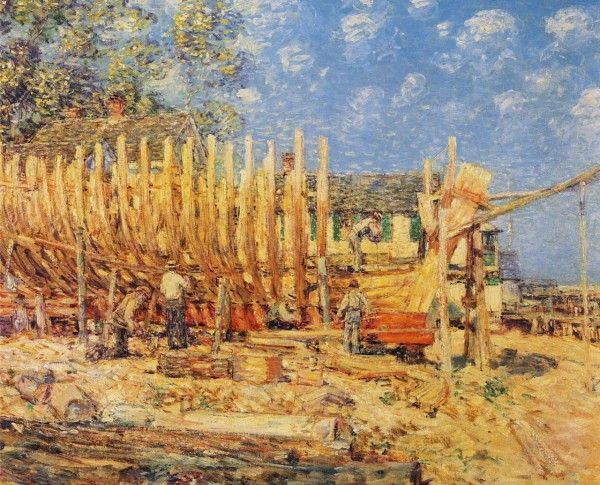
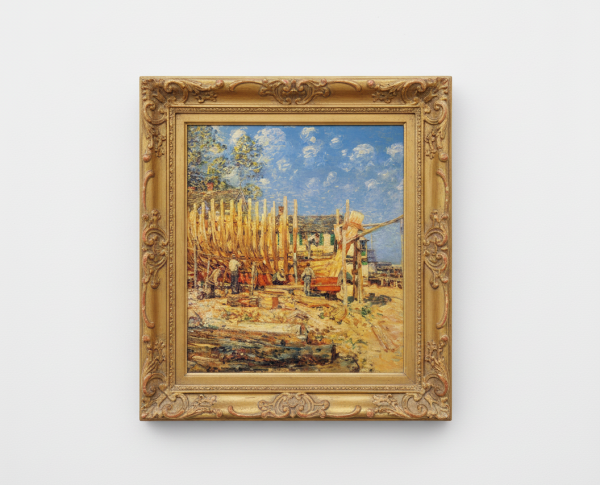
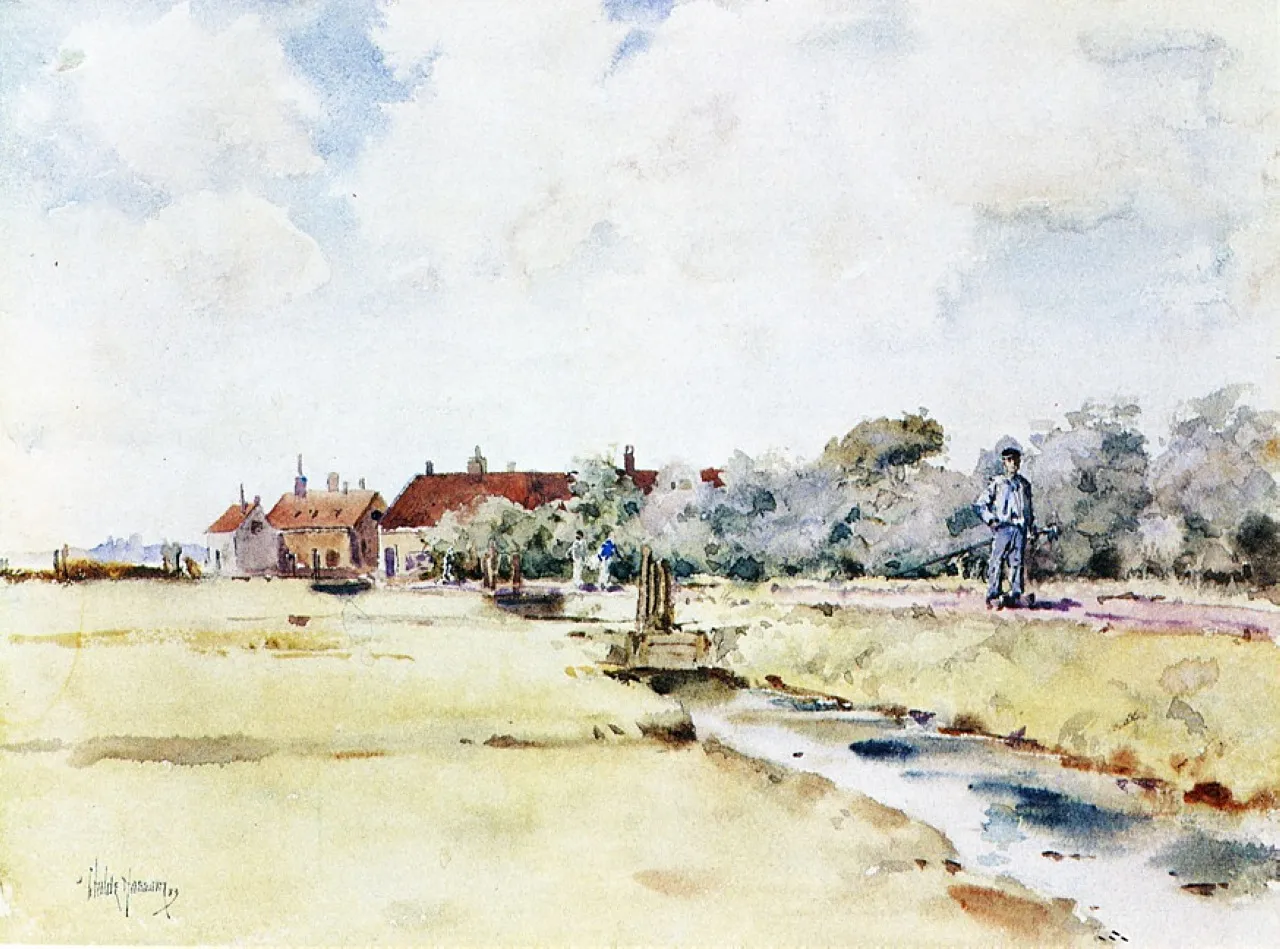
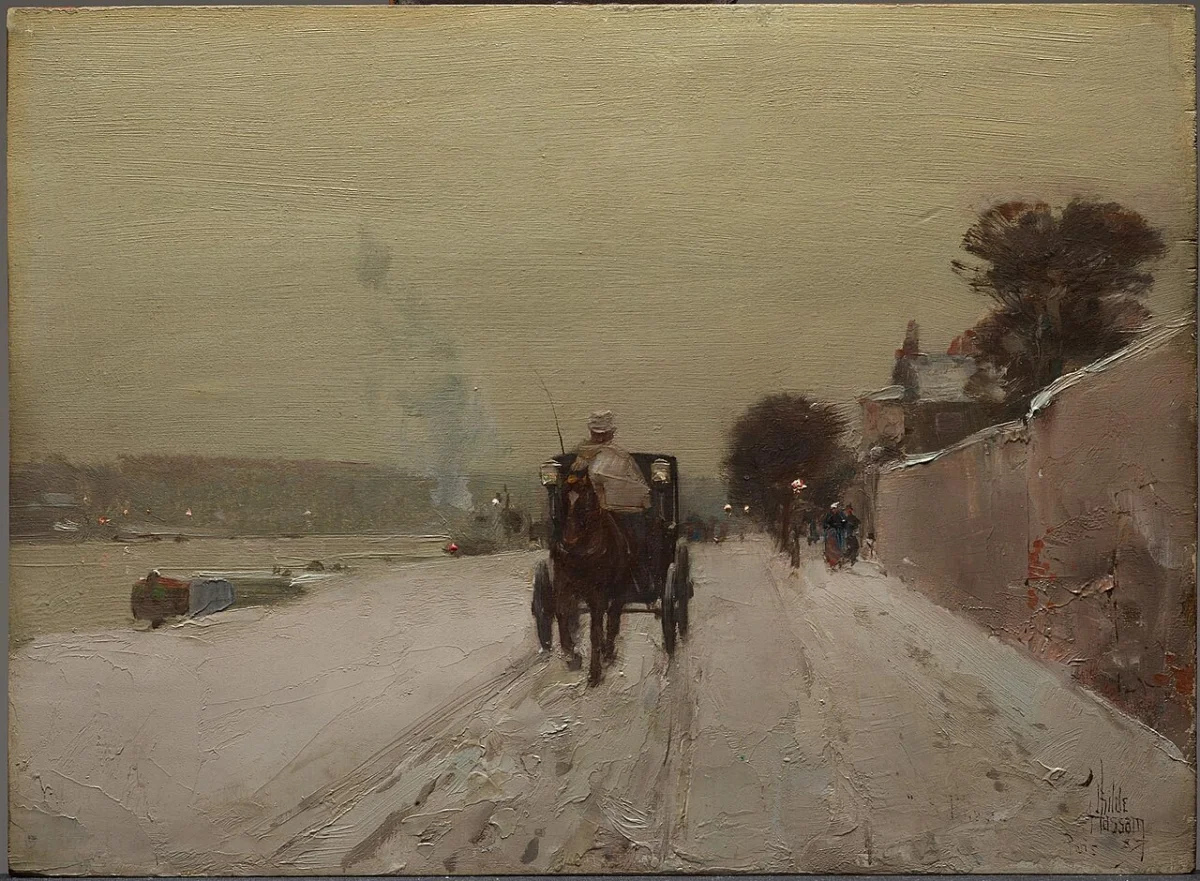
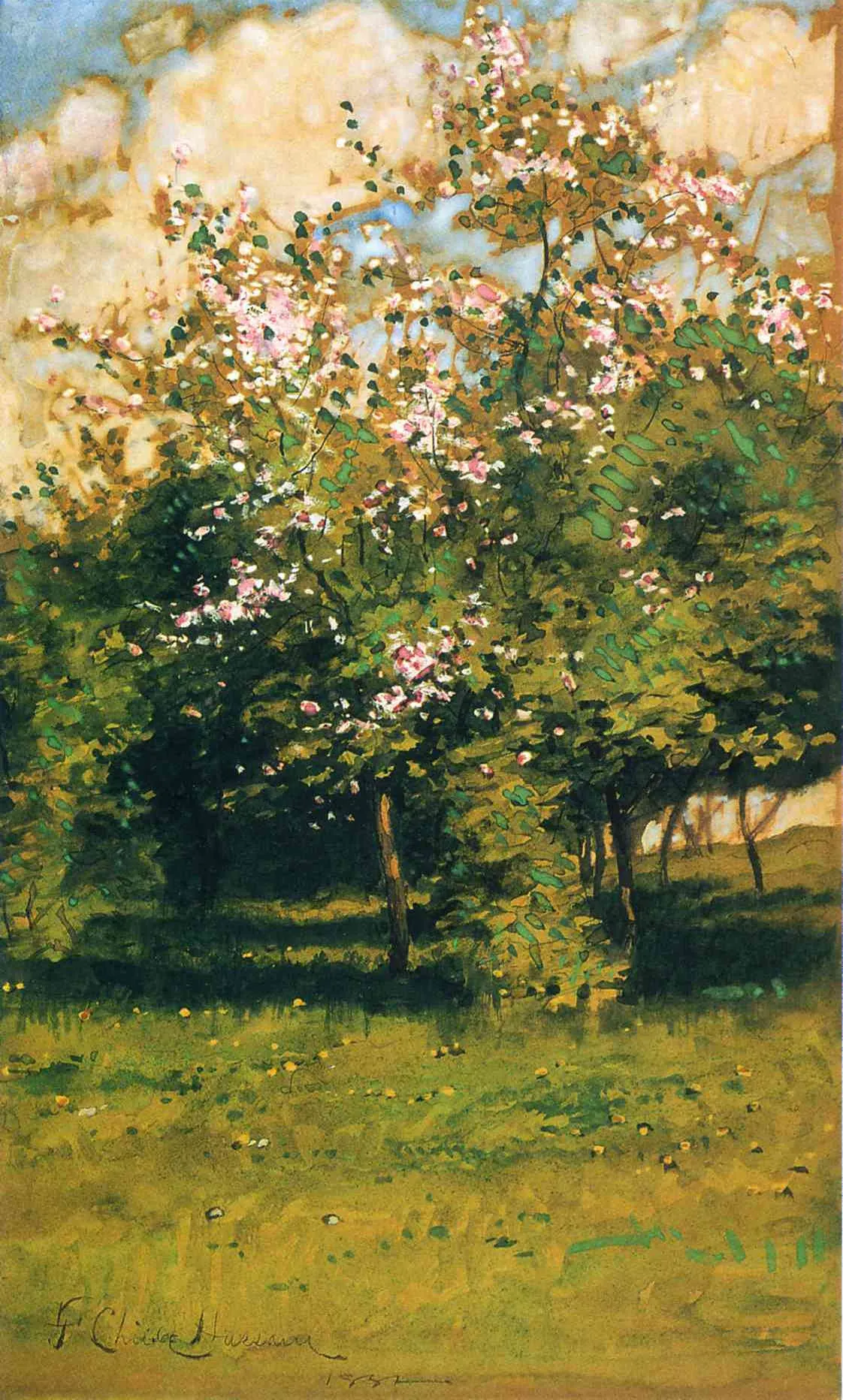
"Canal Scene" reveals Hassam’s exceptional skill with oil on canvas, using bold brushwork and a luminous palette to evoke the tranquil atmosphere of the waterway. His unique technique, also seen in "Blossoms" and "Winter," exemplifies the American Impressionist approach to light and perspective. The oil on canvas medium allows for rich texture and depth, making this painting a standout example for those passionate about the movement’s finest works.
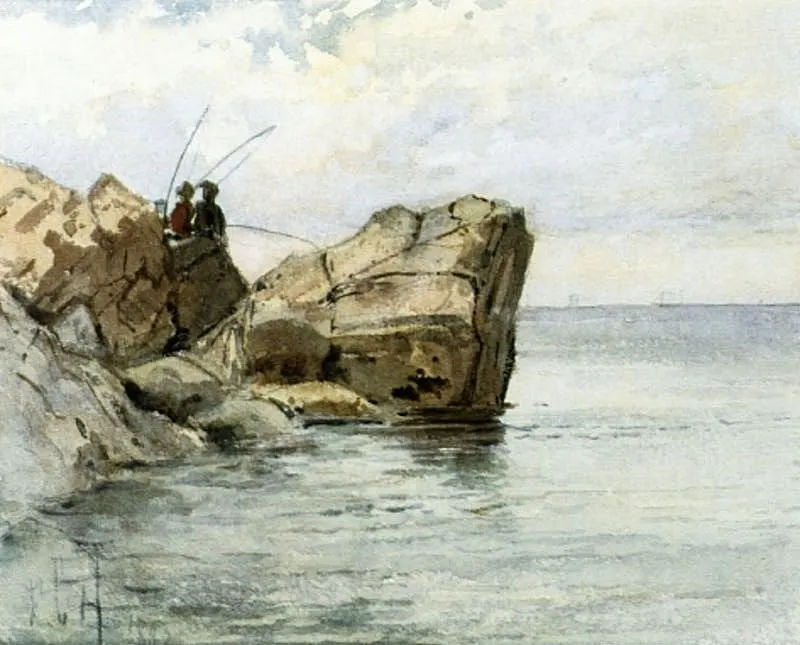
Every element in "Canal Scene" tells a story—quiet boats, shimmering reflections, and bustling banks hint at the dynamic life of American cities. Hassam’s keen eye for narrative is also evident in "Young Fishermen" and "The Lorelei," where scenes become windows into an era. This fine art painting for sale not only beautifies a space but also invites viewers to uncover the layered stories embedded within American Impressionism.
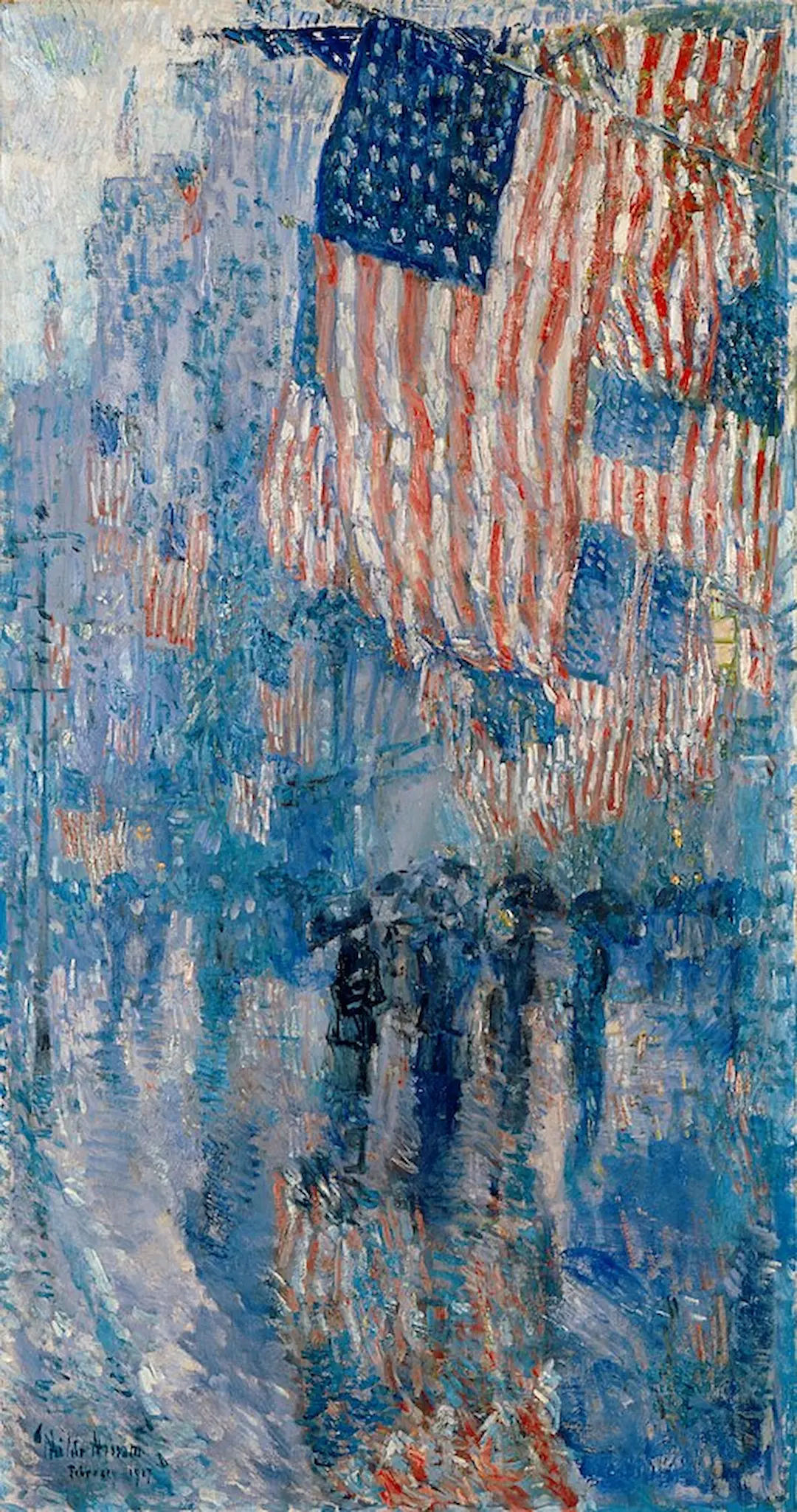
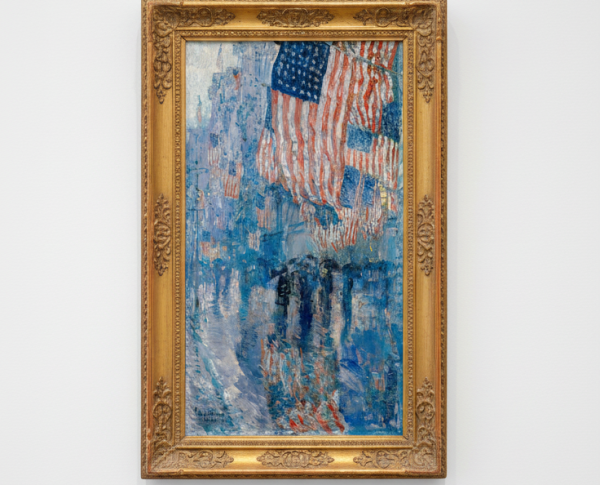
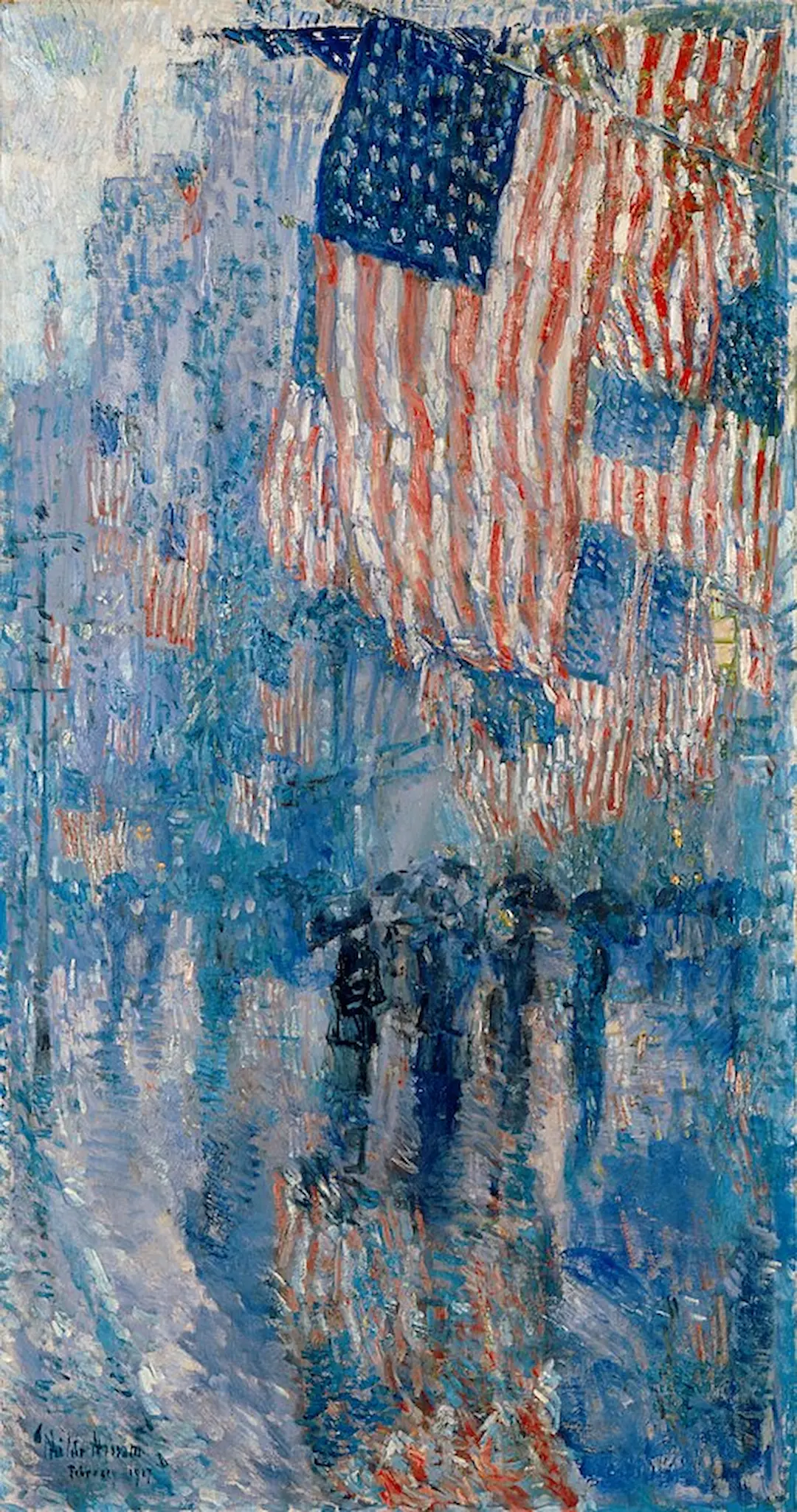
For collectors, "Canal Scene" by Frederick Childe Hassam is a coveted fine art painting for sale. Its connection to American Impressionism and its relation to masterpieces like "Along the Seine" and "The Avenue in the Rain" make it highly desirable. Owning this painting means possessing a piece of art history, one that showcases the enduring appeal of hand-painted oil painting and celebrates the legacy of a great American artist.
When Art Meets History
"Canal Scene" by Frederick Childe Hassam stands as a remarkable example of American Impressionism. Painted during a vibrant period in art history, this hand-painted oil painting captures the evolving urban landscapes of America in the late 19th century. Like Hassam’s contemporaries who created works such as "Madame X (or Madame Pierre Gautreau)" and "The Death Song of Lone Wolf", this masterpiece reflects the cultural and historical significance that shaped the American art scene.
Techniques That Speak
Frederick Childe Hassam’s "Canal Scene" showcases his mastery of oil on canvas, utilizing quick, expressive brushstrokes to evoke shimmering water and lively city life. His technique, characteristic of American Impressionism, is also seen in related paintings like "A Morning Walk" and "Voyageurs". The interplay of light and color in this piece highlights Hassam’s unique approach, making it a stunning example of the movement’s dedication to capturing fleeting moments with vibrant realism.
Emotions on Display
The tranquil yet dynamic atmosphere of "Canal Scene" invites viewers to experience the subtle emotions that pervade everyday urban life. Hassam’s fine art painting for sale not only delights the senses but also evokes a sense of nostalgia and reflection, much like his "In The Luxembourg Gardens". Through color and composition, the artist brings forth the serenity and gentle bustle of the canal, allowing viewers to connect deeply with the spirit of American Impressionism.
Coveted by Collectors
As a celebrated work by Frederick Childe Hassam, "Canal Scene" holds a special place in the world of art collectors and enthusiasts. This hand-painted oil painting represents the allure of American Impressionism and continues to inspire admiration alongside other iconic works such as "A Morning Walk" and "Voyageurs". Its historical value and artistic excellence make it a highly sought-after piece among those who appreciate timeless beauty and masterful technique.
Related American Impressionism Hand-Painted Oil Paintings by Other Artists
Other Famous American Impressionism Artists:
Frequently Asked Questions About Canal Scene
What is the historical context of "Canal Scene"?
"Canal Scene" was painted during the late 19th century, a period marked by the rise of Impressionism in America. Frederick Childe Hassam was influenced by European artists and sought to capture the changing landscapes of urban America.
What artistic techniques did Hassam employ in "Canal Scene"?
Hassam utilized loose brushwork and vibrant colors characteristic of Impressionism. His technique involved capturing light and atmosphere, which creates a sense of immediacy and movement within the scene.
What themes are explored in "Canal Scene"?
The painting explores themes of urban life and the relationship between nature and industry. It reflects the transformation of American cities during the industrial revolution, highlighting both beauty and change.
How does "Canal Scene" reflect the Impressionist movement?
"Canal Scene" embodies the principles of Impressionism through its emphasis on light, color, and everyday subject matter. Hassam's focus on capturing a fleeting moment aligns with the movement's core ideals.
What symbols can be found in "Canal Scene"?
The canal itself can be seen as a symbol of connectivity and progress, representing the industrial advancements of the time. The boats and reflections in the water symbolize the interplay between man-made structures and nature.
What influences did European art have on Hassam's work?
Hassam was significantly influenced by French Impressionists such as Claude Monet and Camille Pissarro. Their approach to capturing light and atmosphere inspired his own techniques and subject choices in "Canal Scene."
What is the significance of the color palette used in "Canal Scene"?
The color palette features vibrant blues, greens, and warm earth tones, which evoke a sense of tranquility and harmony. This choice reflects the beauty of the natural world amidst urban development.
How does "Canal Scene" represent American identity?
The painting captures a quintessential American scene, showcasing the blend of nature and industrial progress. It reflects the evolving identity of America during a time of rapid change and modernization.
What role did Hassam play in the American art scene?
Frederick Childe Hassam was a pivotal figure in American Impressionism, helping to establish the movement in the United States. His works, including "Canal Scene," contributed to the acceptance and appreciation of modern art in America.
In what ways does "Canal Scene" invite viewer interpretation?
The painting's open composition and dynamic use of light encourage viewers to engage with the scene personally. Each viewer may interpret the balance of nature and industry differently, reflecting their own experiences and perspectives.






















_GFM_Painting_(1).webp)


 100% Hand-Painted: Finished in 3-6 Weeks

.png)















_(1).webp)