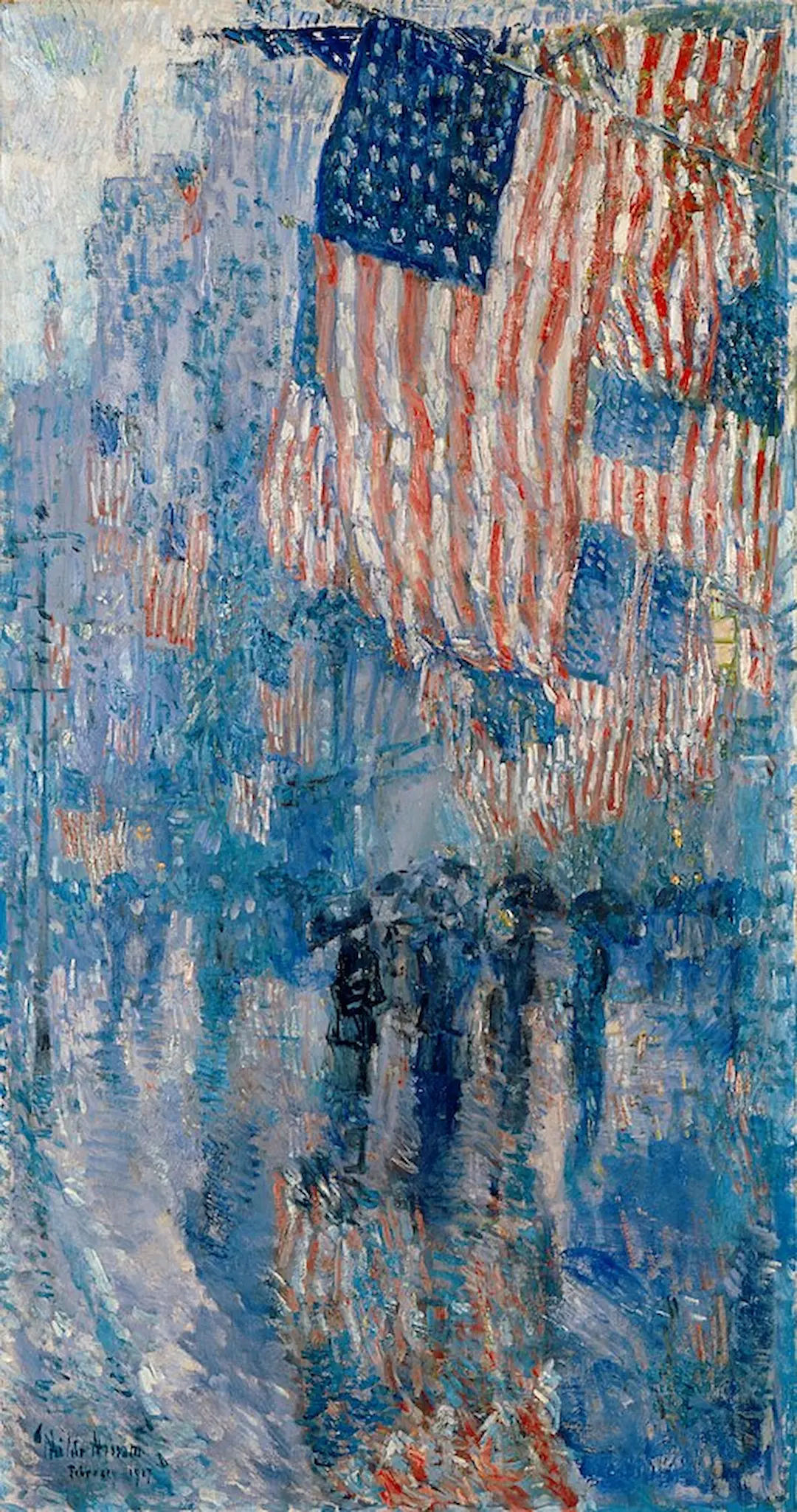
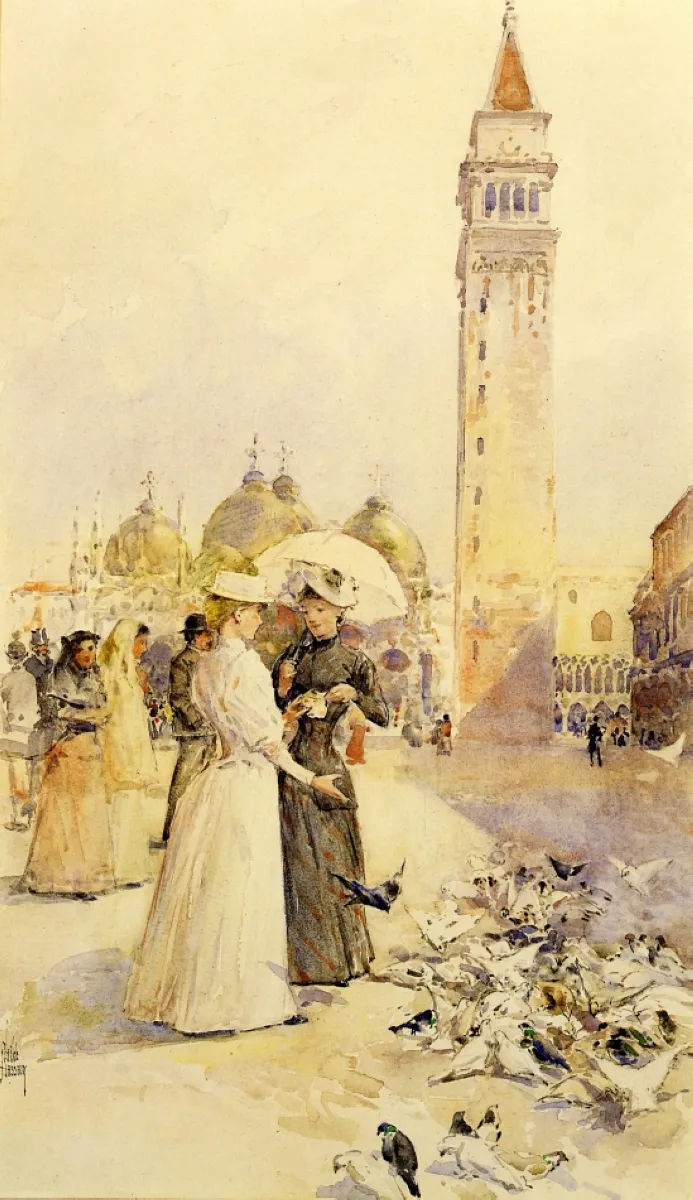
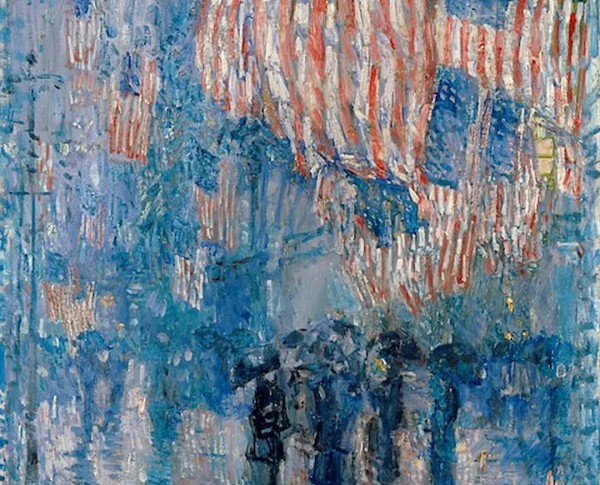
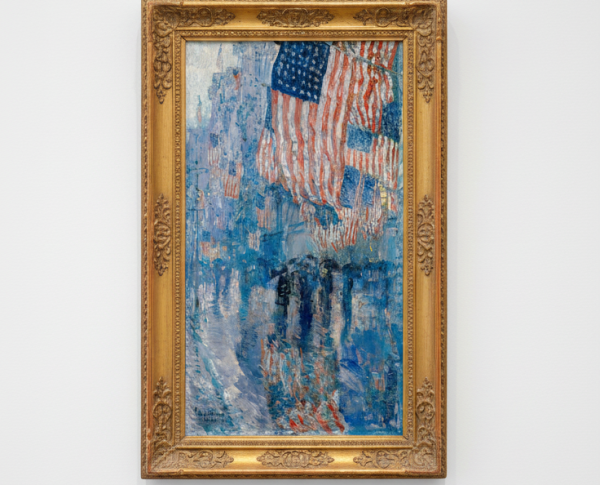
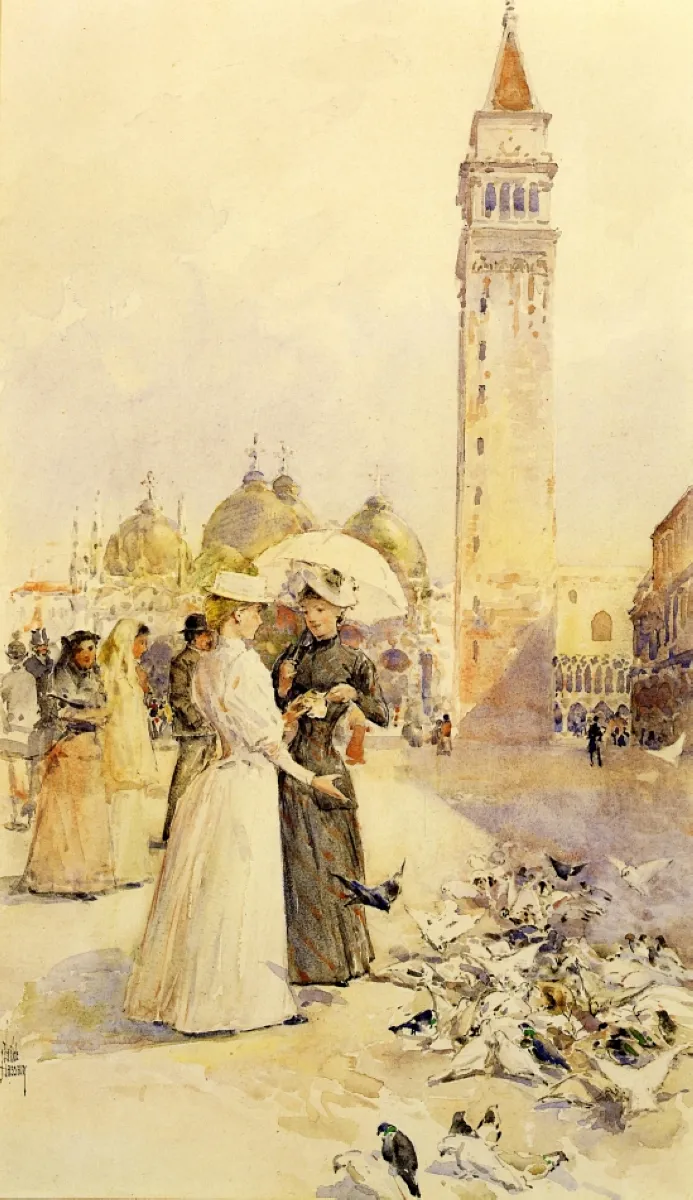
Frederick Childe Hassam’s exceptional technique is evident in every brushstroke of "Feeding Pigeons in the Piazza." The oil on canvas medium allows for a luminous interplay of light and color, characteristic of American Impressionism. Each detail, from the fluttering pigeons to the atmospheric piazza, showcases Hassam’s mastery. Art enthusiasts often compare this piece to his other celebrated works such as "Old House, Nantucket" and "The Avenue in the Rain," appreciating the artist’s consistent brilliance.
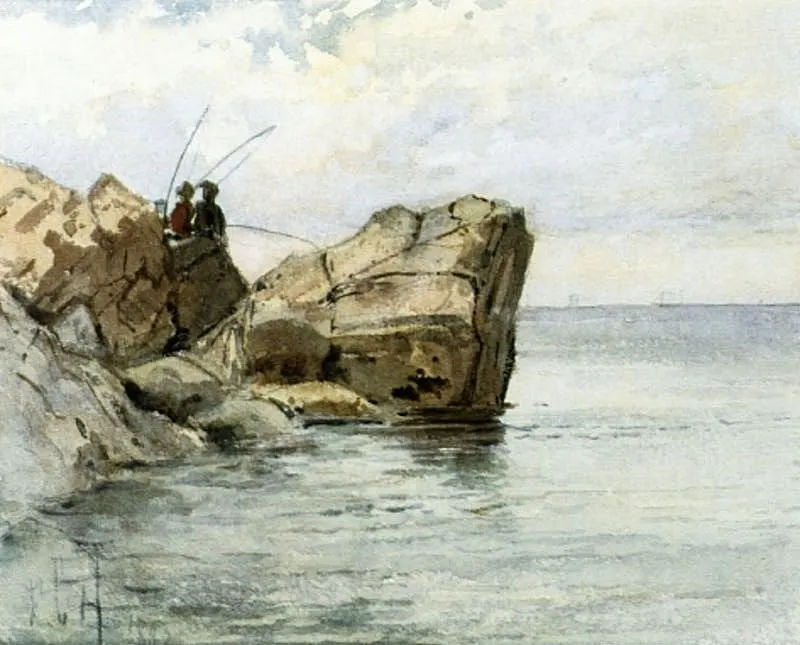
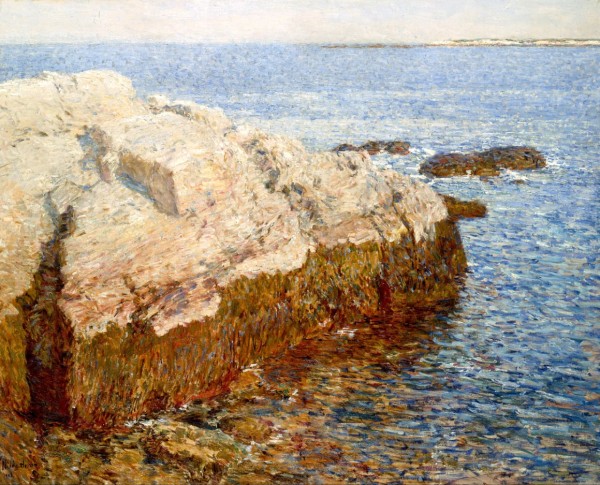
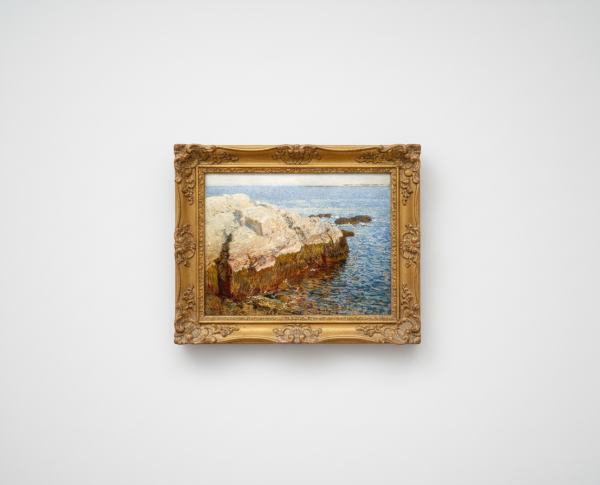
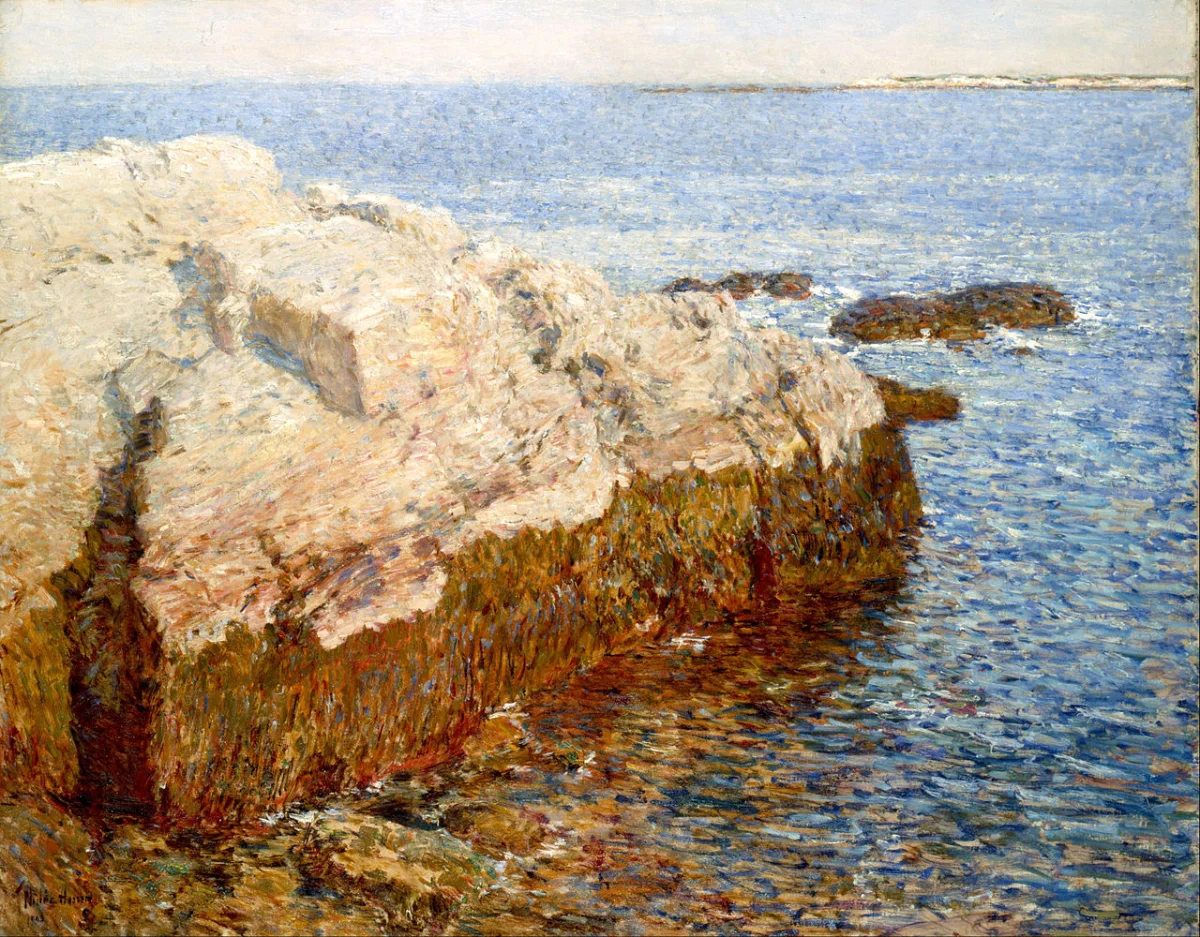
This fine art painting for sale is more than a depiction of a simple scene; it tells stories of daily life and human connection. In "Feeding Pigeons in the Piazza," Hassam uses the act of feeding birds as a symbol of harmony between people and nature. The painting’s inviting atmosphere draws viewers in, encouraging them to explore similar themes in related products like "Cliff Rock--Appledore" and "Young Fishermen" by the same artist, all within the American Impressionism style.
For collectors, "Feeding Pigeons in the Piazza" represents a remarkable opportunity to own a piece of American Impressionism history. This hand-painted oil painting by Frederick Childe Hassam is highly prized for its artistry and provenance. Collectors often seek out related masterpieces such as "Canal Scene," "White Barn," and "The Avenue in the Rain" to complement their collections, making this oil on canvas a true treasure in the world of fine art painting for sale.
When Art Meets History
"Feeding Pigeons in the Piazza" by Frederick Childe Hassam is a remarkable example of American Impressionism, capturing a lively scene in a European square. Painted during an era when artists traveled abroad for inspiration, this hand-painted oil painting reflects Hassam’s fascination with daily life and cityscapes. Comparable works from the movement, such as "President Theodore Roosevelt" and "Gertrude Bell," also showcase the historical context and vibrant energy that defined American Impressionism during Hassam’s time.
Techniques That Speak
Hassam’s mastery of oil on canvas is evident in "Feeding Pigeons in the Piazza," where quick, expressive brushstrokes create a sense of movement and atmosphere. The artist’s skillful use of light and color is characteristic of American Impressionism, echoing the techniques seen in related paintings like "Two Wine Glasses" and "El Jaleo." Each stroke in this oil on canvas work speaks to Hassam’s ability to blend traditional technique with the innovative spirit of his artistic movement.
Emotions on Display
In "Feeding Pigeons in the Piazza," Frederick Childe Hassam imbues the scene with warmth and vitality, inviting viewers to share a moment of everyday joy. This fine art painting for sale offers a glimpse into the artist’s emotional connection with his subjects, seen also in works like "Bartholomy Magagnosco." The gentle interaction between people and pigeons reflects the optimistic spirit of American Impressionism, making the painting resonate with collectors and art lovers alike.
Coveted by Collectors
As a prime example of American Impressionism, "Feeding Pigeons in the Piazza" by Frederick Childe Hassam remains highly sought after in the art market. Collectors value this hand-painted oil painting for its historical significance and vibrant technique, similar to other celebrated works like "Gertrude Bell" and "El Jaleo." The enduring appeal of Hassam’s artistry ensures that this fine art painting for sale continues to captivate admirers and collectors worldwide.
Related American Impressionism Hand-Painted Oil Paintings by Other Artists
Other Famous American Impressionism Artists:
Frequently Asked Questions About Feeding Pigeons in the Piazza
What is the historical context of "Feeding Pigeons in the Piazza"?
"Feeding Pigeons in the Piazza" was painted by Frederick Childe Hassam during the late 19th century, a time when American artists were increasingly influenced by European Impressionism. This period marked a significant shift in artistic expression, focusing on light, color, and everyday scenes.
What artistic techniques did Hassam employ in this painting?
Hassam utilized loose brushwork and a vibrant color palette typical of Impressionism. His technique captures the fleeting effects of light and movement, particularly in the way he depicts the pigeons and the figures in the piazza.
What is the significance of the pigeons in the painting?
The pigeons symbolize urban life and the connection between nature and the city. They represent a moment of tranquility amidst the hustle and bustle of city life, inviting viewers to reflect on the simple pleasures found in everyday interactions.
How does "Feeding Pigeons in the Piazza" reflect the Impressionist movement?
This painting exemplifies the Impressionist movement through its emphasis on capturing a moment in time, the use of light and color to convey mood, and the portrayal of ordinary subjects, which were often overlooked by traditional academic art.
What themes are explored in "Feeding Pigeons in the Piazza"?
The painting explores themes of community, leisure, and the relationship between humans and nature. It captures a serene moment of interaction that highlights the beauty of everyday life in an urban setting.
What influences can be seen in Hassam's style in this artwork?
Hassam's style in this painting shows the influence of French Impressionists like Claude Monet and Pierre-Auguste Renoir. His focus on light, atmosphere, and the depiction of movement reflects these artists' techniques and philosophies.
Where was "Feeding Pigeons in the Piazza" painted?
The painting was created in an urban setting, likely inspired by the public squares of cities like Paris or New York, where Hassam spent significant time. The piazza serves as a backdrop for social interaction and everyday life.
What can be inferred about the social dynamics depicted in the painting?
The painting suggests a sense of community and shared experience among the figures present. The act of feeding pigeons brings people together, highlighting the social interactions that occur in public spaces.
How does the composition of the painting contribute to its overall impact?
The composition is balanced yet dynamic, with figures and pigeons arranged in a way that draws the viewer's eye throughout the scene. This movement enhances the sense of life and activity within the piazza, making it feel vibrant and engaging.
What legacy did "Feeding Pigeons in the Piazza" leave in the art world?
This painting contributes to the legacy of American Impressionism, showcasing how American artists adapted European styles to reflect their own experiences and environments. It remains a significant work that illustrates the evolution of American art in the late 19th century.






















_GFM_Painting_(1).webp)


 100% Hand-Painted: Finished in 3-6 Weeks

.png)















_(1).webp)