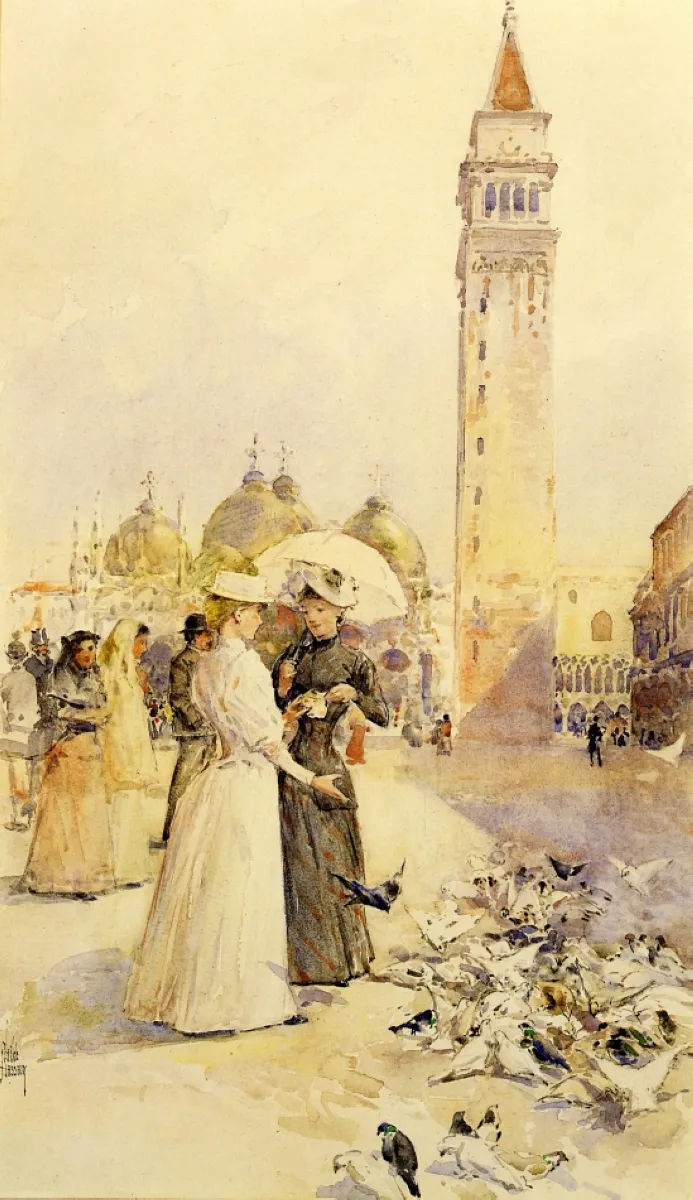
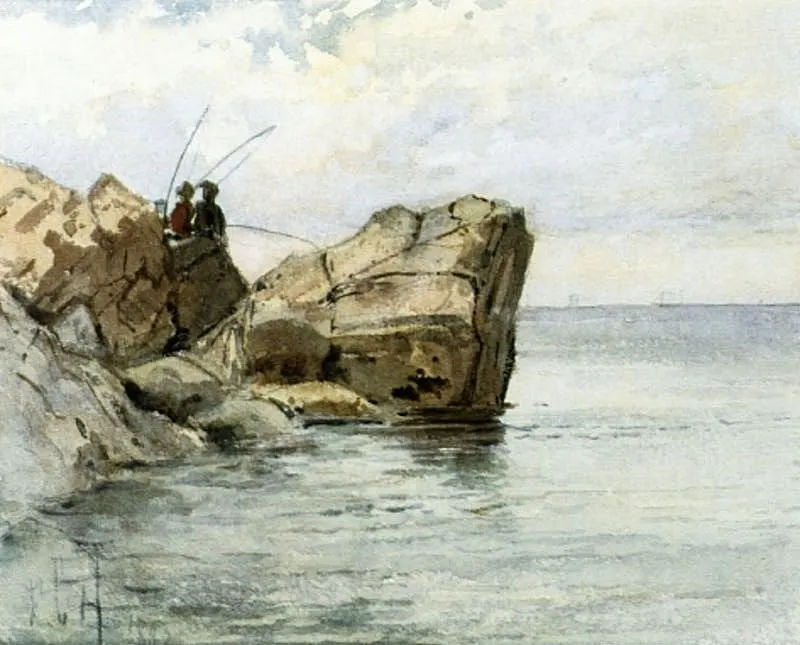
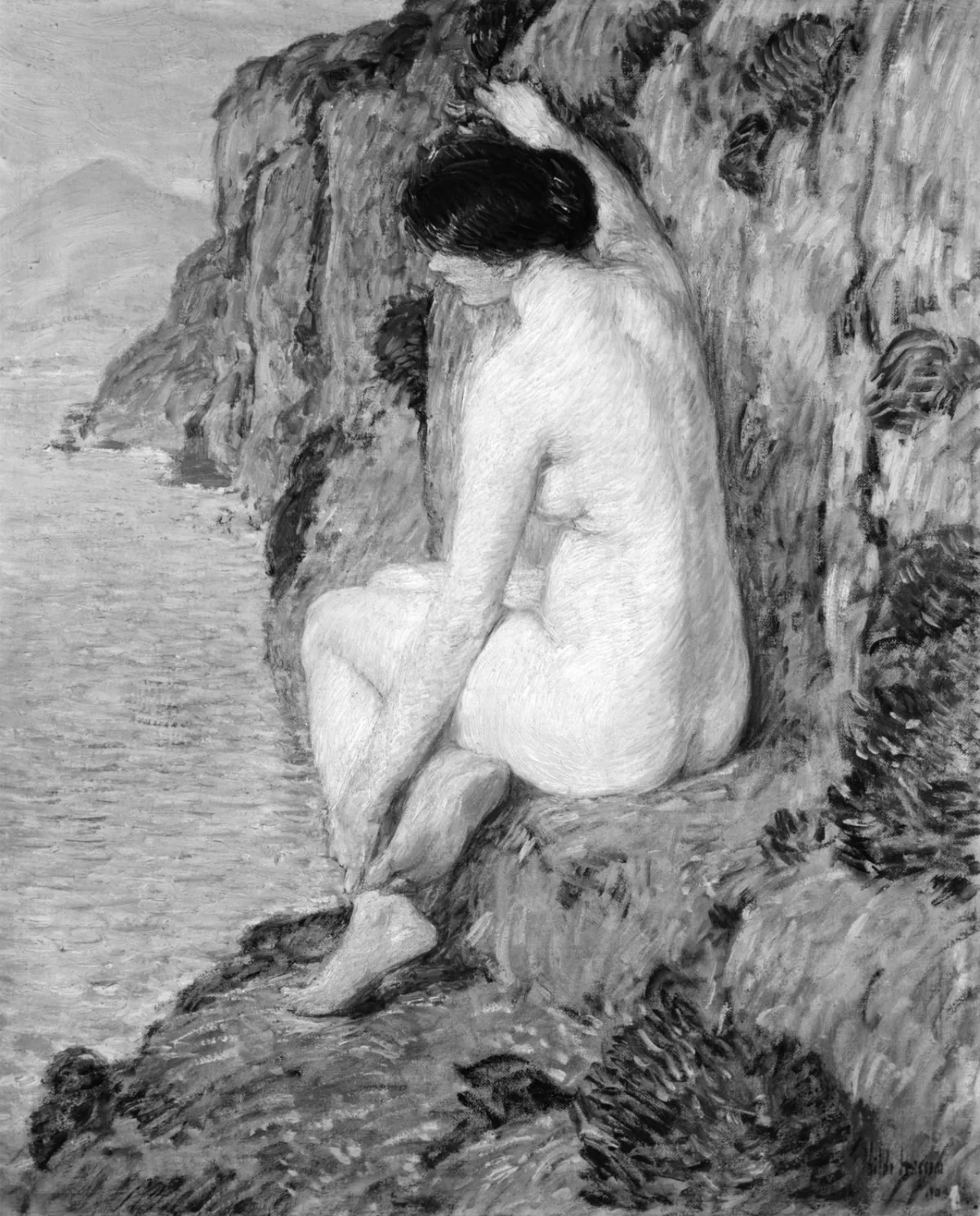
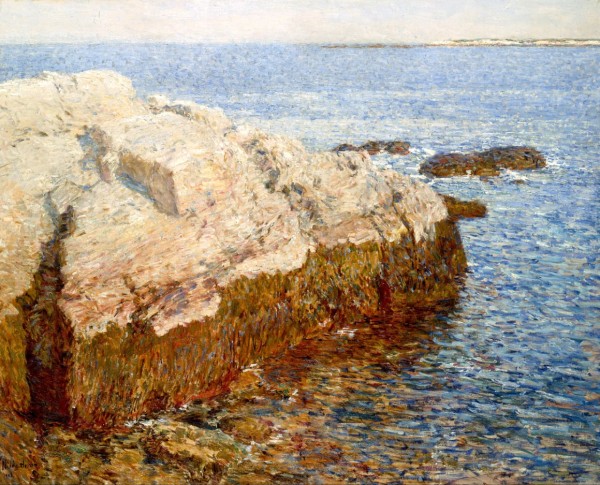
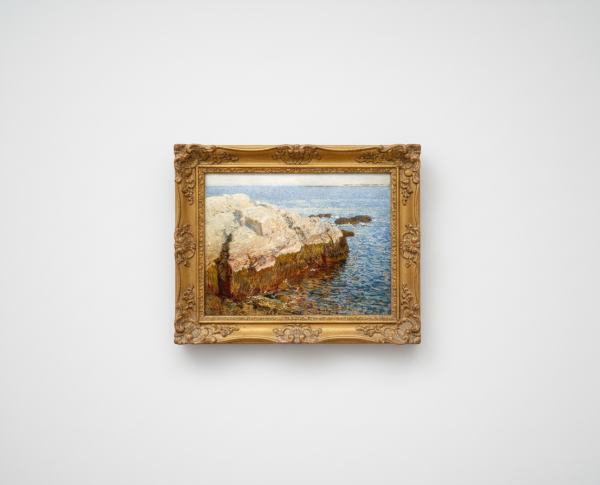
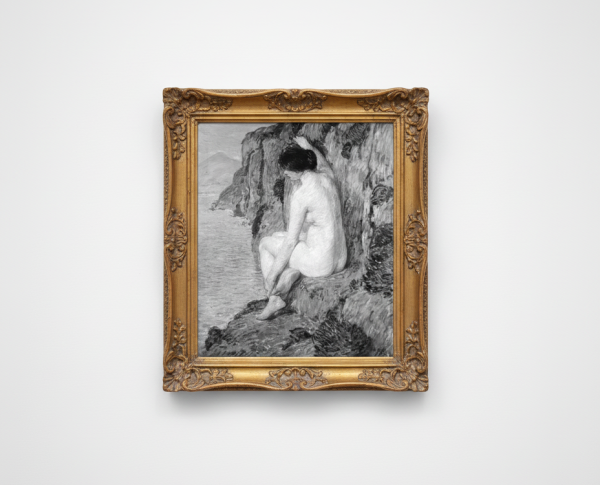
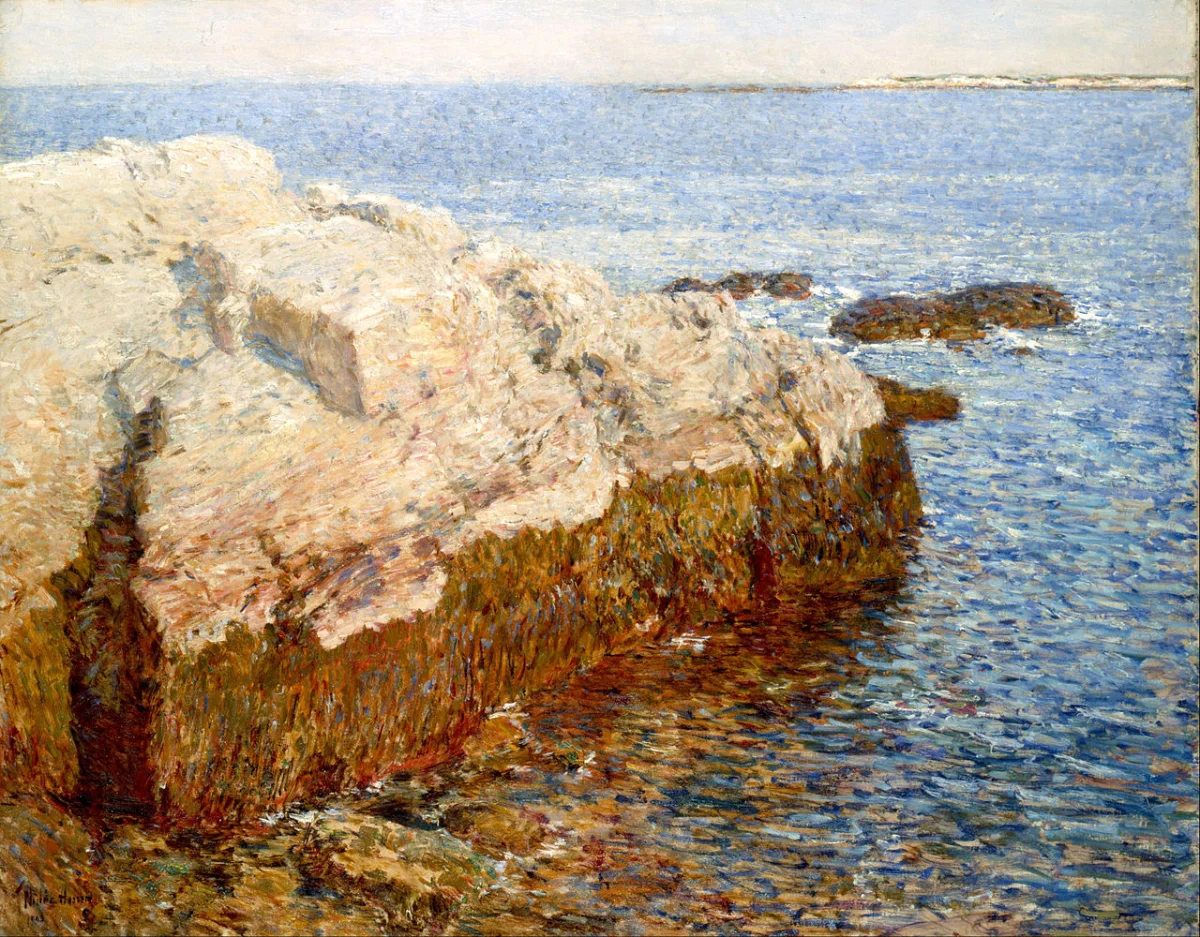
Frederick Childe Hassam’s "The Lorelei" demonstrates his command of oil on canvas, blending color and light to create a scene brimming with emotion. His technique, a hallmark of American Impressionism, is evident in every brushstroke. Collectors seeking similar works may also appreciate "Cliff Rock--Appledore". which showcase Hassam’s versatility and mastery in this beloved medium, making each piece a testament to fine artistry and skill.
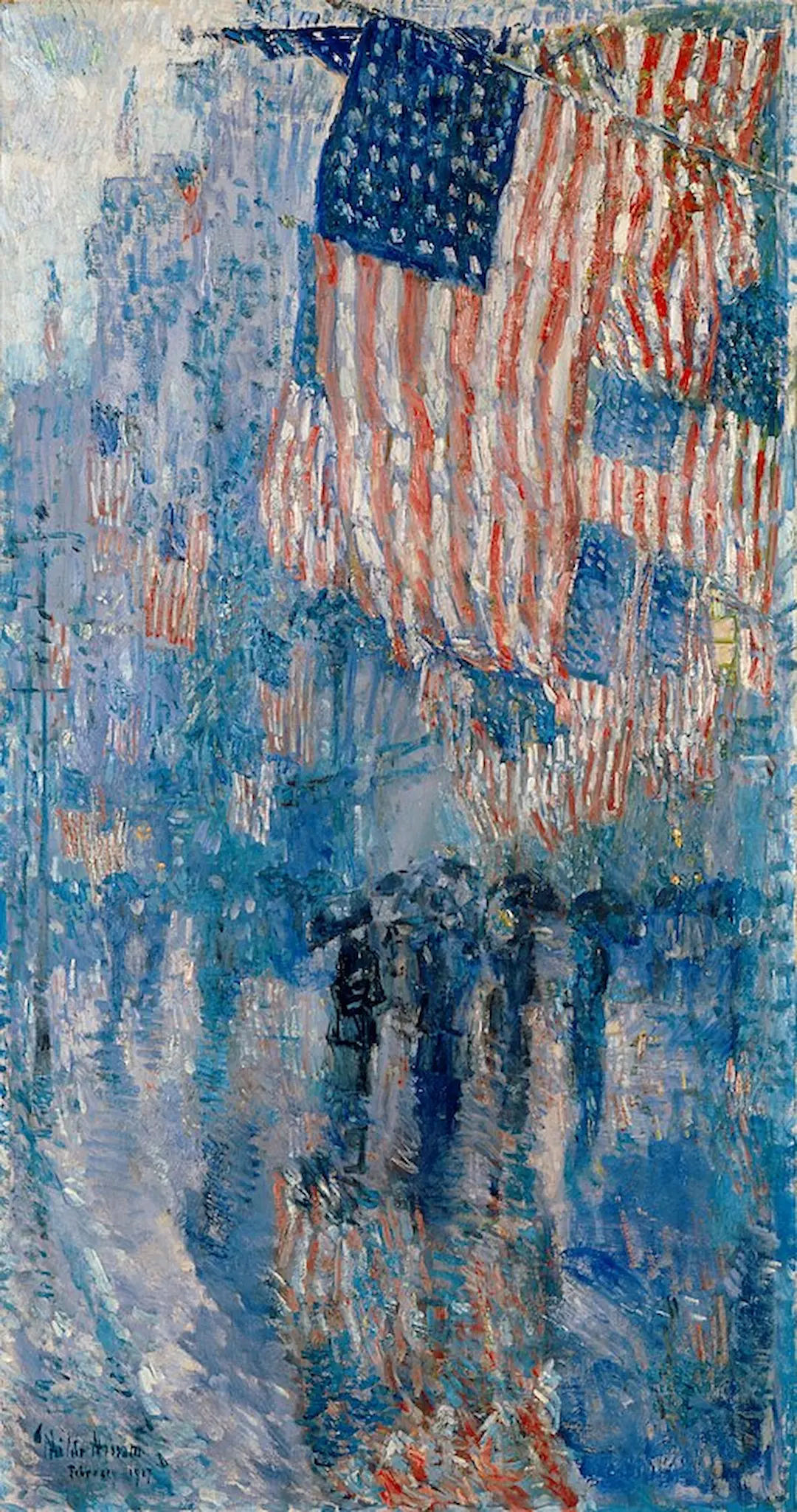
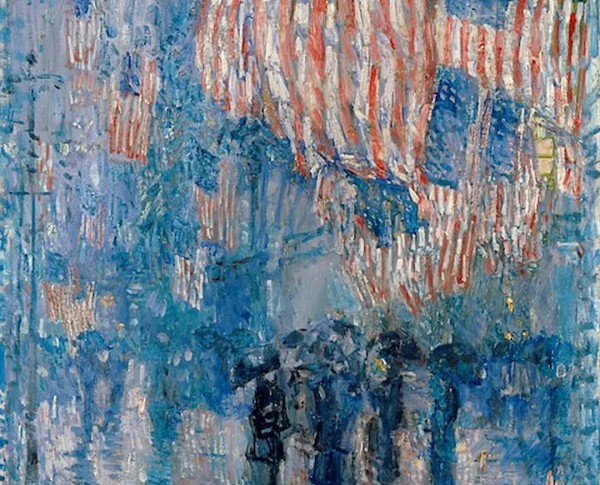
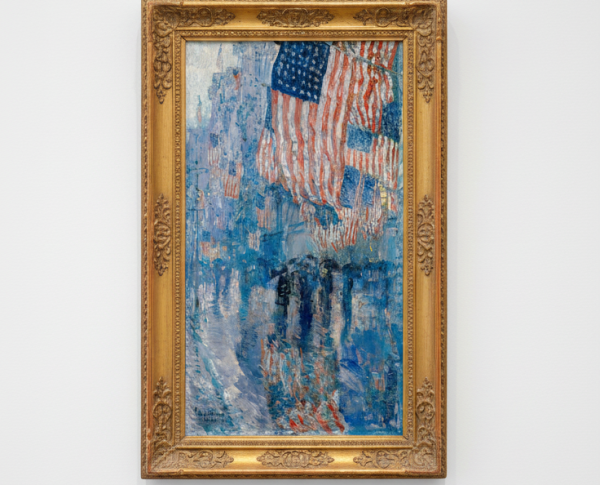
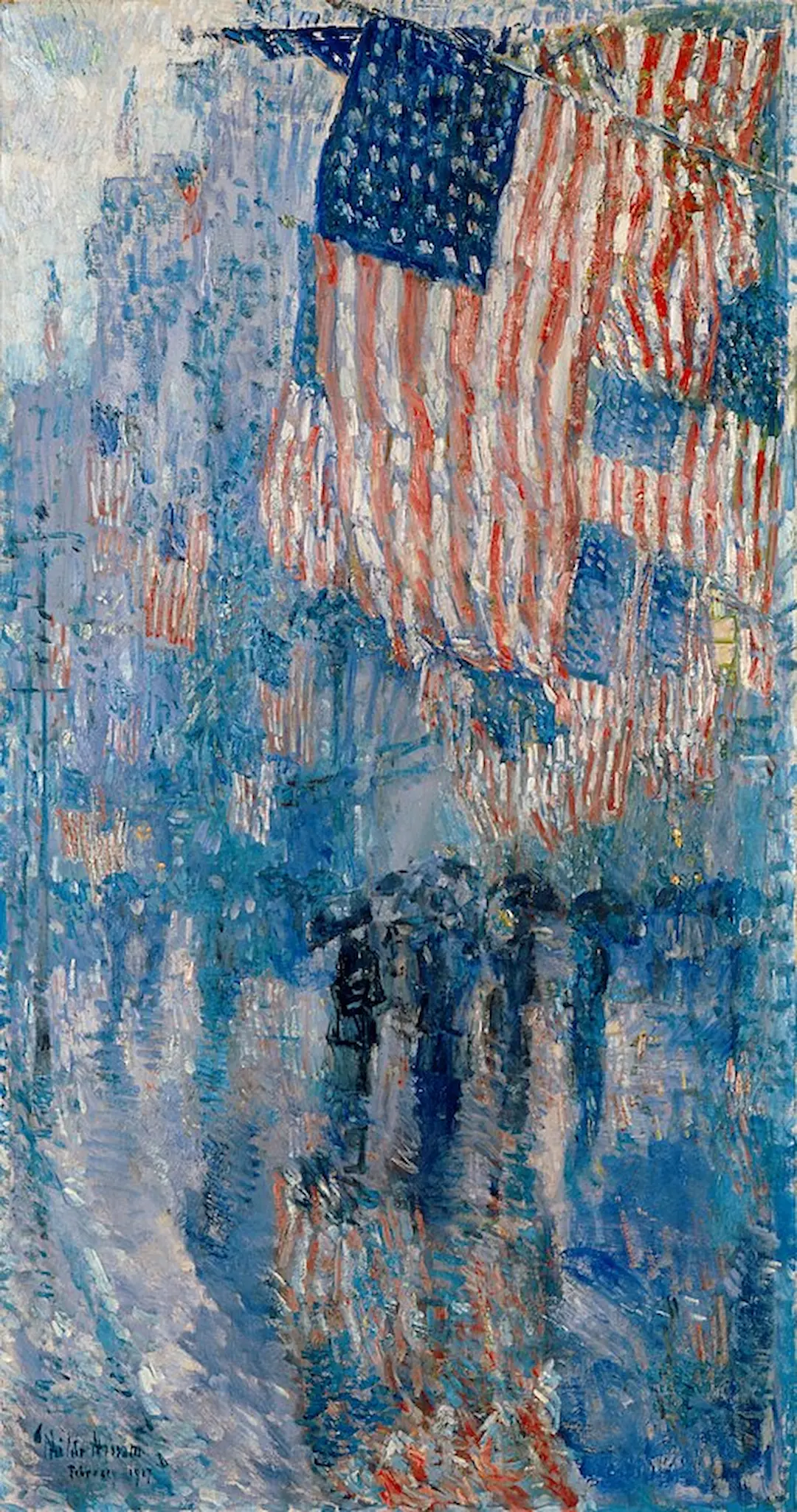
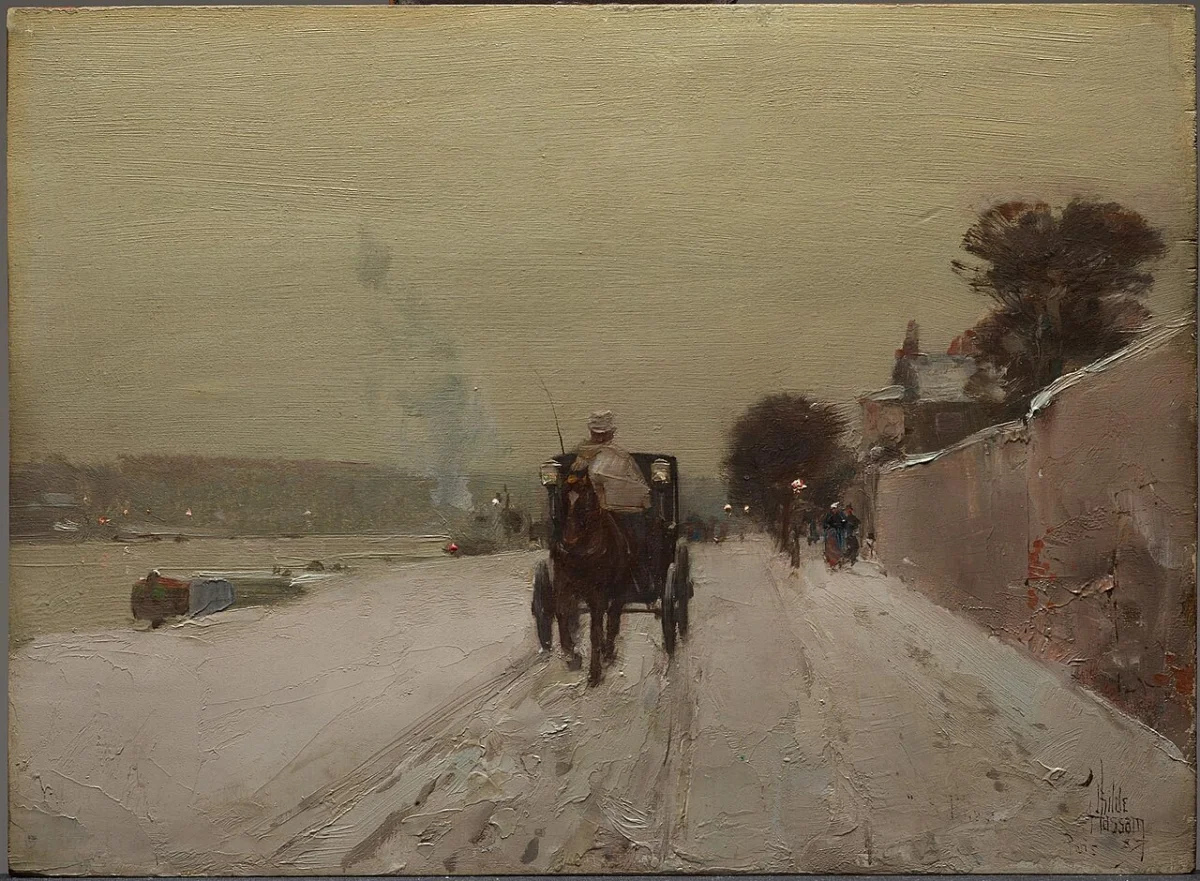
The narrative within "The Lorelei" invites viewers to ponder its underlying stories and symbols. As a fine art painting for sale, it not only enhances any collection but also serves as a conversation piece. Frederick Childe Hassam often infused his oil paintings with subtle symbolism, connecting viewers to the broader themes of the American Impressionism movement. Related works such as "The Avenue in the Rain" similarly invite interpretation and reflection through their visual storytelling.
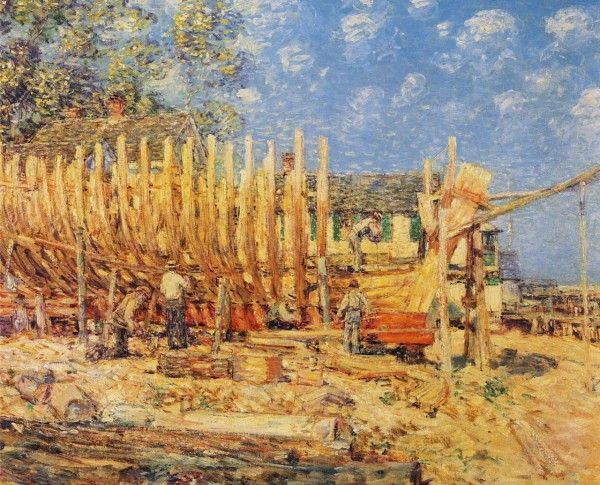
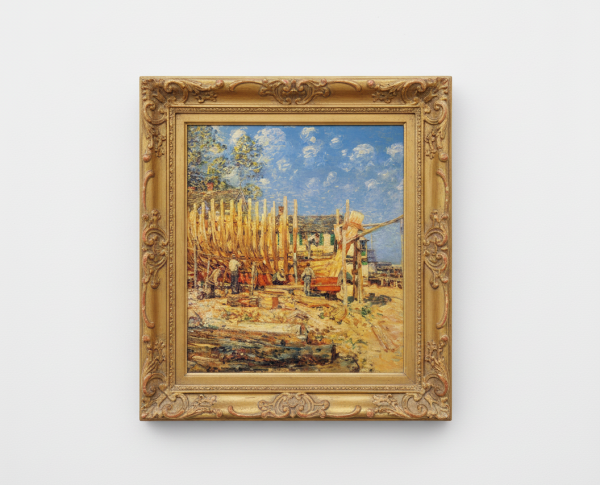
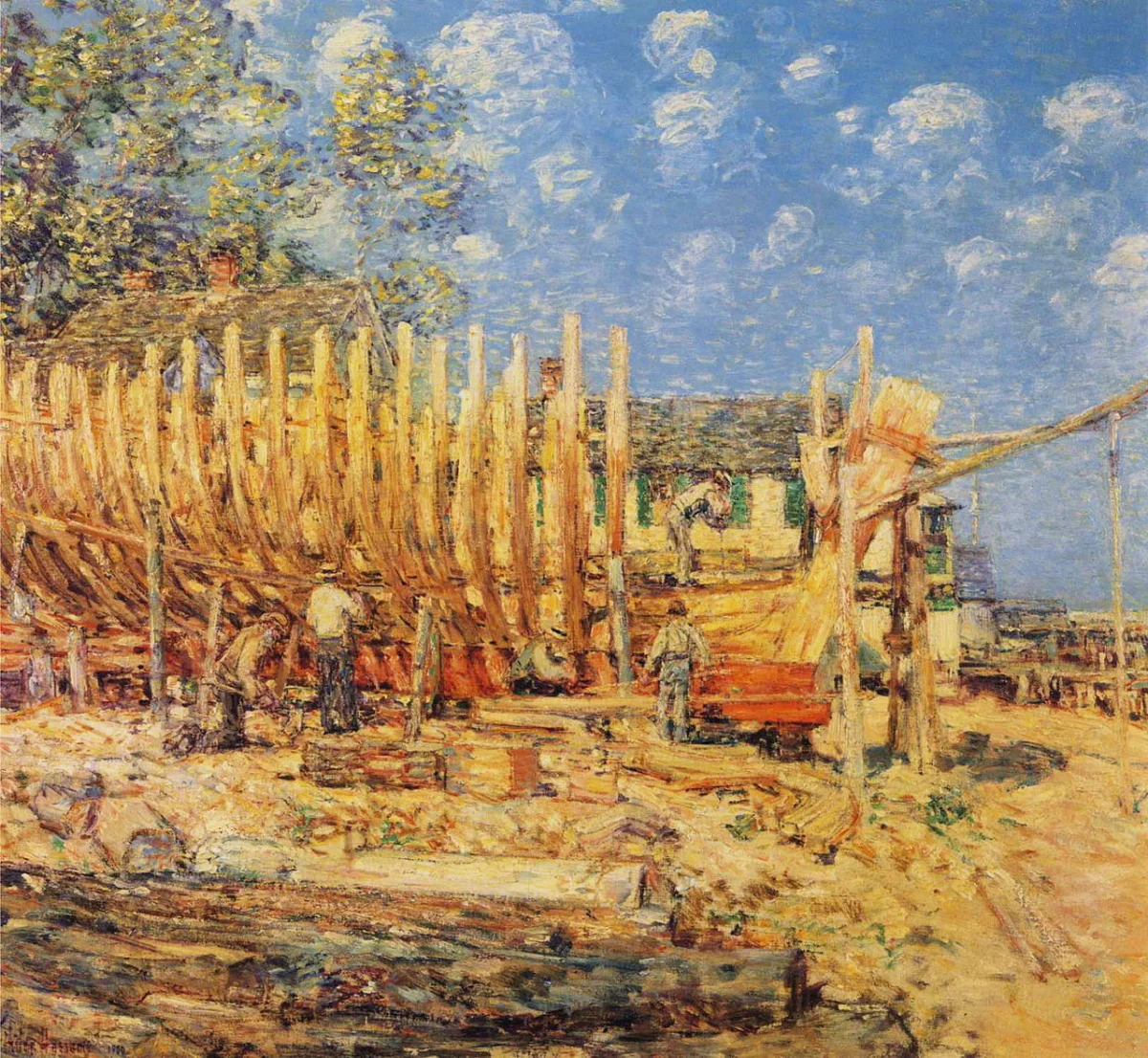
Owning "The Lorelei" by Frederick Childe Hassam is a rare opportunity for any art connoisseur. This hand-painted oil painting exemplifies the spirit of American Impressionism and stands alongside notable pieces like "Building the Schooner, Provincetown" and "Cliff Rock--Appledore." Whether displayed in a home or gallery, this masterpiece, along with other fine art painting for sale, promises to enrich any collection with its historic significance and timeless beauty.
When Art Meets History
Frederick Childe Hassam’s "The Lorelei" stands as a remarkable hand-painted oil painting, perfectly embodying the spirit of American Impressionism. Created during a pivotal era, this artwork not only showcases Hassam’s mastery but also reflects the cultural shifts of his time. Alongside related paintings such as "Buffalo Hunt" and "A Morning Walk," "The Lorelei" invites viewers to explore the vibrant narratives woven into the tapestry of late nineteenth-century America.
Techniques That Speak
Hassam’s use of oil on canvas in "The Lorelei" highlights his extraordinary skill in capturing light and atmosphere. The brushwork, characterized by lively, expressive strokes, is reminiscent of his contemporaries and other masterpieces like "The Death Song of Lone Wolf." This oil on canvas technique allows the scene to shimmer with movement, making the painting a quintessential example of American Impressionism’s fascination with fleeting moments and natural beauty.
Emotions on Display
"The Lorelei" by Frederick Childe Hassam evokes a sense of mystery and longing, much like related works "When the Land Belonged to God" and "Carnation, Lily, Lily, Rose." Through his signature impressionist style, Hassam infuses the canvas with emotional depth, inviting viewers to immerse themselves in the story. This fine art painting for sale resonates with collectors and art lovers alike, offering a glimpse into the emotional landscape of the American Impressionism movement.
Coveted by Collectors
Collectors are drawn to "The Lorelei" for its historical significance and stunning execution as a hand-painted oil painting. Frederick Childe Hassam’s reputation, established through notable works like "A Morning Walk," ensures enduring interest in his art. As a prime example of American Impressionism, "The Lorelei" is a fine art painting for sale that continues to captivate connoisseurs seeking to own a piece of art history, alongside other celebrated masterpieces from the era.
Related American Impressionism Hand-Painted Oil Paintings by Other Artists
Other Famous American Impressionism Artists:
Frequently Asked Questions About The Lorelei
What is the historical context of "The Lorelei"?
"The Lorelei," painted by Frederick Childe Hassam in 1900, is set against the backdrop of the late 19th and early 20th centuries, a time when American artists were increasingly influenced by European movements, particularly Impressionism. This period marked a significant shift in the way artists approached light, color, and subject matter.
Who is the figure depicted in "The Lorelei"?
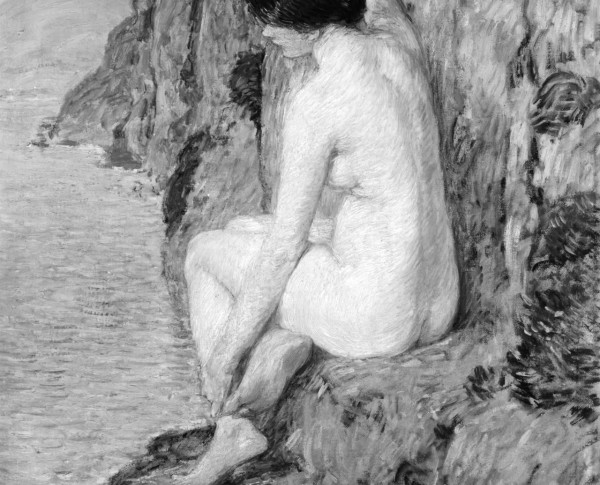
The figure in "The Lorelei" is inspired by the German legend of the Lorelei, a siren who lured sailors to their doom with her enchanting song. This mythological reference adds a layer of intrigue and symbolism to the painting, representing the duality of beauty and danger.
What artistic techniques did Hassam employ in "The Lorelei"?
Hassam utilized Impressionistic techniques in "The Lorelei," characterized by loose brushwork, vibrant colors, and an emphasis on capturing the effects of light. His approach creates a sense of movement and atmosphere, drawing viewers into the scene.
What is the significance of color in "The Lorelei"?
The use of color in "The Lorelei" is particularly significant, as it conveys mood and emotion. The soft, ethereal palette suggests a dreamlike quality, enhancing the mystical nature of the Lorelei legend and inviting contemplation.
How does "The Lorelei" reflect Hassam's artistic style?
"The Lorelei" exemplifies Hassam's signature style, which blends Impressionism with elements of American realism. His focus on natural beauty and emotional resonance is evident in the serene expression of the figure and the tranquil landscape.
What themes are explored in "The Lorelei"?
The painting explores themes of femininity, allure, and the intersection of nature and myth. The Lorelei figure embodies both beauty and peril, reflecting the complexities of desire and the dangers that often accompany it.
What influences can be seen in "The Lorelei"?
Hassam was influenced by both European Impressionists and American artists of his time. The integration of mythological elements and the emphasis on light and atmosphere in "The Lorelei" showcase these diverse influences, merging them into a uniquely American expression.
How does "The Lorelei" fit into the broader narrative of American art?
"The Lorelei" is a significant work within the context of American art, as it reflects the transition from traditional academic painting to more modern interpretations. It highlights the growing acceptance of Impressionism in America and the exploration of new themes and subjects.
What role does the landscape play in "The Lorelei"?
The landscape in "The Lorelei" serves as a backdrop that enhances the narrative of the painting. It creates a harmonious relationship between the figure and her surroundings, emphasizing the connection between nature and the mythical elements of the story.
What impact did "The Lorelei" have on viewers and critics at the time of its creation?
Upon its release, "The Lorelei" garnered attention for its innovative approach and emotional depth. Critics praised Hassam's ability to evoke a sense of wonder and enchantment, solidifying his reputation as a leading figure in American Impressionism.






















_GFM_Painting_(1).webp)

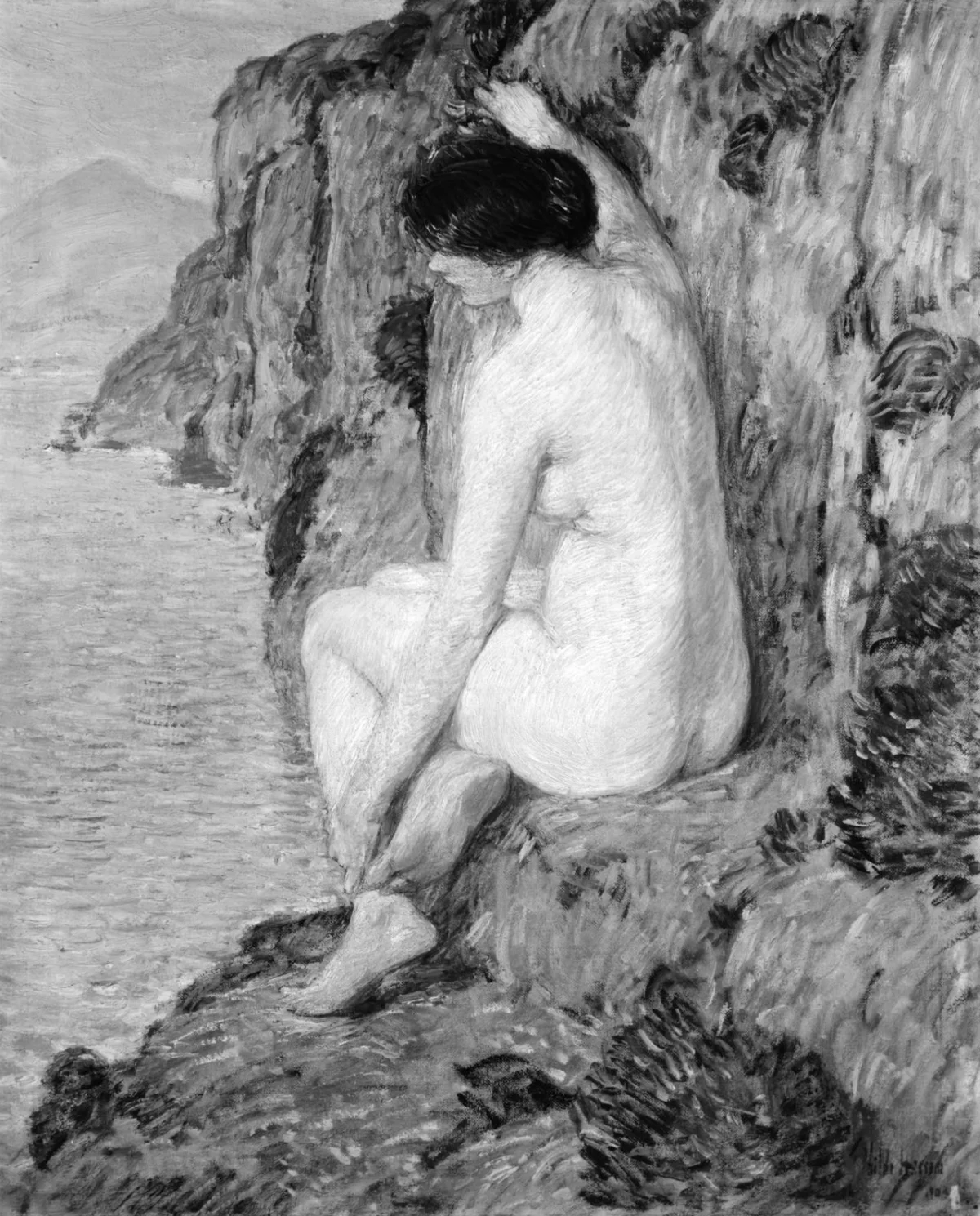

 100% Hand-Painted: Finished in 3-6 Weeks

.png)















_(1).webp)