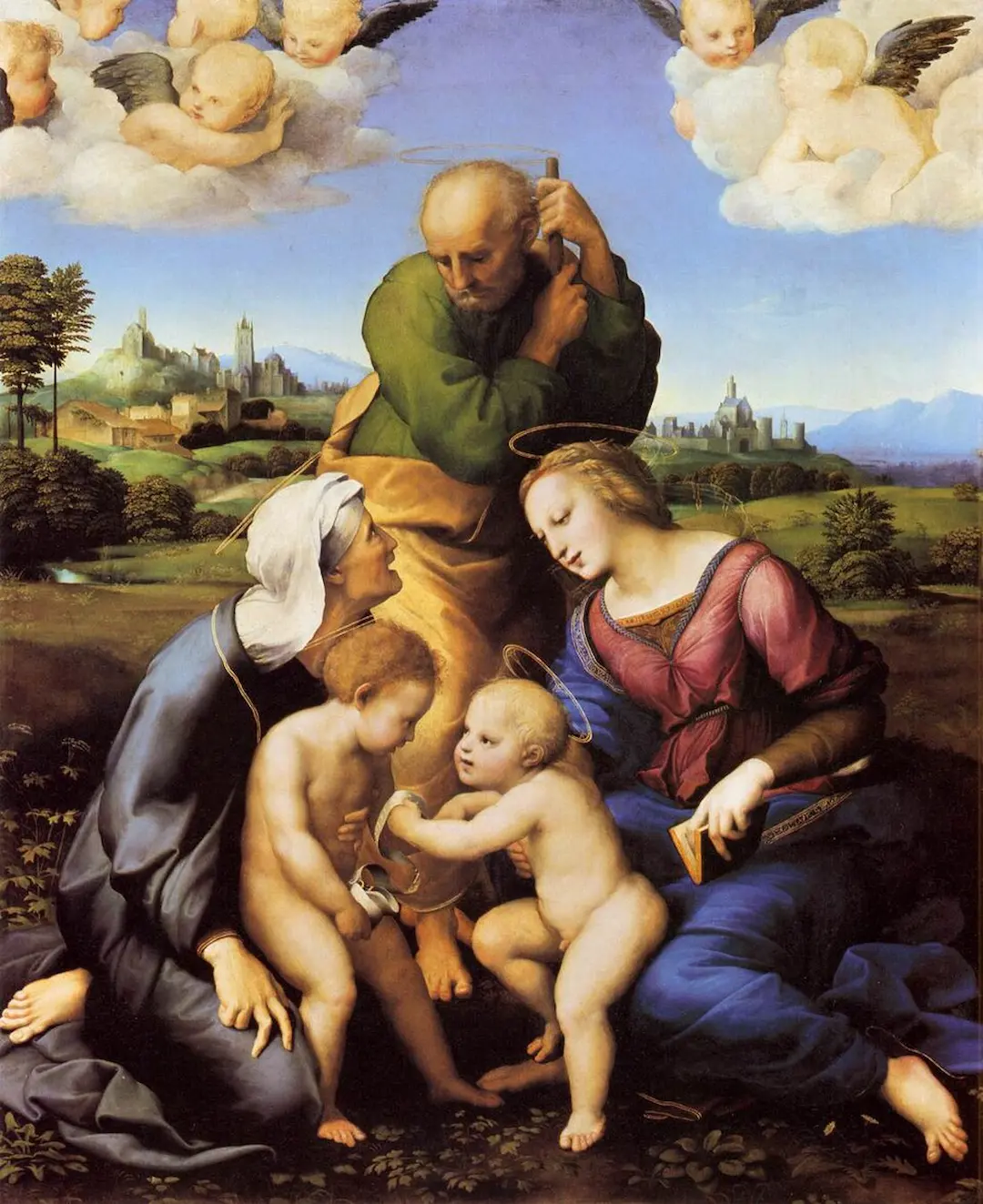
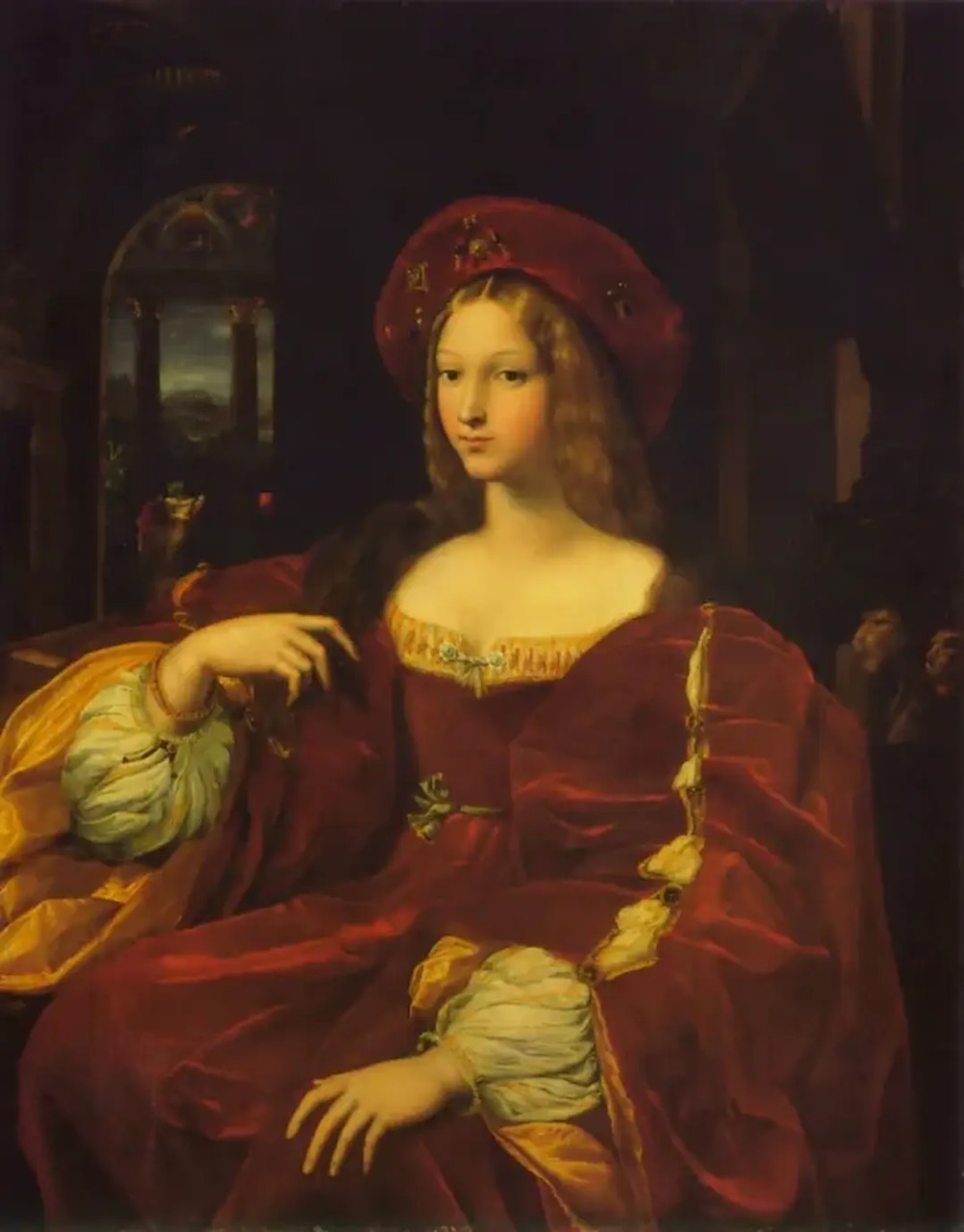
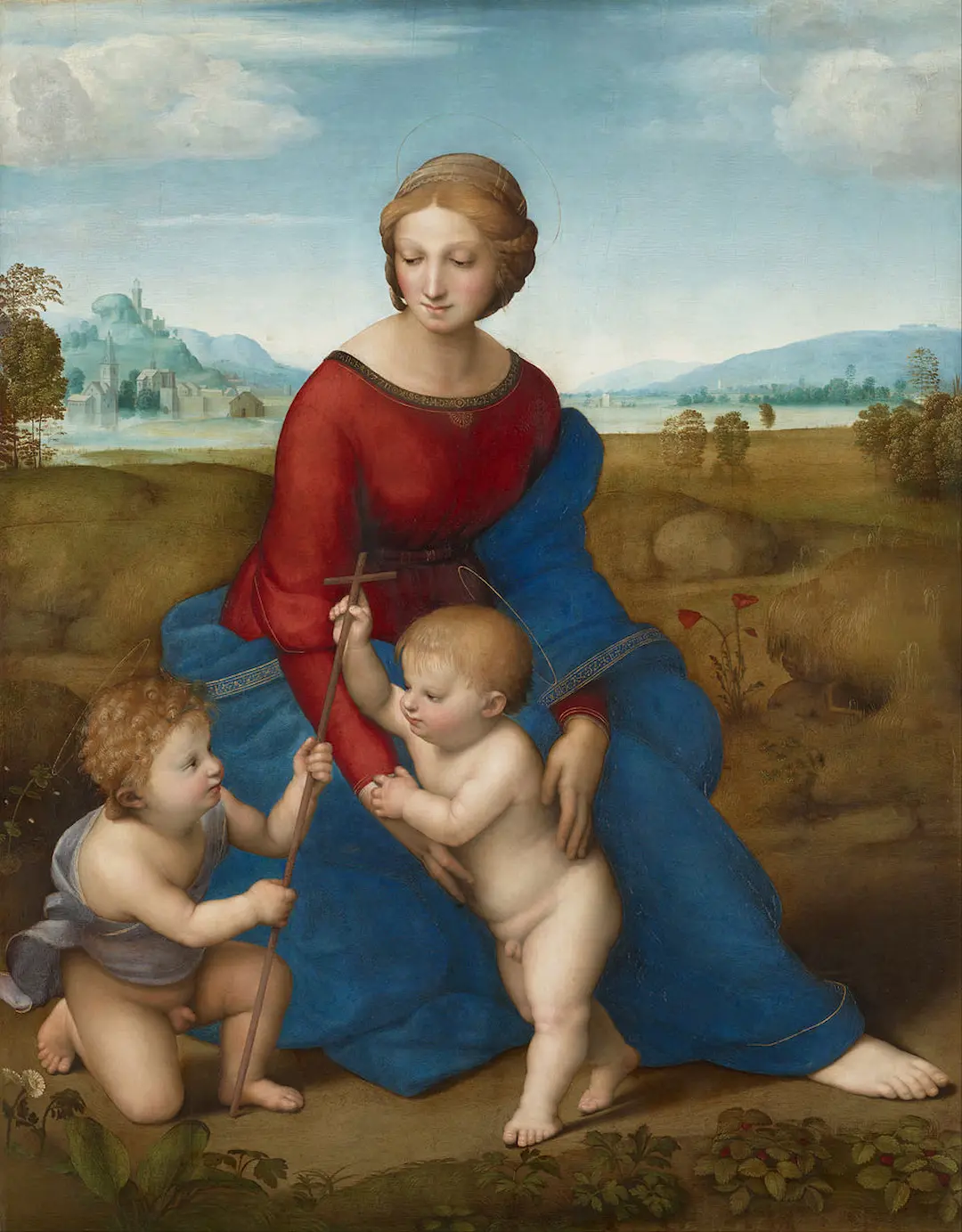
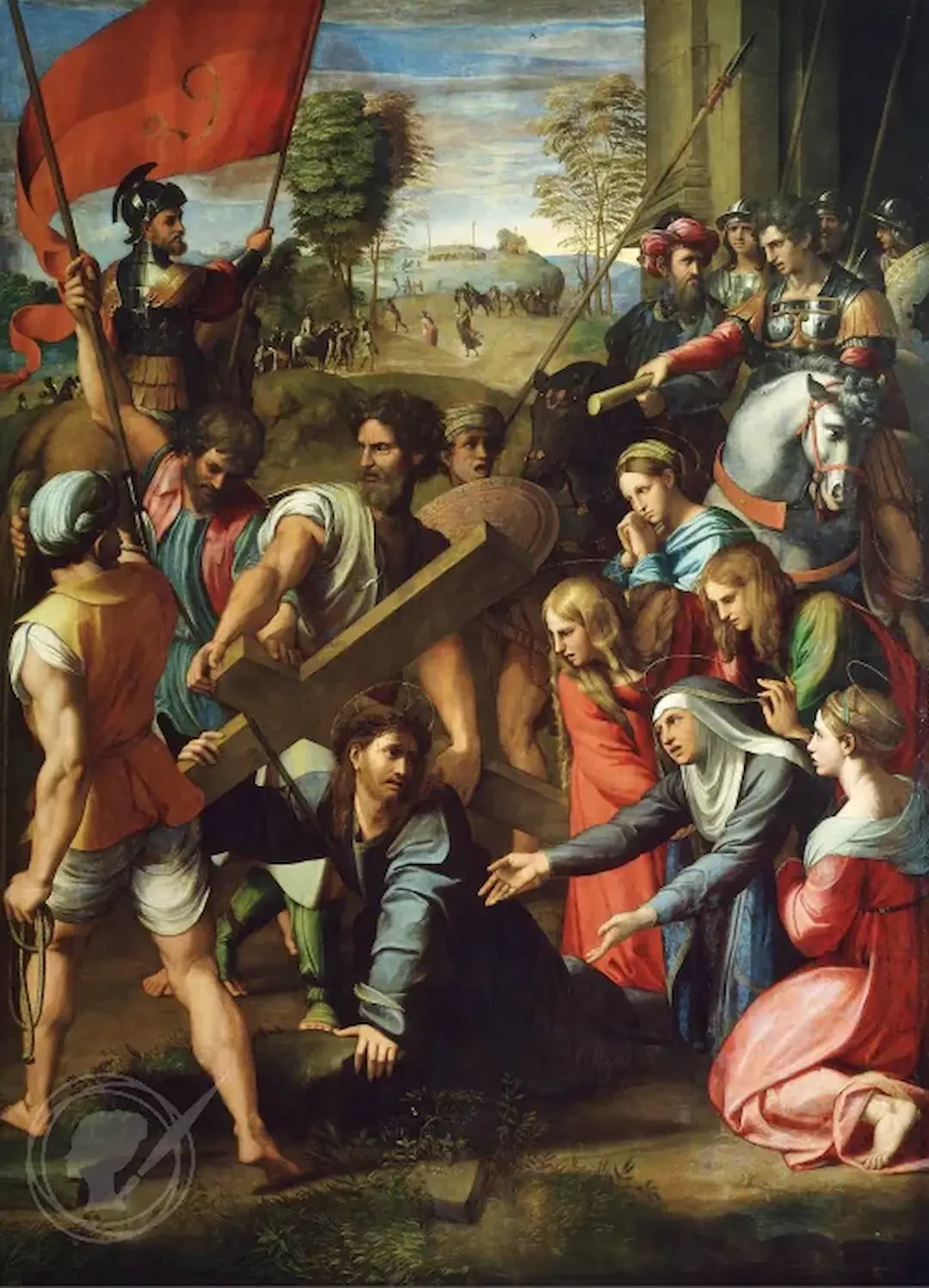
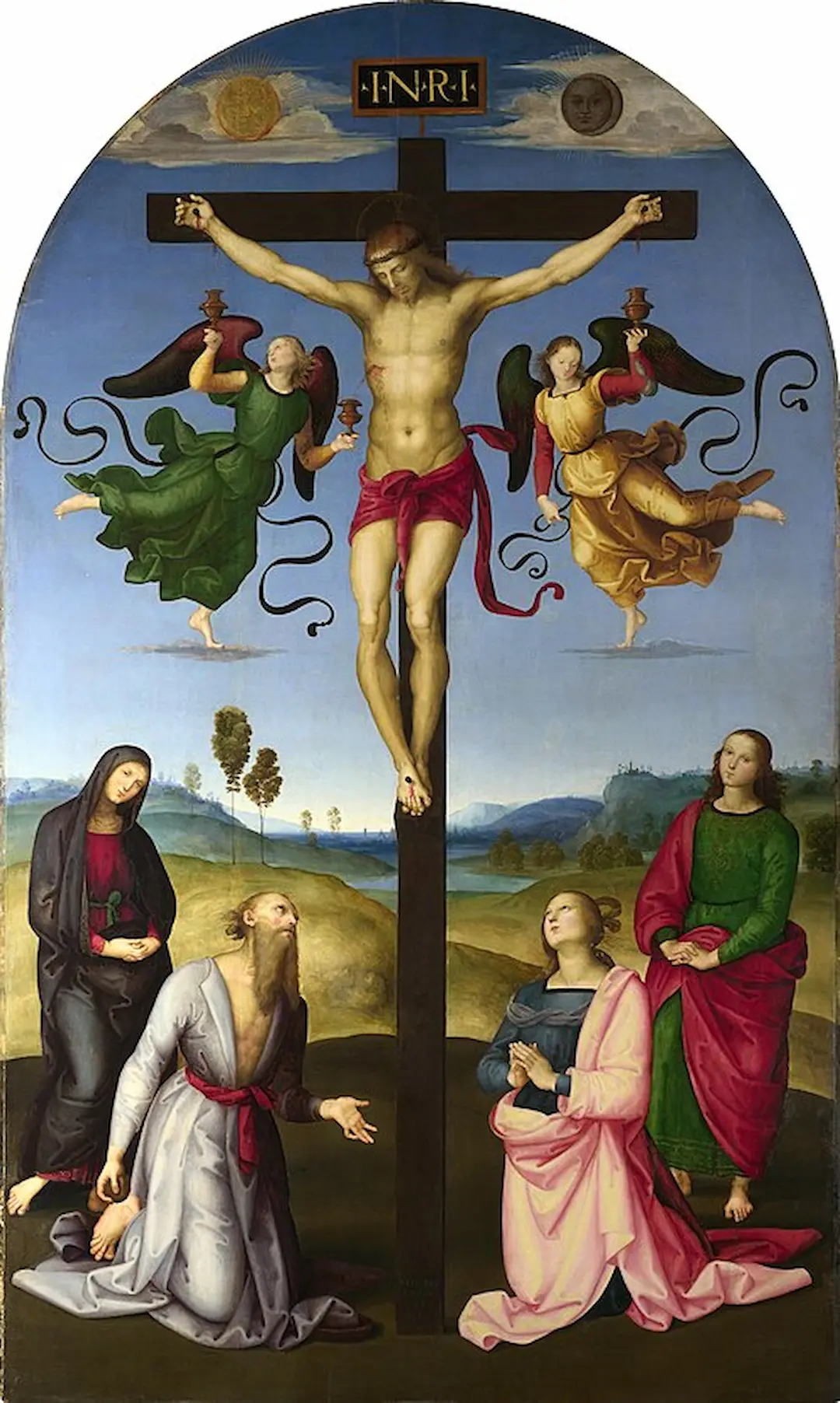
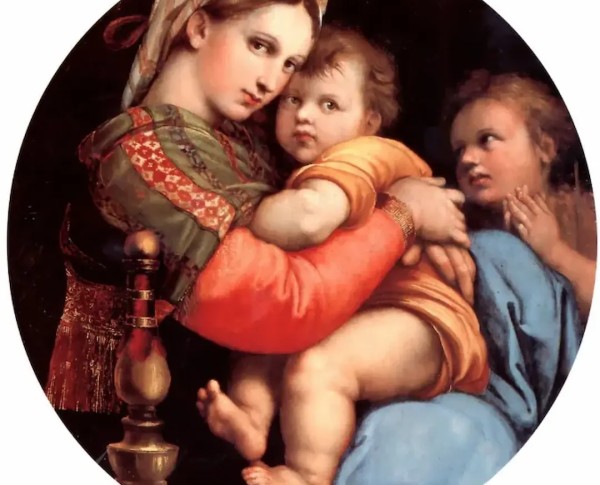
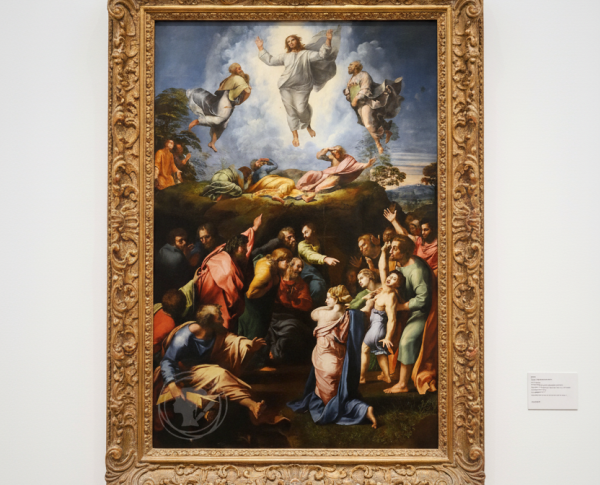
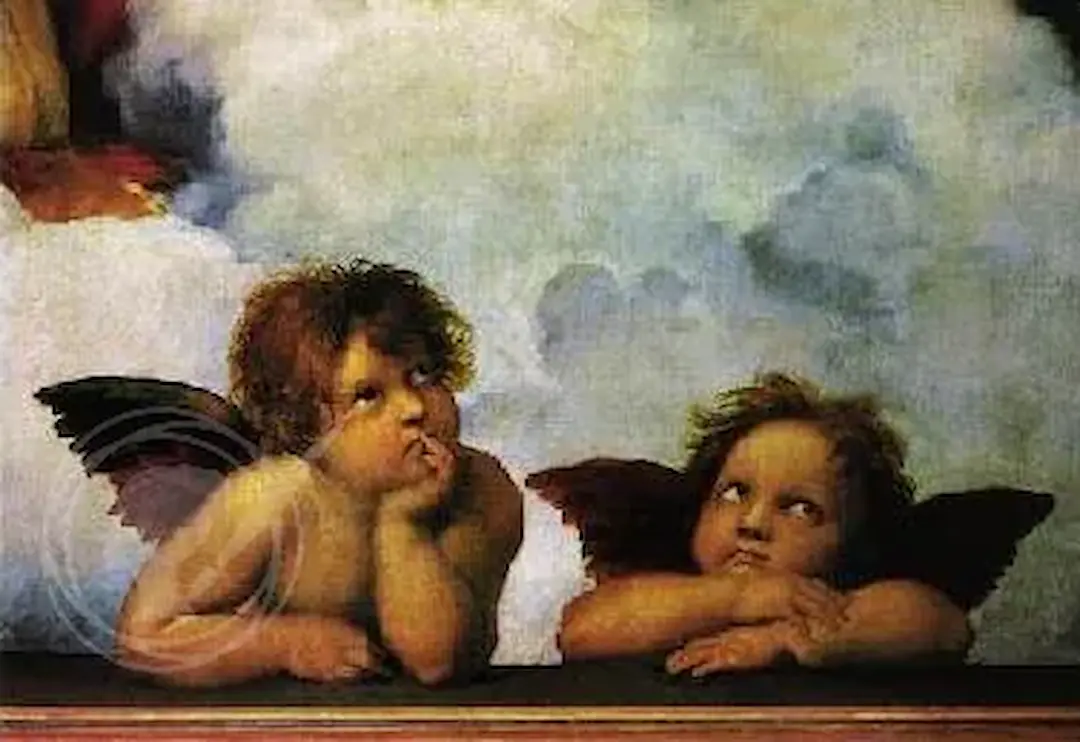
Every detail in “Cherubini” showcases Raphael’s remarkable skill with oil on canvas. His delicate brushwork and harmonious compositions exemplify the pinnacle of High Renaissance artistry. The painting resonates with the same meticulous attention found in “Joanna Of Aragon” and “Self Portrait.” As an oil on canvas, “Cherubini” reveals the artist’s ability to bring lifelike softness and depth to his subjects, making it a must-have for anyone passionate about classical fine art.
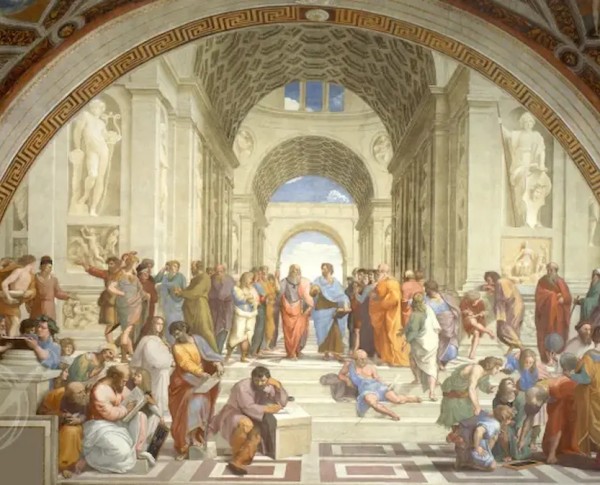
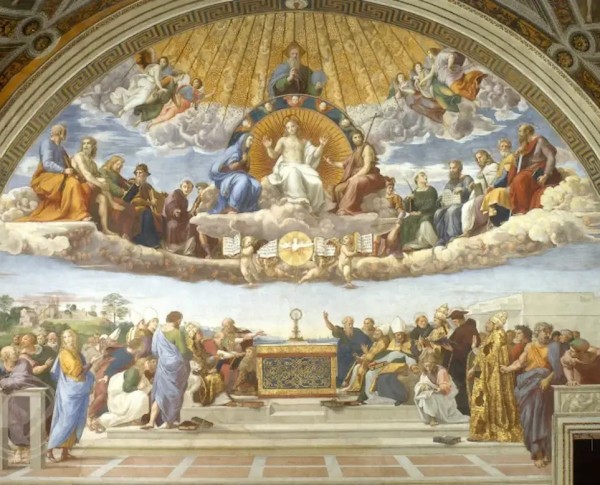
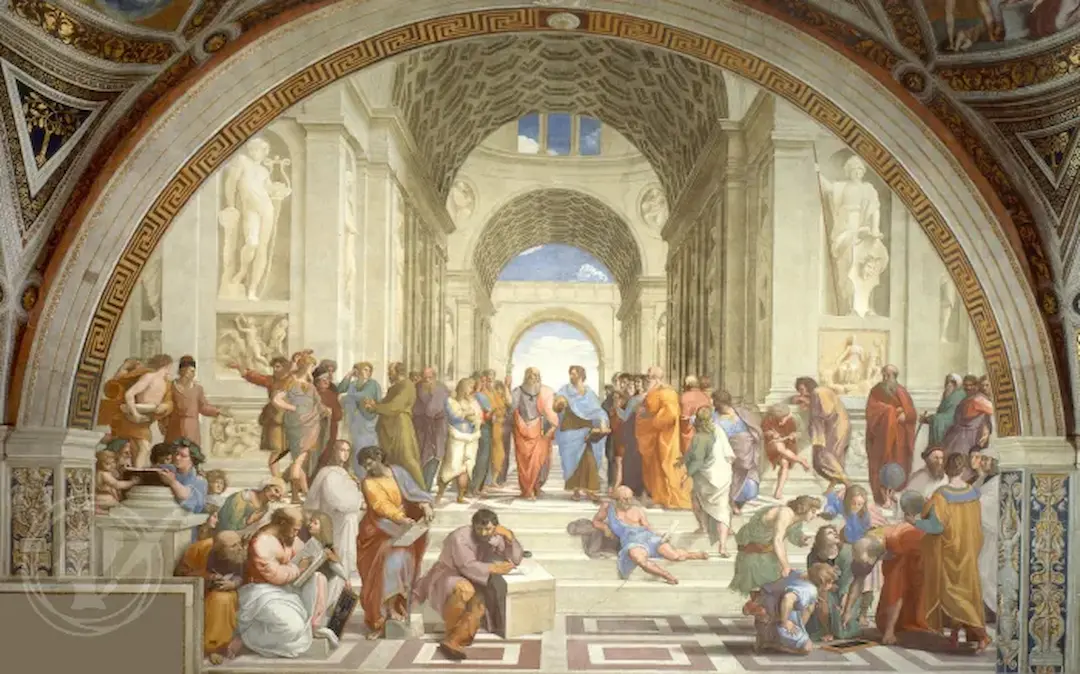
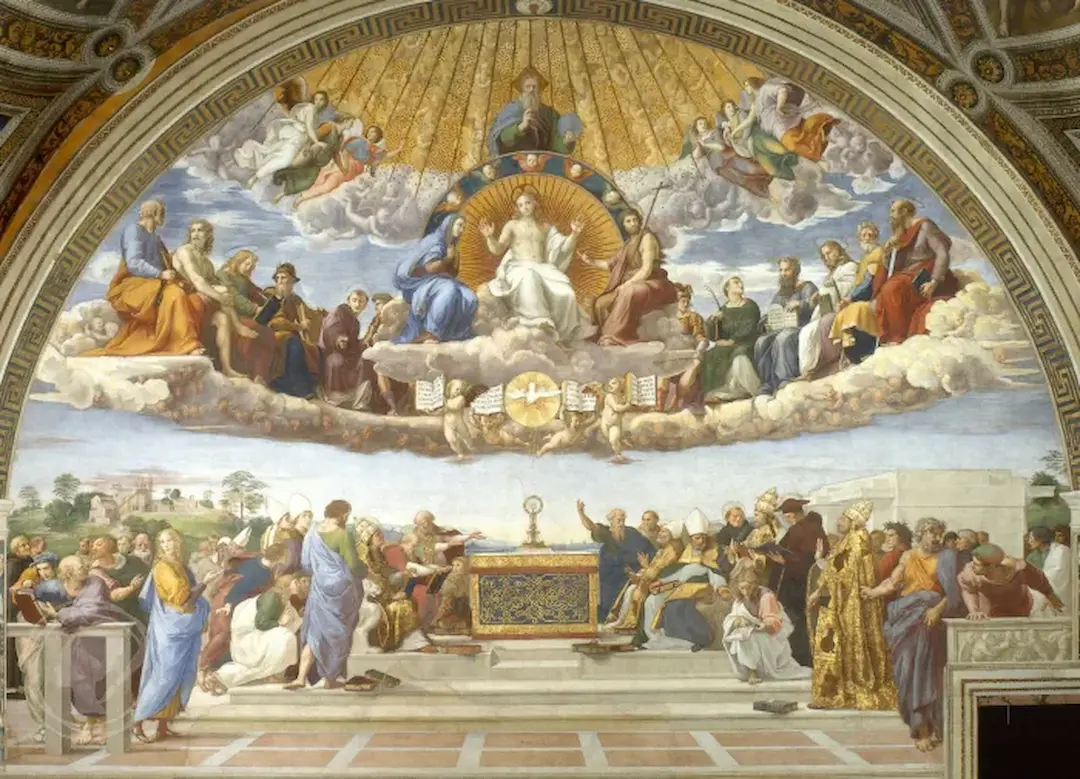
“Cherubini” is more than just a fine art painting for sale; it is a window into the symbolic world of the High Renaissance. Raphael infused his works with rich allegory and narrative, much like in “The School of Athens (from the Stanza della Segnatura)” and “The Stanza Della Segnatura Ceiling Justice.” The cherubs depicted embody innocence and divine presence, inviting viewers to uncover deeper meanings and appreciate the spiritual nuances woven throughout the painting.
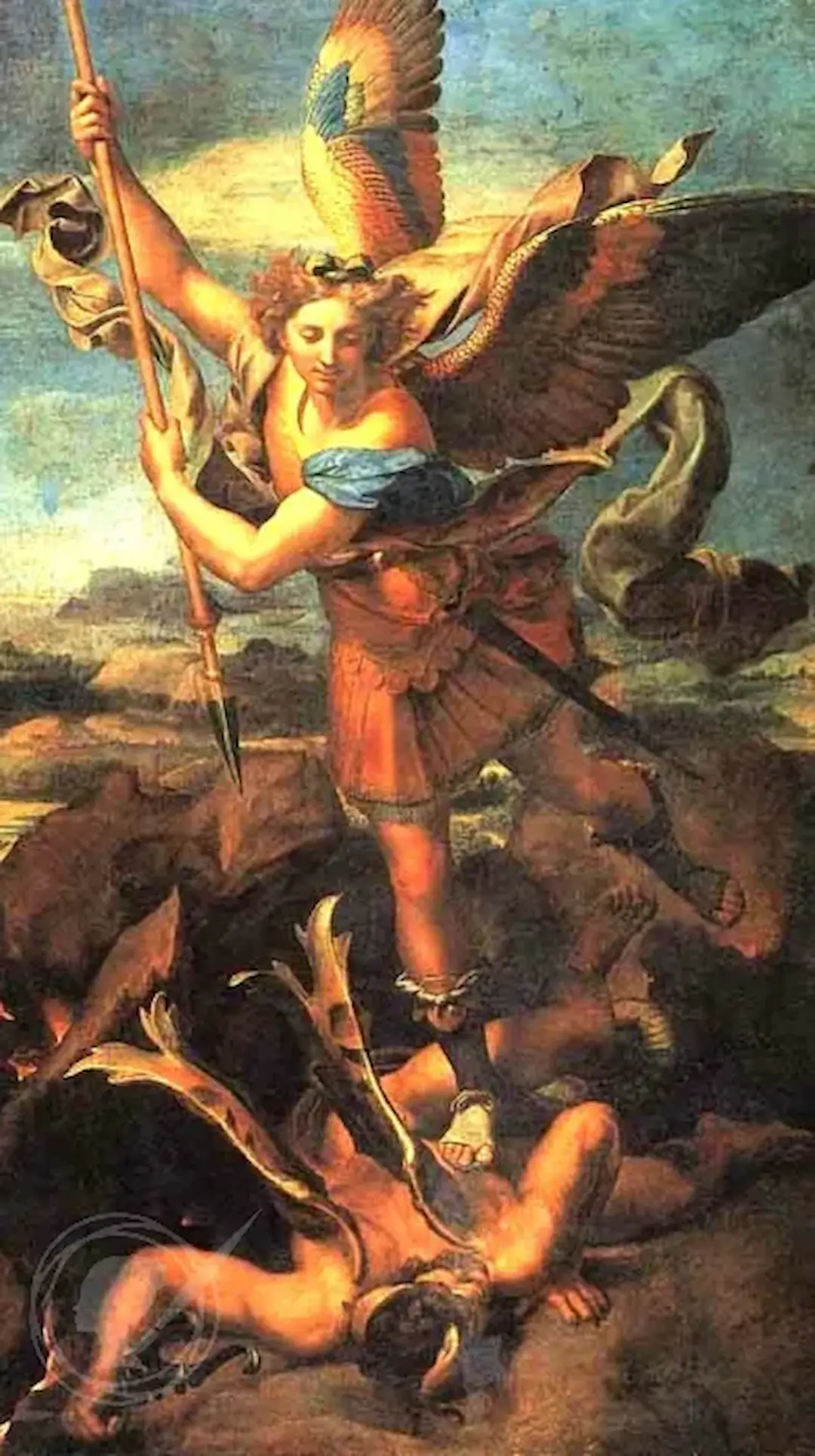
Owning “Cherubini” by Raffaello Sanzio means possessing a true fine art painting for sale from one of the High Renaissance’s greatest masters. This piece, along with related treasures like “Saint Michael And The Dragon” and “Self Portrait,” holds immense value for collectors and art enthusiasts. The timeless beauty and historical importance of Raphael’s work ensure that “Cherubini” remains a cherished highlight in any distinguished collection of classical masterpieces.
When Art Meets History
Raffaello Sanzio’s masterpiece "Cherubini" stands as a shining example of the High Renaissance movement, a period renowned for its innovation and grace. This hand-painted oil painting captures the spirit of its era, much like Leonardo da Vinci’s "Mona Lisa" and Michelangelo’s "Creation of Adam." Created during a time of artistic transformation, "Cherubini" offers viewers a glimpse into a world where art and history beautifully intertwine, making it a cherished piece among collectors and historians alike.
Techniques That Speak
In "Cherubini," Raffaello Sanzio displays his exceptional mastery of oil on canvas, a technique that defined the High Renaissance. The painting’s delicate brushwork and harmonious composition echo the subtlety found in related works such as "The Last Supper" and "La Scapigliata." Through careful layering and blending, Sanzio achieves a luminous effect, bringing the cherubs to life with remarkable realism. This approach places "Cherubini" among the most admired creations of Renaissance oil painting.
Emotions on Display
"Cherubini" by Raffaello Sanzio is more than just a fine art painting for sale; it is an emotional journey rendered in oil. The gentle expressions and soft gazes of the cherubs evoke innocence and wonder, reminiscent of the emotional resonance seen in "Portrait of Cecilia Gallerani." Sanzio’s ability to convey complex feelings through subtle gestures and light creates a powerful connection between the viewer and the artwork, embodying the emotive spirit of the High Renaissance.
Coveted by Collectors
As a hand-painted oil painting from the High Renaissance, "Cherubini" by Raffaello Sanzio is highly sought after by collectors worldwide. Its timeless beauty and historical significance place it alongside masterpieces like "Mona Lisa" and "The Last Supper." Art enthusiasts recognize "Cherubini" for its exquisite technique, emotional depth, and connection to the Renaissance’s greatest artists, making it a prized addition to any fine art collection and a testament to Sanzio’s enduring legacy.
Related High Renaissance Hand-Painted Oil Paintings by Other Artists
Other Famous High Renaissance Artists:
Frequently Asked Questions About Cherubini
What is the historical context of "Cherubini"?
"Cherubini," painted by Raffaello Sanzio during the High Renaissance, reflects the artistic innovations and cultural developments of early 16th-century Italy, particularly in Rome, where Raphael was a prominent figure in the artistic community.
What are the main artistic techniques used in "Cherubini"?
Raphael employed techniques such as chiaroscuro to create depth and volume, and sfumato to achieve soft transitions between colors, contributing to the painting's lifelike quality and emotional resonance.
What themes are explored in "Cherubini"?
The painting explores themes of divine love and protection, as the cherubs symbolize the presence of the divine and the connection between humanity and the celestial realm.
How does "Cherubini" reflect Raphael's style?
"Cherubini" exemplifies Raphael's signature style, characterized by harmonious composition, graceful figures, and a serene color palette, which collectively evoke a sense of tranquility and beauty.
What symbolism is present in "Cherubini"?
The cherubs in the painting symbolize innocence and purity, often associated with divine messengers, reinforcing the spiritual themes prevalent in Raphael's work.
What influence did "Cherubini" have on later artists?
"Cherubini" has influenced numerous artists throughout history, particularly in the Baroque period, where the depiction of cherubs became a popular motif, drawing inspiration from Raphael's idealized forms and emotive expressions.
What is the significance of the color palette in "Cherubini"?
The color palette of "Cherubini" is dominated by soft pastels and warm tones, which not only enhances the ethereal quality of the cherubs but also evokes feelings of warmth and tenderness associated with divine love.
In what ways does "Cherubini" reflect the ideals of the Renaissance?
"Cherubini" embodies Renaissance ideals through its emphasis on humanism, beauty, and the exploration of spiritual themes, showcasing the period's quest for balance between the earthly and the divine.
What is the current location of "Cherubini"?
"Cherubini" is housed in a prominent art collection, where it continues to be studied and admired for its artistic merit and historical significance.
How does "Cherubini" compare to other works by Raphael?
Compared to other works by Raphael, "Cherubini" demonstrates his unique ability to blend emotional depth with technical precision, distinguishing it within his oeuvre as a poignant exploration of divine themes.






















_GFM_Painting_(1).webp)


 100% Hand-Painted: Finished in 3-6 Weeks

.png)
















_(1).webp)