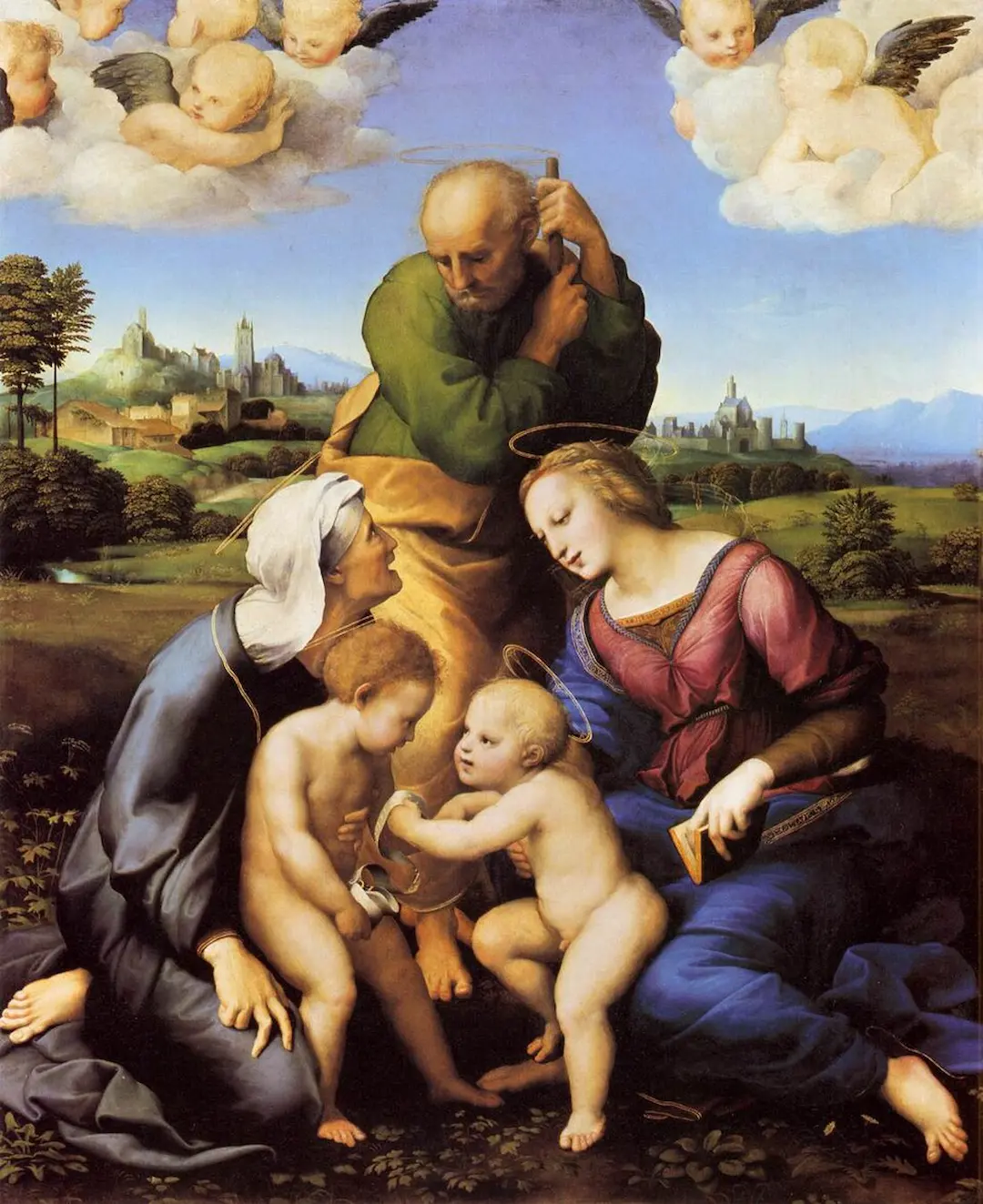
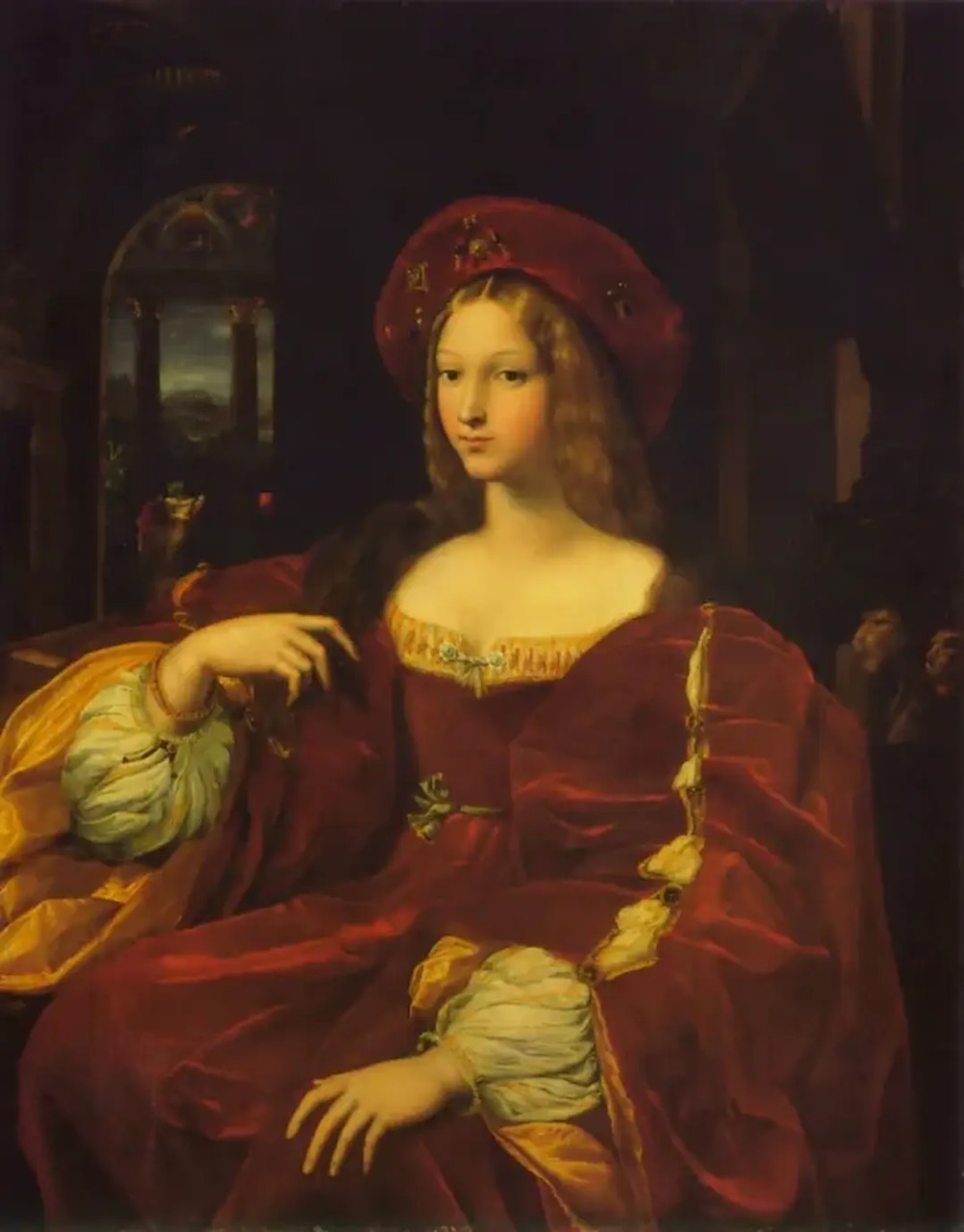
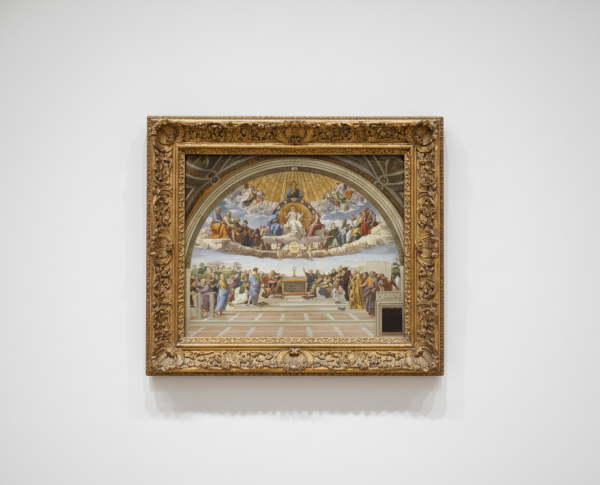
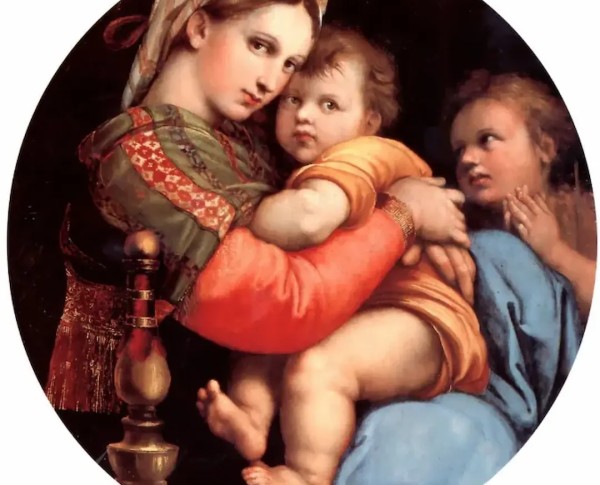
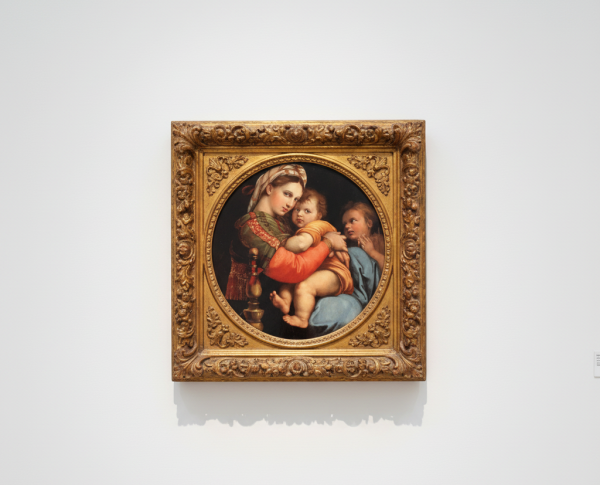
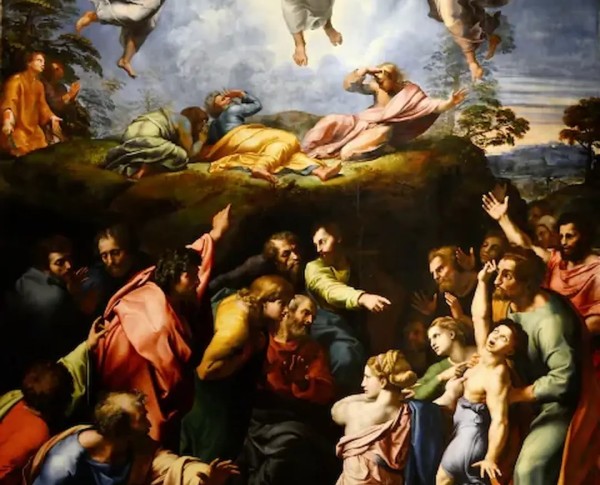
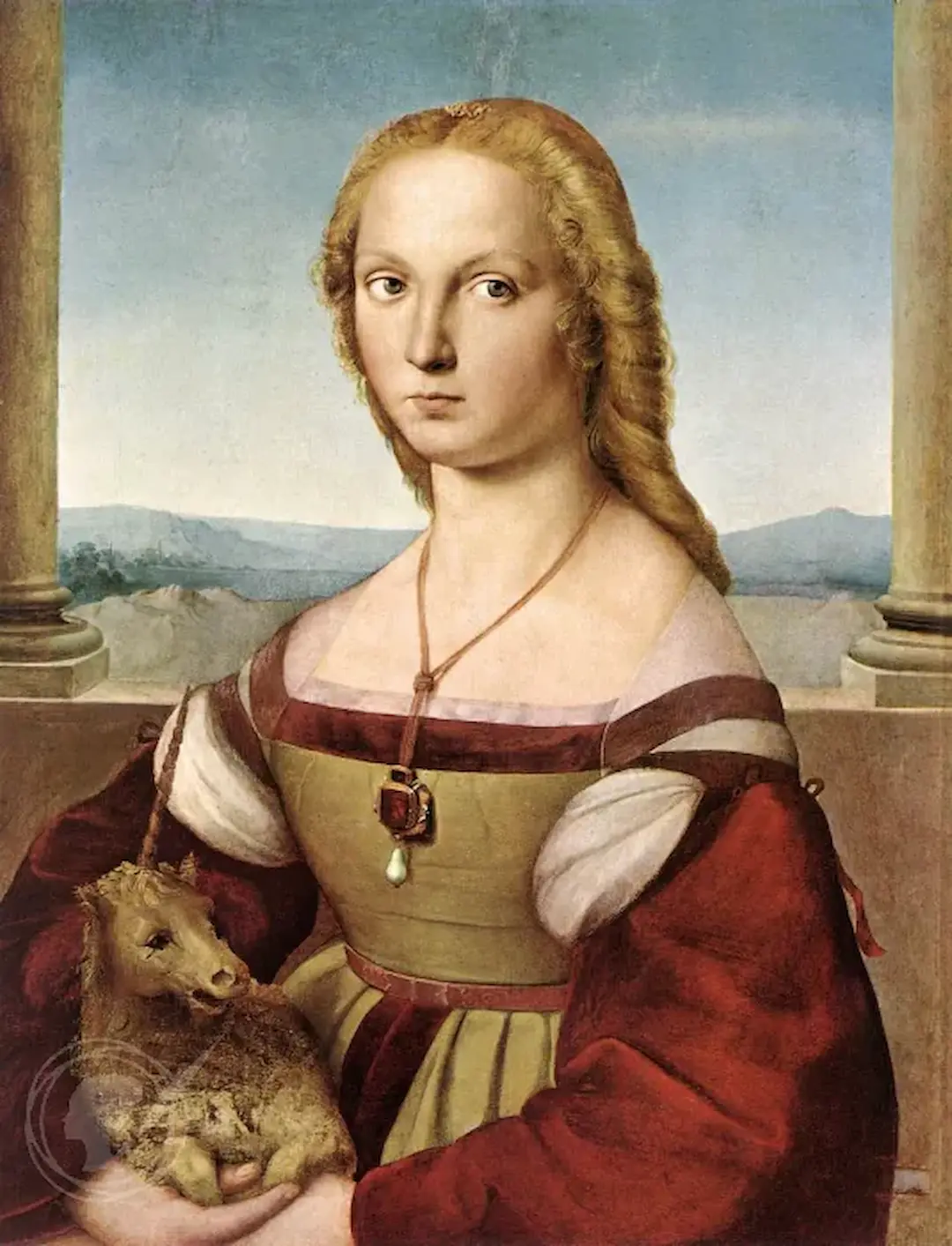
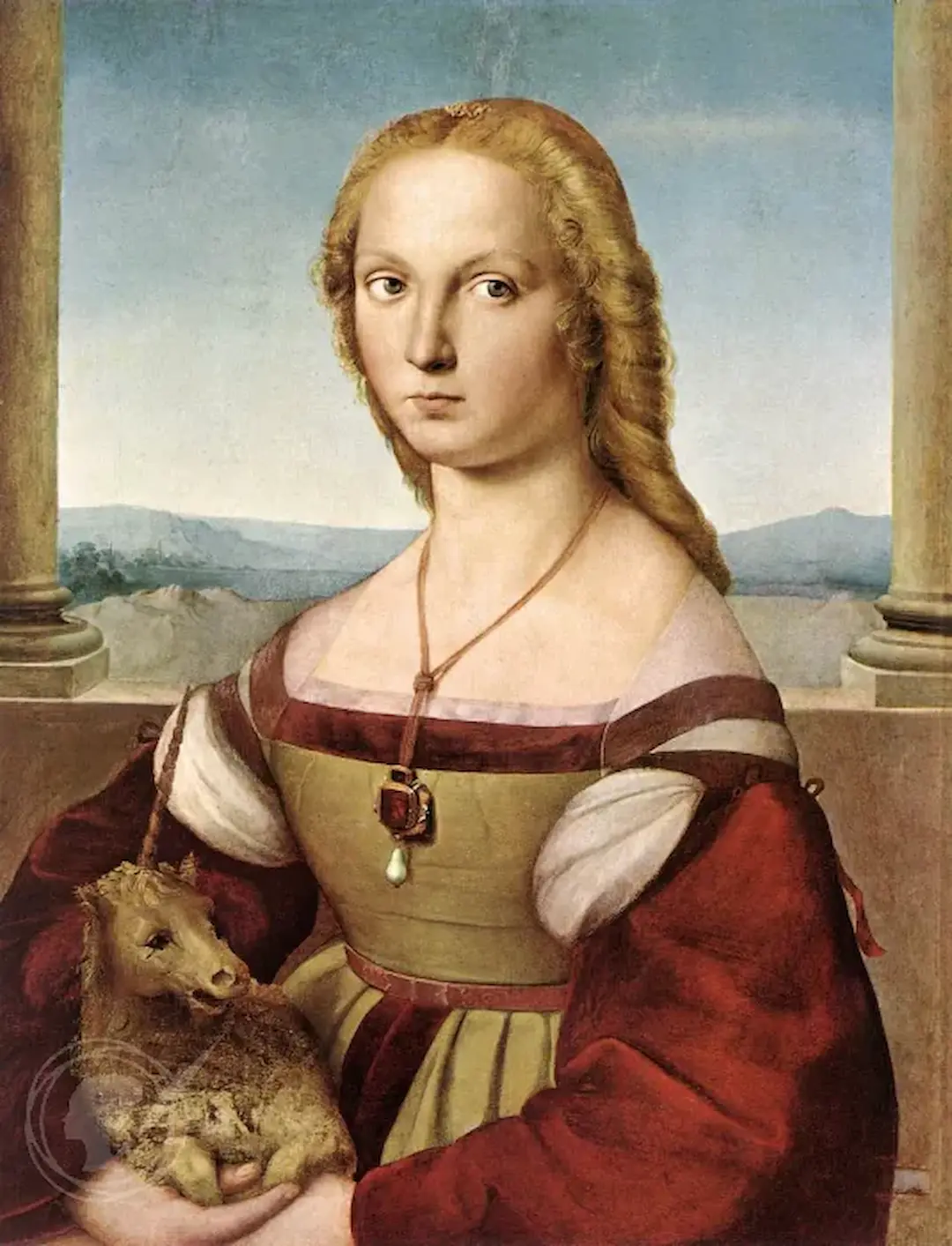
Raffaello Sanzio’s "The Woman with the Unicorn" demonstrates exquisite skill in oil on canvas, a hallmark medium of the High Renaissance movement. Each brushstroke reveals Raphael’s attention to detail, rivaling his other works like "The Holy Family with Saints Elizabeth and John (or The Canigiani Holy Family)" and "The Stanza Della Segnatura Ceiling Justice." This oil on canvas masterpiece is a testament to the artist’s technical prowess and remains a benchmark for aspiring painters and collectors worldwide.
Within "The Woman with the Unicorn," symbolism abounds—most notably the unicorn itself, a sign of purity and virtue in Renaissance art. Raffaello Sanzio weaves narrative and symbolism seamlessly, inviting comparisons with his "Cherubini" and "The Sistine Madonna." This hand-painted oil painting not only enchants viewers with its beauty but also with its rich allegorical layers, making it a sought-after fine art painting for sale among connoisseurs of the High Renaissance.
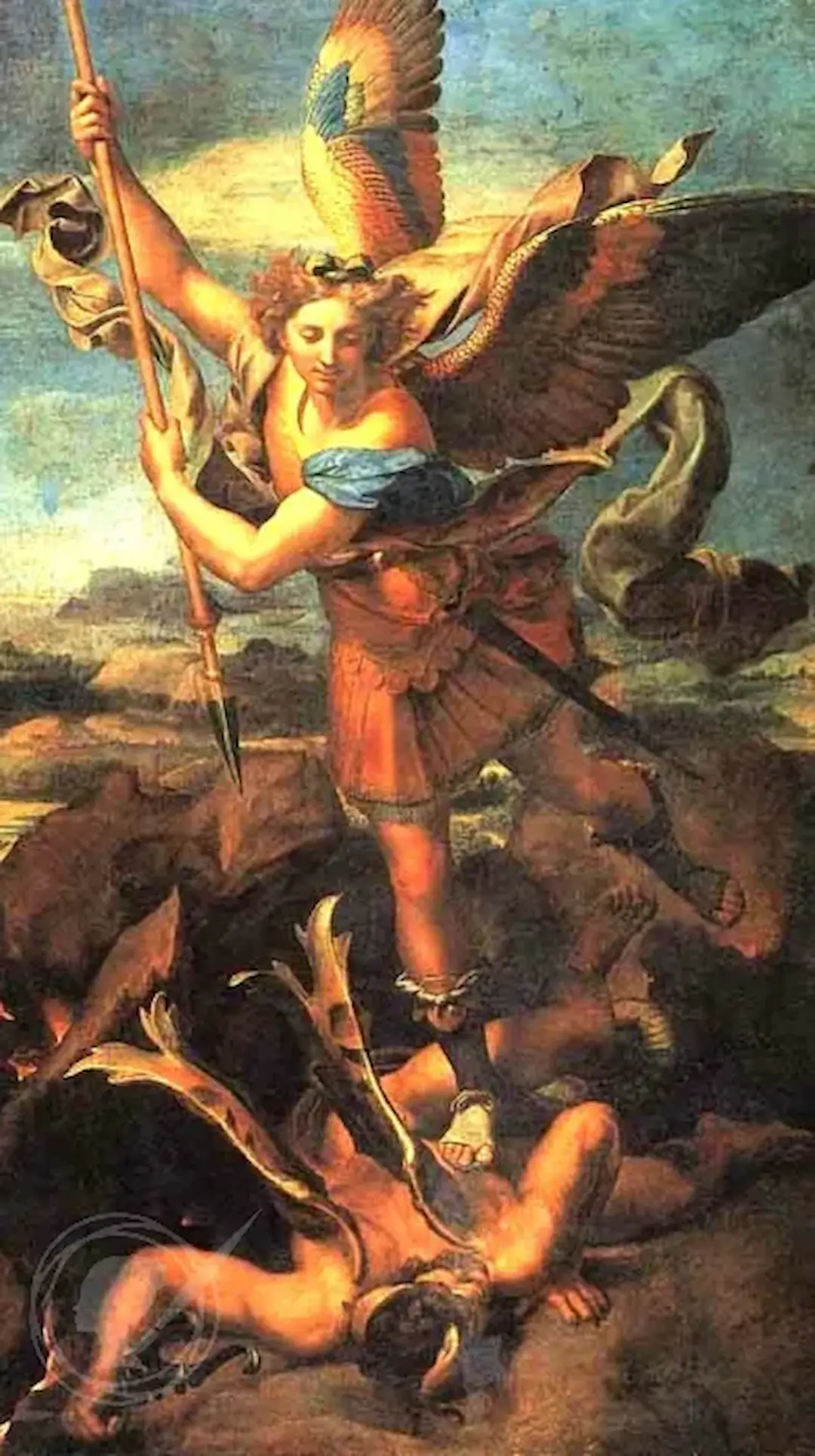
Owning "The Woman with the Unicorn" is a dream for many art enthusiasts, as this oil on canvas masterpiece is an iconic representation of Raffaello Sanzio’s High Renaissance legacy. Collectors value it alongside related works like "La Donna Velata" and "St George and the Dragon." As a fine art painting for sale, it offers a rare opportunity to possess a piece of history, blending aesthetic brilliance with the prestige of Renaissance artistry.
When Art Meets History
"The Woman with the Unicorn" by Raffaello Sanzio stands as an iconic masterpiece of the High Renaissance movement, crafted around 1505-1506. This hand-painted oil painting draws viewers into a world where symbolism and elegance intertwine. Like Leonardo da Vinci’s "Mona Lisa" and "Lady with an Ermine," Raphael’s portrait captures the essence of Renaissance ideals. The painting’s historical significance is heightened by its mysterious subject, echoing the era’s fascination with beauty, virtue, and allegorical meaning.
Techniques That Speak
Raffaello Sanzio’s masterful use of oil on canvas in "The Woman with the Unicorn" showcases the refined techniques characteristic of the High Renaissance. His delicate brushwork and subtle gradations of color create a lifelike presence, reminiscent of contemporaries such as Leonardo da Vinci and Michelangelo, whose "Creation of Adam" shares similar technical brilliance. Raphael’s attention to detail, particularly in the subject’s hands and the unicorn, demonstrates a commitment to realism and harmony emblematic of fine art painting for sale.
Emotions on Display
In "The Woman with the Unicorn," Raphael captures a serene yet enigmatic expression, inviting viewers to ponder the sitter’s thoughts and emotions. This emotional depth aligns with the introspective qualities found in works like "The Last Supper" and "La Scapigliata." Through subtle gestures and a soft gaze, the artist evokes a sense of innocence and mystery. The painting’s emotional resonance makes it a celebrated hand-painted oil painting, cherished by art lovers and historians alike.
Coveted by Collectors
As a quintessential example of High Renaissance portraiture, "The Woman with the Unicorn" remains highly sought after among collectors and museums. Its enduring appeal is shared with other masterpieces such as "Mona Lisa" and "Portrait of Cecilia Gallerani." The painting’s exquisite composition and symbolic richness make it a prized oil on canvas, often featured in exhibitions and fine art painting for sale catalogs. Its legacy continues to inspire admiration and fascination within the art world.
Related High Renaissance Hand-Painted Oil Paintings by Other Artists
Other Famous High Renaissance Artists:
Frequently Asked Questions About The Woman with the Unicorn
What is the historical context of "The Woman with the Unicorn"?
"The Woman with the Unicorn" was painted during the High Renaissance, a period marked by a revival of classical learning and an emphasis on humanism. Created by Raffaello Sanzio, also known as Raphael, this work reflects the artistic innovations and cultural values of early 16th-century Italy.
What artistic techniques did Raphael employ in this painting?
Raphael utilized techniques such as chiaroscuro to create depth and volume, and sfumato to achieve soft transitions between colors. The composition is balanced and harmonious, showcasing his mastery of perspective and the human form.
What is the significance of the unicorn in the painting?
The unicorn is a symbol of purity and grace, often associated with feminine virtue. Its presence in the painting suggests the idealization of womanhood and may also allude to the mystical qualities attributed to the subject.
Who is the woman depicted in the painting?
The identity of the woman in "The Woman with the Unicorn" is often debated among art historians. Some suggest she represents a specific individual, while others believe she embodies an idealized female figure, symbolizing beauty and virtue.
What role does color play in "The Woman with the Unicorn"?
Color in this painting is used to evoke emotion and highlight the subject's features. The soft, muted palette enhances the ethereal quality of the scene, while the rich hues of the fabrics add depth and contrast.
How does this painting reflect the ideals of the Renaissance?
"The Woman with the Unicorn" exemplifies Renaissance ideals through its focus on beauty, harmony, and the human experience. The attention to detail and the portrayal of the subject's inner life align with the era's exploration of individualism and realism.
What influences can be seen in Raphael's style in this work?
Raphael's style in "The Woman with the Unicorn" shows influences from earlier masters such as Leonardo da Vinci, particularly in the use of soft modeling and emotional expression. Additionally, the composition reflects the classical ideals of proportion and balance.
What is the significance of the setting in the painting?
The setting, characterized by a lush and serene background, enhances the painting's overall theme of tranquility and beauty. It serves to create an intimate atmosphere that draws the viewer's attention to the central figure and her symbolic companion.
How has "The Woman with the Unicorn" influenced later artists?
This painting has influenced numerous artists in their exploration of themes related to femininity and symbolism. Its blend of realism and idealism has inspired interpretations in various artistic movements, including Romanticism and Symbolism.
Where can I view "The Woman with the Unicorn" today?
"The Woman with the Unicorn" is housed in a prominent art collection, and it can be viewed at select exhibitions. For current location and exhibition details, please check with the respective art institution or gallery.






















_GFM_Painting_(1).webp)


 100% Hand-Painted: Finished in 3-6 Weeks

.png)
















_(1).webp)