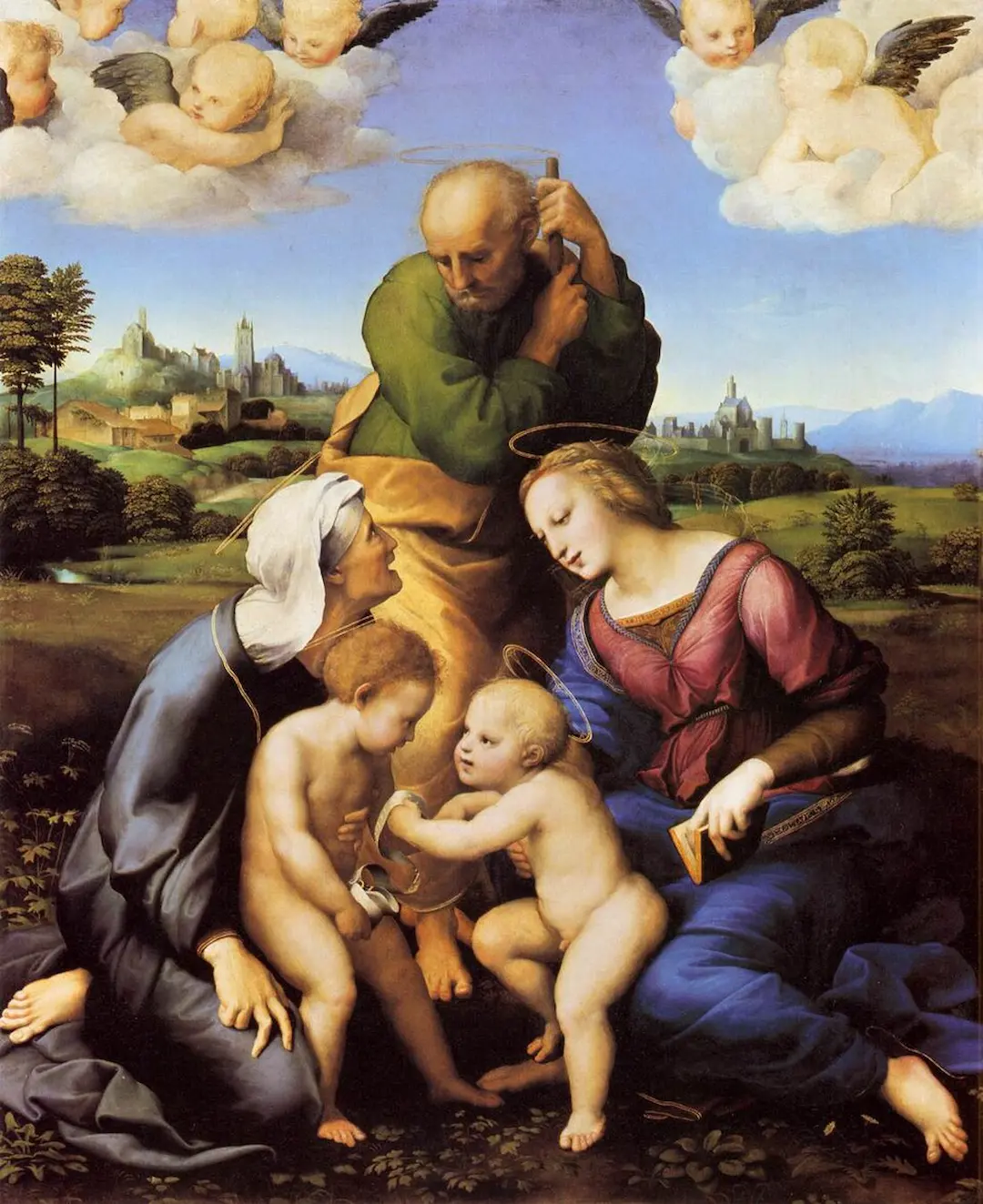
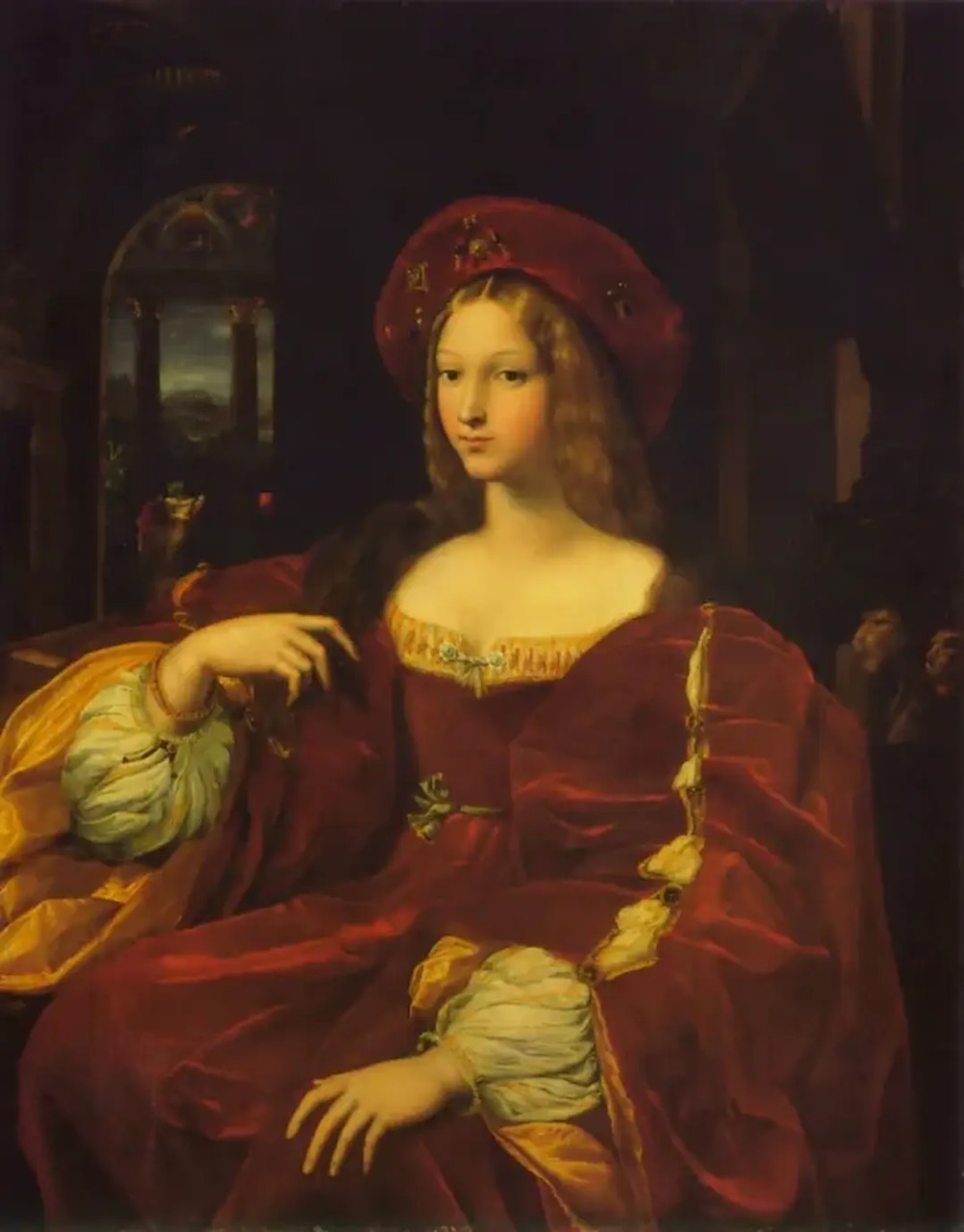
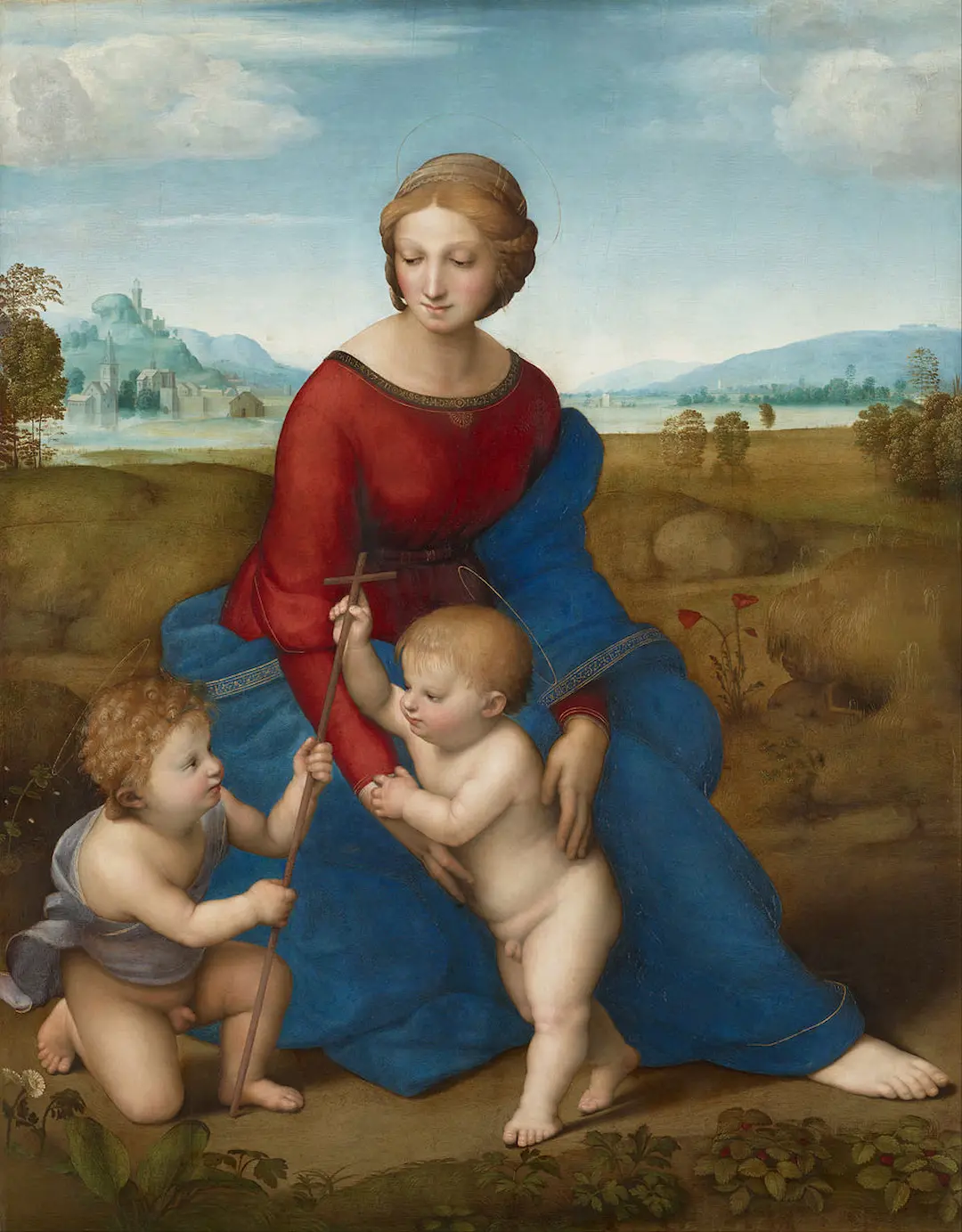
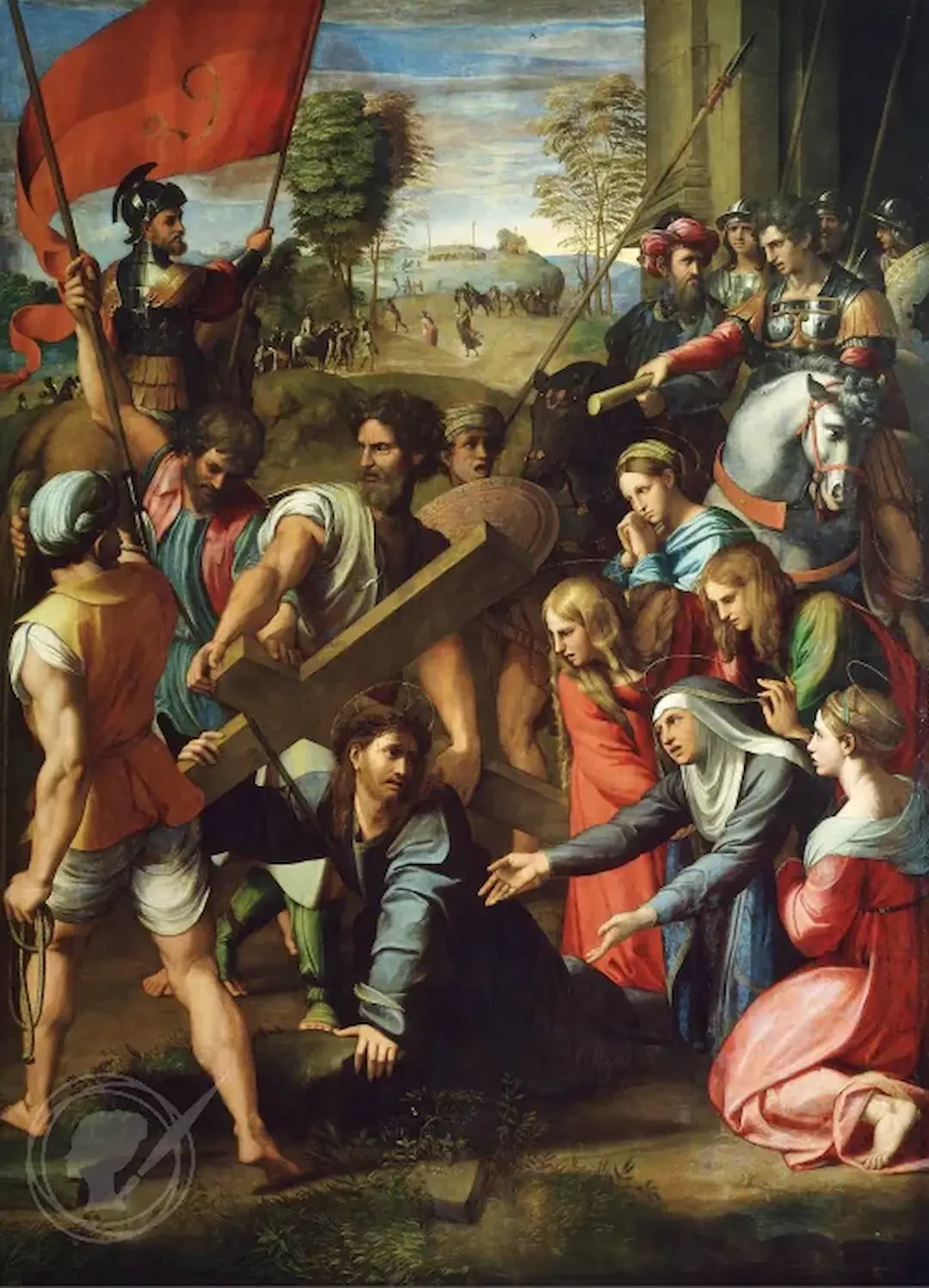
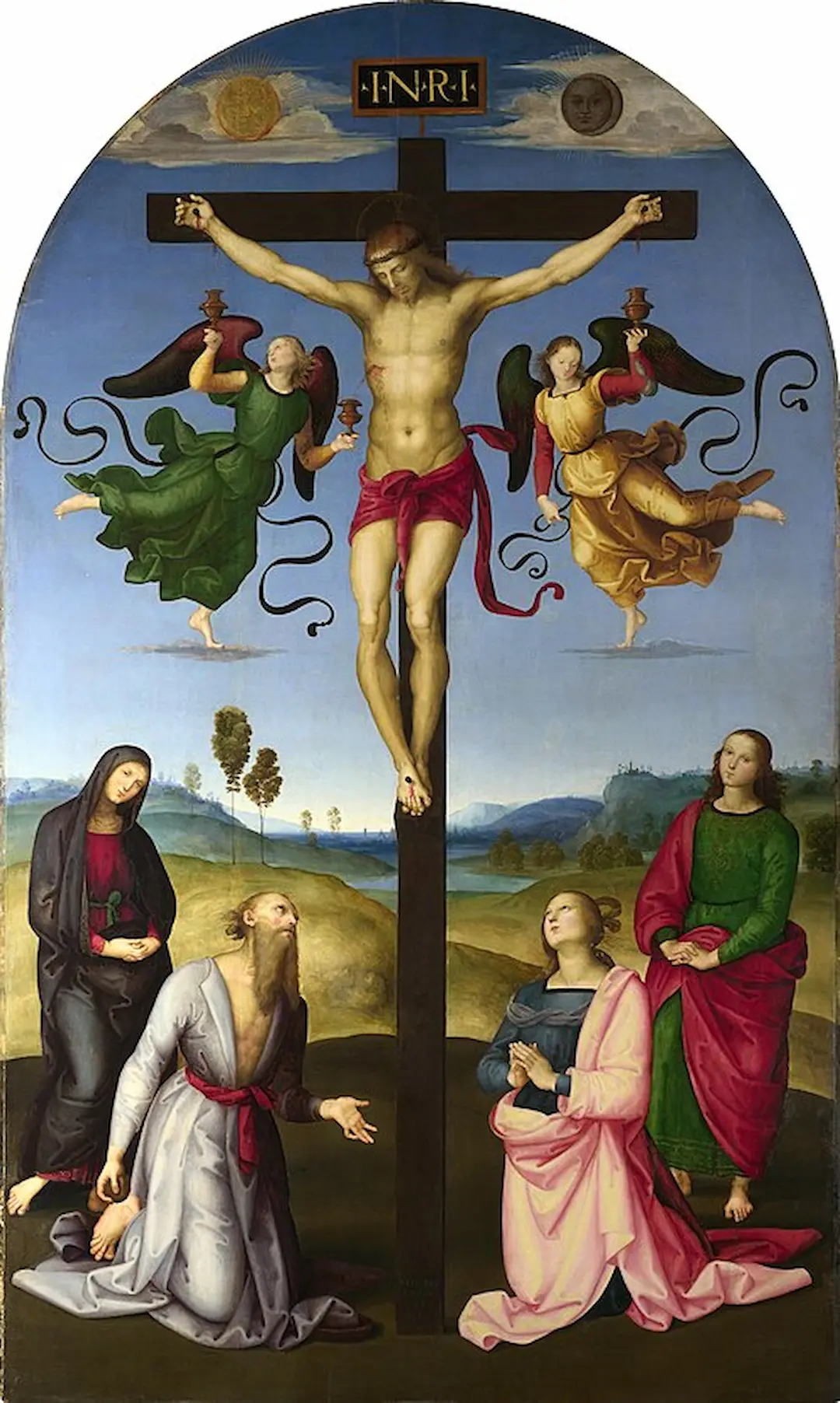
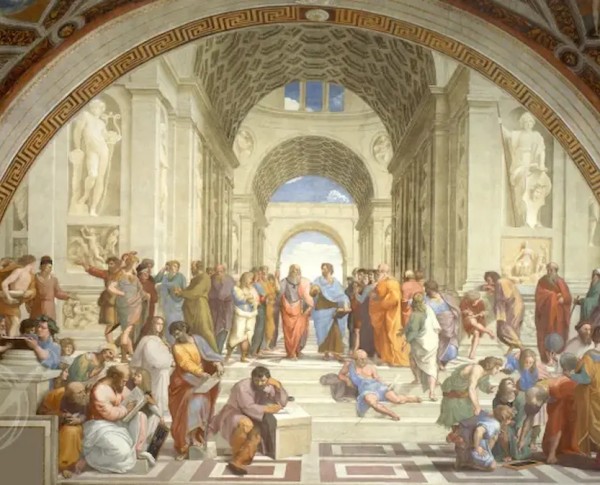
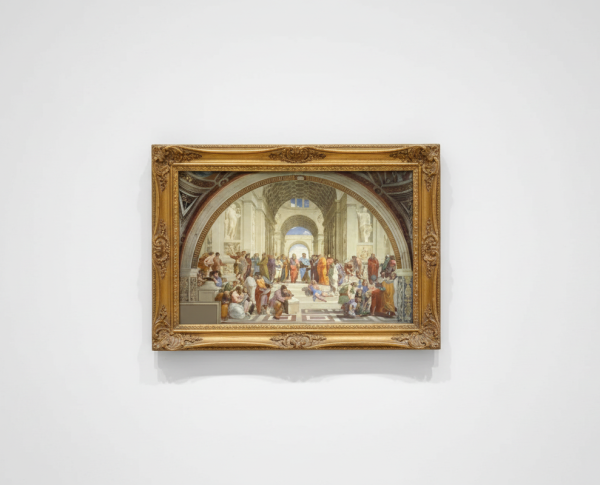
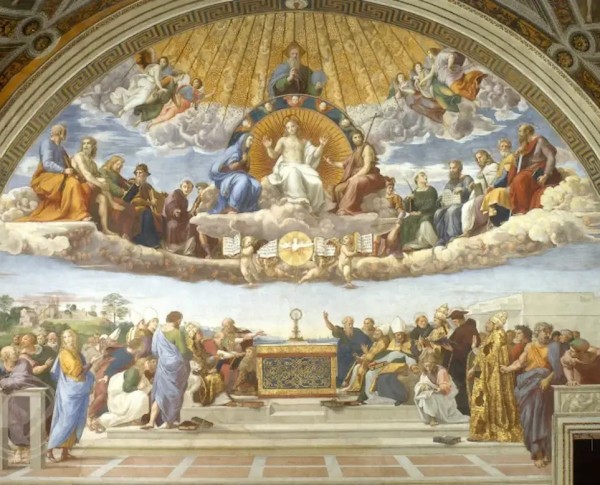
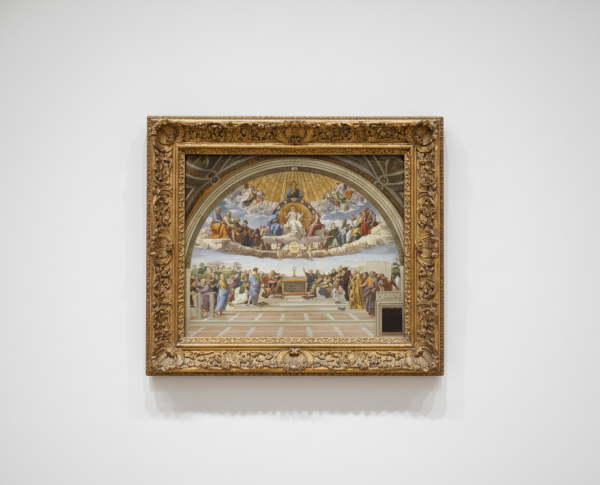
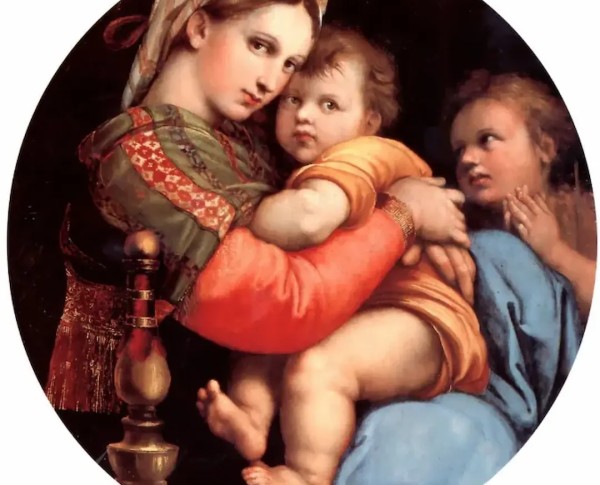
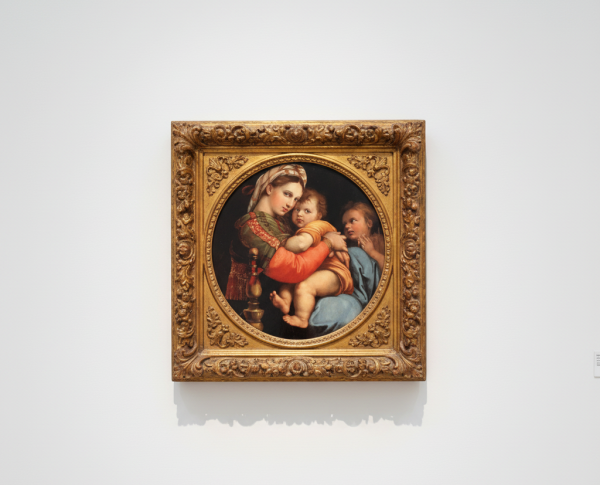
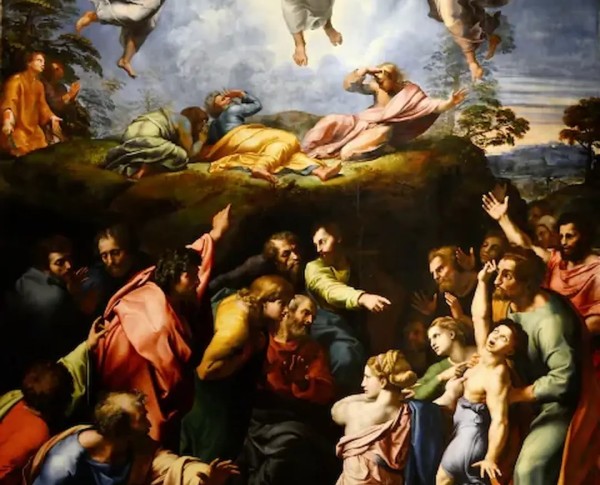
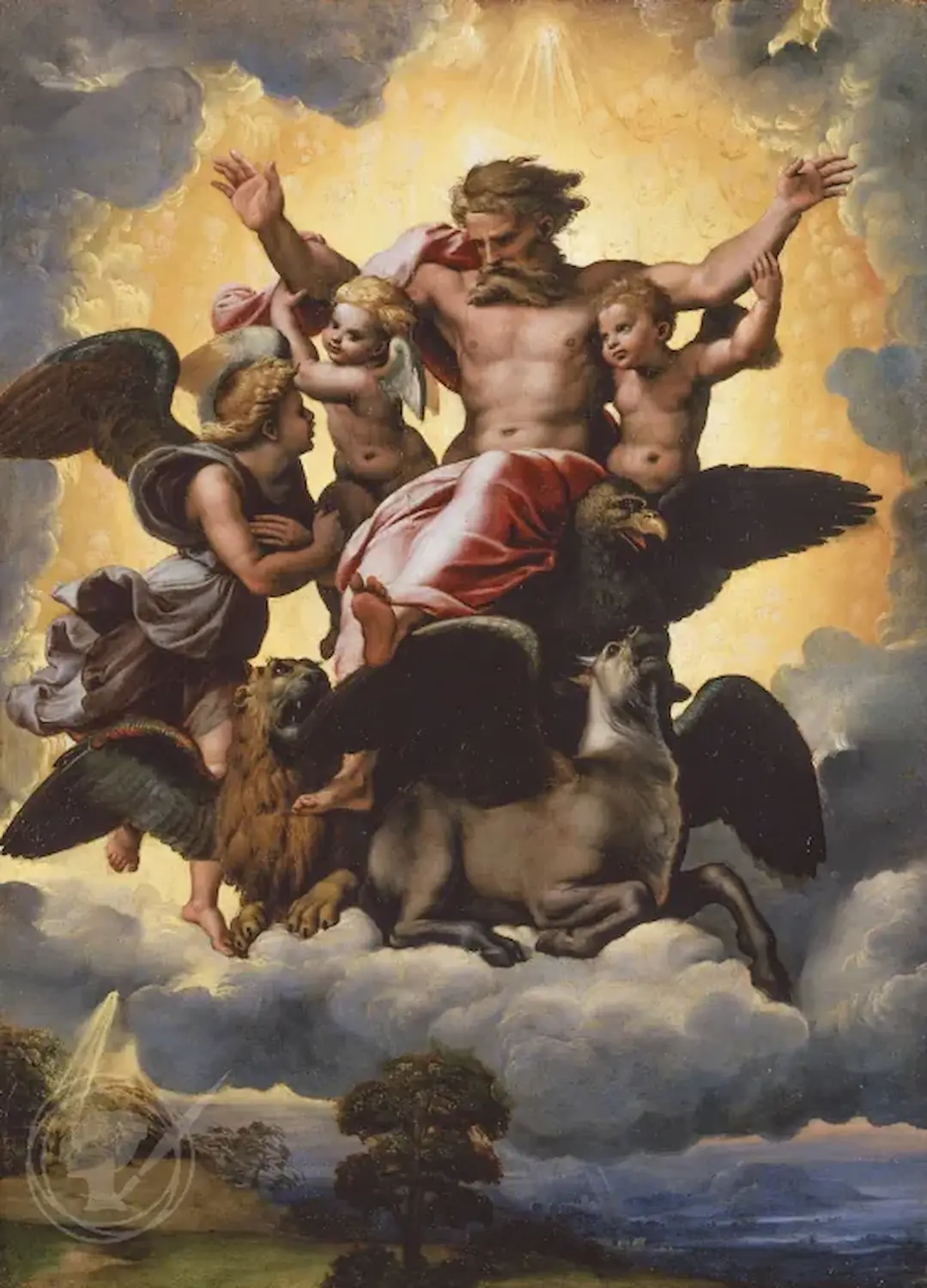
"The Vision of Ezekiel" exemplifies Raphael’s extraordinary skill with oil on canvas. Every brushstroke conveys a sense of movement and emotion, reflecting the ideals of the High Renaissance. Sanzio’s use of color and composition brings the biblical vision to life, much like his other renowned pieces, such as "Cherubini" and "Madonna della Sedia." This oil on canvas remains a testament to the artist’s technical brilliance and timeless influence in the world of art.
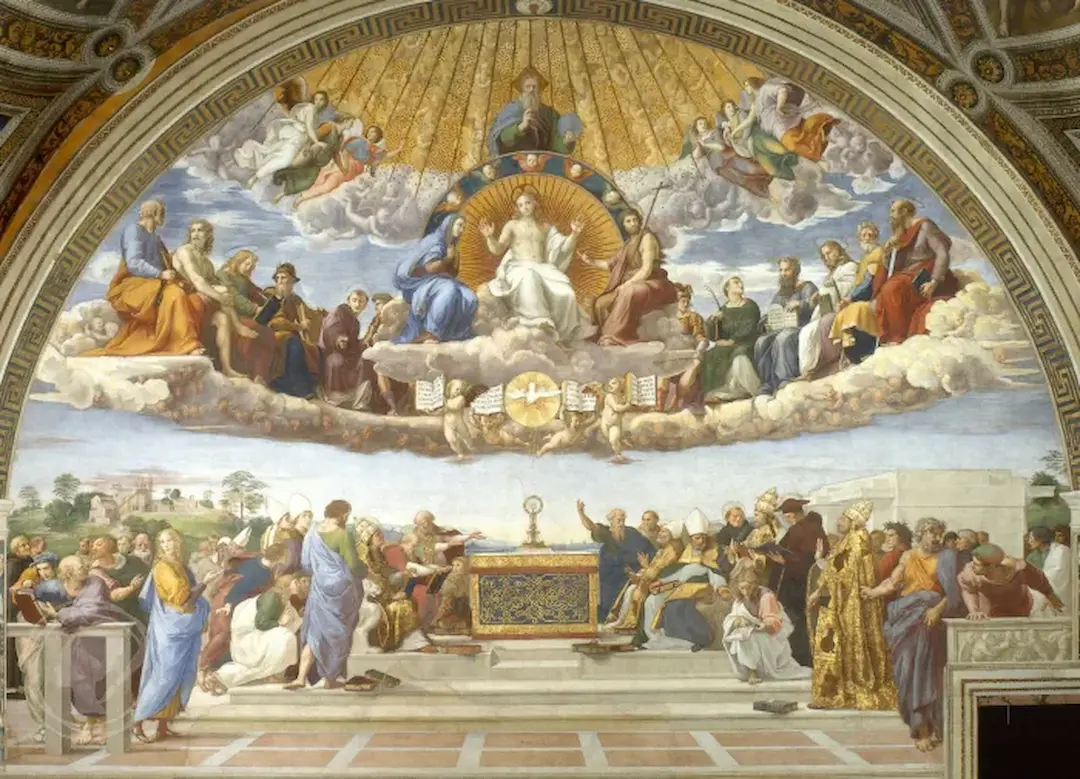
This fine art painting for sale weaves a tapestry of profound symbolism inspired by the prophetic vision described in the Book of Ezekiel. Raffaello Sanzio’s depiction is rich with spiritual meaning, echoing themes found in works like "Self Portrait" and the "Stanza Della Segnatura Ceiling Justice." The High Renaissance movement’s emphasis on narrative and allegory is evident, making "The Vision of Ezekiel" an essential piece for anyone passionate about art history and symbolism.
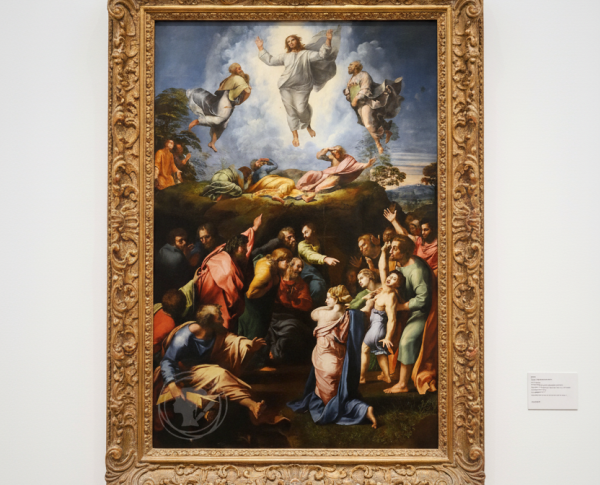
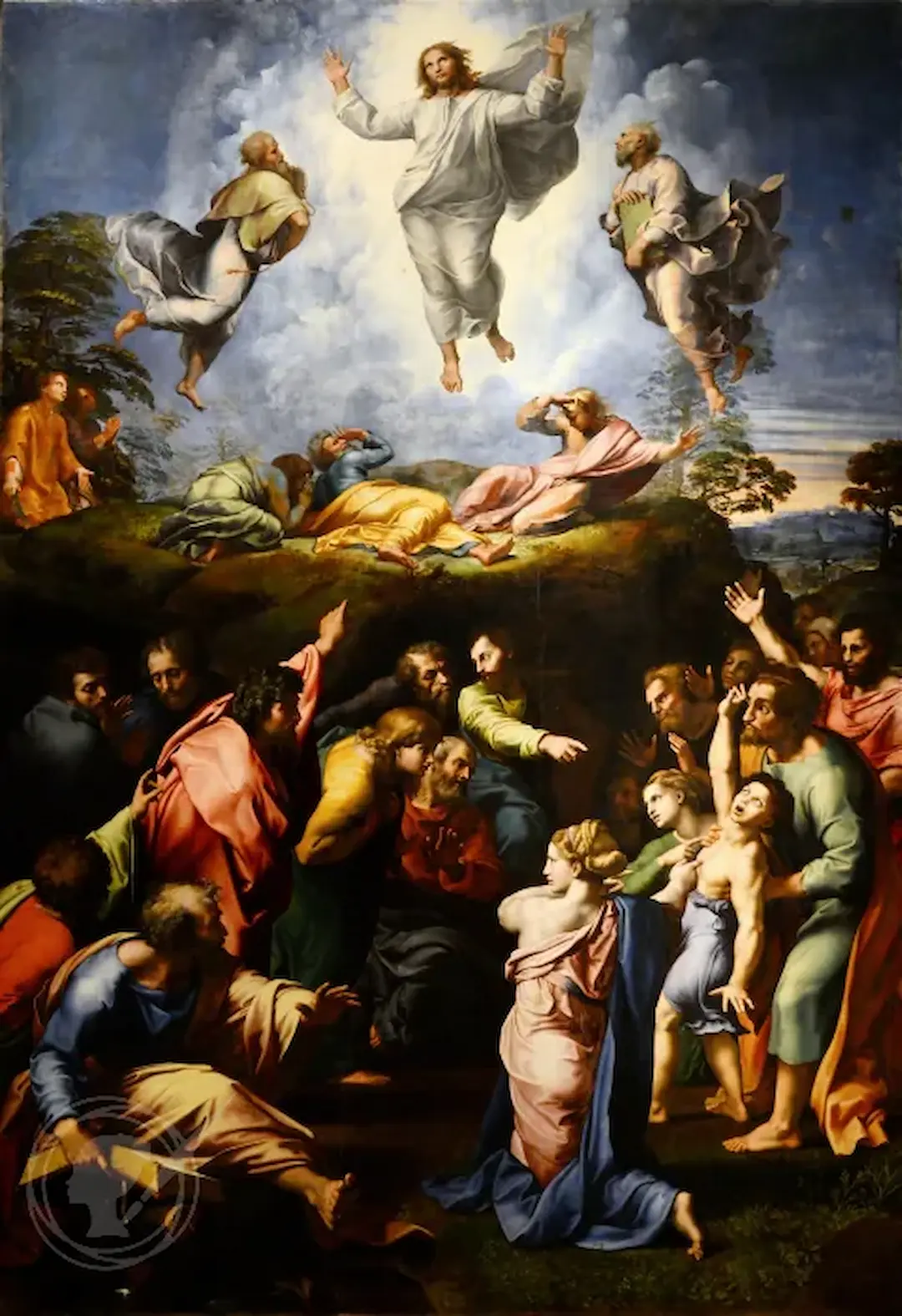
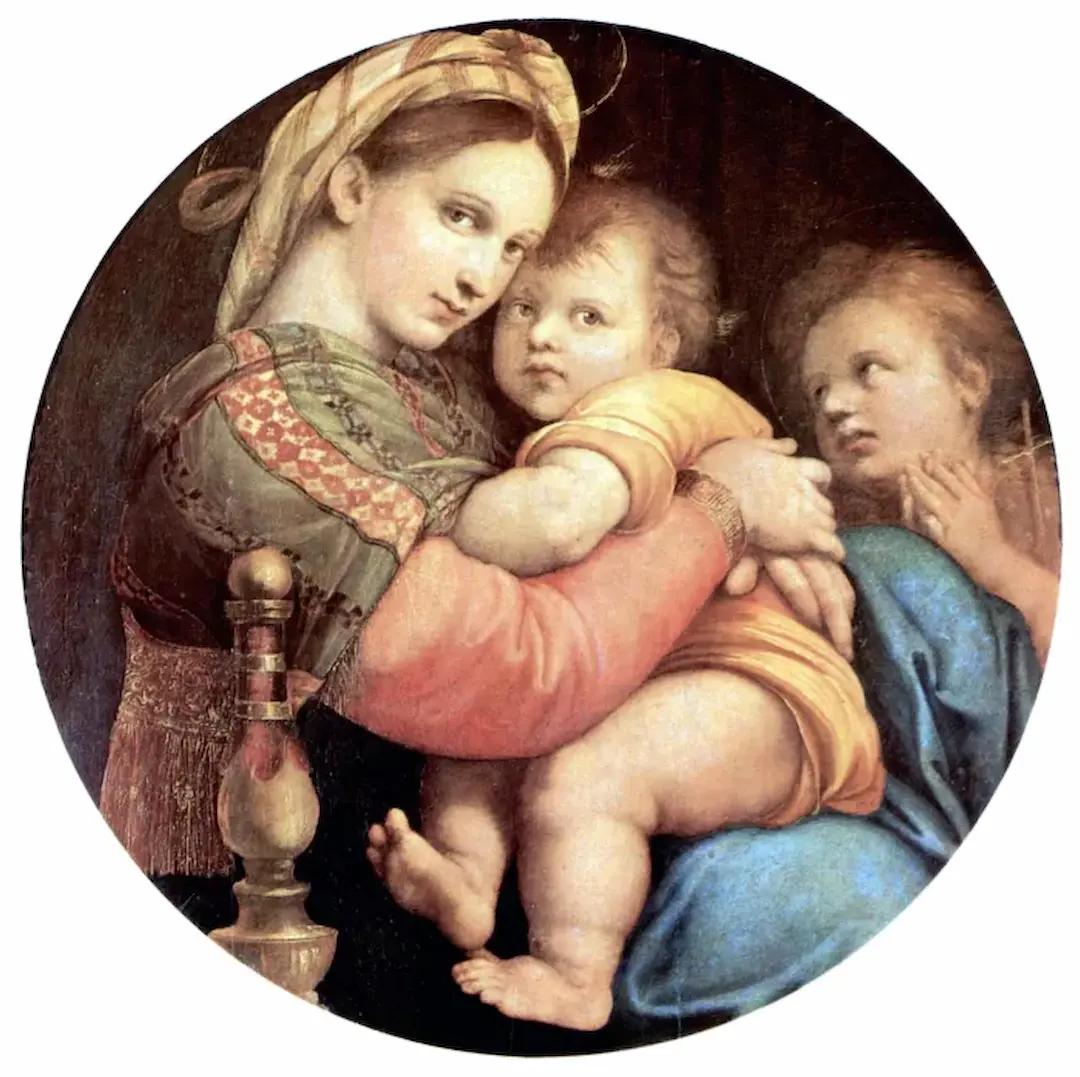
For collectors and admirers of the High Renaissance, "The Vision of Ezekiel" is a remarkable addition to any gallery. This hand-painted oil painting, crafted by Raffaello Sanzio, is highly sought after, much like his masterpieces "The Transfiguration" and "The Triumph Of Galatea." Whether displayed alongside "Cherubini" or "Madonna della Sedia," it enhances any collection and offers an exquisite opportunity to own a piece of fine art painting for sale from a legendary artist.
When Art Meets History
"The Vision of Ezekiel" by Raffaello Sanzio stands as a remarkable testament to the High Renaissance movement, blending biblical narrative with masterful artistry. This hand-painted oil painting captures the prophetic vision of Ezekiel, echoing the era’s fascination with spiritual and humanistic themes. Like "The Last Supper 1498" and "Creation of Adam 1510," Raphael’s work reflects both historical depth and innovative style, making it a pivotal reference in Renaissance art history.
Techniques That Speak
Raffaello Sanzio’s exceptional use of oil on canvas in "The Vision of Ezekiel" showcases the technical brilliance characteristic of the High Renaissance. Through dynamic composition and subtle gradations of light, Raphael creates a vivid, almost three-dimensional scene. Similar to masterpieces like "Mona Lisa (La Gioconda) c. 1503-05," the artist’s technique elevates the sacred subject, demonstrating why oil on canvas became the preferred medium for capturing such profound visions.
Emotions on Display
"The Vision of Ezekiel" radiates emotional intensity, a hallmark of Raphael’s genius in fine art painting for sale. The figures’ expressions and dramatic movement evoke awe and reverence, drawing viewers into the biblical moment. This emotional resonance aligns the painting with other evocative works like "Female head (The Lady of the Dishevelled Hair) (or La Scapigliata)" and "Portrait of Cecilia Gallerani (Lady with an Ermine) 1483-90," all celebrated for their psychological depth and humanity.
Coveted by Collectors
As a quintessential example of High Renaissance art, "The Vision of Ezekiel" remains highly sought after by collectors and art enthusiasts alike. This hand-painted oil painting not only represents Raffaello Sanzio’s mastery but also embodies the spiritual and artistic ideals of its time. Alongside related masterpieces, it continues to inspire admiration and demand in galleries and fine art auctions, symbolizing the enduring legacy of Renaissance creativity and beauty.
Related High Renaissance Hand-Painted Oil Paintings by Other Artists
Other Famous High Renaissance Artists:
Frequently Asked Questions About The Vision of Ezekiel
What is the historical context of "The Vision of Ezekiel"?
"The Vision of Ezekiel" was created during the High Renaissance, a period marked by a revival of classical learning and wisdom. Raffaello Sanzio, also known as Raphael, painted this work in the early 16th century, reflecting the religious and cultural shifts of the time, particularly the Catholic Church's emphasis on biblical narratives.
What biblical story does "The Vision of Ezekiel" depict?
The painting illustrates the prophetic vision of the prophet Ezekiel as described in the Book of Ezekiel, specifically Ezekiel 1:1-28. It captures the moment when Ezekiel sees a divine chariot composed of four living creatures, symbolizing the omnipresence and glory of God.
What artistic techniques did Raphael employ in this painting?
Raphael utilized chiaroscuro to create depth and dimension, along with a balanced composition that guides the viewer's eye. His mastery of color and light enhances the ethereal quality of the vision, making it both dramatic and contemplative.
How does "The Vision of Ezekiel" reflect Renaissance ideals?
The painting embodies Renaissance ideals through its focus on human emotion and spirituality. Raphael's attention to detail and anatomical accuracy showcases the era's fascination with the human form, while the subject matter reflects a deep engagement with theological themes.
What symbols are present in "The Vision of Ezekiel"?
Key symbols in the painting include the four living creatures, which represent the four evangelists: Matthew, Mark, Luke, and John. The chariot symbolizes divine movement and the connection between heaven and earth, emphasizing the transcendence of God.
What influence did "The Vision of Ezekiel" have on later artists?
Raphael's interpretation of biblical themes and his innovative use of composition influenced many artists in the Baroque period and beyond. His ability to convey complex spiritual narratives inspired future generations to explore similar themes in their own works.
Where can "The Vision of Ezekiel" be viewed today?
The painting is housed in the Vatican Museums, specifically in the Raphael Rooms, where it continues to attract visitors interested in Renaissance art and biblical history.
What is the significance of the color palette used in the painting?
Raphael's color palette in "The Vision of Ezekiel" features rich, vibrant hues that evoke a sense of divine presence. The use of blues and golds not only enhances the celestial atmosphere but also symbolizes spirituality and enlightenment.
How does Raphael's style in "The Vision of Ezekiel" compare to his other works?
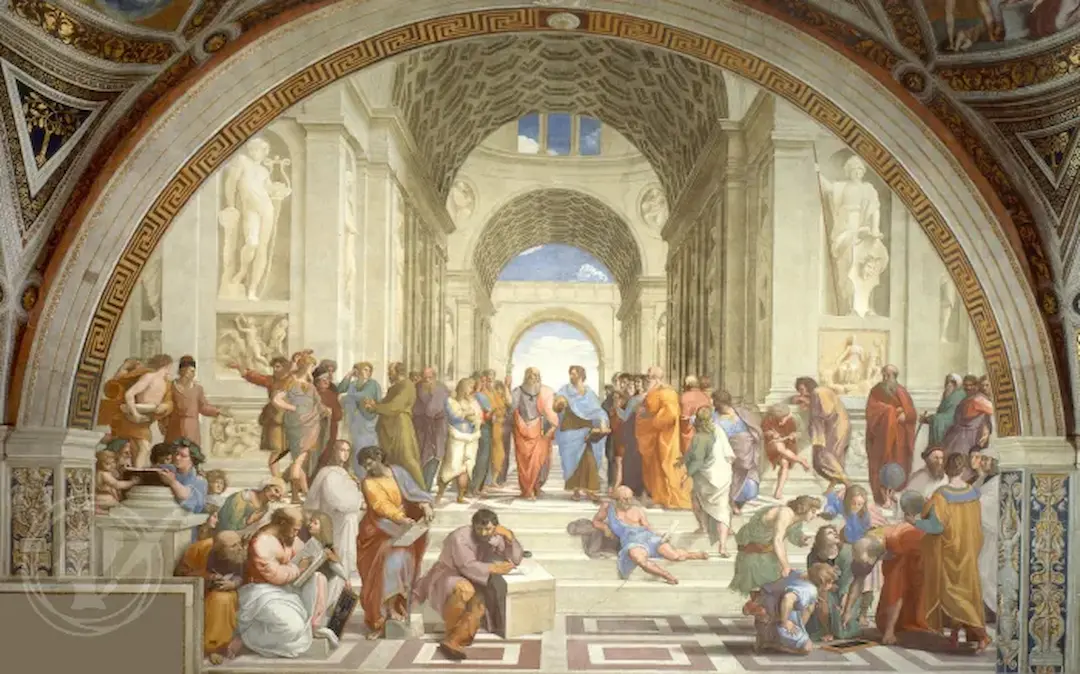
In "The Vision of Ezekiel," Raphael's style showcases his characteristic clarity and harmony, similar to his other works such as "The School of Athens." However, this piece also reflects a more dramatic and mystical interpretation, highlighting his versatility as an artist.
What role does "The Vision of Ezekiel" play in understanding Raphael's artistic legacy?
This painting is a crucial part of Raphael's oeuvre, illustrating his ability to merge classical themes with profound spiritual insight. It exemplifies his role as a bridge between the Renaissance and Baroque periods, solidifying his legacy as one of the great masters of Western art.






















_GFM_Painting_(1).webp)


 100% Hand-Painted: Finished in 3-6 Weeks

.png)
















_(1).webp)